New York Complex Will with Credit Shelter Marital Trust for Large Estates
About this form
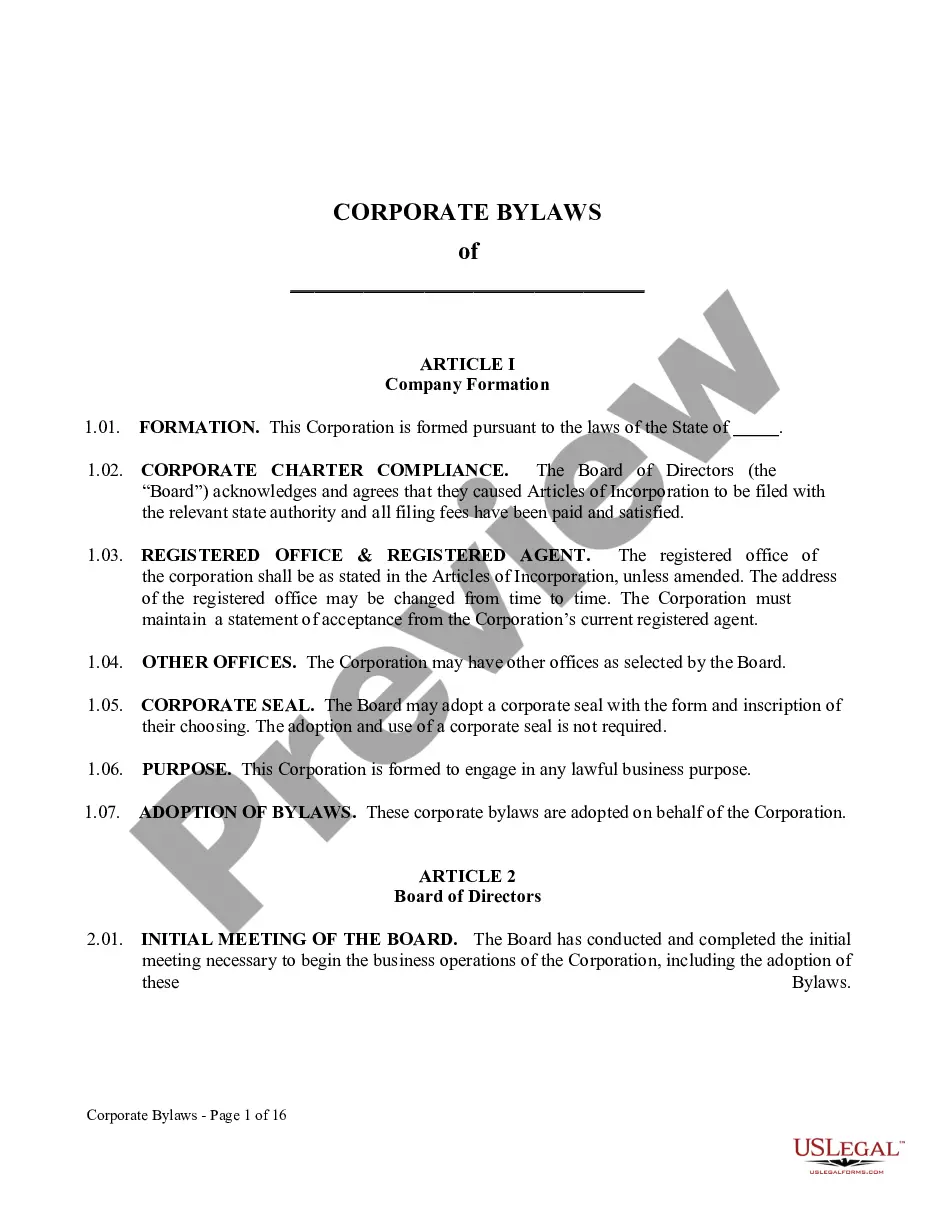
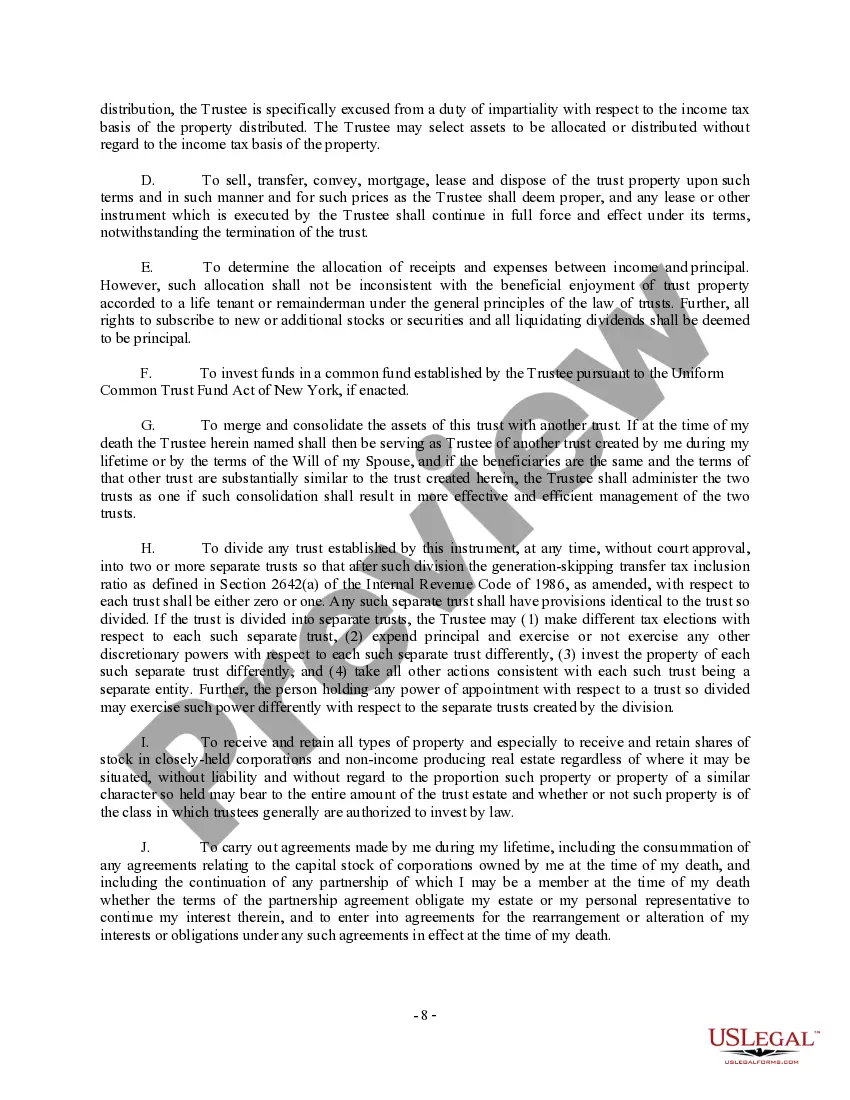
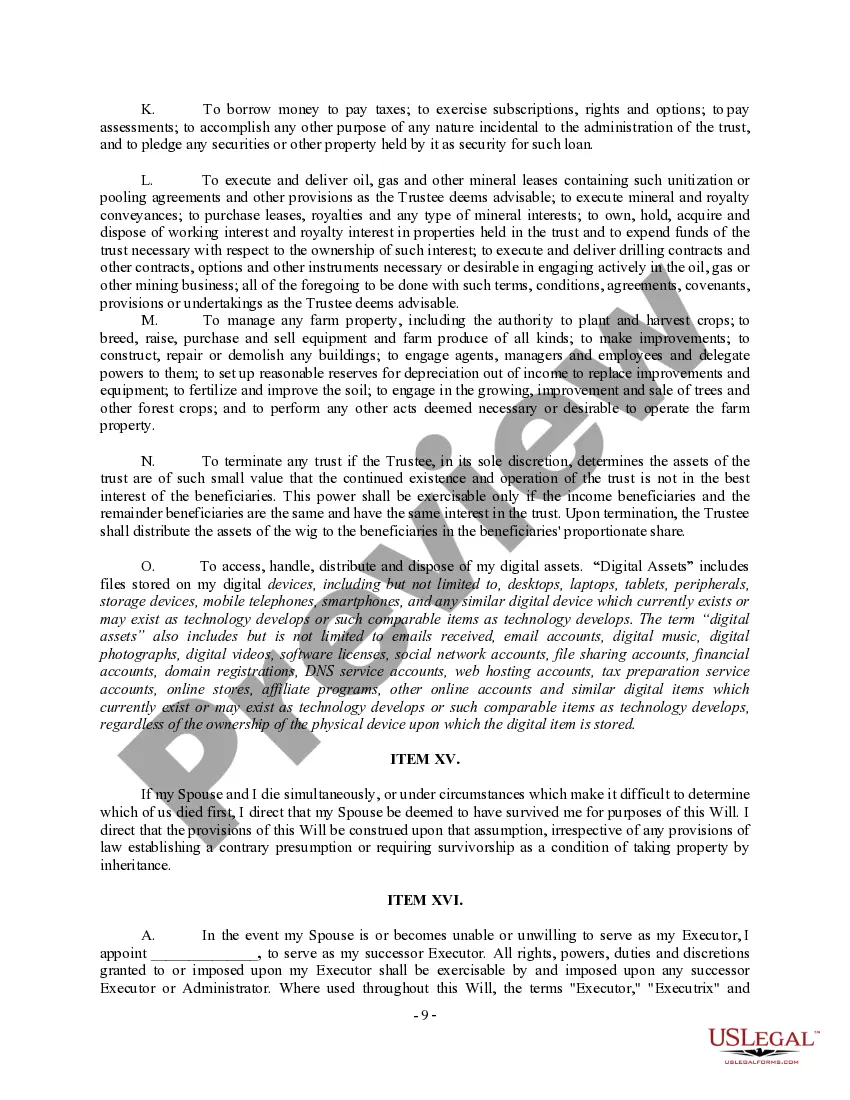
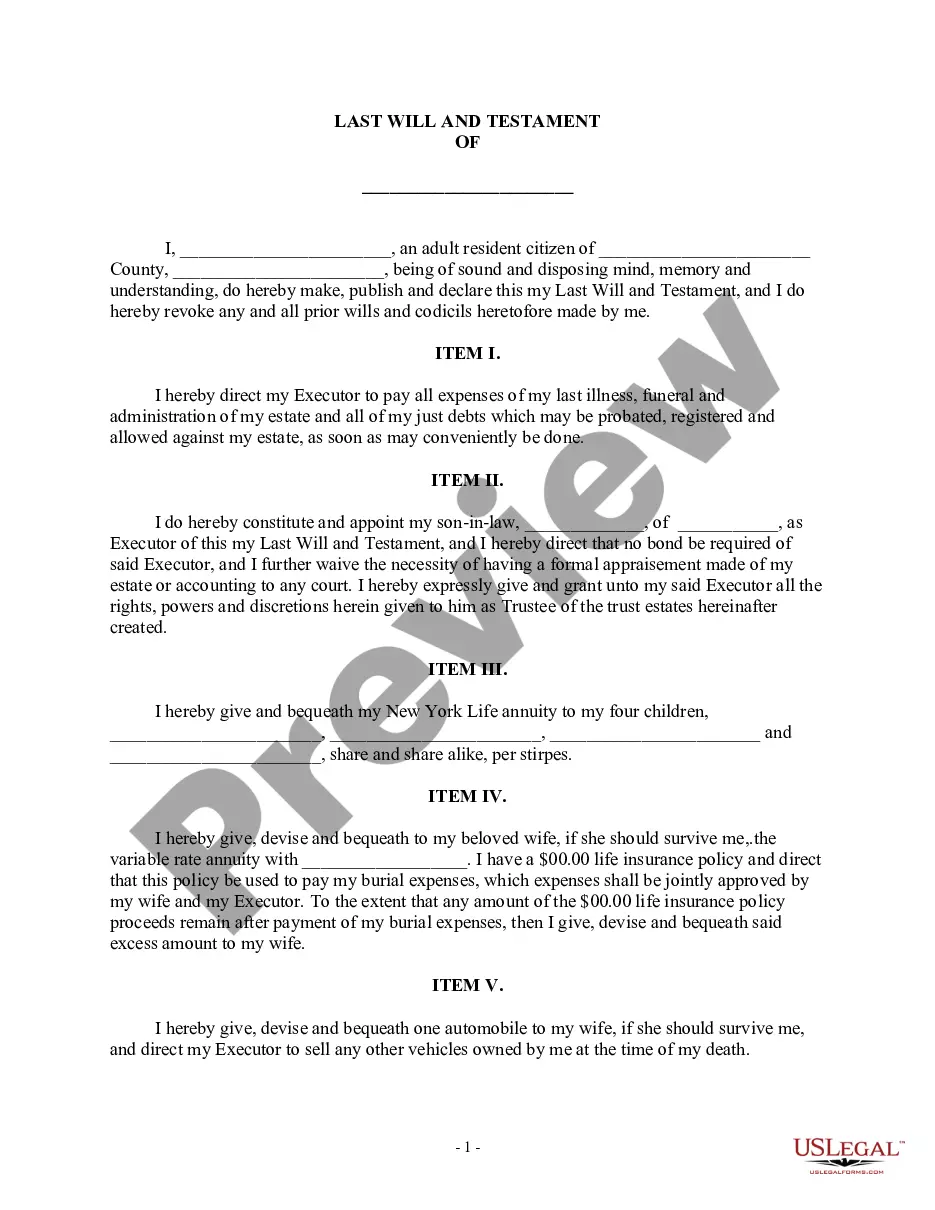
The Complex Will with Credit Shelter Marital Trust for Large Estates is a specialized Last Will and Testament designed for couples with substantial assets. This form uniquely facilitates maximizing wealth transfer without incurring estate taxes. It establishes a trust that allows for a significant portion of the estate to pass tax-free, protecting assets for beneficiaries and ensuring the surviving spouse maintains financial stability.
Form components explained
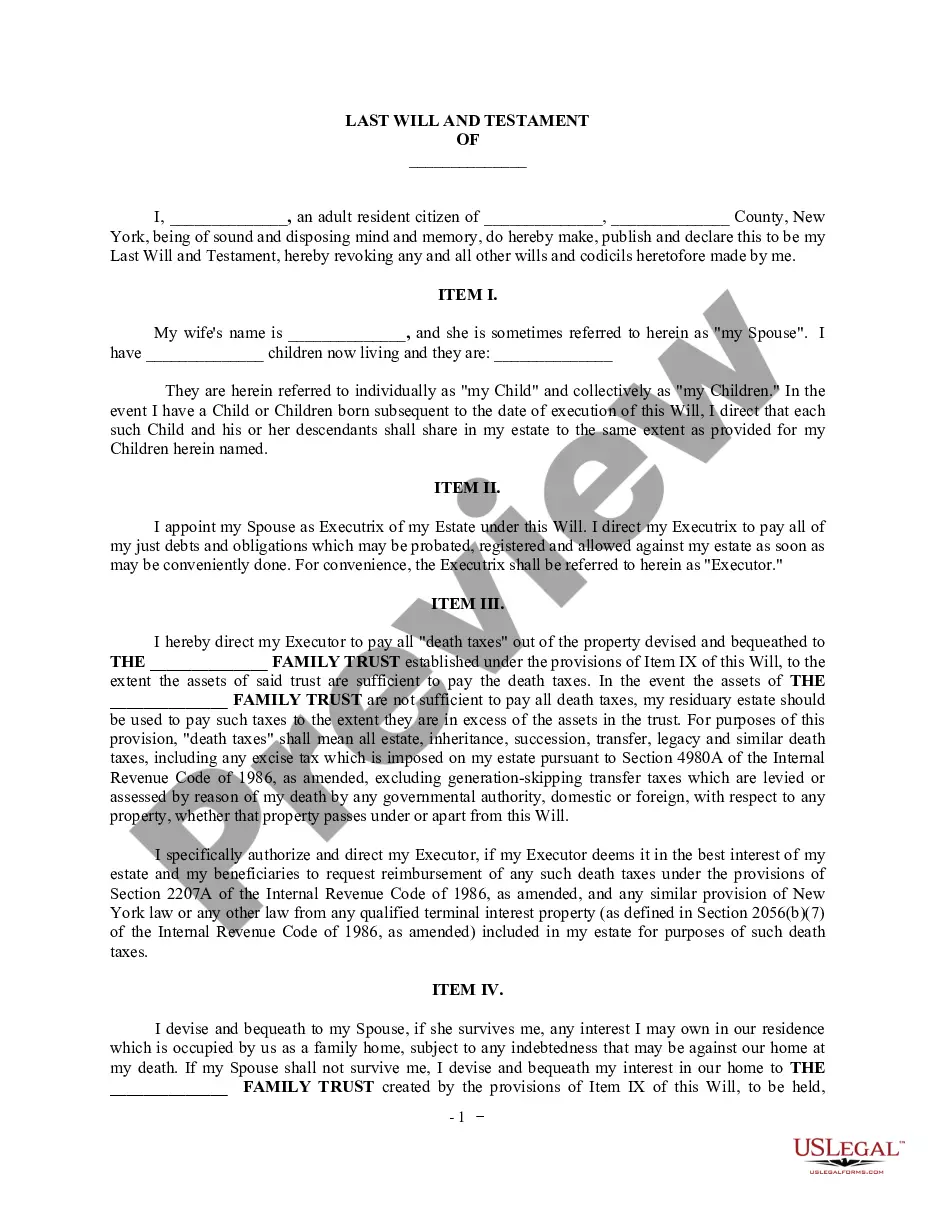
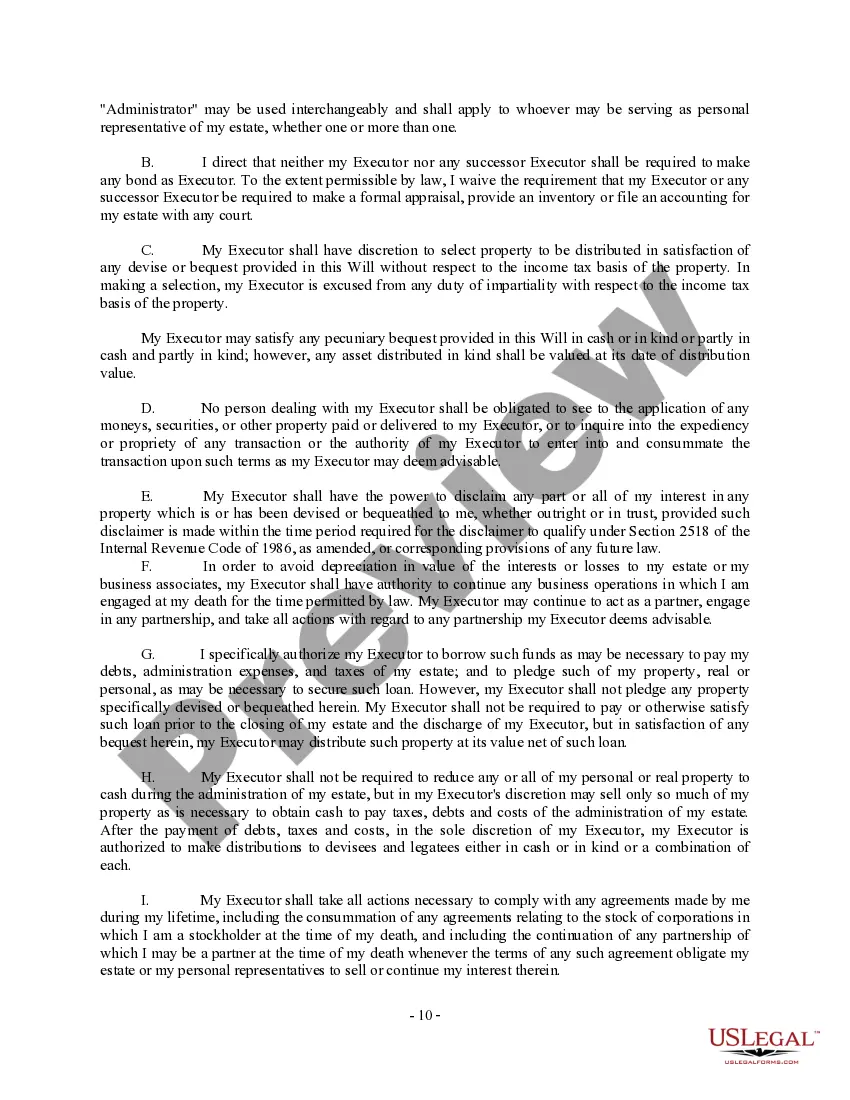
- Identifies executor responsibilities and estate debt obligations.
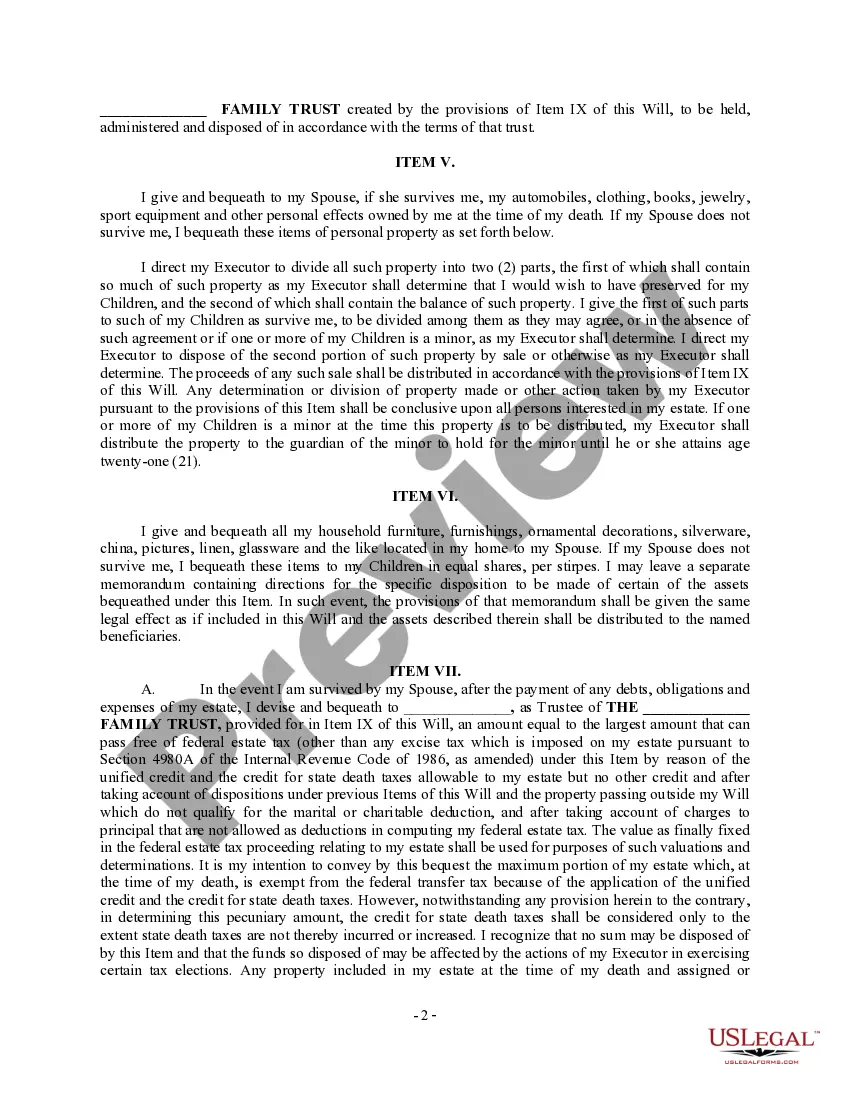
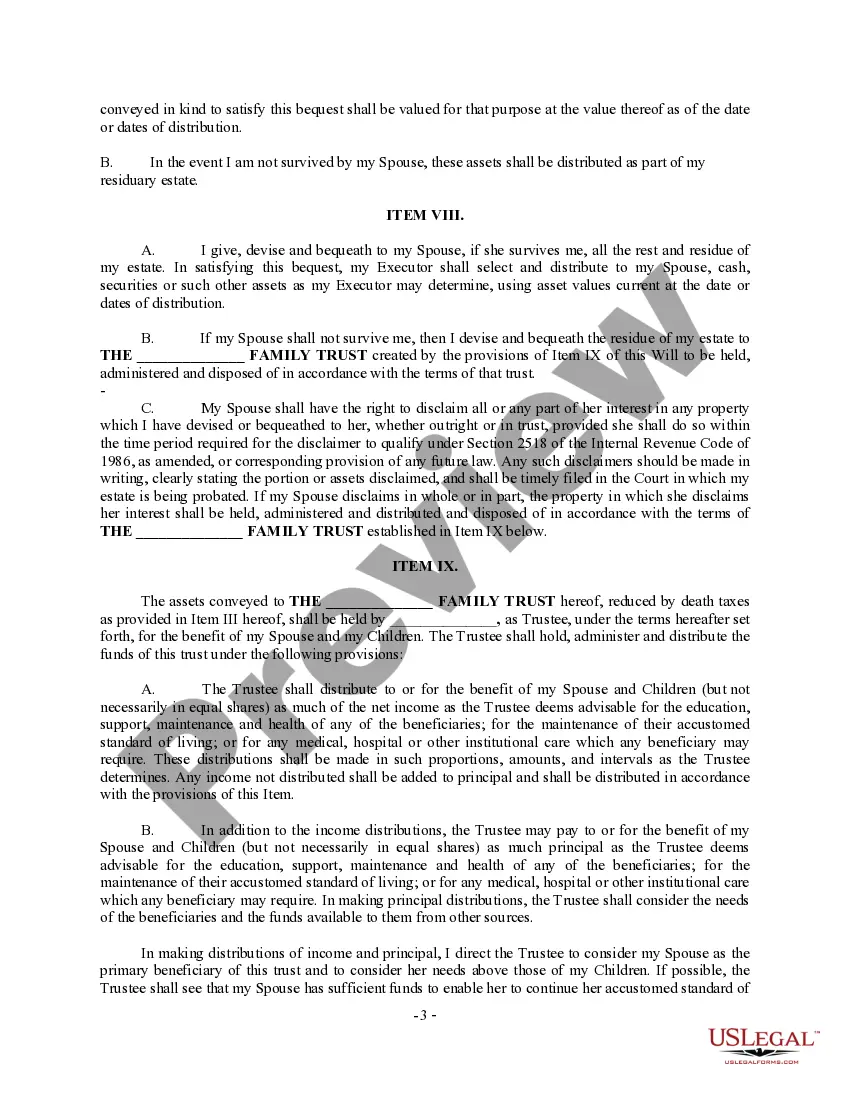
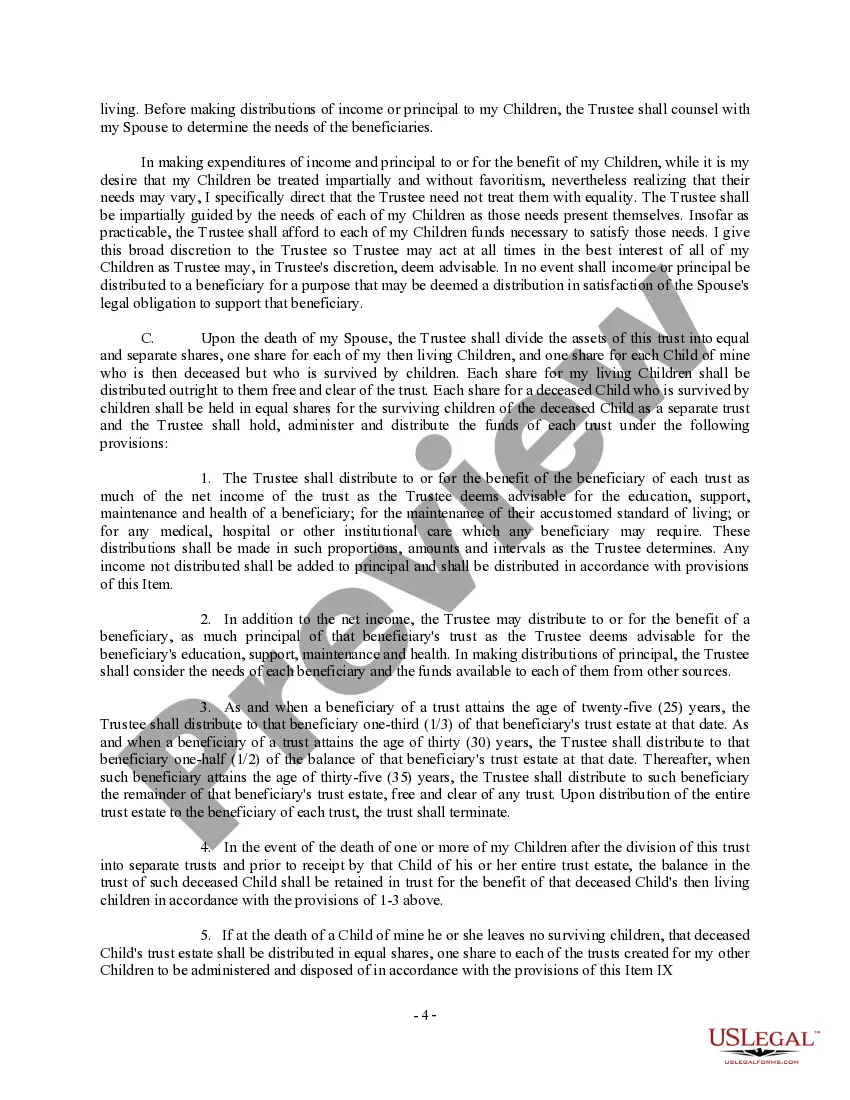
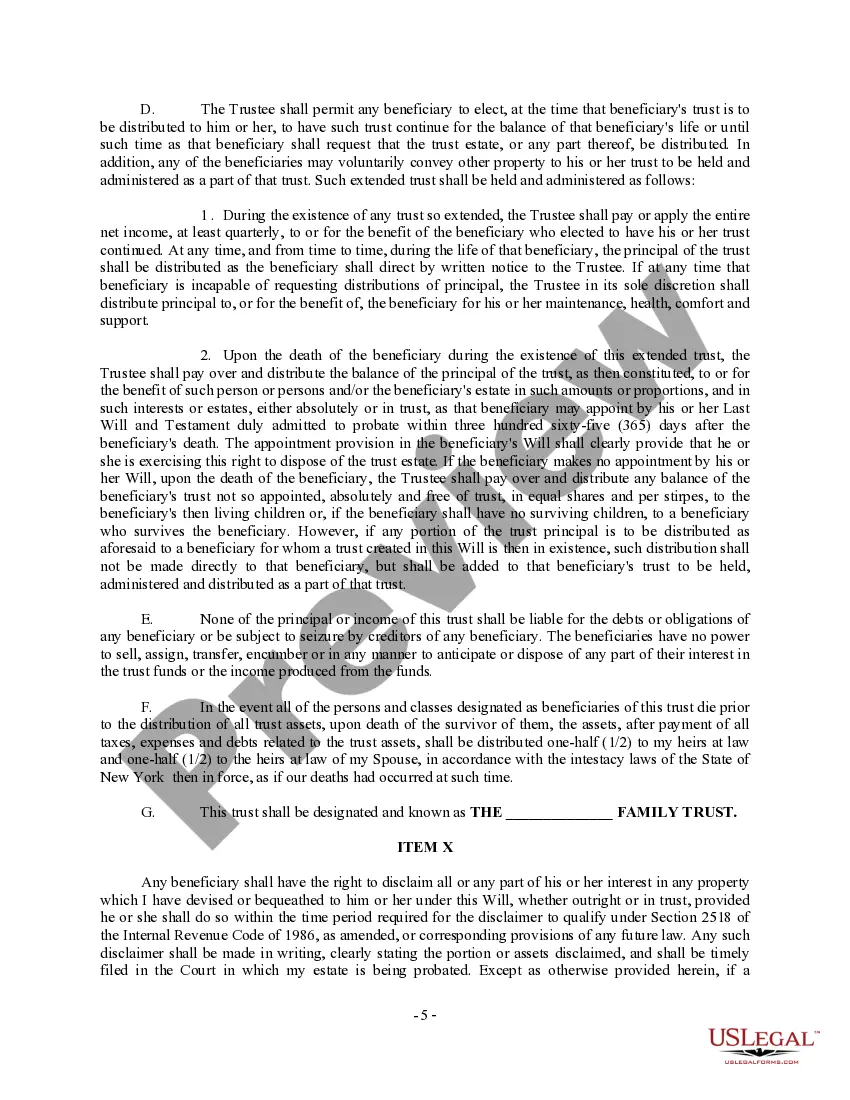
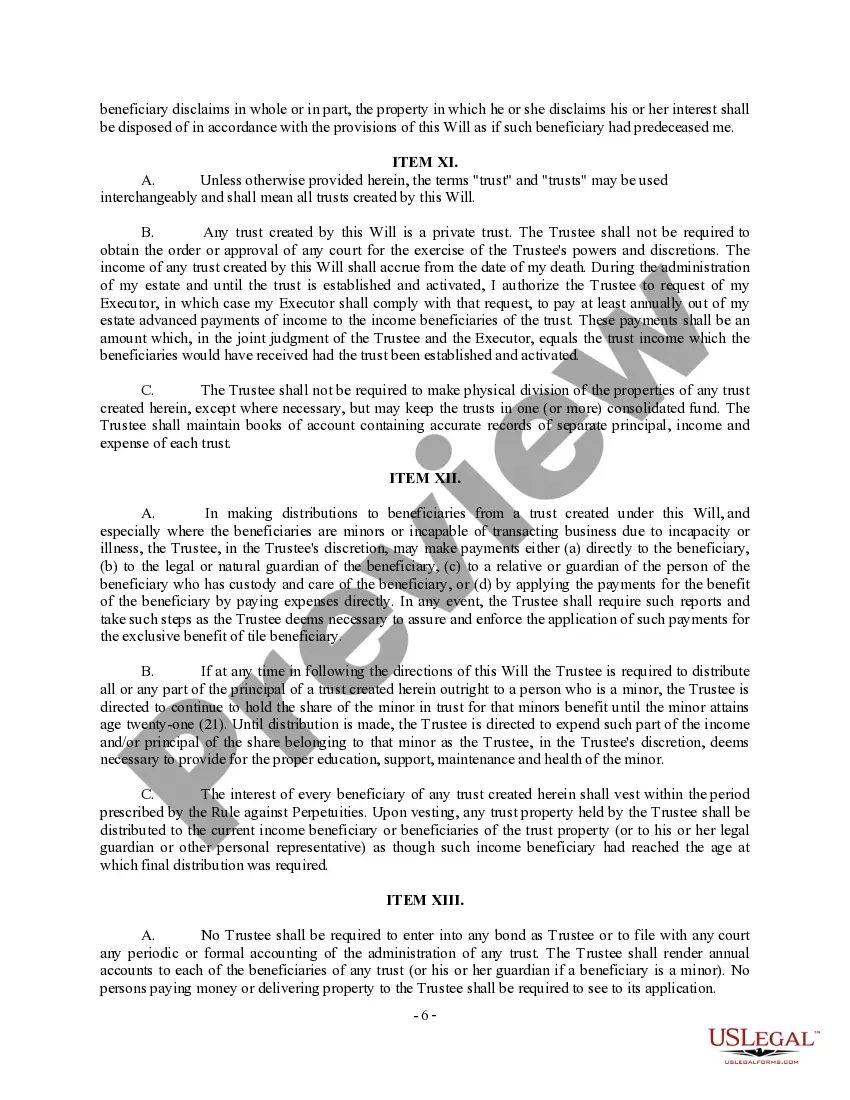
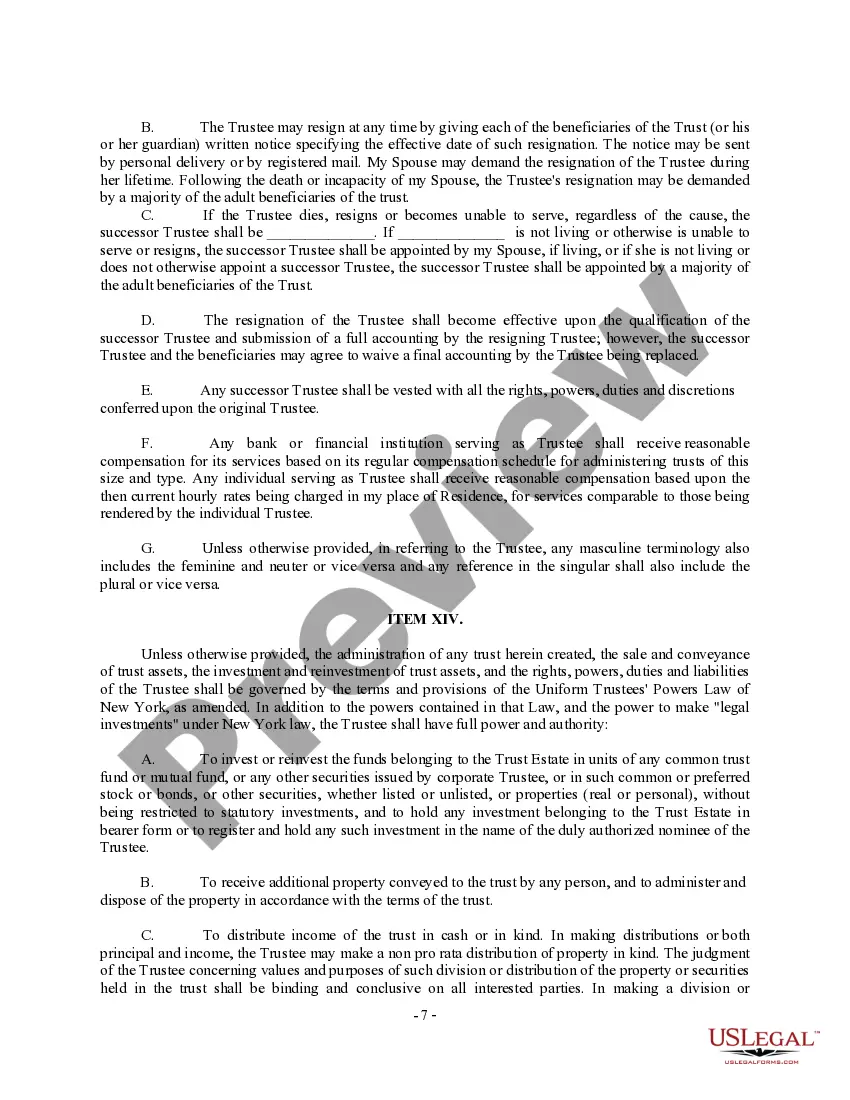
- Creates a family trust to manage assets and distribute income as needed.
- Details provisions for personal property distribution to the spouse and children.
- Specifies tax obligations and responsibilities related to the estate's debts.
- Establishes guidelines for managing trust distributions for beneficiariesâ support and education.





Situations where this form applies
This form is ideal for individuals or couples with large estates who wish to minimize estate taxes while ensuring their assets are managed effectively after their passing. It should be used when both spouses want to protect their financial legacy for their children and maintain the surviving spouse's quality of life.
Who can use this document
- Couples with a combined estate valued at or above the current federal estate tax exemption limit.
- Individuals planning for complex financial distributions to heirs.
- People interested in establishing a marital trust to maximize tax benefits and ensure financial security for a surviving spouse.
Steps to complete this form
- Identify yourself as the testator and the details of your spouse and children.
- Appoint an executor, typically your spouse, to manage the estate.
- Designate the family trust and specify how assets will be allocated and managed posthumously.
- Ensure all beneficiary designations and distributions comply with your estate planning goals.
- Sign the will in the presence of the required witnesses to validate the document.
Does this document require notarization?
This form does not typically require notarization unless specified by local law. However, having a notarized copy can provide additional peace of mind and can facilitate the probate process.
Get your form ready online
Our built-in tools help you complete, sign, share, and store your documents in one place.
Make edits, fill in missing information, and update formatting in US Legal Forms—just like you would in MS Word.
Download a copy, print it, send it by email, or mail it via USPS—whatever works best for your next step.
Sign and collect signatures with our SignNow integration. Send to multiple recipients, set reminders, and more. Go Premium to unlock E-Sign.
If this form requires notarization, complete it online through a secure video call—no need to meet a notary in person or wait for an appointment.
We protect your documents and personal data by following strict security and privacy standards.

Make edits, fill in missing information, and update formatting in US Legal Forms—just like you would in MS Word.

Download a copy, print it, send it by email, or mail it via USPS—whatever works best for your next step.

Sign and collect signatures with our SignNow integration. Send to multiple recipients, set reminders, and more. Go Premium to unlock E-Sign.

If this form requires notarization, complete it online through a secure video call—no need to meet a notary in person or wait for an appointment.

We protect your documents and personal data by following strict security and privacy standards.
Mistakes to watch out for
- Failing to update the will after major life events, such as marriage, divorce, or the birth of children.
- Not properly executing the will with required witnesses in accordance with state laws.
- Leaving ambiguous terms about distributions which can lead to disputes among heirs.
Benefits of completing this form online
- Immediate access to legal documents tailored for your needs without lengthy consultations.
- Edit and customize the form easily to reflect your personal circumstances.
- Download and store your completed will securely for future reference.
Quick recap
Key takeaways:
- The Complex Will with Credit Shelter Marital Trust is essential for large estates seeking to minimize tax liabilities.
- It allows significant assets to be passed to heirs without incurring estate taxes.
- Accurate completion and notarization of the form are crucial for legal validity.
- Regular updates to the Will are important to reflect changing circumstances and ensure compliance with laws.
Looking for another form?
Form popularity
FAQ
In the case of a marital trust, the IRS subjects the remaining trust assets to federal estate taxes when the surviving spouse passes. However, a couple can take advantage of the federal gift and estate tax exemption. This is the amount that you can pass on to heirs before you'd ever owe an actual estate tax.
A Testamentary trust is set up in a will and established only after the person's death when the will goes into effect.Credit shelter trusts: With a credit-shelter trust (also called a bypass or family trust), you write a will bequeathing an amount to the trust up to but not exceeding the estate-tax exemption.
To obtain the benefits of a credit shelter trust, the trust must file its own income tax returns. If the asset is complicated, such as a retirement planning asset, this filing can be cumbersome and expensive.
The trust is revocable, so you can change its terms at any time during your lifetime. It becomes an irrevocable trust when you die, and assets usually what's left of the estate tax exemption go to the trust. Now, the surviving spouse may receive income from the trust's assets.
A marital trust starts as a revocable living trust. A surviving spouse can be its trustee.
Yes, the surviving spouse may serve as trustee of the credit shelter trust.All of the assets in the credit shelter trust, including any appreciation in value during the surviving spouse's lifetime, pass free of estate tax to the beneficiaries.
A credit shelter trust (CST) is a trust created after the death of the first spouse in a married couple. Assets placed in the trust are generally held apart from the estate of the surviving spouse, so they may pass tax-free to the remaining beneficiaries at the death of the surviving spouse.
First, in a standard credit shelter trust, there is no step-up in basis at the death of the surviving spouse.Second, the credit shelter trust is a separate taxpayer and requires its own tax return, Form 1041.
First, in a standard credit shelter trust, there is no step-up in basis at the death of the surviving spouse.Second, the credit shelter trust is a separate taxpayer and requires its own tax return, Form 1041.