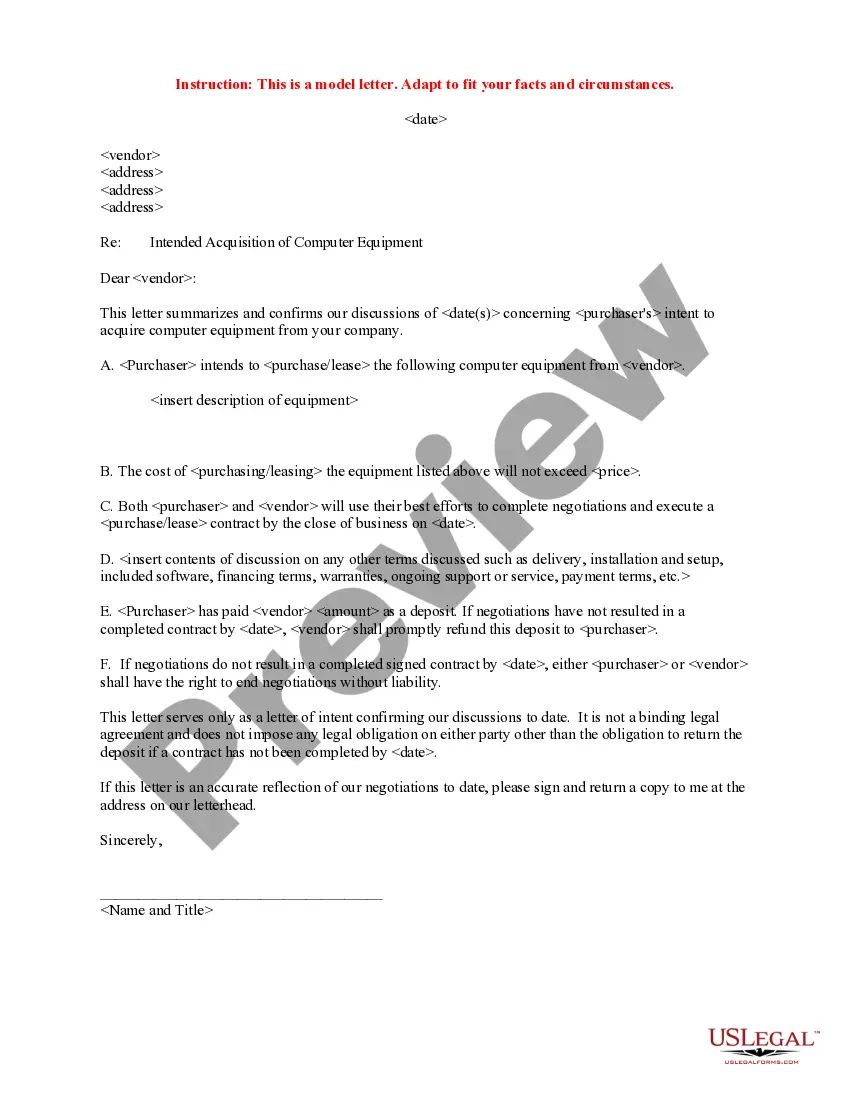
New York Motion and Affidavit in Support of Motion for Extension of Time to Perfect Appeal
Understanding this form
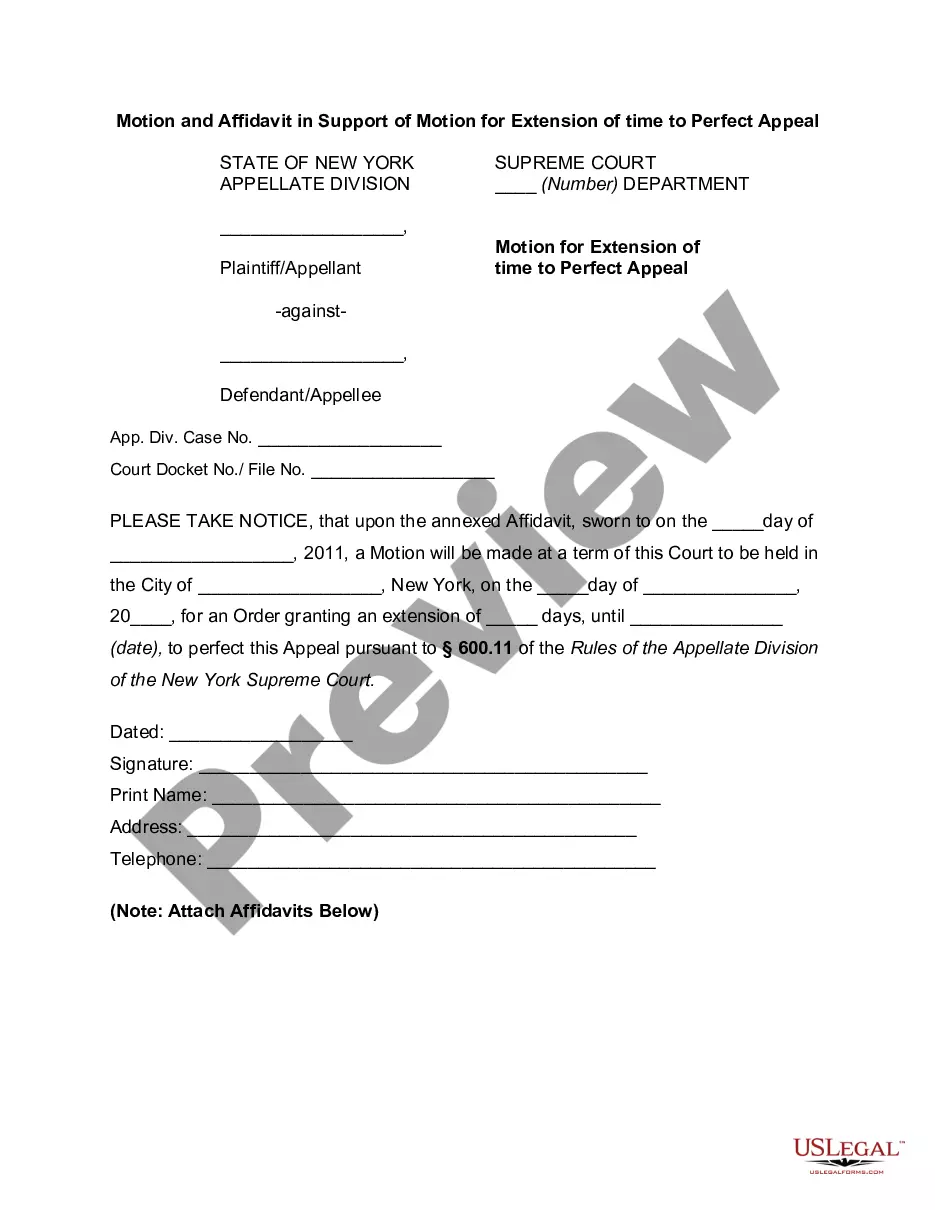
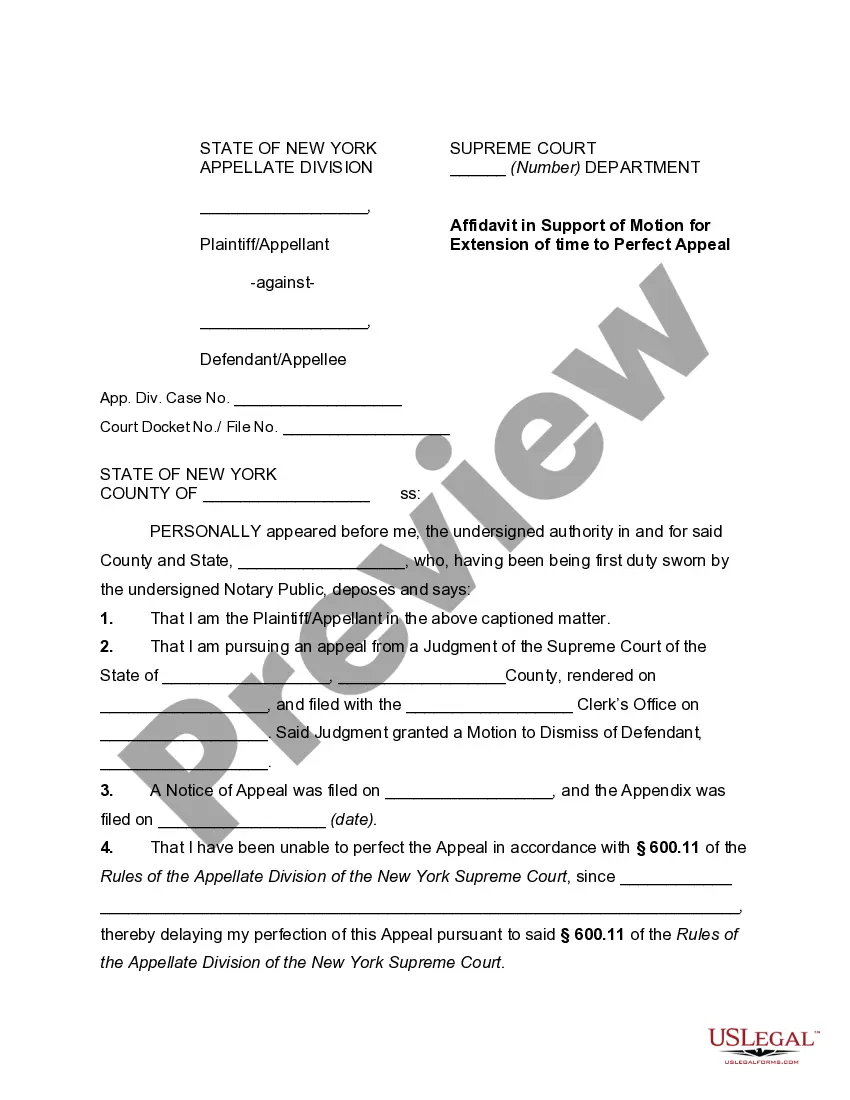
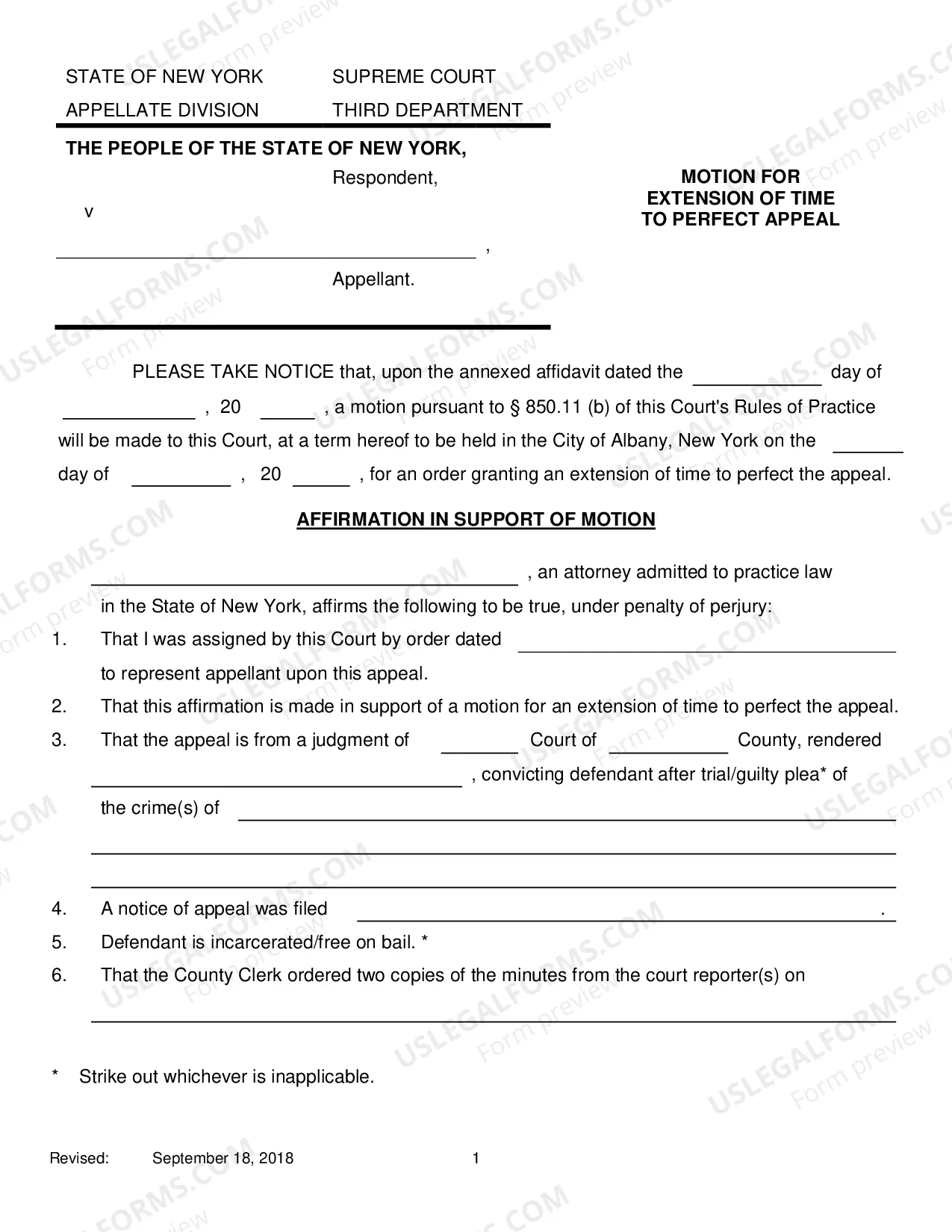
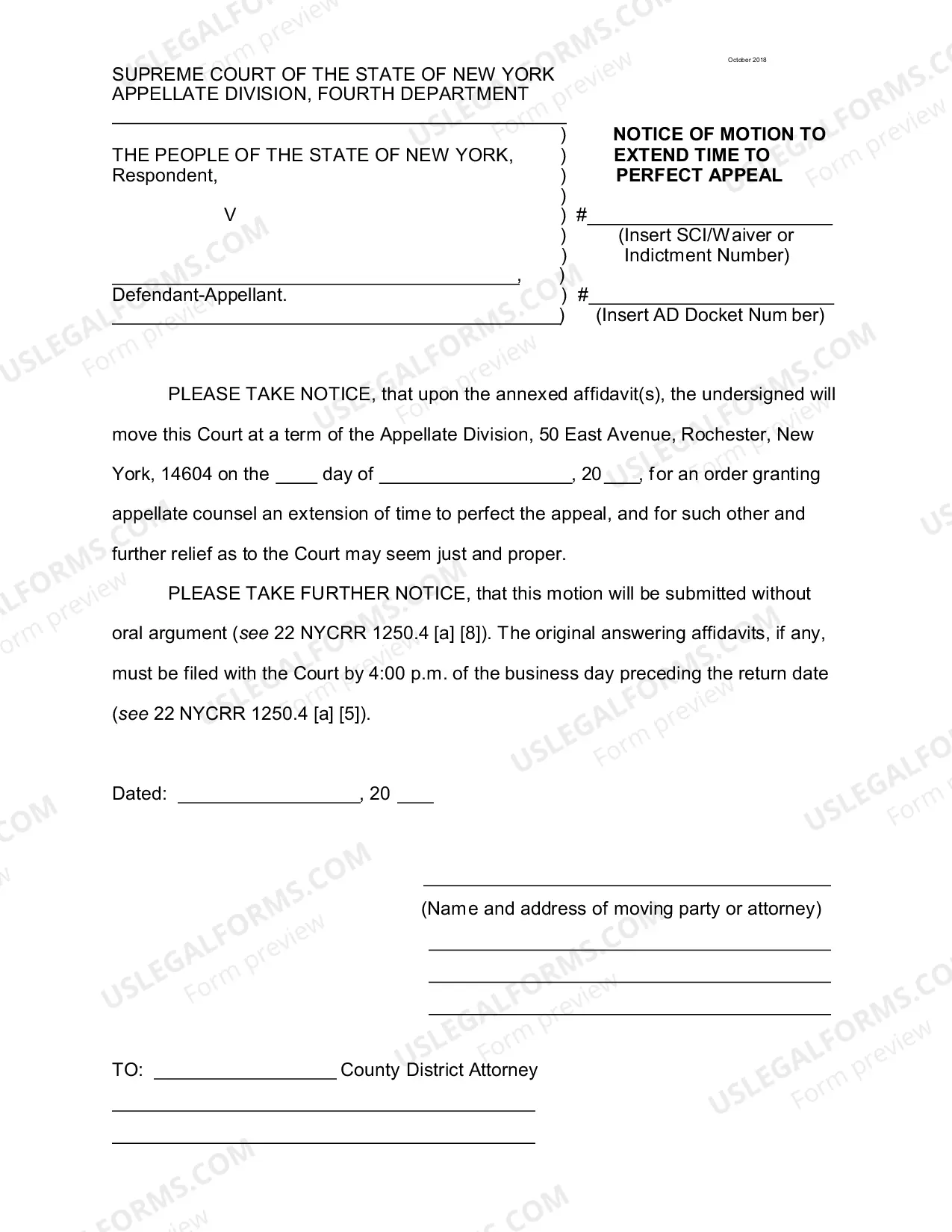
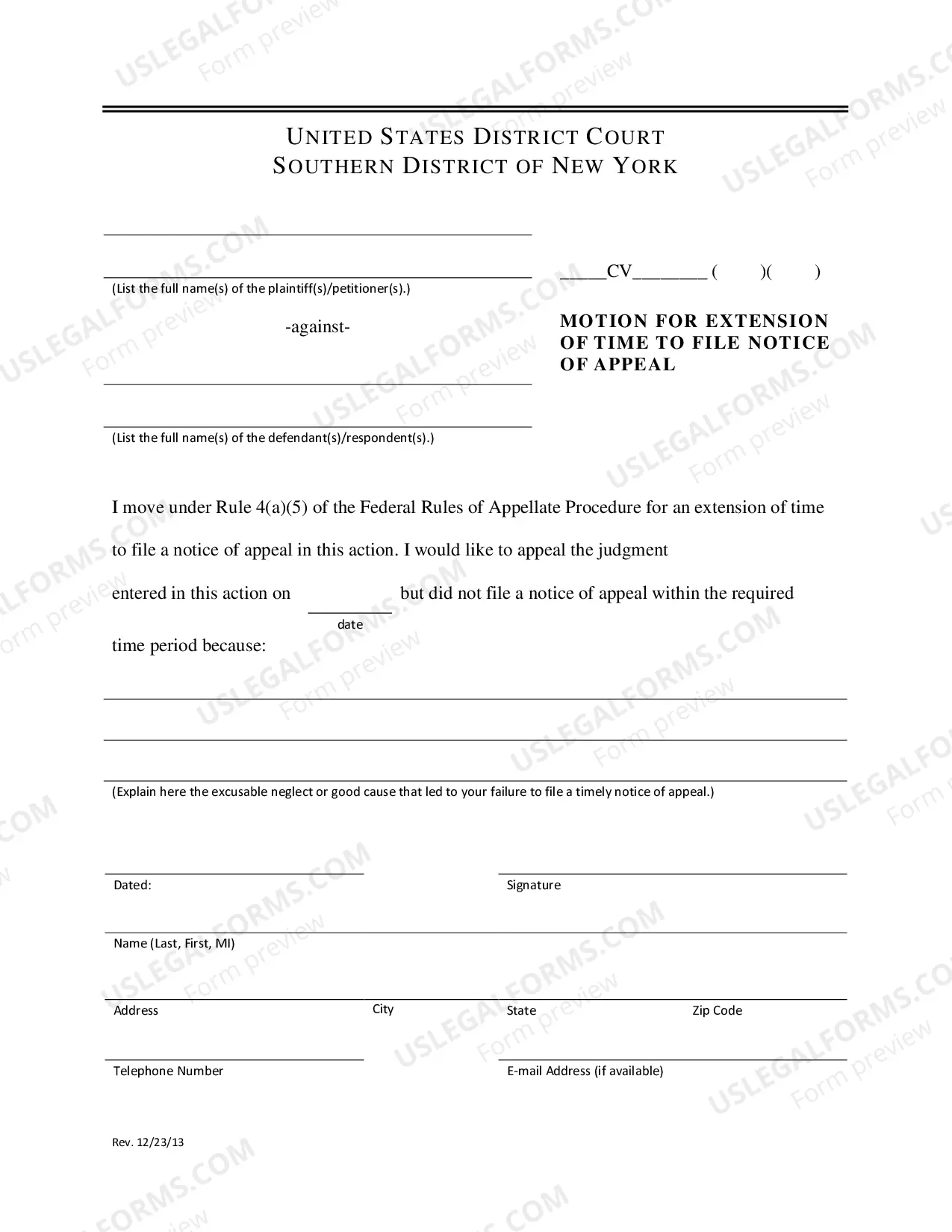
The Motion and Affidavit in Support of Motion for Extension of Time to Perfect Appeal is a legal document used in New Yorkâs Appellate Division. This form allows a plaintiff or appellant to request additional time to perfect their appeal following a judgment. Unlike standard appeal forms, this motion specifically addresses the need for a time extension based on circumstances that may have delayed the original filing.
Form components explained
- Caption: Identifies the court and parties involved, including the plaintiff/appellant and defendant/appellee.
- Motion section: States the specific request for an extension, including the number of days sought and the new deadline.
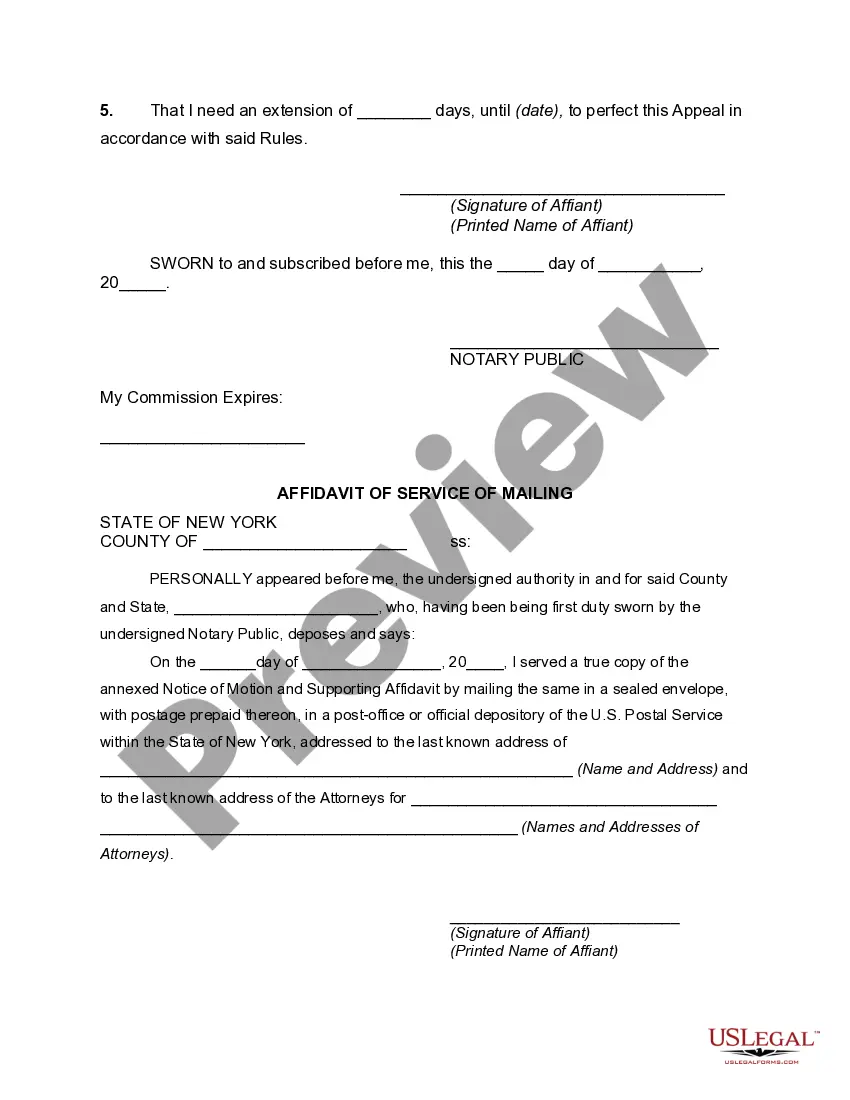
- Affidavit: A sworn statement supporting the motion, detailing the reasons for the delay in perfecting the appeal.
- Proof of Service: A declaration confirming that all relevant parties have been properly served with the motion and supporting documents.
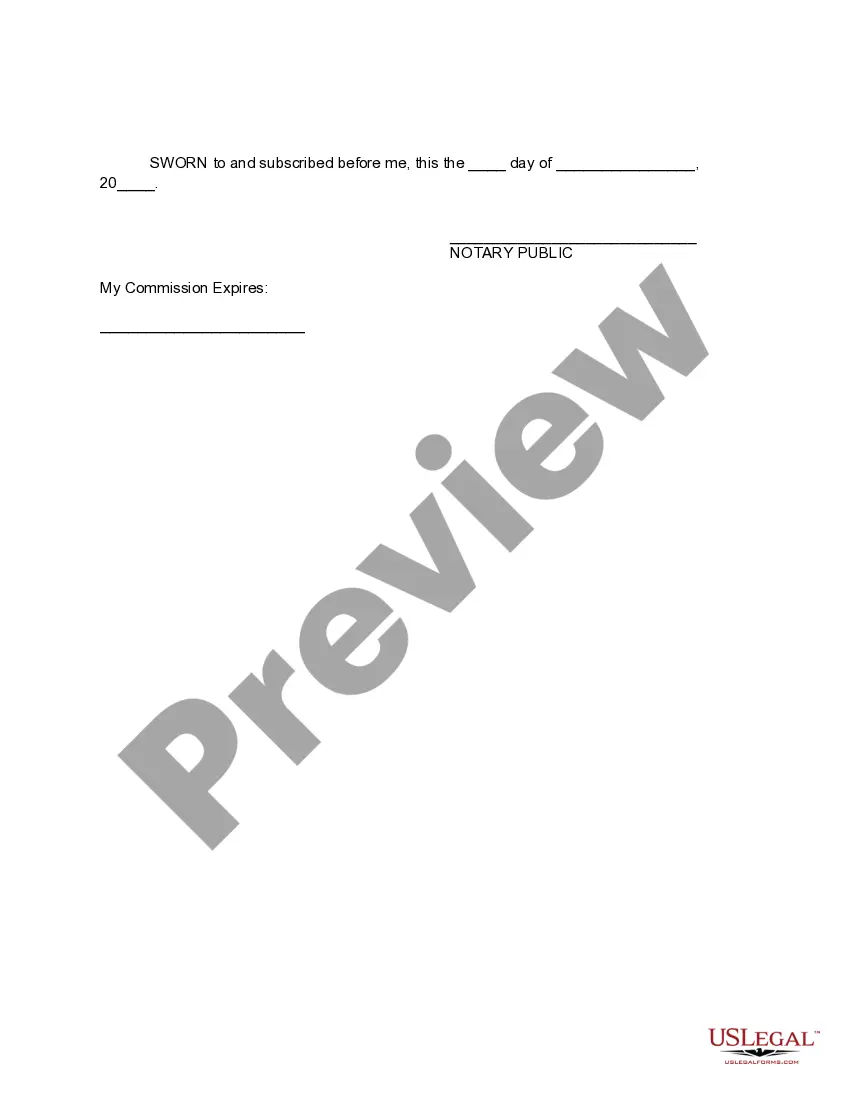
- Notary section: Needed for verifying the authenticity of signatures included in the affidavit.
Situations where this form applies
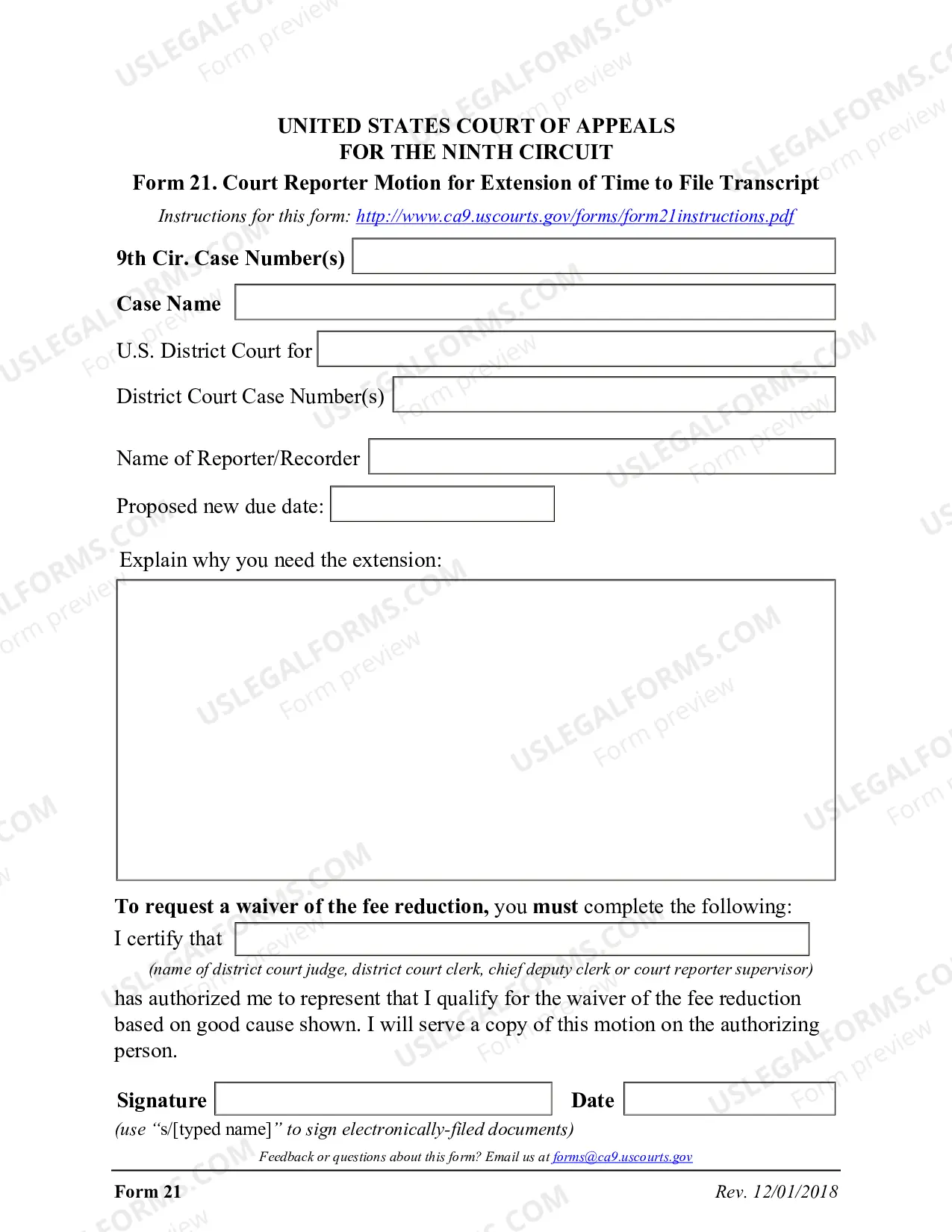
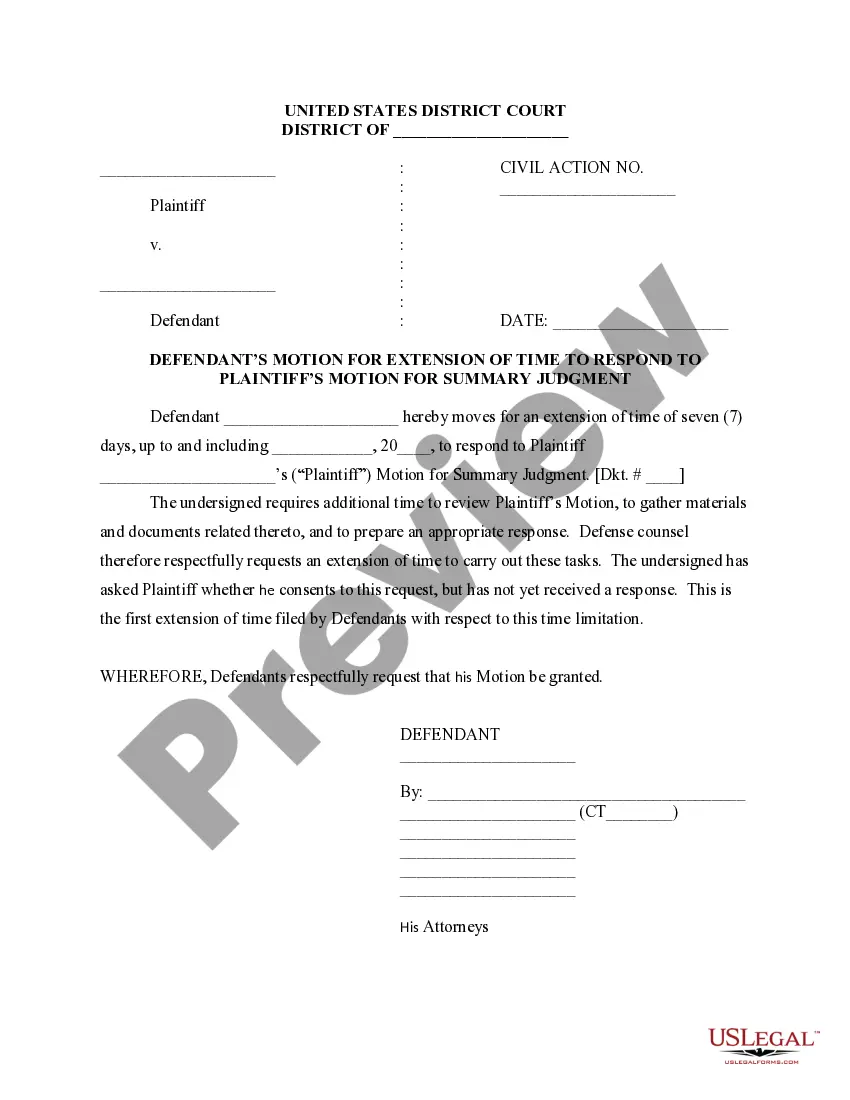
This form is used when a party has filed a notice of appeal but cannot complete the appeal process within the original timeframe. Reasons might include unforeseen circumstances or delays in obtaining necessary documents. By filing this motion, the appellant can formally request more time to ensure their appeal is perfected in accordance with the court's rules.
Who can use this document
This form is intended for:
- Any individual or entity who has filed an appeal in the New York State Appellate Division.
- Those who require additional time to prepare and submit the necessary materials for their appeal.
- Legal representatives acting on behalf of an appellant seeking a time extension.
How to prepare this document
Steps to complete this form include:
- Enter the relevant details in the caption, including the court number, names of the parties, and case numbers.
- Specify the number of days you are requesting to extend the deadline to perfect your appeal.
- In the affidavit section, explain in detail the reasons for the delay in perfecting the appeal.
- Sign the affidavit in the presence of a notary public to validate the document.
- Provide proof of service by including a declaration that confirms all parties have been notified of the motion.
Is notarization required?
Yes, this form must be notarized to be legally valid. This includes the affidavit that must be sworn before a notary public. US Legal Forms offers integrated online notarization, allowing you to complete this process securely via a video call at any time.
Get your form ready online
Our built-in tools help you complete, sign, share, and store your documents in one place.
Make edits, fill in missing information, and update formatting in US Legal Forms—just like you would in MS Word.
Download a copy, print it, send it by email, or mail it via USPS—whatever works best for your next step.
Sign and collect signatures with our SignNow integration. Send to multiple recipients, set reminders, and more. Go Premium to unlock E-Sign.
If this form requires notarization, complete it online through a secure video call—no need to meet a notary in person or wait for an appointment.
We protect your documents and personal data by following strict security and privacy standards.

Make edits, fill in missing information, and update formatting in US Legal Forms—just like you would in MS Word.

Download a copy, print it, send it by email, or mail it via USPS—whatever works best for your next step.

Sign and collect signatures with our SignNow integration. Send to multiple recipients, set reminders, and more. Go Premium to unlock E-Sign.

If this form requires notarization, complete it online through a secure video call—no need to meet a notary in person or wait for an appointment.

We protect your documents and personal data by following strict security and privacy standards.
Common mistakes
- Failing to provide adequate reasons for requesting an extension, which can result in denial.
- Not submitting the form within the required timeframe for notice before the return date.
- Omitting necessary documents, such as the notice of appeal or related judgments, which may lead to procedural issues.
- Inaccurately completing or signing the affidavit, which may invalidate the motion.
Why use this form online
- Convenience of downloading and completing the form from the comfort of your home.
- Editability allows you to fill in the information as needed before submitting.
- Reliability of using forms drafted by licensed attorneys, ensuring compliance with legal standards.
What to keep in mind
- This form is vital for appellants needing extra time to perfect their appeal in New York State.
- Complete all sections accurately to avoid delays or dismissal of the motion.
- Notarization is required, ensuring the form's validity.
- Understand the importance of timely filing to maintain the right to appeal.
Looking for another form?

Form popularity
FAQ
After you complete your motion, you must file it with the court.You must then serve (mail) a copy of your filed motion (including all exhibits and the date, time, and place of hearing) to all other parties in the case. If a party is represented by an attorney, mail the motion directly to the attorney's office.
The Complaint. The Answer. The Counterclaim. The Cross Claim. The Pre-Trial Motions. Post-Trial Motions.
Motion to Dismiss an attempt to get the judge to dismiss a charge or the case. Motion to Suppress an attempt to keep certain statements or evidence from being introduced as evidence. Motion for Change of Venue may be made for various reasons including pre-trial publicity.
Motions are not pleadings but are requests for the judge to make a legal ruling. Some of the most common pre-trial motions include: Motion to Discover. A motion by which one party seeks to gain information from the adverse party.
Judgment on the pleadings is a motion made after pleading and before discovery; summary judgment happens after discovery and before trial; JMOL occurs during trial.Timing is very important in making a motion for JMOL; the motion can be made only after the opposing party has presented its case.
Motion to dismiss. Discovery motions. Motion to compel. Motion to strike. Motion for summary judgment. Motion for a directed verdict. Motion for nolle prosequi. Motion in Limine.
Complaint. A lawsuit begins when a plaintiff (the party suing) files a complaint against a defendant (the party being sued.) Answer. The answer is the defendant's written response to the plaintiff's complaint. Counterclaim. Cross-claim. Amended Pleadings.
In order to bring a substantive proposal before the House, a notice of motion must generally be given. In most cases, notices of motions are required to be submitted in writing and published in the Notice Paper .
A pleading demands that the other party do something, while a motion requests that the judge in the case do something. These documents can be filed with the court before, during, or after the trial, though pleadings are typically filed at or near a case's outset.