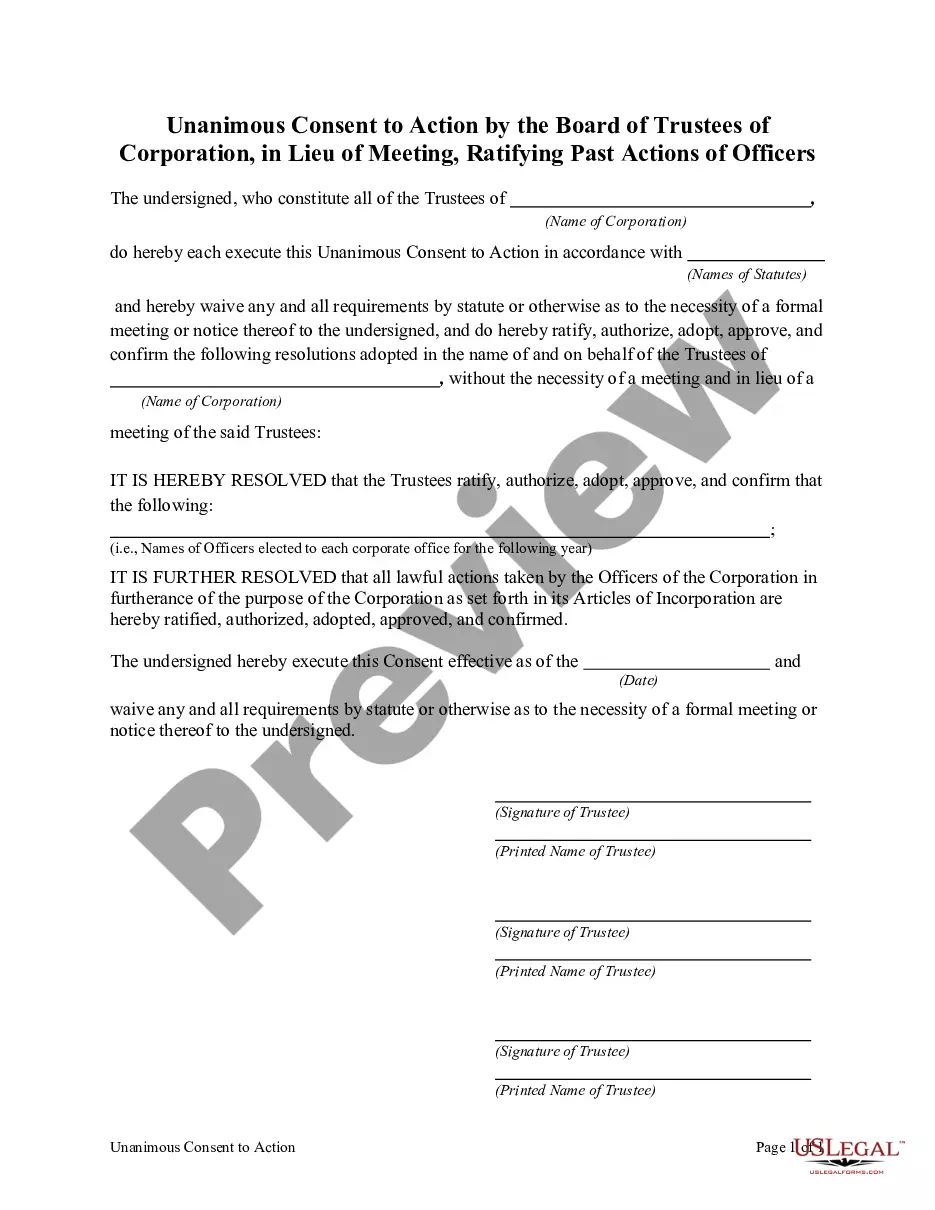
New York Postnuptial Property Agreement

What is this form?
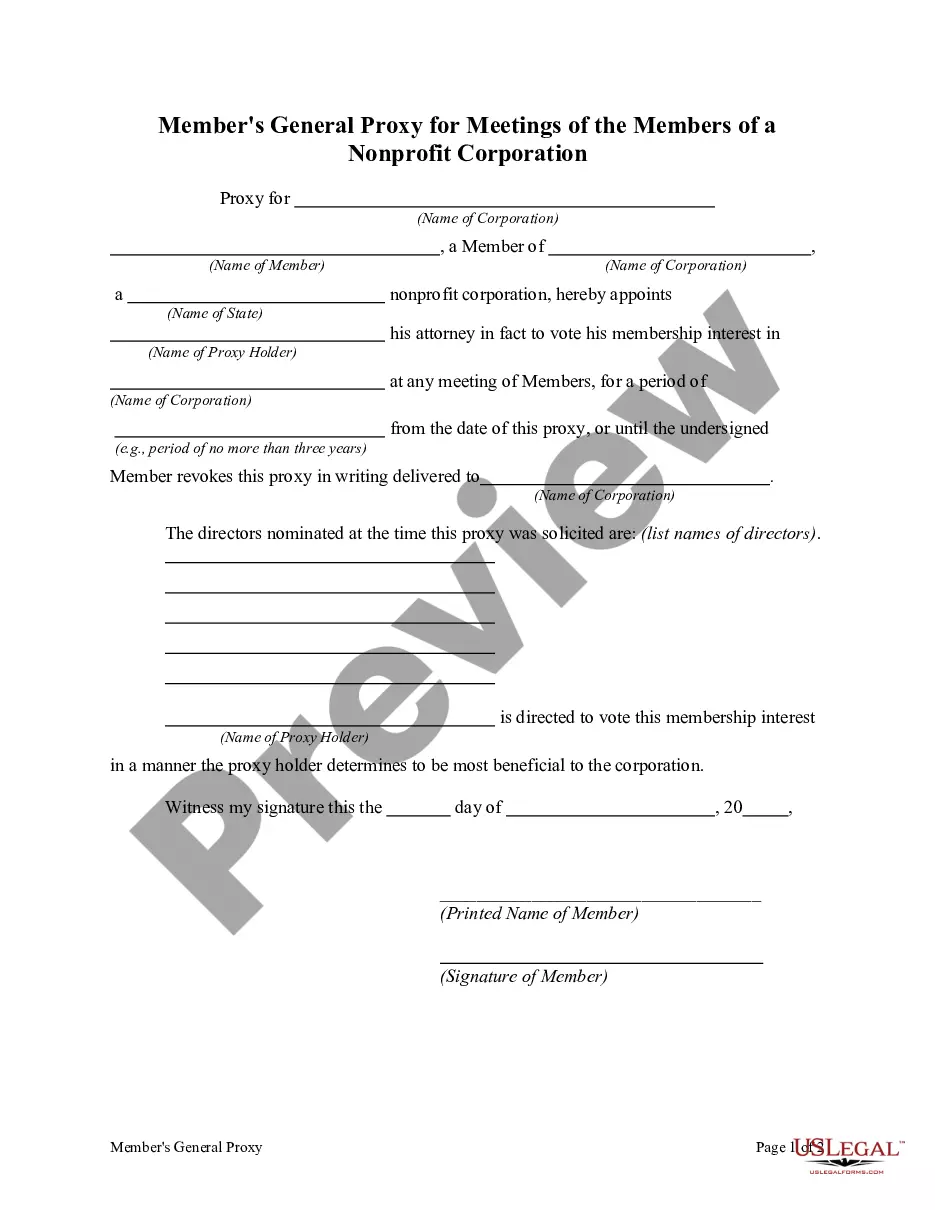
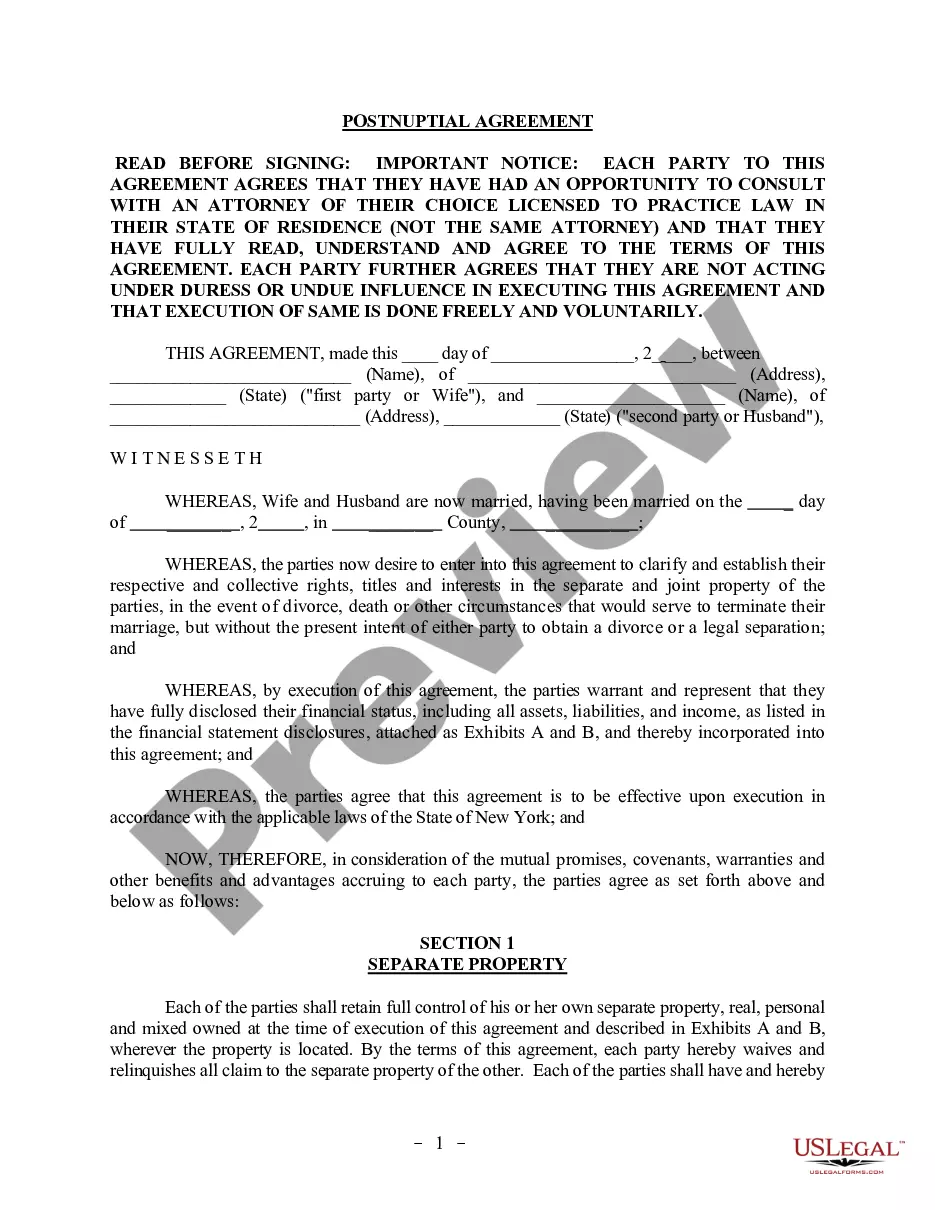
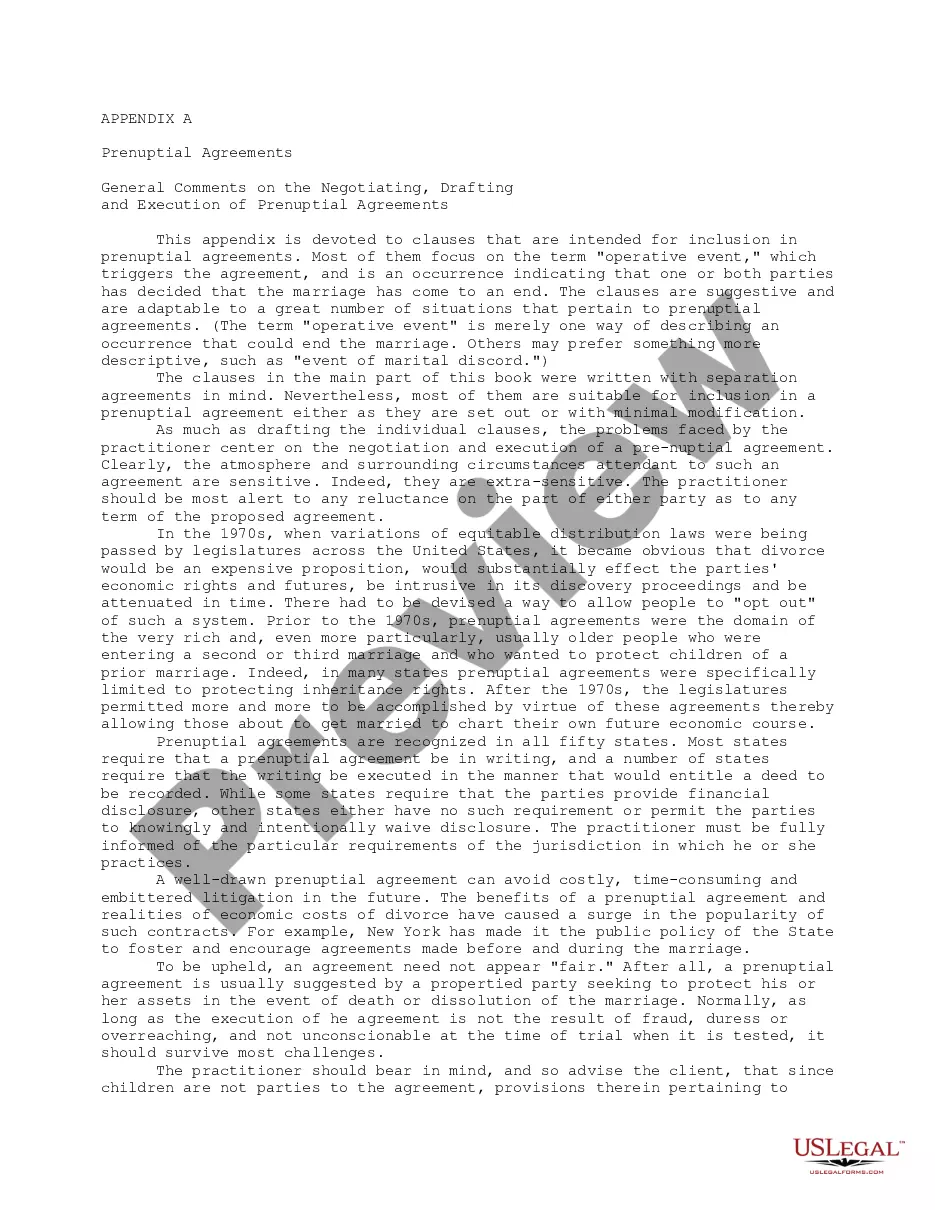
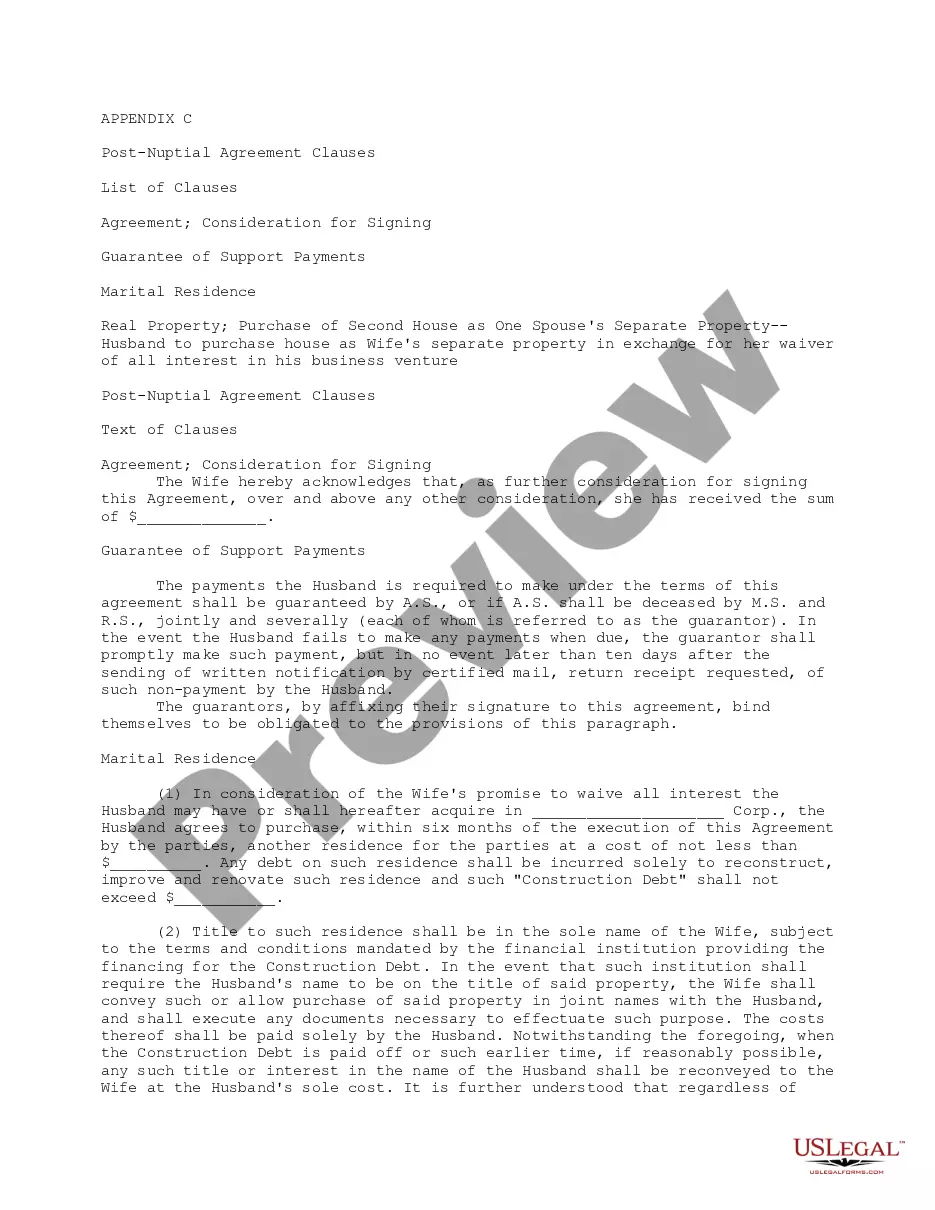
The Postnuptial Property Agreement is a legal document that outlines the ownership rights and responsibilities of spouses regarding their separate and joint property acquired during the marriage. Unlike a prenup, this agreement is executed after marriage and clarifies how assets will be divided in instances such as divorce, separation, or death. It can help prevent disputes by clearly defining each party's rights to property, ensuring both spouses understand and agree to the terms involved.
Main sections of this form
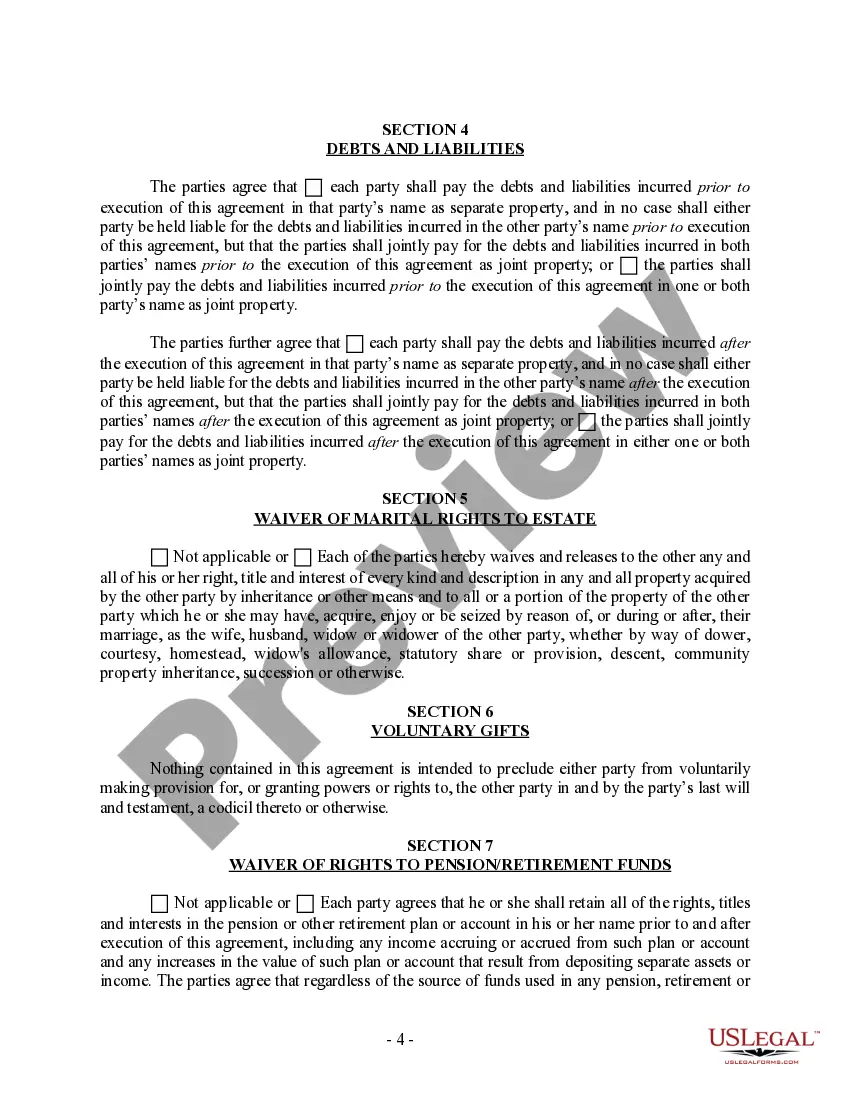
- Definition of separate property, allowing each party to retain control over individual assets.
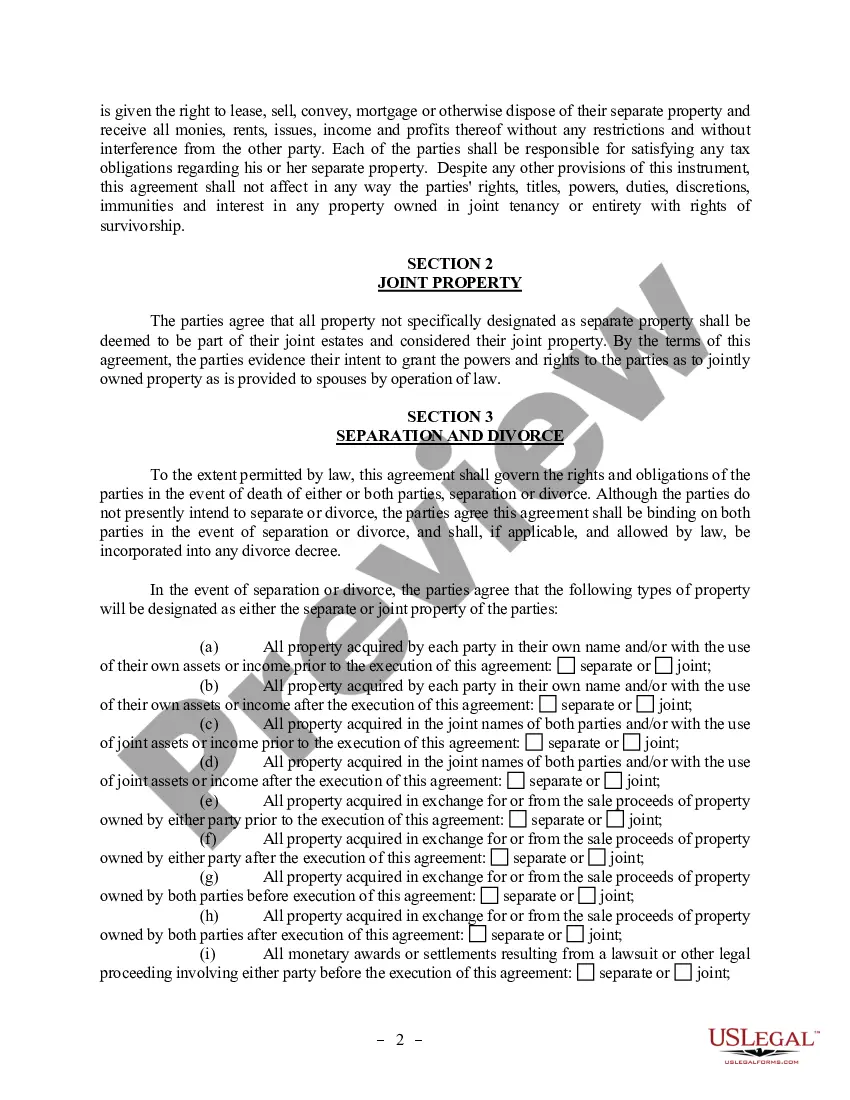
- Identification and classification of joint property, ensuring clarity on shared assets.
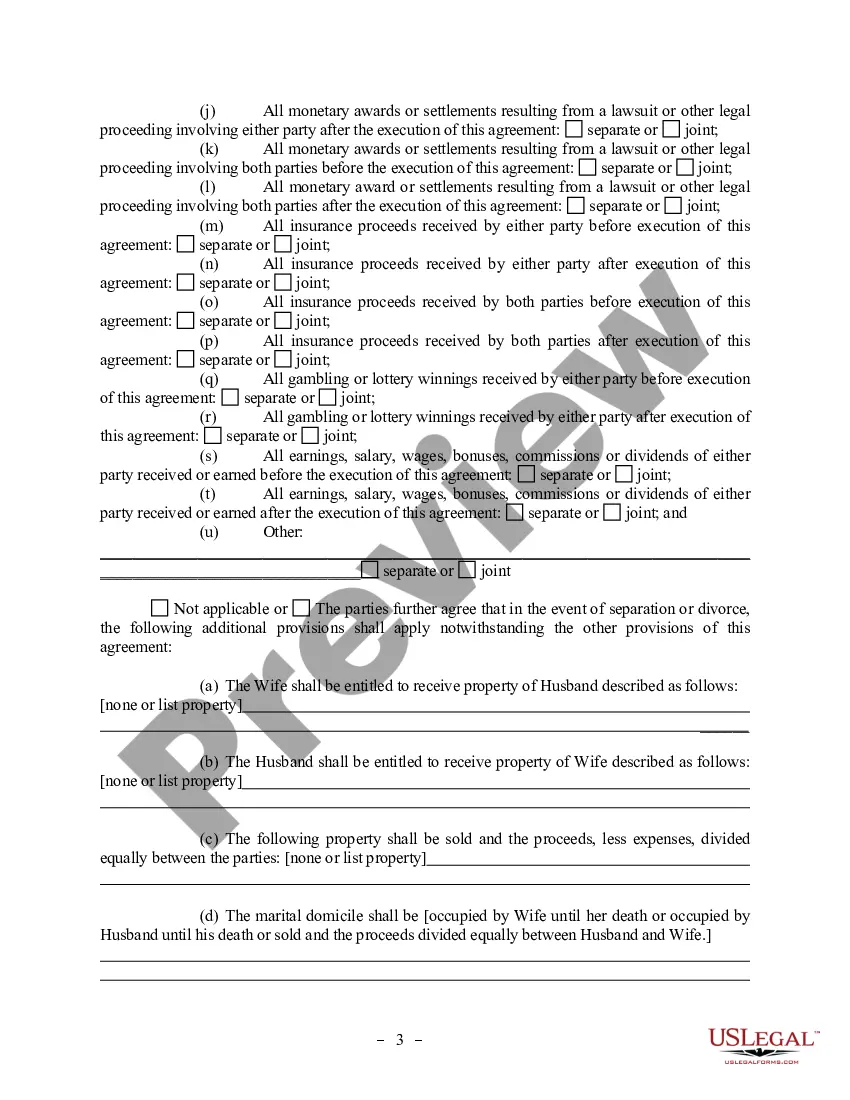
- Provisions for handling separation or divorce, including asset division guidelines.
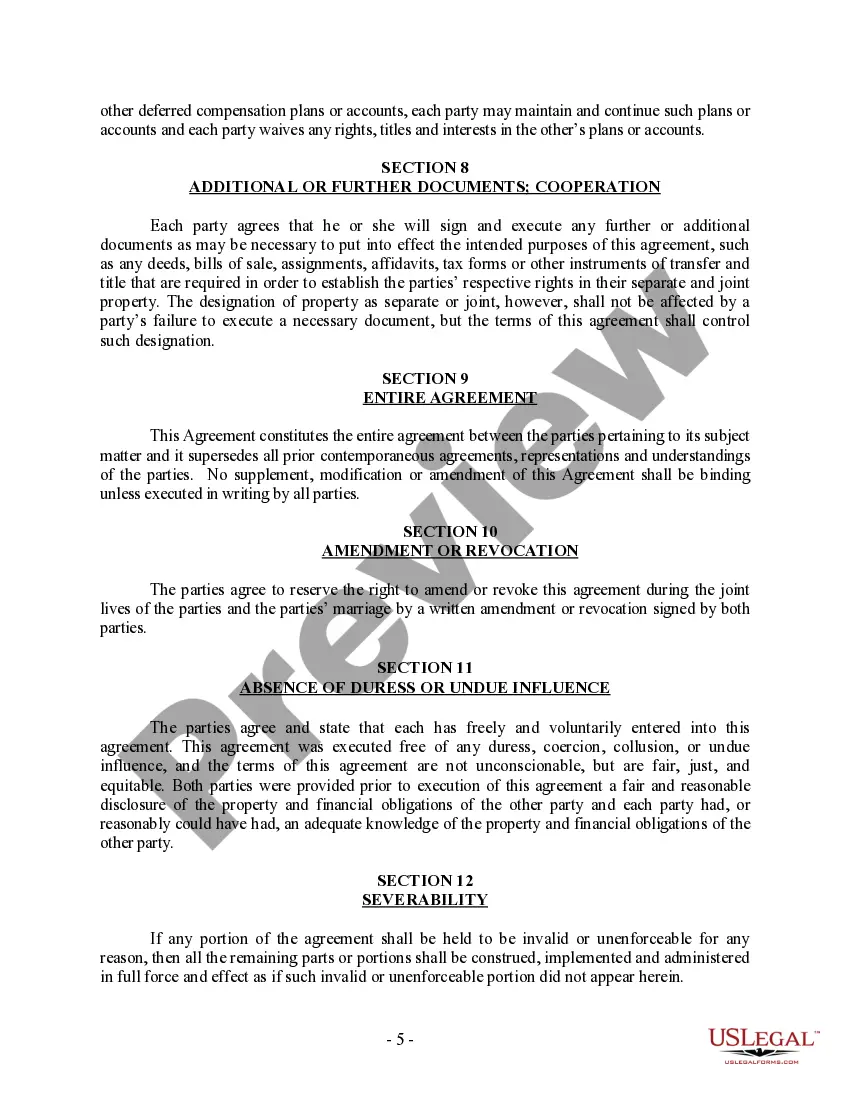
- Clauses outlining the waiver of marital rights to estate and pension/retirement funds.
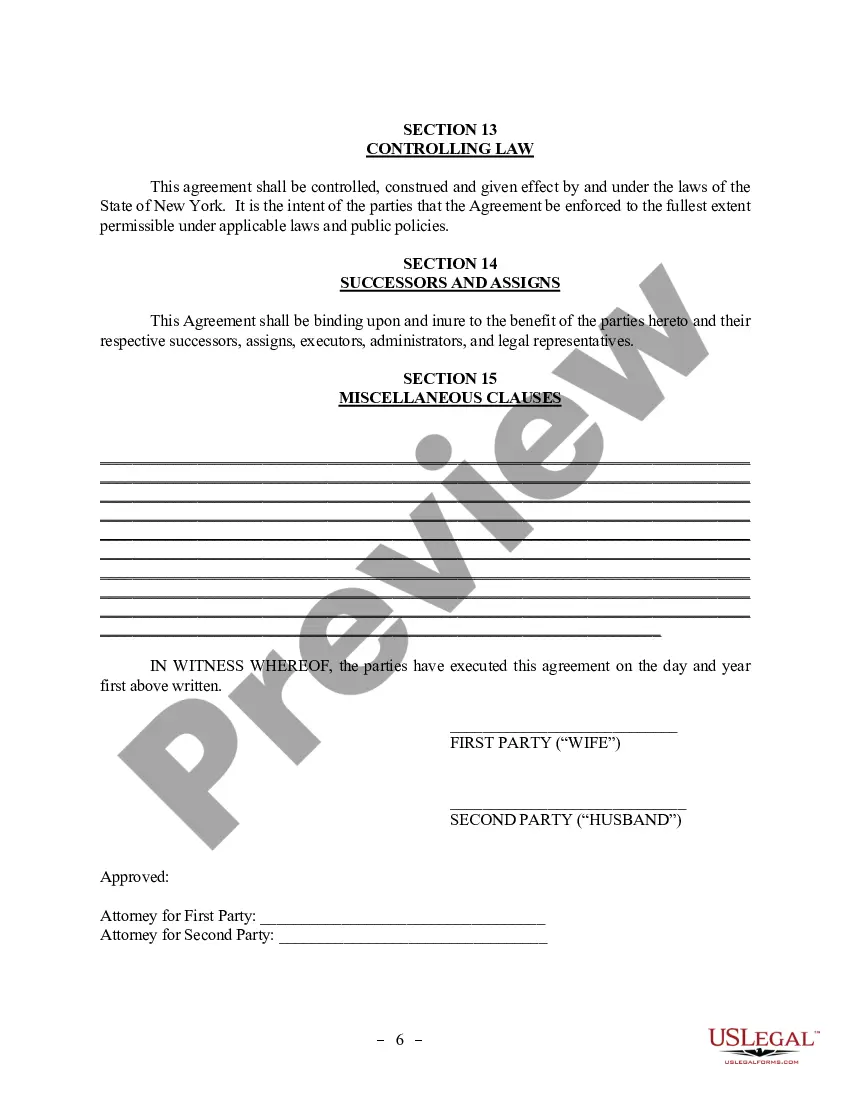
- Mechanisms for amendments or revocation of the agreement during the marriage.
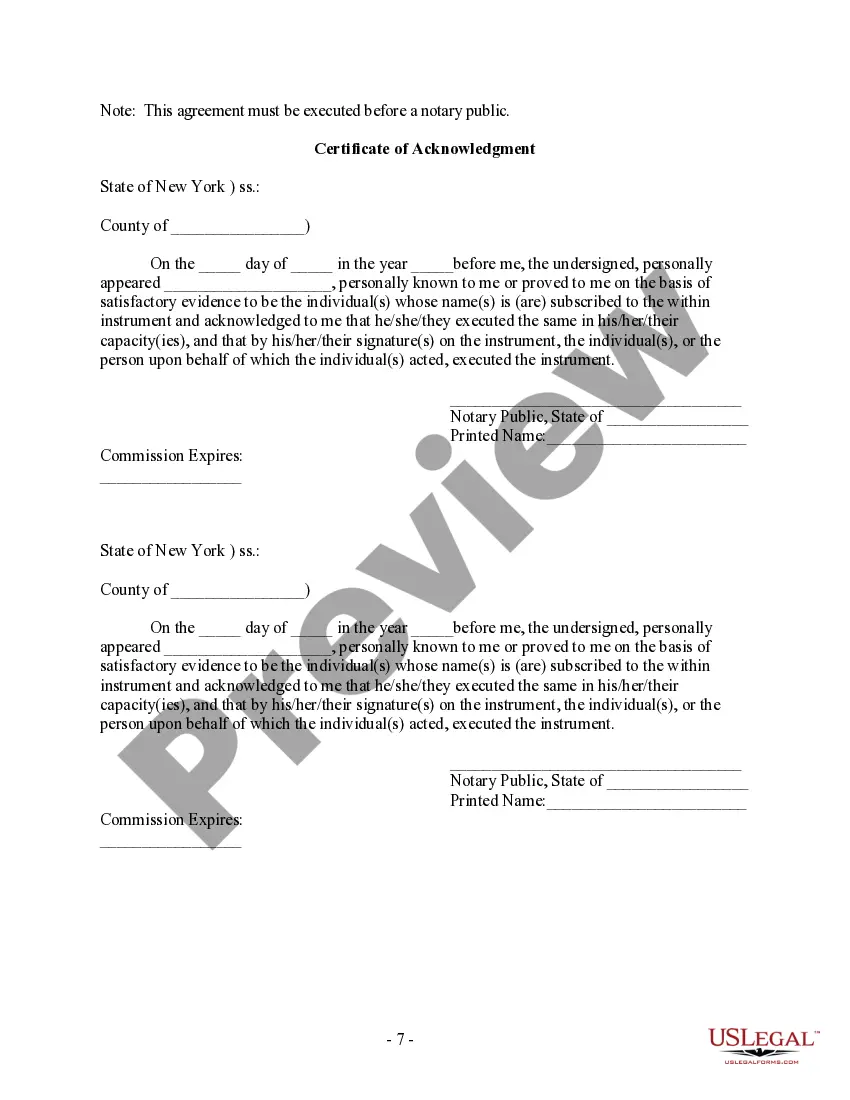
- Notarization requirements to ensure the agreement's legality.
When to use this form
This form is particularly useful when a couple wishes to define their property ownership and financial rights after marriage, especially in cases where significant assets were acquired after the wedding. It is relevant for couples who want to clarify asset division in case of divorce, separation, or the death of one spouse. Additionally, it can be beneficial for couples who want to protect individual investments made during the marriage.
Who this form is for
- Married couples seeking to clarify their property rights.
- Spouses with substantial individual assets or debts that should remain separate.
- Couples planning to invest heavily in joint property and want clear guidelines.
- Individuals in second or subsequent marriages wishing to protect the interests of previous families.
- Partners who are considering separation or divorce and want to establish clear terms in advance.
How to complete this form
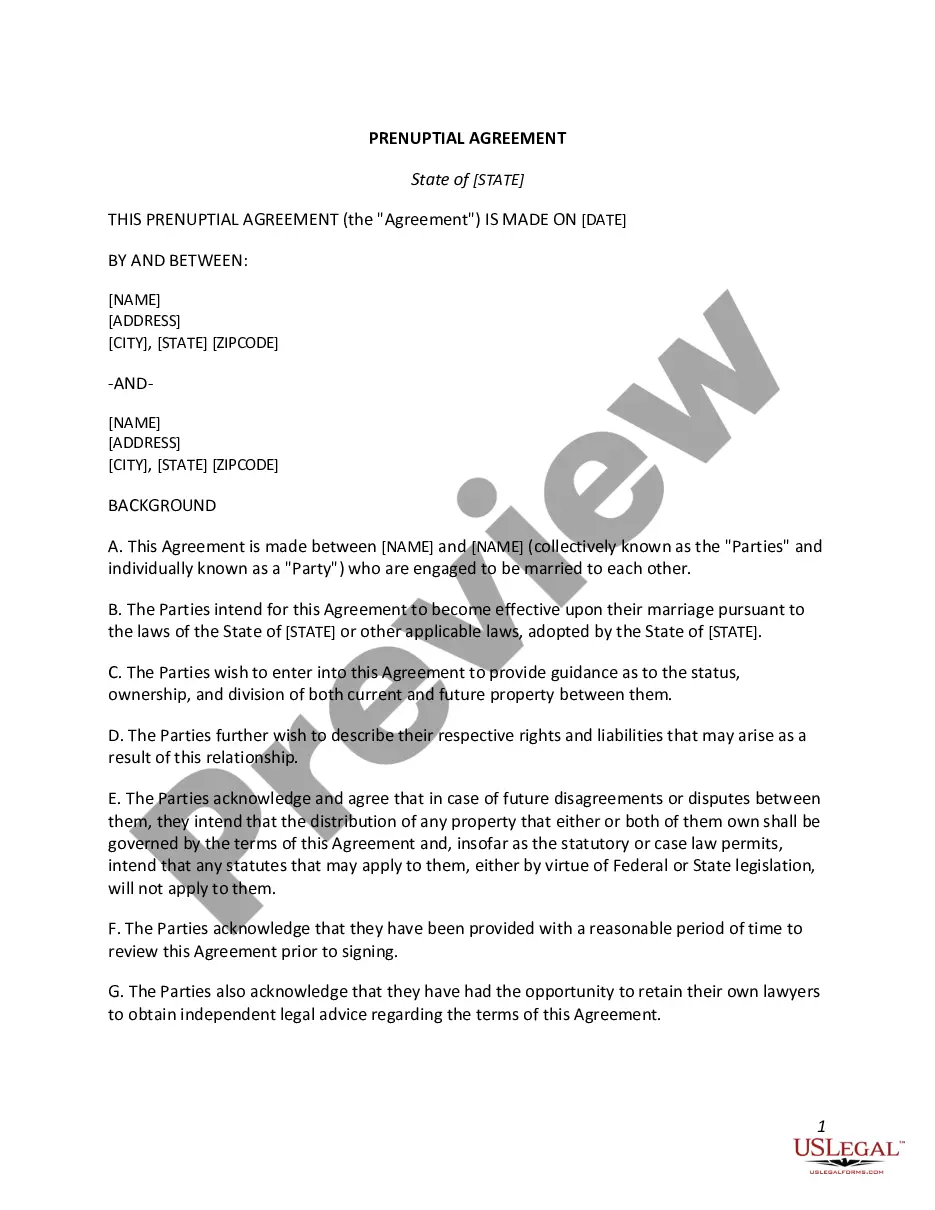
- Identify and list both parties, including their names and addresses.
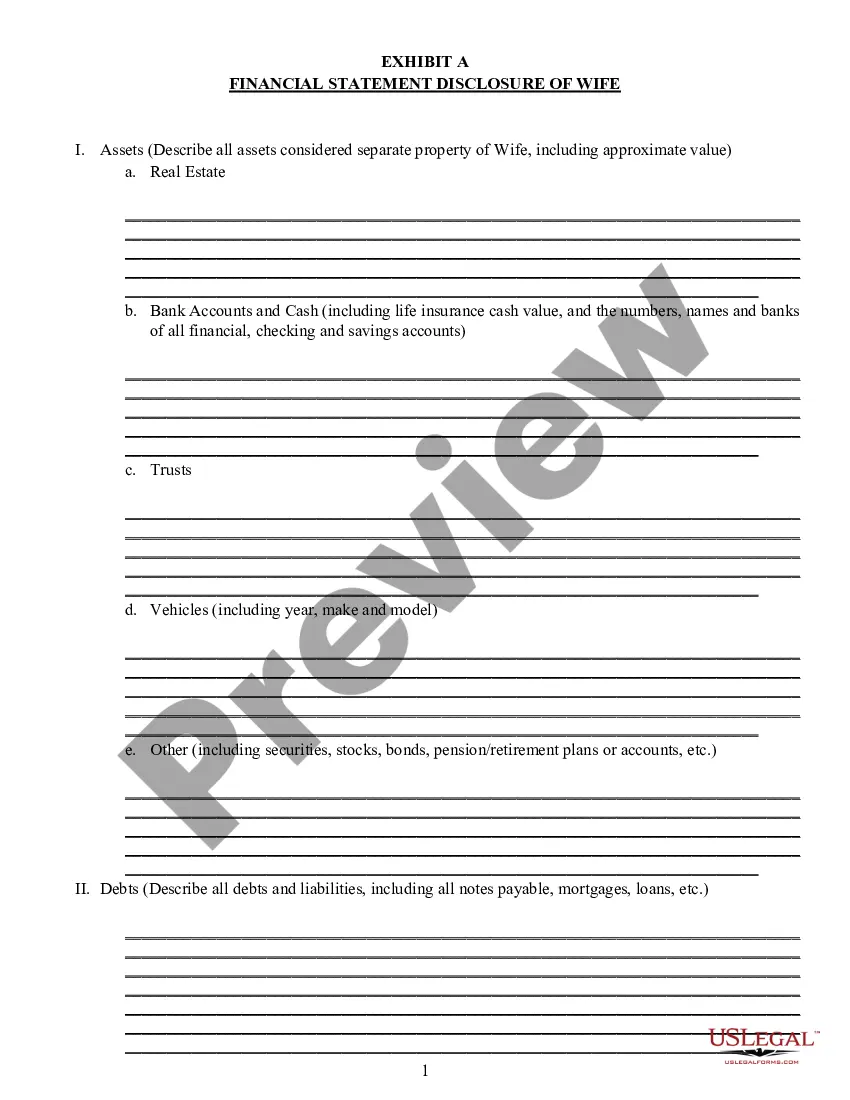
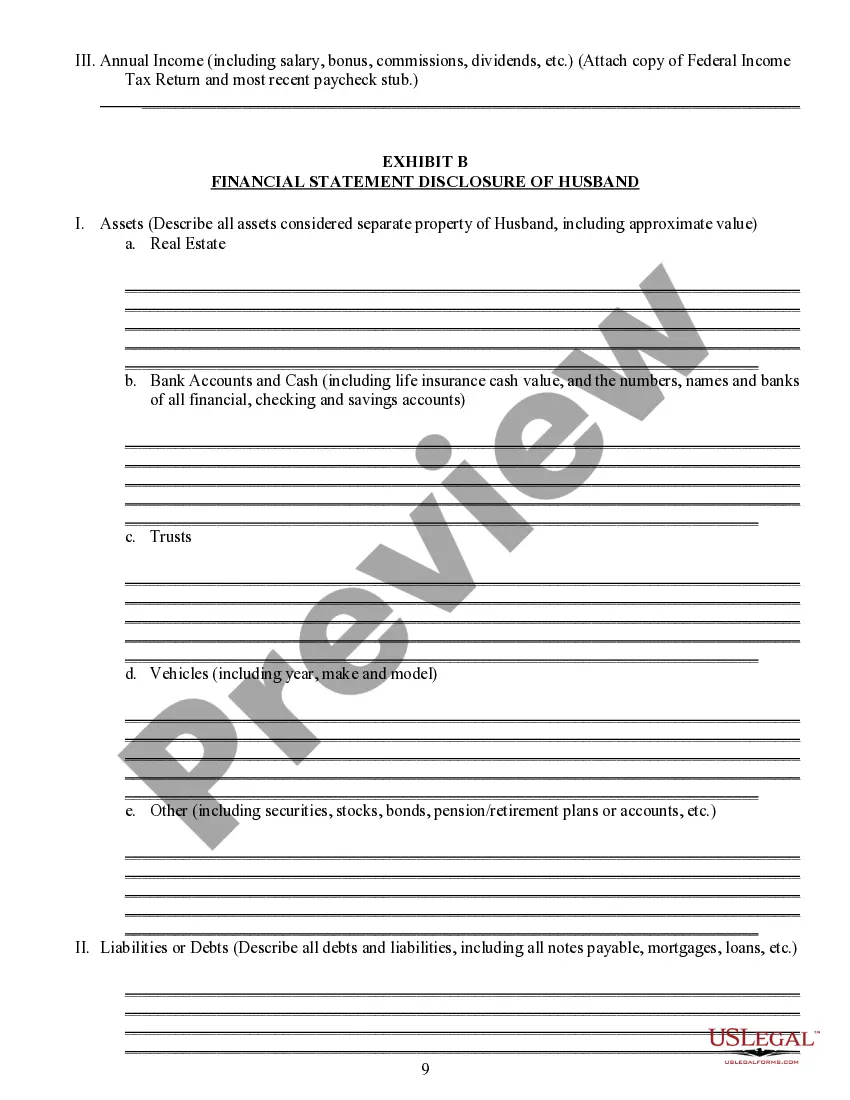
- Provide detailed financial statements as attachments, outlining all assets, liabilities, and income.
- Clearly specify which properties will be classified as separate or joint.
- Ensure both parties understand and acknowledge the terms by signing the agreement.
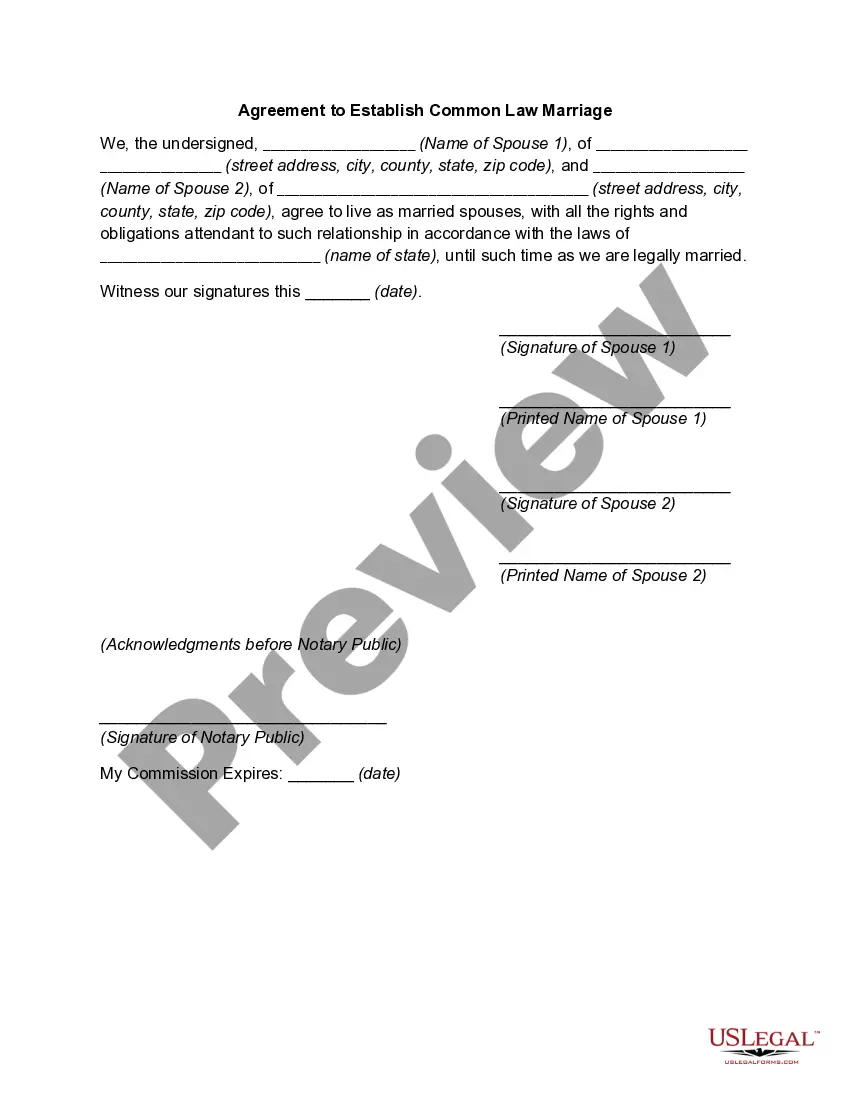
- Have the document notarized to verify authenticity.
Notarization guidance
Yes, this form must be notarized to be legally valid. Having a notary public witness the signatures ensures the authenticity of the document. US Legal Forms offers integrated online notarization services, allowing for secure video calls and convenient submission whenever needed.
Get your form ready online
Our built-in tools help you complete, sign, share, and store your documents in one place.
Make edits, fill in missing information, and update formatting in US Legal Forms—just like you would in MS Word.
Download a copy, print it, send it by email, or mail it via USPS—whatever works best for your next step.
Sign and collect signatures with our SignNow integration. Send to multiple recipients, set reminders, and more. Go Premium to unlock E-Sign.
If this form requires notarization, complete it online through a secure video call—no need to meet a notary in person or wait for an appointment.
We protect your documents and personal data by following strict security and privacy standards.

Make edits, fill in missing information, and update formatting in US Legal Forms—just like you would in MS Word.

Download a copy, print it, send it by email, or mail it via USPS—whatever works best for your next step.

Sign and collect signatures with our SignNow integration. Send to multiple recipients, set reminders, and more. Go Premium to unlock E-Sign.

If this form requires notarization, complete it online through a secure video call—no need to meet a notary in person or wait for an appointment.

We protect your documents and personal data by following strict security and privacy standards.
Common mistakes
- Failing to disclose all financial information, which can invalidate the agreement.
- Not having separate legal representation for both parties during negotiations.
- Overlooking notarization, which is necessary for the agreement's enforcement in some jurisdictions.
- Assuming the agreement will remain valid without periodic reviews or updates.
Benefits of completing this form online
- Convenience of downloading and completing the agreement at any time.
- Editability allows for personalization to fit specific needs.
- Accessibility to legal guidelines ensures the agreement meets state requirements.
- Security of the online platform guarantees privacy and confidentiality during the completion process.
- This agreement is legally binding if properly executed and notarized.
- It may be enforced in court to protect the rights of both parties concerning their separate and joint properties.
- Limitations may arise based on state laws and specific circumstances at the time of enforcement.
What to keep in mind
- A Postnuptial Property Agreement protects individual assets during marriage.
- Each party should be informed and represented by separate legal counsel.
- Proper completion and notarization of the agreement are essential for enforceability.
Looking for another form?
Form popularity
FAQ
As long as both parties are in agreement to the terms of the post nuptial contract, and have the ability to put those terms into a legal document, most states don't make it a legal requirement to have an attorney.
Postnuptial agreements must be in writing. Voluntary Both parties to a postnuptial agreement must have signed the agreement voluntarily and intentionally.Generally speaking, to make a postnuptial agreement valid, both parties' signatures need to be notarized.
California has specific requirements for creating postnuptial agreements. The first three requirements are relatively simple. The postnuptial agreement must be written (preferably typed), signed by both spouses and properly notarized.
The Separate Property Provision. Most marriages mingle the assets and property of each individual together, and they become marital property. Defining What Marital Property Encompasses. Maintenance for Each Spouse. Support for Children. Legal Help with Postnuptial Provisions.
Enforcing the Agreement A valid postnuptial agreement will be recognized by courts in New York. To be valid, the agreement must protect both spouses.And both spouses must have independent legal counsel for the agreement to be enforceable.
Postnuptial agreements are generally enforceable if the parties of the document adhere to all state laws regarding inheritance, child custody, visitation and monetary support if a divorce does occur.This may also come with a will or other legal document.
Attorneys will charge on average $1,000 for a simple postnuptial document and the costs can rise to around $3,000. Postnuptial agreements that are complicated in nature and require ongoing and prolonged negotiations and especially when substantial provisions and assets are involved, costs can start at around $10,000.
A postnuptial agreement is entirely voluntary, and it must be signed by both parties in order to be valid. A legally binding document, a postnuptial agreement is an excellent way to protect and preserve the marriage, while still considering the individual interests of those involved.