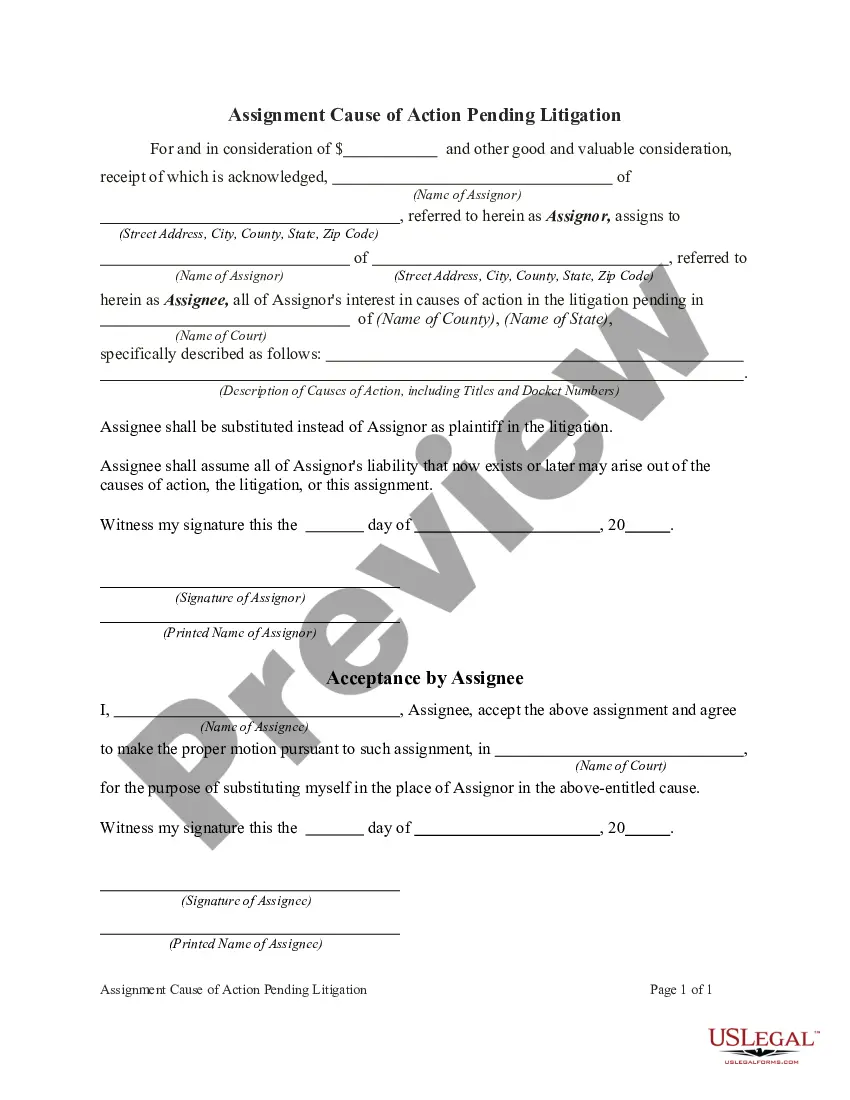
New York Affidavit of Lost Note
Understanding this form
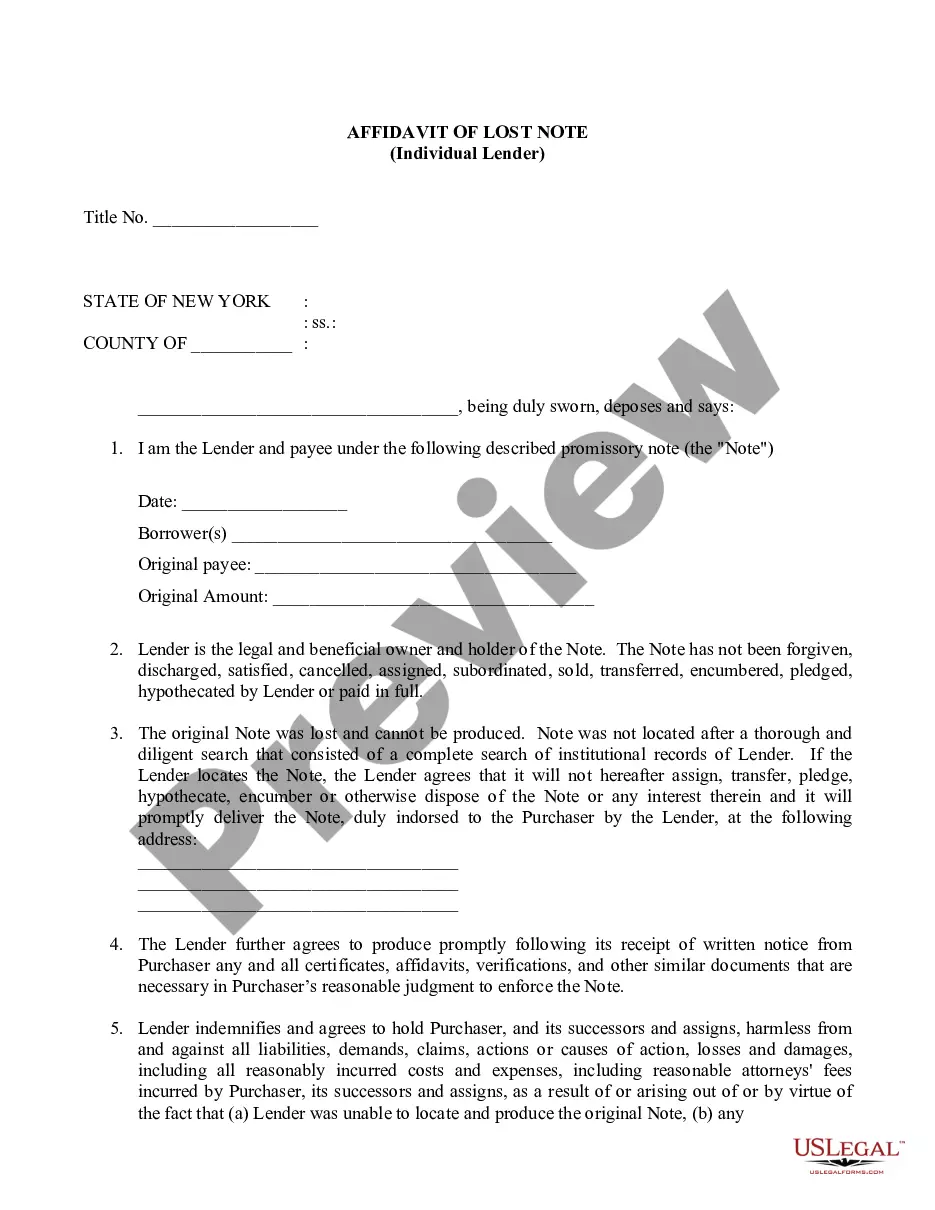
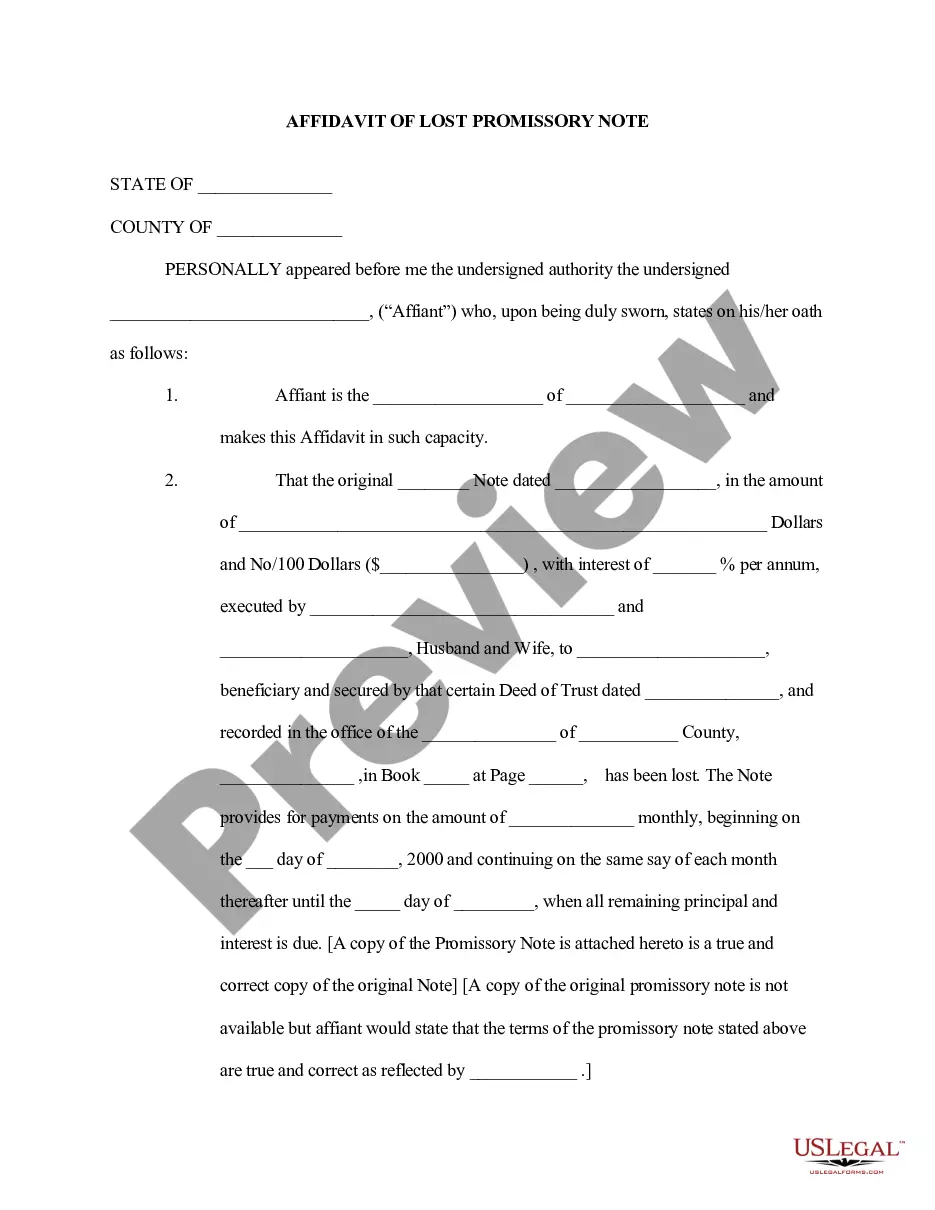
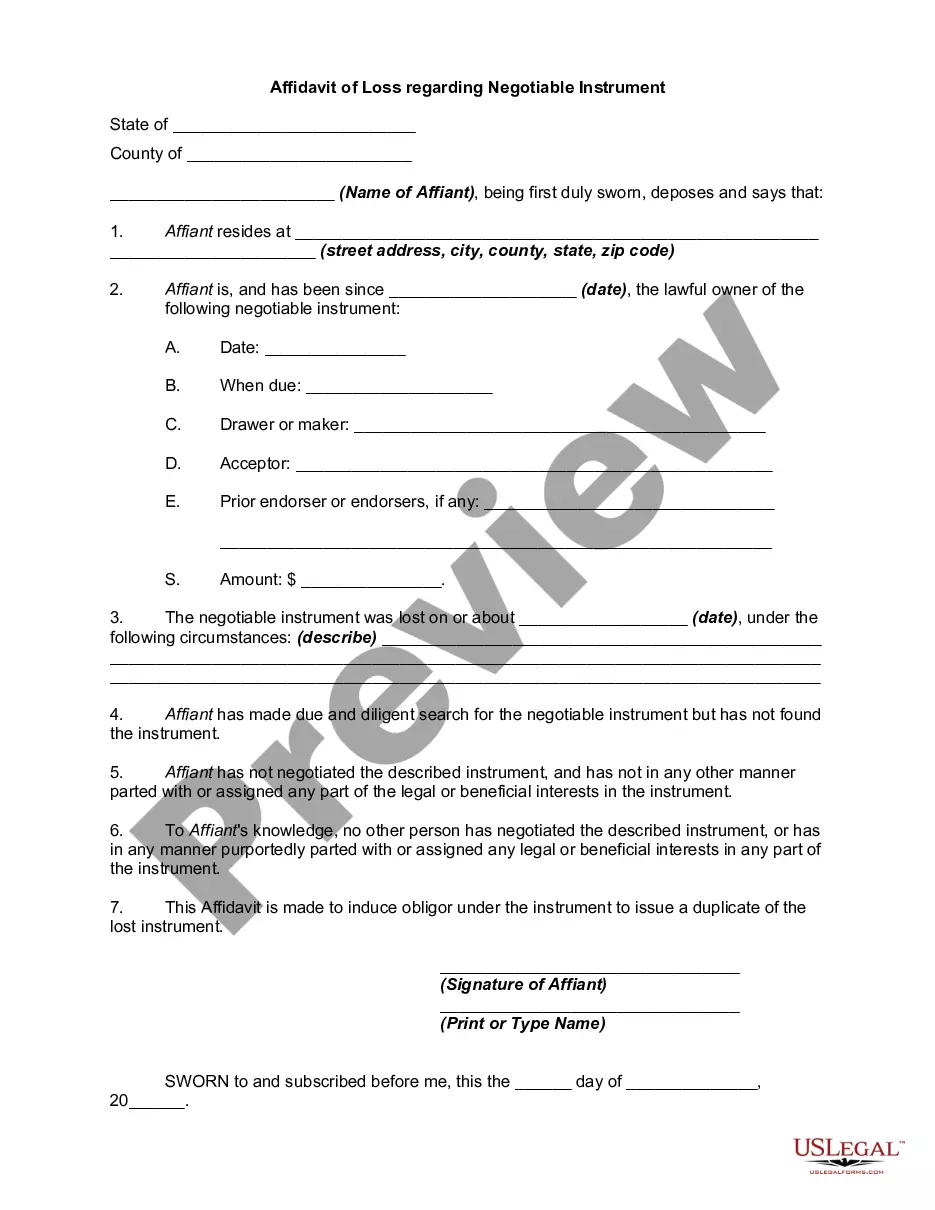
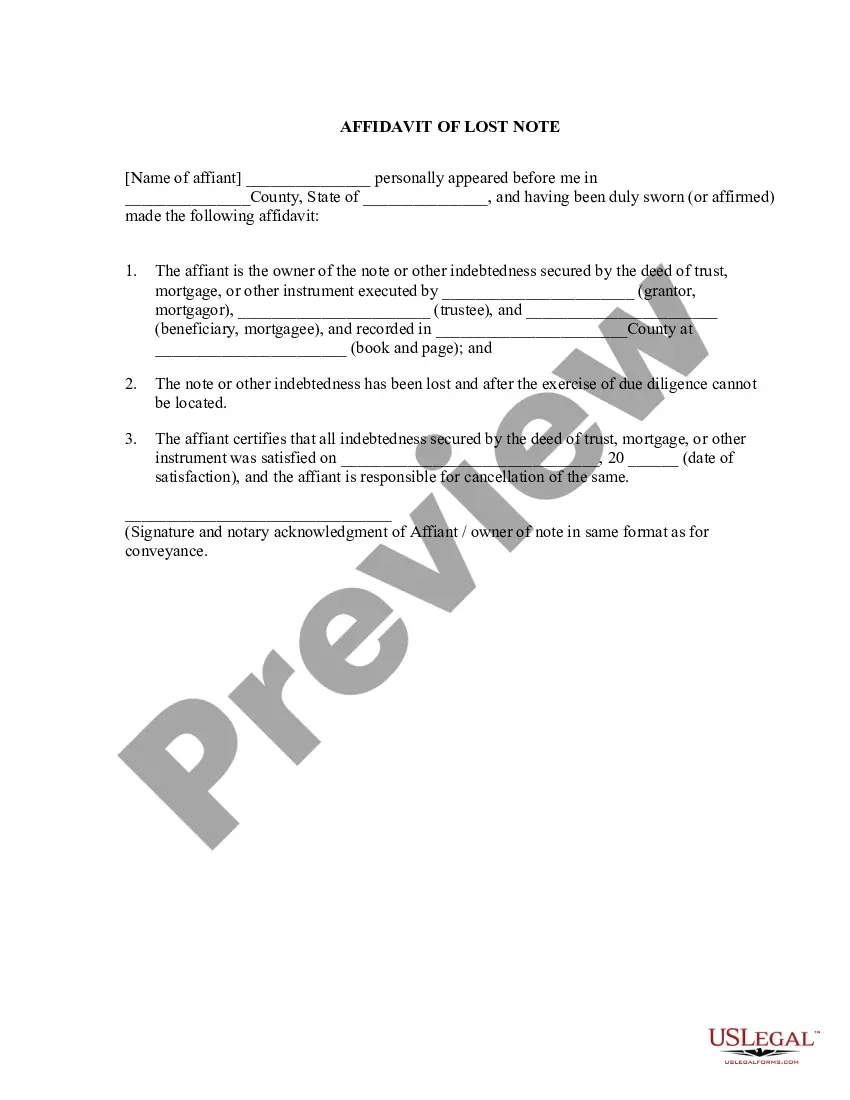
The Affidavit of Lost Note is a legal document where an individual lender attests to the loss of a promissory note they held. This affidavit confirms that the note has not been paid, assigned, or otherwise disposed of, enabling a purchaser and title insurance company to rely on its validity despite the absence of the original document. The form serves a crucial role in asserting the lenderâs ownership and is distinct from other forms related to promissory notes, as it specifically addresses the issue of a lost document.
Form components explained
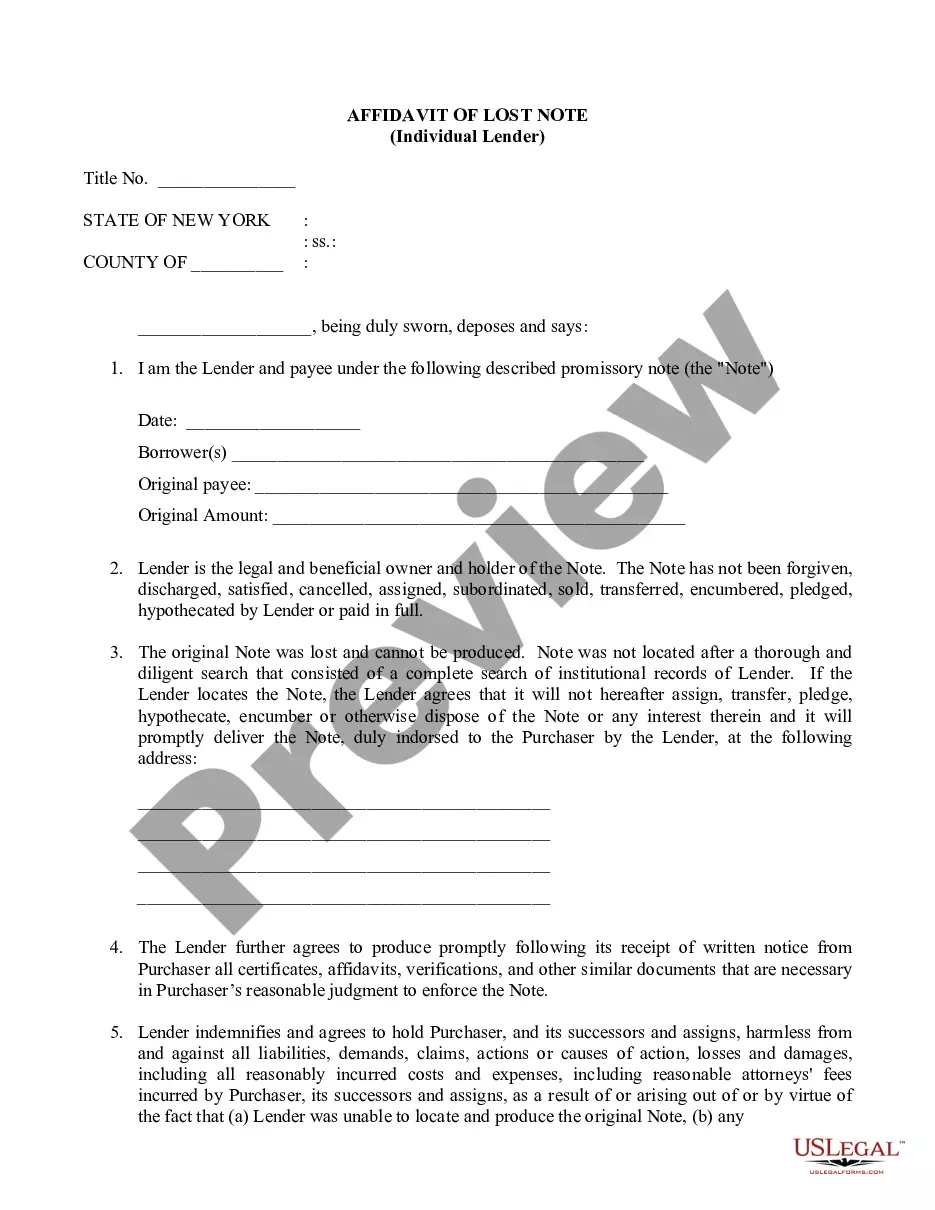
- Introduction stating the lender's details and the lost note's specifics.
- Declaration confirming the status of the promissory note and the lender's ownership.
- Affirmation that a thorough search for the note was conducted.
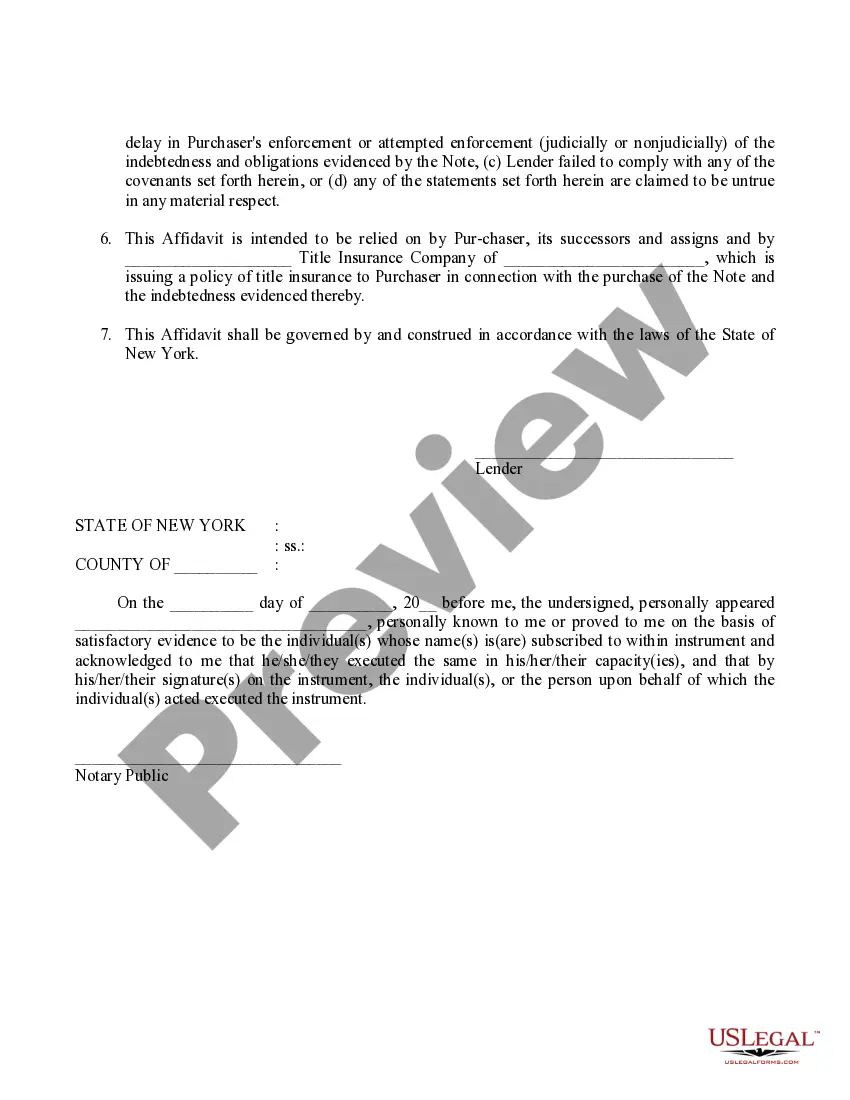
- Indemnification clause protecting the purchaser from potential liabilities.
- Notarization section to validate the affidavit.
When to use this form
This form is necessary when a lender has lost a promissory note and needs to affirm ownership and the noteâs status to a prospective purchaser or title insurance company. Common scenarios include situations where financing is being secured against a lost note, or when a borrower seeks to address outstanding debts without the physical note present. It is essential for ensuring that transactions can proceed without the original document.
Who this form is for
- Individual lenders who are the payee of a promissory note.
- Purchasers seeking legal assurance about the ownership of a lost note.
- Title insurance companies needing documentation to issue a policy.
How to prepare this document
- Identify the lender's name and details, including the date of the note and borrower's information.
- Specify the original amount of the promissory note.
- Confirm the loss of the note and describe the search conducted.
- Provide an address for the purchaser where the note will be delivered if located.
- Sign the affidavit in the presence of a notary public to validate it.
Does this document require notarization?
Yes, this form must be notarized to be legally valid. The notarization confirms the identity of the lender and the authenticity of the signature, which is crucial for ensuring the document's enforceability. US Legal Forms offers integrated online notarization for convenience, allowing you to complete this step securely via video call without the need for travel.
Get your form ready online
Our built-in tools help you complete, sign, share, and store your documents in one place.
Make edits, fill in missing information, and update formatting in US Legal Forms—just like you would in MS Word.
Download a copy, print it, send it by email, or mail it via USPS—whatever works best for your next step.
Sign and collect signatures with our SignNow integration. Send to multiple recipients, set reminders, and more. Go Premium to unlock E-Sign.
If this form requires notarization, complete it online through a secure video call—no need to meet a notary in person or wait for an appointment.
We protect your documents and personal data by following strict security and privacy standards.

Make edits, fill in missing information, and update formatting in US Legal Forms—just like you would in MS Word.

Download a copy, print it, send it by email, or mail it via USPS—whatever works best for your next step.

Sign and collect signatures with our SignNow integration. Send to multiple recipients, set reminders, and more. Go Premium to unlock E-Sign.

If this form requires notarization, complete it online through a secure video call—no need to meet a notary in person or wait for an appointment.

We protect your documents and personal data by following strict security and privacy standards.
Common mistakes
- Failing to conduct a thorough search for the original note before completing the affidavit.
- Omitting critical details such as the borrower's name or the original note amount.
- Not having the affidavit notarized, which may render it invalid.
Benefits of using this form online
- Convenience of completing the affidavit from anywhere.
- Editable templates that allow you to fill in the specific details required.
- Access to legal forms drafted by licensed attorneys, ensuring reliability.
Looking for another form?



Form popularity
FAQ
They contain only the following details: Full legal name of the affiant; Date of birth of the affiant; Address of the affiant; Identifying details of the lost item; The date of loss or discovery of loss; An explanation of the circumstances surrounding the loss; and. The signature and notarization.
Even if a promissory note is lost, the legal obliga on to repay the loan remains. The lender has a right to ?re-establish? the note legally as long as it has not sold or transferred the note to another party.
By Practical Law Finance. A standard form of affidavit used when a promissory note has been delivered to a lender in a financing transaction and subsequently lost by that lender. This Standard Document has integrated notes with important explanations and drafting tips.
In such cases, borrowers must execute new documents, a process that starts with the completion of an affidavit of lost promissory note. It is generally accepted that the lender who loses his or her promissory note can nonetheless enforce the debt it represents by signing an affidavit of lost promissory note.
An Affidavit of Lost Note is a legal document that can be used to confirm under oath that a Promissory Note or other lending document has been lost.
A collection of the lender's promises to the borrower, which collectively form the ?indemnity.? The lender is here promising to release all claims that it might have against the borrower relating to the original note. This is another way of saying the original note will no longer be a valid instrument.