Sample Letter for Guardianship relating Social Security Income - Medicaid Benefits
About this form
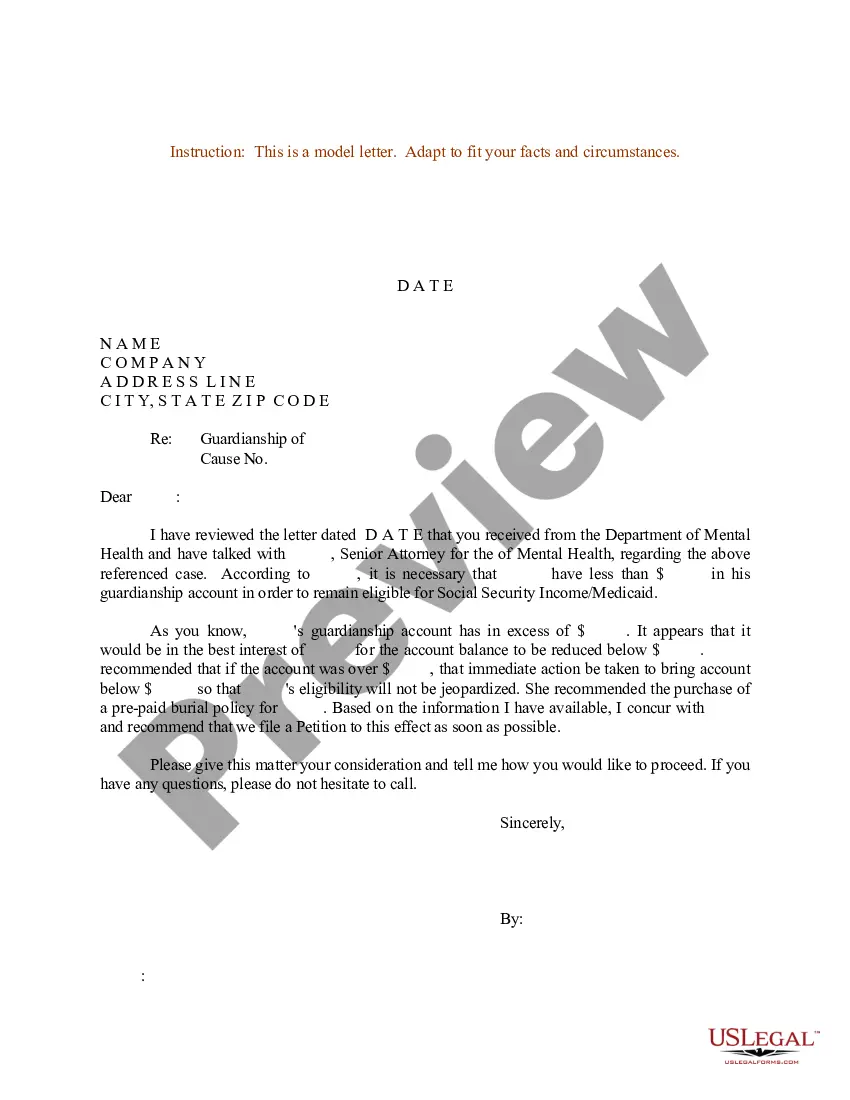
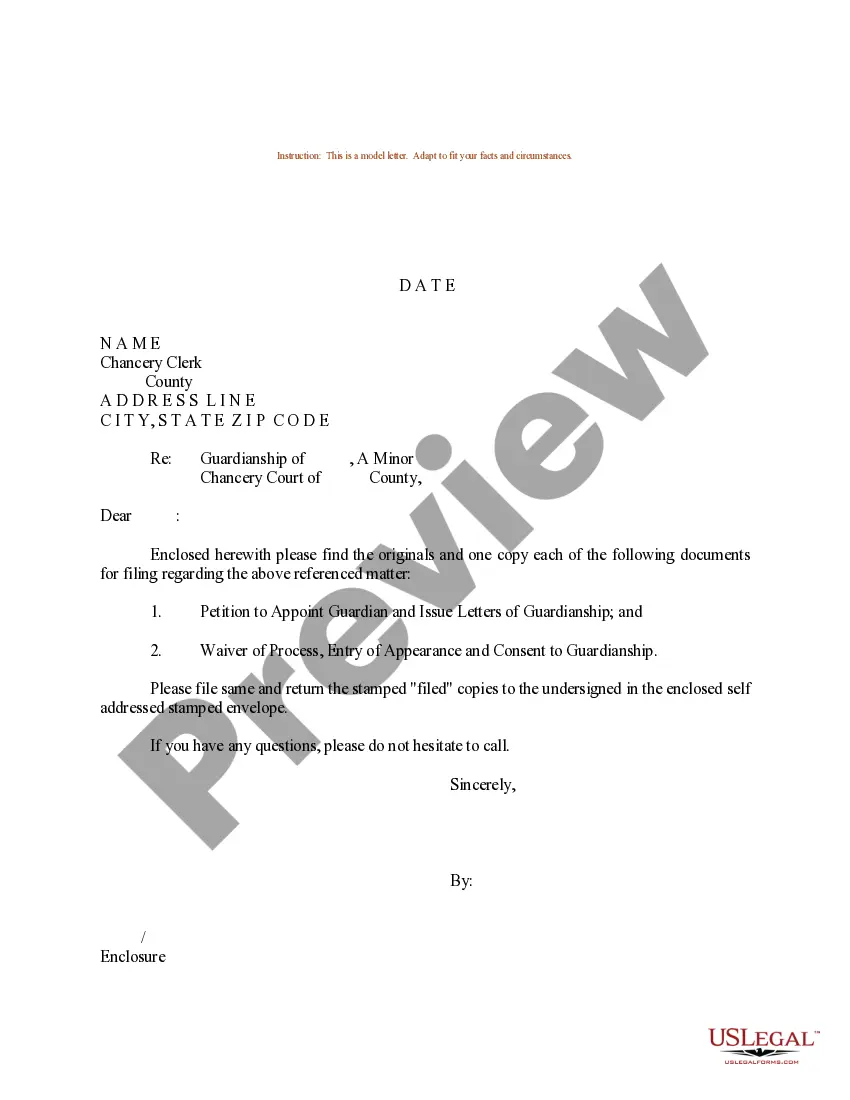
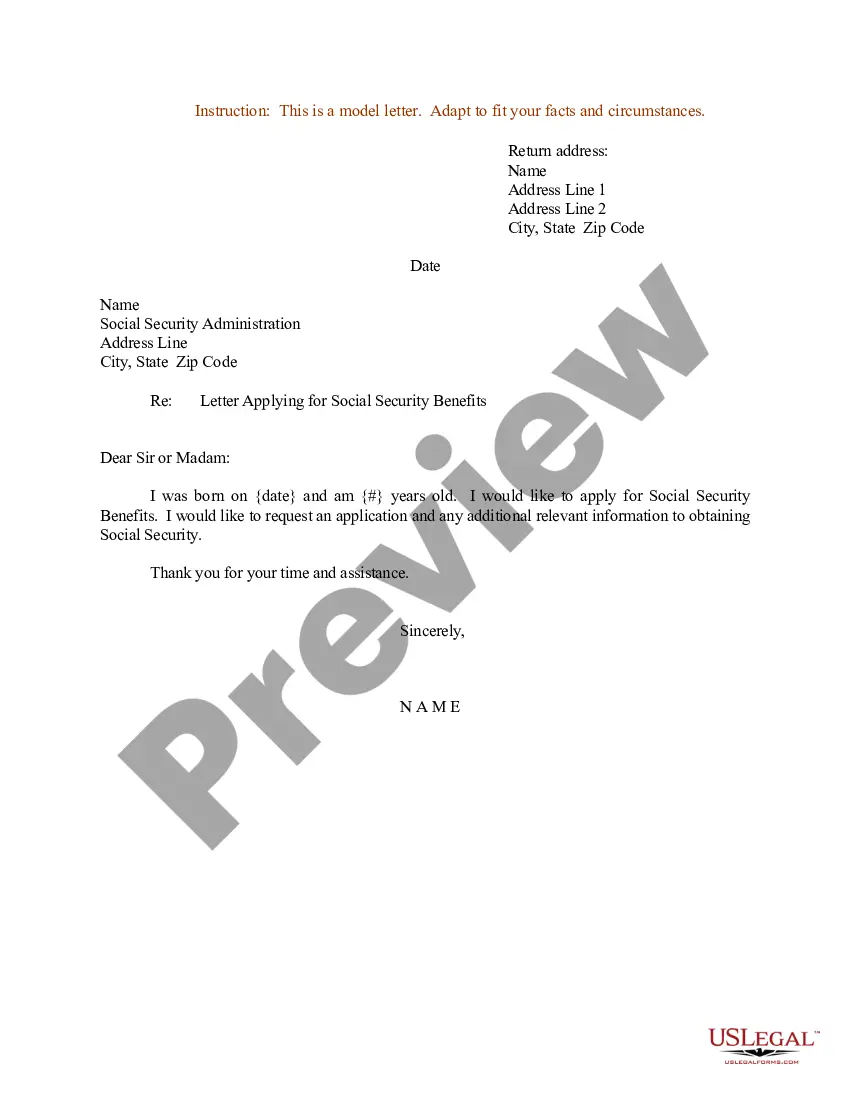
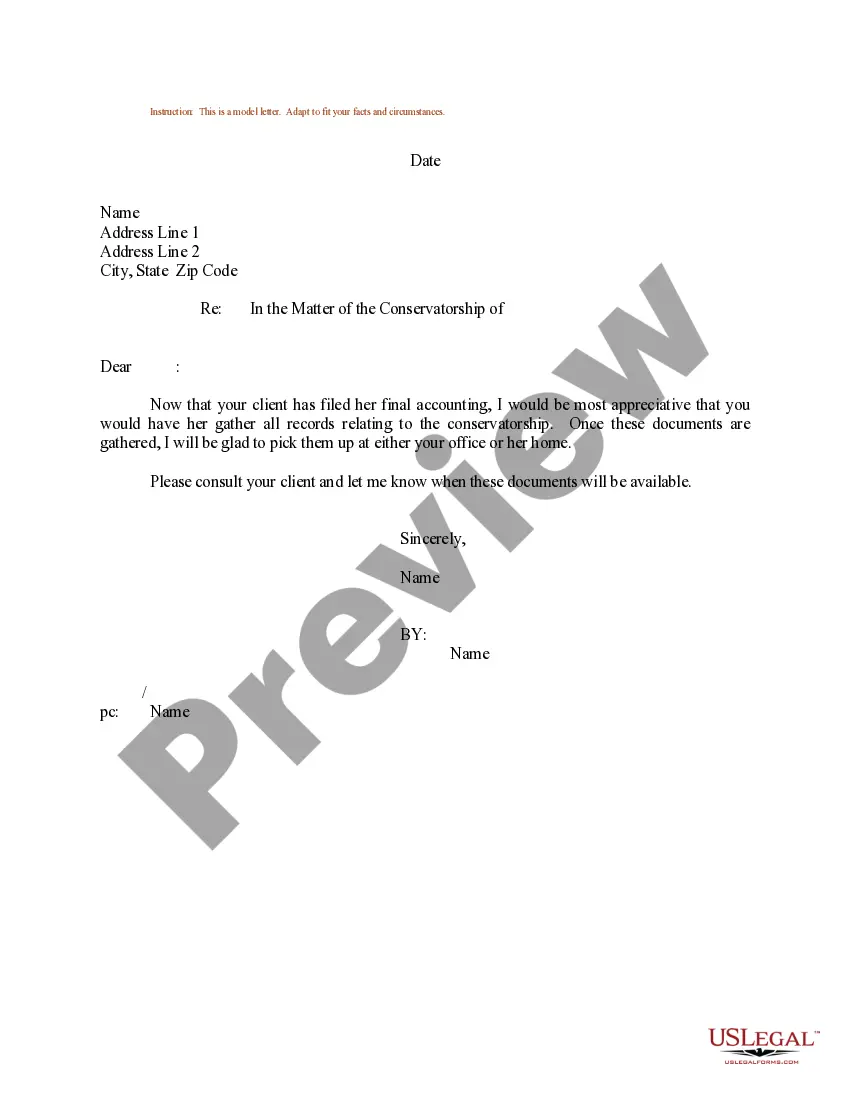
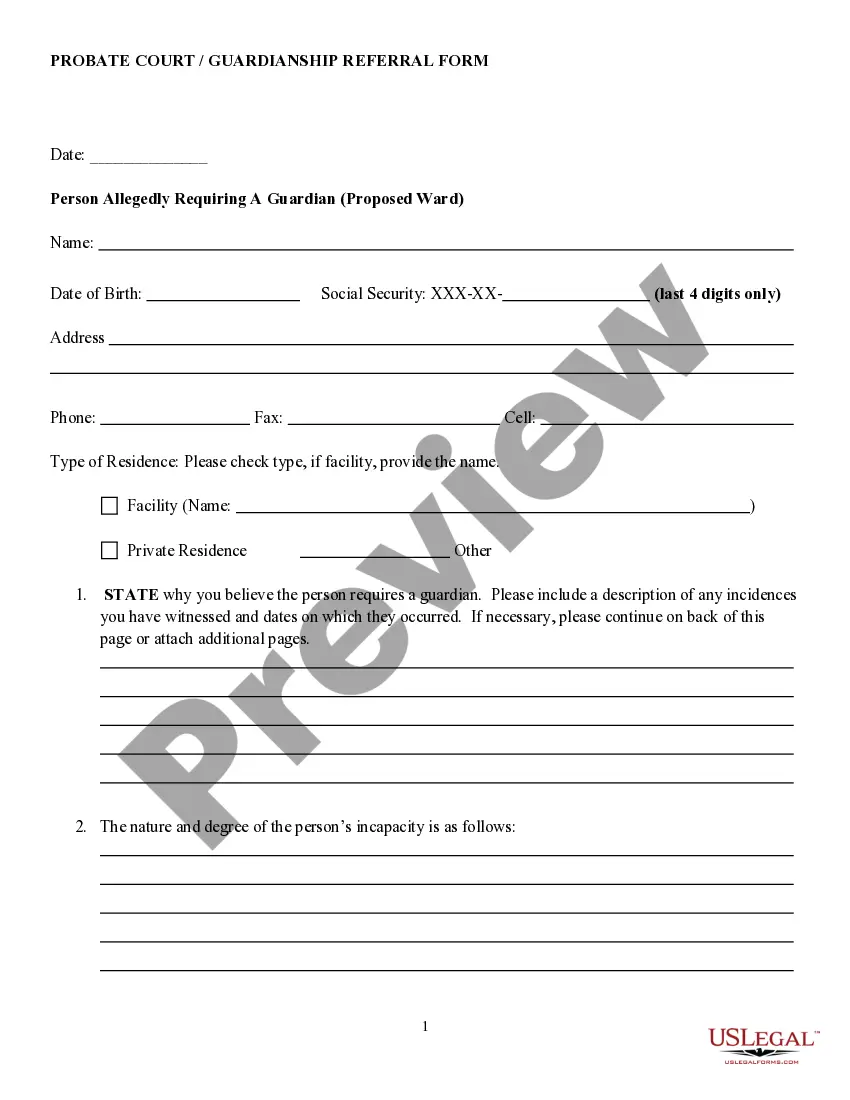
This form is a sample letter for guardianship concerning Social Security Income and Medicaid benefits. It serves as a template to guide individuals in communicating the necessary information to relevant agencies. Unlike general letters, this specific format addresses the legal details related to guardianship and financial assistance, ensuring that all required elements are covered in a structured manner.
Main sections of this form
- Date of the letter.
- Identifying details of the entity or individual receiving the letter.
- Specific mention of Social Security Income and Medicaid benefits.
- Recipient's address for proper delivery.
- Sections for necessary signatures and acknowledgments.

When this form is needed
This form should be used when applying for or managing guardianship over an individual who receives Social Security Income and Medicaid benefits. It is particularly useful in situations where the guardian must inform or update relevant government agencies about changes in circumstances or to affirm their role in managing these benefits.
Who needs this form
This form is intended for:
- Guardians seeking to manage Social Security Income and Medicaid benefits on behalf of another individual.
- Family members or caregivers of individuals in need of assistance with their financial benefits.
- Legal representatives needing a structured way to communicate with agencies regarding guardianship matters.
Instructions for completing this form
- Enter the date at the top of the letter.
- Provide details of the individual or organization that will receive this letter.
- Clearly state the purpose related to Social Security Income and Medicaid benefits.
- Include the address to ensure proper delivery.
- Sign the letter where indicated, ensuring all necessary acknowledgments are made.
Notarization requirements for this form
This form does not typically require notarization unless specified by local law. However, verifying local requirements is recommended to ensure compliance with legal standards.
Get your form ready online
Our built-in tools help you complete, sign, share, and store your documents in one place.
Make edits, fill in missing information, and update formatting in US Legal Forms—just like you would in MS Word.
Download a copy, print it, send it by email, or mail it via USPS—whatever works best for your next step.
Sign and collect signatures with our SignNow integration. Send to multiple recipients, set reminders, and more. Go Premium to unlock E-Sign.
If this form requires notarization, complete it online through a secure video call—no need to meet a notary in person or wait for an appointment.
We protect your documents and personal data by following strict security and privacy standards.

Make edits, fill in missing information, and update formatting in US Legal Forms—just like you would in MS Word.

Download a copy, print it, send it by email, or mail it via USPS—whatever works best for your next step.

Sign and collect signatures with our SignNow integration. Send to multiple recipients, set reminders, and more. Go Premium to unlock E-Sign.

If this form requires notarization, complete it online through a secure video call—no need to meet a notary in person or wait for an appointment.

We protect your documents and personal data by following strict security and privacy standards.
Common mistakes to avoid
- Failing to include the date, making the letter look unprofessional.
- Not addressing the letter to the correct agency or individual.
- Leaving out critical information about the beneficiary's financial situation.
- Omitting signatures or acknowledgments that validate the letter.
Why use this form online
- Convenient access to a professionally drafted letter template.
- Easy to edit for specific circumstances or requirements.
- Rapid download and preparation for quicker response times.
- Reliable structure that ensures all necessary components are included.
Legal use & context
- This letter is used to formally assert a guardian's authority in managing Social Security Income and Medicaid benefits.
- It helps ensure compliance with legal requirements in the administration of benefits.
- Failure to provide such documentation can result in complications regarding the benefits management.
Main things to remember
- This sample letter is essential for guardians managing Social Security and Medicaid benefits.
- Accurate and complete information is crucial to avoid delays or issues.
- Always check local state laws for specific requirements related to guardianship letters.
Looking for another form?
Form popularity
FAQ
Yes. Social Security does not instruct or guide the guardian payee in how to compute fees. As noted, SSA generally allows representative payees who are legal guardians to deduct court authorized guardianship fees and those fees may be deducted from Social Security benefits.
A Benefit Verification Letter is an official letter from the Social Security Administration (SSA). It shows your monthly Social Security Disability and Supplementary Income earning.When you request the letter, you are allowed to choose the information that's included and what's left out.
As guardian of the person, you are entitled to compensation for your time, upon court approval. The compensation cannot exceed five percent of the ward's gross income. Attorney fees and other costs can and should be paid out of the ward's income, upon court approval.
The Social Security Administration (SSA) disability program is the primary government benefit that provides income to people with disabilities.SSA does not recognize powers of attorney or guardians appointed in state court.
En espanol Yes, under certain conditions. Social Security may pay dependent or survivor benefits to your grandchild if the parents are deceased or disabled or if you have legally adopted the child.The child's parents, if living, must not be making regular contributions to his or her support.
The Social Security Administration does not recognize power of attorney as conferring authority to manage another person's benefits.To manage a parent's Social Security, you have to be appointed a representative payee by Social Security.
Specific advantages include: Security Once you are named as guardian, you can be confident that you will be able to provide care for your ward for years to come. Legal Rights You will have the legal right to make financial, medical, and other decisions on behalf of your ward (in most cases).
It is essential to know that Social Security benefits are not exempt from Medicaid. Payments you receive from Social Security are counted as income.