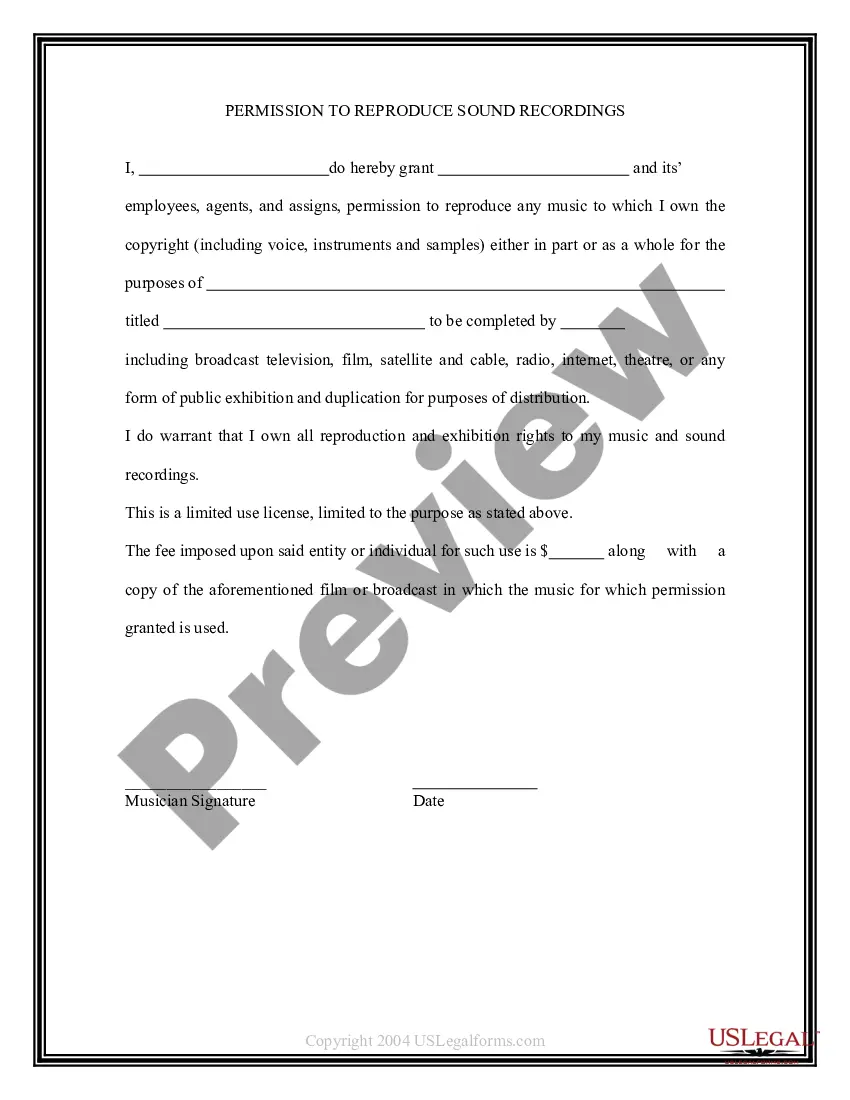
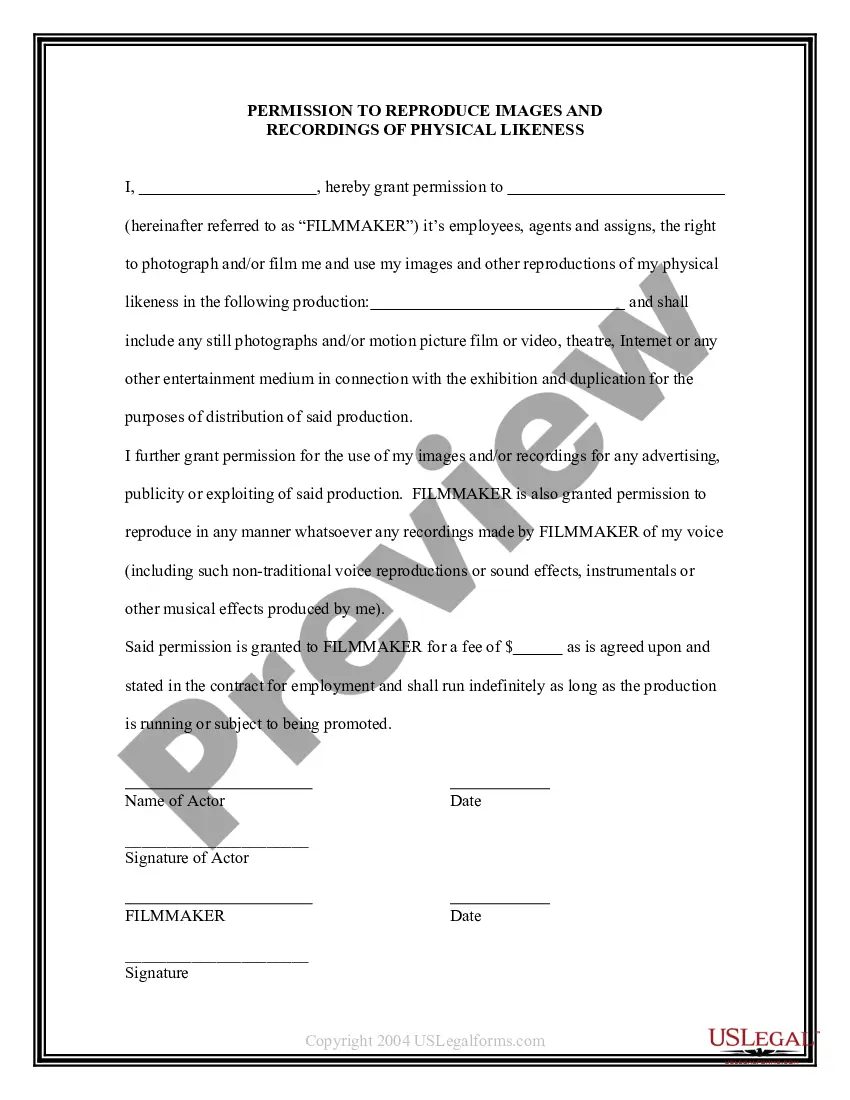
This is a form signed by a musician or owner of music granting permission to reproduce copyrighted music for use in a film, television, Internet, radio etc.
Nevada Permission To Reproduce Sound Recordings
State:
Multi-State
Control #:
US-PRM-23
Format:
Word;
Rich Text
Instant download
Description

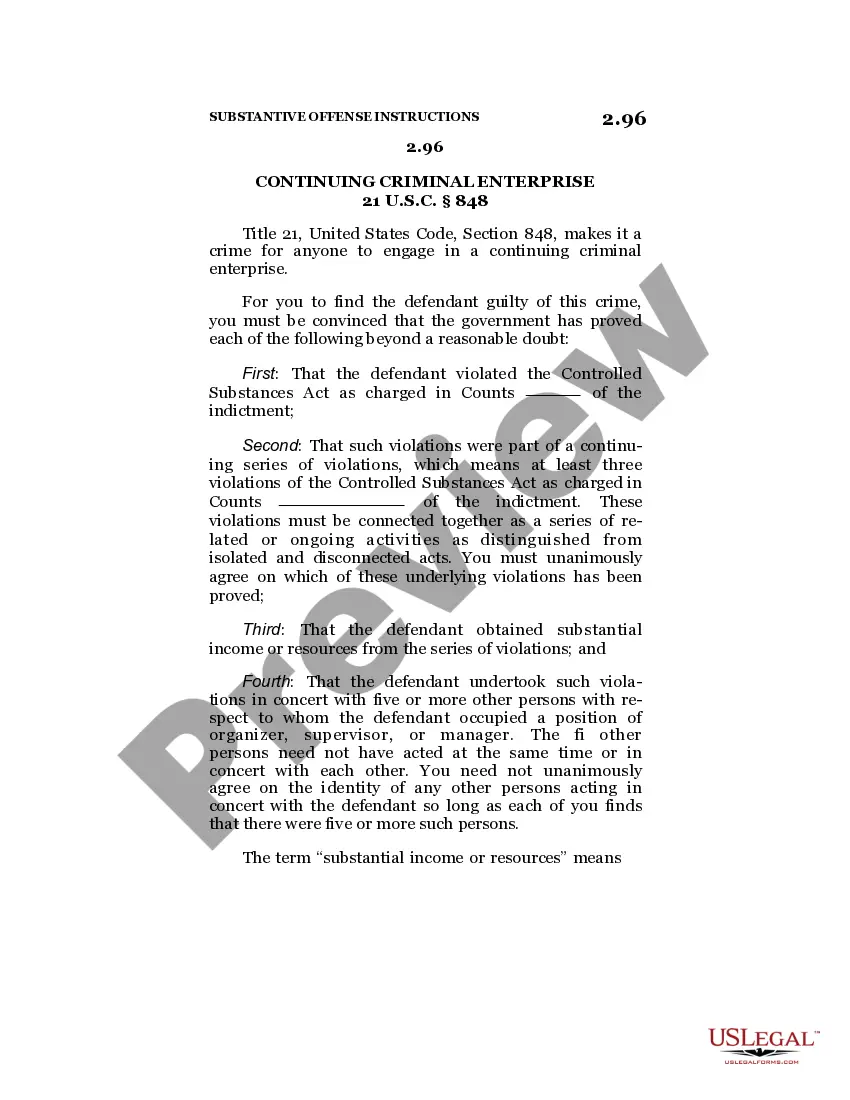
How to fill out Permission To Reproduce Sound Recordings?
Have you ever been in a situation where you need to have documentation for either business or personal reasons consistently.
There are numerous legal document templates available online, but locating ones you can trust is challenging.
US Legal Forms offers a vast collection of form templates, such as the Nevada Permission To Reproduce Sound Recordings, which can be downloaded to comply with state and federal regulations.
Choose the pricing plan you prefer, provide the required information to create your account, and complete the transaction using your PayPal or credit card.
Select a convenient file format and download your copy.
- If you are already acquainted with the US Legal Forms website and possess an account, simply Log In.
- After that, you can download the Nevada Permission To Reproduce Sound Recordings template.
- If you do not have an account and wish to start using US Legal Forms, follow these steps.
- Select the form you need and ensure it is for the correct city/region.
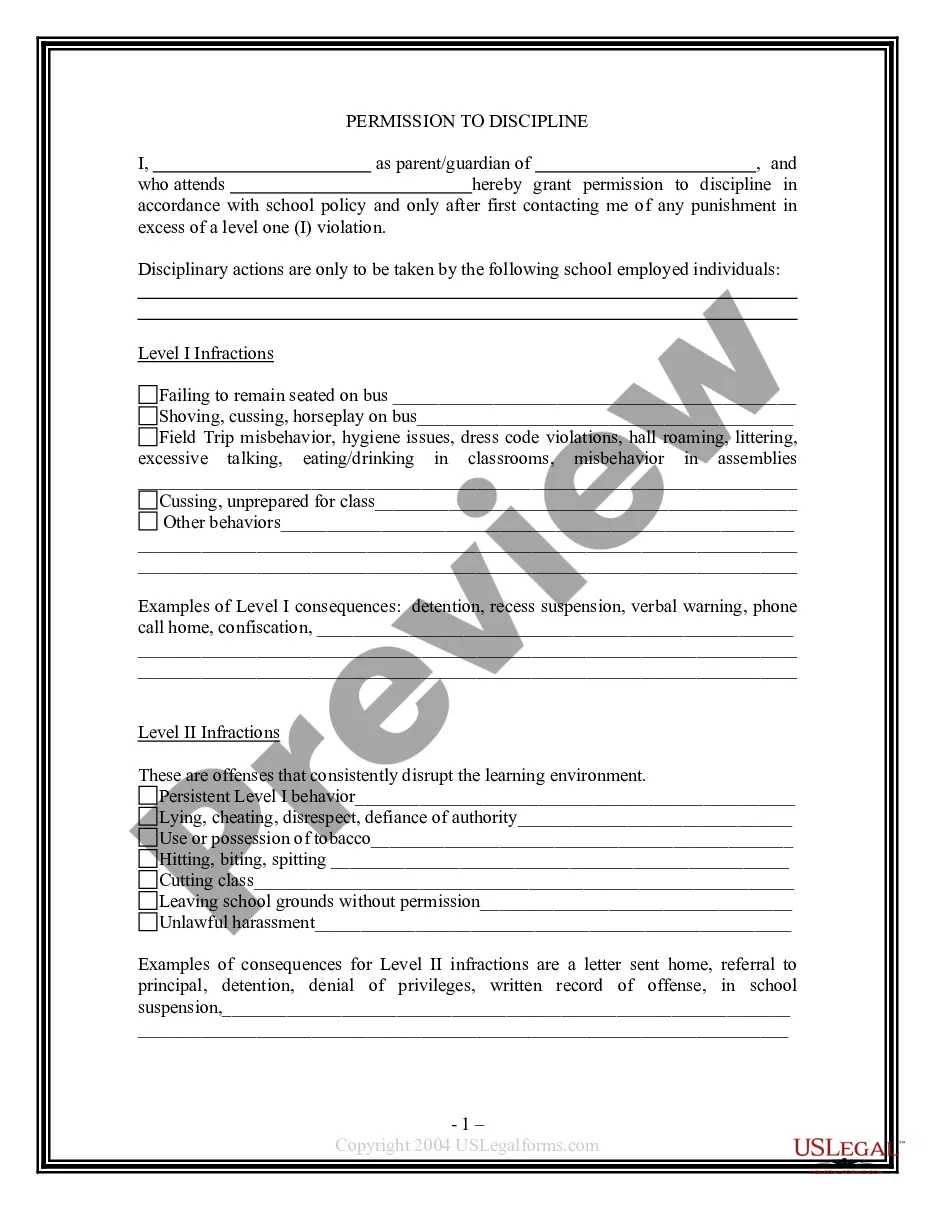
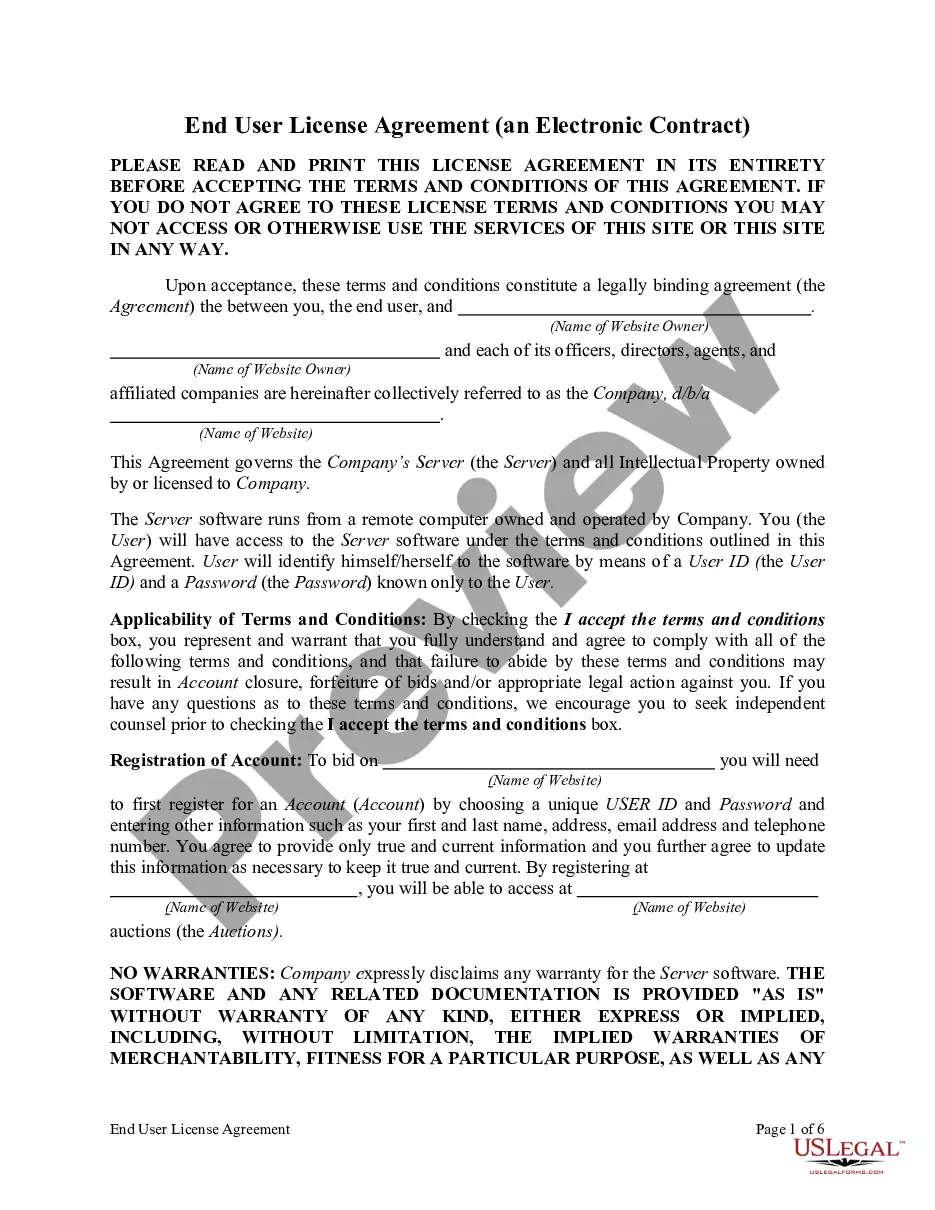
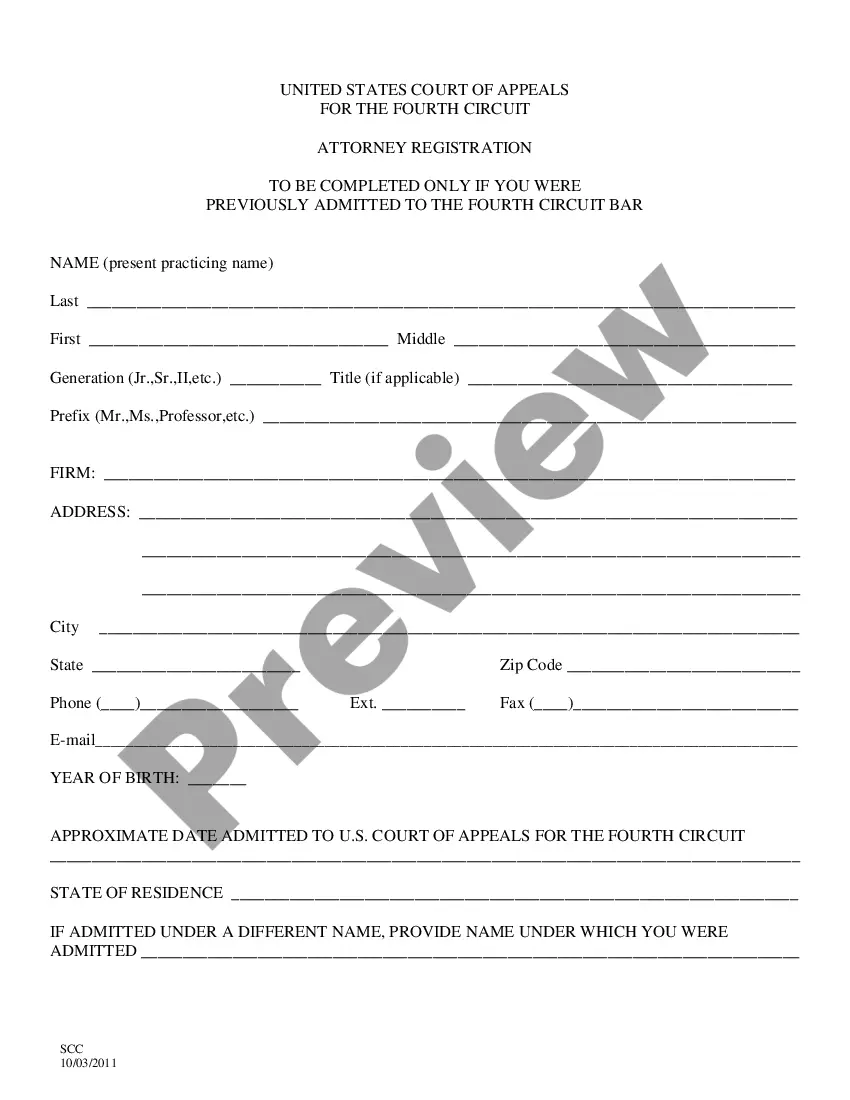
- Utilize the Preview button to examine the document.
- Check the description to ensure you have selected the correct form.
- If the form is not what you are looking for, use the Search field to find the form that meets your needs and specifications.
- Once you find the correct form, click Acquire now.
Form popularity
FAQ
Yes, Nevada is a dual consent state for recording conversations. This means that both parties involved must agree to the recording for it to be legal. If you are considering using sound recordings for any purpose, including obtaining a Nevada Permission To Reproduce Sound Recordings, it is essential to secure consent from all parties. By doing so, you can avoid legal issues and ensure compliance with state laws.
Nevada's recording policy allows for audio recordings under the one-party consent rule. This means that as long as one person in the conversation agrees to the recording, it is permitted. It is crucial to understand these laws, especially if you plan to use recordings for commercial purposes. Utilizing a service like USLegalForms can assist you in obtaining the necessary Nevada Permission To Reproduce Sound Recordings to ensure you stay compliant with state regulations.
Yes, someone can audio record you without your permission in Nevada if they are participating in the conversation. Nevada follows a one-party consent rule, meaning that as long as one party consents to the recording, it is legal. However, if you feel your privacy is being violated, you may want to seek legal advice or explore options for a Nevada Permission To Reproduce Sound Recordings to safeguard your rights.
In Nevada, it is generally illegal to record a conversation without the consent of at least one party involved. This means you can audio record someone as long as you are part of the conversation or have their permission. If you want to ensure compliance with the law, consider obtaining a Nevada Permission To Reproduce Sound Recordings. This can help you avoid legal issues and protect your rights.
Yes, Nevada is considered a two-party consent state when it comes to recording conversations. This means that you must obtain permission from all parties involved before recording any conversation, including sound recordings. Understanding the legal landscape is crucial, especially if you plan to use recordings for commercial purposes. With the Nevada Permission To Reproduce Sound Recordings, you can ensure compliance and avoid legal pitfalls by using resources like USLegalForms, which provides clear guidance on obtaining necessary permissions.
In general, the individual who writes or records an original song owns the copyright in the musical work or sound recording. So if only one person is involved in the writing and recording process, then that person owns the resulting copyrights.
A copyright in a sound recording protects recorded musical, spoken, or other sounds that do not accompany an audiovisual work. Federal copyright protection of sound recordings has only been possible since 1972. Any recordings made before 1972 are subject to different provisions.
In magnetic tape recording, the sound waves vibrate the microphone diaphragm and are converted into a varying electric current, which is then converted to a varying magnetic field by an electromagnet, which makes a representation of the sound as magnetized areas on a plastic tape with a magnetic coating on it.
To register a claim to copyright in a sound recording, you must submit the following to the Copyright Office: (1) a completed application form; (2) a nonrefundable filing fee; and (3) the required deposit of your work.
The safeguards that are available under privacy laws in India against call recording by individuals are not clearly defined. There is no law which makes recording a call by an individual on their device illegal.