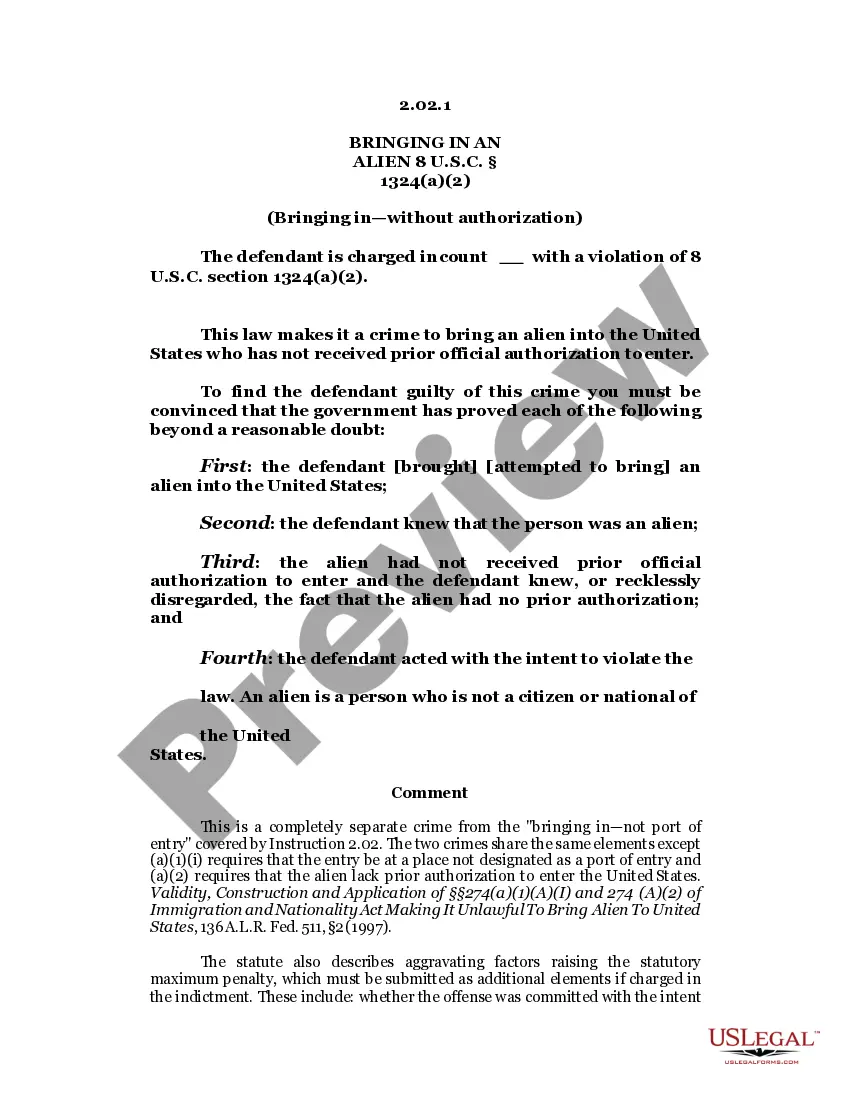
Agreement Not to Defame Regarding Possible Breached Contract
Overview of this form
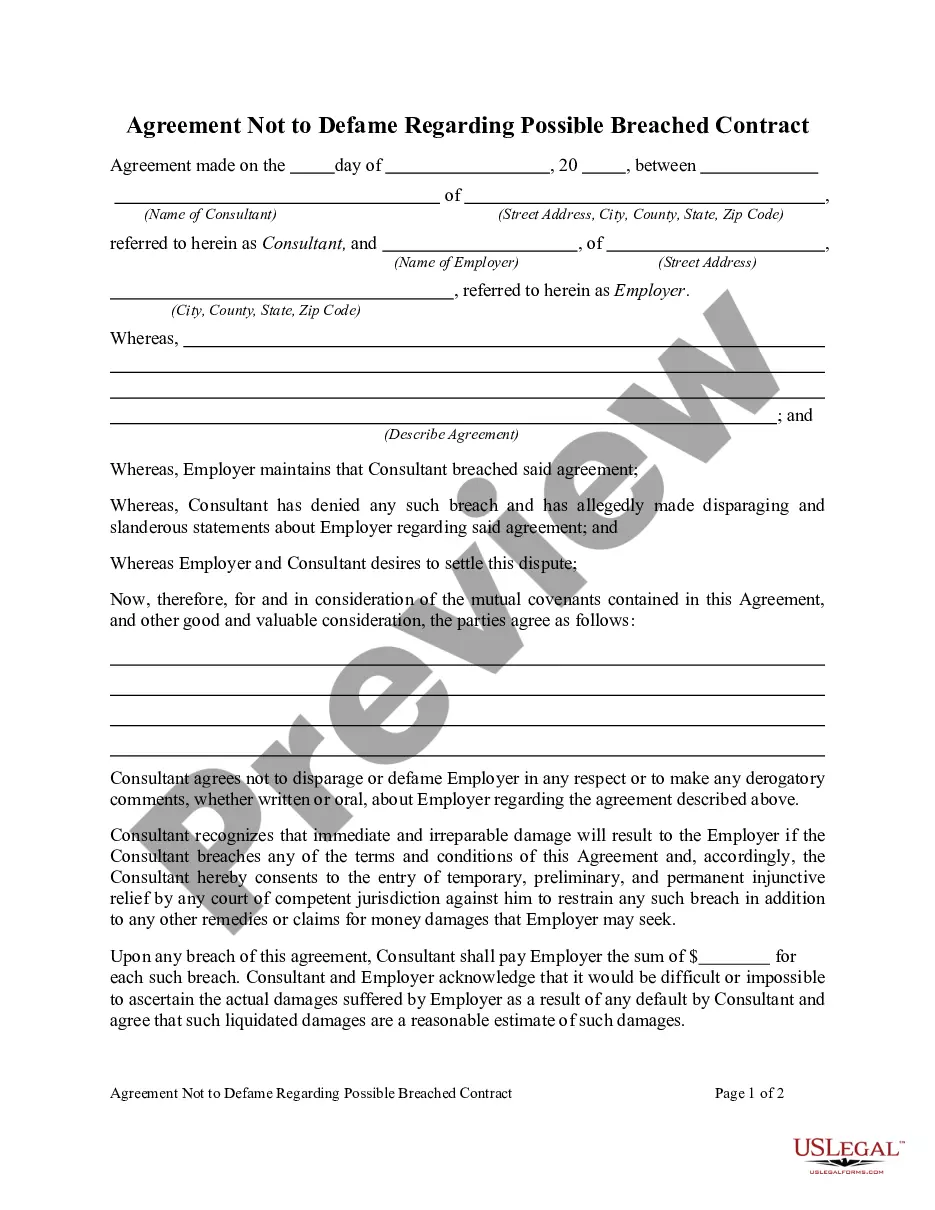
The Agreement Not to Defame Regarding Possible Breached Contract is a legal document that aims to prevent any defamatory statements about a party involved in a contract dispute. This form is specifically crafted to protect employers and consultants by establishing clear terms that discourage slander and libel. Unlike generic non-disclosure agreements, this form directly addresses concerns related to defamation in the context of potential contract breaches.
Key components of this form
- Identification of the parties involved: Clearly states the Employer and Consultant.
- Reason for the agreement: Outlines the allegations and the background of the dispute.
- Consent to injunctive relief: Allows the Employer to seek a court injunction if terms are breached.
- Liquidated damages clause: Specifies pre-agreed penalties for violations of the agreement.
- Mutual covenants: States the commitments made by both parties under this agreement.
When this form is needed
This form is useful in scenarios where a consultant has allegedly made harmful statements about an employer following a dispute over a contract. It can be utilized when the employer wishes to deter potential defamation and establish a clear understanding of the repercussions if such statements are made. This form is particularly relevant in professional settings where reputational integrity is at stake, and both parties need a formal agreement to address any misunderstandings or conflicts.
Who should use this form
This form is intended for:
- Employers seeking to protect their reputation from possible defamatory statements made by consultants.
- Consultants who want clarity on the repercussions of making disparaging remarks that could harm a client's business.
- Legal representatives involved in drafting or reviewing agreements related to contract disputes.
How to prepare this document
- Identify the parties: Clearly enter the names and contact information of the Employer and Consultant.
- Provide background details: Summarize the context of the alleged breach and any previous communications.
- Include the agreement terms: Clearly outline the commitments each party is making not to defame the other.
- Specify the liquidated damages clause: Enter the agreed-upon amount for breach of the defamation agreement.
- Sign and date the agreement: Ensure both parties sign the document to make it legally binding.
Notarization guidance
This form usually doesn’t need to be notarized. However, local laws or specific transactions may require it. Our online notarization service, powered by Notarize, lets you complete it remotely through a secure video session, available 24/7.
Get your form ready online
Our built-in tools help you complete, sign, share, and store your documents in one place.
Make edits, fill in missing information, and update formatting in US Legal Forms—just like you would in MS Word.
Download a copy, print it, send it by email, or mail it via USPS—whatever works best for your next step.
Sign and collect signatures with our SignNow integration. Send to multiple recipients, set reminders, and more. Go Premium to unlock E-Sign.
If this form requires notarization, complete it online through a secure video call—no need to meet a notary in person or wait for an appointment.
We protect your documents and personal data by following strict security and privacy standards.

Make edits, fill in missing information, and update formatting in US Legal Forms—just like you would in MS Word.

Download a copy, print it, send it by email, or mail it via USPS—whatever works best for your next step.

Sign and collect signatures with our SignNow integration. Send to multiple recipients, set reminders, and more. Go Premium to unlock E-Sign.

If this form requires notarization, complete it online through a secure video call—no need to meet a notary in person or wait for an appointment.

We protect your documents and personal data by following strict security and privacy standards.
Mistakes to watch out for
- Failing to clearly identify all parties involved can lead to confusion and enforceability issues.
- Not including a comprehensive background of the dispute may weaken the agreement.
- Neglecting to specify the exact terms of defamation can lead to vague interpretations.
Advantages of online completion
- Convenient access to professionally drafted legal templates saves time and effort.
- Editable forms allow users to customize the document to suit specific needs easily.
- Reliable legal advice content helps ensure compliance with relevant laws.
Legal use & context
- This agreement is enforceable in court, provided all parties adhere to its terms.
- Liquidated damages clauses may be subject to scrutiny; they must be reasonable and not punitive.
Key takeaways
- The Agreement Not to Defame aids in preventing reputational harm during contract disputes.
- Including precise terms and obligations enhances the enforceability of the agreement.
- Always consider state-specific laws when preparing this type of legal document.
Looking for another form?

Form popularity
FAQ
Your words do not have to be false or defamatory or even mean spirited. You could say or write something to anyone to friends or family or on social media and if it can be construed as disparaging, you may find yourself in breach of your settlement agreement.
Non-disparagement clauses have been enforced by a vast majority of state and federal courts, and proving that you have disparaged someone is not as hard as you think.
Legal Definition of disparagement 1 : the publication of false and injurious statements that are derogatory of another's property, business, or product. called also business disparagement, commercial disparagement, disparagement of property, slander of goods, trade libel. 2 : slander of title.
The false statement is published; With the intent, or reasonable belief, that the statement will cause financial loss for the business; There is in fact a financial loss for the business; and.
Remedies Available for a Breach The actions you take following a breach of contract are entirely up to you. The remedies available include seeking damages, asking for something specific to be performed, and cancellation of the contract with restitution.
Business and commercial disparagement, also referred to as trade libel, is a civil cause of action under California tort law. The law states that businesses may sue people, or other business entities, for making false, negative and malicious statements about the business that cause financial harm.
A non-disparagement clause is part of an agreement between employer and employee that states the employee won't speak negatively about the company in any form of communication. That means you can't badmouth your current or former employer's leaders, products, or services in any way.
In the labor and employment context, an agreement or promise restricting an employee or employer from making disparaging remarks about one another. Non-disparagement provisions typically restrict what an employee can or cannot say about the employer following a separation of employment.
The existence of a contract; Performance by the plaintiff or some justification for nonperformance; Failure to perform the contract by the defendant; and, Resulting damages to the plaintiff.