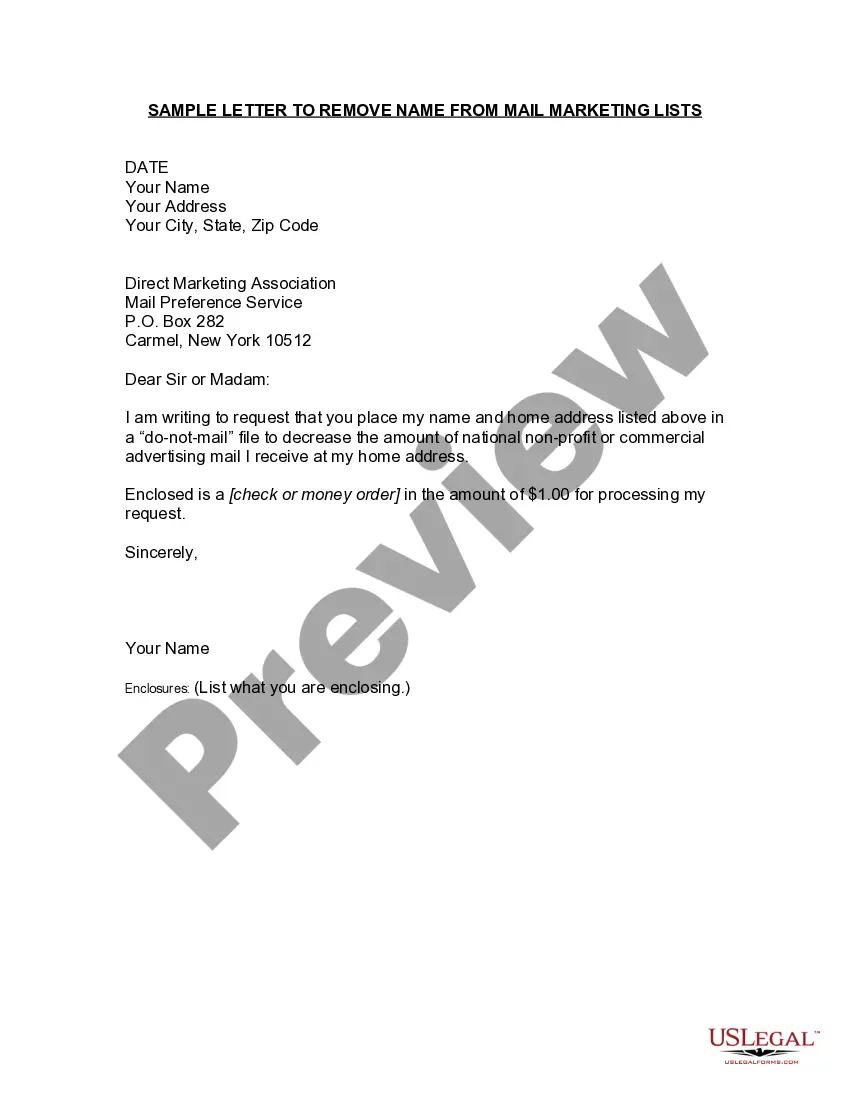
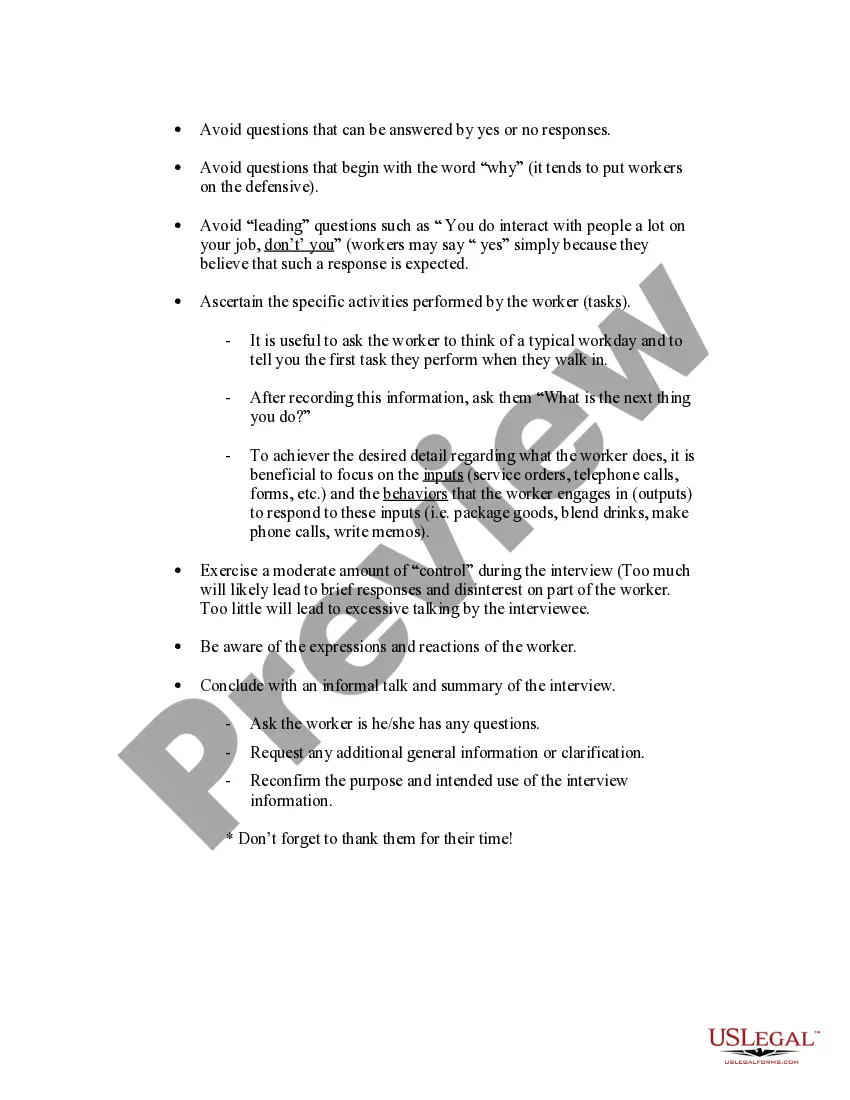
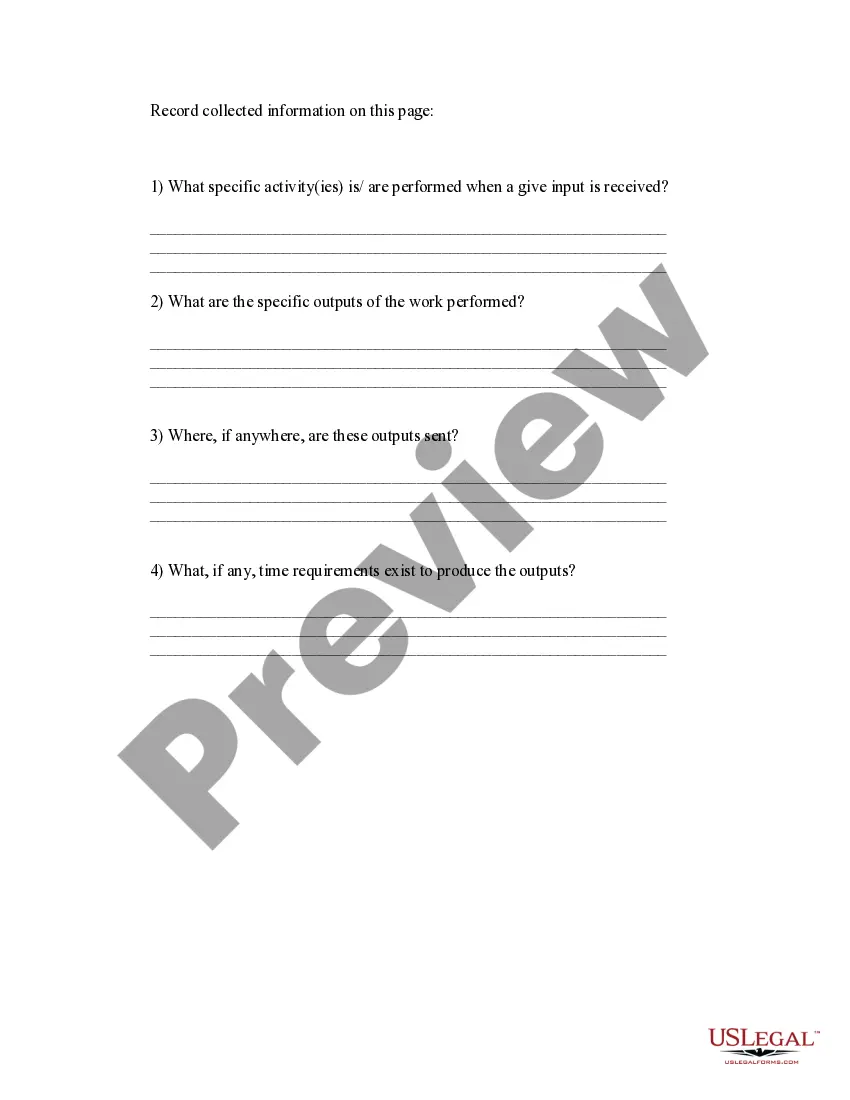
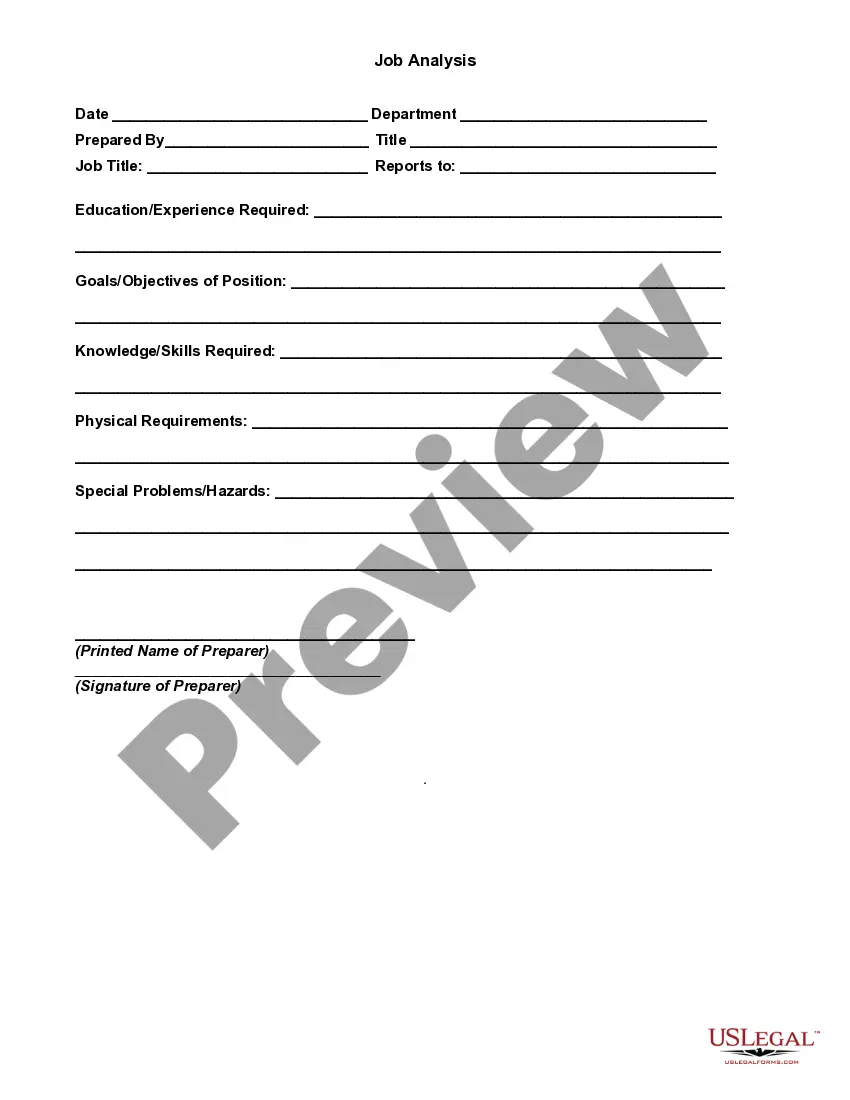
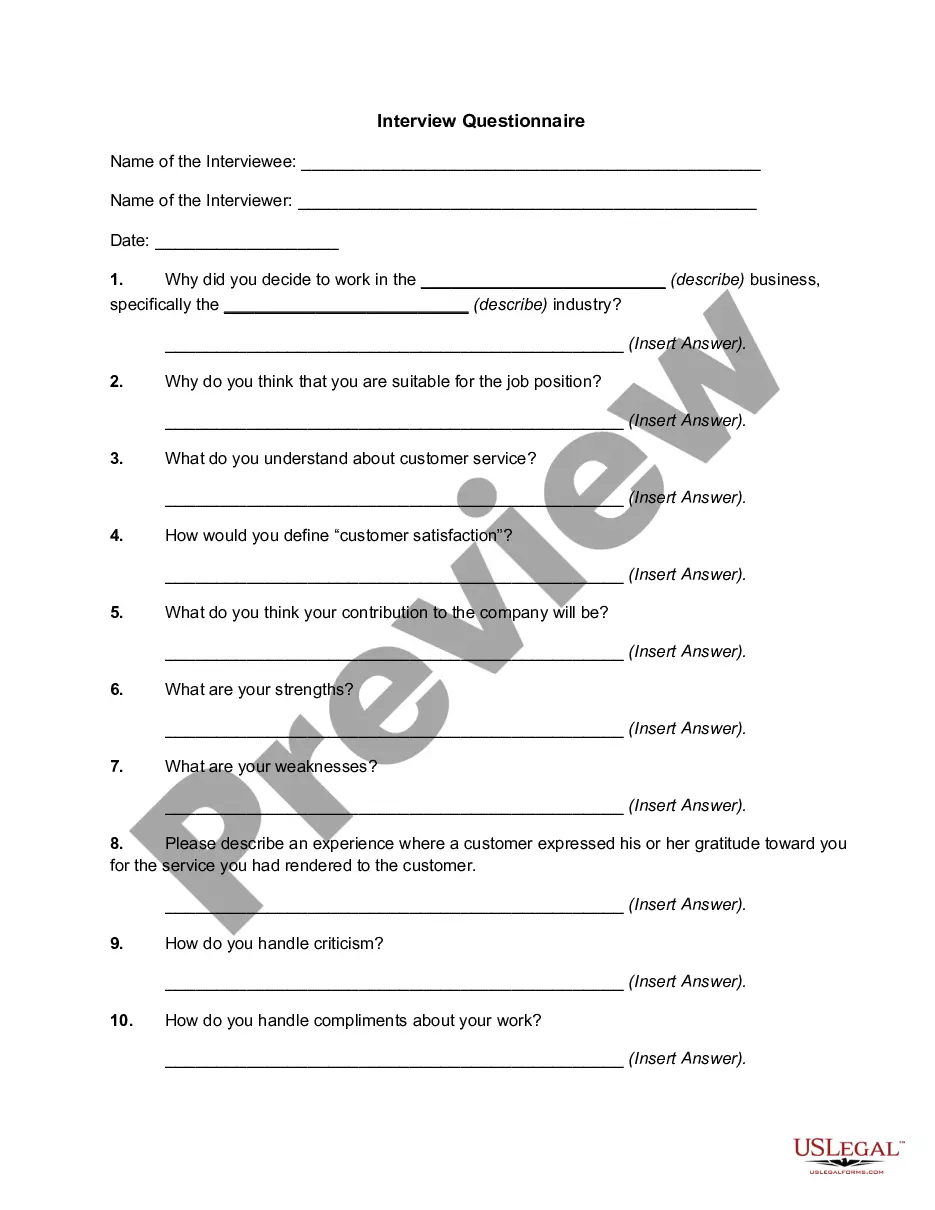
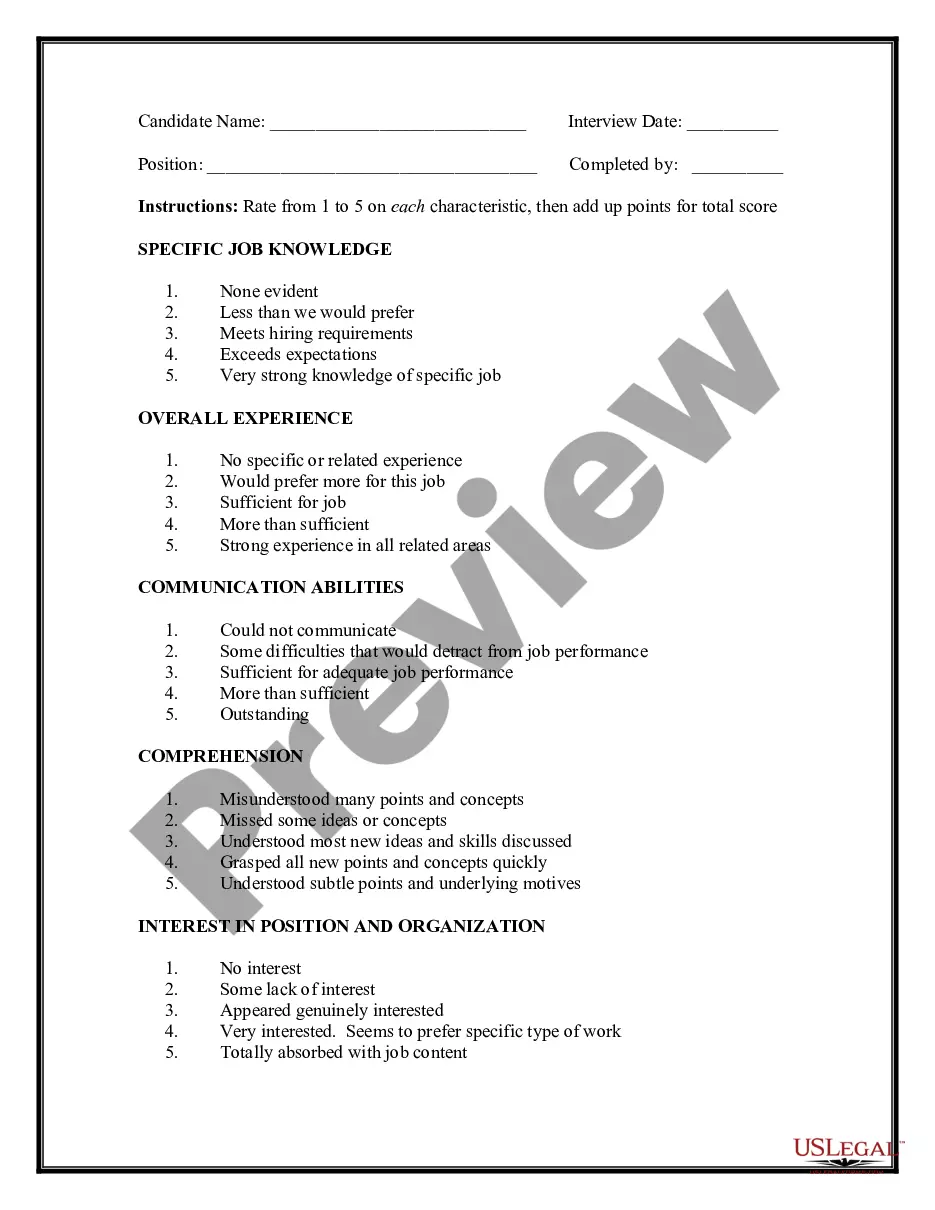
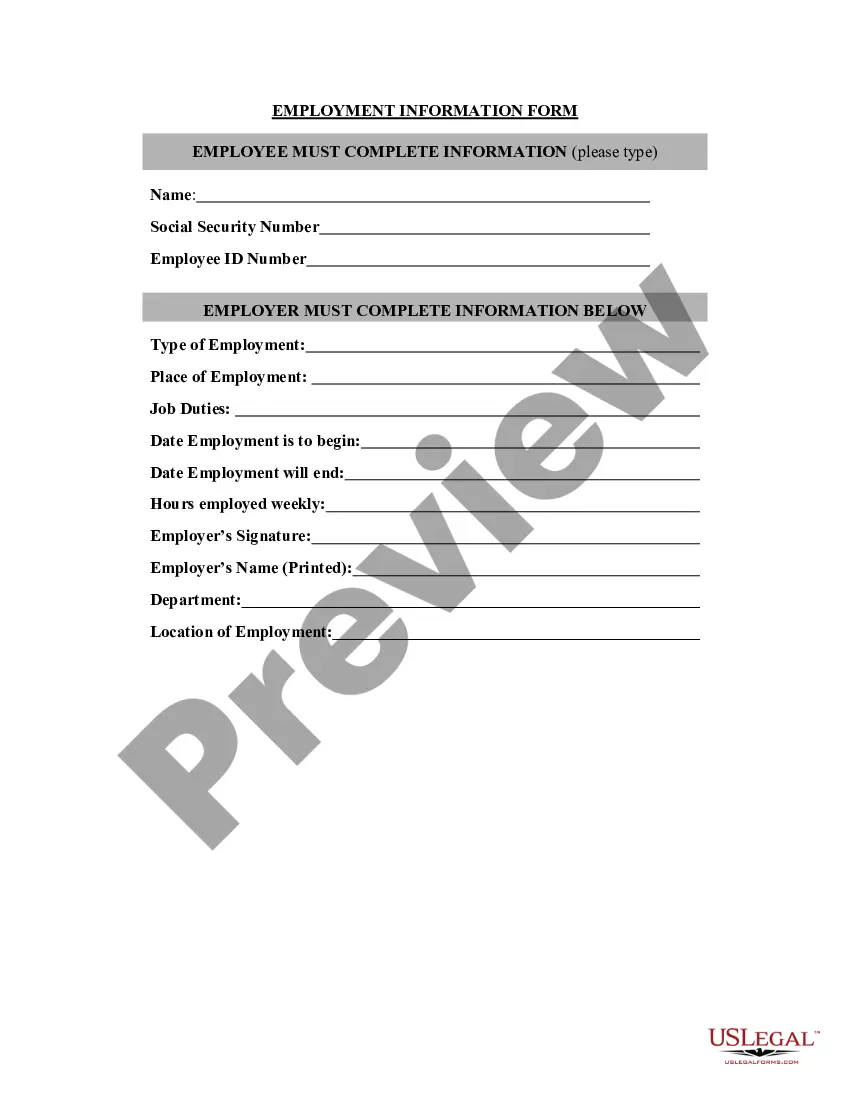
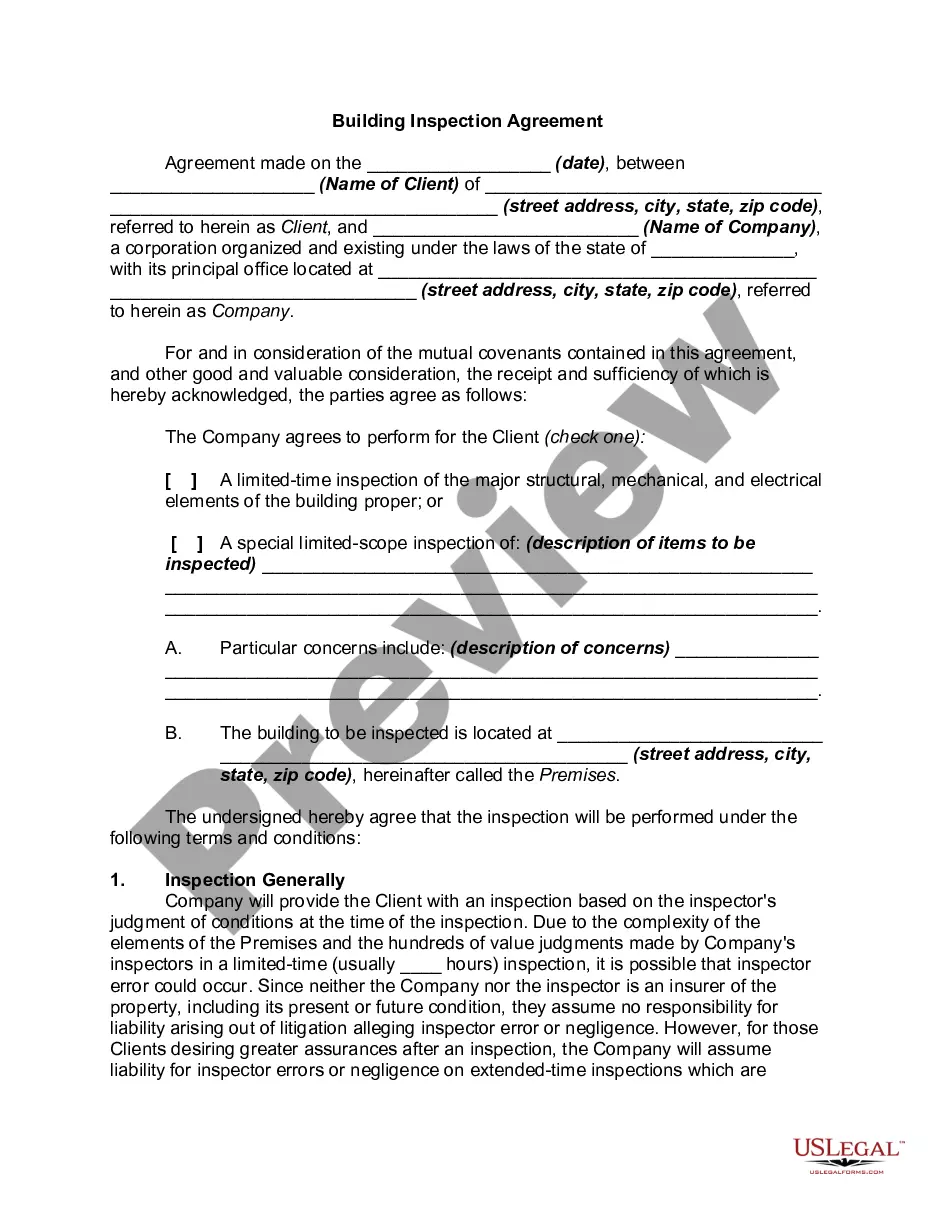
Nevada Job Analysis Interview and Information Sheet
Description
Get your form ready online
Our built-in tools help you complete, sign, share, and store your documents in one place.
Make edits, fill in missing information, and update formatting in US Legal Forms—just like you would in MS Word.
Download a copy, print it, send it by email, or mail it via USPS—whatever works best for your next step.
Sign and collect signatures with our SignNow integration. Send to multiple recipients, set reminders, and more. Go Premium to unlock E-Sign.
If this form requires notarization, complete it online through a secure video call—no need to meet a notary in person or wait for an appointment.
We protect your documents and personal data by following strict security and privacy standards.

Make edits, fill in missing information, and update formatting in US Legal Forms—just like you would in MS Word.

Download a copy, print it, send it by email, or mail it via USPS—whatever works best for your next step.

Sign and collect signatures with our SignNow integration. Send to multiple recipients, set reminders, and more. Go Premium to unlock E-Sign.

If this form requires notarization, complete it online through a secure video call—no need to meet a notary in person or wait for an appointment.

We protect your documents and personal data by following strict security and privacy standards.
Looking for another form?





How to fill out Job Analysis Interview And Information Sheet?
It is feasible to spend numerous hours online looking for the legal document template that meets the federal and state standards you require.
US Legal Forms offers an extensive collection of legal forms that can be reviewed by professionals.
You can easily download or print the Nevada Job Analysis Interview and Information Sheet from the service.
To find a different version of the form, use the Search field to locate the template that fulfills your needs and criteria.
- If you already have an account with US Legal Forms, you can Log In and click the Obtain button.
- Then, you can complete, alter, print, or sign the Nevada Job Analysis Interview and Information Sheet.
- Every legal document template you receive is yours to keep indefinitely.
- To obtain another copy of the acquired form, go to the My documents tab and click the relevant button.
- If it's your first time using the US Legal Forms site, follow the basic instructions below.
- First, ensure that you have chosen the correct document template for the region/city of your choice.
- Review the form description to confirm you have selected the correct document.
Form popularity
FAQ
When doing so, there are three primary types of job analysis data, namely work activities, worker attributes, and work context. In this article, we will focus mostly on work activities. The work activities form the basis for determining the worker attributes, together with the organizational culture.
How to conduct a job analysisGather information about a position.Evaluate the importance of each task and competency.Research industry standards.Revise job descriptions and standards.Use data to make changes.Recognize necessary skills and tasks.Create evaluation methods.Determine salaries and promotion criteria.More items...?
When doing so, there are three primary types of job analysis data, namely work activities, worker attributes, and work context. In this article, we will focus mostly on work activities. The work activities form the basis for determining the worker attributes, together with the organizational culture.
Basic functions and scope of the job: Please provide a brief summary of the main purpose of this job and the prime reason for its existence. Work performed: Describe in detail the duties performed. State specifically what is done, and explain why and how. State the frequency of the duties performed.
Job analysis can be described as a six-step process as follows:Determine the purpose for conducting job analysis.Identify the jobs to be analyzed.Review relevant background data.Plan and execute the job analysis project.Write the job description and job specifications.Periodic review.
How to conduct a job analysisReview the job requirements.Research similar job descriptions.Identify the outcomes required for the job.Examine the job efficiencies.Determine the skills and training required.Define the salary bands.Continue to evolve the job.
It should point out in broad terms the job's goals, responsibilities and duties. First, write down the job title and whom that person will report to. next, develop a job statement or summary describing the position's major and minor duties. Finally, define how the job relates to other positions in the company.
Job Analysis should collect information on the following areas: Duties and Tasks The basic unit of a job is the performance of specific tasks and duties. Information to be collected about these items may include: frequency, duration, effort, skill, complexity, equipment, standards, etc.