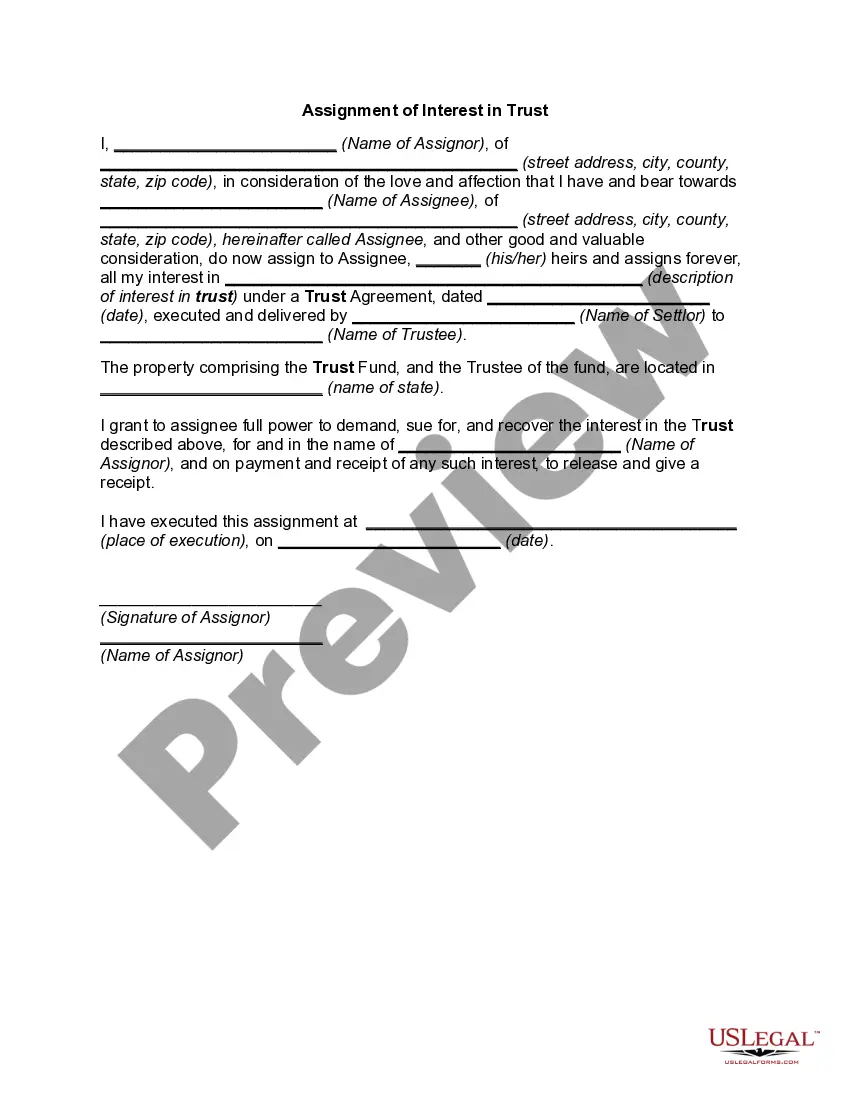
Nevada Agreement Replacing Joint Interest with Annuity
Description
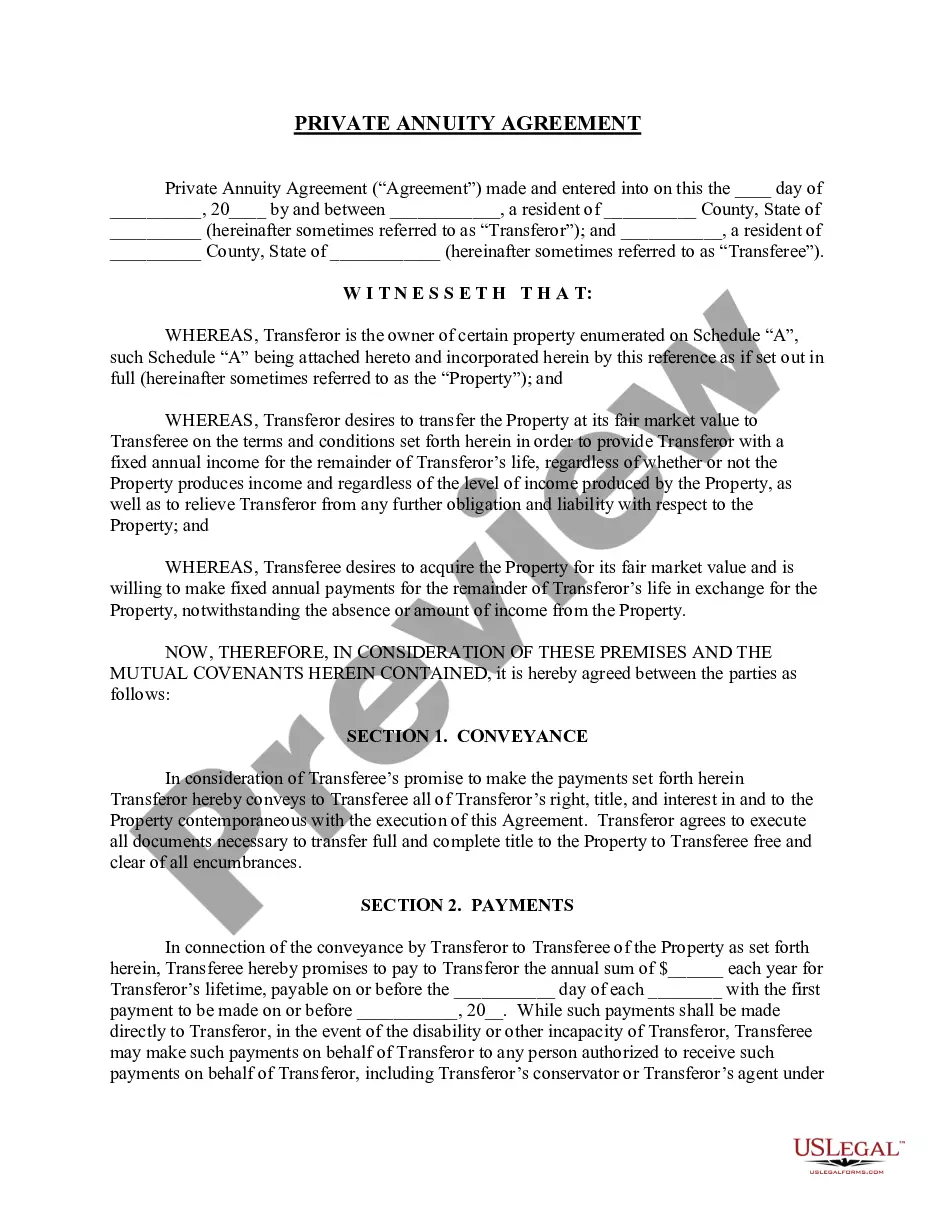
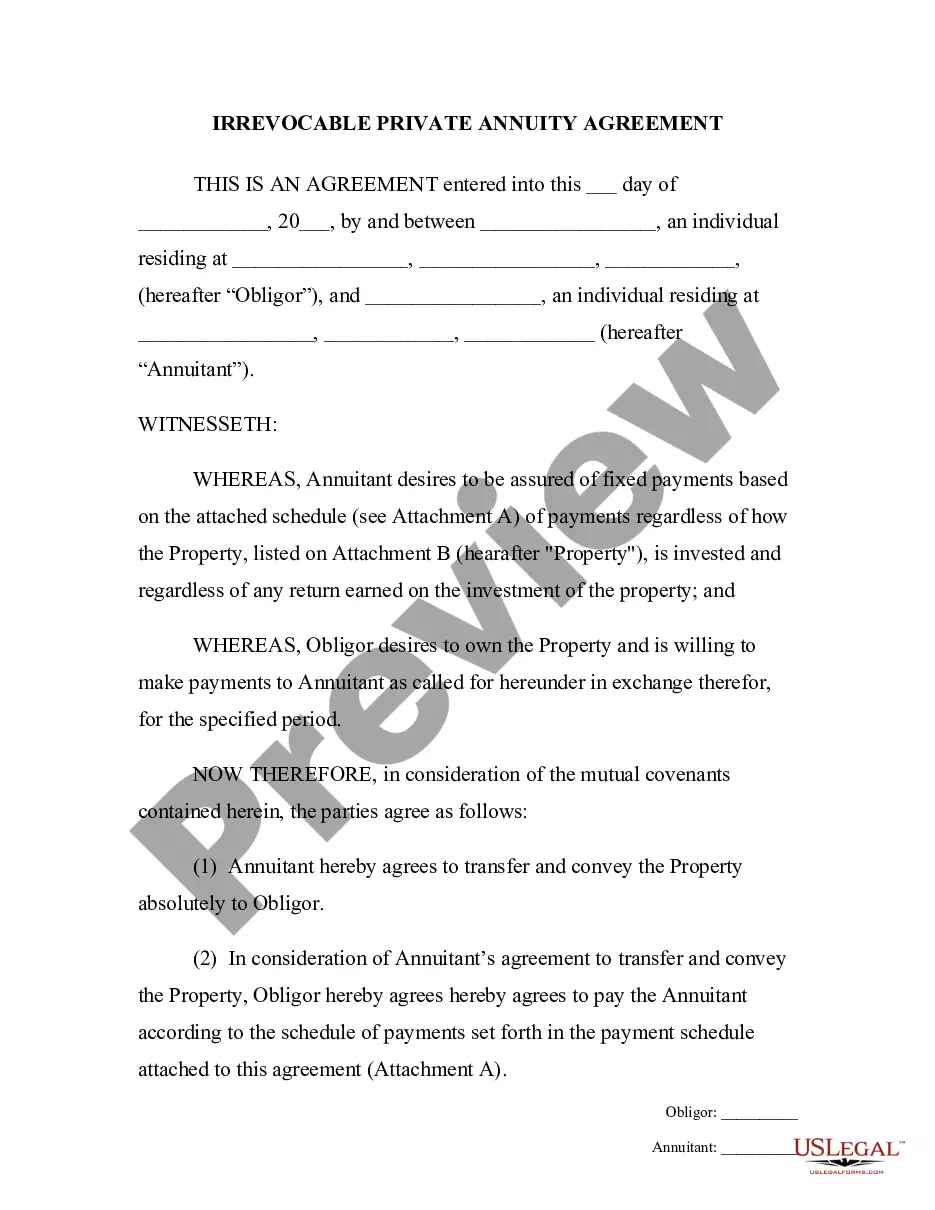
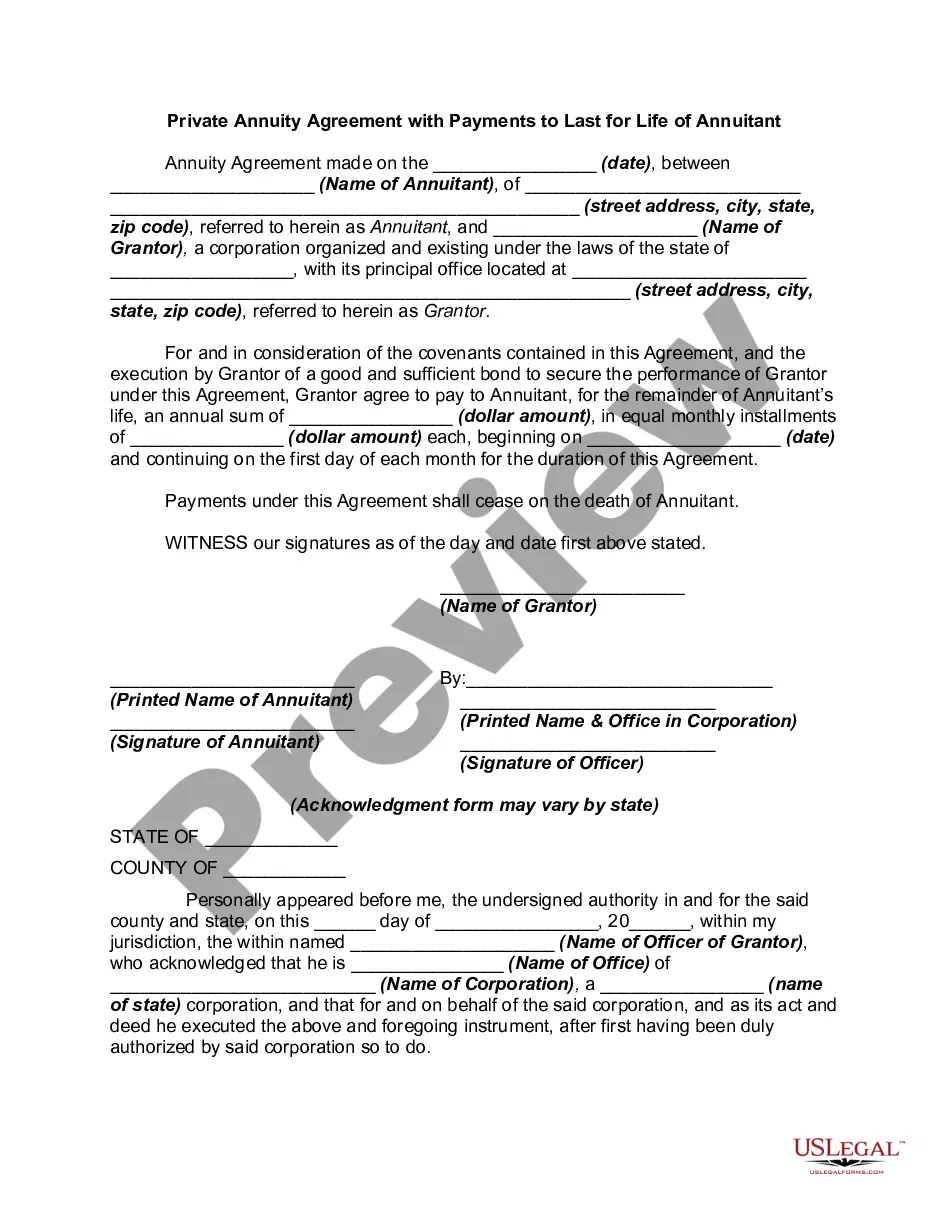
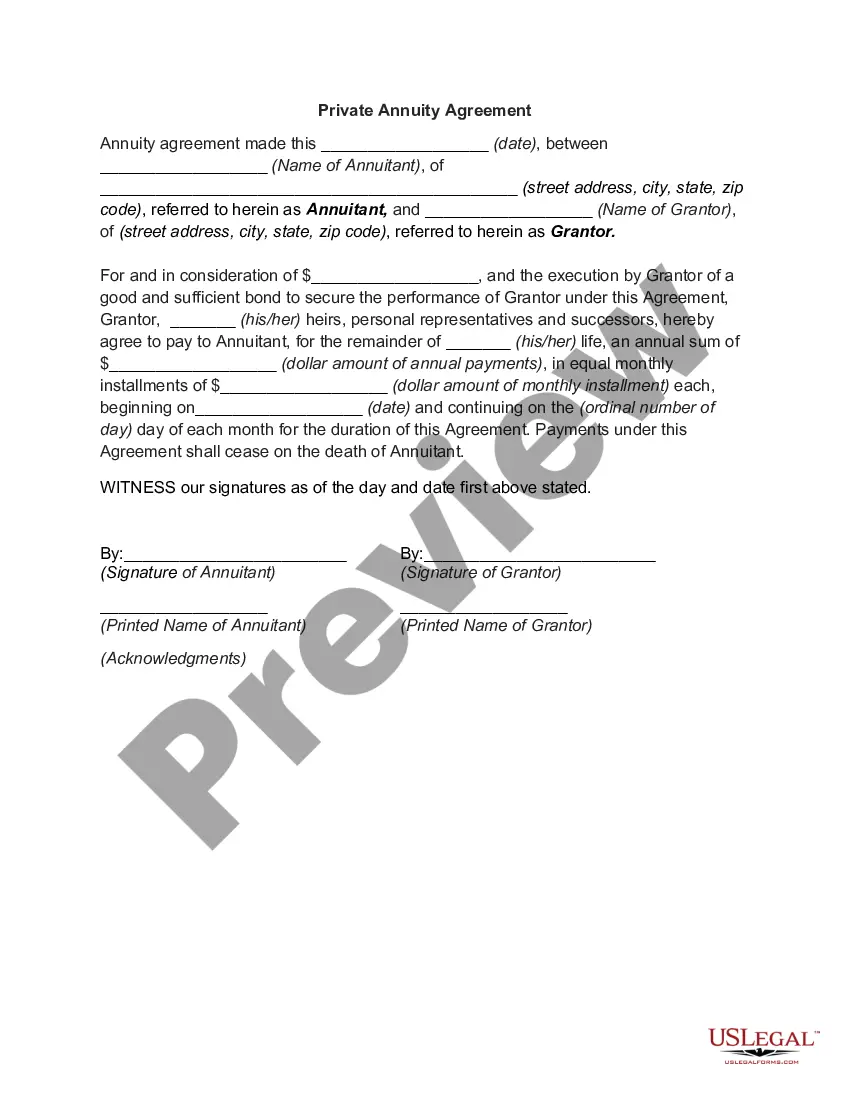
Get your form ready online
Our built-in tools help you complete, sign, share, and store your documents in one place.
Make edits, fill in missing information, and update formatting in US Legal Forms—just like you would in MS Word.
Download a copy, print it, send it by email, or mail it via USPS—whatever works best for your next step.
Sign and collect signatures with our SignNow integration. Send to multiple recipients, set reminders, and more. Go Premium to unlock E-Sign.
If this form requires notarization, complete it online through a secure video call—no need to meet a notary in person or wait for an appointment.
We protect your documents and personal data by following strict security and privacy standards.

Make edits, fill in missing information, and update formatting in US Legal Forms—just like you would in MS Word.

Download a copy, print it, send it by email, or mail it via USPS—whatever works best for your next step.

Sign and collect signatures with our SignNow integration. Send to multiple recipients, set reminders, and more. Go Premium to unlock E-Sign.

If this form requires notarization, complete it online through a secure video call—no need to meet a notary in person or wait for an appointment.

We protect your documents and personal data by following strict security and privacy standards.
Looking for another form?


How to fill out Agreement Replacing Joint Interest With Annuity?
You might spend hours online searching for the legal document template that matches the state and federal requirements you need.
US Legal Forms provides an extensive collection of legal forms that can be reviewed by professionals.
It's easy to download or print the Nevada Agreement Replacing Joint Interest with Annuity from their service.
If available, use the Review button to browse the document template as well.
- If you already possess a US Legal Forms account, you can Log In and click the Acquire button.
- After that, you can complete, modify, print, or sign the Nevada Agreement Replacing Joint Interest with Annuity.
- Every legal document template you purchase is yours permanently.
- To obtain another copy of a purchased form, visit the My documents tab and click the respective button.
- If you are using the US Legal Forms website for the first time, follow the simple instructions outlined below.
- First, ensure that you have selected the correct document template for the state/region of your choice.
- Read the form description to confirm you have chosen the correct form.
Form popularity
FAQ
The new owner of the annuity can start receiving payments, change beneficiaries, and cash out the policy whenever they want. To give the annuity away, you simply contact the insurance company and state that you want to gift the ownership of the annuity policy to someone else or a trust.
A replacement occurs when a new policy or contract is purchased and, in connection with the sale, you discontinue making premium payments on the existing policy or contract, or an existing policy or contract is surrendered, forfeited, assigned to the replacing insurer, or otherwise terminated or used in a financed
So it's essential to understand the difference between the two. The annuity owner is the person who completes the annuity application and provides the initial deposit. The annuitant is the person designated by the owner who receives the annuity payouts.
A joint and survivor annuity is an insurance product designed for couples that continues to make regular payments as long as one spouse lives. A joint and survivor annuity has the advantage of providing income if one or both people live longer than expected.
Definition: Replacement is any transaction where, in connection with the purchase of New Insurance or a New Annuity, you lapse, surrender, convert to Paid-up Insurance, Place on Extended Term, or borrow all or part of the policy loan values on an existing insurance policy or an annuity.
The new owner of the annuity can start receiving payments, change beneficiaries, and cash out the policy whenever they want. To give the annuity away, you simply contact the insurance company and state that you want to gift the ownership of the annuity policy to someone else or a trust.
An annuity owner may also share ownership of the annuity with another person. Jointly owned annuities are similar to annuities owned by a single person in that the death benefit is triggered by the death of one of the owners.
Under the ruling, a beneficiary can perform a Section 1035 exchange on an inherited annuity, but the exchange must conform to all the other rules that apply to inherited annuities. Non-qualified annuities can't be rolled over into an individual retirement account or other qualified annuity.
Joint & Survivor Annuities A common type of annuity with joint annuitants is a joint and survivor annuity. This is often purchased by married couples and can provide income for two people, with payment based on the lives of the owner and spouse, who is the joint annuitant.
When an annuity contract transfers from one individual to another, the transferred amount is treated as a distribution. The original owner is taxed on any tax-deferred gain and possibly subject to a 10% penalty.