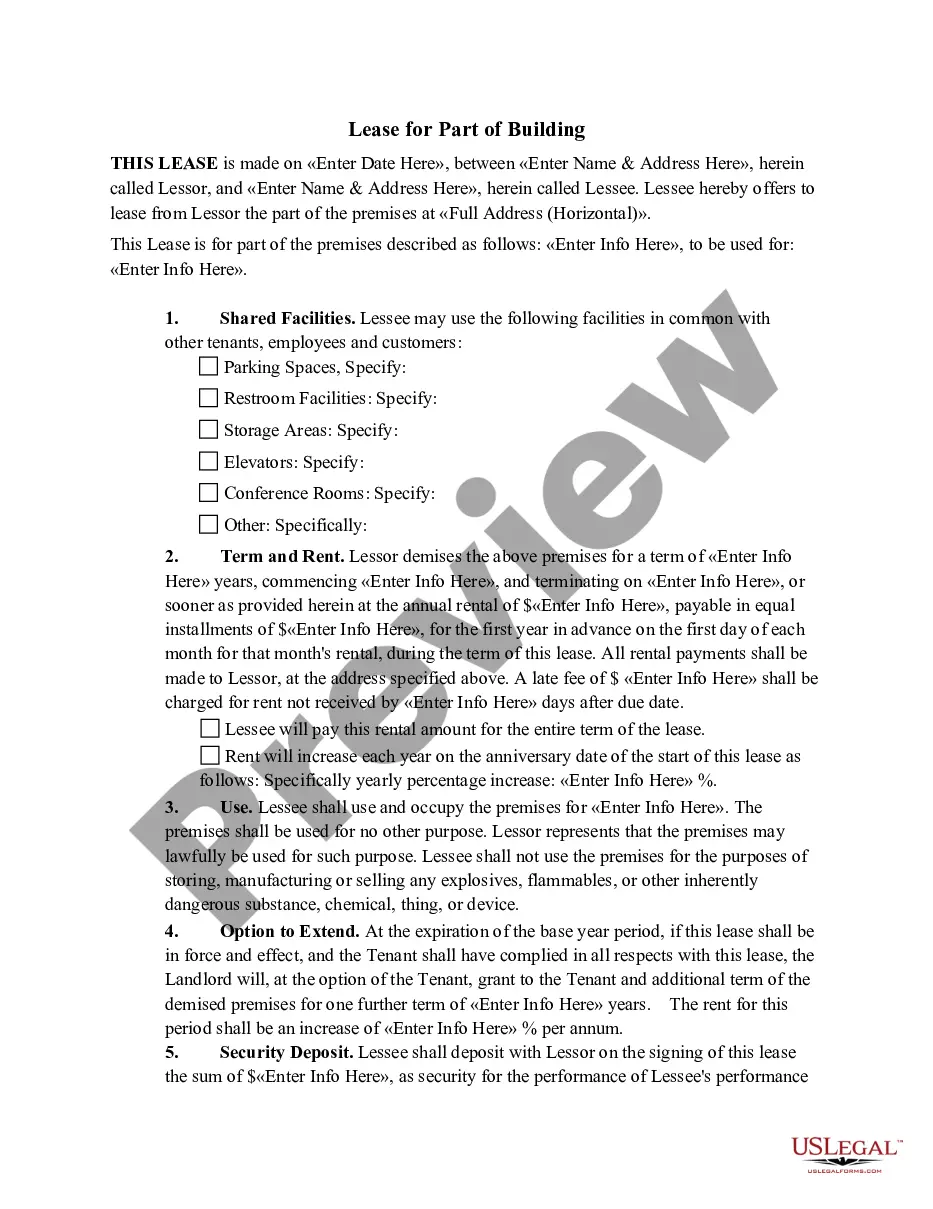
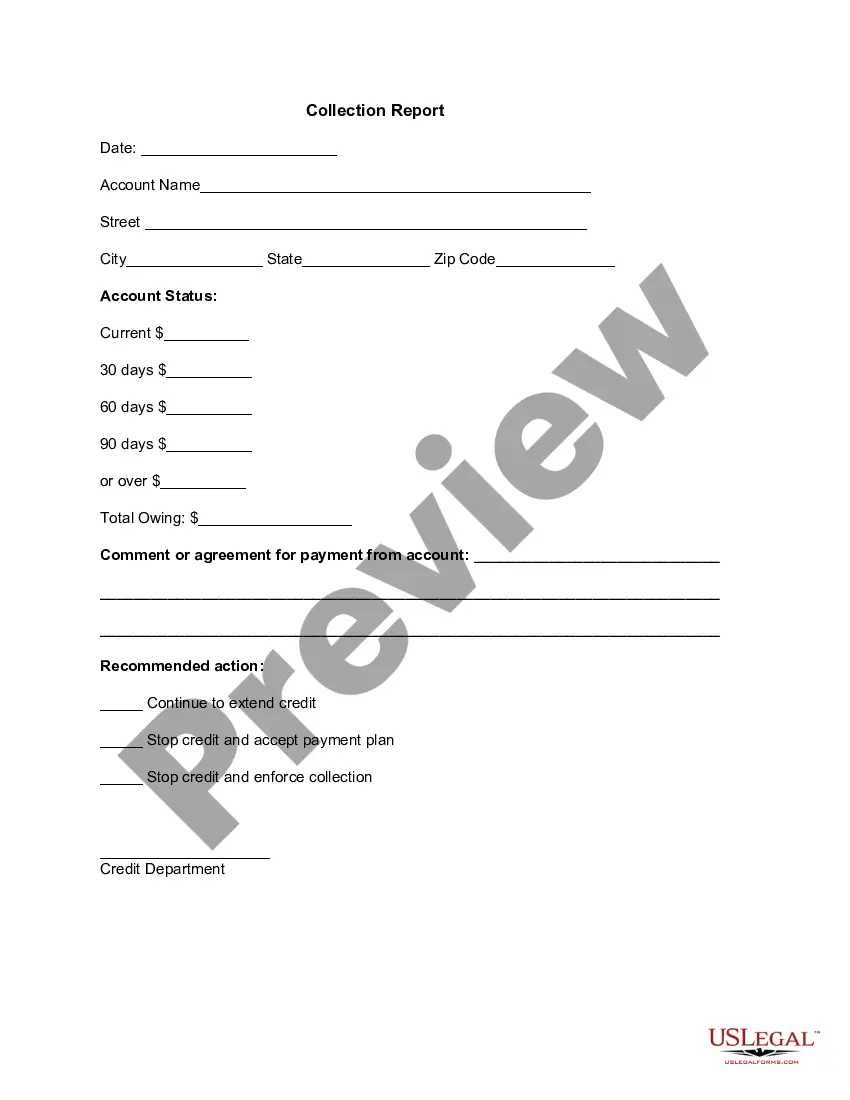
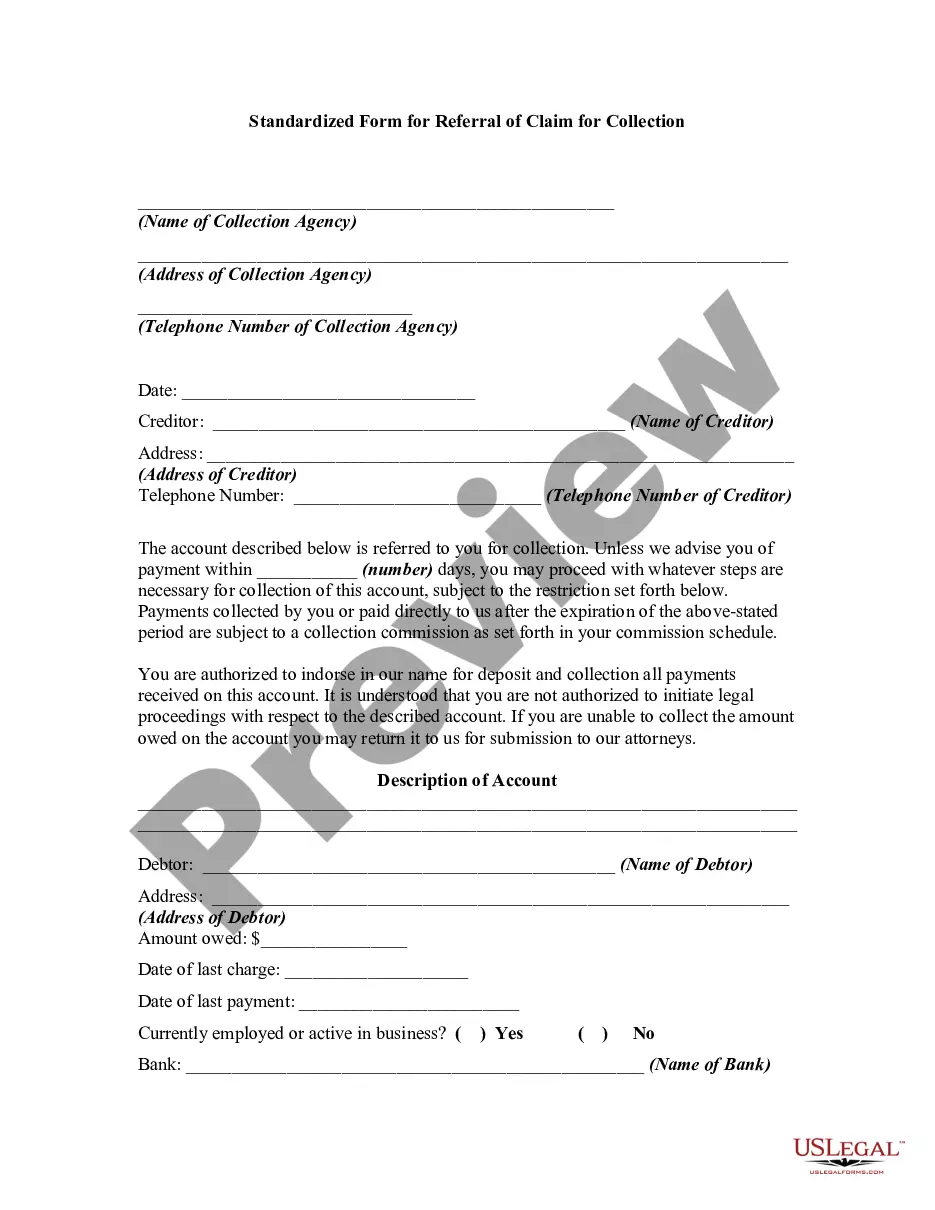
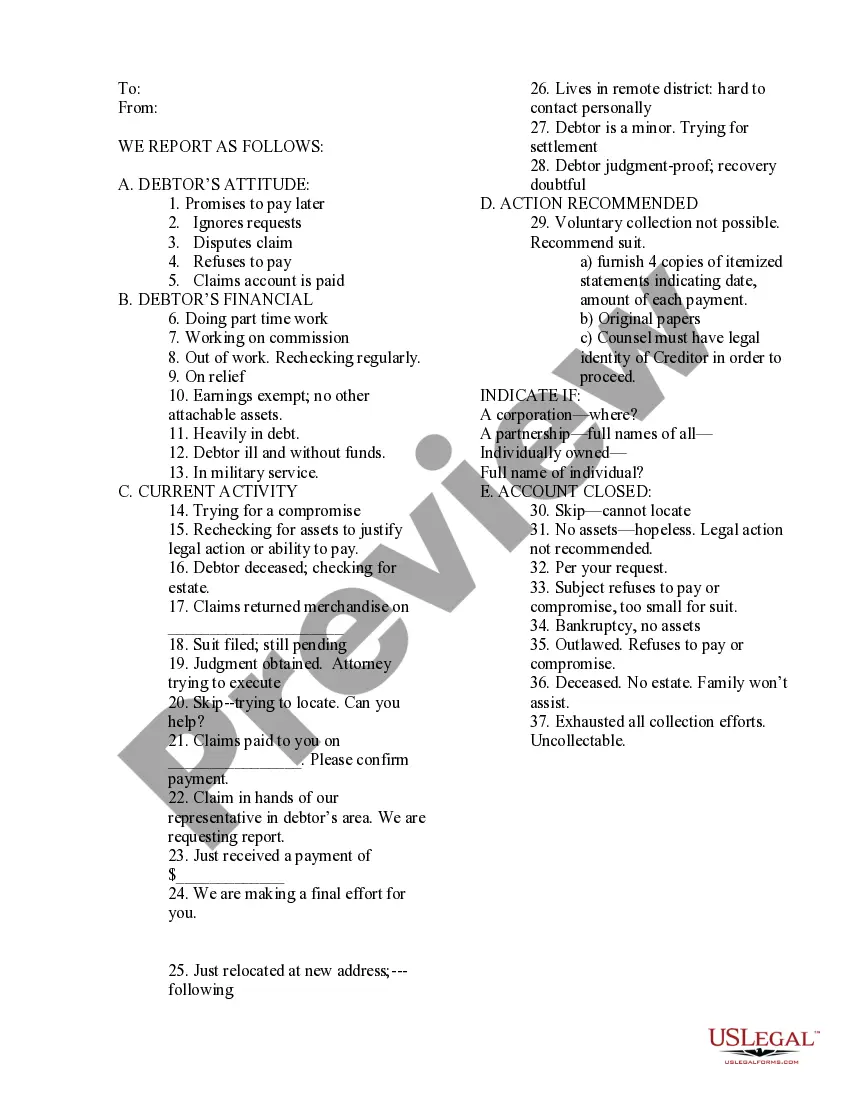
Nevada Collection Report
Description


Get your form ready online
Our built-in tools help you complete, sign, share, and store your documents in one place.
Make edits, fill in missing information, and update formatting in US Legal Forms—just like you would in MS Word.
Download a copy, print it, send it by email, or mail it via USPS—whatever works best for your next step.
Sign and collect signatures with our SignNow integration. Send to multiple recipients, set reminders, and more. Go Premium to unlock E-Sign.
If this form requires notarization, complete it online through a secure video call—no need to meet a notary in person or wait for an appointment.
We protect your documents and personal data by following strict security and privacy standards.

Make edits, fill in missing information, and update formatting in US Legal Forms—just like you would in MS Word.

Download a copy, print it, send it by email, or mail it via USPS—whatever works best for your next step.

Sign and collect signatures with our SignNow integration. Send to multiple recipients, set reminders, and more. Go Premium to unlock E-Sign.

If this form requires notarization, complete it online through a secure video call—no need to meet a notary in person or wait for an appointment.

We protect your documents and personal data by following strict security and privacy standards.
Looking for another form?



How to fill out Collection Report?
Selecting the appropriate legitimate document template can be challenging.
Of course, there are numerous templates accessible online, but how do you acquire the legitimate form you need.
Utilize the US Legal Forms website. The service offers a vast array of templates, including the Nevada Collection Report, suitable for both business and personal needs.
You can view the form using the Review button and check the form description to confirm it is the one for you.
- All the documents are reviewed by professionals and comply with state and federal regulations.
- If you are already registered, Log In to your account and click the Download button to obtain the Nevada Collection Report.
- Use your account to navigate through the legal forms you have previously purchased.
- Go to the My documents tab of your account and download another copy of the document you need.
- If you are a new user of US Legal Forms, here are some simple steps for you to follow.
- First, ensure that you have selected the correct form for your region/state.
Form popularity
FAQ
You can fight the debt collector in court or consider filing bankruptcy. Regardless of how you address the issue, rest assured you will not go to jail for not paying a debt.
Nevada statute of limitations on debt explained The statute of limitations is the period within which a debt collector can sue you for a delinquent debt. After this time has elapsed, the debt collector can't file a lawsuit against you.
Debt collectors will go to considerable lengths to collect large debts. If a debt collector sues you, you will be notified of the lawsuit via a summons, which will tell you why you are being sued, for how much and what date you must appear in court.
Under Nevada laws, the statute of limitations for credit card debt is 4 years. This means that if a creditor does not file a lawsuit against you to recover outstanding balances within 4 years, they lose their right to sue you.
In Nevada, the statute of limitations for suing to collect oral contract debts is four years and six years for written contracts. Nevada law states that the clock on the statute of limitations starts on the date of the last transaction, the last item charged or the last credit given.
Nevada Statute of Limitations on Credit Cards Under Nevada laws, the statute of limitations for credit card debt is 4 years. This means that if a creditor does not file a lawsuit against you to recover outstanding balances within 4 years, they lose their right to sue you.
Nevada Statute of Limitations on Credit Cards Under Nevada laws, the statute of limitations for credit card debt is 4 years. This means that if a creditor does not file a lawsuit against you to recover outstanding balances within 4 years, they lose their right to sue you.
The statute of limitations is a law that limits how long debt collectors can legally sue consumers for unpaid debt. The statute of limitations on debt varies by state and type of debt, ranging from three years to as long as 20 years.
In Nevada, the statute of limitations for suing to collect oral contract debts is four years and six years for written contracts. Nevada law states that the clock on the statute of limitations starts on the date of the last transaction, the last item charged or the last credit given.
Nevada Statute of Limitations for Payday Loans According to Nevada laws, the statute of limitations is 6 years. This means that if you default, the lender has 6 years to file a lawsuit against you, or they lose their right to sue. Unfortunately, they never let it go this long.