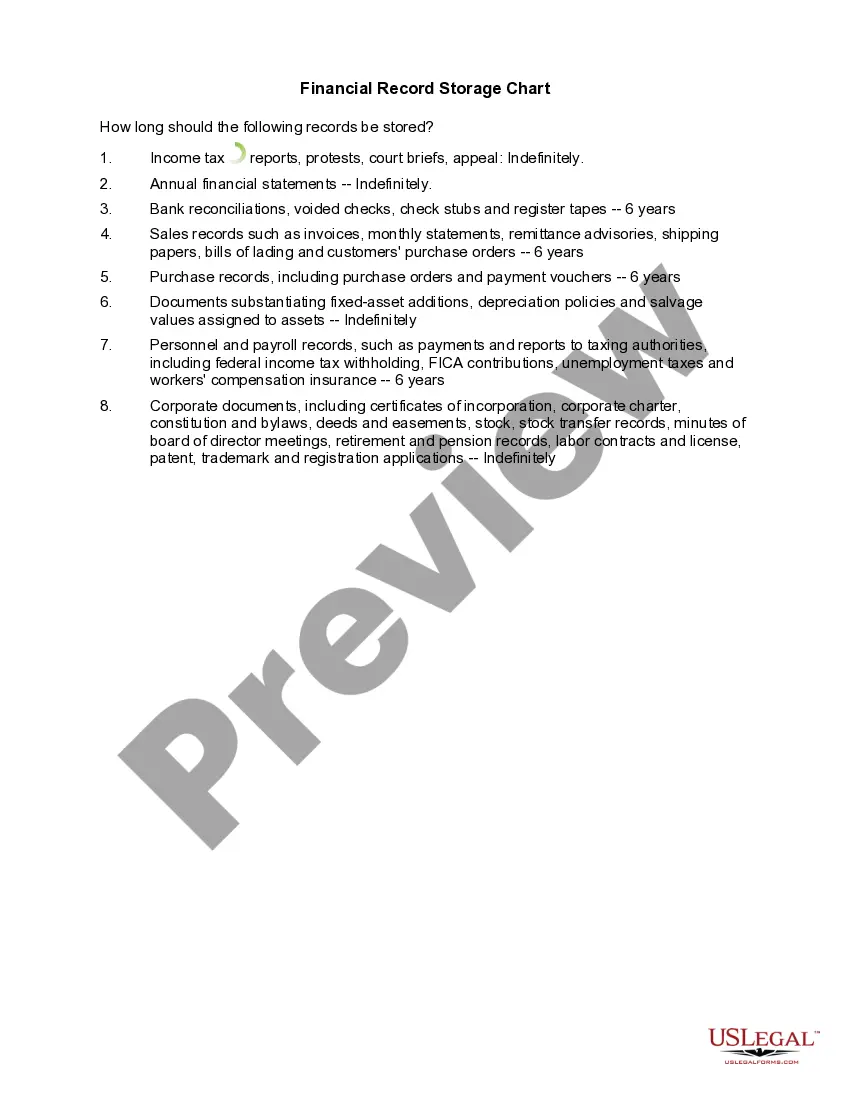
Nevada Financial Record Storage Chart
Description
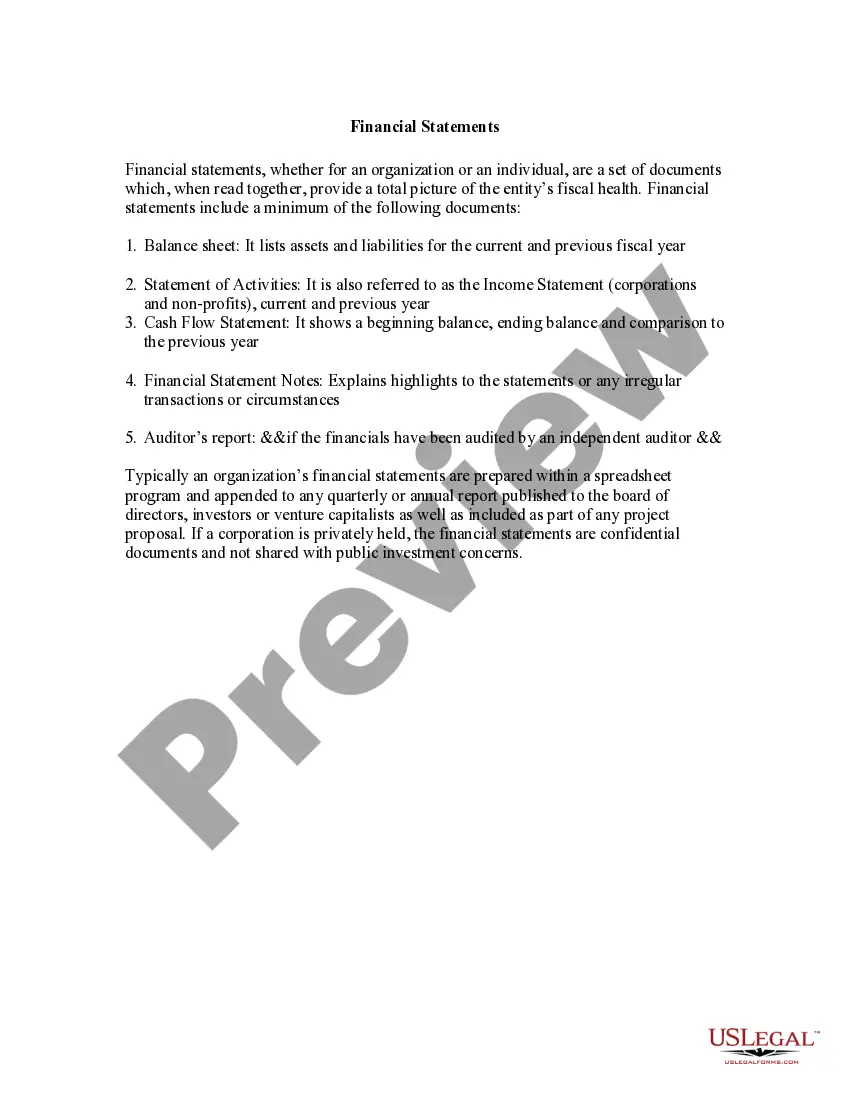
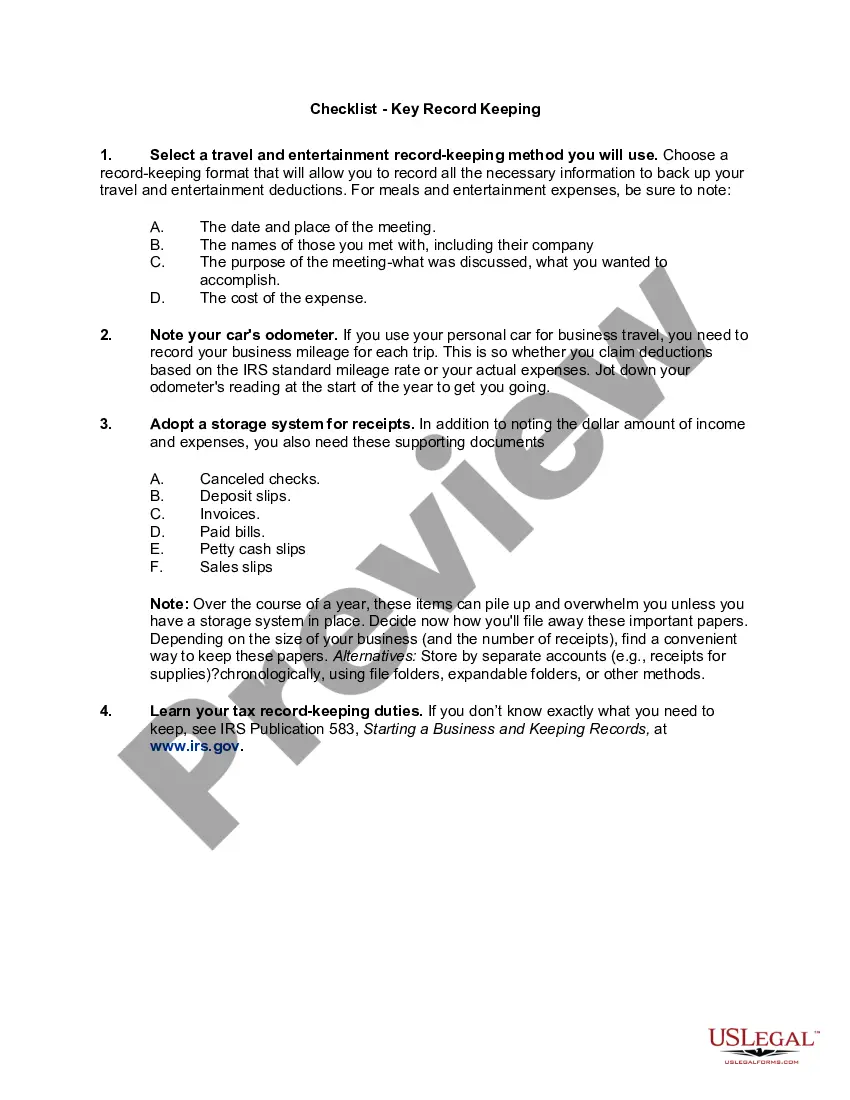
Get your form ready online
Our built-in tools help you complete, sign, share, and store your documents in one place.
Make edits, fill in missing information, and update formatting in US Legal Forms—just like you would in MS Word.
Download a copy, print it, send it by email, or mail it via USPS—whatever works best for your next step.
Sign and collect signatures with our SignNow integration. Send to multiple recipients, set reminders, and more. Go Premium to unlock E-Sign.
If this form requires notarization, complete it online through a secure video call—no need to meet a notary in person or wait for an appointment.
We protect your documents and personal data by following strict security and privacy standards.

Make edits, fill in missing information, and update formatting in US Legal Forms—just like you would in MS Word.

Download a copy, print it, send it by email, or mail it via USPS—whatever works best for your next step.

Sign and collect signatures with our SignNow integration. Send to multiple recipients, set reminders, and more. Go Premium to unlock E-Sign.

If this form requires notarization, complete it online through a secure video call—no need to meet a notary in person or wait for an appointment.

We protect your documents and personal data by following strict security and privacy standards.
Looking for another form?





How to fill out Financial Record Storage Chart?
Should you require to finalize, obtain, or print approved document templates, utilize US Legal Forms, the foremost collection of legal forms, accessible online.
Take advantage of the site’s straightforward and user-friendly search feature to locate the documents you seek.
Numerous templates for business and personal purposes are organized by categories and states or keywords.
Step 4. Once you find the form you require, click on the Download now button. Select your preferred payment plan and provide your credentials to register for an account.
Step 5. Process the transaction. You may use your credit card or PayPal account to complete the purchase. Step 6. Choose the format of the legal form and download it to your device. Step 7. Complete, modify and print or sign the Nevada Financial Record Storage Chart.
- Utilize US Legal Forms to locate the Nevada Financial Record Storage Chart with just a few clicks.
- If you are already a US Legal Forms user, Log In to your account and select the Download option to find the Nevada Financial Record Storage Chart.
- You can also access forms you previously downloaded in the My documents tab of your account.
- If this is your initial time using US Legal Forms, adhere to the following instructions.
- Step 1. Make sure you have chosen the form for the correct city/state.
- Step 2. Utilize the Preview feature to review the form’s details. Don’t forget to examine the summary.
- Step 3. If you are unsatisfied with the form, use the Search field at the top of the screen to locate alternative versions of the legal form template.
Form popularity
FAQ
To store financial records effectively, you can follow a structured approach using tools and systems that simplify organization. The Nevada Financial Record Storage Chart can guide you in determining what documents to keep and how long to retain them. Start by categorizing records into sections such as taxes, investments, and expenses, then utilize digital storage solutions for easier access and security. Additionally, consider services like USLegalForms to manage your documents, ensuring compliance with state regulations.
Documents such as invoices, receipts, and legal agreements should be retained for seven years as recommended by the Nevada Financial Record Storage Chart. These records not only support financial audits but also help in establishing a clear business history. Being organized with these documents can save time and effort. Consider using our solution for streamlined document management.
In Nevada, employee files must be retained for a minimum of seven years according to the Nevada Financial Record Storage Chart. This duration helps protect your business against possible legal claims. It also ensures that you have access to crucial information regarding your employees. You can utilize our platform to manage and store these files efficiently.
The IRS typically recommends keeping employee records for at least seven years, as noted in the Nevada Financial Record Storage Chart. This timeframe allows for adequate preparation in case of audits or discrepancies. It also helps in maintaining comprehensive employee records for accurate tax reporting. Our platform aids in securely storing these essential documents.
Employee records, including timesheets, performance evaluations, and disciplinary actions, should be kept for seven years as outlined in the Nevada Financial Record Storage Chart. Retaining this information is critical for resolving disputes and processing retirement benefits. Ensuring these records are intact protects both you and your employees. Our service can simplify storing and managing these records effectively.
According to the Nevada Financial Record Storage Chart, you should retain tax returns, bank statements, and business licenses for seven years. These documents assist in providing necessary evidence for audits or legal matters. Having them organized ensures you comply with Nevada regulations and streamlines financial management. Considering using our platform for secure storage and easy access.
The retention period for financial documents varies widely, commonly ranging from three to seven years. Important documents like tax records and business financials often require longer retention. Creating a clear framework using the Nevada Financial Record Storage Chart will assist you in determining which documents to keep and for how long, providing peace of mind.
Financial document retention guidelines advise keeping certain documents for varying lengths of time depending on their nature. While some records may only need to be kept for a few years, others—like tax returns—may require longer retention. The Nevada Financial Record Storage Chart serves as a handy reference to manage these guidelines effectively.
Generally Accepted Accounting Principles (GAAP) recommend retaining financial records for a period that aligns with their relevance and usefulness. This typically suggests keeping records until after audits are completed or financial statements are adjusted. The Nevada Financial Record Storage Chart assists you in visualizing the timelines necessary to maintain these records effectively.
You should keep records related to claims for refunds or credits for seven years. This includes documents pertinent to business income, expenses, and deductions. By utilizing the Nevada Financial Record Storage Chart, you can clearly outline which documents need to be retained for this extended period, ensuring you remain vigilant.