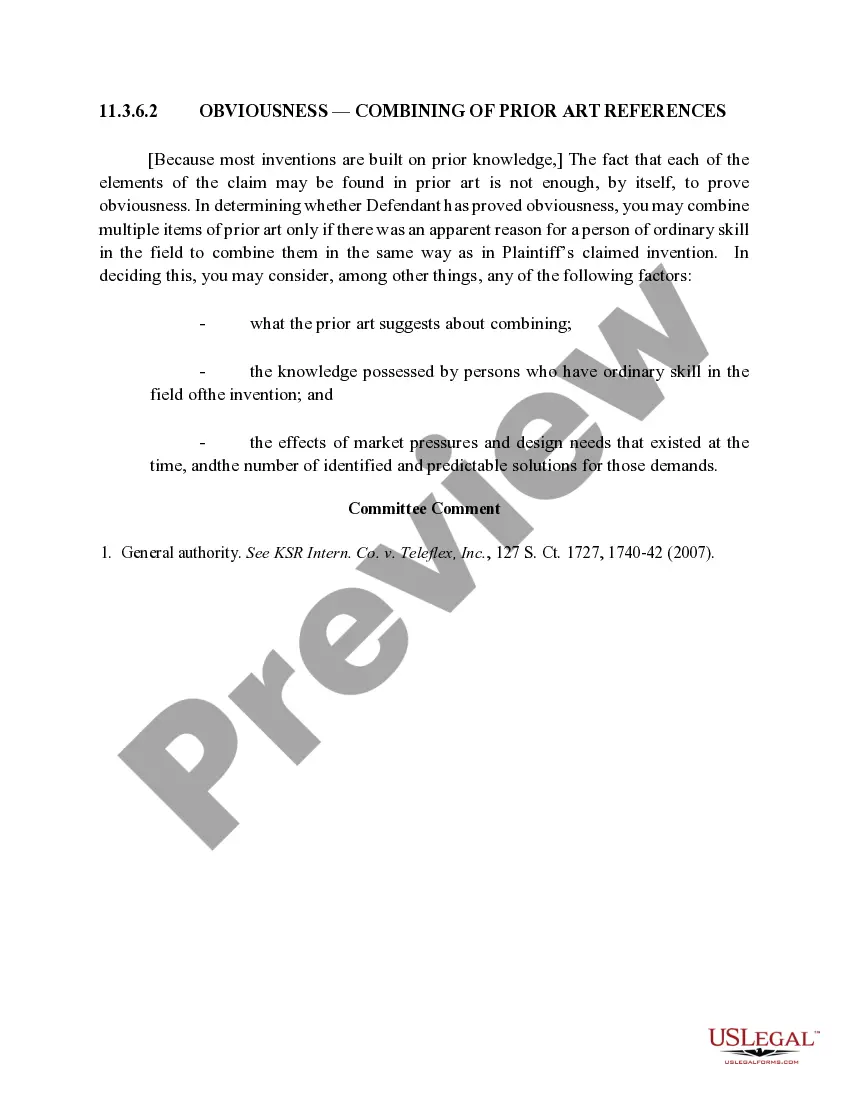
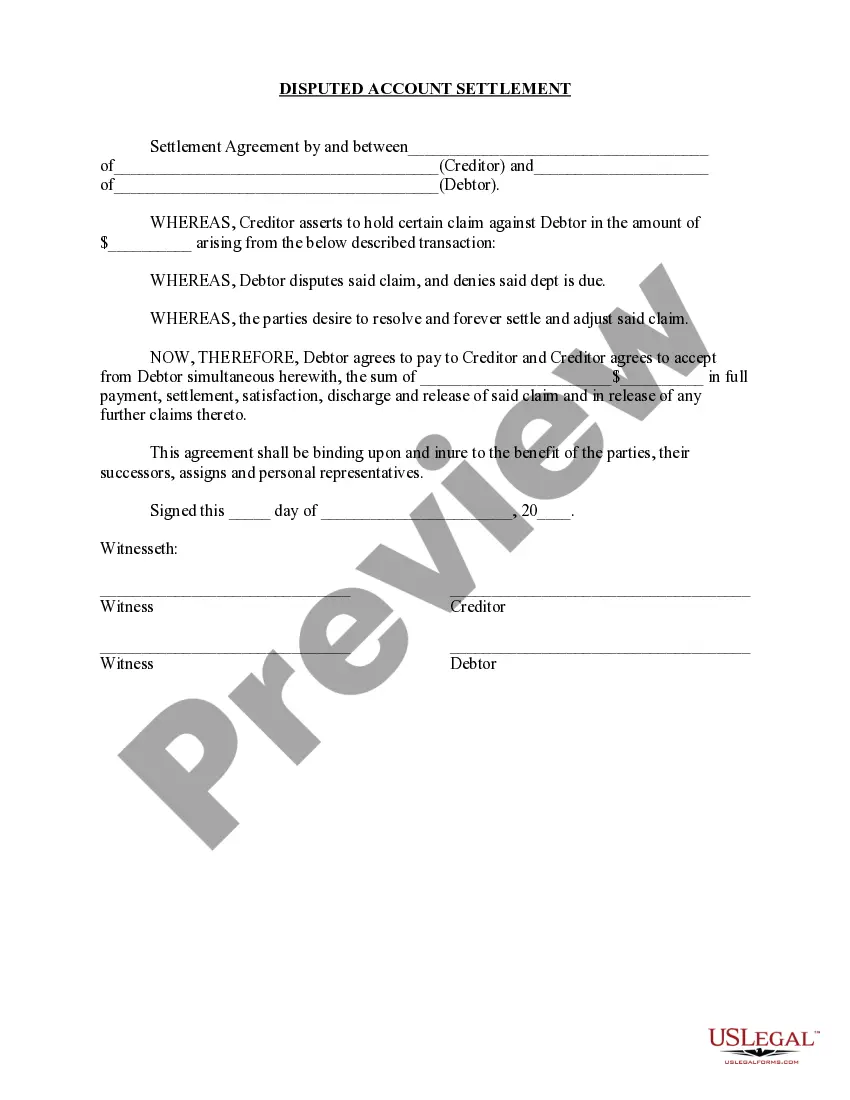
Nevada Disputed Open Account Settlement
Description
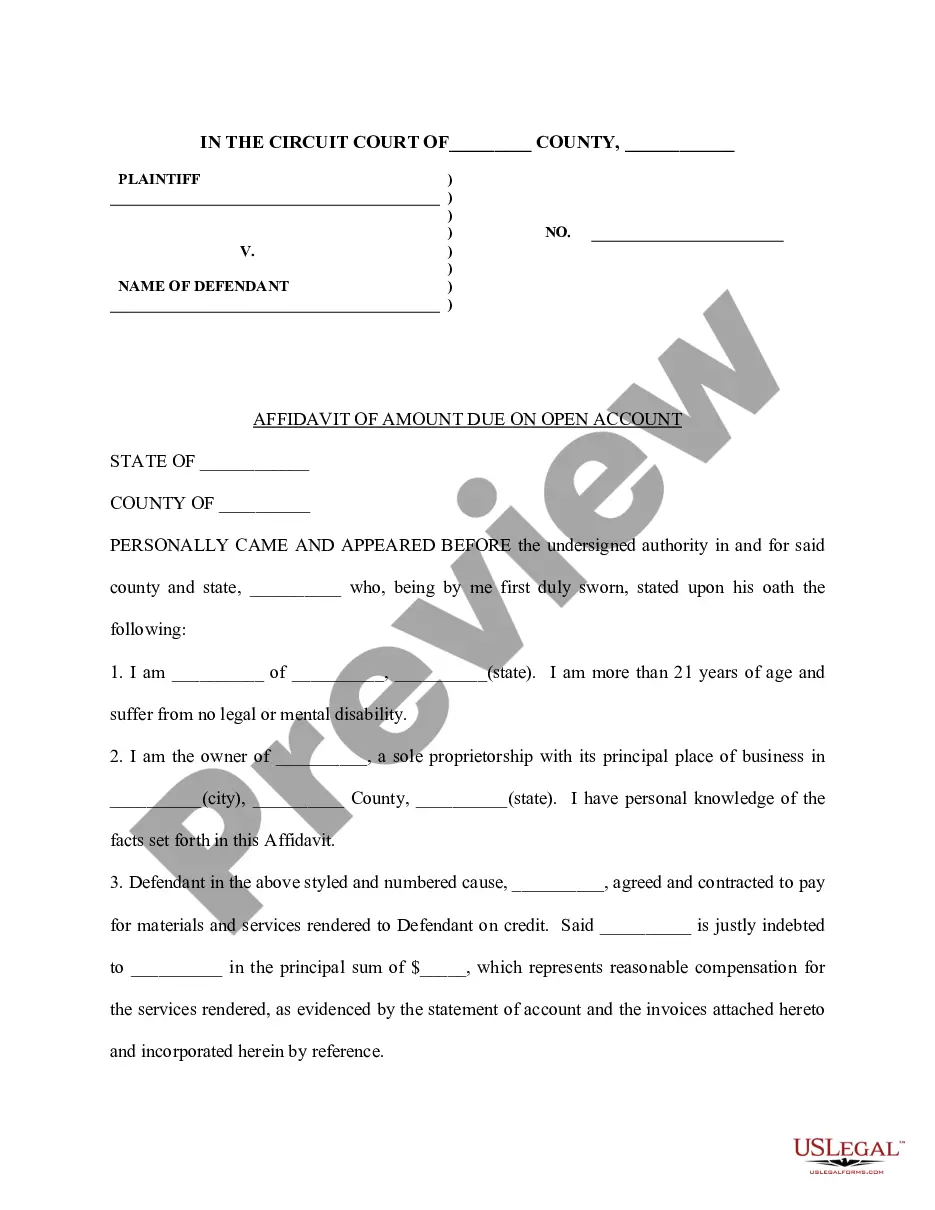
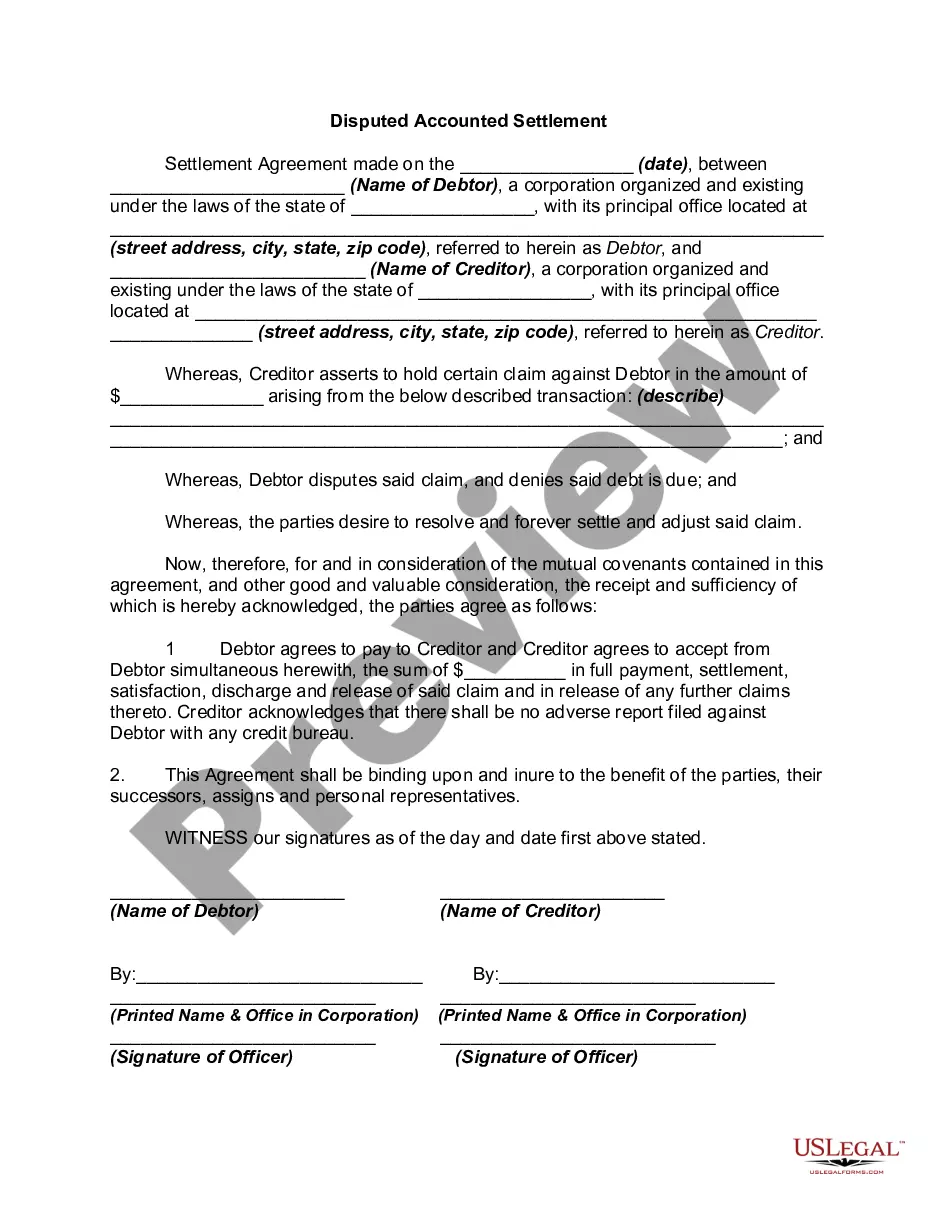
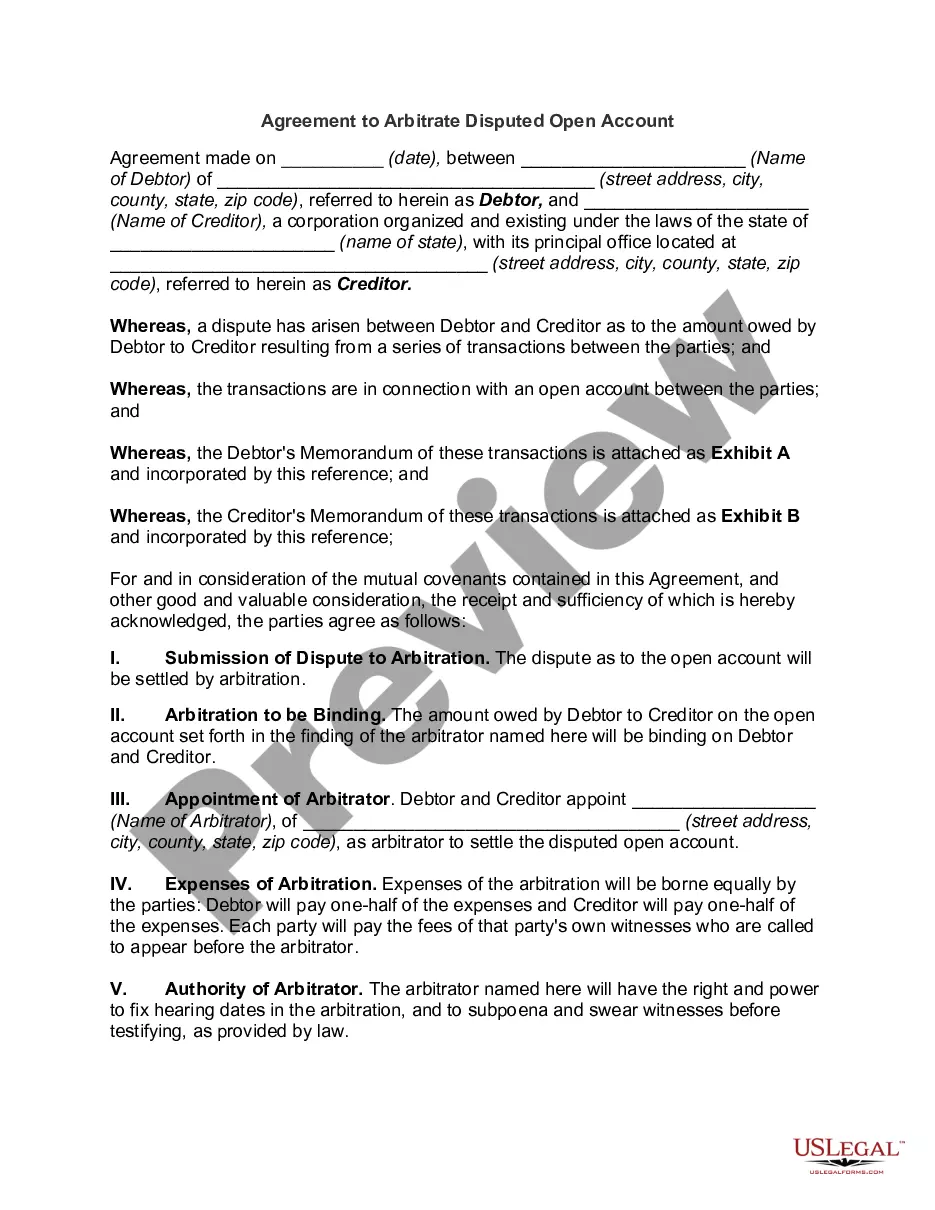
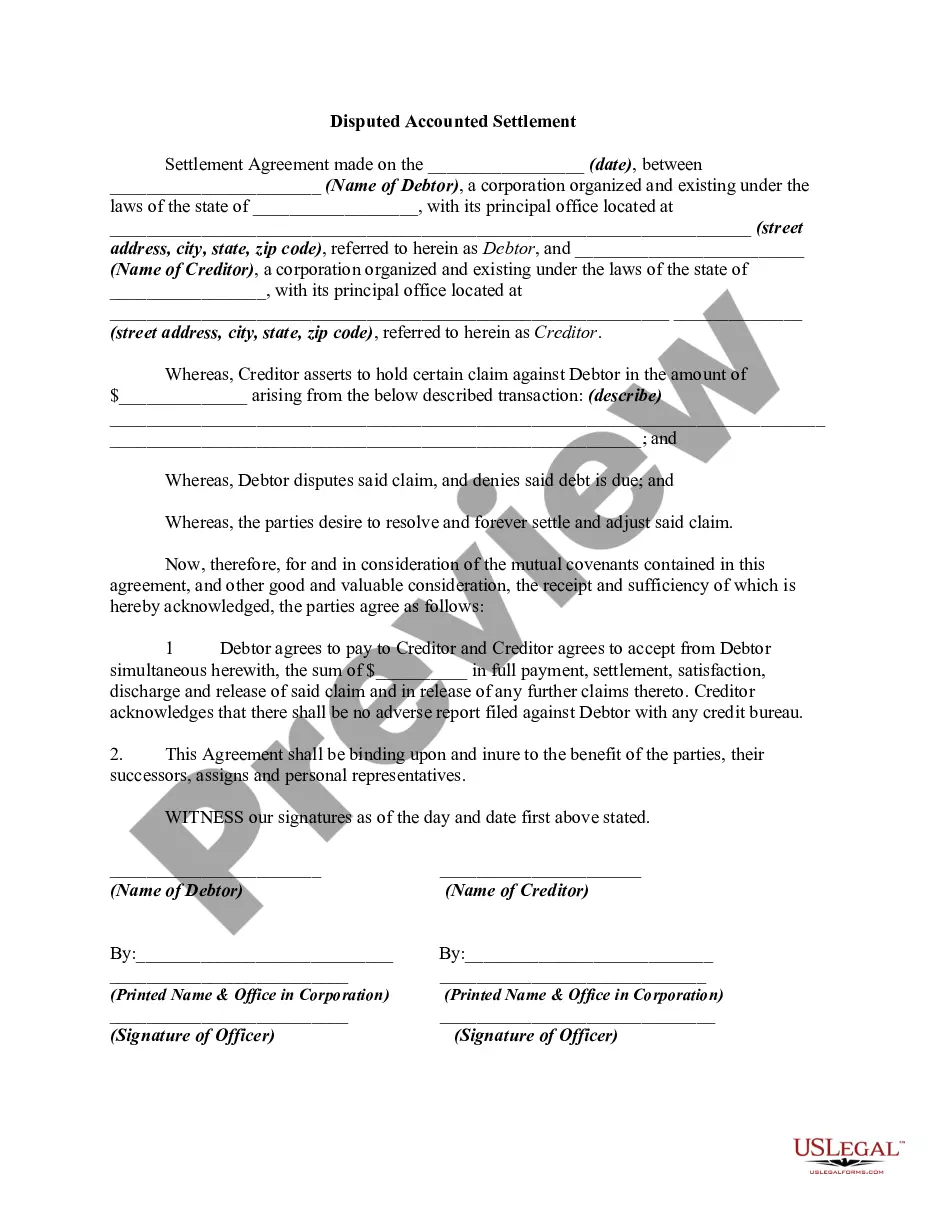
Get your form ready online
Our built-in tools help you complete, sign, share, and store your documents in one place.
Make edits, fill in missing information, and update formatting in US Legal Forms—just like you would in MS Word.
Download a copy, print it, send it by email, or mail it via USPS—whatever works best for your next step.
Sign and collect signatures with our SignNow integration. Send to multiple recipients, set reminders, and more. Go Premium to unlock E-Sign.
If this form requires notarization, complete it online through a secure video call—no need to meet a notary in person or wait for an appointment.
We protect your documents and personal data by following strict security and privacy standards.

Make edits, fill in missing information, and update formatting in US Legal Forms—just like you would in MS Word.

Download a copy, print it, send it by email, or mail it via USPS—whatever works best for your next step.

Sign and collect signatures with our SignNow integration. Send to multiple recipients, set reminders, and more. Go Premium to unlock E-Sign.

If this form requires notarization, complete it online through a secure video call—no need to meet a notary in person or wait for an appointment.

We protect your documents and personal data by following strict security and privacy standards.
Looking for another form?


How to fill out Disputed Open Account Settlement?
If you want to complete, download, or create authentic document templates, utilize US Legal Forms, the largest collection of legal forms available online.
Employ the site’s simple and convenient search to find the documents you require.
Different templates for commercial and personal purposes are categorized by types and categories, or keywords.
Step 4. Once you have located the form you need, click the Buy now option. Choose the pricing plan you prefer and enter your information to register for an account.
Step 5. Complete the transaction. You can use your credit card or PayPal account to finalize the payment.
- Utilize US Legal Forms to obtain the Nevada Disputed Open Account Settlement in just a few clicks.
- If you are already a US Legal Forms customer, Log In to your account and click the Download option to acquire the Nevada Disputed Open Account Settlement.
- You can also access forms you previously downloaded in the My documents tab of your account.
- If you are using US Legal Forms for the first time, follow the steps below.
- Step 1. Ensure you have selected the form for the correct city/state.
- Step 2. Use the Preview option to review the form’s content. Remember to read the details.
- Step 3. If you are unsatisfied with the form, use the Search box at the top of the screen to find other versions of the legal form template.
Form popularity
FAQ
Common Law Bad faith is established when an insurer acts unreasonably or negligently and with the knowledge that there is no reasonable basis for its conduct. ing to Nevada law, a bad faith tort claim must be commenced within four years of the adverse action by the insurance company.
If a bad faith claim is filed in Nevada, it must be proven in court. The claimant must show as much proof as they can that the insurer in fact denied coverage without just cause or that they acted recklessly or negligently when conducting the claim process.
Under NRS 41.200, a compromise of a minor's claims is not legally binding unless and until approved by the district court in: The county in which the minor resides, or. If the minor is not a resident of Nevada, in the county where the claim was incurred.
Under Nevada law, an insurance company acts in bad faith when: The insurer denies benefits to the policy holder, and. The insurer knows or should know that there is no reasonable basis for such a denial.
Nevada Revised Statutes 42.005 ? NRS 42.005 To receive punitive damages, the victim must show that the defendant acted maliciously, fraudulently, or with oppression to injure the victim. Nevada Revised Statutes 42.005 says that punitive damages exist to create an example to others and to punish very bad actors.
Nevada Insurance Claim Timeline In Nevada, insurers have 80 days, or about three months, to settle insurance claims they receive from claimants.
Nevada's laws on rights and transactions relating to property includes a statute of frauds section which requires certain types of contracts be in writing in order to be enforceable. These requirements describe situations in which agreements must be in writing, and by extension, when agreements not in writing are void.
Nevada law does not authorize third-party bad faith claims, but the insured can assign its rights on a potential bad faith lawsuit. Keeping the insured informed about the details of the case is key, which includes notifying the insurer of any settlement demands.