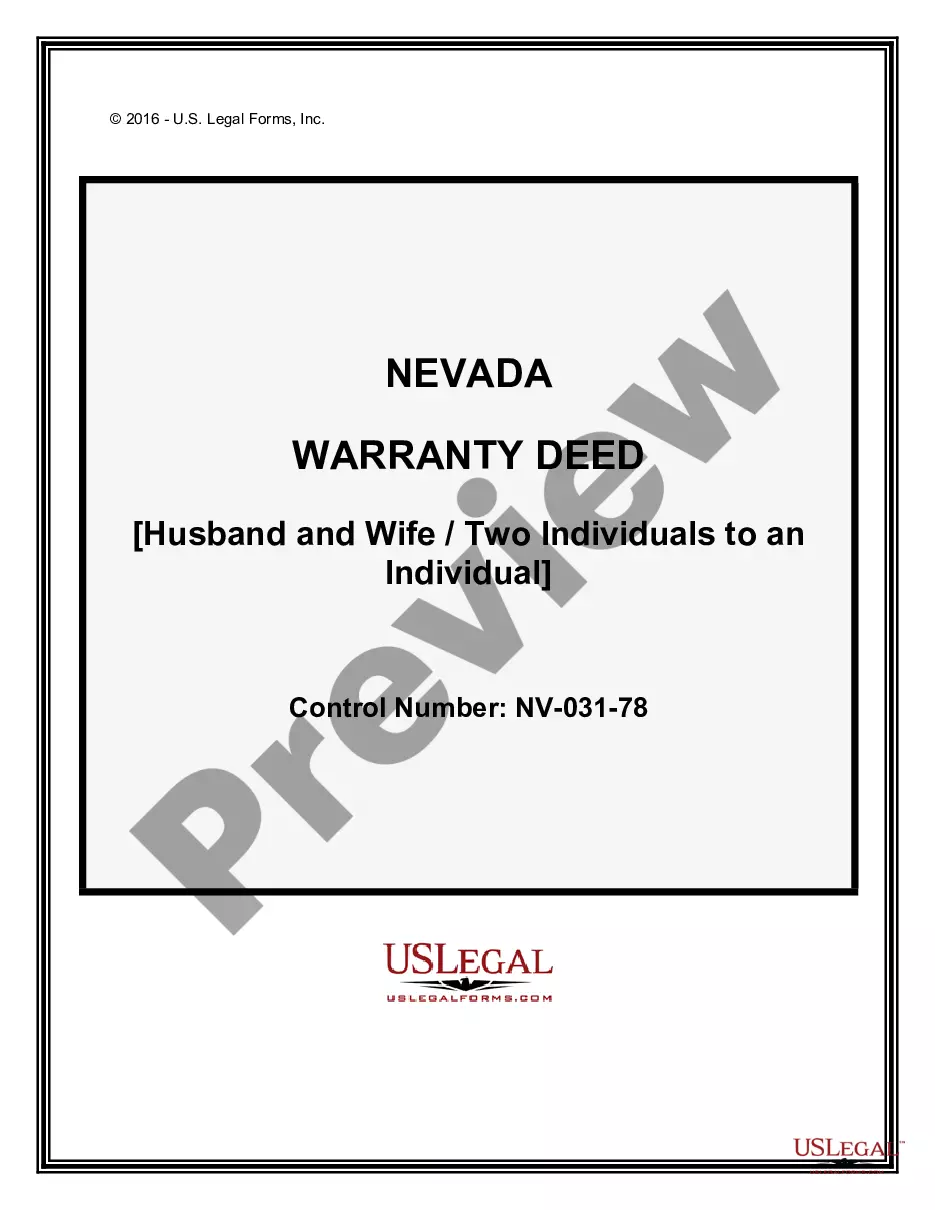
Nevada Warranty Deed from Husband and Wife / Two Individuals to an Individual.
What is this form?
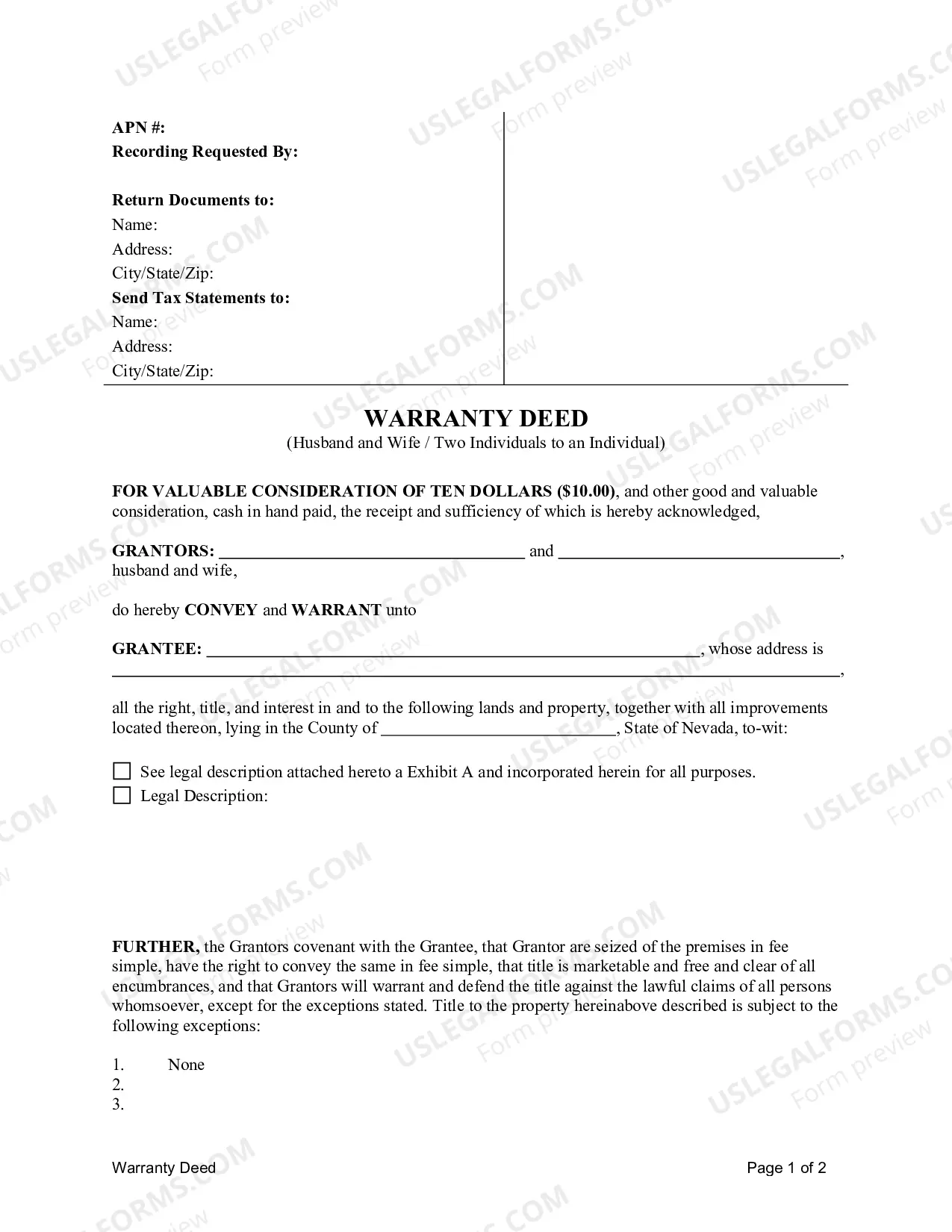
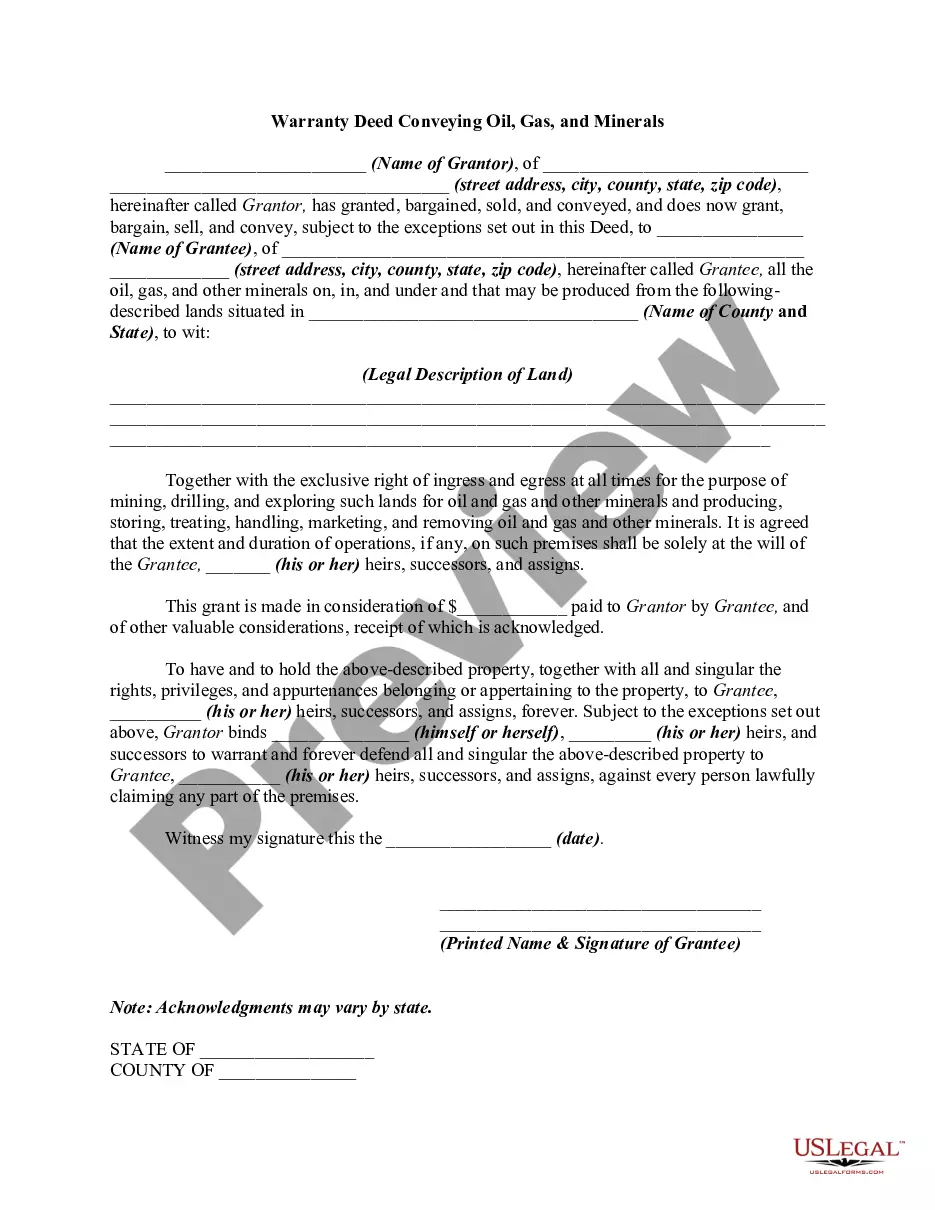
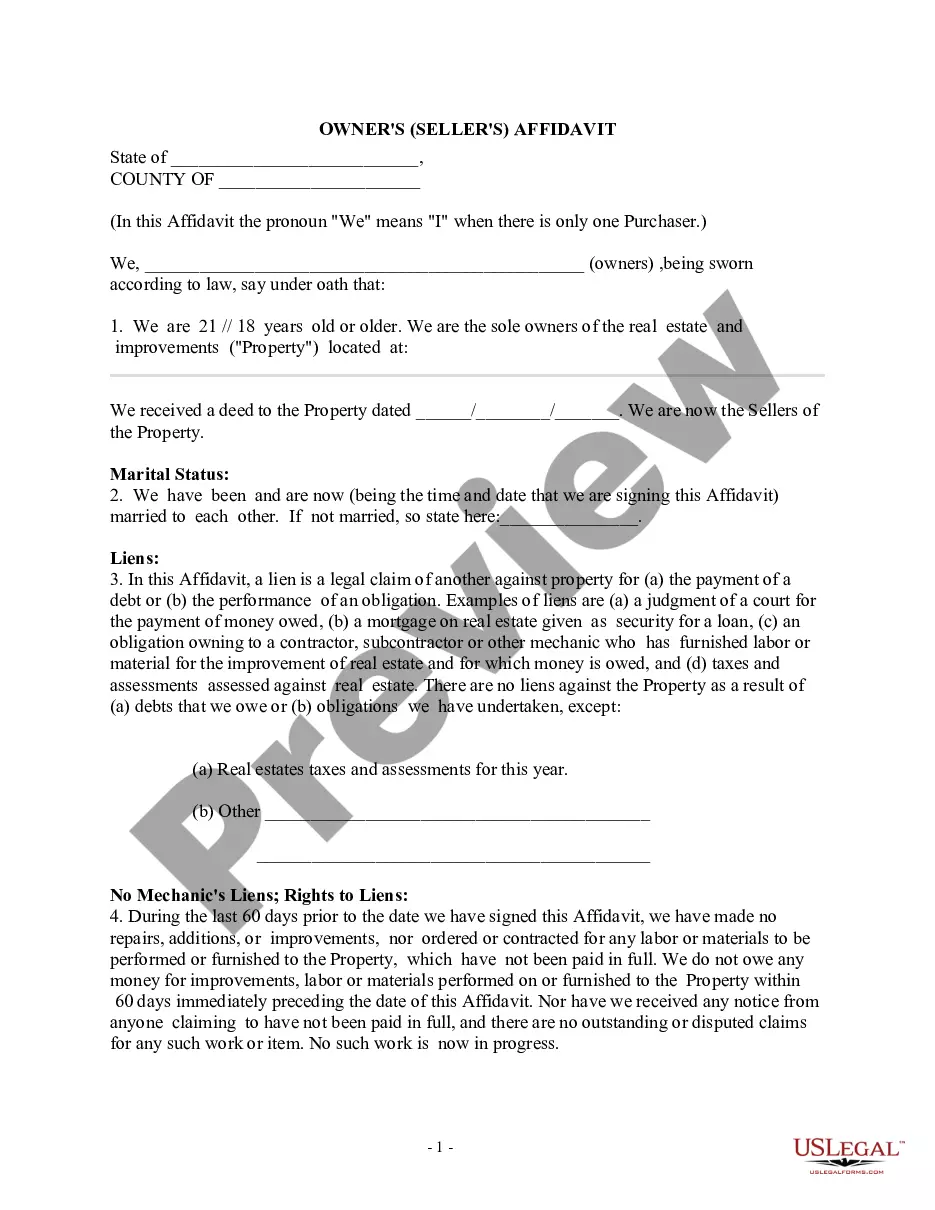
This Warranty Deed is a legal document used to transfer property ownership from a husband and wife or two individuals to an individual. This form provides a guarantee from the Grantors (the sellers) that the property is free from any liens or claims, ensuring a smooth transaction. Unlike other deeds, this warranty deed offers protection to the Grantee (the buyer), as it includes certain warranties regarding the title of the property and complies with state statutory requirements.
What’s included in this form
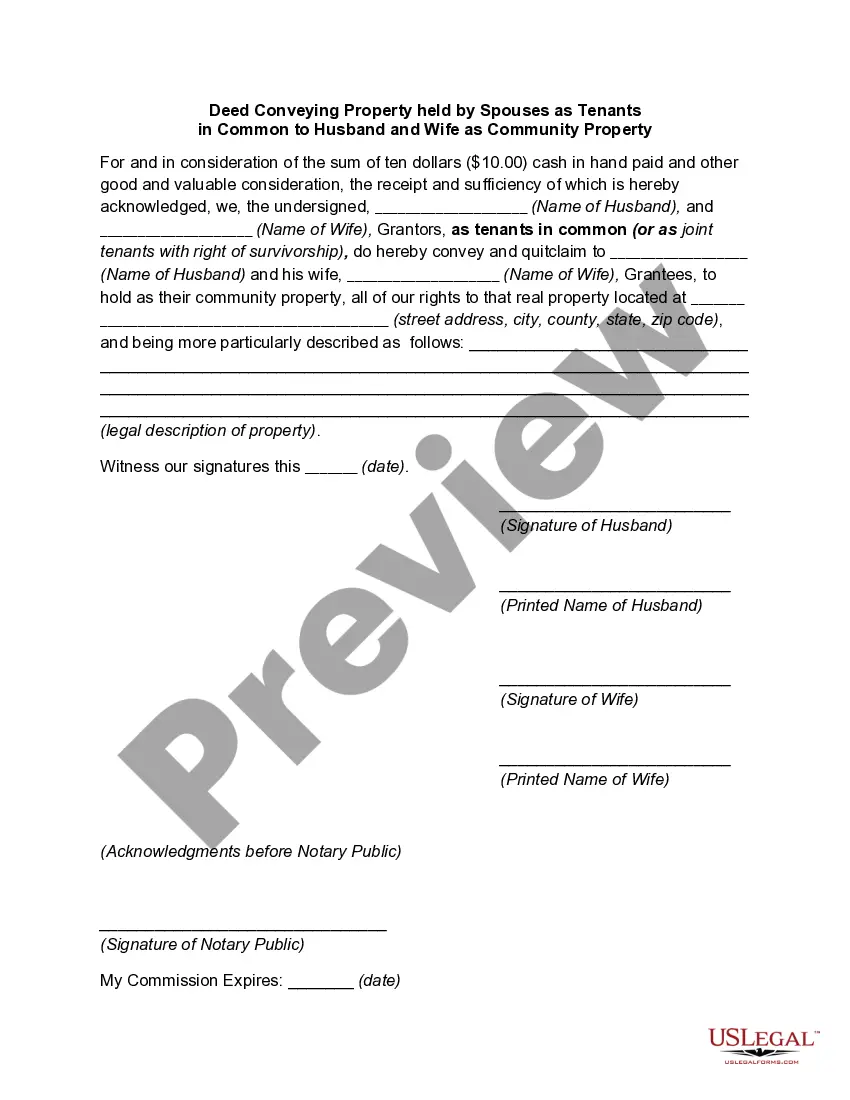
- Parties involved: Clearly identifies the Grantors (husband and wife or two individuals) and the Grantee (an individual).
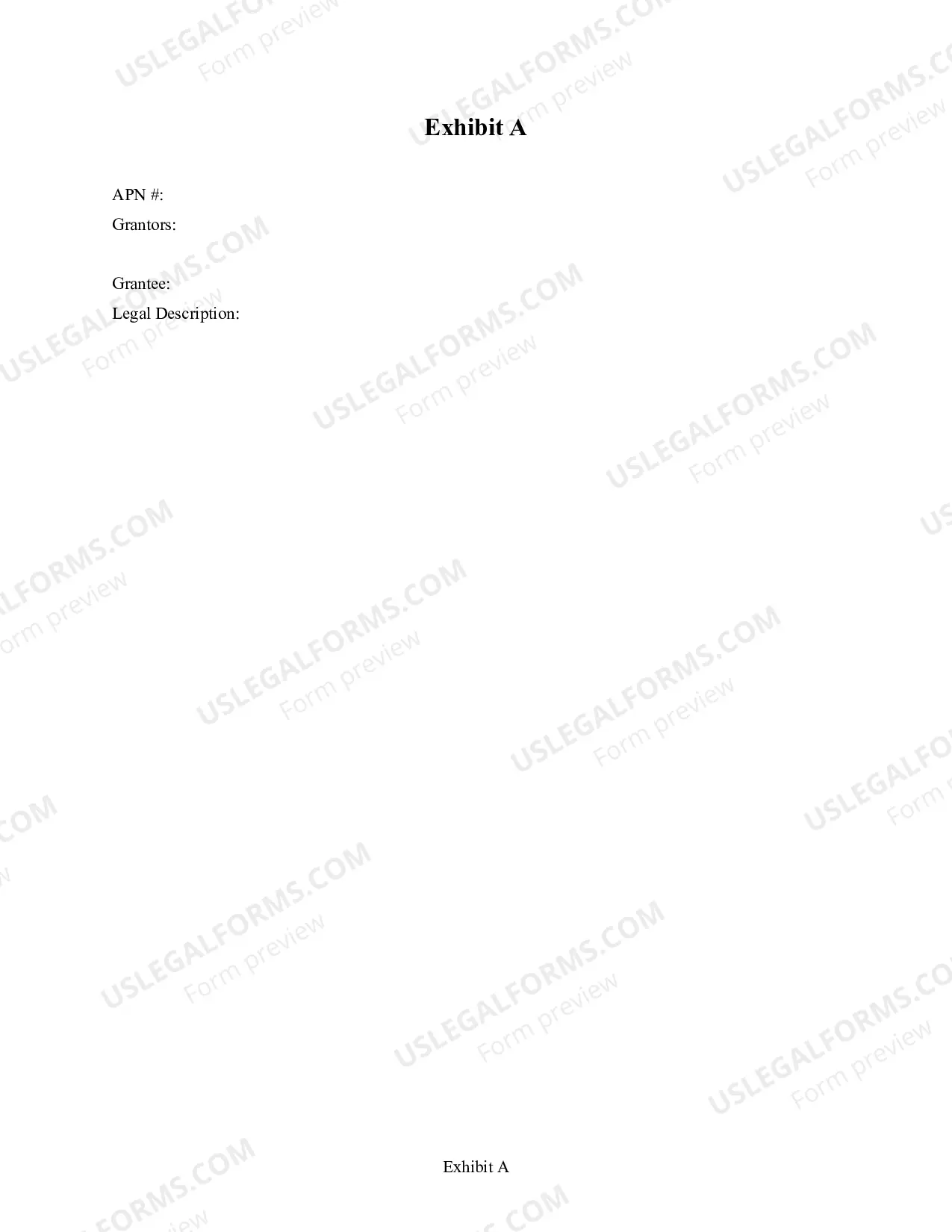
- Description of property: Detailed description of the property being transferred, including legal descriptions.
- Warranties: Includes guarantees by the Grantors regarding the titleâs validity and absence of claims.
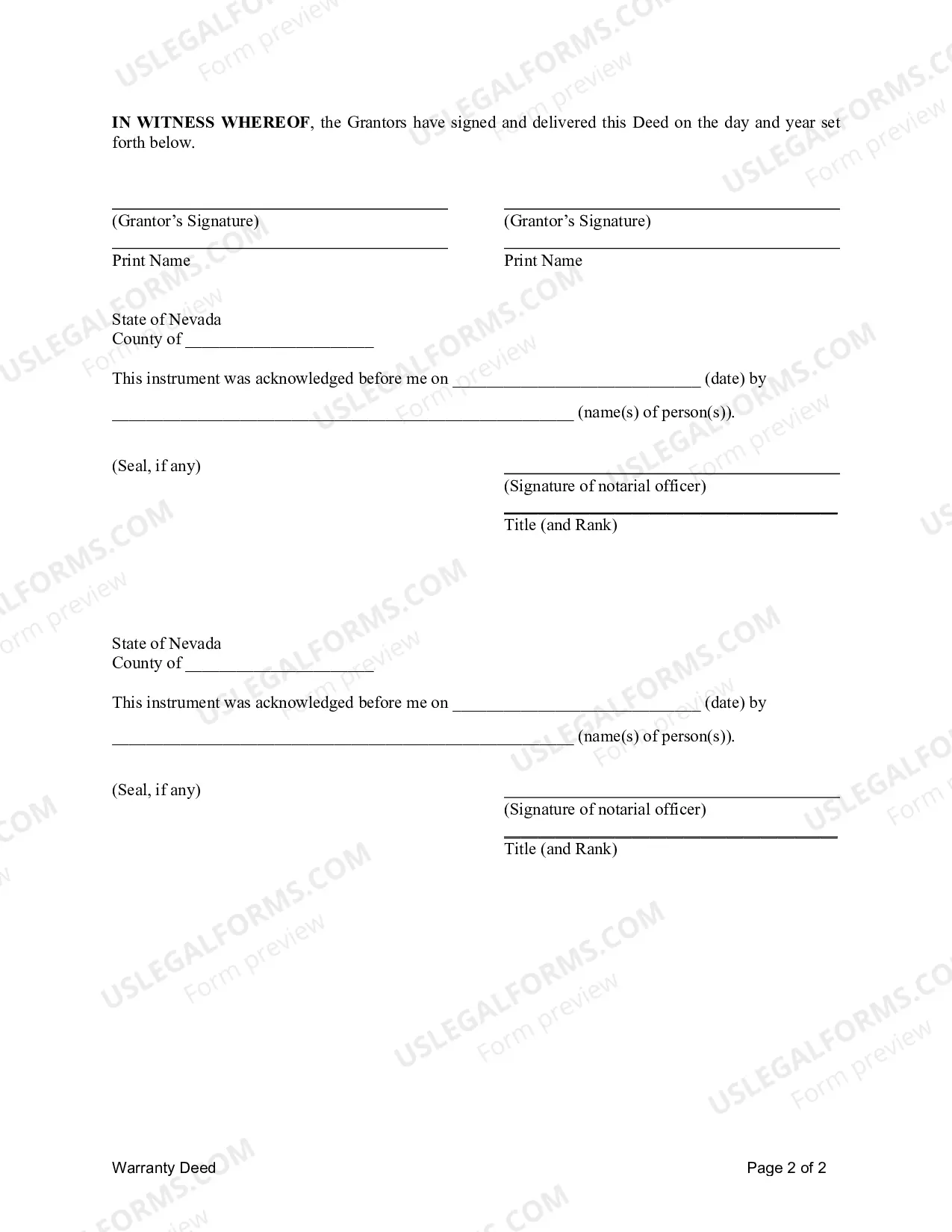
- Signatures: Requires the signatures of all Grantors to validate the deed.
- Notary acknowledgment: May require notarization to ensure the document is legally binding (subject to state law).
Common use cases
Use this Warranty Deed when you are transferring real estate from a husband and wife or two individuals to an individual. This scenario commonly occurs in situations such as selling a family home, gifting property to a family member, or dividing property between co-owners. It is essential to ensure that the property title is clear before making the transfer, which this deed helps to guarantee.
Intended users of this form
This form is intended for:
- Husband and wife or two individuals wanting to transfer property to an individual.
- Real estate professionals assisting clients with property transactions.
- Individuals engaged in family property transfers or property gifts.
- Anyone needing a legally binding document to ensure ownership transfer rights.
How to complete this form
To complete the Warranty Deed, follow these steps:
- Identify the parties: Enter the full names of the Grantors (husband and wife or two individuals) and the Grantee (individual).
- Specify the property: Provide a detailed legal description of the property being transferred, including street address and parcel number.
- Enter the date: Write the date on which the deed is being executed.
- Sign the form: Have all Grantors sign the deed in the designated areas.
- Notarize if required: Depending on state laws, either have the deed notarized or check if it is needed for recording.
Does this document require notarization?
This form does not typically require notarization unless specified by local law. However, notarization can help establish the authenticity of the signatures and ensure the documentâs validity.
Get your form ready online
Our built-in tools help you complete, sign, share, and store your documents in one place.
Make edits, fill in missing information, and update formatting in US Legal Forms—just like you would in MS Word.
Download a copy, print it, send it by email, or mail it via USPS—whatever works best for your next step.
Sign and collect signatures with our SignNow integration. Send to multiple recipients, set reminders, and more. Go Premium to unlock E-Sign.
If this form requires notarization, complete it online through a secure video call—no need to meet a notary in person or wait for an appointment.
We protect your documents and personal data by following strict security and privacy standards.

Make edits, fill in missing information, and update formatting in US Legal Forms—just like you would in MS Word.

Download a copy, print it, send it by email, or mail it via USPS—whatever works best for your next step.

Sign and collect signatures with our SignNow integration. Send to multiple recipients, set reminders, and more. Go Premium to unlock E-Sign.

If this form requires notarization, complete it online through a secure video call—no need to meet a notary in person or wait for an appointment.

We protect your documents and personal data by following strict security and privacy standards.
Typical mistakes to avoid
- Failing to include a complete legal description of the property.
- Not obtaining signatures from all Grantors, which can invalidate the transfer.
- Overlooking the need for notarization where required by state law.
- Not recording the deed with the appropriate local government office, which may prevent proper recognition of the ownership transfer.
Why complete this form online
- Convenience of downloading the form online and filling it out at your own pace.
- Editability allows for quick adjustments if any information changes prior to signing.
- Access to forms drafted by licensed attorneys, ensuring legal compliance.
- No need to visit an attorney in person, saving time and effort.
Looking for another form?
Form popularity
FAQ
If you've recently married and already own a home or other real estate, you may want to add your new spouse to the deed for your property so the two of you own it jointly. To add a spouse to a deed, all you have to do is literally fill out, sign and record a new deed in your county recorder's office.
In order to make the Warranty Deed legally binding, the Seller needs to sign it front of a notary public. Then signed and notarized deed must be filed at the city or county office for recording property documents. Before filing with this office all previously billed property taxes must be paid in full.
Let's start with the definition of a deed: DEED: A written instrument by which one party, the Grantor, conveys the title of ownership in property to another party, the Grantee. A Warranty Deed contains promises, called covenants, that the Grantor makes to the Grantee.
Two of the most common ways to transfer property in a divorce are through an interspousal transfer deed or quitclaim deed. When spouses own property together, but then one spouse executes an interspousal transfer or a quitclaim deed, this is known as transmutation.
Typically, the lender will provide you with a copy of the deed of trust after the closing. The original warranty deeds are often mailed to the grantee after they are recorded. These are your original copies and should be kept in a safe place, such as a fireproof lockbox or a safe deposit box at a financial institution.
A warranty deed guarantees that: The grantor is the rightful owner of the property and has the legal right to transfer the title.The title would withstand third-party claims to ownership of the property. The grantor will do anything to ensure the grantee's title to the property.
Discuss property ownership interests. Access a copy of your title deed. Complete, review and sign the quitclaim or warranty form. Submit the quitclaim or warranty form. Request a certified copy of your quitclaim or warranty deed.
It's important to note that a warranty deed does not actually prove the grantor has ownership (a title search is the best way to prove that), but it is a promise by the grantor that they are transferring ownership and if it turns out they don't actually own the property, the grantor will be responsible for compensating
In states like California and Florida, the spouses may use a quitclaim deed to transfer the property without warranting title. Other stateslike Texasrecognize a similar type of deed called a deed without warranty.