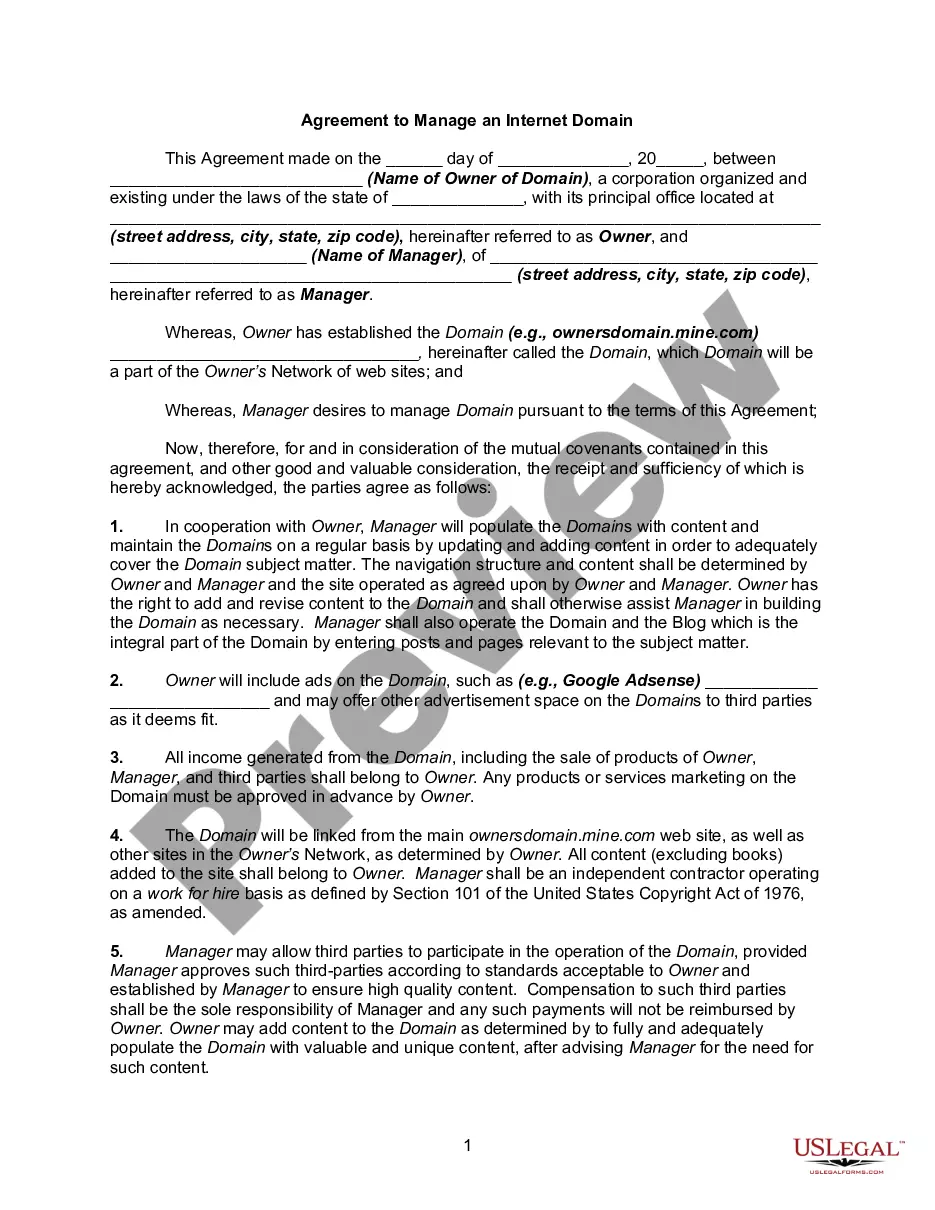
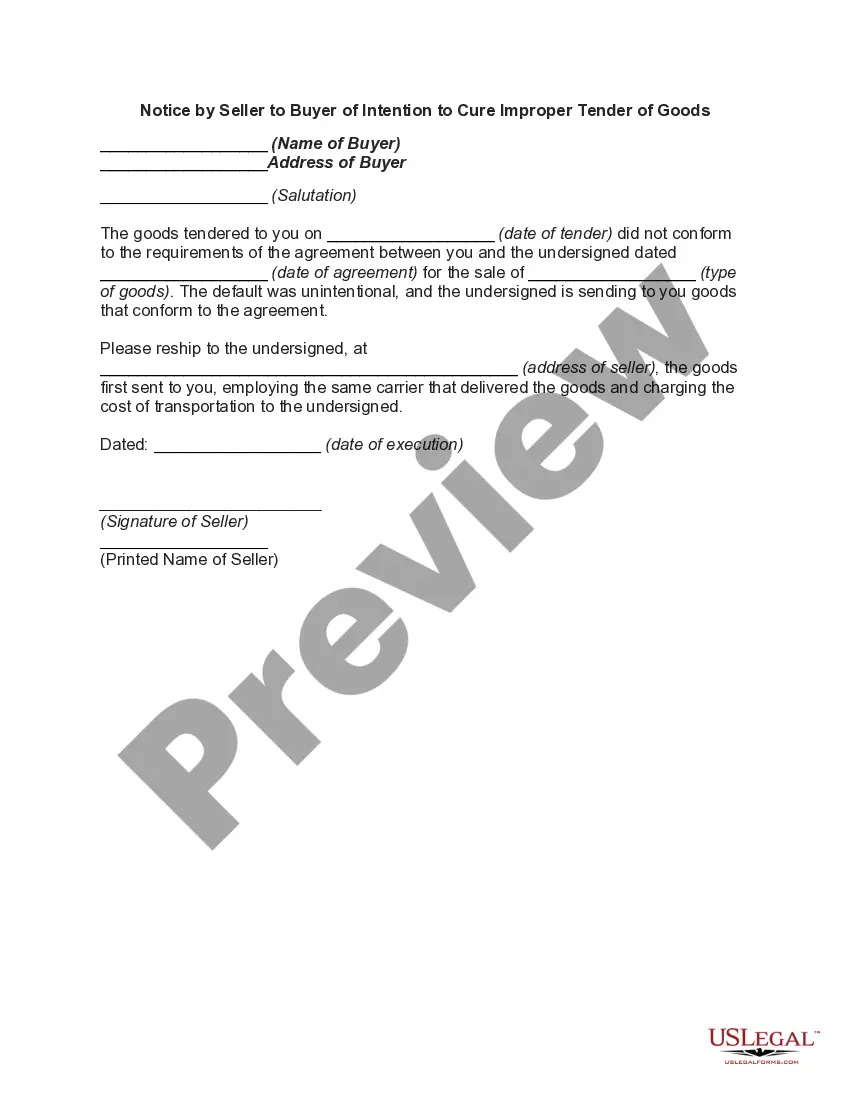
New Mexico Notice by Seller to Buyer of Intention to Cure Improper Tender of Goods
Description
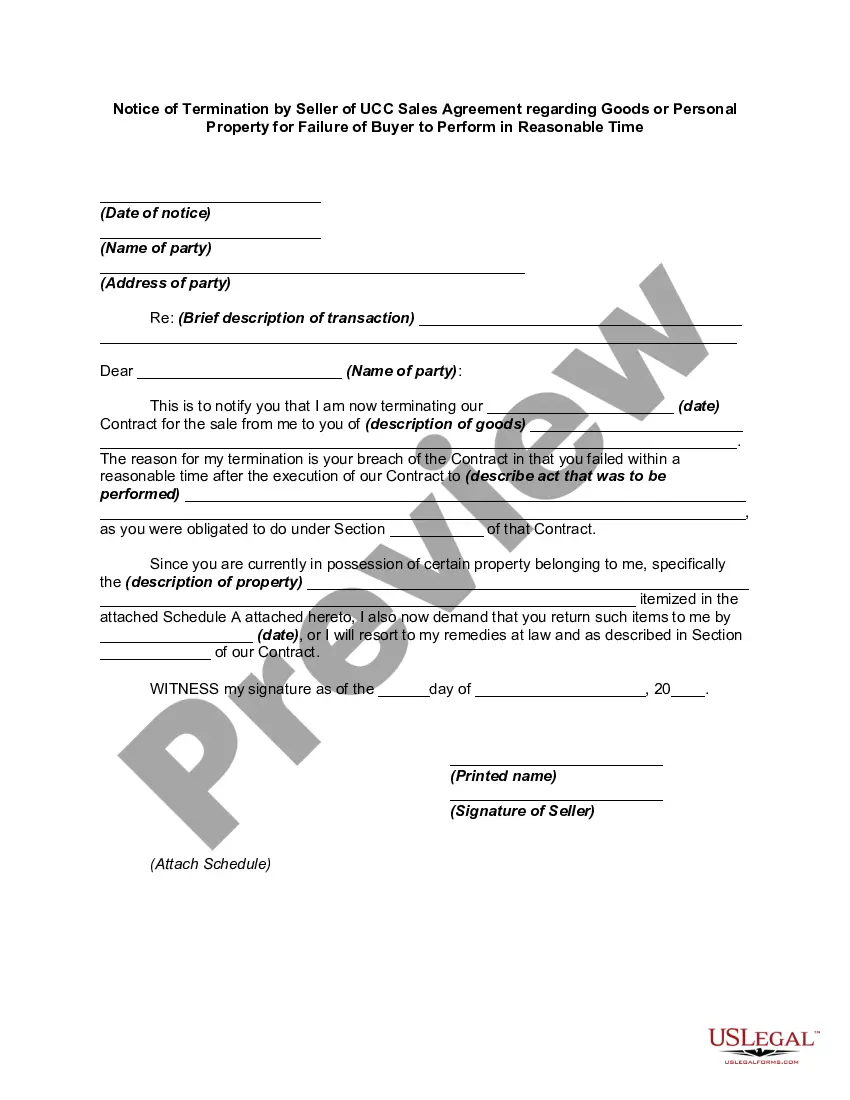
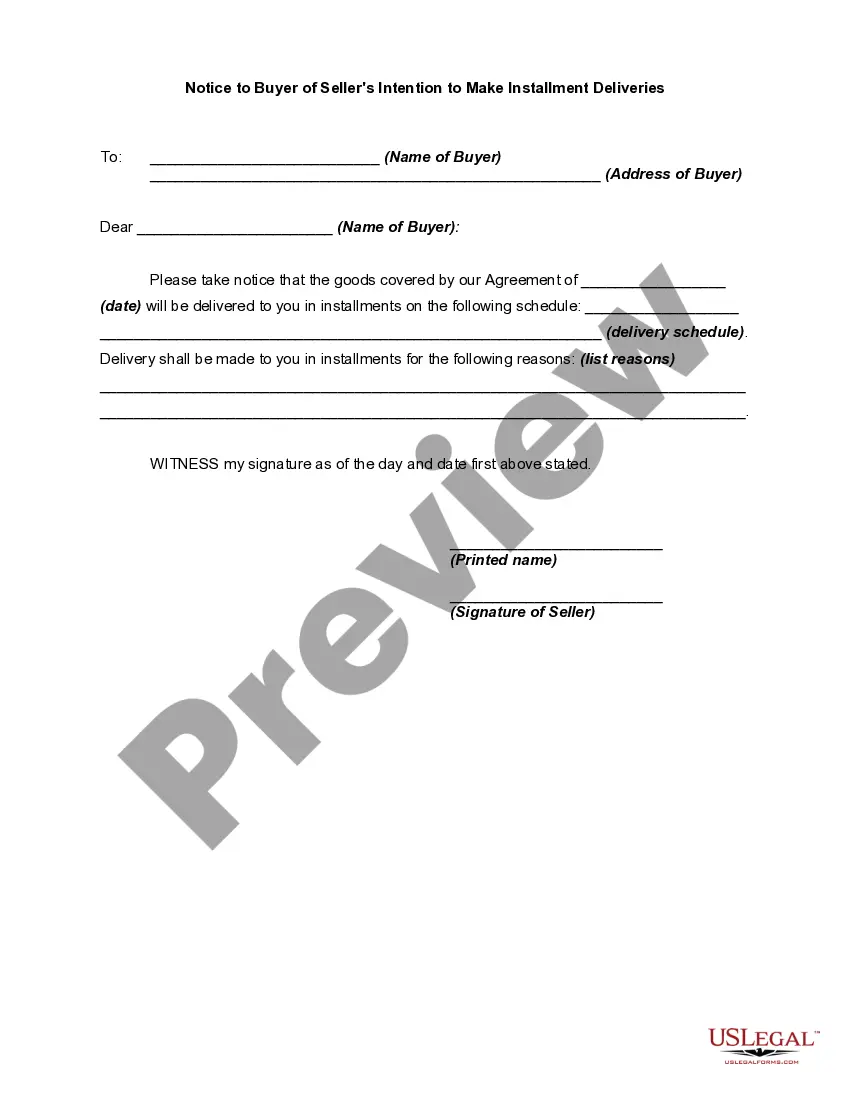
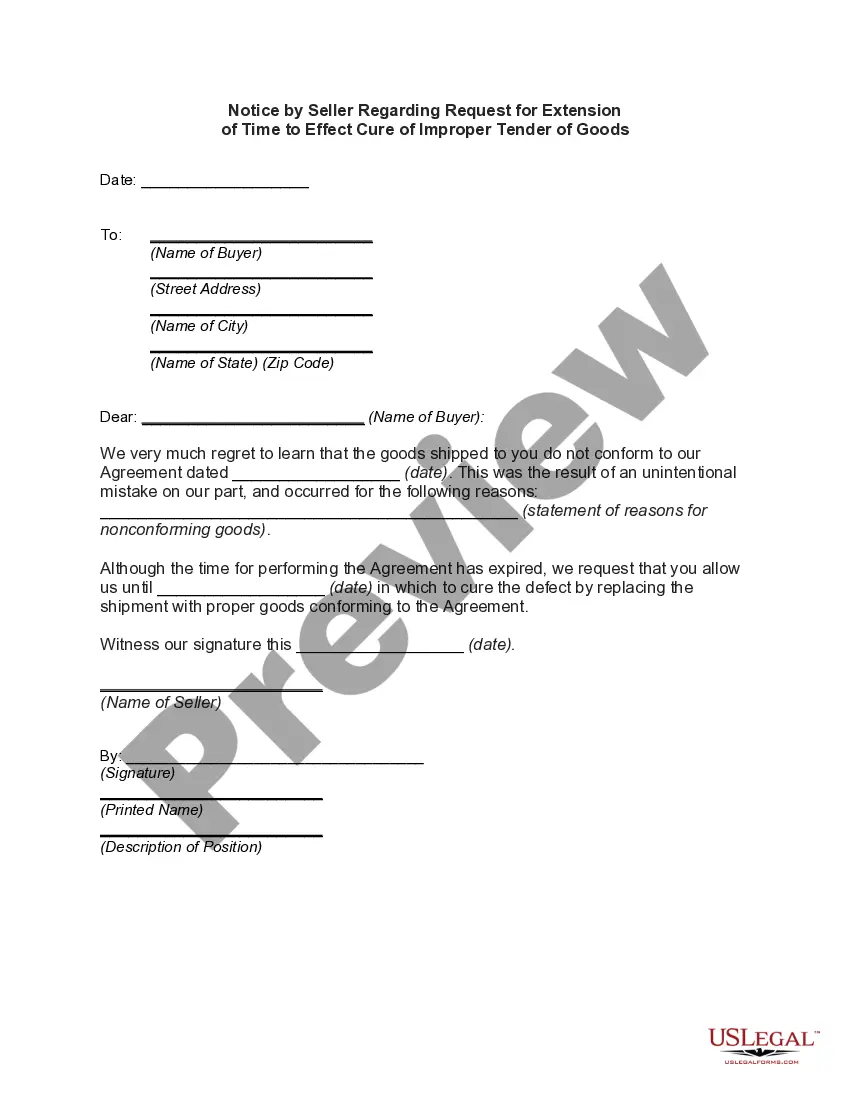
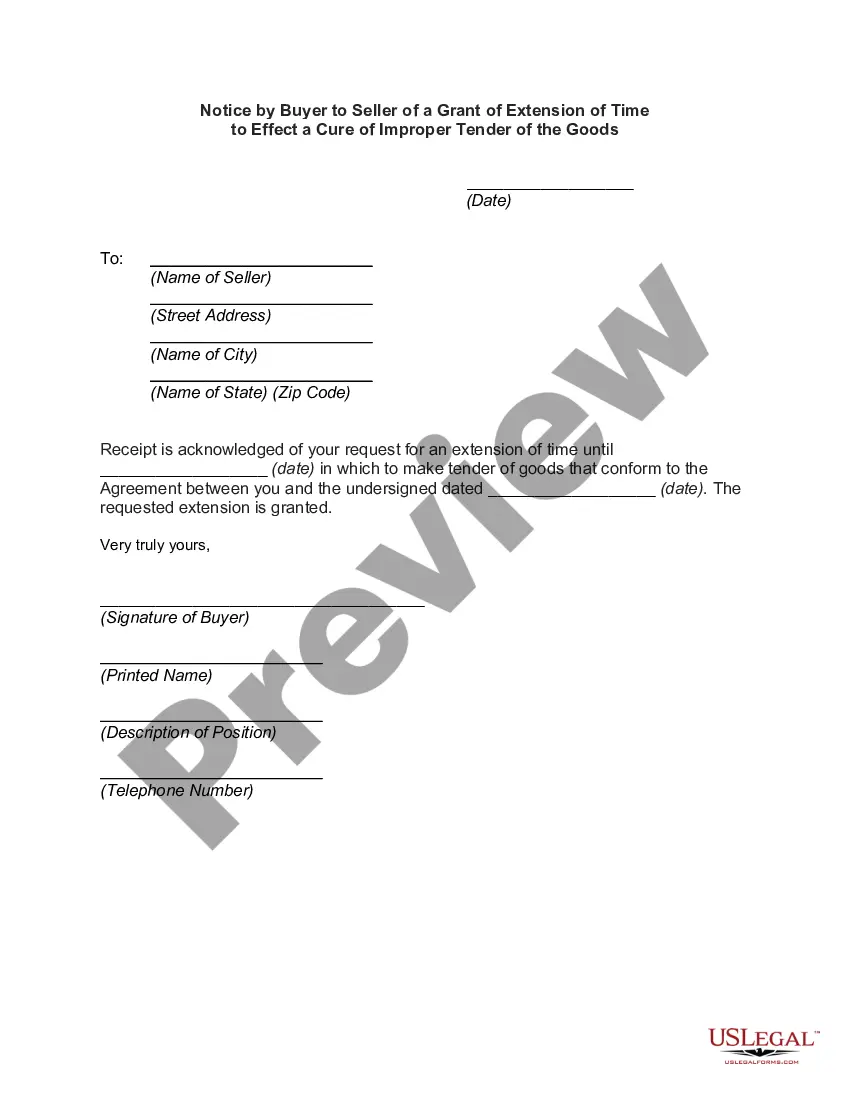
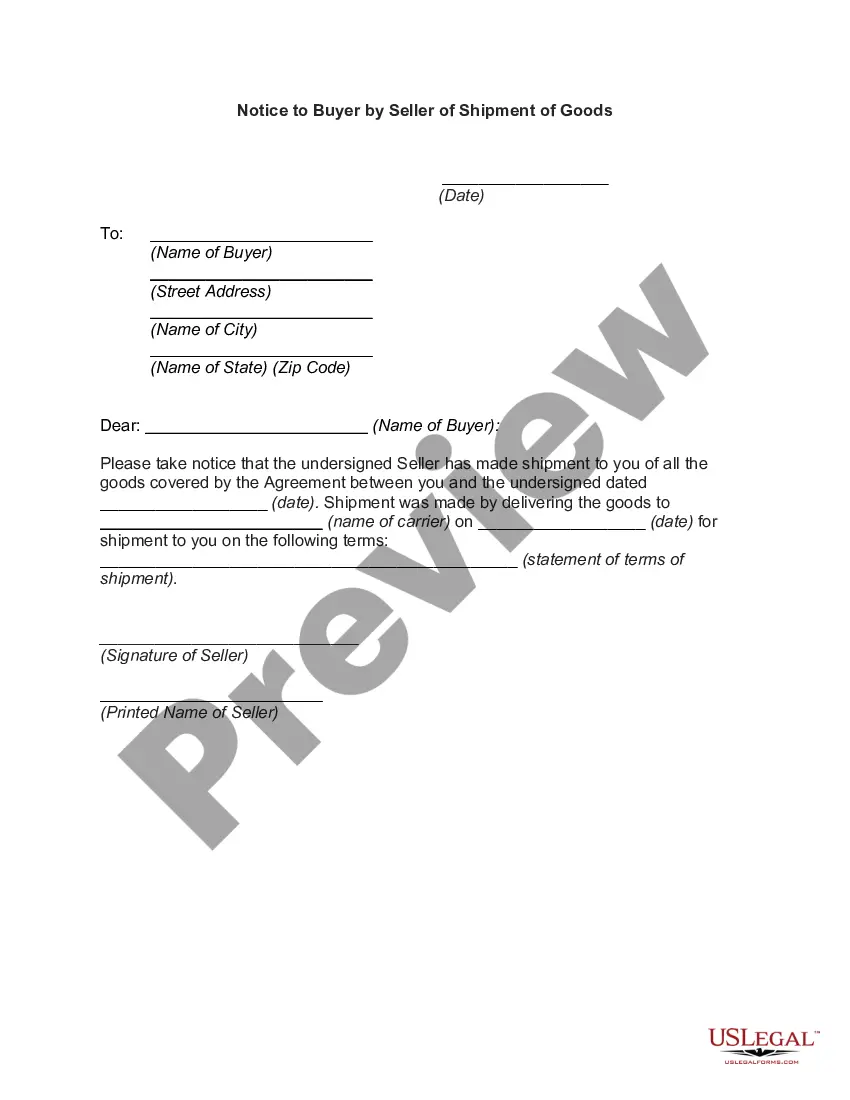


How to fill out Notice By Seller To Buyer Of Intention To Cure Improper Tender Of Goods?
If you want to be thorough, acquire, or create legal document templates, utilize US Legal Forms, the largest collection of legal forms, available online.
Make use of the site’s simple and efficient search to locate the documents you need.
Various templates for business and personal purposes are organized by categories and states, or keywords.
Step 3. If you are not satisfied with the form, utilize the Search feature at the top of the screen to find alternative versions of the legal form template.
Step 4. Once you have located the form you need, click the Download now button. Choose the pricing plan you prefer and enter your details to register for an account.
- Use US Legal Forms to find the New Mexico Notice by Seller to Buyer of Intention to Cure Improper Tender of Goods in just a few clicks.
- If you are already a US Legal Forms user, Log In to your account and click the Download option to retrieve the New Mexico Notice by Seller to Buyer of Intention to Cure Improper Tender of Goods.
- You can also access forms you previously downloaded from the My documents section of your account.
- If you are using US Legal Forms for the first time, follow the instructions below.
- Step 1. Ensure you have selected the form for the correct city/state.
- Step 2. Use the Preview option to review the content of the form. Be sure to read the description.
Form popularity
FAQ
When a buyer breaches a sales contract, the risk of loss generally remains with the seller until the buyer has had a reasonable opportunity to accept or reject the goods. This means that if anything happens to the goods during this time, the seller may still be liable. Understanding the implications of a breach is crucial, and utilizing a New Mexico Notice by Seller to Buyer of Intention to Cure Improper Tender of Goods can clarify responsibilities. Such notices can help safeguard the seller's interests.
If a seller breaches a sales contract and the buyer rejects nonconforming goods, the buyer is typically entitled to seek remedies. This can include claiming damages for the breach or obtaining replacement goods. The buyer may utilize a New Mexico Notice by Seller to Buyer of Intention to Cure Improper Tender of Goods to formally communicate the rejection and seek a resolution. Clear communication can facilitate an amicable solution.
Yes, the seller must be notified if the buyer rejects nonconforming goods. This notification allows the seller to understand the nature of the rejection and take appropriate action. Providing a clear explanation benefits both parties, as it may offer an opportunity for the seller to cure the improper tender through a New Mexico Notice by Seller to Buyer of Intention to Cure Improper Tender of Goods. Communication is key in these situations.
Yes, when a buyer incorrectly refuses to accept conforming goods, the seller can recover damages. The seller may seek compensation for any losses incurred due to the buyer's refusal. This can include lost profits and additional costs associated with reselling the goods. In such scenarios, utilizing a New Mexico Notice by Seller to Buyer of Intention to Cure Improper Tender of Goods can be beneficial.
(2) The buyer may recover from the seller as damages the difference between the cost of cover and the contract price together with any incidental or consequential damages as hereinafter defined (Section 2-715), but less expenses saved in consequence of the seller's breach.
Common law remedies for a breach of contract include compensatory damages, consequential damages and reliance damages. Compensatory damages compensate the complaining party for the economic loss suffered by the breach.
A key section of the UCC gives a seller the right to cure goods delivered to a buyer that are defective or non-conforming. In other words, if a seller delivers goods that don't match the contract, and the buyer rejects those goods, the UCC gives the seller an opportunity to fix the problem.
The only way to make the buyer whole if the seller doesn't complete settlement is to force that seller to perform the contract and to deed the property to the buyer. Another remedy for buyers whose home sale contract fell through is to terminate the contract and receive a return of the deposit.
One of the most common remedies chosen by buyers after a breach of contract by the seller is a lawsuit for damages for nondelivery. These suits occur if the seller fails or simply refuses to deliver the goods that were promised in the contract.
Seller shall have five (5) days after receipt of a Defects Notice to notify Buyer (Seller's Title Response) of its intent to correct the defects in the Title Report or the Survey objected to by Buyer.