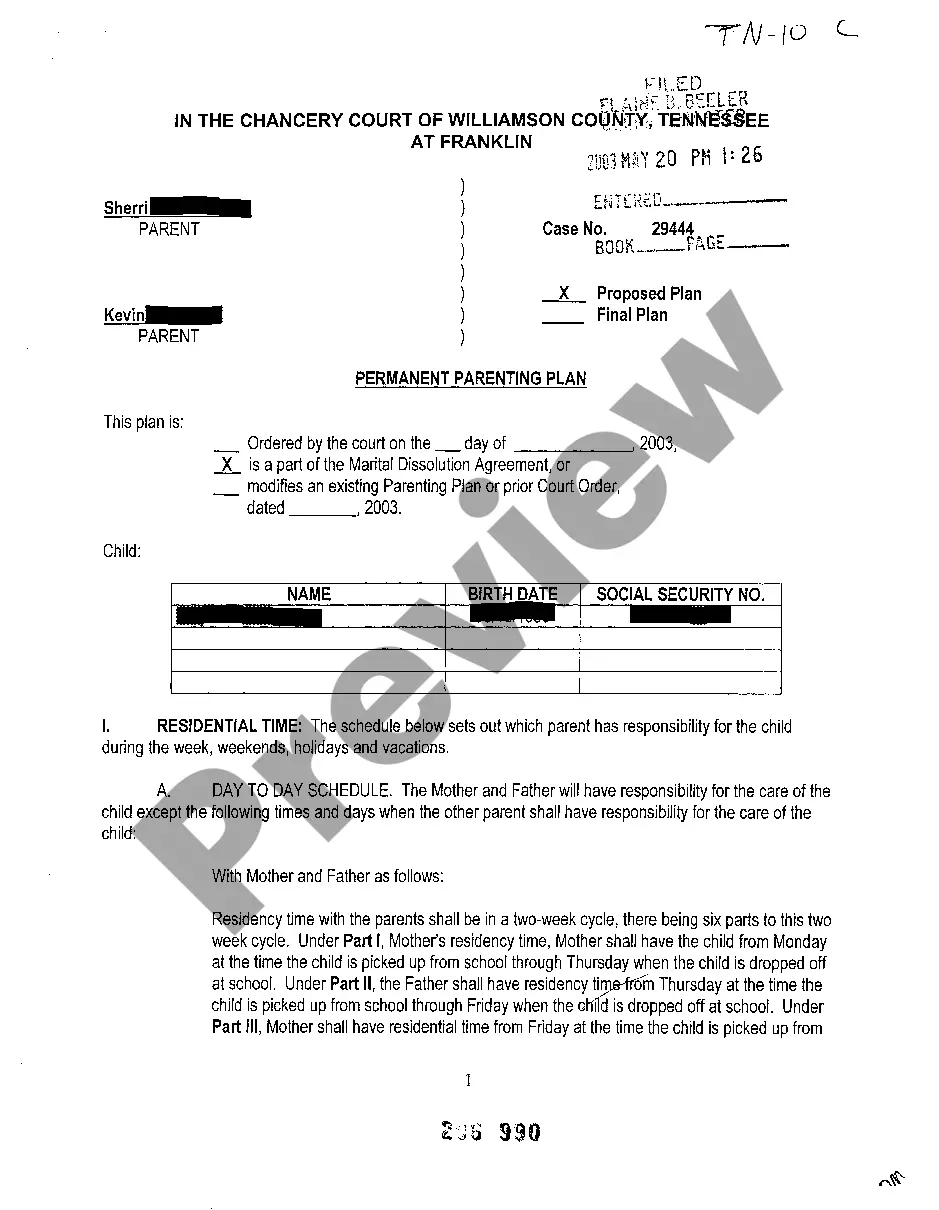
New Mexico Revocation of Anatomical Gift Donation
Overview of this form
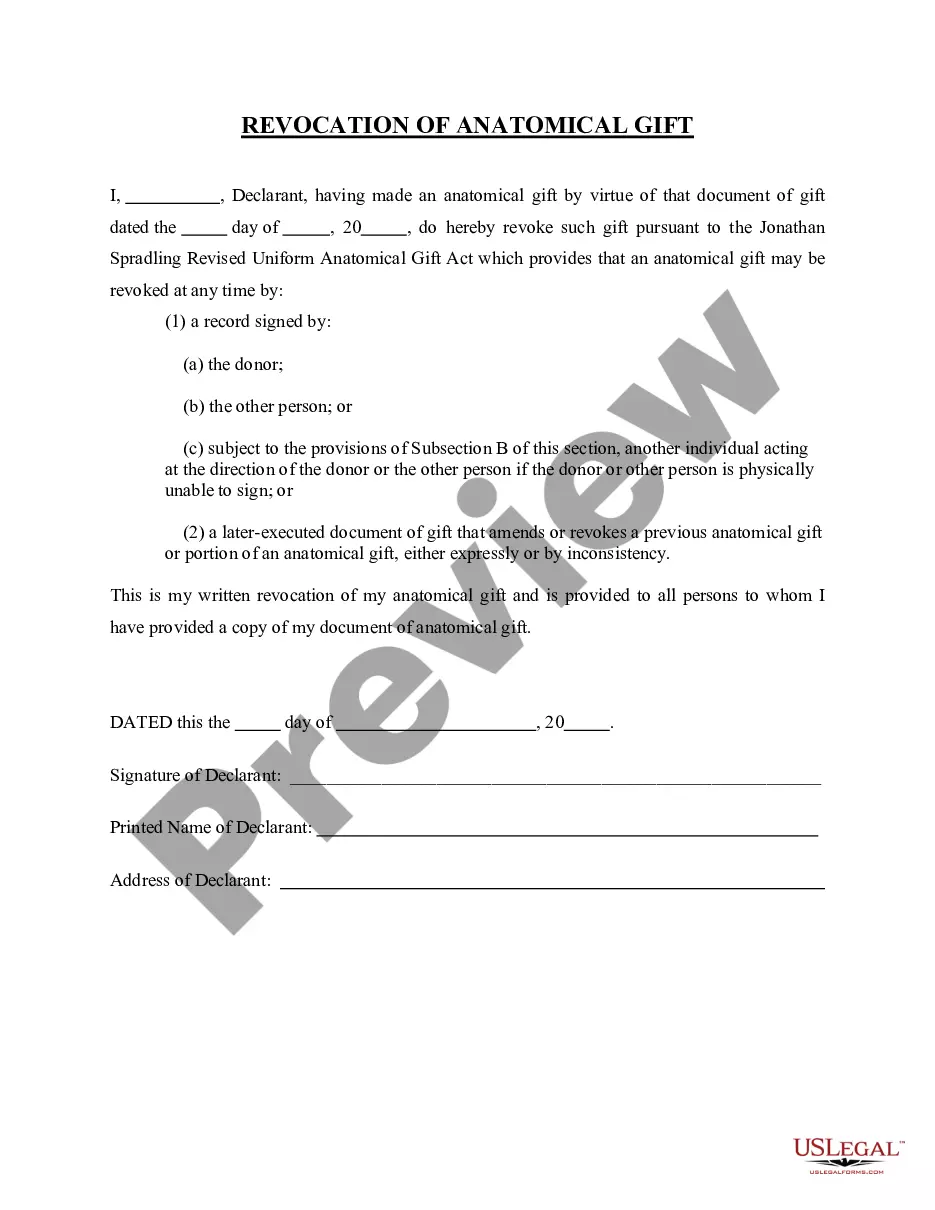
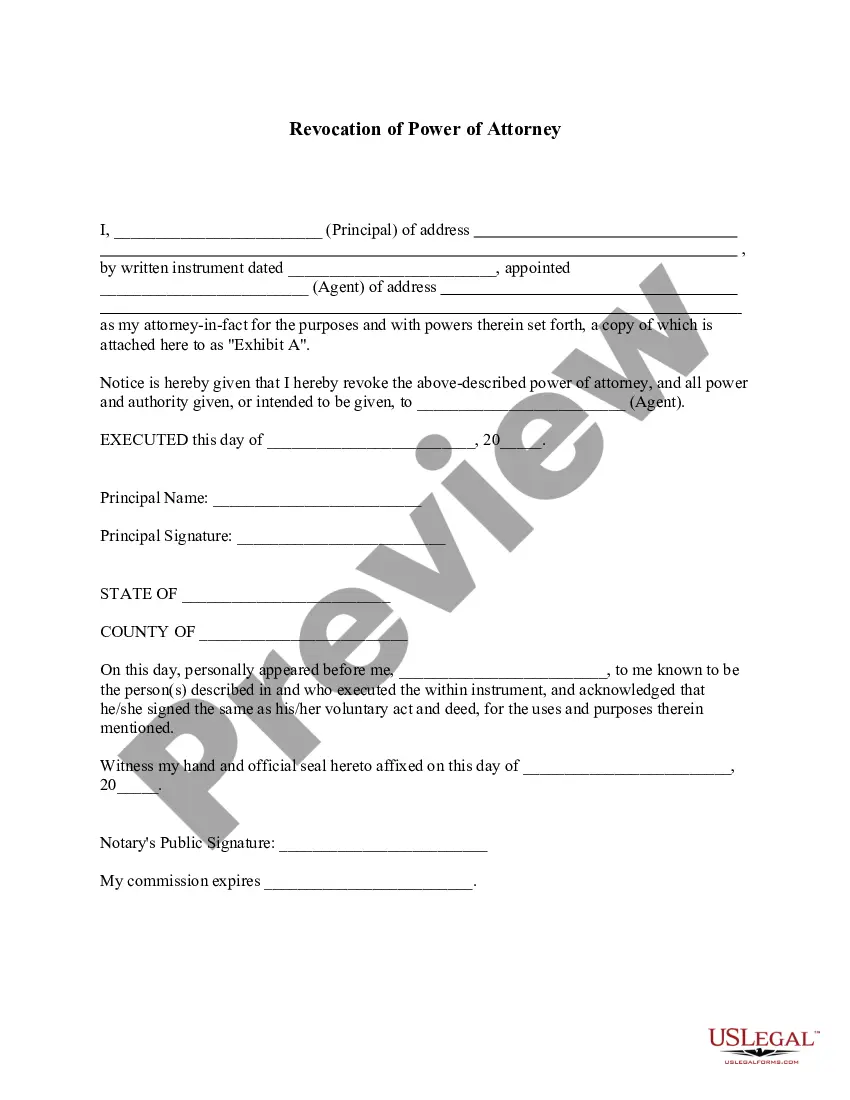
The Revocation of Anatomical Gift Donation is a legal document used to formally revoke a previously made anatomical gift. This form specifically cancels a donor's earlier decision regarding the donation of body parts or organs at the time of their death. Unlike the Anatomical Gift Donation, this form ensures that an individual's current wishes regarding organ donation are clearly communicated and legally recognized.
Main sections of this form
- Signature of the donor or authorized individual
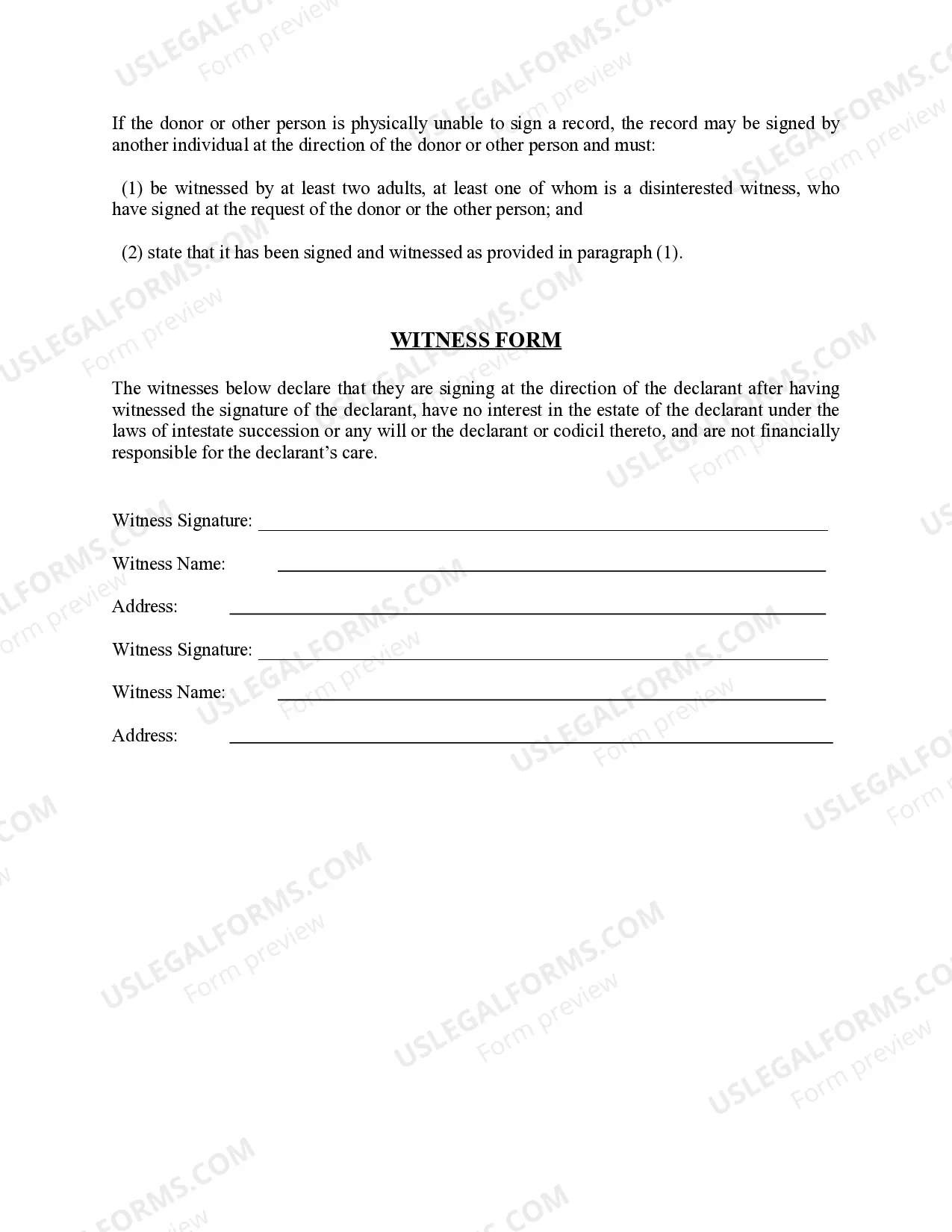
- Witness signatures from at least two adults, including one disinterested witness
- A declaration stating the document was signed and witnessed appropriately
- Identification of the specific anatomical gift being revoked
When this form is needed
This form should be used when an individual has previously made an anatomical gift and wishes to revoke it. This could occur if someone has changed their mind about organ donation due to personal beliefs, health changes, or family discussions. Ensuring that the most current wishes are documented is critical in the event of the donor's passing.
Who should use this form
- Individuals who have previously designated body parts or organs for donation
- Family members or authorized persons acting on behalf of the donor
- Individuals who want to ensure their current wishes regarding organ donation are legally recorded
How to prepare this document
- Identify yourself as the donor or the person authorized to revoke the gift.
- Sign the form in the designated area.
- Have at least two adults witness your signature, ensuring one is disinterested.
- Ensure that witnesses sign and include their affirmation on the form.
- Keep a copy for your records and inform relevant parties of the revocation.
Notarization guidance
Notarization is not commonly needed for this form. However, certain documents or local rules may make it necessary. Our notarization service, powered by Notarize, allows you to finalize it securely online anytime, day or night.
Get your form ready online
Our built-in tools help you complete, sign, share, and store your documents in one place.
Make edits, fill in missing information, and update formatting in US Legal Forms—just like you would in MS Word.
Download a copy, print it, send it by email, or mail it via USPS—whatever works best for your next step.
Sign and collect signatures with our SignNow integration. Send to multiple recipients, set reminders, and more. Go Premium to unlock E-Sign.
If this form requires notarization, complete it online through a secure video call—no need to meet a notary in person or wait for an appointment.
We protect your documents and personal data by following strict security and privacy standards.

Make edits, fill in missing information, and update formatting in US Legal Forms—just like you would in MS Word.

Download a copy, print it, send it by email, or mail it via USPS—whatever works best for your next step.

Sign and collect signatures with our SignNow integration. Send to multiple recipients, set reminders, and more. Go Premium to unlock E-Sign.

If this form requires notarization, complete it online through a secure video call—no need to meet a notary in person or wait for an appointment.

We protect your documents and personal data by following strict security and privacy standards.
Typical mistakes to avoid
- Not having enough witnesses sign the form
- Failing to specify the previous anatomical gift being revoked
- Not informing family members or medical providers about the revocation
Benefits of using this form online
- Easy access to legal templates tailored to your needs
- Convenience of completing the form from home
- Immediate availability of your document without delays
- Ensure that all legal language is correct and compliant with current laws
Legal use & context
- The revocation of an anatomical gift is recognized by state law and is enforceable as long as it is executed according to the required format.
- It is important to communicate any changes in organ or tissue donation wishes to family members and healthcare providers.
- Failure to properly revoke an anatomical gift may result in the previous gift being honored despite a change in intent.
Quick recap
- The Revocation of Anatomical Gift Donation cancels previous organ donation decisions.
- Witnessing is a crucial step in making this revocation legally valid.
- Always keep a copy of the completed form for your records.
Looking for another form?
Form popularity
FAQ
If you have registered as an organ donor and have changed your mind, you can ask to be removed from the list. Our research shows that a phone call to your closest geographic location is the best option. Most states prefer phone contact.
Can I remove myself from the registered donors list? Yes, you can change your donor status at any time. Look for an option such as "updating your status" on your state's site. If you have a donor designation on your driver's license, removing yourself from the registry will not change that.
The Uniform Anatomical Gift Act of 1987 The provisions of the UAGA of 1968 would ban the purchase and sale of body parts, facilitate the simplified process of obtaining authorization to retrieve organs, and ensure that medical staff establish procedures and guidelines to identify organ donors while under hospital care.
Select 'Organ donor details' from the left side navigation menu. Choose from the options 'Change or View my donation decision' or 'Remove me from the Donor Register'. Complete the online form to request the change or removal. Review your donation decision and, if correct, select 'Submit' to finalise the request.
A: You do not have to wait until your license expires to update your organ and tissue donor status. Simply visit www.DMV.ca.gov and click the Donate Life California link. From there you can become a registered donor and read answers to frequently asked questions and real-life organ donor and recipient stories.
You can remove your registration online at any time by visiting www.donateLIFEcalifornia.org. Additionally, you can contact us by calling us at 866-797-2366, emailing us at info@donatelifecalifornia.org, or sending us a letter at. Donate Life California. 3940 Industrial Blvd.
Medical aspects From a medical perspective, the act of returning an organ that has once been donated (hereafter, organ restitution) is not permissible if serious safety issues arise due to returning the organ. Accumulating cases have reported on the reuse of transplanted kidneys.
If an individual is registered, there is legally binding permission for donation at the time of the donor's death under the UAGA, and family members do not have the right to override this decision (1). This is not only the law, as in current practice most donations proceed even over family objection (3).