New Mexico Notice of Assignment to Living Trust
What this document covers
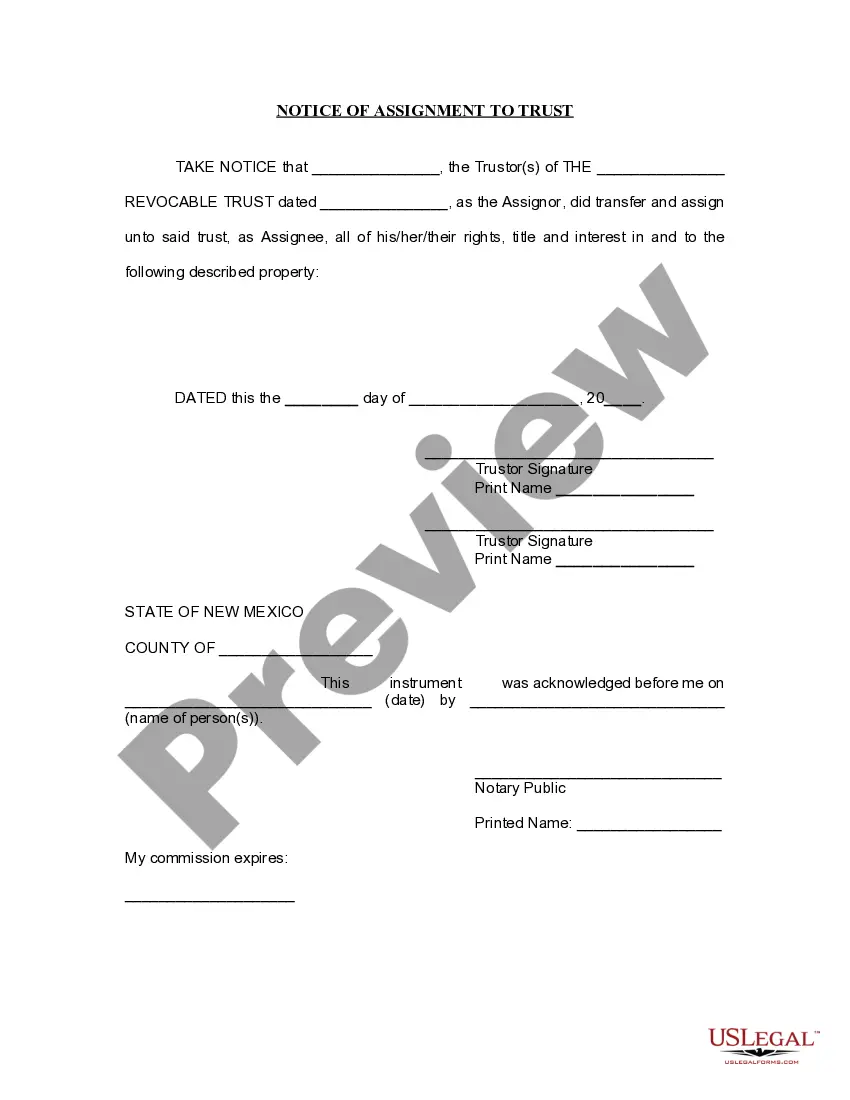
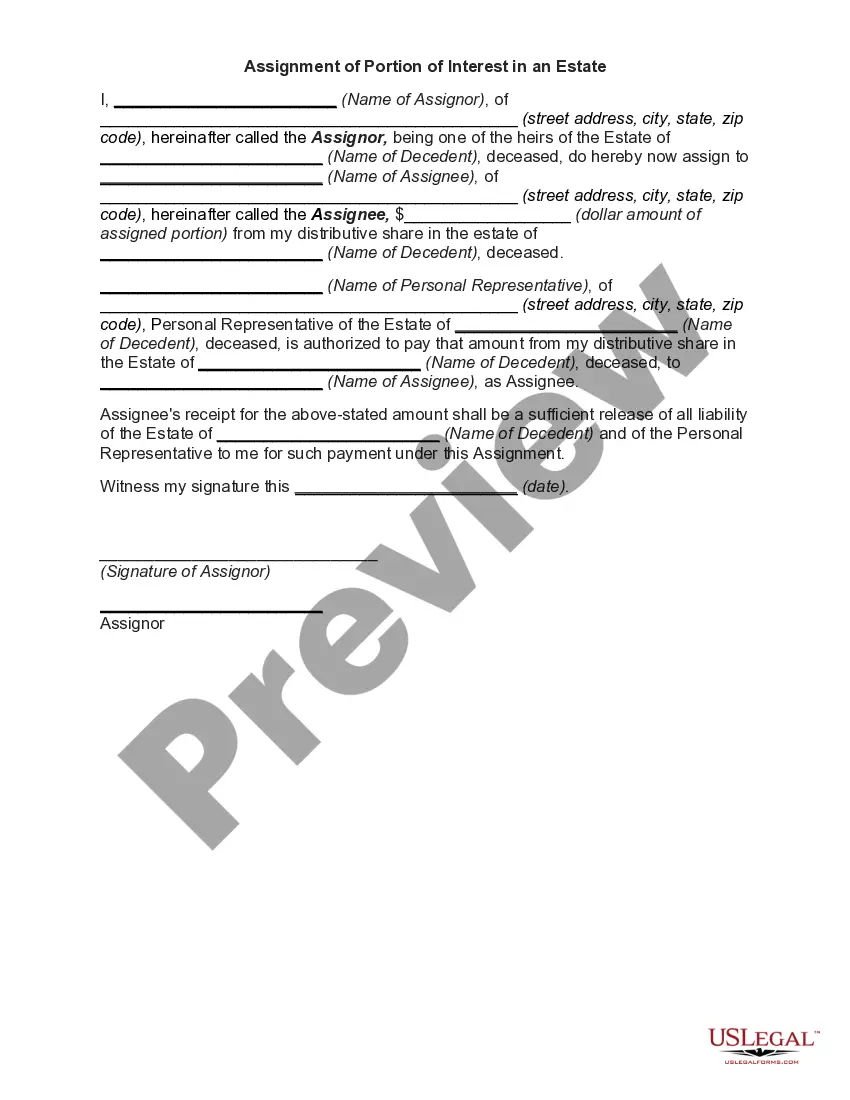
The Notice of Assignment to Living Trust is a legal document that serves as notification that a trustor has transferred their rights, title, and interest in specified property to a living trust. This form is essential for estate planning, ensuring that assets are effectively managed and distributed according to the trustor's wishes. Unlike other forms related to trust management, this notice specifically confirms the assignment of property to the trust, clarifying ownership and facilitating smoother asset management.
What’s included in this form
- Identification of the trustor(s) and the name of the revocable trust.
- Specification of the property being assigned to the trust.
- Signature of the trustor(s) to validate the transfer.
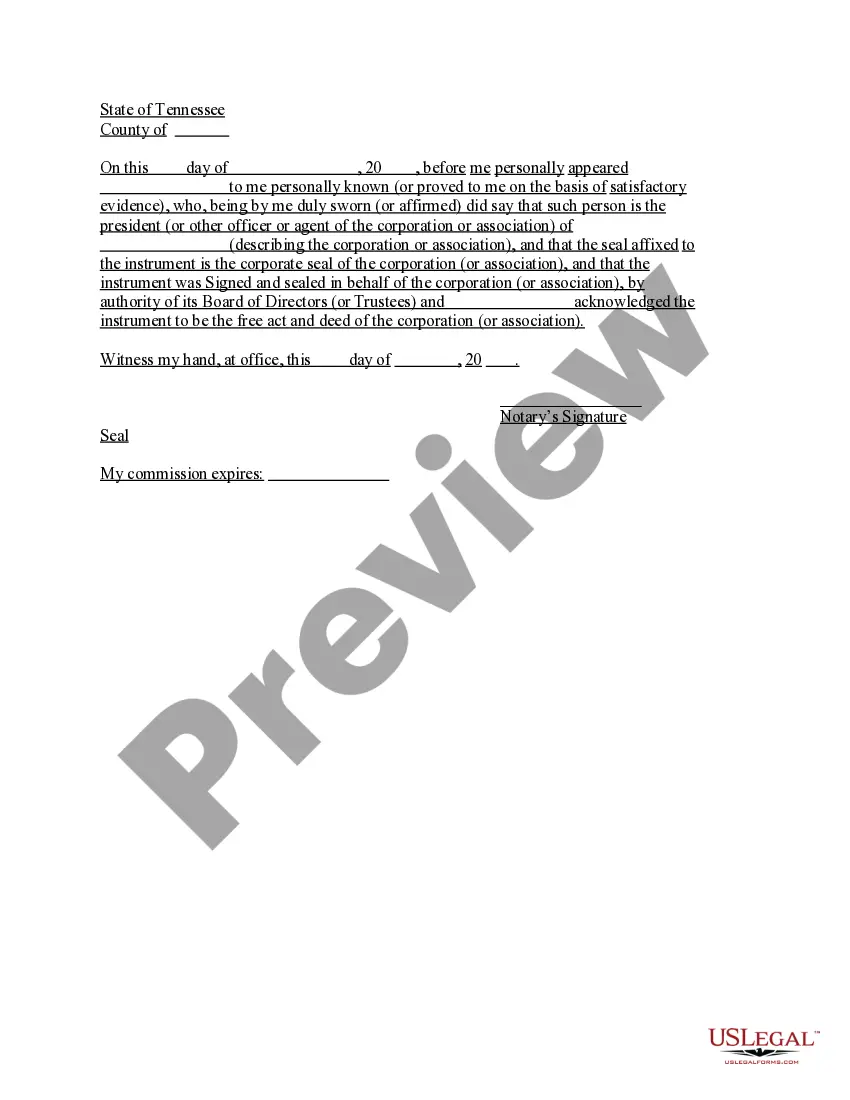
- Notary section to officially acknowledge the assignment.
When to use this document
This form is used when a trustor wants to formally transfer ownership of specific assets to a living trust they created. It is particularly important when updating estate plans or ensuring that newly acquired property is included in the trust. Use this document whenever a trustor wishes to define and document their intent to assign property to their living trust, ensuring clarity in estate planning and asset management.
Who this form is for
- Individuals creating or managing a living trust.
- Trustors who want to keep their estate planning current by documenting property assignments.
- Those involved in estate management, ensuring compliance with legal requirements regarding trust property.
Instructions for completing this form
- Identify the trustor(s) and the name of the revocable trust.
- Clearly describe the property being assigned to the trust.
- Have the trustor(s) sign the document in the specified area.
- Complete the notary section, including the date and signature of the notary public.
Does this form need to be notarized?
Notarization is required for this form to take effect. Our online notarization service, powered by Notarize, lets you verify and sign documents remotely through an encrypted video session, available 24/7.
Get your form ready online
Our built-in tools help you complete, sign, share, and store your documents in one place.
Make edits, fill in missing information, and update formatting in US Legal Forms—just like you would in MS Word.
Download a copy, print it, send it by email, or mail it via USPS—whatever works best for your next step.
Sign and collect signatures with our SignNow integration. Send to multiple recipients, set reminders, and more. Go Premium to unlock E-Sign.
If this form requires notarization, complete it online through a secure video call—no need to meet a notary in person or wait for an appointment.
We protect your documents and personal data by following strict security and privacy standards.

Make edits, fill in missing information, and update formatting in US Legal Forms—just like you would in MS Word.

Download a copy, print it, send it by email, or mail it via USPS—whatever works best for your next step.

Sign and collect signatures with our SignNow integration. Send to multiple recipients, set reminders, and more. Go Premium to unlock E-Sign.

If this form requires notarization, complete it online through a secure video call—no need to meet a notary in person or wait for an appointment.

We protect your documents and personal data by following strict security and privacy standards.
Typical mistakes to avoid
- Failing to accurately describe the property being assigned.
- Not having the form notarized, if required by state laws.
- Leaving out the trustor's signature, which invalidates the form.
Why complete this form online
- Convenience of downloading and completing the document at your own pace.
- Editability allows for easy updates to property descriptions or trustor information.
- Access to attorney-drafted templates ensures legal compliance and accuracy.
Quick recap
- The Notice of Assignment to Living Trust is critical for recording the transfer of property into a living trust.
- Accurate completion of the form, including notarization, is essential for legal validity.
- This form is beneficial for individuals involved in estate planning and management of trusts.
Looking for another form?


Form popularity
FAQ
Assuming you decide you want a revocable living trust, how much should you expect to pay? If you are willing to do it yourself, it will cost you about $30 for a book, or $70 for living trust software. If you hire a lawyer to do the job for you, get ready to pay between $1,200 and $2,000.
1Determine the Current Title and Vesting to Your Property.2Prepare a Deed.3Be Aware of Your Lender and Title Insurance.4Prepare a Preliminary Change of Ownership Report.5Execute Your Deed.6Record Your Deed.7Wait for the Deed to be Returned.8Keep the Property in the Trust.
Determine the Current Title and Vesting to Your Property. Prepare a Deed. Be Aware of Your Lender and Title Insurance. Prepare a Preliminary Change of Ownership Report. Execute Your Deed. Record Your Deed. Wait for the Deed to be Returned. Keep the Property in the Trust.
A will and a trust are separate legal documents that typically share a common goal of facilitating a unified estate plan.Since revocable trusts become operative before the will takes effect at death, the trust takes precedence over the will, when there are discrepancies between the two.
Funding a Trust Is Expensive... This is the major drawback to using a revocable living trust for many people, but it's not worth the time, money, and effort to create one if the trust isn't fully funded.
Choose whether to make an individual or shared trust. Decide what property to include in the trust. Choose a successor trustee. Decide who will be the trust's beneficiaries who will get the trust property. Create the trust document.
No, you don't need a lawyer to set up a trust, but it might be a good idea to seek legal advice to ensure the trust is set up correctly and that you have considered all long-term financial and estate planning aspects of the trust.Some living trusts are revocable, which means the trust can be changed at any time.
When you create a DIY living trust, there are no attorneys involved in the process. You will need to choose a trustee who will be in charge of managing the trust assets and distributing them.You'll also need to choose your beneficiary or beneficiaries, the person or people who will receive the assets in your trust.
As of 2019, attorney fees can range from $1,000 to $2,500 to set up a trust, depending upon the complexity of the document and where you live. You can also hire an online service provider to set up your trust. As of 2019, you can expect to pay about $300 for an online trust.