New Mexico Order for Support of Community Support
Overview of this form
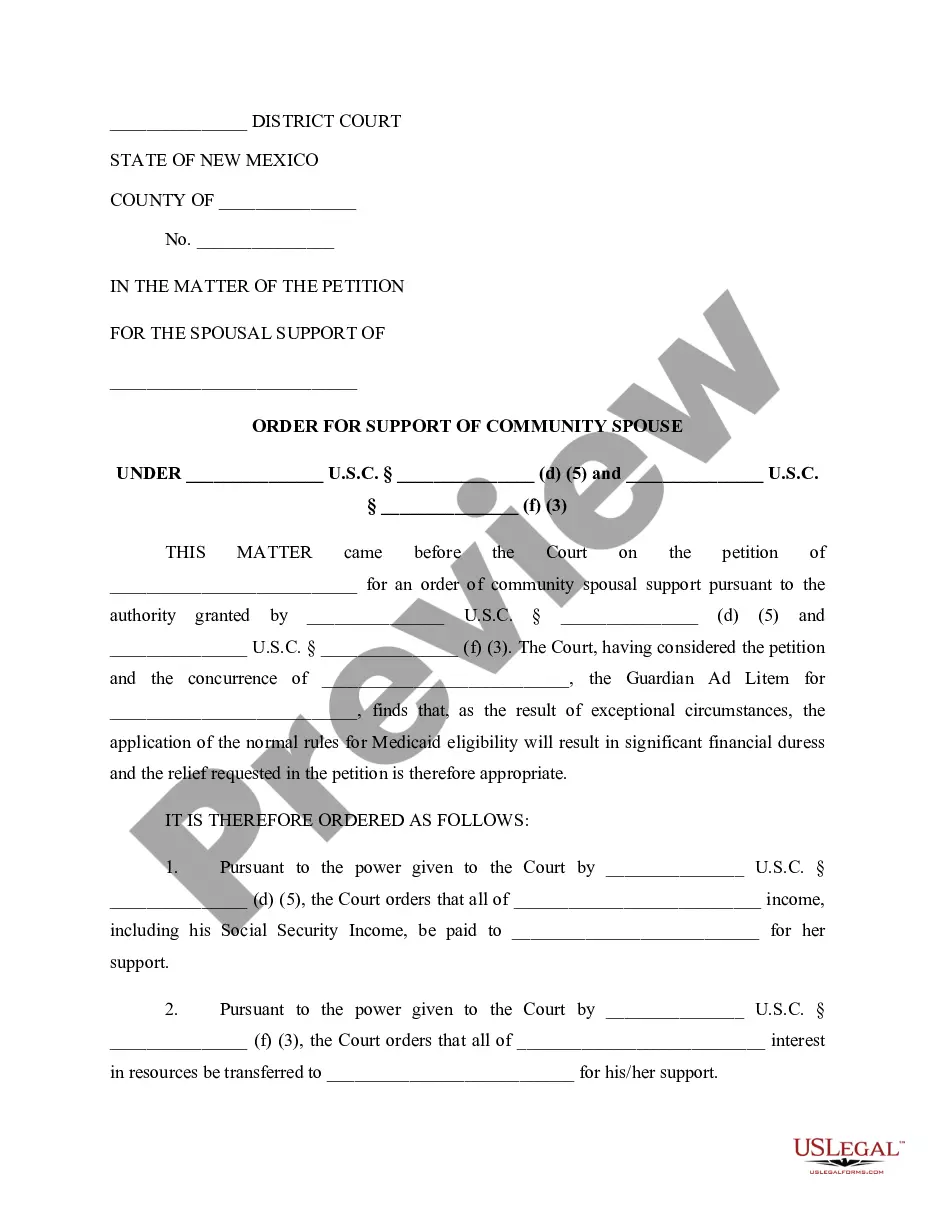
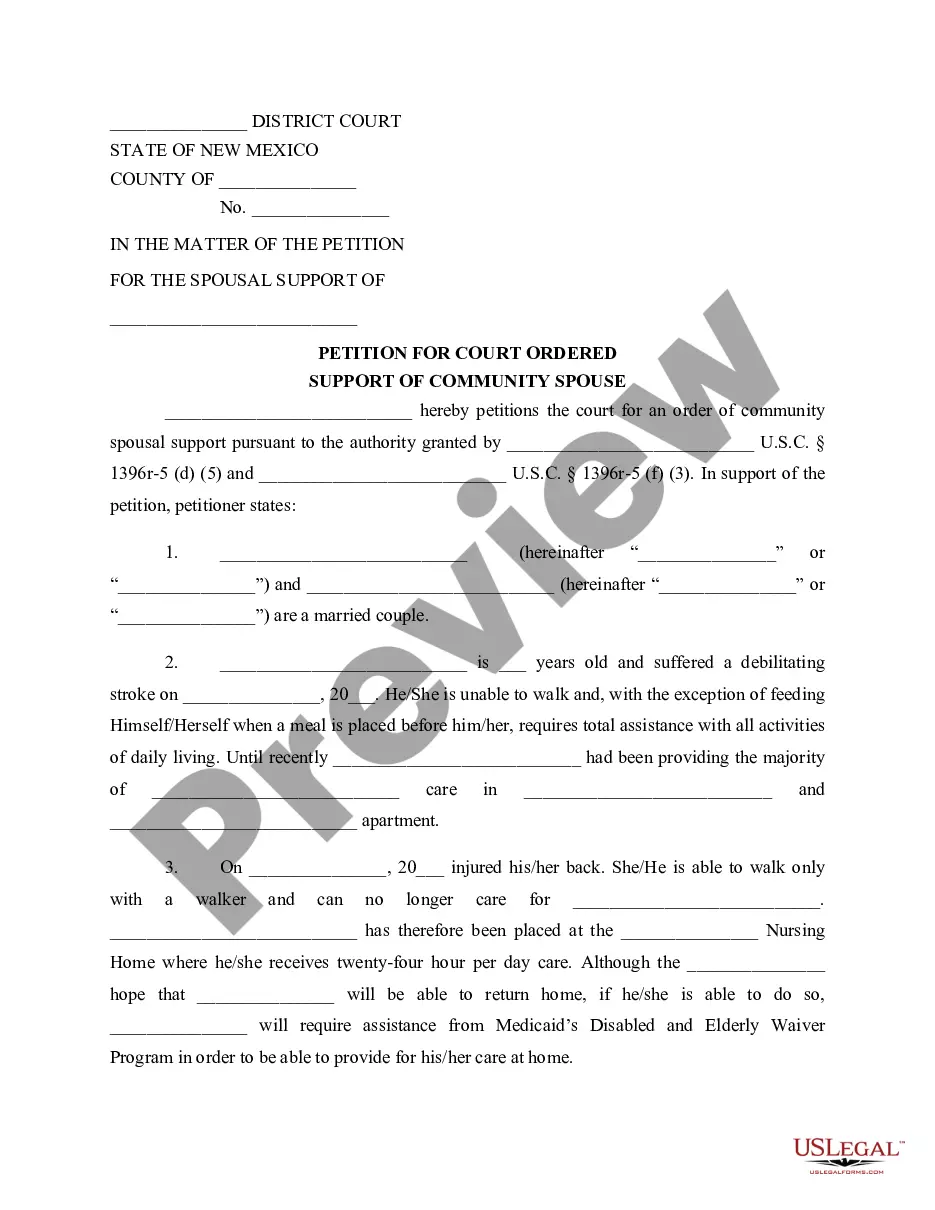
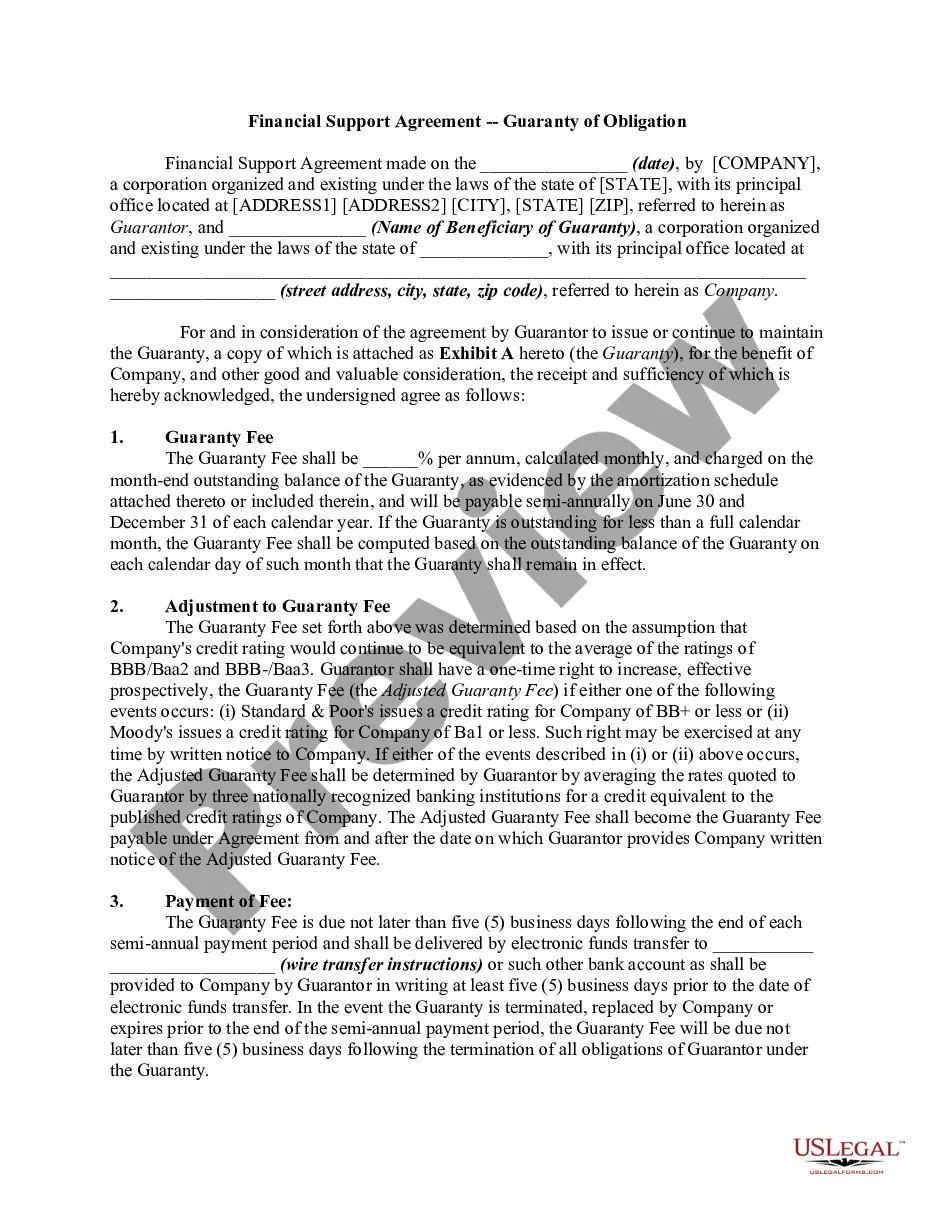
The Order for Support of Community Support is a legal document issued by the court to provide spousal support to a spouse with special needs. This order allows support to be funded through the recipient's Social Security income. It is specifically tailored for cases where normal Medicaid eligibility rules would create significant financial hardship, distinguishing it from typical spousal support orders.
Form components explained
- Identification of the district court and relevant state.
- Details of the petitioner seeking support and the spouse receiving support.
- Citations of relevant U.S. Code provisions governing the order.
- Specific terms for the allocation of income and resources to the spouse with special needs.
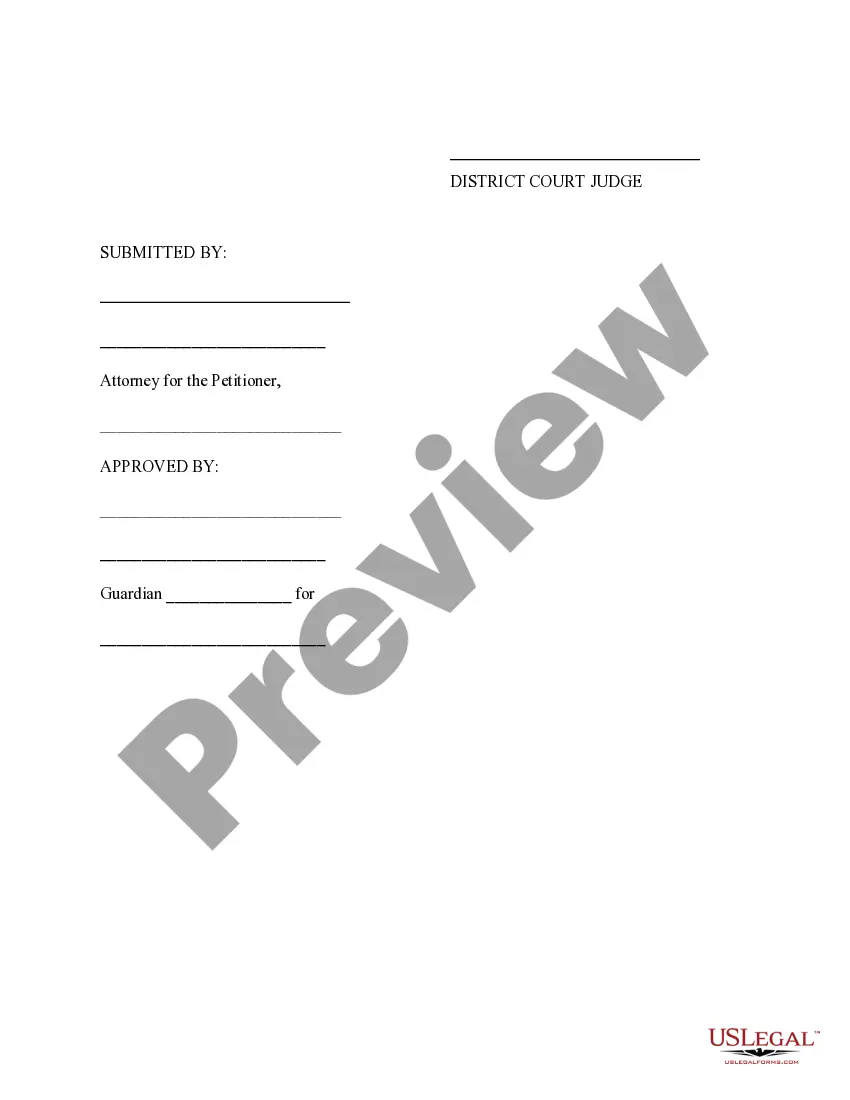
- Signature lines for the court judge and representatives involved.
Situations where this form applies
This form should be used when a spouse with special needs requires financial support from their partner's Social Security income, particularly in situations where the standard Medicaid eligibility could impose undue hardship. This could be relevant in divorce proceedings or when seeking financial protection for a spouse with disabilities.
Intended users of this form
- Individuals legally married to a spouse with special needs.
- Petitioners seeking court-ordered financial support for their partner.
- Guardians or legal representatives of the spouse requiring support.
Instructions for completing this form
- Fill in the district court name and the county where the petition is being filed.
- Enter the names of the petitioner and the spouse receiving support.
- Cite the relevant U.S. Code sections that authorize the court to issue this order.
- Specify the income sources and resources to be allocated to the spouse for their support.
- Include signatures for the court judge and the Attorney and Guardian Ad Litem as required.
Does this document require notarization?
This form does not typically require notarization unless specified by local law. However, it is advisable to check with your legal advisor to ensure compliance with any specific requirements in your jurisdiction.
Get your form ready online
Our built-in tools help you complete, sign, share, and store your documents in one place.
Make edits, fill in missing information, and update formatting in US Legal Forms—just like you would in MS Word.
Download a copy, print it, send it by email, or mail it via USPS—whatever works best for your next step.
Sign and collect signatures with our SignNow integration. Send to multiple recipients, set reminders, and more. Go Premium to unlock E-Sign.
If this form requires notarization, complete it online through a secure video call—no need to meet a notary in person or wait for an appointment.
We protect your documents and personal data by following strict security and privacy standards.

Make edits, fill in missing information, and update formatting in US Legal Forms—just like you would in MS Word.

Download a copy, print it, send it by email, or mail it via USPS—whatever works best for your next step.

Sign and collect signatures with our SignNow integration. Send to multiple recipients, set reminders, and more. Go Premium to unlock E-Sign.

If this form requires notarization, complete it online through a secure video call—no need to meet a notary in person or wait for an appointment.

We protect your documents and personal data by following strict security and privacy standards.
Mistakes to watch out for
- Failing to provide complete identification details for both parties.
- Omitting or incorrectly citing the U.S. Code references.
- Not having the form signed by all necessary parties, including the judge and guardian.
Why complete this form online
- Convenient download and access from any device.
- Easily editable to reflect specific personal circumstances.
- Reliable templates drafted by licensed attorneys to ensure compliance with legal standards.
Legal use & context
- This order must be aligned with state law governing spousal support and Social Security claims.
- Enforceability may depend on the circumstances outlined in the petition and the court's discretion.
- Consultation with a legal professional is advised to navigate potential limitations or enforceability issues.
Looking for another form?
Form popularity
FAQ
So, how far back can you go? Generally, the Supreme Court indicated you can usually go back 3 years for retroactive child support (based primarily on the timeline for financial disclosure obligations set out in the federal and provincial Child Support Guidelines).
Generally and specifically under some state laws, the parent to whom support was awarded retains the right to collect support arrearages even if the child is now an adult.In most cases, an adult child does not have legal standing to directly sue his or her parent for unpaid child support.
The Deadbeat Parents Punishment Act (DDPA) of 1998, amended the CSRA. The DDPA entails felony punishment for a parent who moves to another state, or country, with the intention of evading child support payments if the debt has remained unpaid for over a year or is greater than $5,000.
Potential Jail Time and Fines. In the event that it is found that a parent has not paid support as ordered, Federal and New Mexico child support laws include numerous methods for collecting back child support payments.In addition, the Court Order of Child Support is enforceable through contempt proceedings.
EPC is arguably the most sought-after transitional living facility in New Mexico and offers a very unique program designed to help individuals dealing with addiction/homelessness. The EPC program also offers intensive case management and therapy for those in need.
The NMDWS Unemployment Insurance call center is open from a.m. to p.m., Monday through Friday. Self-service options via the 1-877-NM4-MYUI (1-877-664-6984) toll-free number are available 24 hours/day. To access the UI Claims online system, click on the blue "UI Claims System" button.
The court orders a flat percentage of 25% of the non-custodial parent's income to be paid in child support to the custodial parent. Therefore, the non-custodial parent pays $500 per month in child support.
The statute of limitations for New Mexico child support is 14 years, but the court may determine if an individual needs to continue making payments.