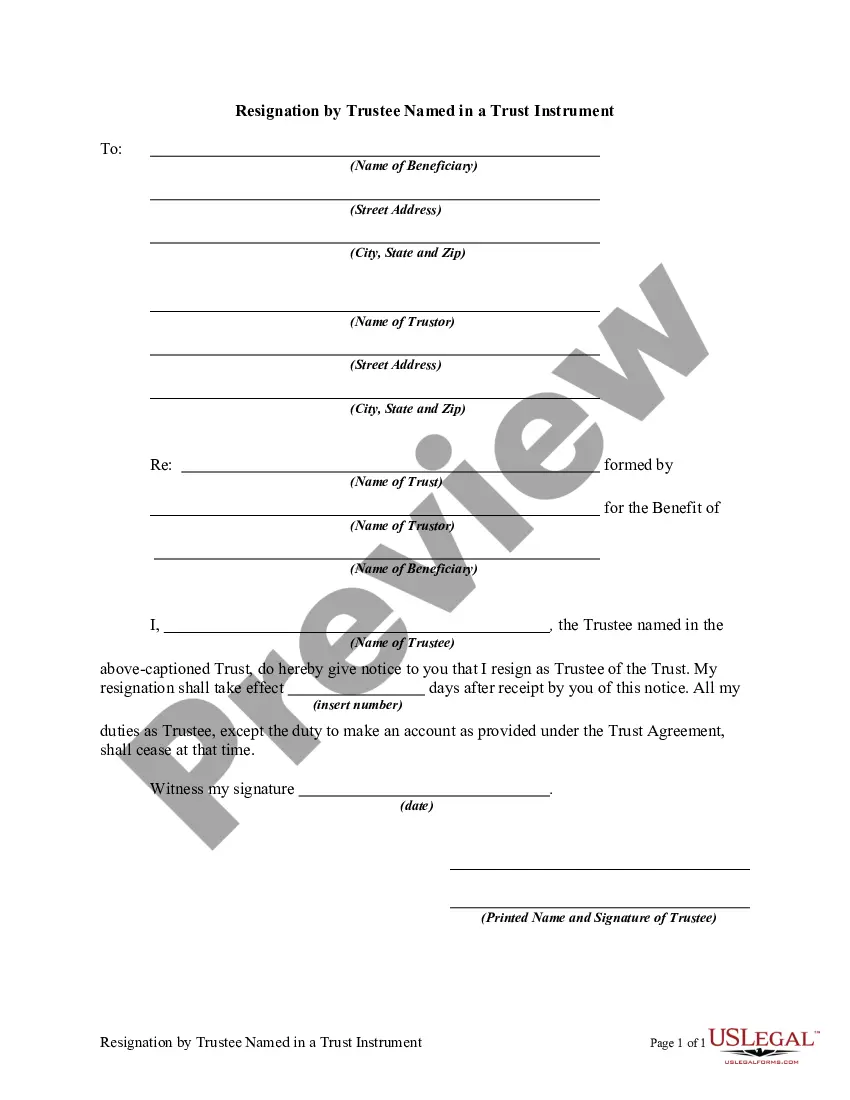
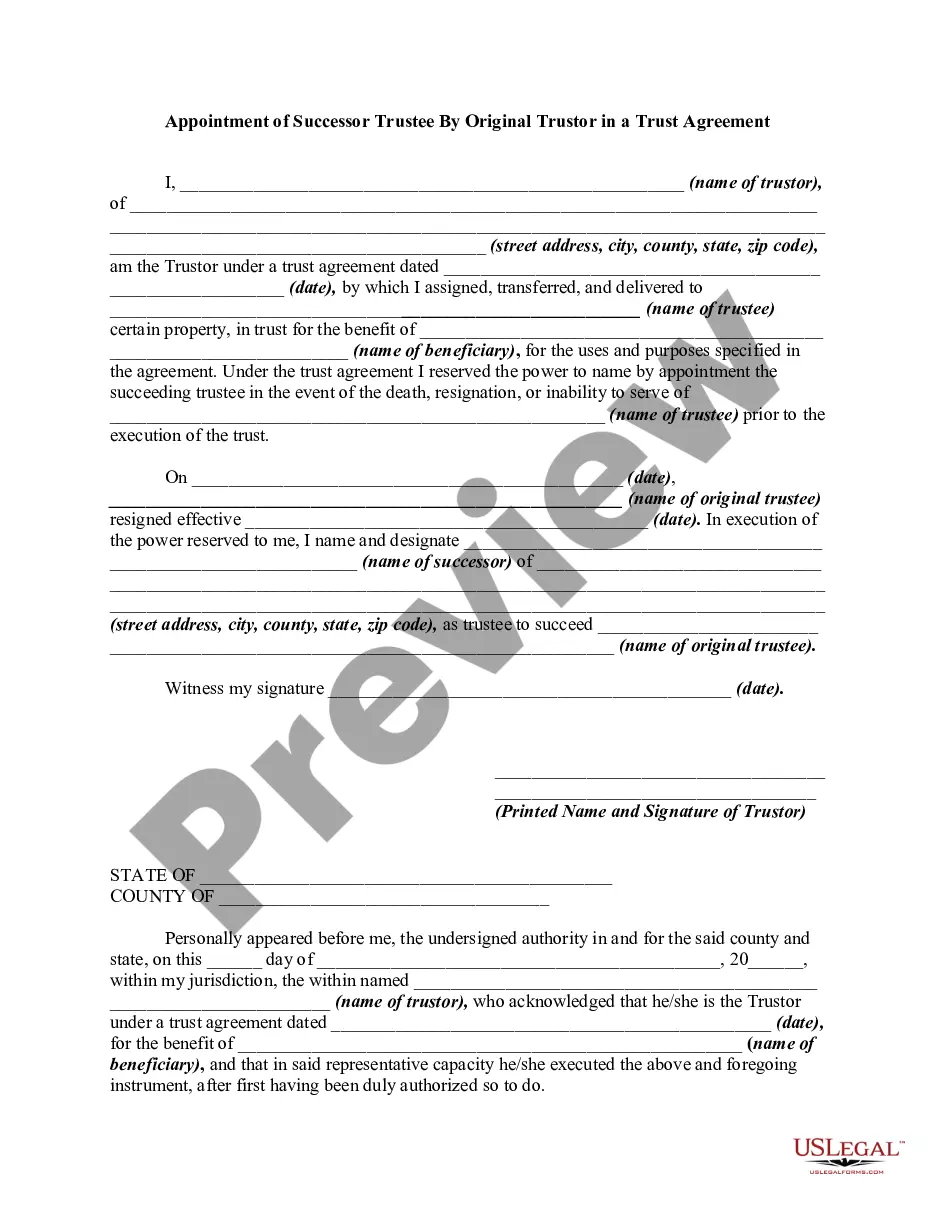
New Jersey Personal Financial Information Organizer
Description
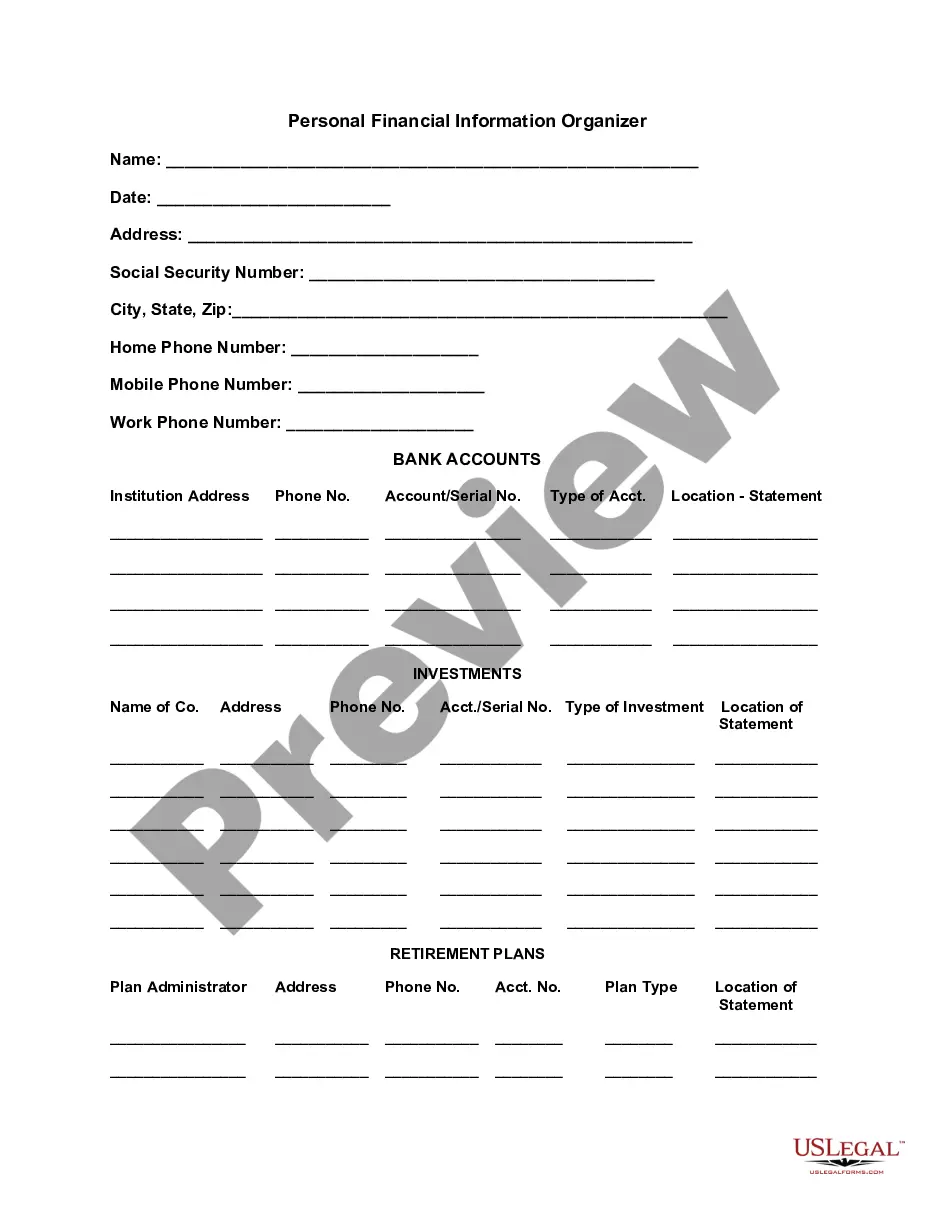
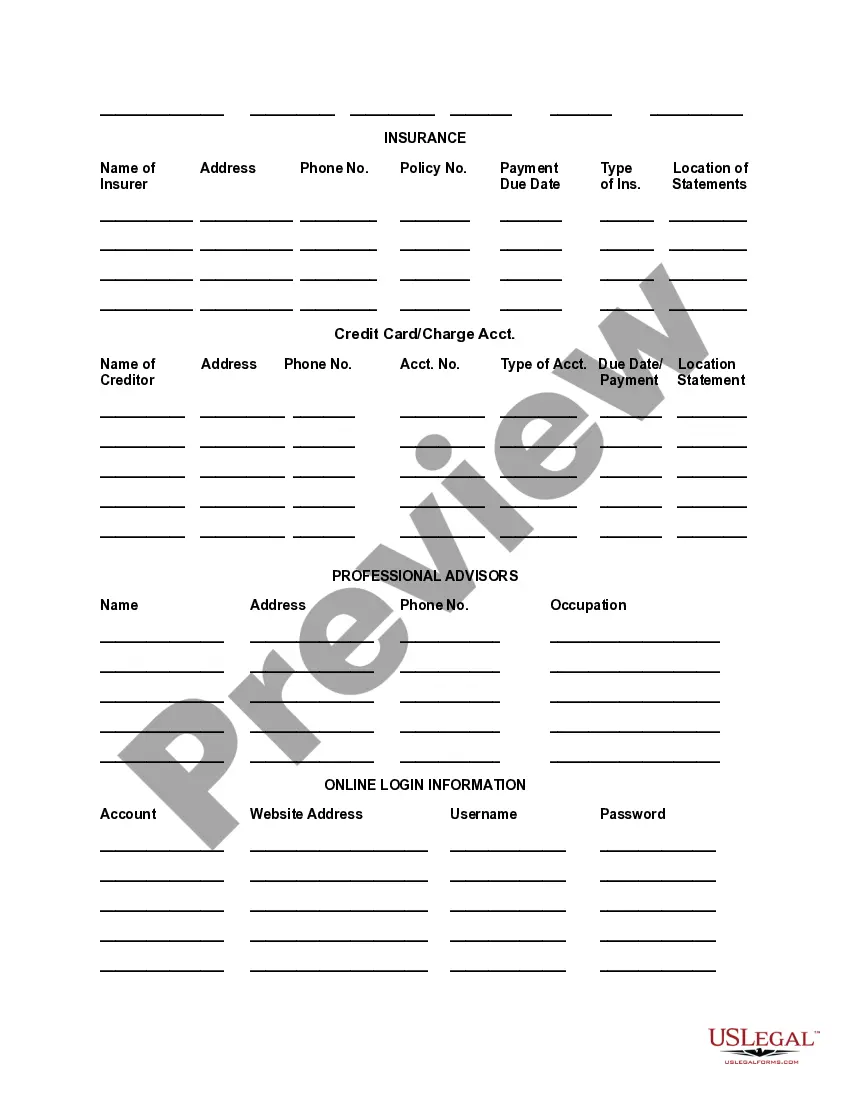
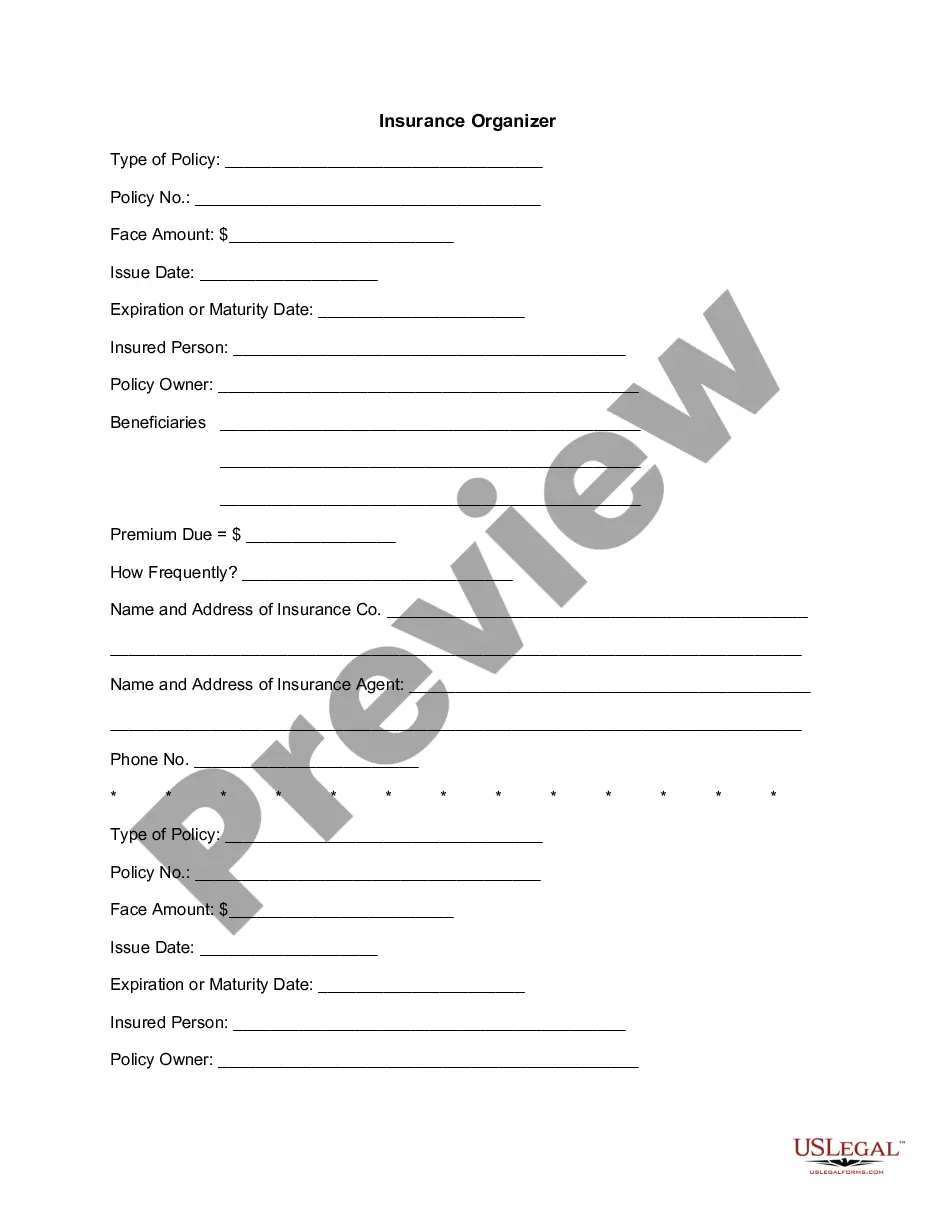
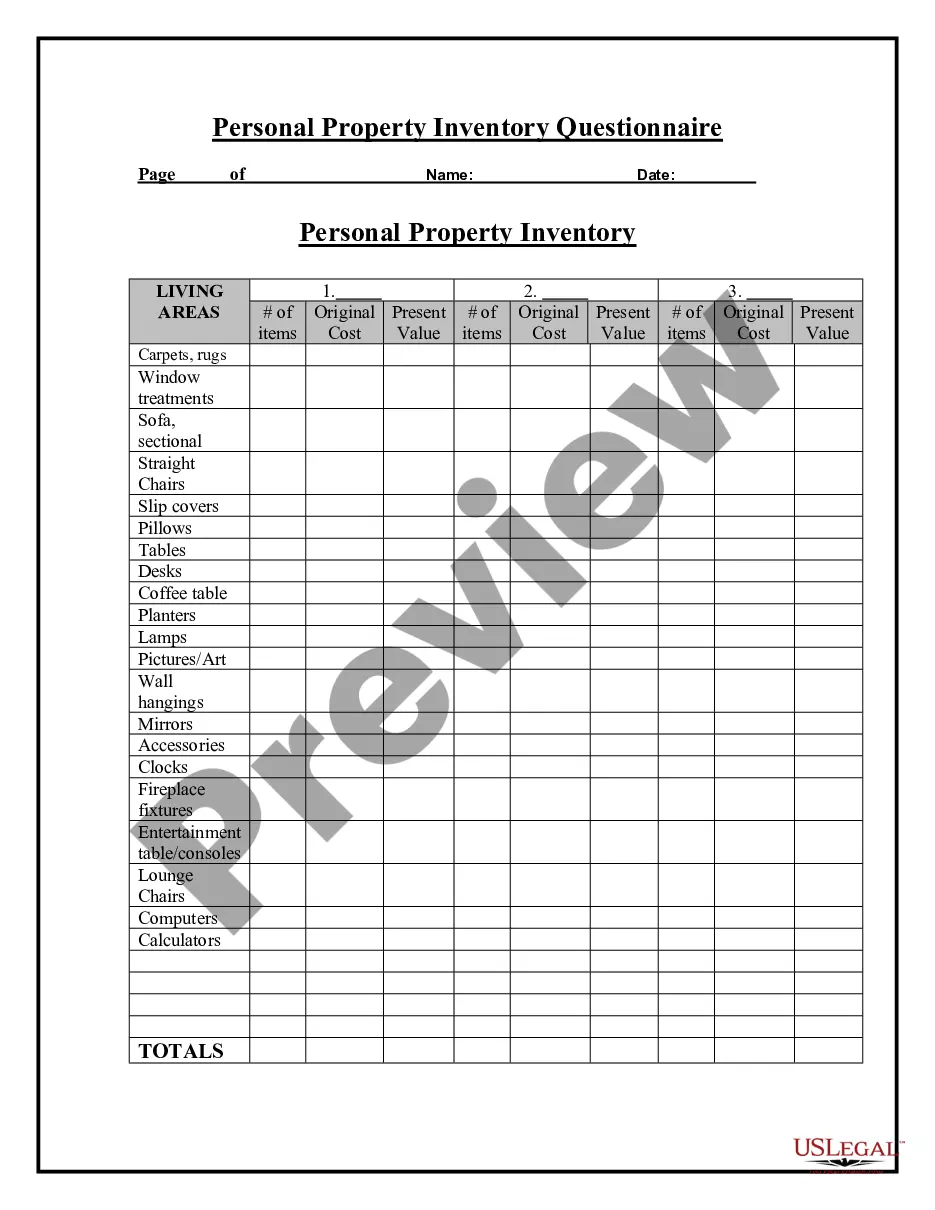
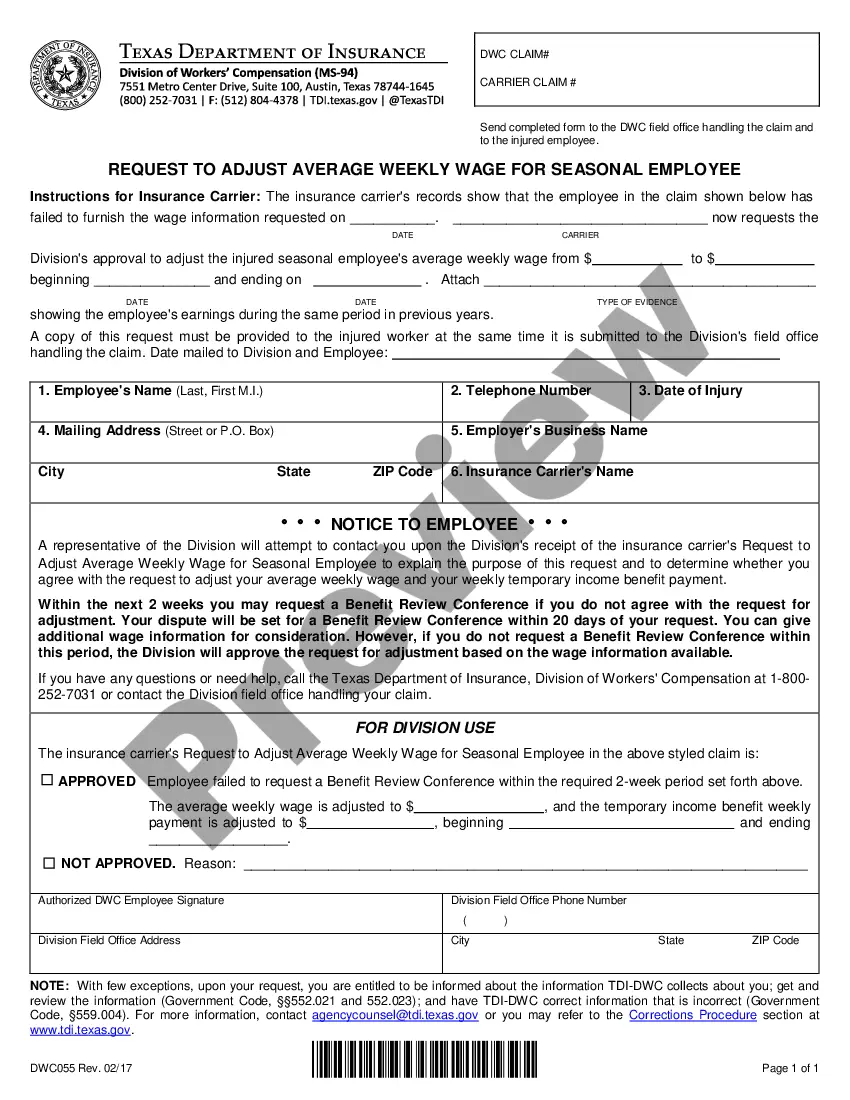
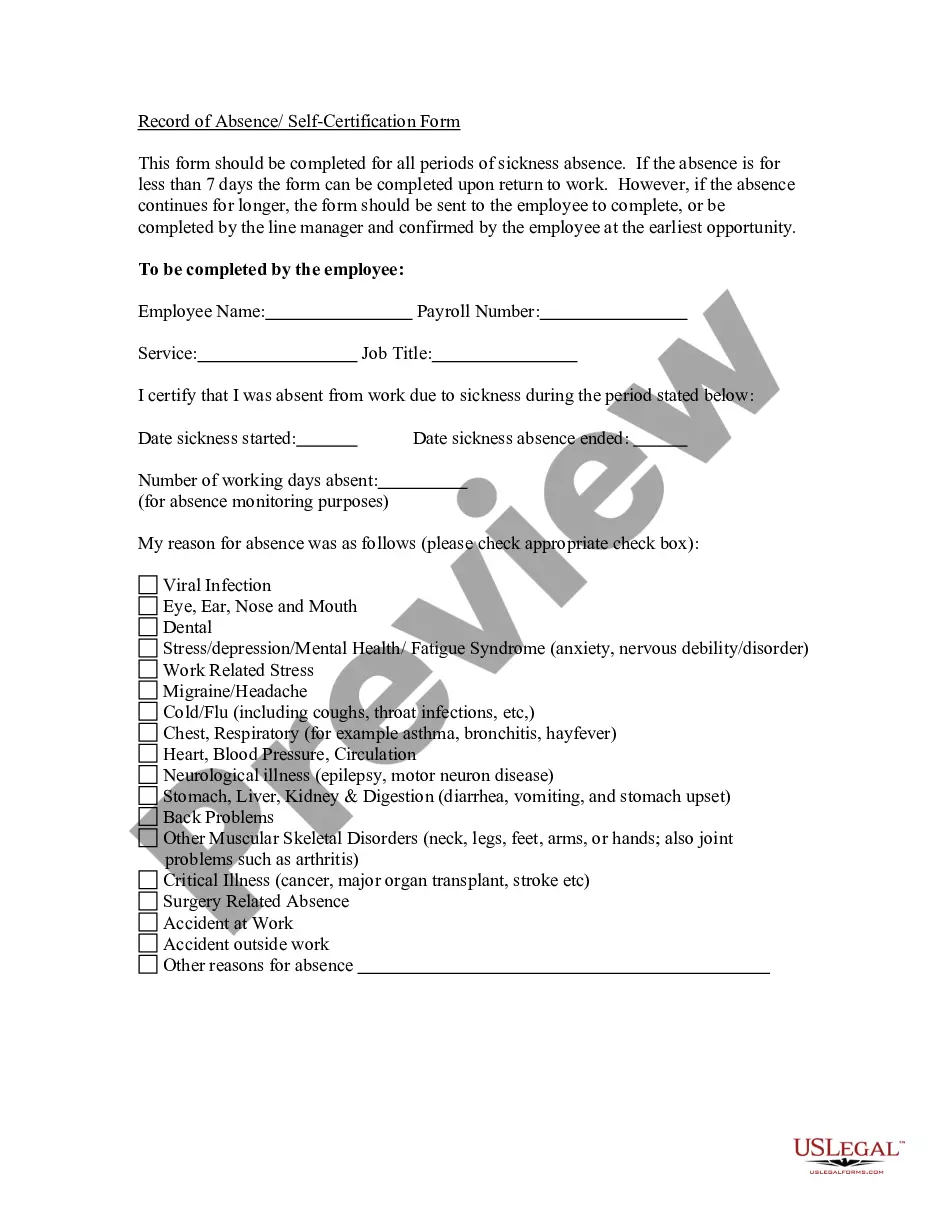

How to fill out Personal Financial Information Organizer?
US Legal Forms - one of the largest collections of legal documents in the United States - offers a vast array of legal form templates that you can download or print.
By using the website, you can access thousands of forms for business and personal purposes, organized by categories, states, or keywords. Discover the latest versions of forms such as the New Jersey Personal Financial Information Organizer in moments.
If you already possess a membership, Log In and obtain the New Jersey Personal Financial Information Organizer from the US Legal Forms library. The Download button will appear on every document you view.
When you are satisfied with the form, confirm your choice by clicking the Acquire now button. Then, select the payment plan that suits you and provide your information to register for an account.
Complete the transaction. Use your credit card or PayPal account to finalize the purchase. Select the format and download the form to your device. Make changes. Fill out, modify, print, and sign the saved New Jersey Personal Financial Information Organizer.
Each template you add to your account has no expiration date and belongs to you indefinitely. Therefore, to obtain or print another copy, just visit the My documents section and click on the form you desire. Access the New Jersey Personal Financial Information Organizer with US Legal Forms, the most extensive library of legal document templates. Utilize a multitude of professional and state-specific templates that meet your business or personal needs and requirements.
- Access all previously stored forms in the My documents section of your account.
- To begin using US Legal Forms for the first time, follow these simple steps.
- Ensure you have selected the correct form for your city/state.
- Click on the Review button to examine the form’s details.
- Check the form information to verify that you have chosen the appropriate document.
- If the form does not meet your requirements, use the Search field at the top of the page to find one that does.
Form popularity
FAQ
Financial records represent a formal records or written reports of financial activities of an entity to quantify financial performance and financial strength.
An effective system for maintaining financial documents should include a home file for personal documents that are not hard to replace such as bank statements; a safe deposit box for important documents such as titles, birth certificates, and valuable collectables; and a home computer for budgets, transactions, and
You could go the traditional route and use a simple set of labeled folders in a file drawer. More important documents should be kept in a fire-resistant file cabinet, safe, or safe-deposit box. If space is tight and you need to reduce clutter, you might consider electronic storage for some of your financial records.
How are the roles of maintaining financial records and managing opportunity costs in a sound financial plan similar and different? they are similar because if you want to see and talk about opportunity coasts you need to know what you financial plans are and how you are doing with your payments.
With organized records, you can find documents easily, handle tax disputes with confidence, document ownership of specific assets, potentially save money on taxes (e.g., capital gains tax calculations), and help others handle your financial affairs, if necessary.
You could go the traditional route and use a simple set of labeled folders in a file drawer. More important documents should be kept in a fire-resistant file cabinet, safe, or safe-deposit box. If space is tight and you need to reduce clutter, you might consider electronic storage for some of your financial records.
Organize regular bills and financial statements by the month or by the account (your preference). It is usually easiest to stick with either hanging files or an expanding file. When organizing by account, be sure to arrange documents in chronological order within each file so they are easier to find later on.
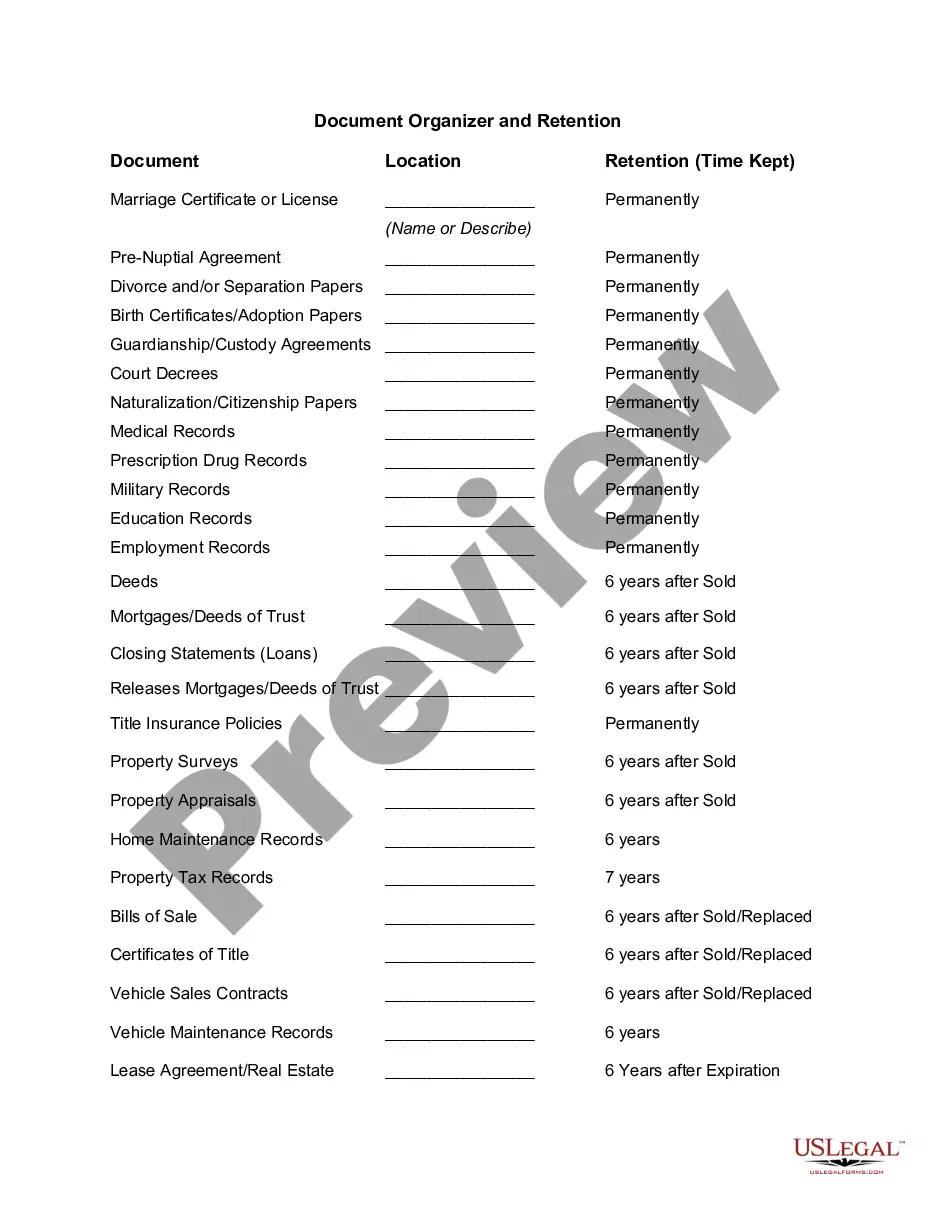
Generally, a good rule of thumb is to keep financial records and documents only as long as necessary. For example, you may want to keep ATM and credit-card receipts only temporarily, until you've reconciled them with your bank and/or credit-card statement.
Stop searching high and low for important papers, coupons, and receipts. Instead, sort papers by type and organize each subject in lidded file boxes or stackable plastic bins. To keep things organized, designate an hour each month to sort through the containers.