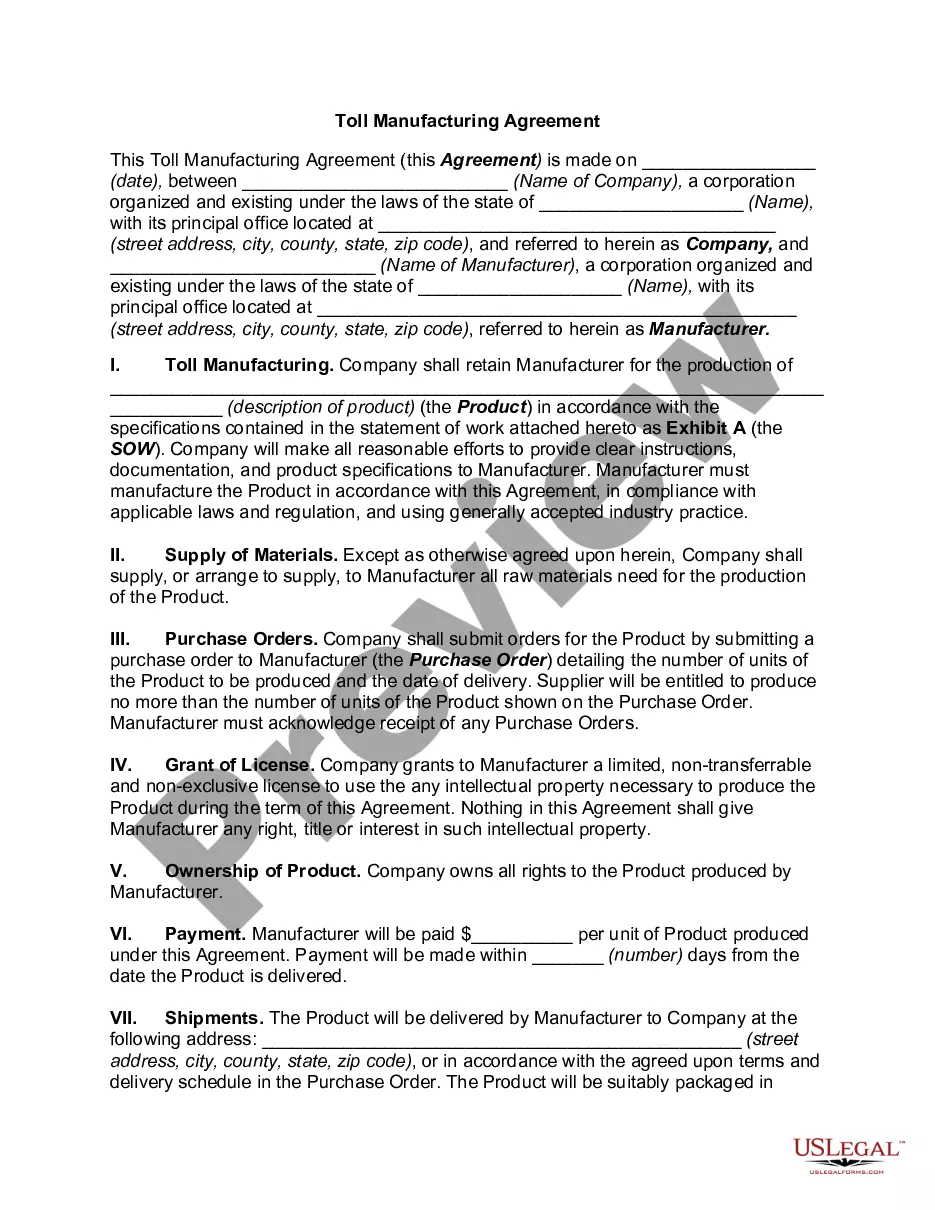
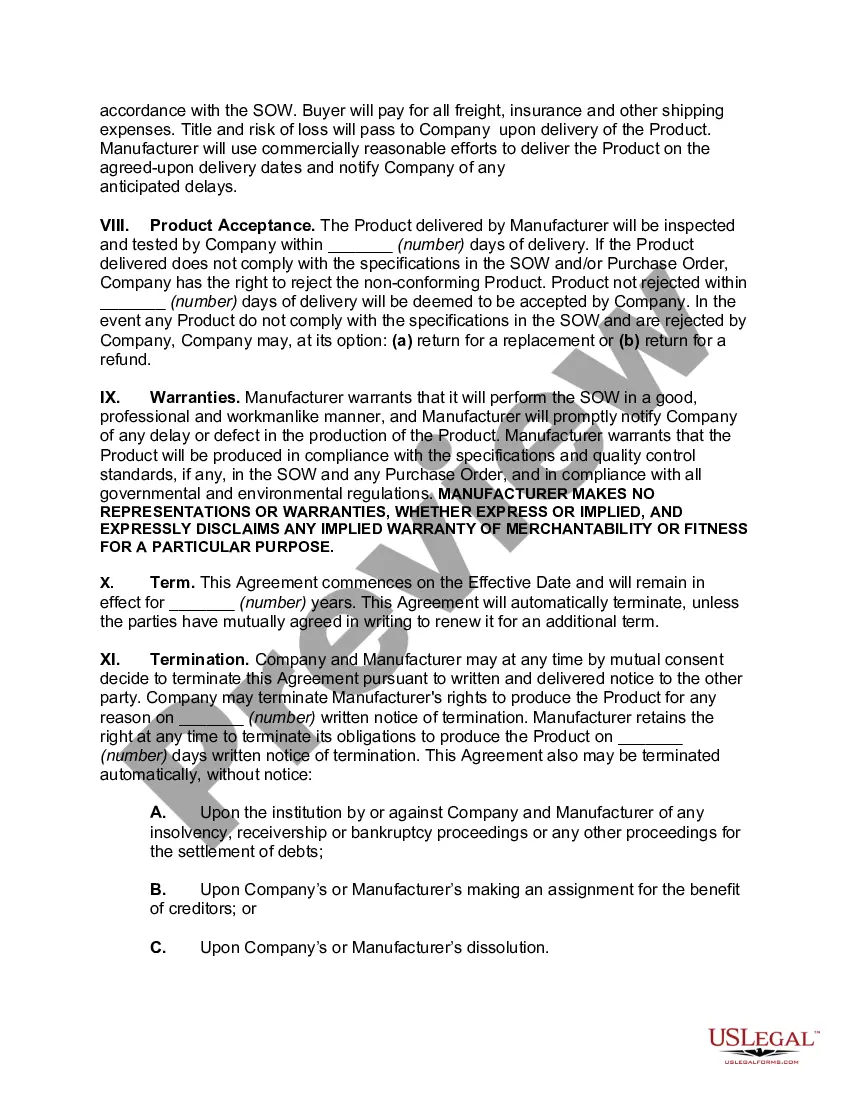
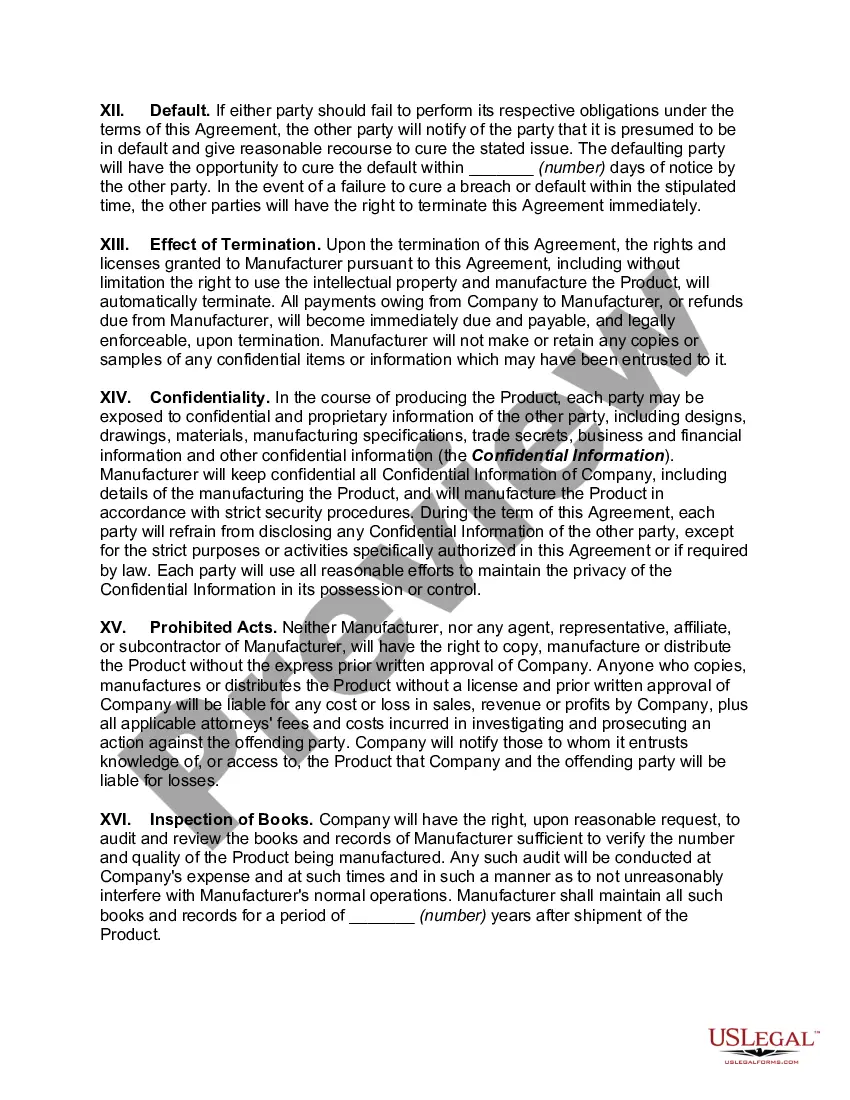
New Jersey Toll Manufacturing Agreement
Description
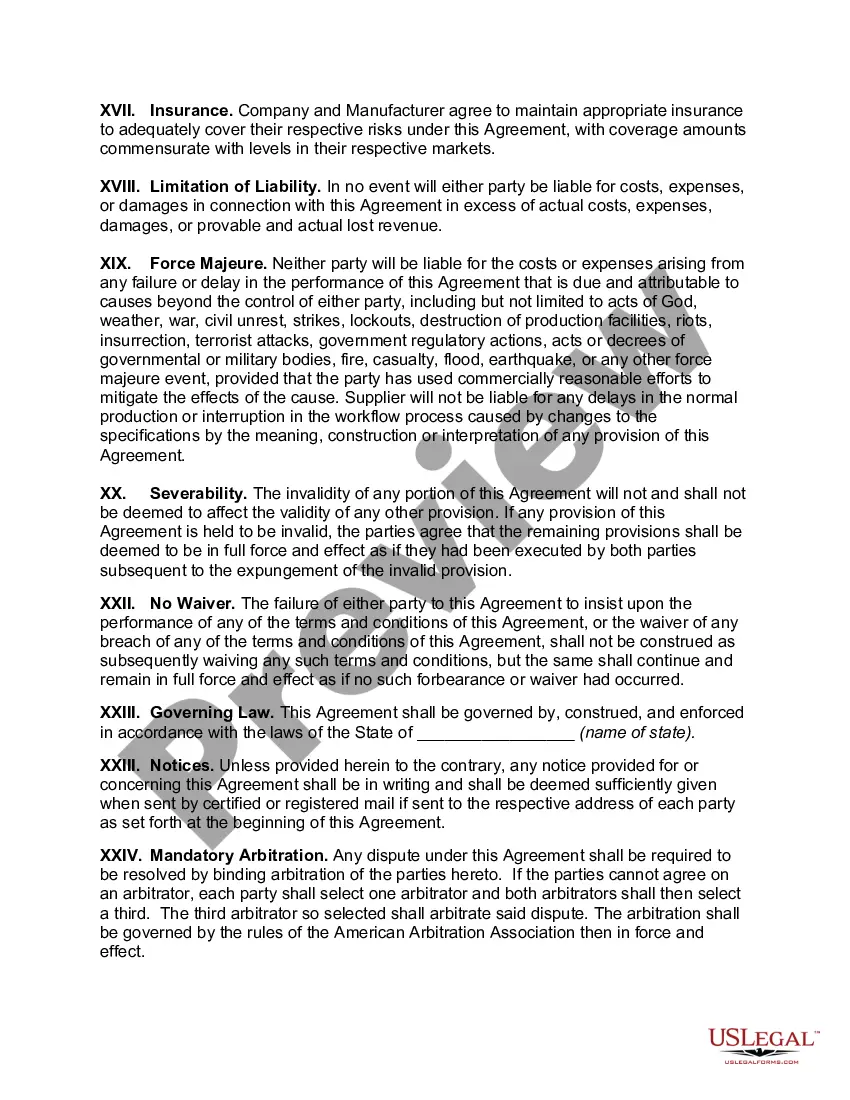
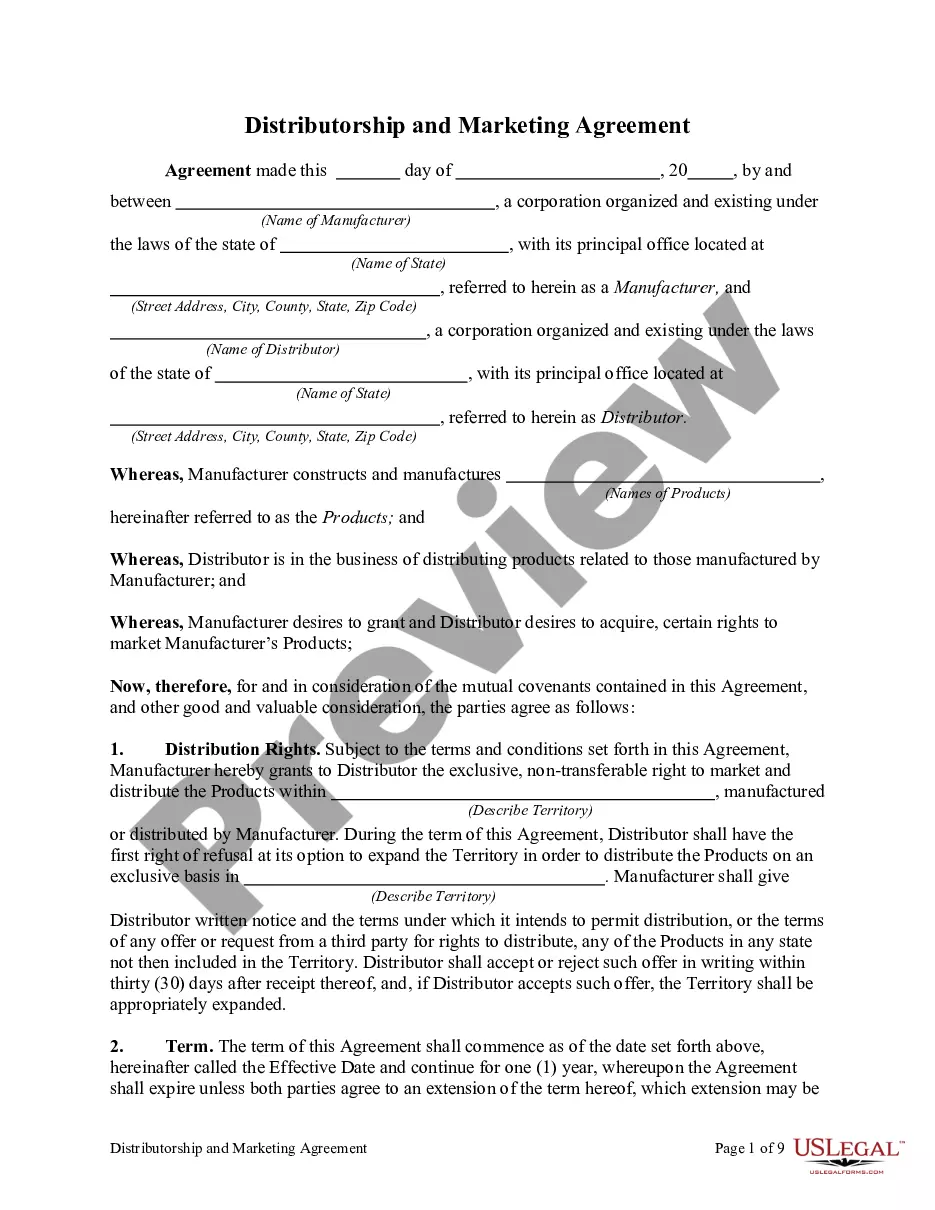
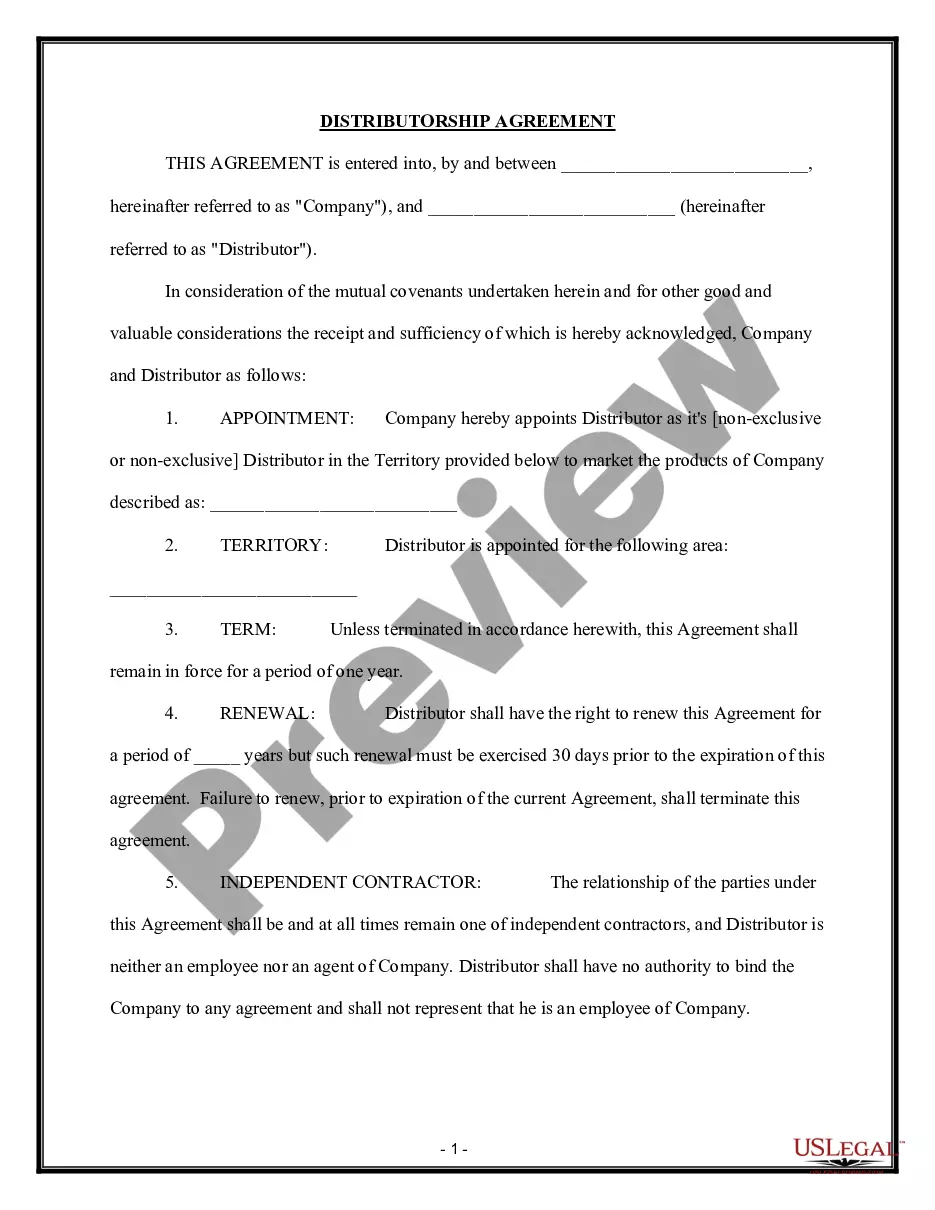
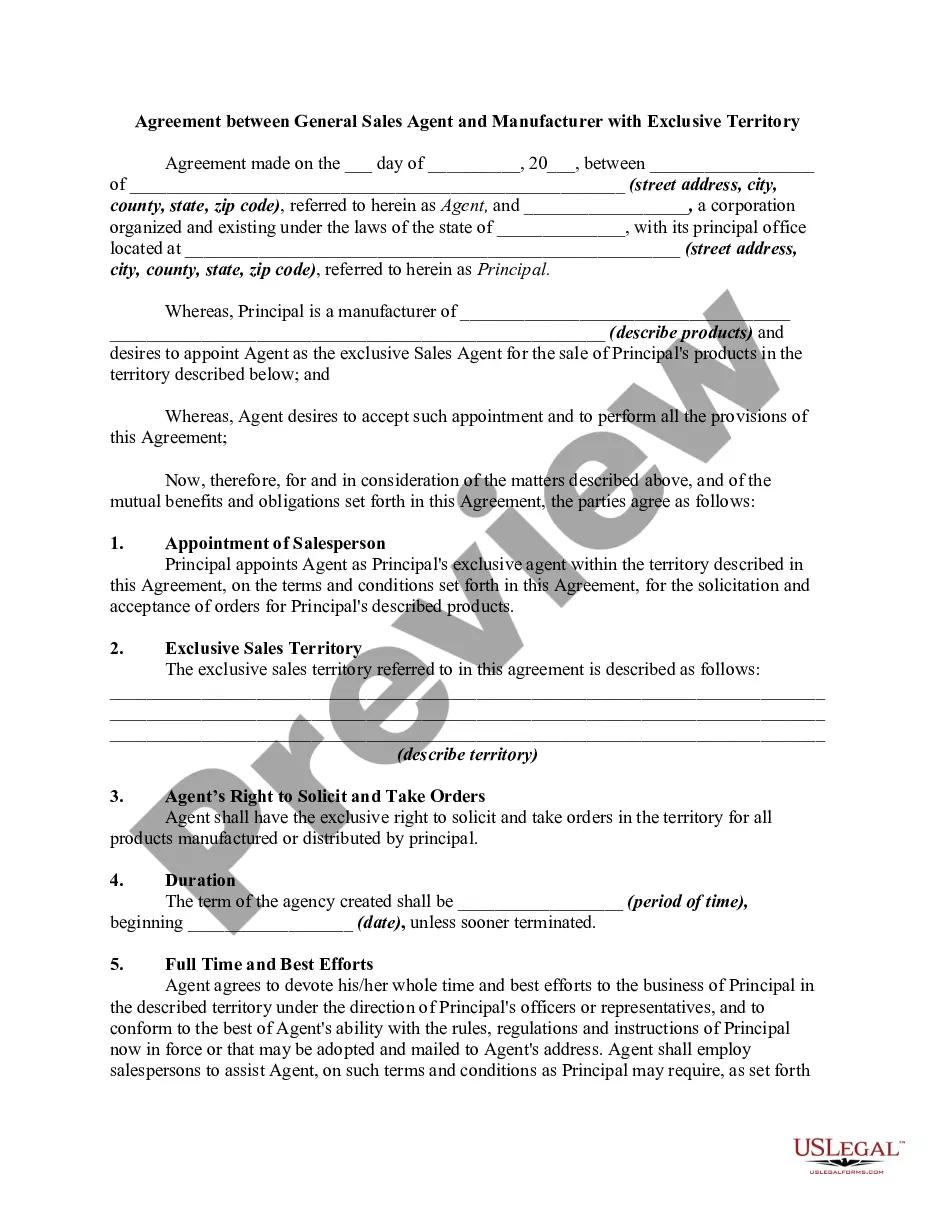
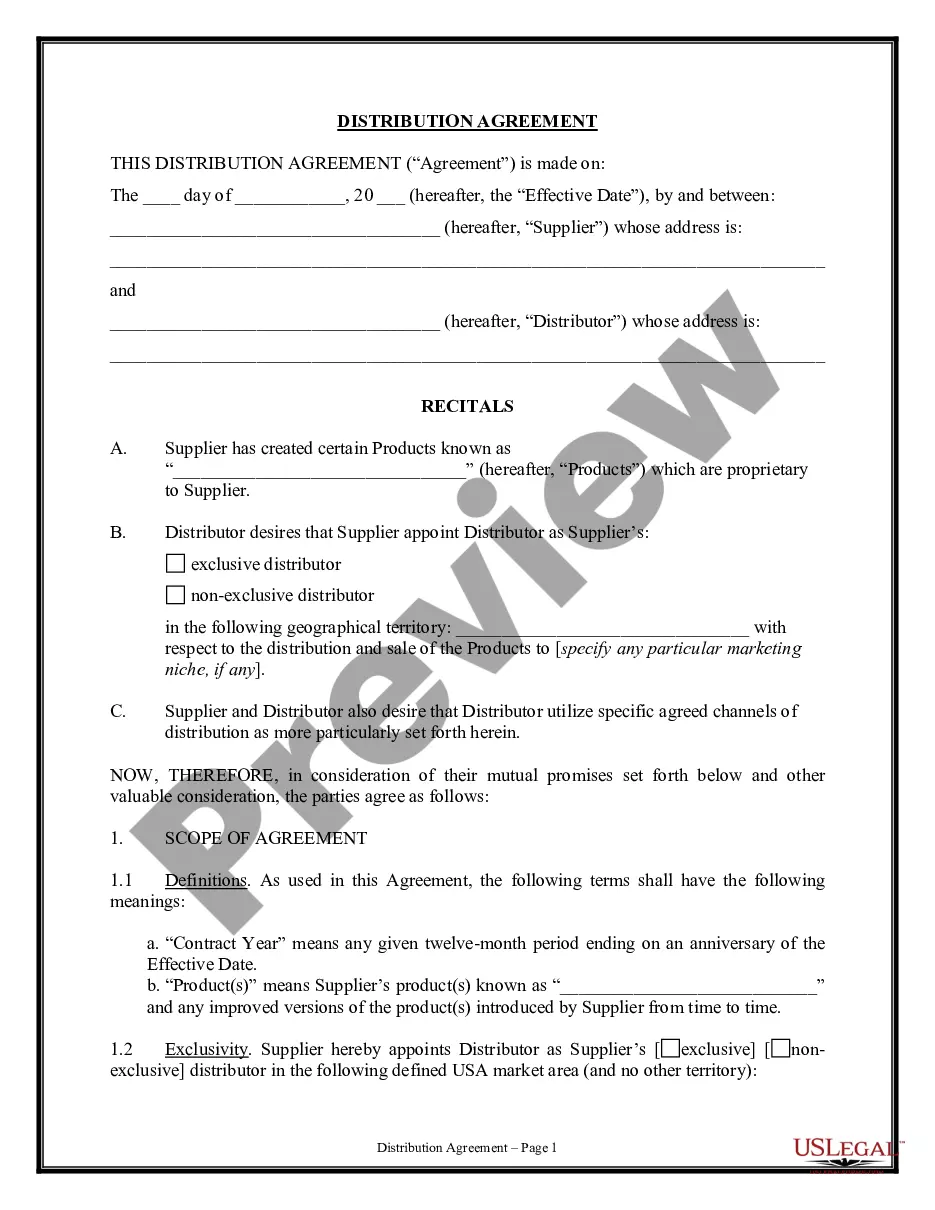
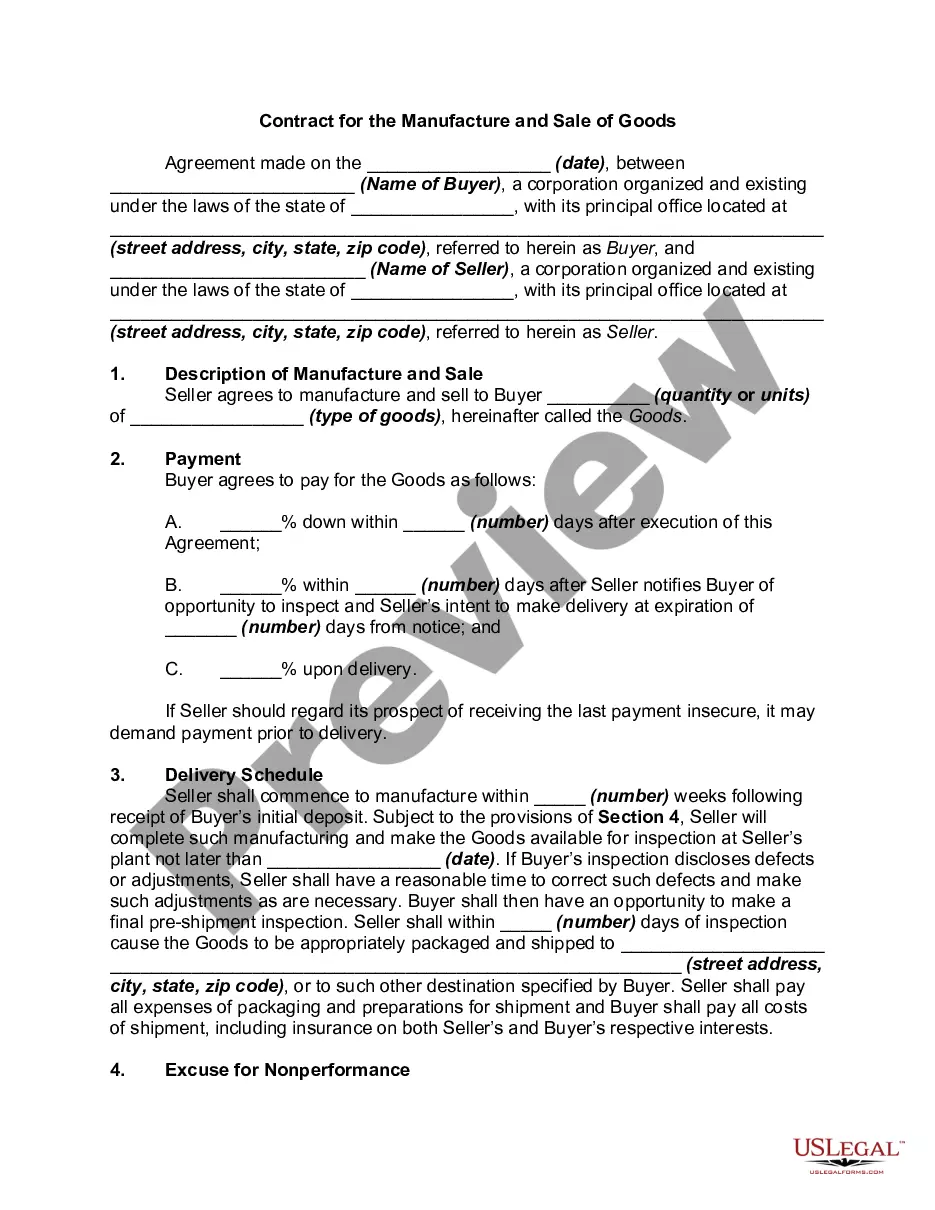
Get your form ready online
Our built-in tools help you complete, sign, share, and store your documents in one place.
Make edits, fill in missing information, and update formatting in US Legal Forms—just like you would in MS Word.
Download a copy, print it, send it by email, or mail it via USPS—whatever works best for your next step.
Sign and collect signatures with our SignNow integration. Send to multiple recipients, set reminders, and more. Go Premium to unlock E-Sign.
If this form requires notarization, complete it online through a secure video call—no need to meet a notary in person or wait for an appointment.
We protect your documents and personal data by following strict security and privacy standards.

Make edits, fill in missing information, and update formatting in US Legal Forms—just like you would in MS Word.

Download a copy, print it, send it by email, or mail it via USPS—whatever works best for your next step.

Sign and collect signatures with our SignNow integration. Send to multiple recipients, set reminders, and more. Go Premium to unlock E-Sign.

If this form requires notarization, complete it online through a secure video call—no need to meet a notary in person or wait for an appointment.

We protect your documents and personal data by following strict security and privacy standards.
Looking for another form?


How to fill out Toll Manufacturing Agreement?
You can allocate time online to search for the legal document format that meets the federal and state standards you require. US Legal Forms provides thousands of legal templates that are reviewed by experts.
You can either obtain or generate the New Jersey Toll Manufacturing Agreement from the service.
If you already possess a US Legal Forms account, you can Log In and select the Acquire option. Then, you can complete, modify, create, or sign the New Jersey Toll Manufacturing Agreement. Every legal document format you download is yours indefinitely. To obtain another copy of a purchased form, go to the My documents tab and click on the relevant option.
Make any necessary adjustments to your document. You can complete, modify, sign, and produce the New Jersey Toll Manufacturing Agreement. Acquire and generate thousands of document templates using the US Legal Forms Website, which offers the broadest array of legal forms. Utilize professional and state-specific templates to address your business or personal requirements.
- If you are using the US Legal Forms website for the first time, follow the simple steps below.
- First, ensure that you have chosen the right document format for the county/town of your choice. Review the form description to confirm you have selected the correct form. If available, use the Preview option to review the document format as well.
- If you wish to find another version of the form, use the Lookup field to discover the format that accommodates your needs and specifications.
- Once you have found the format you need, click Purchase now to proceed.
- Select the pricing plan you desire, enter your credentials, and sign up for an account on US Legal Forms.
- Complete the purchase. You may use your Visa or Mastercard or PayPal account to buy the legal form.
- Locate the format in the document and download it to your device.
Form popularity
FAQ
A tolling manufacturer provides processing or production services for clients who retain ownership of the raw materials and finished products. Often structured under a New Jersey Toll Manufacturing Agreement, this setup allows companies to leverage manufacturing capabilities without significant capital expenditures. By working with a tolling manufacturer, businesses can increase flexibility and focus on their core operations while ensuring efficient production.
A manufacturer typically produces goods for sale and takes ownership of the entire production process. On the other hand, a contract manufacturer operates under an agreement, like the New Jersey Toll Manufacturing Agreement, to produce products for another company without claiming ownership of the final output. This distinction allows firms to scale operations easily while minimizing investment risks.
Contract manufacturing involves a company hiring another to produce goods on their behalf, while toll manufacturing focuses on providing specific manufacturing services without direct ownership of the produced goods. In a New Jersey Toll Manufacturing Agreement, the client often supplies the raw materials and pays the manufacturer for the production process. This arrangement allows businesses to maintain control over their product while leveraging specialized expertise.
Toll manufacturing and contract manufacturing differ mainly in ownership and responsibility. In a New Jersey Toll Manufacturing Agreement, the client retains ownership of the materials throughout the production process. In contrast, contract manufacturing usually means that the provider owns both raw materials and finished products, taking on full responsibility for production. Understanding these distinctions can help businesses choose the right approach for their needs and maximize their operational success.
The toll manufacturing process involves a contract where one company produces goods for another, following specific guidelines. Under a New Jersey Toll Manufacturing Agreement, you provide raw materials to the manufacturer, who then processes them into finished products. This method allows businesses to maintain control over their product while outsourcing the production, ensuring that both quality and timeline requirements are met. Overall, this streamlined process enhances operational efficiency.
Toll manufacturing offers various advantages, especially when it comes to reducing costs and increasing efficiency. By partnering under a New Jersey Toll Manufacturing Agreement, businesses can minimize investment in machinery and facilities. This arrangement allows you to focus on your core competencies while benefiting from the expertise and resources of the toll manufacturer. In addition, you can often achieve faster production times and higher flexibility in response to market demands.
Subcontractors typically perform specific tasks or processes within a larger manufacturing project, while manufacturers produce finished goods from start to finish. This distinction is significant because subcontractors may not be involved in the complete manufacturing cycle. A clear understanding of these roles can be essential when drafting a New Jersey Toll Manufacturing Agreement, ensuring all parties are aligned.
Toll manufacturing is a specialized service where a manufacturer processes another company's materials to create products, while traditional manufacturing often involves ownership of both materials and finished products. In toll manufacturing, the focus is on using the client's specifications and resources. Understanding this difference is crucial when entering into a New Jersey Toll Manufacturing Agreement, as it defines operational expectations.
A toll manufacturing agreement is a legal contract outlining the terms under which a toll manufacturer will produce goods for a client using the client's raw materials. This agreement specifies the responsibilities of both parties, including quality standards and payment terms. Having a well-defined New Jersey Toll Manufacturing Agreement protects both the client's and the manufacturer's interests.
Subcontract manufacturing occurs when a company hires another firm to produce components or finished goods on their behalf. This arrangement allows companies to focus on their core competencies while relying on specialized manufacturers. It's important to differentiate this from a New Jersey Toll Manufacturing Agreement, which focuses more on processing a client's materials.