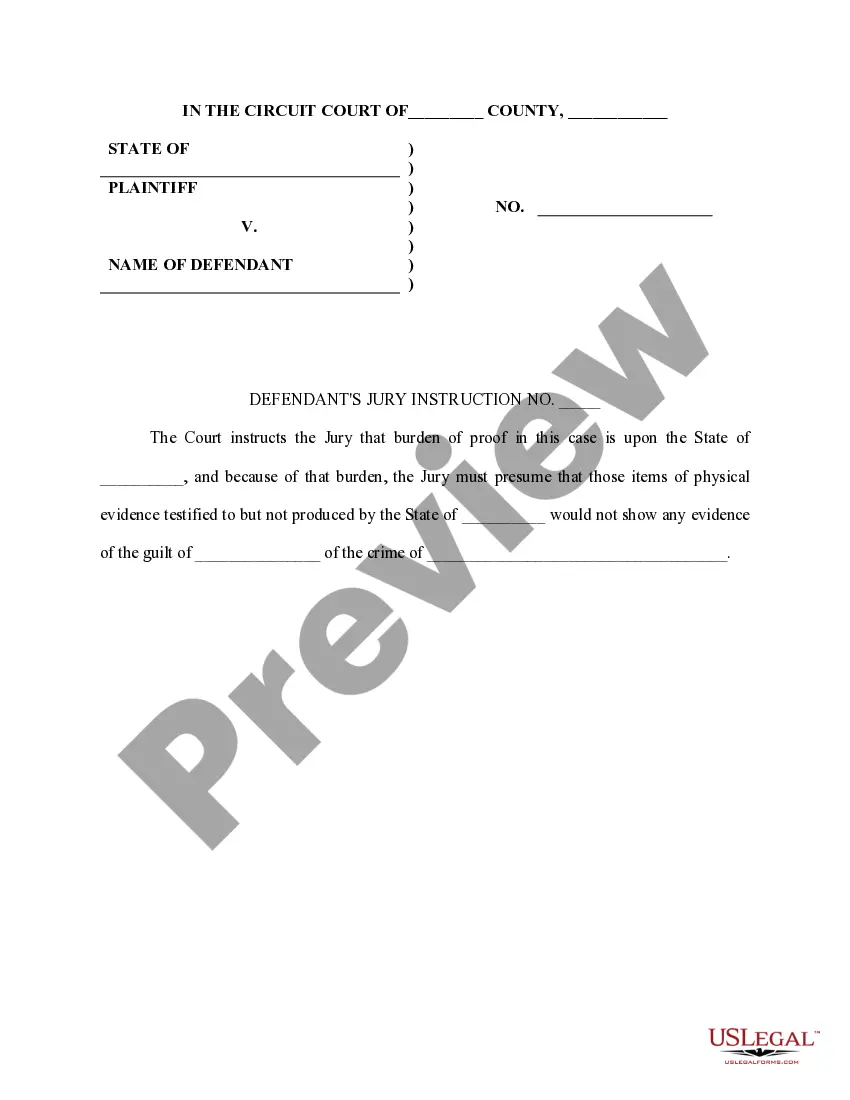
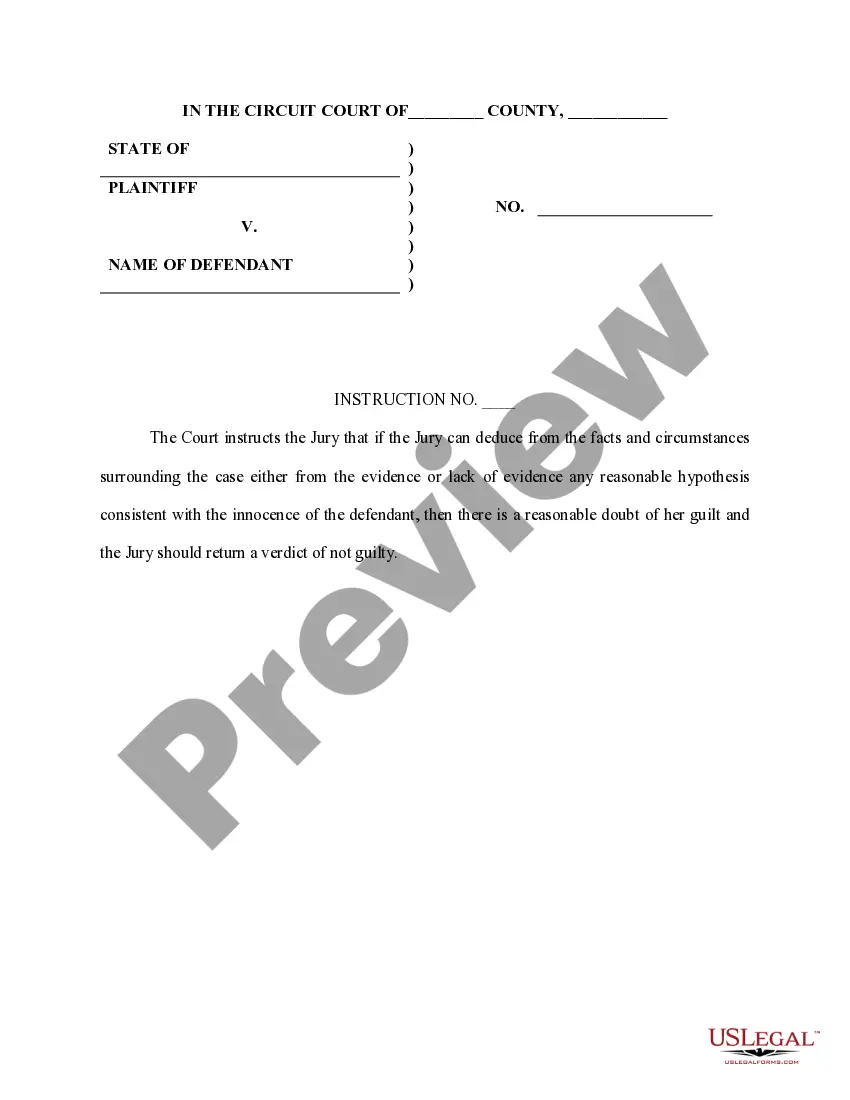
New Jersey Burden of Proof - Physical Evidence Not Produced
Description
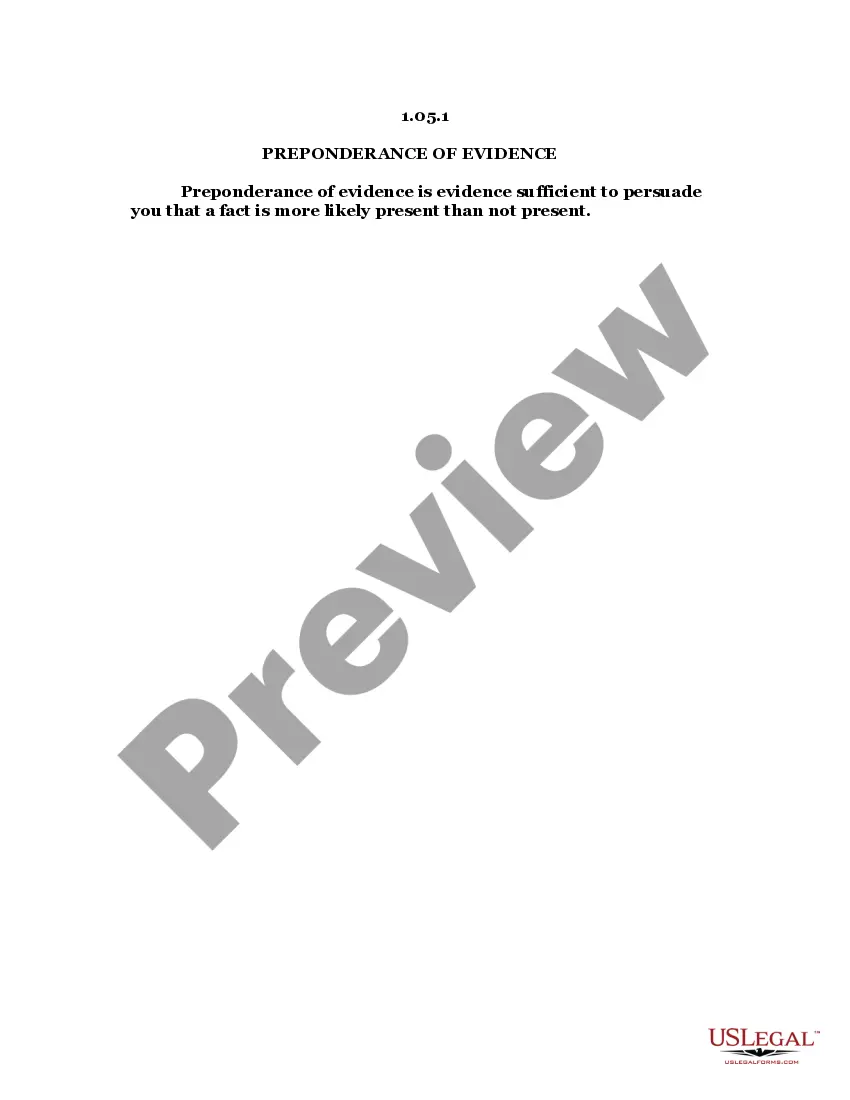
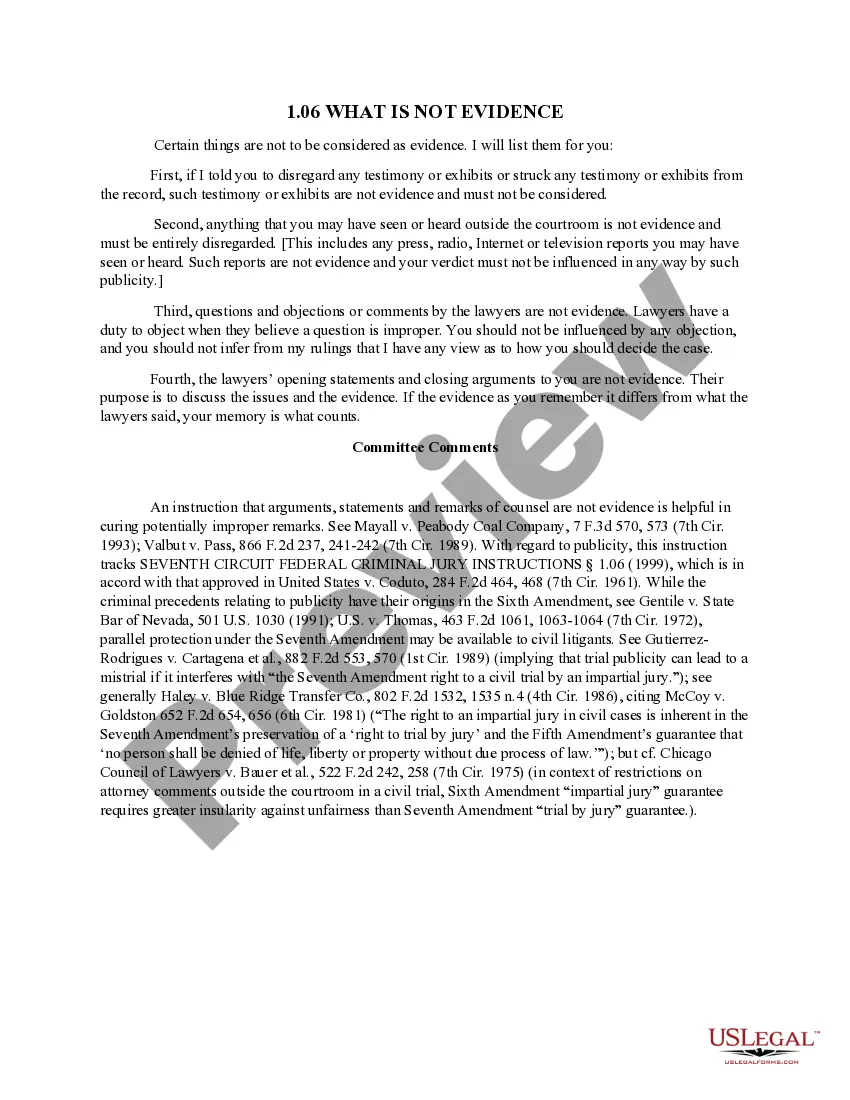
How to fill out Burden Of Proof - Physical Evidence Not Produced?
US Legal Forms - one of the largest compilations of legal documents in the United States - provides a range of legal document templates that you can download or print.
By utilizing the website, you can access thousands of forms for business and personal purposes, organized by categories, states, or keywords. You can find the latest versions of forms such as the New Jersey Burden of Proof - Physical Evidence Not Presented within moments.
If you already have a membership, Log In and retrieve New Jersey Burden of Proof - Physical Evidence Not Presented from your US Legal Forms library. The Download button will be visible on each form you view. You can access all previously saved forms through the My documents section of your account.
Process the transaction. Use your credit card or PayPal account to complete the payment.
Select the format and download the form to your device. Make modifications. Complete, modify, print, and sign the saved New Jersey Burden of Proof - Physical Evidence Not Presented. Every template you add to your account has no expiration date and is yours indefinitely. Therefore, to download or print another copy, simply visit the My documents section and click on the form you need. Access the New Jersey Burden of Proof - Physical Evidence Not Presented with US Legal Forms, one of the most extensive collections of legal document templates. Utilize thousands of professional and state-specific templates that meet your business or personal needs and requirements.
- If you're using US Legal Forms for the first time, here are some simple steps to get started:
- Ensure you have selected the correct form for your region/state.
- Click on the Preview button to review the details of the form.
- Check the form description to confirm you have selected the appropriate form.
- If the form does not meet your needs, use the Search box at the top of the screen to find one that does.
- If you are satisfied with the form, confirm your selection by clicking the Buy now button. Then, choose your preferred payment plan and provide your details to create an account.
Form popularity
FAQ
In a trial, if the prosecution finishes presenting their case and the judge finds they have not met their burden of proof, the judge may dismiss the case (even before the defense presents their side) for insufficient evidence.
They want to see concrete evidence. In legal terms, this is known as demonstrative evidence types. If you don't have evidence, you're on borrowed time before the case is dismissed.
Physical evidence helps the examiner or investigator to recreate the crime scene and infer the sequence of events that might have taken place. Physical evidence, being objective in nature, can be used as a solid and reliable fact to prove or disprove statements from the individuals involved.
Not-Guilty Verdict In the unlikely event that a case goes to trial with minimal evidence, a jury will make the decision on guilt. A jury could return a final judgment of not guilty if they believe there is insufficient evidence to prove beyond a reasonable doubt that you committed the offense in question.
104. Preliminary Questions (a) In General. (1) The court shall decide any preliminary question about whether a witness is qualified, a privilege exists, or evidence is admissible. In so deciding, the court is not bound by evidence rules, except those on privilege and Rule 403.
Understanding Reasonable Doubt Under U.S. law, a defendant is considered innocent until proven guilty. Reasonable doubt stems from insufficient evidence. If it cannot be proved without a doubt that the defendant is guilty, that person should not be convicted.
Burden of Proof in Criminal Cases in New Jersey Both the New Jersey Constitution and N.J.S.A. 2C:1-13 require that the State prove each and every element of a crime ?beyond reasonable doubt? before an individual may be found guilty. Absent proof which meets this standard, an accused is presumed innocent.
What is Insufficient Evidence? A finding (decision) by a trial judge or an appeals court that, as a matter of law, the case must be dismissed due to a lack of sufficient evidence presented by the plaintiff or prosecutor, which has not met the required standard of proof in such a proceeding.