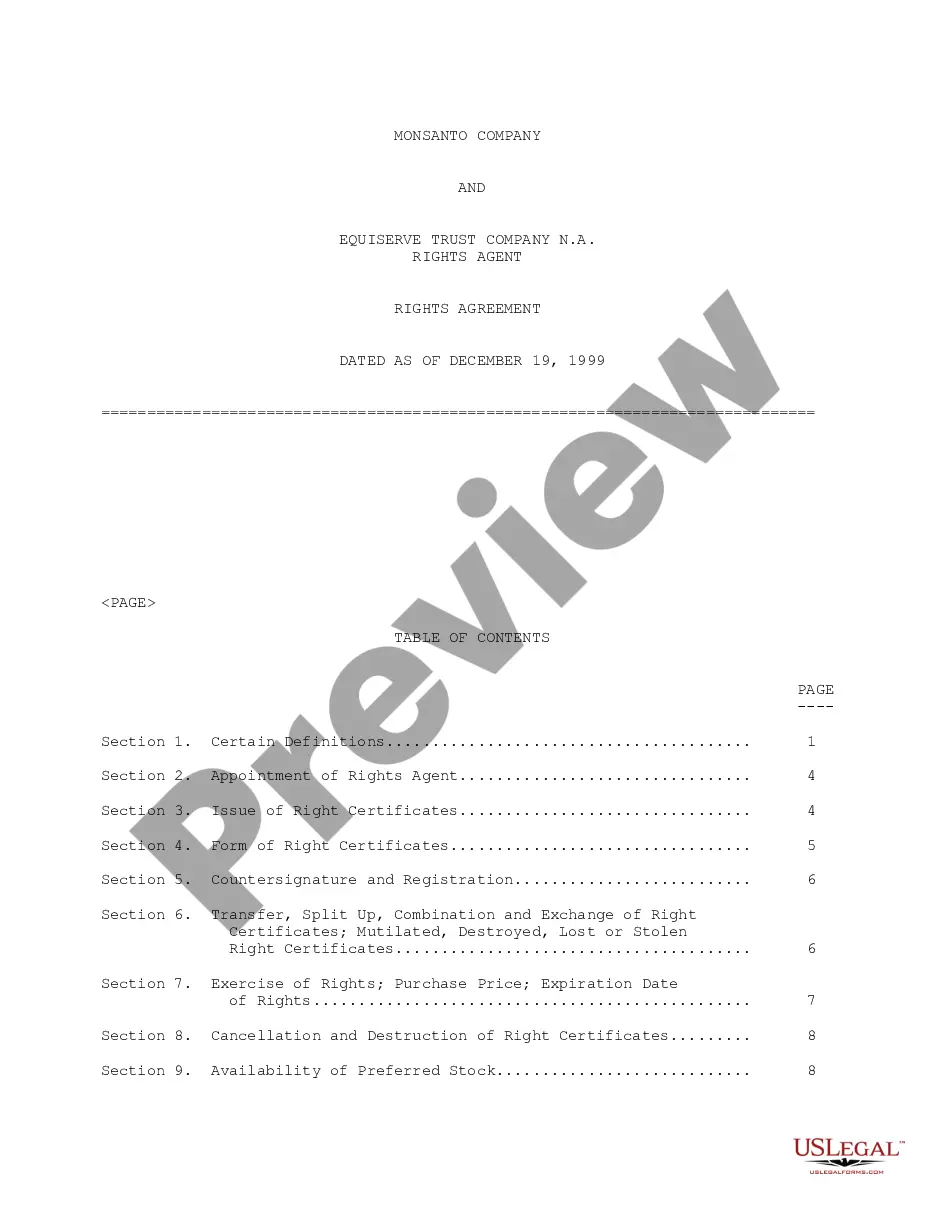
New Hampshire Hardship Letter to Mortgagor or Lender to Prevent Foreclosure
Description
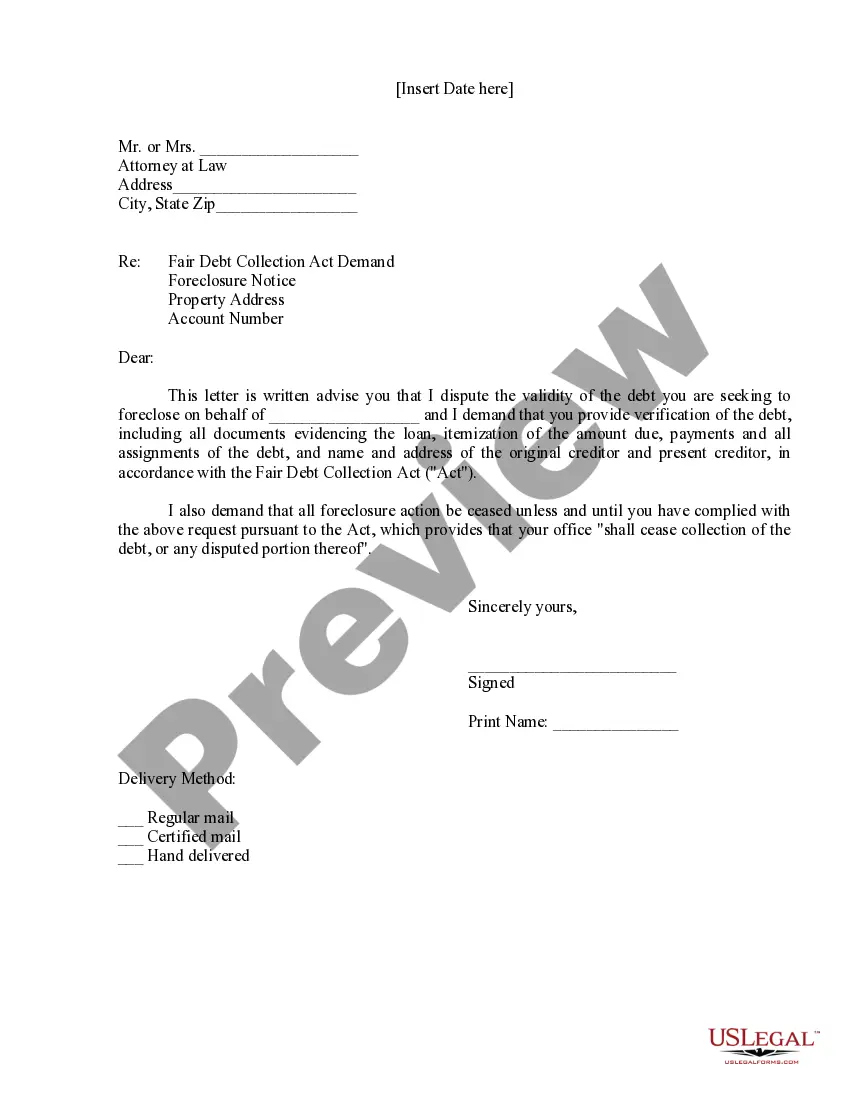
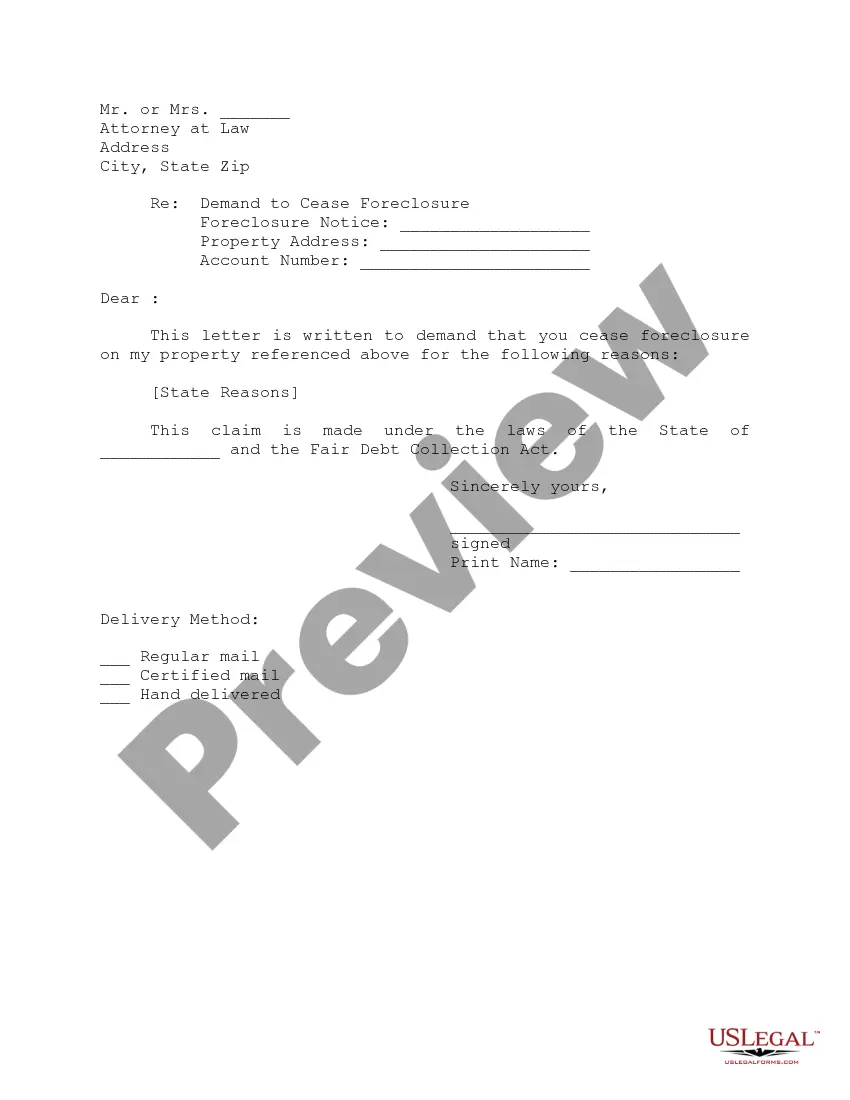
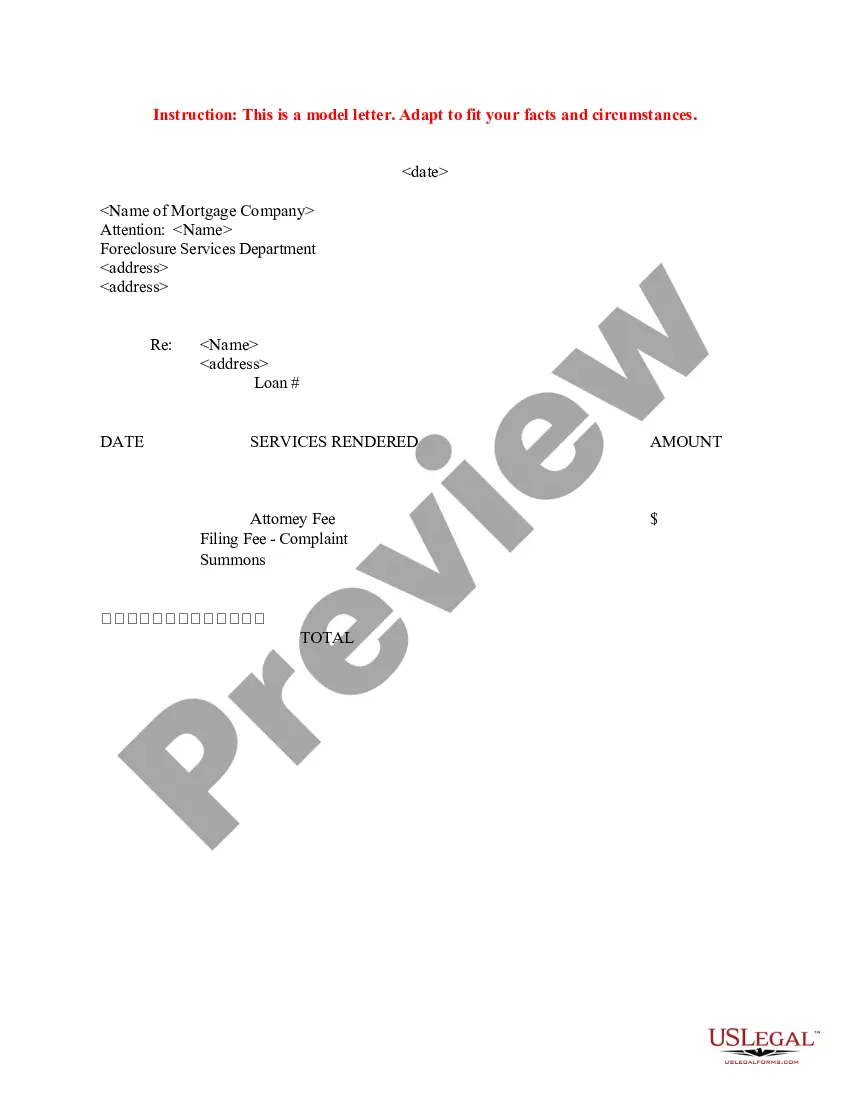
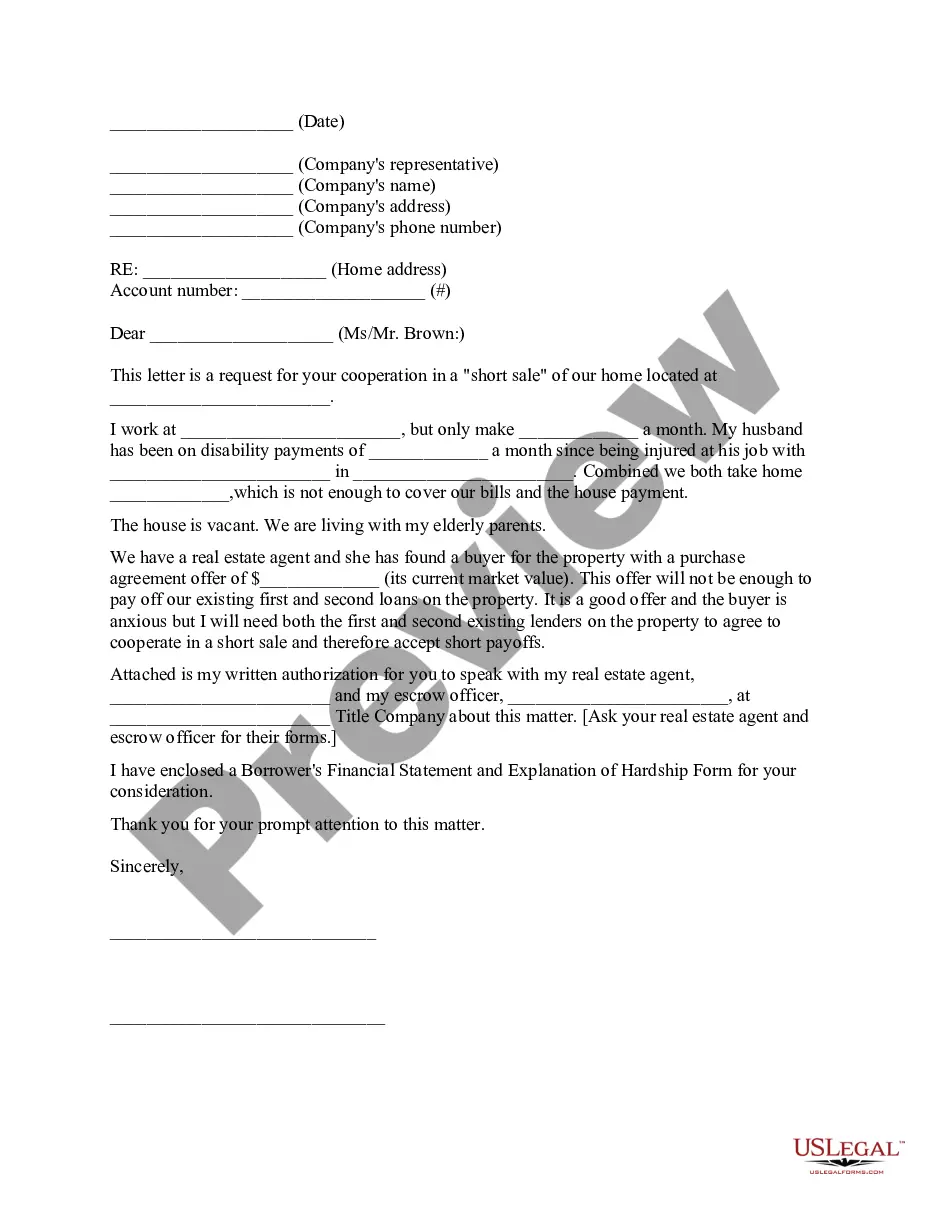
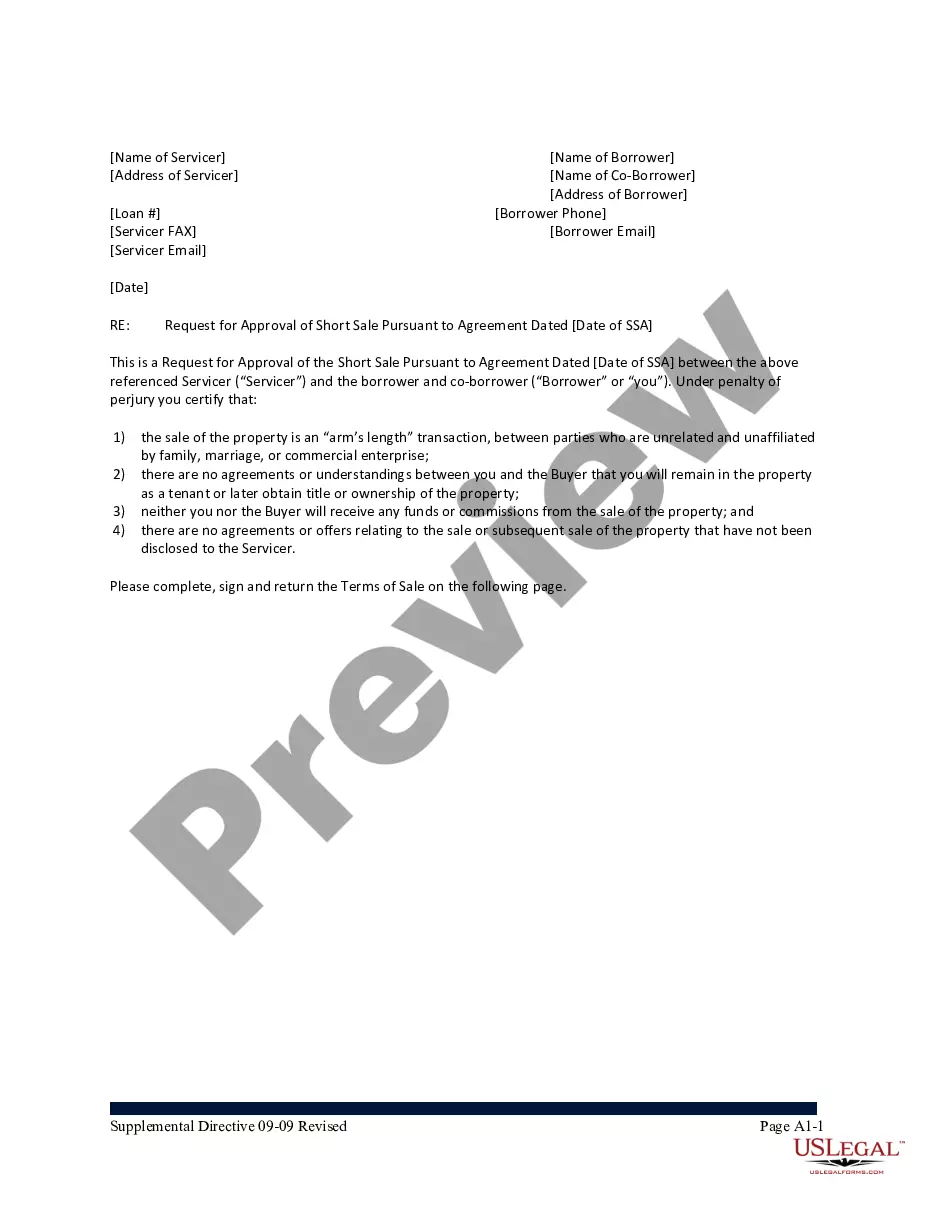
How to fill out Hardship Letter To Mortgagor Or Lender To Prevent Foreclosure?
You have the opportunity to spend numerous hours online trying to locate the authentic document template that fulfills the state and federal requirements you will need.
US Legal Forms provides thousands of authentic forms that are vetted by professionals.
You can actually download or print the New Hampshire Hardship Letter to Mortgagor or Lender to Prevent Foreclosure from my assistance.
First, make sure that you have selected the correct document template for your area/city of preference. Refer to the form outline to confirm that you have chosen the right form. If available, utilize the Review button to examine the document template as well.
- If you already possess a US Legal Forms account, you can Log In and select the Download button.
- After that, you can fill out, edit, print, or sign the New Hampshire Hardship Letter to Mortgagor or Lender to Prevent Foreclosure.
- Every genuine document template you purchase belongs to you permanently.
- To acquire another copy of any bought form, navigate to the My documents tab and click the relevant button.
- If you are using the US Legal Forms website for the first time, follow the simple instructions below.
Form popularity
FAQ
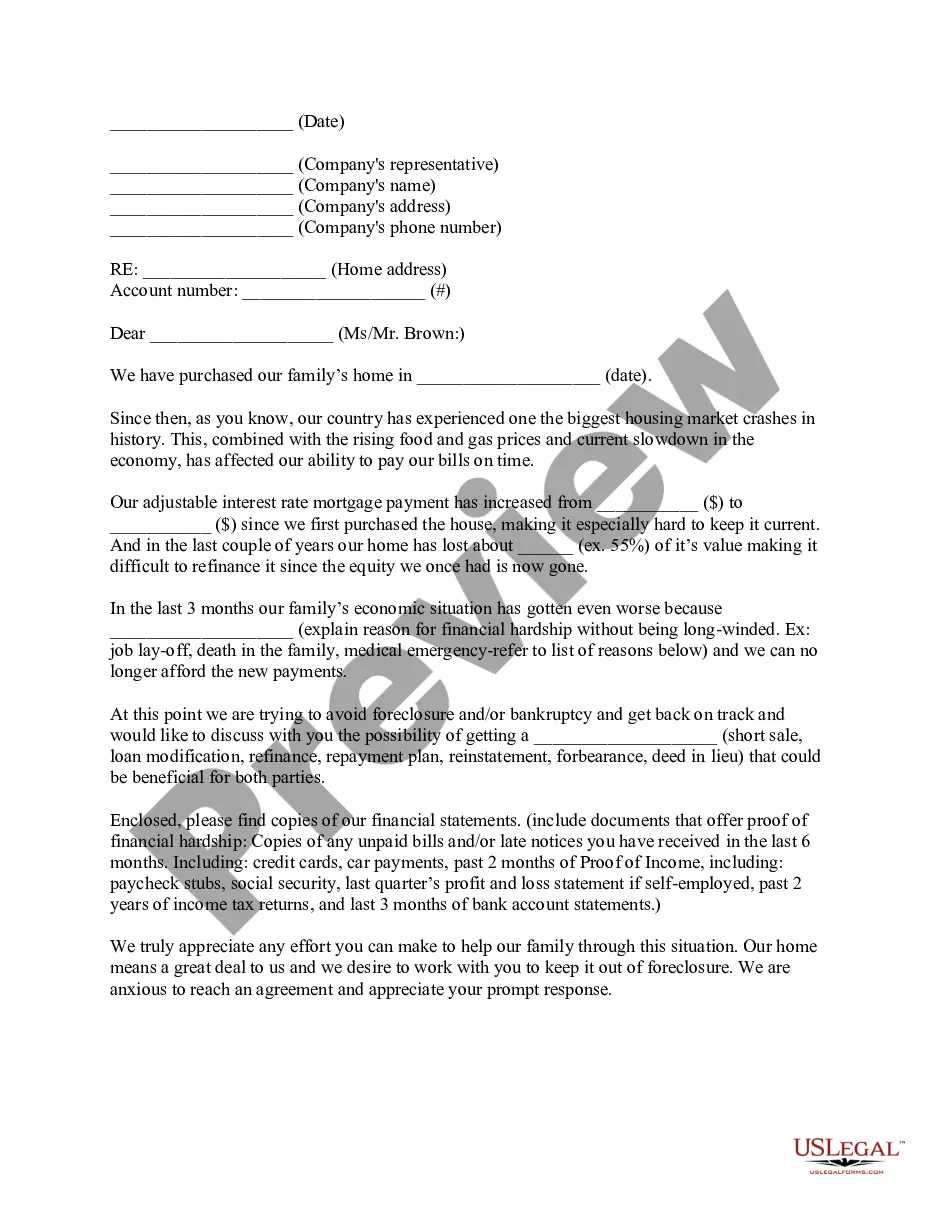
Writing a foreclosure hardship letter involves clearly stating your case in a simple and organized manner. In your New Hampshire Hardship Letter to Mortgagor or Lender to Prevent Foreclosure, include your account information, explain your financial difficulties, and express your desire for a solution. Utilize platforms like uslegalforms to access templates and guidance, ensuring your letter aligns with best practices.
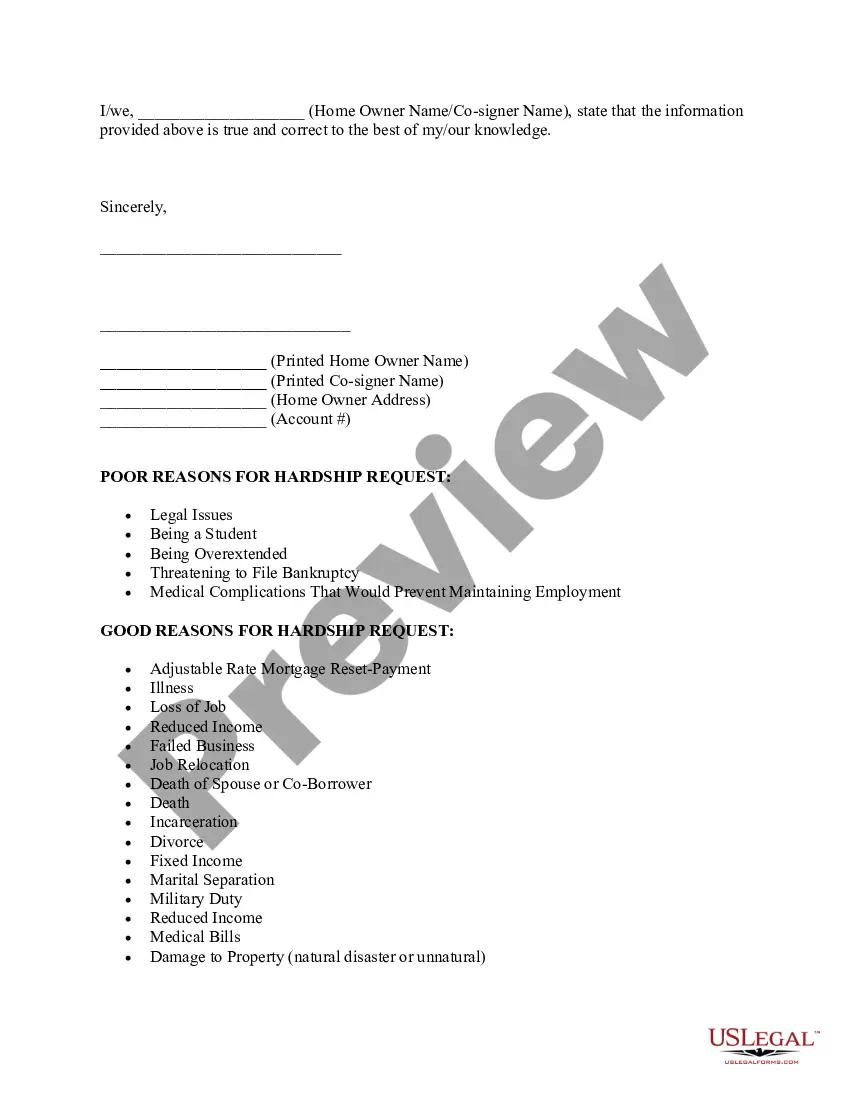
When crafting your New Hampshire Hardship Letter to Mortgagor or Lender to Prevent Foreclosure, avoid including negative language or blaming others for your situation. Stick to the facts and do not exaggerate hardships, as honesty will resonate better with lenders. Additionally, refrain from mentioning any personal issues not directly related to your financial situation, to ensure clarity and focus.
In New Hampshire, the hardship relief program offers assistance to homeowners struggling to keep up with their mortgage payments. This program can provide resources and may also include the option to submit a New Hampshire Hardship Letter to Mortgagor or Lender to Prevent Foreclosure. By connecting with local agencies, you can gain insights into the specific features and benefits of this program.
A proof of hardship letter should clearly articulate your financial challenges, supporting your New Hampshire Hardship Letter to Mortgagor or Lender to Prevent Foreclosure. Focus on including specific details about your circumstances, such as loss of income or rising expenses. Always attach any relevant documentation to validate your claims and maintain clear communication throughout the process.
When writing a New Hampshire Hardship Letter to Mortgagor or Lender to Prevent Foreclosure, be direct and truthful about your financial struggles. Start by stating your mortgage account number, explain the reasons that led to your hardship, and outline any attempts you have made to mitigate the situation. Closing your letter with a polite request for assistance can foster a positive response from the lender.
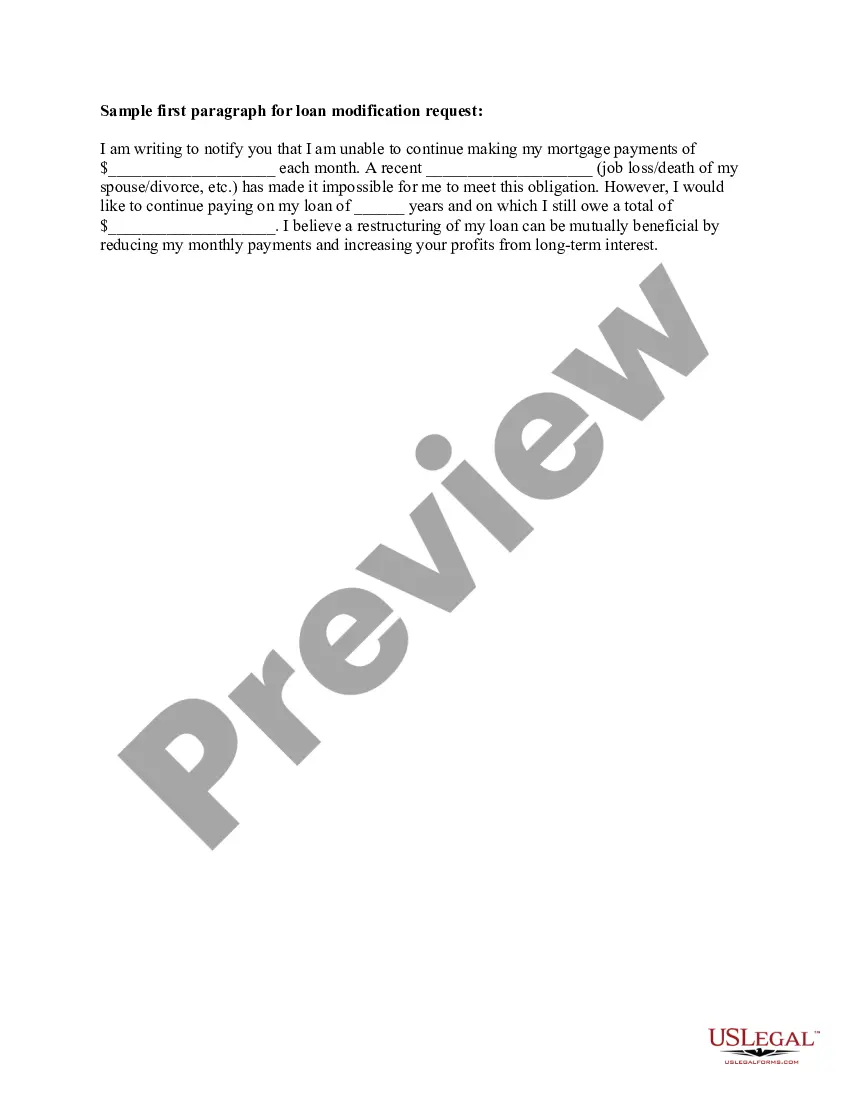
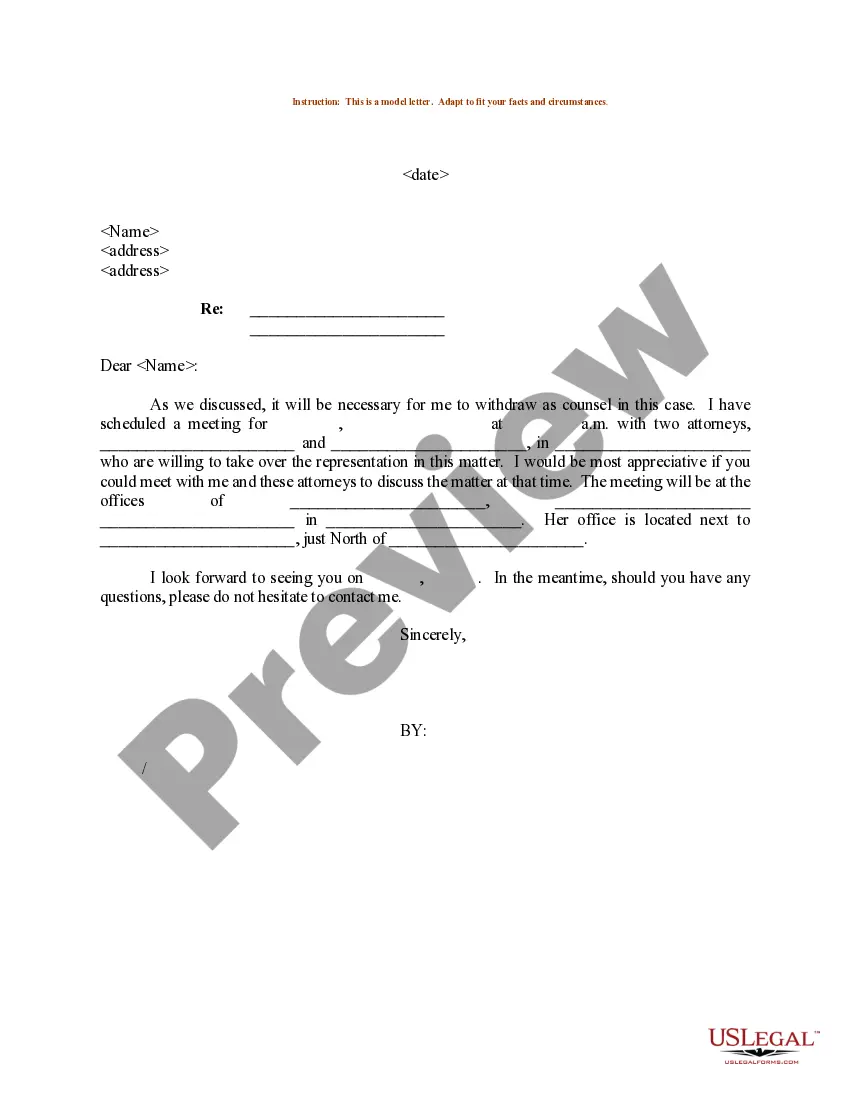
A hardship letter for a mortgage serves as a formal request to your lender for assistance regarding your financial distress. For instance, if you faced job loss or unexpected medical expenses, you would detail these circumstances in the New Hampshire Hardship Letter to Mortgagor or Lender to Prevent Foreclosure. This letter typically outlines your financial situation, the reasons for your hardship, and the type of assistance you seek. By being clear and straightforward, you increase your chances of receiving a favorable response.
Tips for Writing a Hardship LetterKeep it original.Be honest.Keep it concise.Don't cast blame or shirk responsibility.Don't use jargon or fancy words.Keep your objectives in mind.Provide the creditor an action plan.Talk to a Financial Couch.
How Can I Stop a Foreclosure in New Hampshire? A few potential ways to stop a foreclosure might include reinstating the loan, redeeming the property before the sale, or filing for bankruptcy. Of course, if you're able to work out a loss mitigation option, like a loan modification, that will also stop a foreclosure.
The definition of hardship is adversity, or something difficult or unpleasant that you must endure or overcome. An example of hardship is when you are too poor to afford proper food or shelter and you must try to endure the hard times and deprivation.