New Hampshire Amendment of Lease Package
What is this form package?
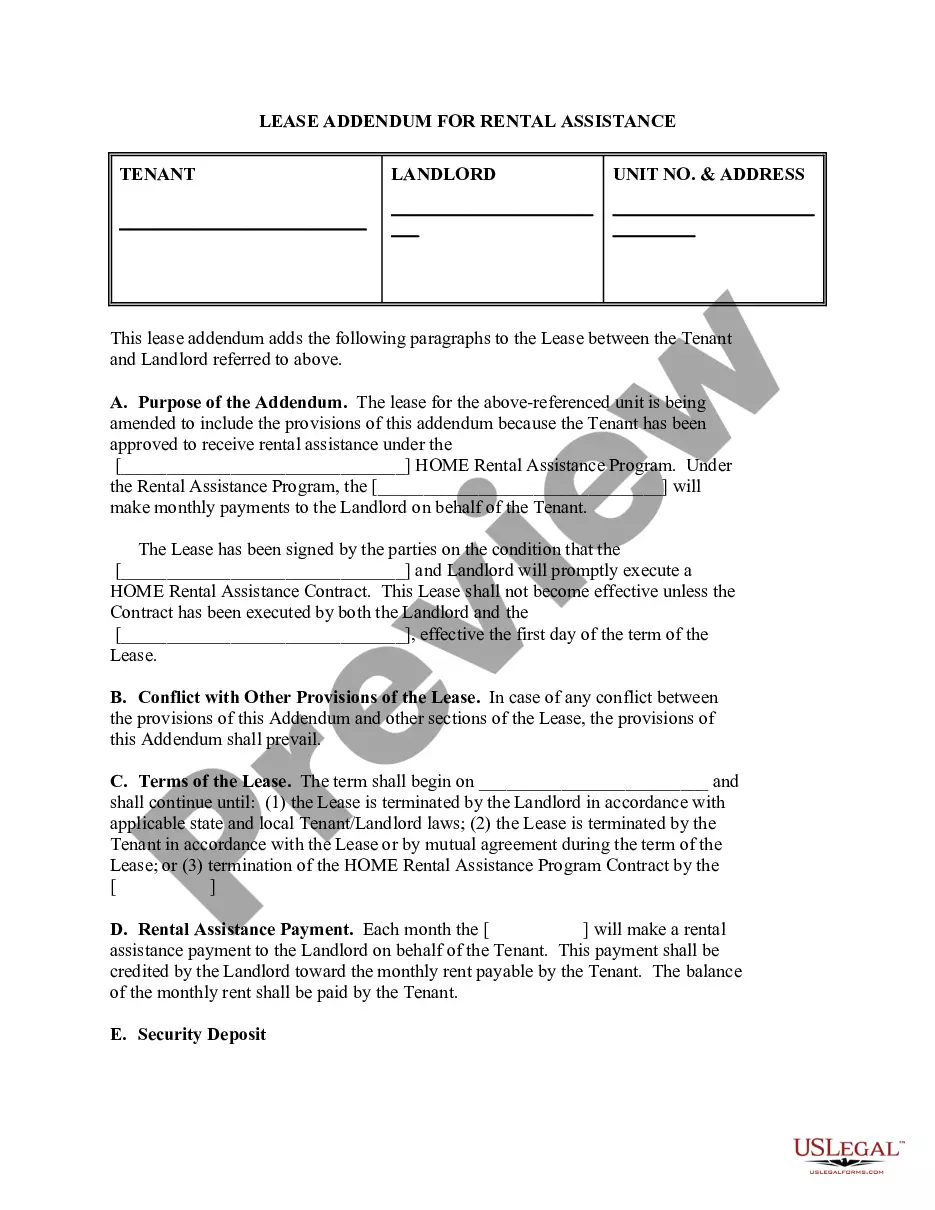
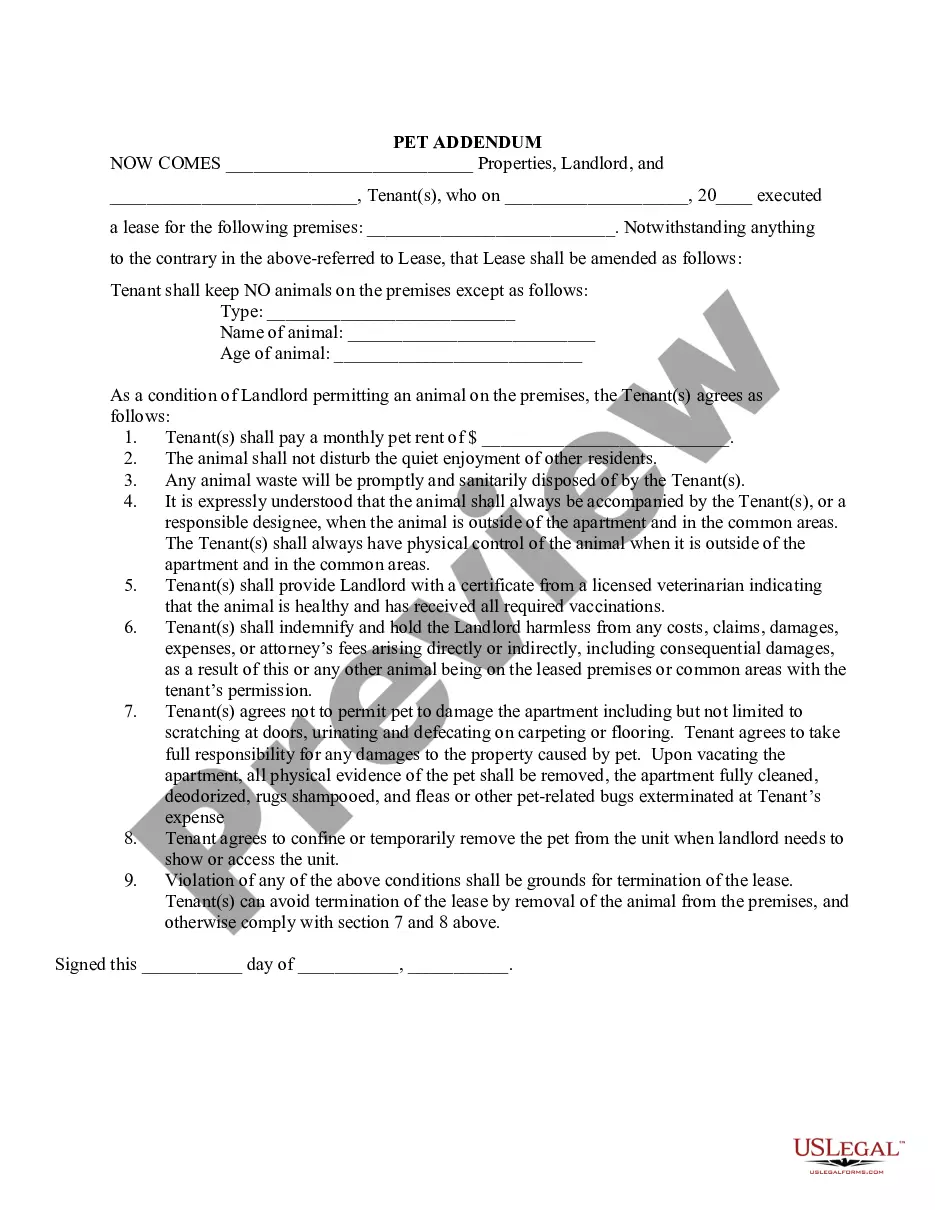
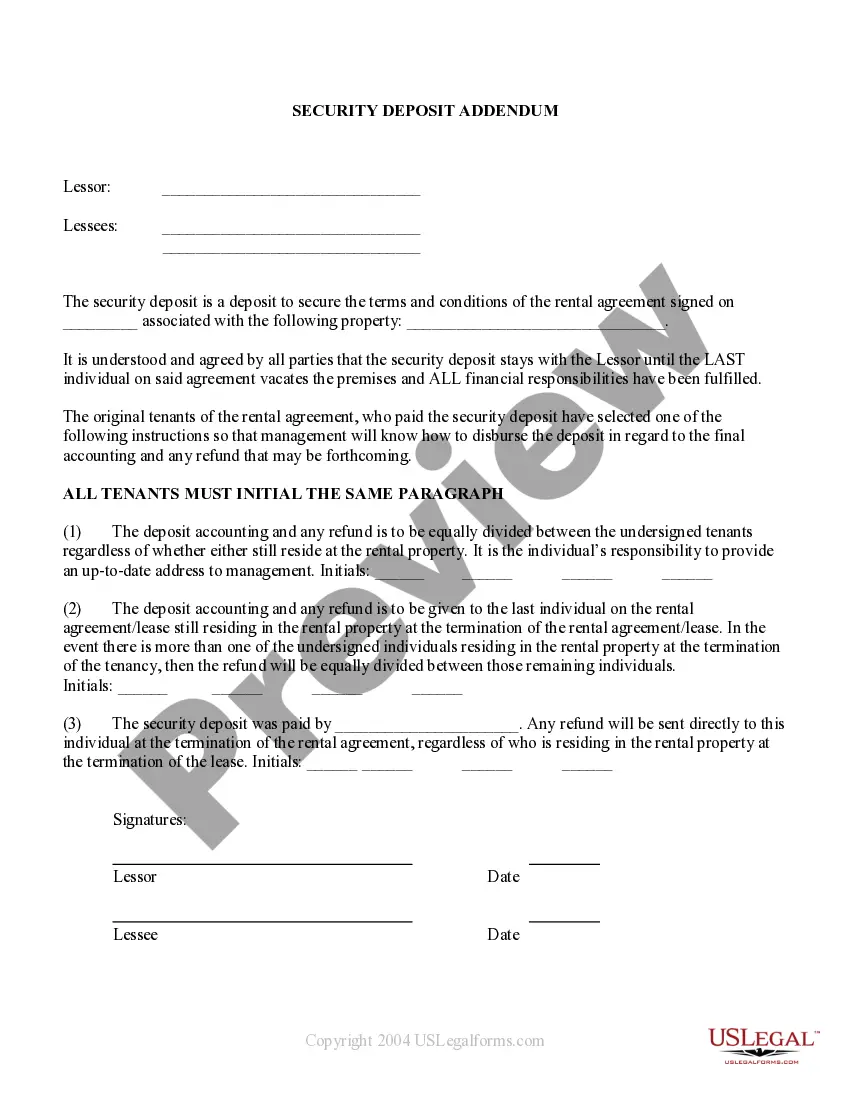
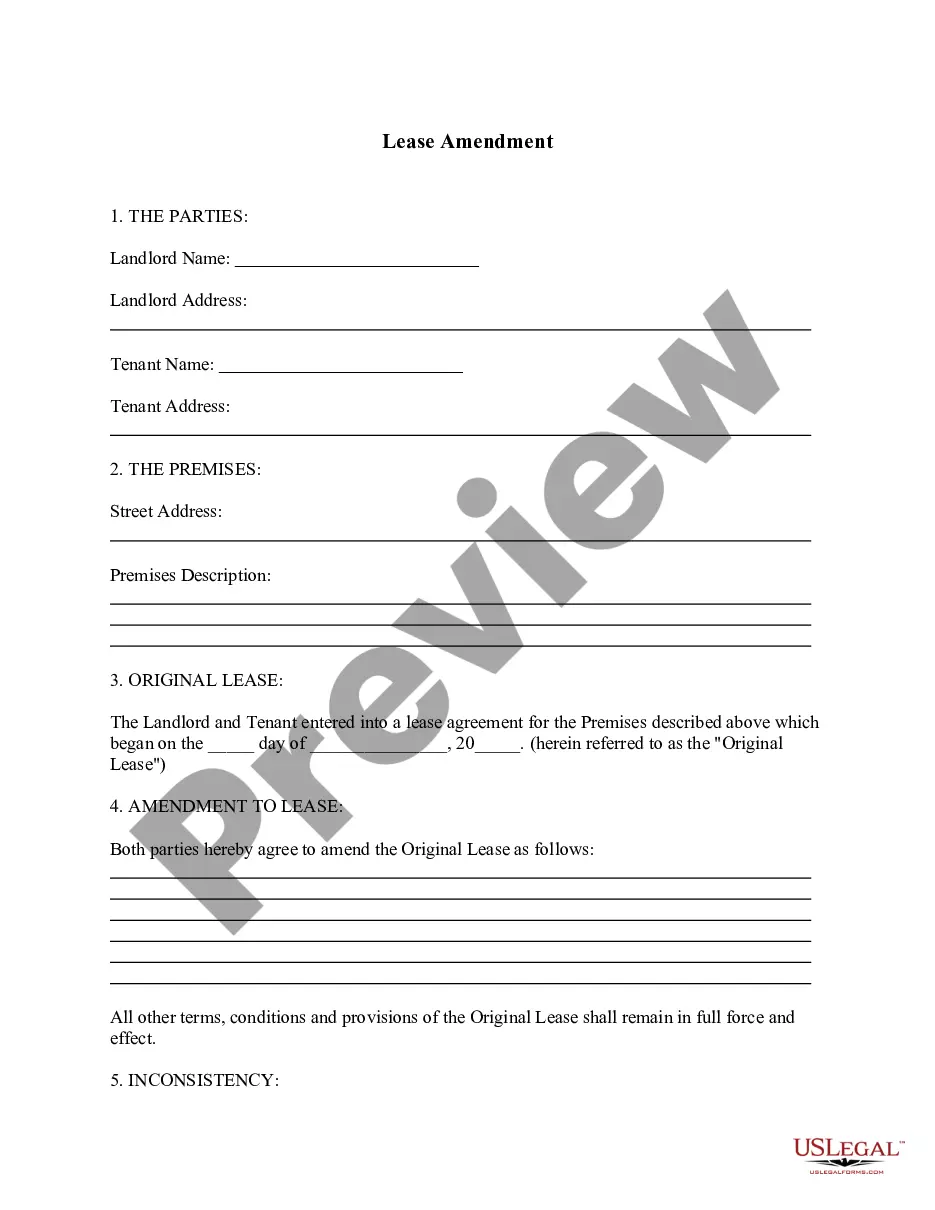
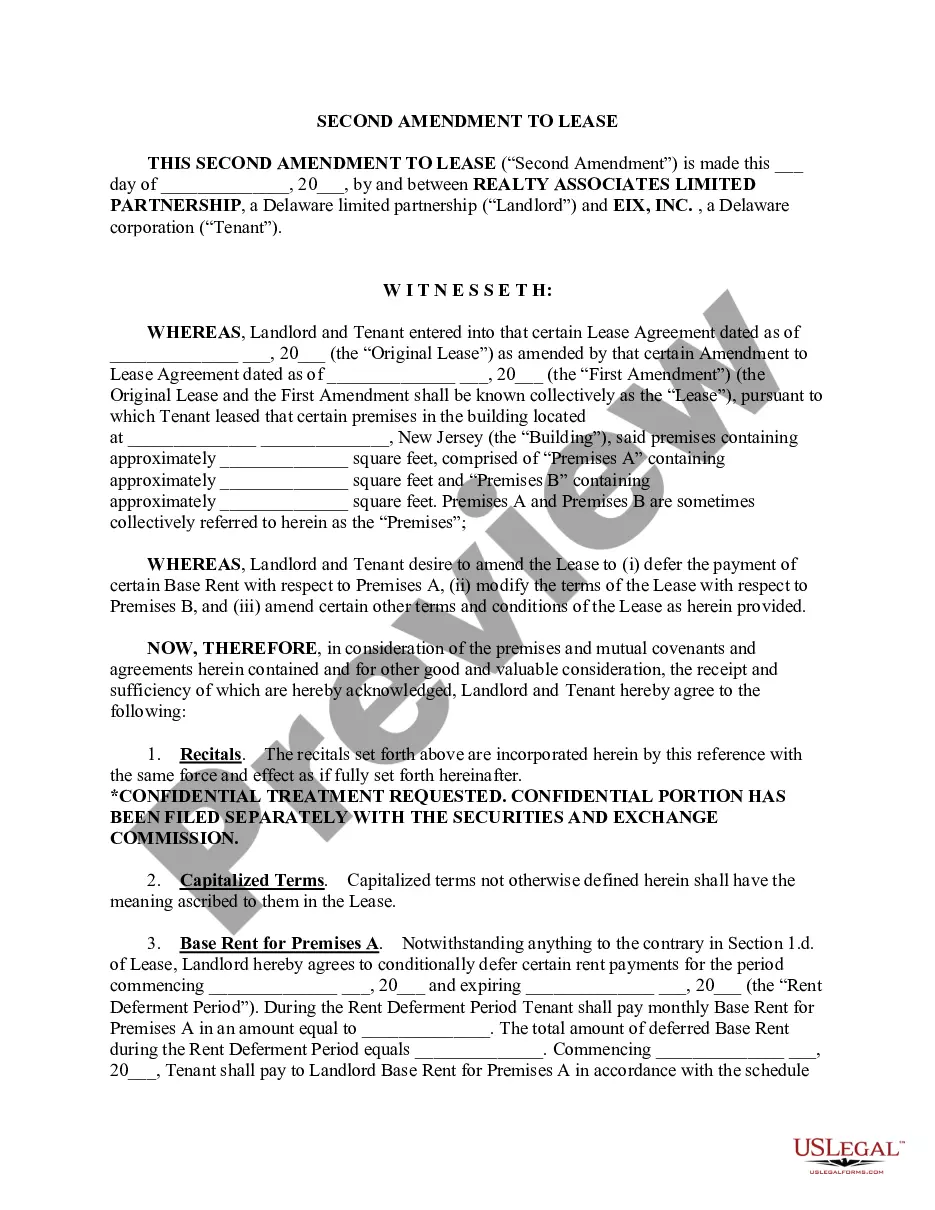
The New Hampshire Amendment of Lease Package provides necessary forms to modify existing lease agreements. This package is created by licensed attorneys to help landlords and tenants effectively navigate changes to lease terms while ensuring compliance with state law. Unlike other lease modification packages, it offers specifically tailored documents for New Hampshire's legal context, ensuring clarity and reducing the risk of disputes.
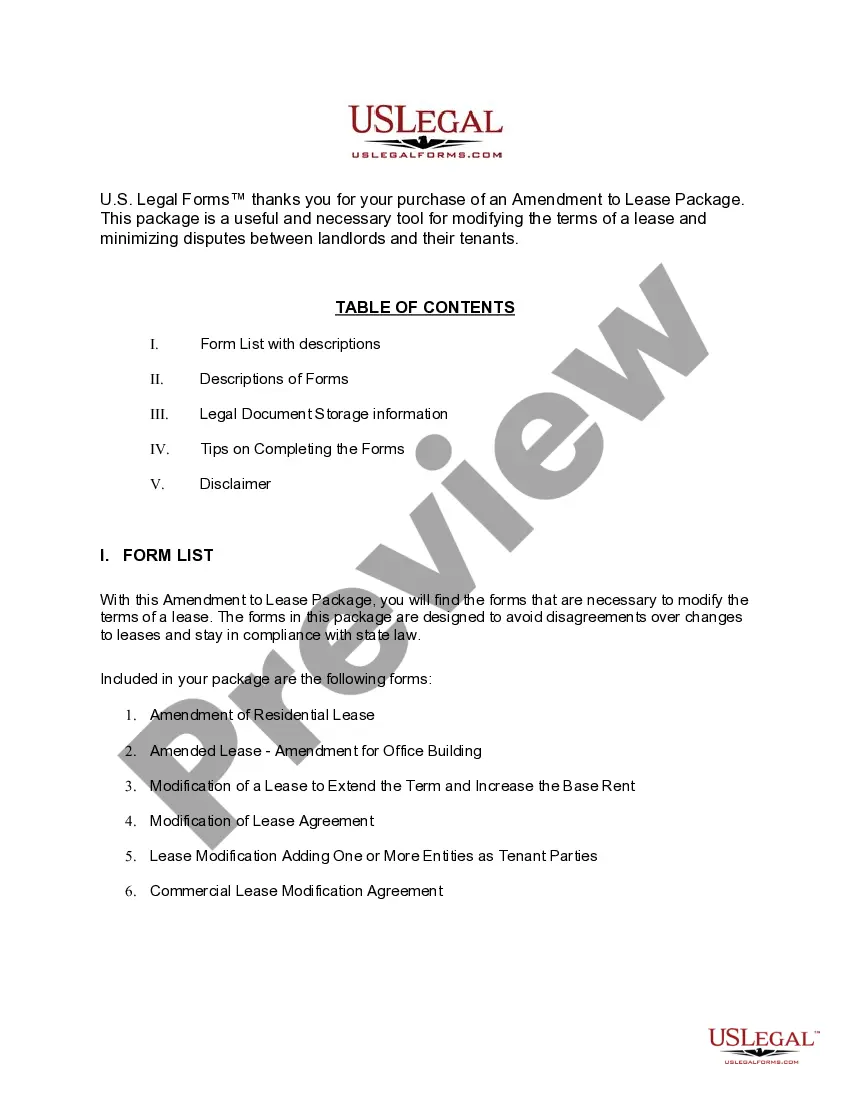
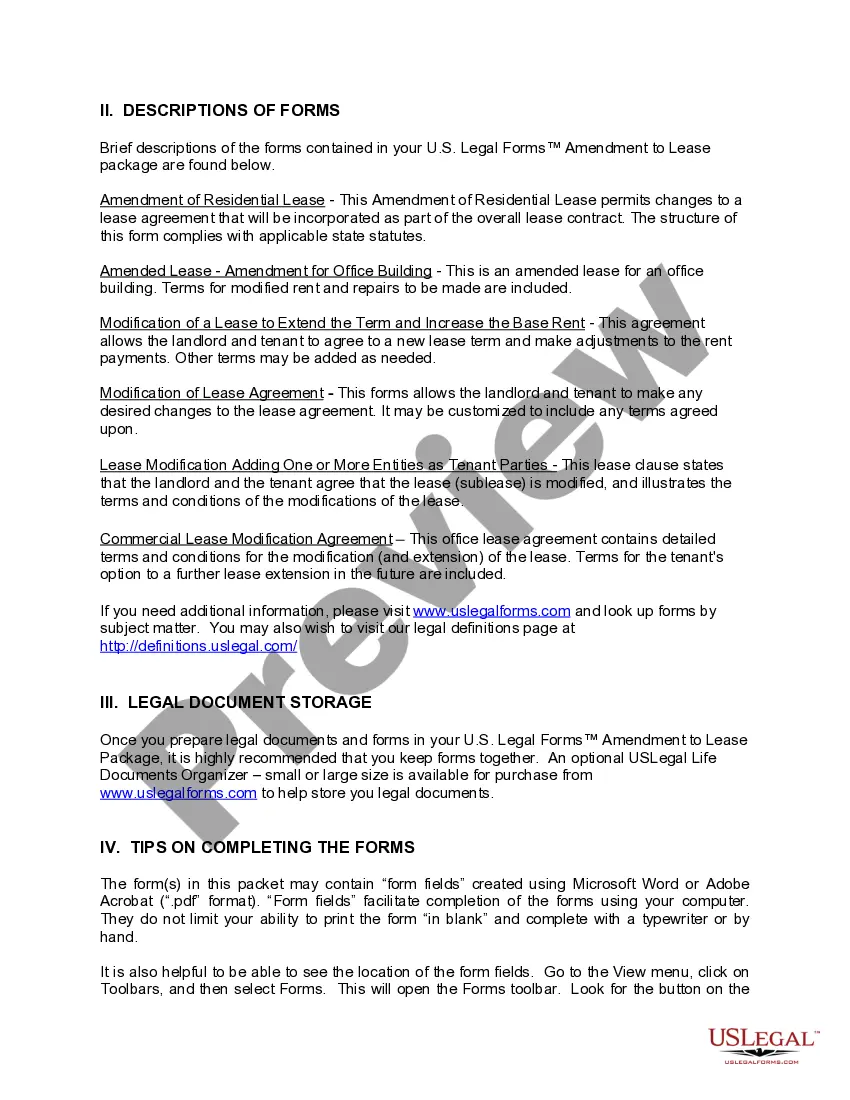
Forms included in this package
Situations where these forms applies
This package is essential in various scenarios, such as:
- When tenants need to request a change in payment terms.
- When landlords wish to modify the conditions of a lease agreement.
- When both parties agree to extend the lease term or adjust rental rates.
- When financial hardships necessitate temporary rent deferrals.
- When it's important to document changes clearly to prevent misunderstandings in the future.
Who this form package is for
- Landlords seeking to formalize changes to lease agreements.
- Tenants wishing to request revisions or amendments to their lease.
- Property managers handling lease agreements for their clients.
- Individuals with limited legal knowledge needing guidance in lease modifications.
- Real estate professionals involved in rental property leasing.
Completing these forms step by step
- Review all included forms and ensure they meet your modification needs.
- Identify the parties involved in the lease and their respective roles.
- Complete the necessary fields, entering any required information such as names, dates, and changes to terms.
- Ensure all parties sign the relevant documents where indicated.
- Keep copies of all modified agreements for your records.
Do forms in this package need to be notarized?
Notarization is not commonly needed for forms in this package. However, if your state’s laws require it, our notarization service, powered by Notarize, allows you to finalize documents online 24/7 without in-person visits.
Get your form ready online
Our built-in tools help you complete, sign, share, and store your documents in one place.
Make edits, fill in missing information, and update formatting in US Legal Forms—just like you would in MS Word.
Download a copy, print it, send it by email, or mail it via USPS—whatever works best for your next step.
Sign and collect signatures with our SignNow integration. Send to multiple recipients, set reminders, and more. Go Premium to unlock E-Sign.
If this form requires notarization, complete it online through a secure video call—no need to meet a notary in person or wait for an appointment.
We protect your documents and personal data by following strict security and privacy standards.

Make edits, fill in missing information, and update formatting in US Legal Forms—just like you would in MS Word.

Download a copy, print it, send it by email, or mail it via USPS—whatever works best for your next step.

Sign and collect signatures with our SignNow integration. Send to multiple recipients, set reminders, and more. Go Premium to unlock E-Sign.

If this form requires notarization, complete it online through a secure video call—no need to meet a notary in person or wait for an appointment.

We protect your documents and personal data by following strict security and privacy standards.
Common mistakes
- Failing to clearly specify the changes being made to the lease.
- Not obtaining necessary signatures from all parties involved.
- Overlooking local laws that may affect lease modifications.
- Not keeping copies of the modified agreement for future reference.
Advantages of online completion
- Convenient access to essential legal documents from anywhere.
- Edit and customize forms to fit your unique situation easily.
- Ensured compliance with state regulations with professionally drafted forms.
- No need for in-person visits to a lawyer, saving time and money.
Legal use & context
- Documents must be clear and unambiguous to be enforceable.
- Both parties must agree to the amendments for them to hold legal weight.
- Any amendments made must comply with New Hampshire landlord-tenant laws.
Key takeaways
- The New Hampshire Amendment of Lease Package includes vital forms for lease modification.
- It's important to follow proper procedures when making amendments to avoid disputes.
- Ensure compliance with state-specific laws when using these forms.
Looking for another form?

Form popularity
FAQ
Typically, California landlords charge a fee that's equal to one to two months' rent to end a lease early.
While some jurisdictions may have provisions that allow consumers to change their minds with no consequences, generally there is no cooling-off period for leasing real property. Once the landlord and tenant sign a lease and a copy is delivered to the both parties, it becomes a valid contract.
Your name, and the landlord's name and address. The date you're writing the letter. Informing the landlord you're breaking your lease early. The reason why you're breaking your lease. The building and apartment you're vacating. The date by which you're vacating.
A lease and addendum are esentially the same thing, 'the lease'. The addendum is part of the lease, it does not stand on it's own. If the lease and addendum say different things, but one does not supercede the other, it's ambigious, and the least restrictive clause stands.
Adding an Addendum An addendum must include the basic elements of any landlord/tenant agreement. You should include the date, the address of the rental property and the names of each party just as you would in the original lease.
Create Document. A lease extension addendum is a contract that further extends the term of an existing lease agreement. The addendum will establish a new lease termination date that both the landlord and tenant agree to.
The written agreement between the owner and the tenant for the lease of the contract unit to the tenant. The lease includes the tenancy addendum prescribed by HUD. PHA. Public Housing Agency.
Once the lease is signed, you're bargaining power is a lot lower. However, you can still try to negotiate with your landlord.If you can find a compromise that helps both you and your landlord financially, he might agree to lower your monthly rent even after a lease was signed.
Step 1: Obtain a Written Request. Invite the tenant to submit in writing the request to add another person to the lease. Step 2: Check the Property's Occupancy Limit. Step 3: Acquire a Completed Rental Application. Step 4: Make a Decision. Step 5: Review the Details With the Tenants.