New Hampshire Newly Divorced Individuals Package
Overview of this form package
The New Hampshire Newly Divorced Individuals Package contains essential legal documents specifically designed to help individuals who have recently gone through a divorce. This package provides a comprehensive set of forms to help users organize their legal life and meet their specific needs. Unlike generic legal forms, these documents are tailored to comply with New Hampshire state laws and cover important aspects such as estate planning and personal affairs management.
Forms included in this package
- Last Will and Testament
- Name Change Notification Form
- General Durable Power of Attorney for Property and Finances or Financial Effective upon Disability
- Durable Power of Attorney for Health Care and Living Will - Statutory
- Written Revocation of Will
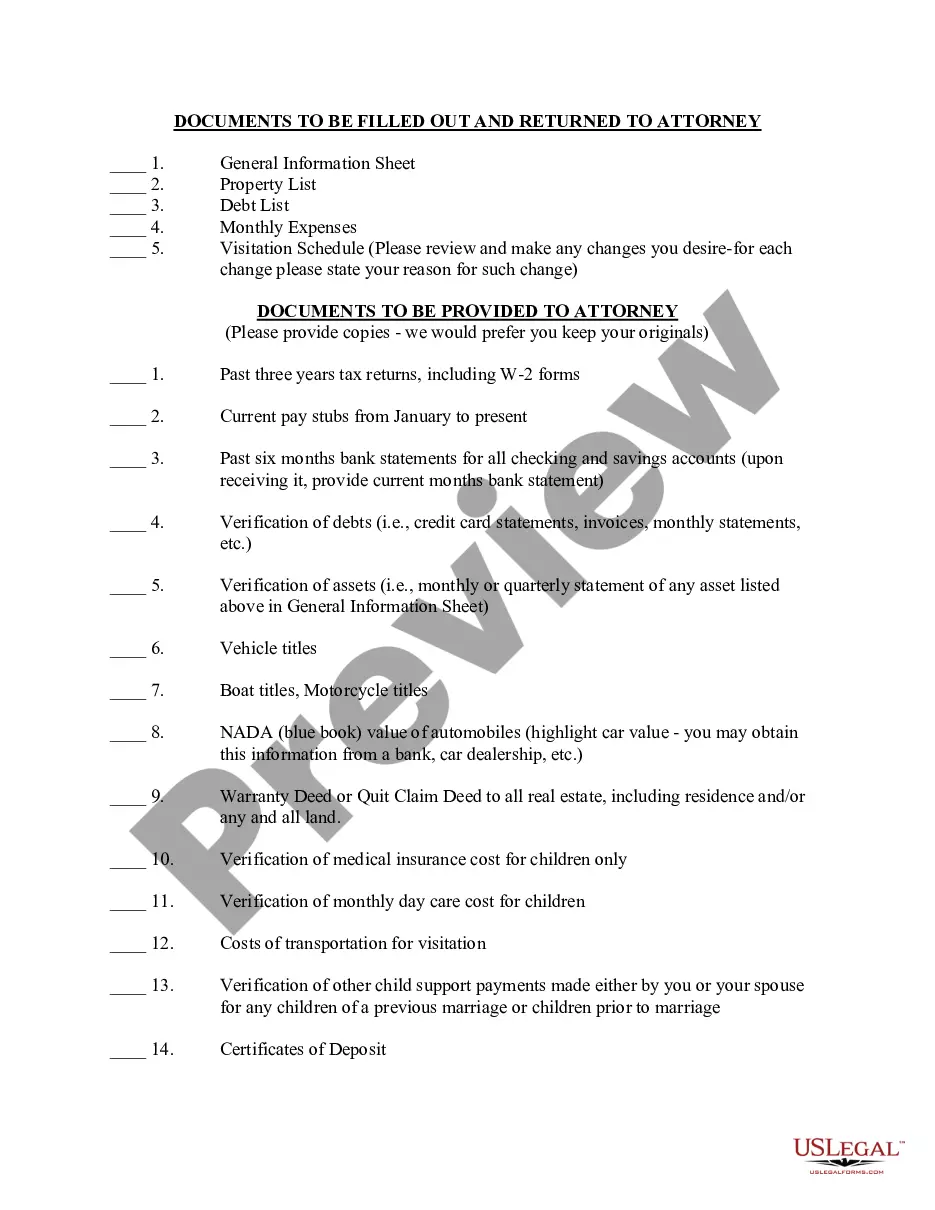
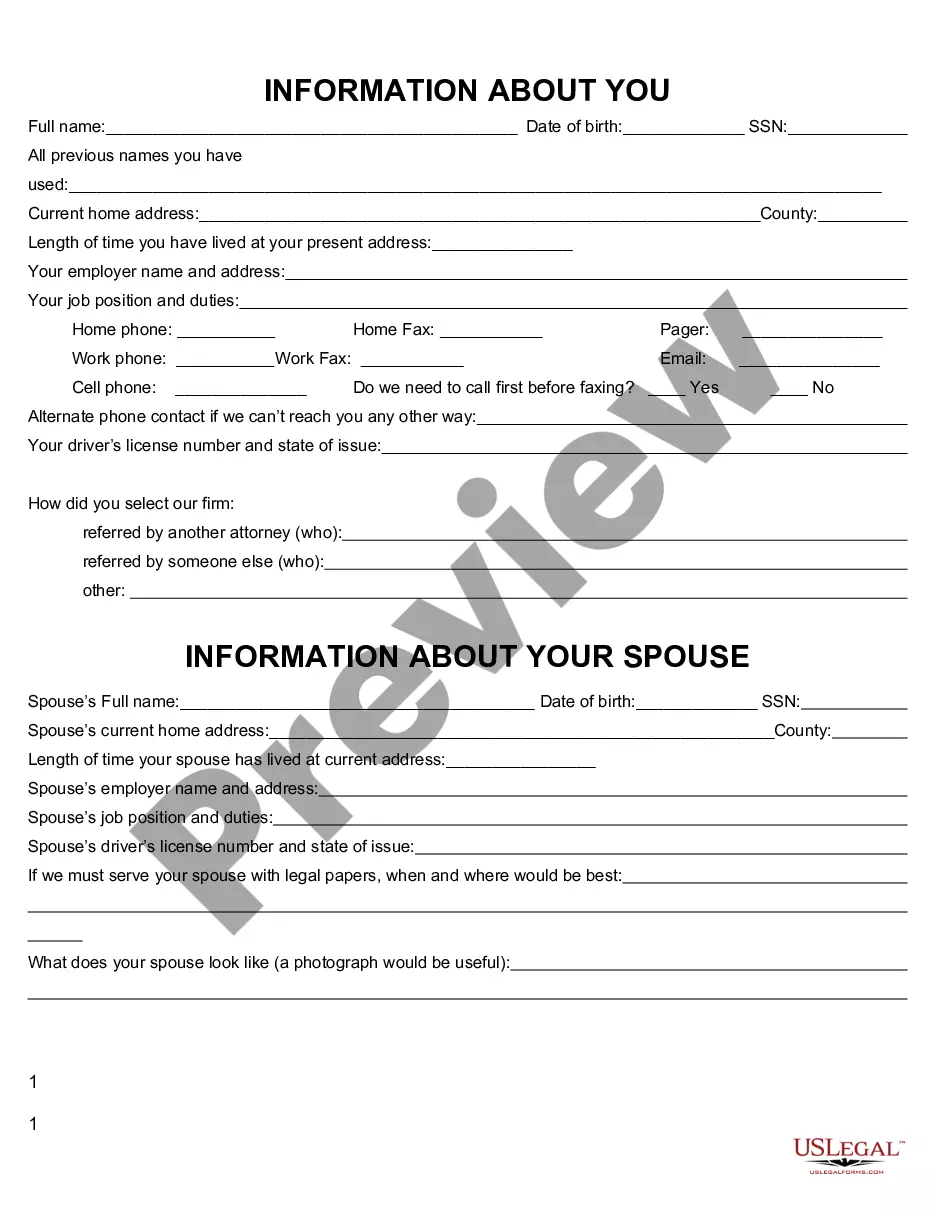
- Personal Planning Information and Document Inventory Worksheets - A Legal Life Document



When this form package is needed
This form package is ideal for individuals who have recently finalized a divorce and are looking to reorganize their personal and legal documents. Situations where this package is useful include:
- Updating your will and revoking any prior wills
- Appointing someone to manage financial matters in case of disability
- Expressing your wishes regarding medical care in a living will
- Legally notifying relevant parties about a name change
- Creating a personal planning inventory to manage your important documents
Who needs this form package
- Individuals who have recently divorced in New Hampshire
- People looking to establish or update their estate planning documents
- Those wanting to ensure their health care and financial decisions are managed effectively
- Anyone needing to notify others of a legal name change post-divorce
Completing these forms step by step
- Review the included forms to understand each document's purpose.
- Fill out personal information such as your name, date of divorce, and any relevant details suggested in the forms.
- Sign where required and obtain any necessary witness signatures.
- Store your documents securely and inform a trusted individual of their location.
- Consult an attorney if you have questions about completing or implementing the documents.
Notarization requirements for forms in this package
Some included forms must be notarized to ensure validity. US Legal Forms provides secure online notarization powered by Notarize, allowing you to complete the process through a verified video call anytime.
Get your form ready online
Our built-in tools help you complete, sign, share, and store your documents in one place.
Make edits, fill in missing information, and update formatting in US Legal Forms—just like you would in MS Word.
Download a copy, print it, send it by email, or mail it via USPS—whatever works best for your next step.
Sign and collect signatures with our SignNow integration. Send to multiple recipients, set reminders, and more. Go Premium to unlock E-Sign.
If this form requires notarization, complete it online through a secure video call—no need to meet a notary in person or wait for an appointment.
We protect your documents and personal data by following strict security and privacy standards.

Make edits, fill in missing information, and update formatting in US Legal Forms—just like you would in MS Word.

Download a copy, print it, send it by email, or mail it via USPS—whatever works best for your next step.

Sign and collect signatures with our SignNow integration. Send to multiple recipients, set reminders, and more. Go Premium to unlock E-Sign.

If this form requires notarization, complete it online through a secure video call—no need to meet a notary in person or wait for an appointment.

We protect your documents and personal data by following strict security and privacy standards.
Avoid these common issues
- Failing to revoke prior wills properly, leading to confusion for heirs.
- Not updating the personal planning information to reflect current arrangements.
- Forgetting to sign and date the necessary forms.
- Neglecting to notify all relevant entities about a name change.
Why complete this package online
- Convenience: Access the forms from the comfort of your home.
- Editability: Fill out forms digitally for accuracy and clarity.
- Time-saving: Download and complete your forms quickly without the need for in-person consultations.
- Reliability: Forms are created by licensed attorneys, ensuring legal compliance.
What to keep in mind
- The New Hampshire Newly Divorced Individuals Package includes essential forms for managing legal matters post-divorce.
- Organizing your legal life is crucial for ensuring your wishes are honored.
- Review and update your legal documents regularly to reflect your current situation.
- Using this package can save you time and ensure compliance with state laws.
Looking for another form?
Form popularity
FAQ
If your case is simple (no children, house, or pension) and all issues worked out before you hire the lawyer, you might find a lawyer who would do it for about $1,000. In most of my cases, the total fees are between $2,000-$6,000. Litigation is the most expensive method.
The court will give you a proof of written judgement that lets you know that your divorce is final. You can request a copy of this judgement from the court in your jurisdiction contact the courthouse or visit its website to see what its specific procedures are.
If you post the divorce documents, your spouse must sign and return to you the Acknowledgement of Service (Divorce) as proof of service. You will need to file this document at the court. If you post the documents but do not get the Acknowledgement of Service (Divorce), you must try to serve your spouse in another way.
You answer the divorce petition to let the court know your position in the divorce case.If you don't answer the divorce petition and you don't go to a hearing, it's still possible that the judge can grant the divorce. If that happens, the judge also can make other decisions in the divorce.
New Hampshire is NOT a community property state, which means that marital property is not automatically divided 50/50 between the spouses in a divorce case.Factors such as one spouse's economic misconduct may also be considered.
1. The purpose of alimony is to allow both parties to maintain a reasonable standard of living. A party may request alimony while the divorce is pending or no later than five years from its effective date.
How long does it take to get a divorce in New Hampshire? The key factor is how long it takes to resolve the many issues in a divorce. Once this happens, the court grants the divorce in 2-8 weeks. Divorce using mediation or Collaborative Practice often takes 2-4 months from starting the process.
A final decree of divorce is the court's formal order granting a termination of a marriage. If the case goes to trial and the judge issues a judgment, the judgment is confirmed when the decree is signed and dated by the judge and court clerk.