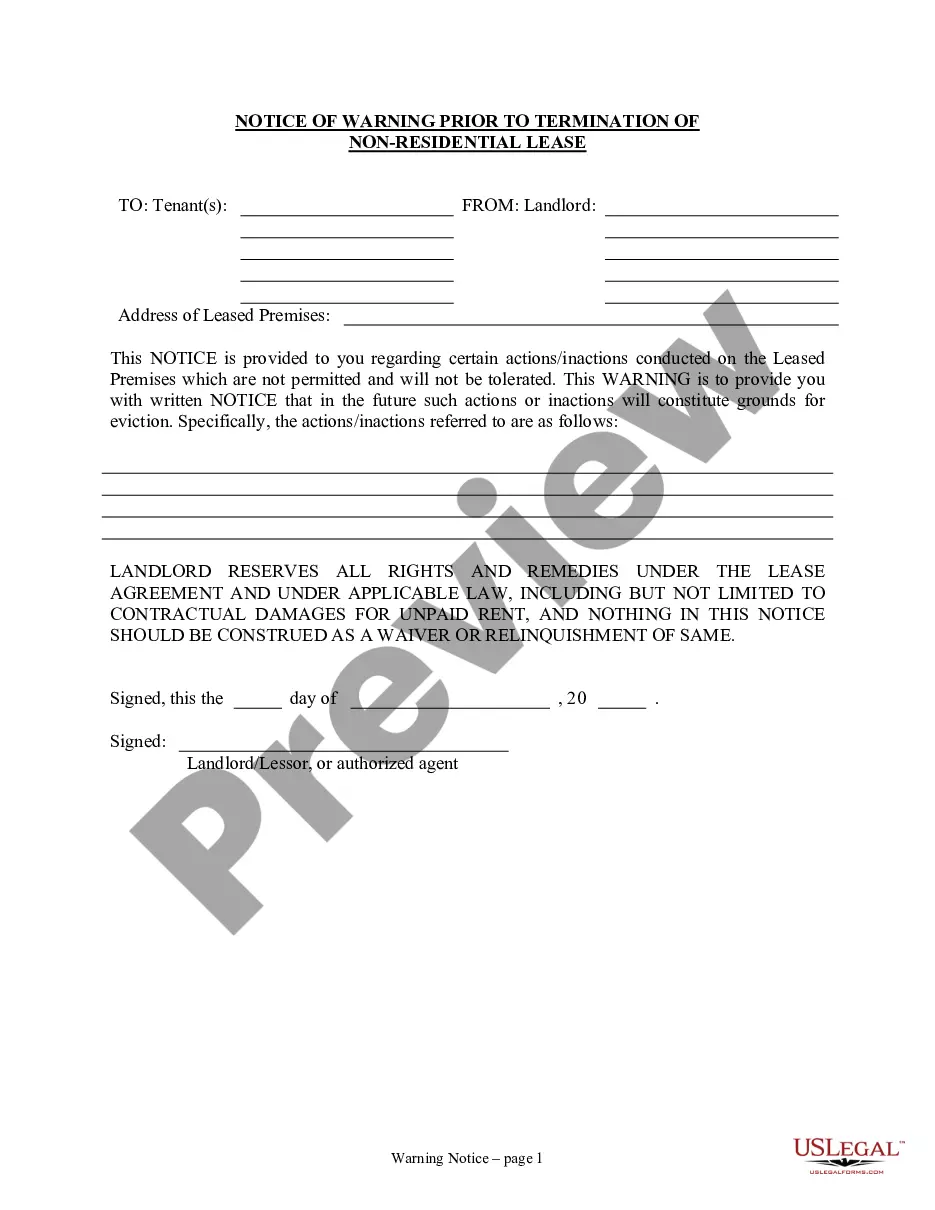
New Hampshire Notice of Warning Prior to Termination of Nonresidential Lease
Understanding this form
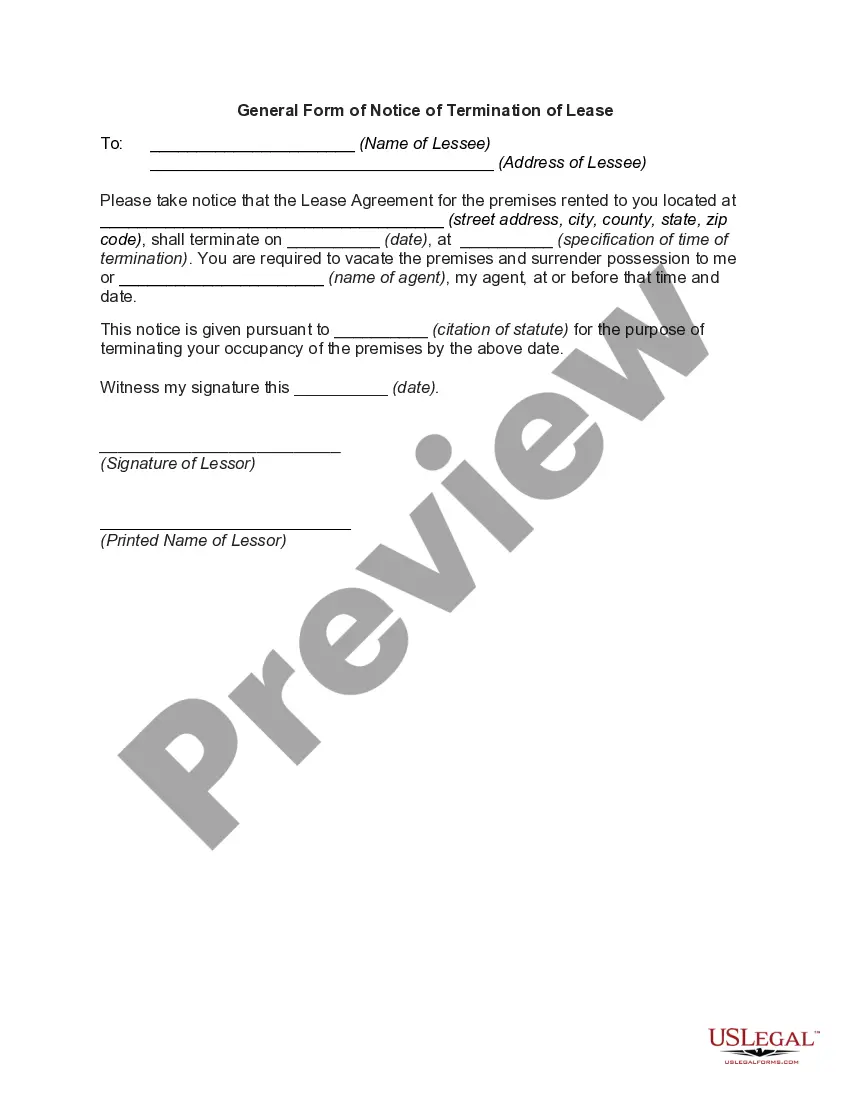
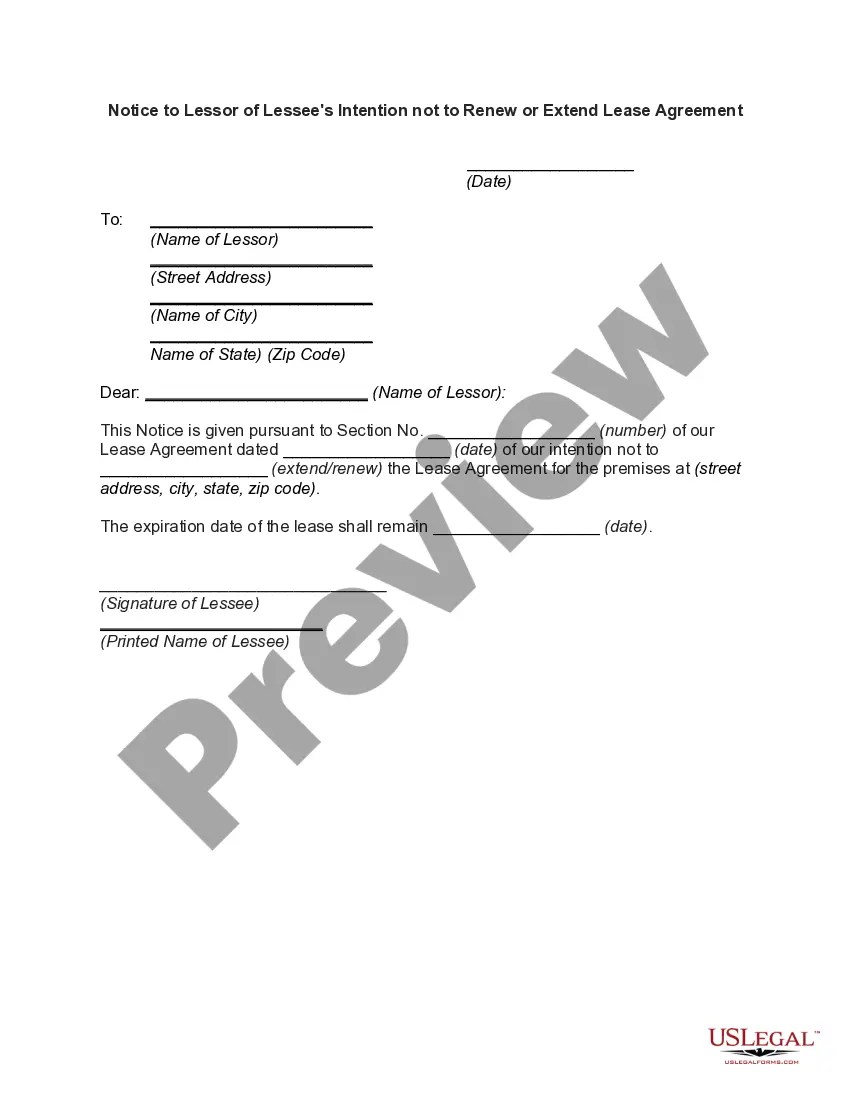
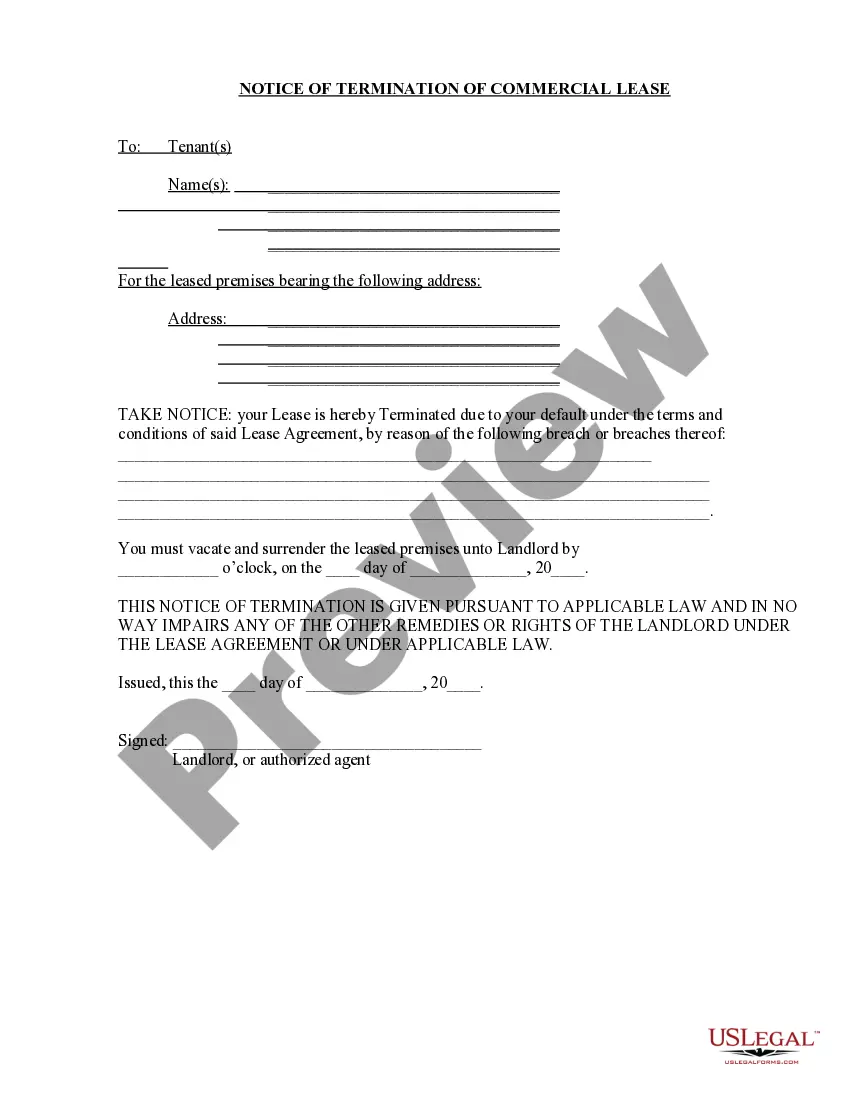
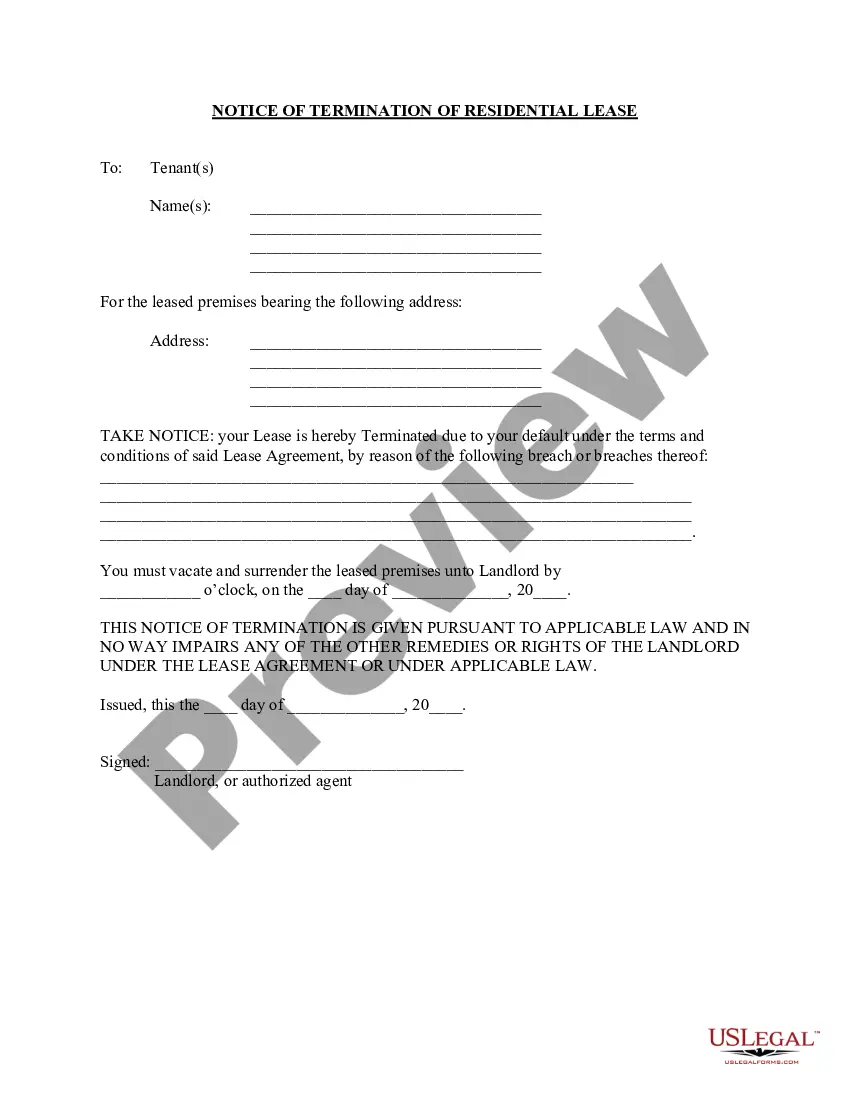
The Notice of Warning Prior to Termination of Nonresidential Lease is a legal document used by landlords to inform tenants of unacceptable behaviors or actions. This notice serves as an official warning, indicating that future infractions may lead to the termination of the non-residential lease. It is important for landlords to communicate these boundaries clearly to maintain a professional and lawful rental relationship. Unlike other notices, this form specifically addresses non-residential properties, such as commercial or industrial spaces, ensuring compliance with applicable lease agreements and laws.
Key parts of this document
- Identification of the tenant(s) and landlord
- Address of the leased premises
- Detailed description of the actions/inactions that are not tolerated
- Statement of landlord's rights and remedies under the lease agreement
- Signature of the landlord or authorized agent
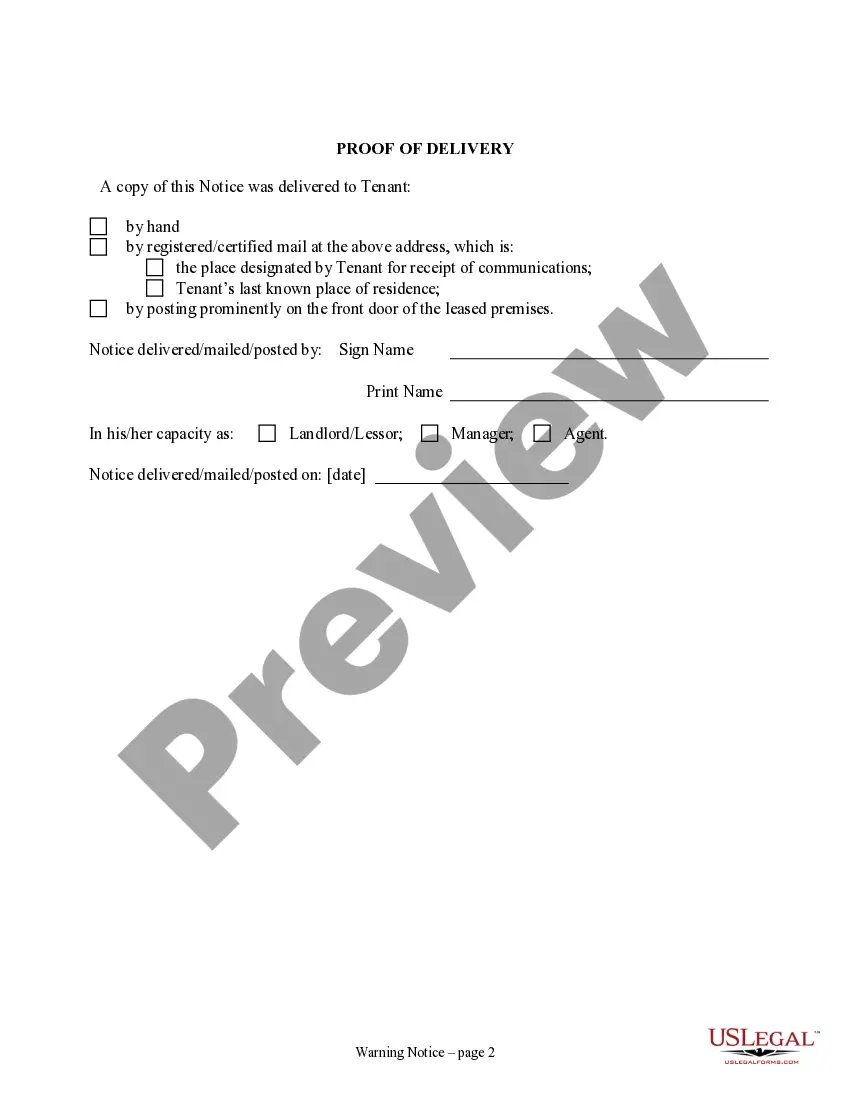
- Proof of delivery options: hand delivery, registered/certified mail, or posting on the premises
Common use cases
This form should be used when a landlord observes that a tenant, their guests, or family members are engaging in behaviors that violate the terms of a non-residential lease. Common situations include disruptive activities, unauthorized use of property, or non-compliance with lease terms that could lead to lease termination if not addressed. Providing this warning prior to termination can help resolve issues amicably and legally.
Who should use this form
- Landlords of non-residential properties, including commercial or industrial tenants
- Property managers acting on behalf of landlords
- Legal representatives of landlords
How to complete this form
- Identify the tenant(s) and landlord by entering their names.
- Specify the address of the leased premises where the tenant is located.
- Clearly outline the specific actions or inactions that have prompted the warning.
- Include the date when the notice is being issued.
- Sign the notice to validate it, either by the landlord or an authorized agent.
- Choose a method for delivery, as per the options provided, and document it as proof.
Is notarization required?
This form does not typically require notarization unless specified by local law. It is sufficient to have the landlord's signature on the notice for it to be legally valid.
Get your form ready online
Our built-in tools help you complete, sign, share, and store your documents in one place.
Make edits, fill in missing information, and update formatting in US Legal Forms—just like you would in MS Word.
Download a copy, print it, send it by email, or mail it via USPS—whatever works best for your next step.
Sign and collect signatures with our SignNow integration. Send to multiple recipients, set reminders, and more. Go Premium to unlock E-Sign.
If this form requires notarization, complete it online through a secure video call—no need to meet a notary in person or wait for an appointment.
We protect your documents and personal data by following strict security and privacy standards.
Make edits, fill in missing information, and update formatting in US Legal Forms—just like you would in MS Word.
Download a copy, print it, send it by email, or mail it via USPS—whatever works best for your next step.
Sign and collect signatures with our SignNow integration. Send to multiple recipients, set reminders, and more. Go Premium to unlock E-Sign.

If this form requires notarization, complete it online through a secure video call—no need to meet a notary in person or wait for an appointment.
We protect your documents and personal data by following strict security and privacy standards.
Avoid these common issues
- Failing to specify the exact actions or inactions that are unacceptable.
- Neglecting to provide clear proof of delivery.
- Not signing the notice, making it invalid.
- Using vague language that may lead to misunderstandings.
Why use this form online
- Easy to download and fill out at your convenience.
- Editable templates ensure compliance with your specific needs.
- Access to forms drafted by licensed attorneys for reliability.
Legal use & context
- This notice serves as a preliminary step before potential lease termination.
- Providing this warning is essential for protecting the landlord's rights under the lease agreement.
- Understanding local laws regarding lease management can enhance enforceability.
Summary of main points
- The Notice of Warning is crucial for maintaining order in non-residential leases.
- Clear communication of unacceptable actions can prevent future legal disputes.
- Proper completion and delivery of this notice are essential for its effectiveness.
Looking for another form?

Form popularity
FAQ
A landlord can legally evict a tenant only by sending a written notice to the tenant. This written notice must be in the form of a "written notice to quit or leave" which is a legal document. Eviction for not paying rent, damages to the property or danger to the health or safety of others require seven days' notice.
7 days is required for almost all evictions. 30 days is required for month-to-month leases. The notice must state the specific reason for eviction, and can be delivered in person, or left on their door. When the notice is up, issue a writ of summons.
In some circumstances, a tenant can break a fixed-term agreement early without penalty. A tenant can give 14 days' written notice to end an agreement early without penalty if: they have accepted an offer of social housing (e.g. from DCJ Housing)
Once the notice is mailed or delivered, your tenancy will terminate 30 days after the date that rent is next due, even if that date is several months before your lease expires.
One pervasive fiction is that tenants can't be turned out of the rental during cold weather. Is this true? Mostly, no. However, there are actions that a landlord may not take during the eviction process.
New Hampshire is a fairly landlord-friendly state because there are no rent control policies and the state does not limit certain fees. However, there are relatively strict requirements on the handling of security deposits.
California law generally allows the owner to terminate a month-to month tenancy on 30 or 60 days notice, depending on how long the residents have lived there. By contrast, a fixed-term lease can only be terminated by the owner on three days' notice for cause.
Can I break my lease? You are always able to break a lease; there is little a landlord can do to actually stop you from leaving before the full term specified in the lease. You are violating no law by vacating early, but you are violating the terms of the contract between you and the landlord.