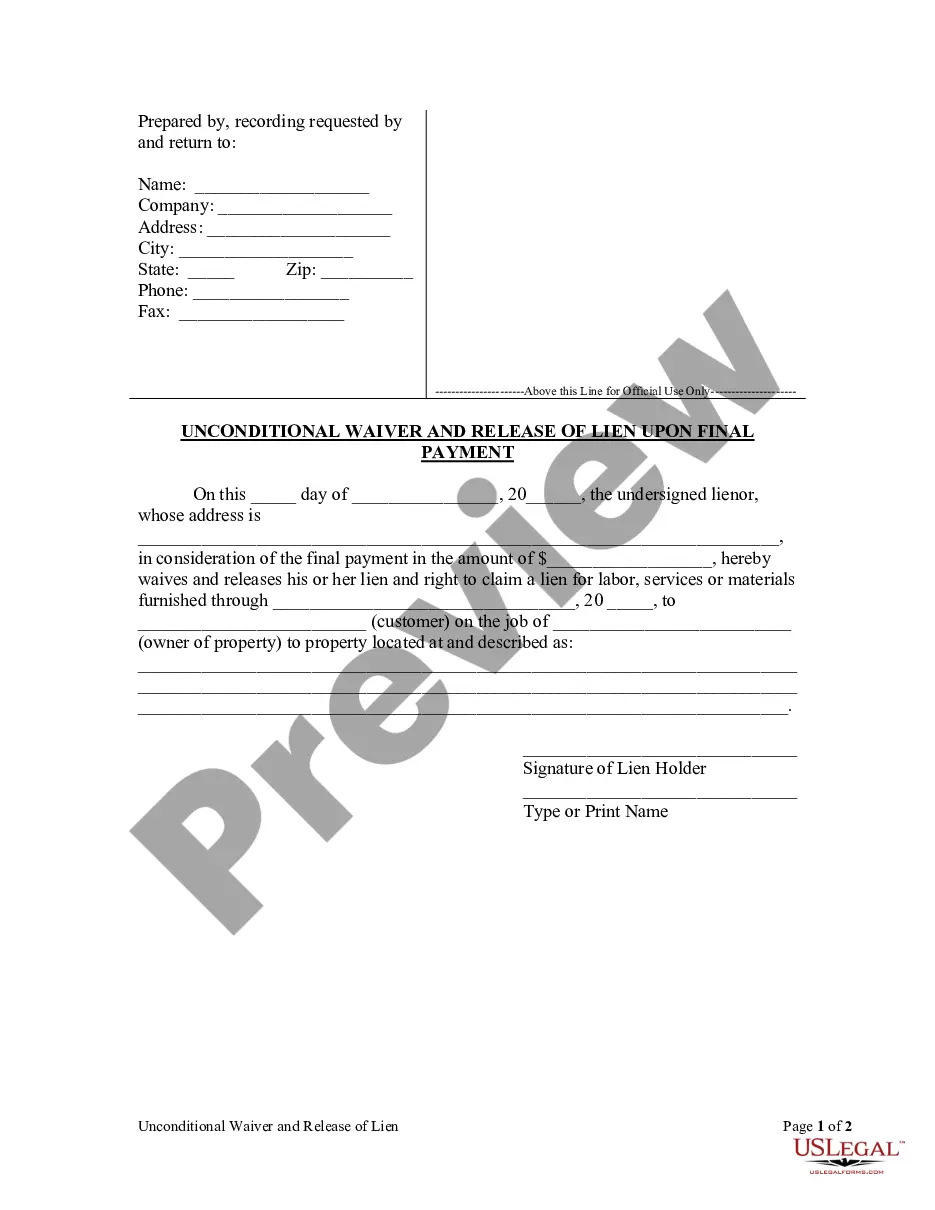
Nebraska Assumption Agreement with Release of Liability
Understanding this form
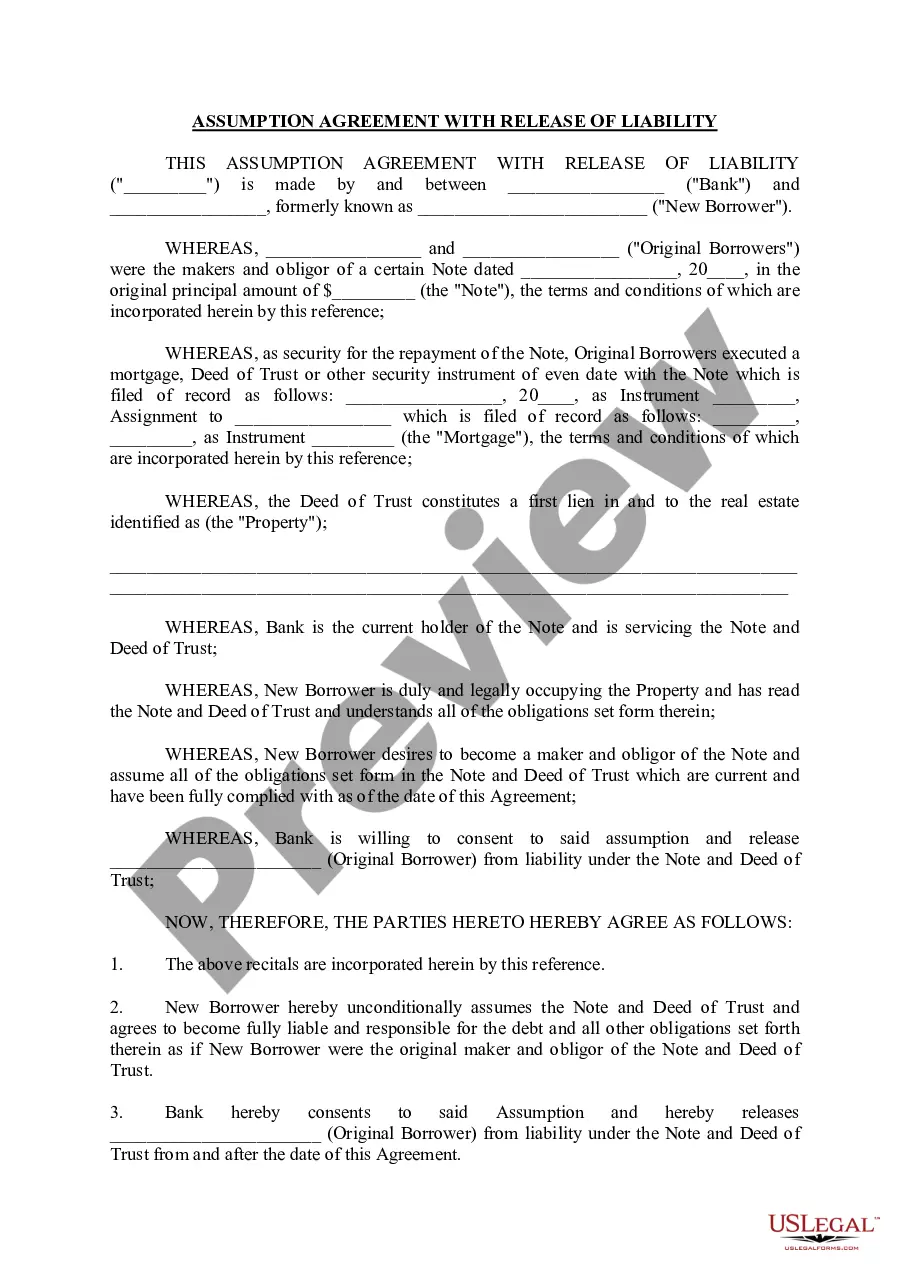
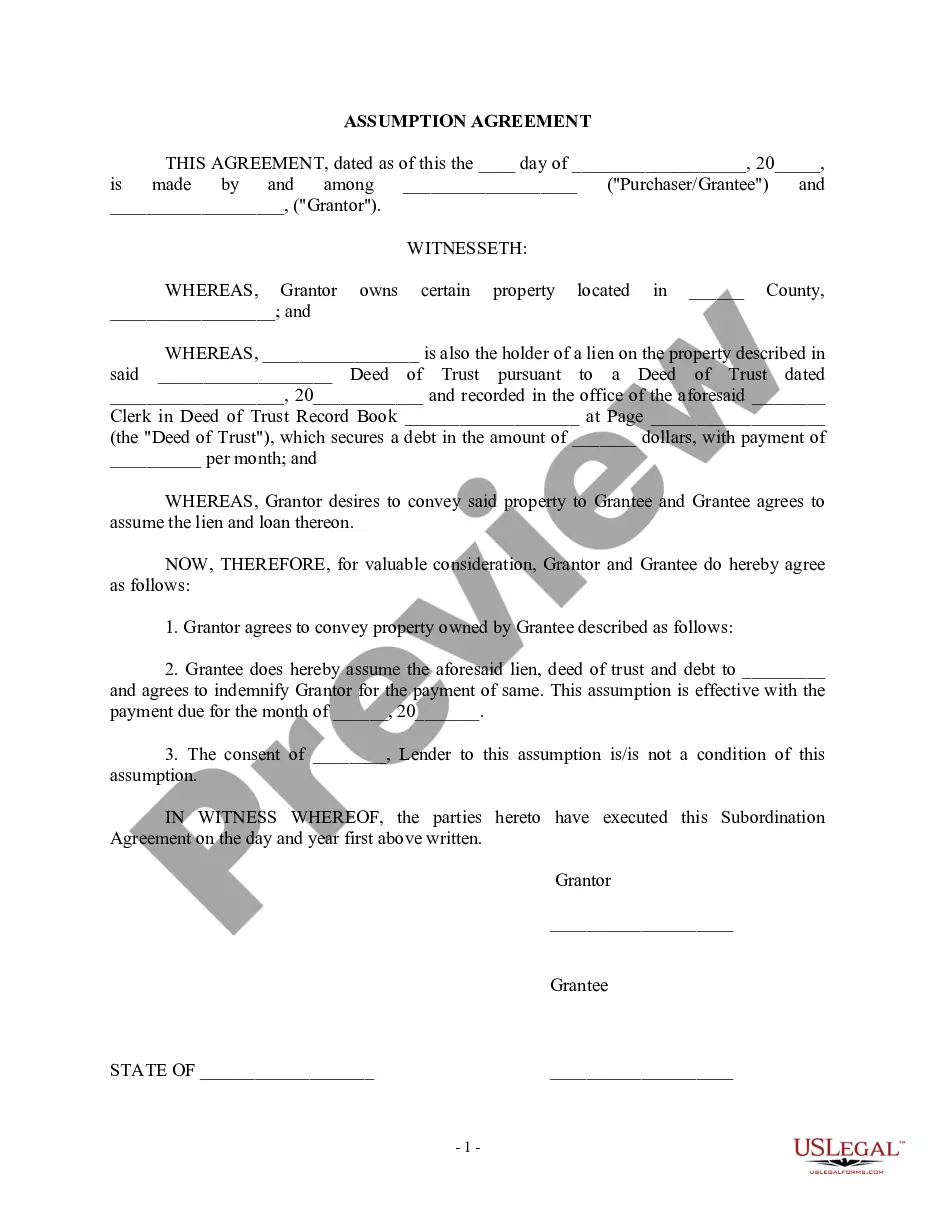
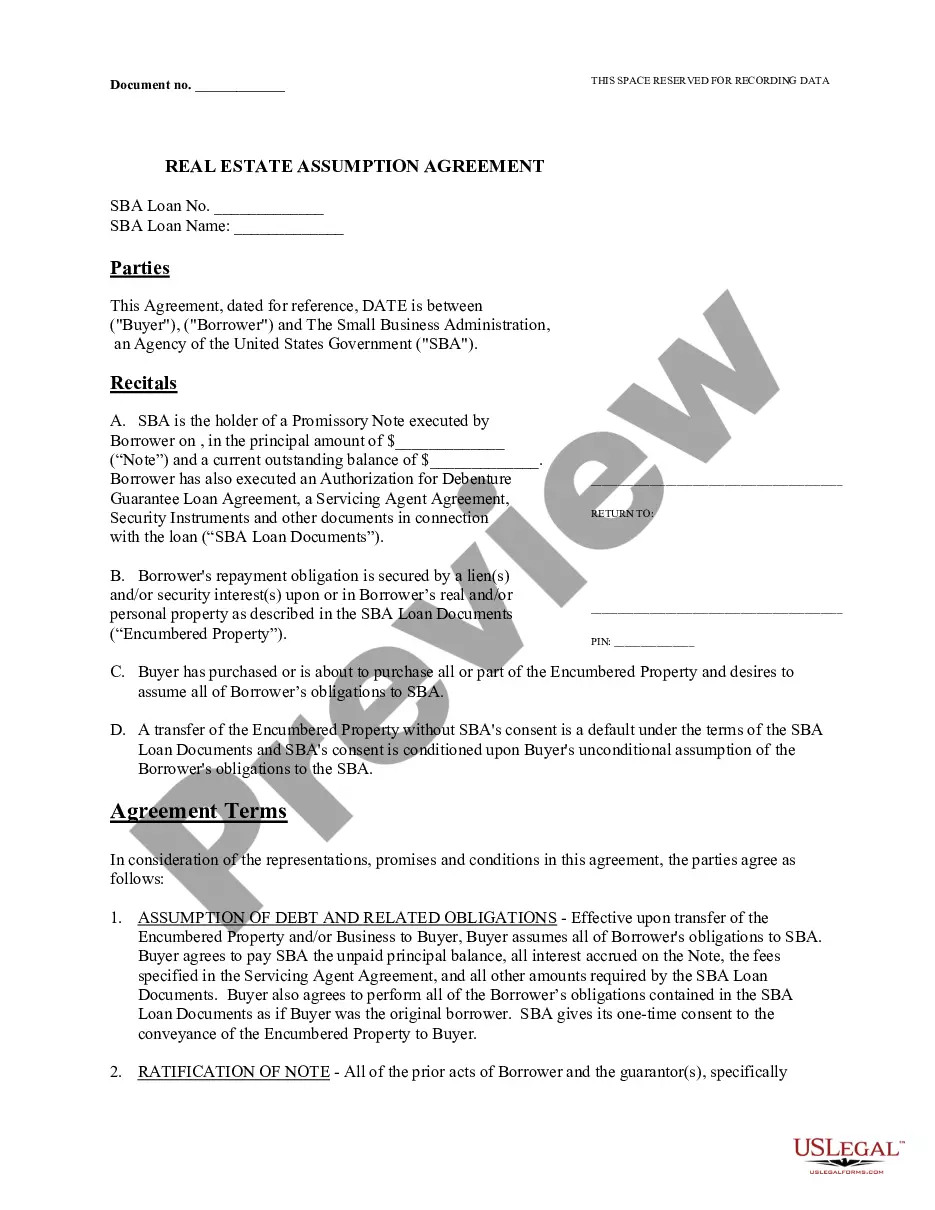
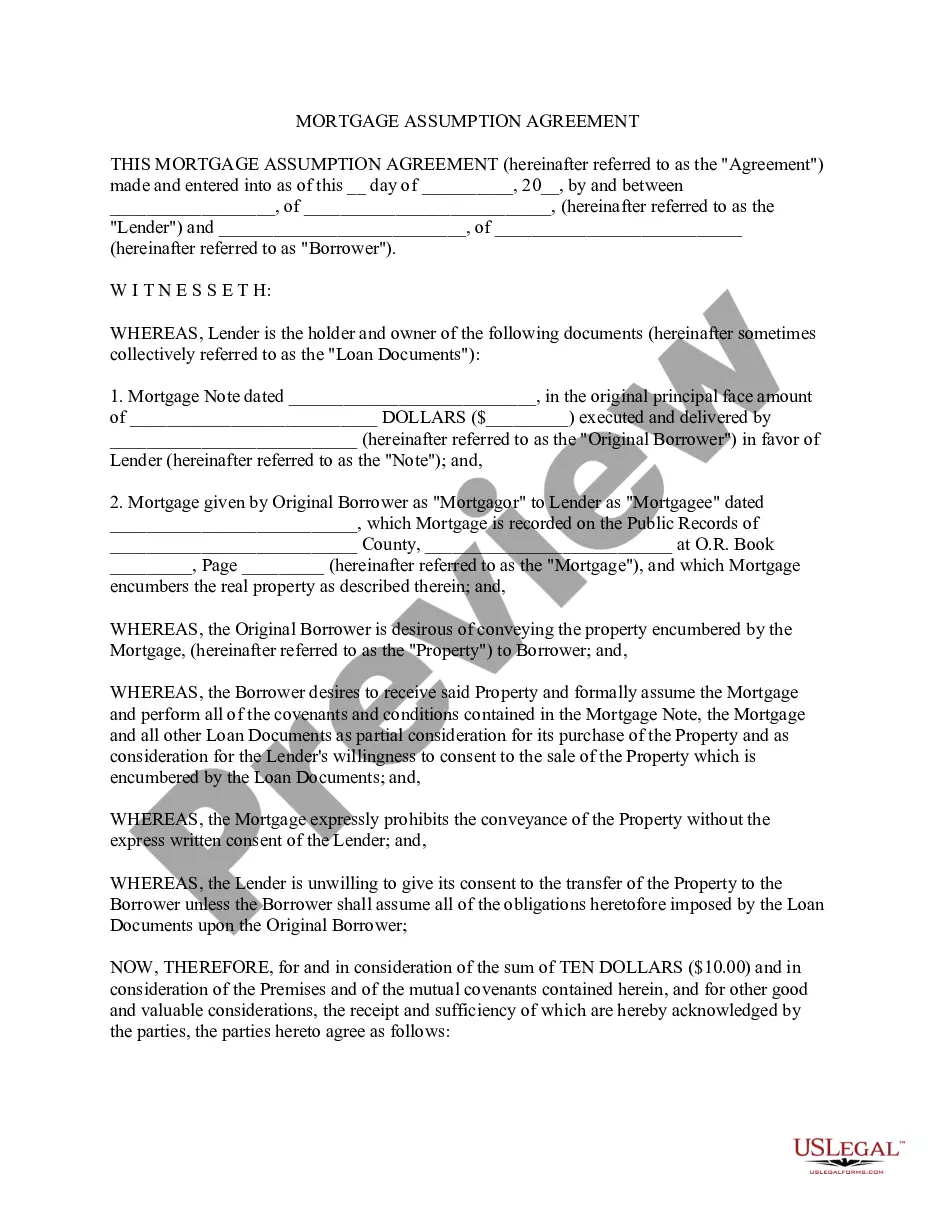
The Assumption Agreement with Release of Liability is a legal document that formalizes the transfer of loan obligations from one borrower to another. This form allows a new borrower to assume an existing loan from a lender while releasing the previous borrower from any further liability. It is crucial for situations where a borrower wishes to pass on their financial responsibilities to another party without affecting the existing loan terms or conditions.
Form components explained
- Identification of the Bank, New Borrower, and Original Borrowers.
- Details regarding the original loan note and security instrument.
- Specification of the property involved in the mortgage.
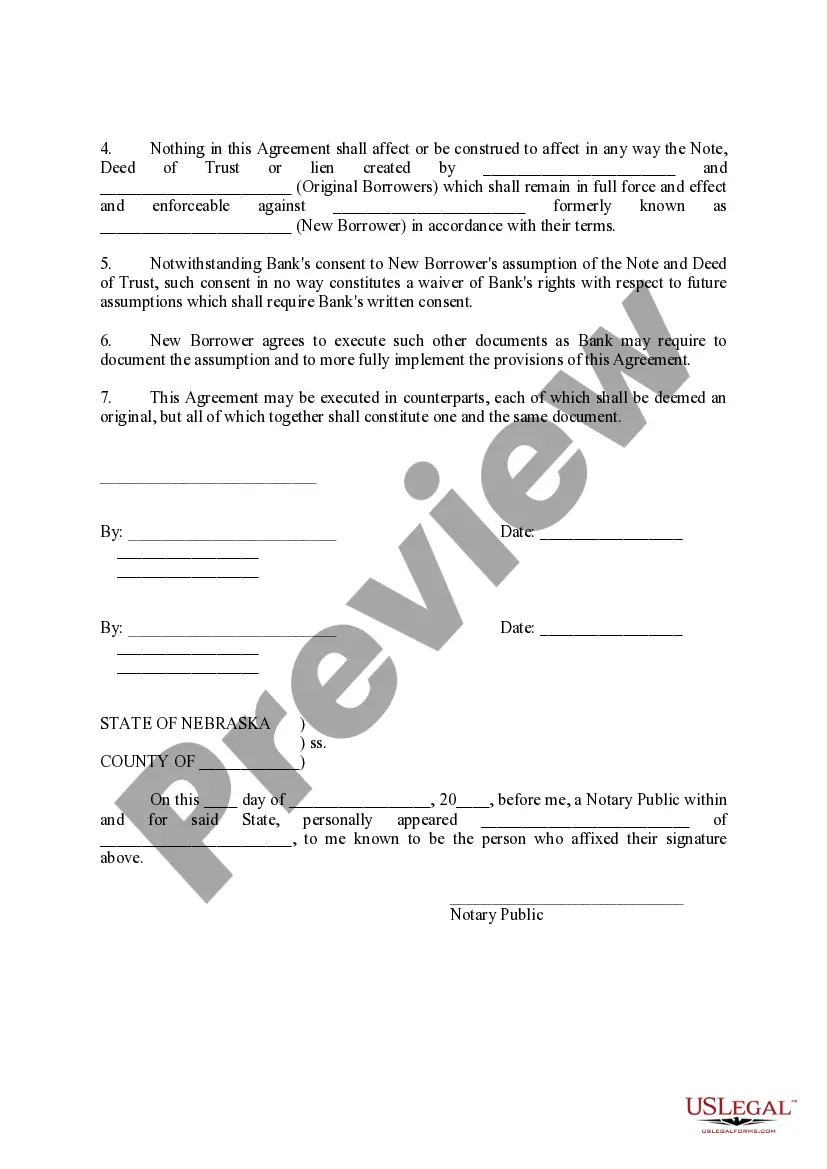
- Consent from the Bank for the assumption of the loan.
- Release of the Original Borrower from liability regarding the loan.
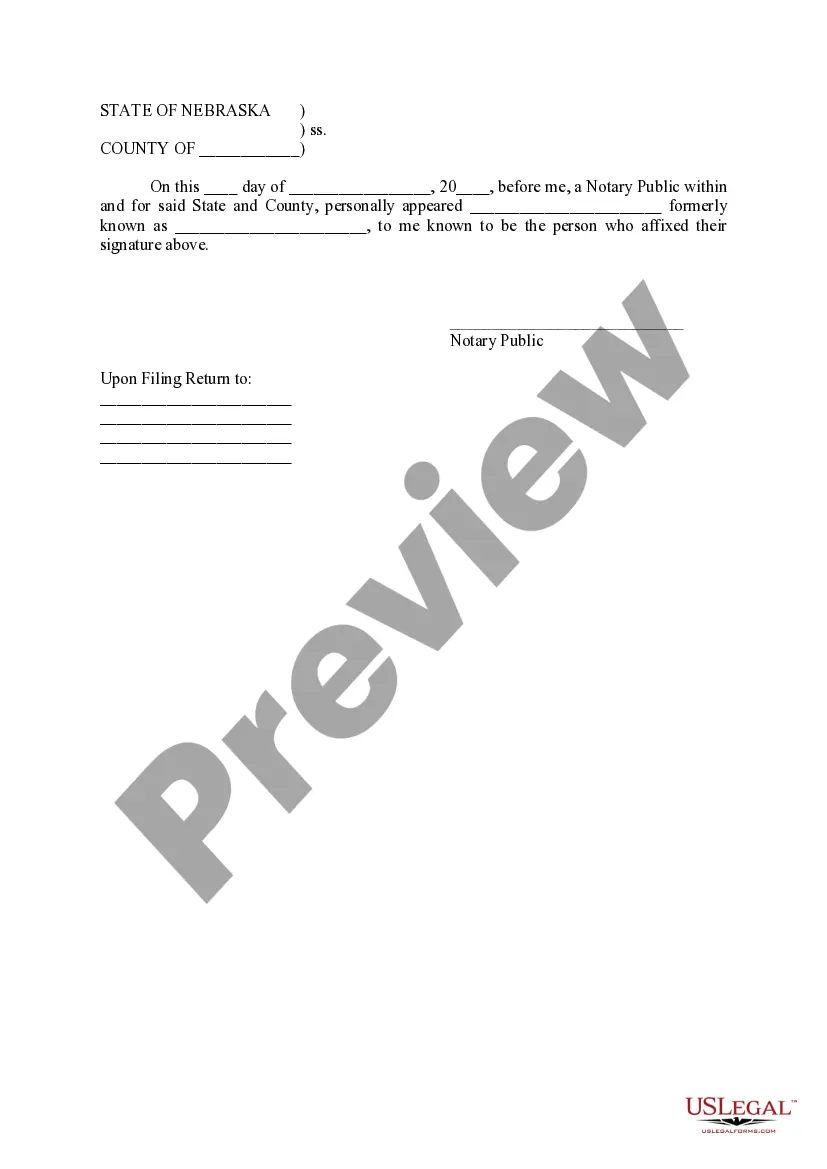
- Signing and notarization requirements to validate the agreement.

Common use cases
This form is commonly used when a borrower wishes to transfer their mortgage responsibilities to another individual, such as when selling a property to a buyer who intends to assume the existing loan. It is important for those involved in real estate transactions, refinancing, or personal financial adjustments where the continuity of loan terms is desired without creating a new loan agreement.
Who needs this form
- New Borrowers assuming an existing loan.
- Original Borrowers looking to release themselves from liability.
- Lenders who want to formalize the assumption process.
- Individuals involved in a real estate transaction requiring loan assumption.
Completing this form step by step
- Identify and fill in the names of the Bank, New Borrower, and Original Borrowers.
- Specify the details of the original loan note, including the date and principal amount.
- Enter the legal description of the property involved in the mortgage.
- Obtain signatures from all relevant parties, ensuring the Bank consents to the assumption.
- Have the document notarized to fulfill legal requirements.
Notarization guidance
Yes, this form must be notarized to be legally valid. The notarization process adds a layer of verification that the signatures are authentic, ensuring the document is enforceable. US Legal Forms offers integrated online notarization services, allowing you to complete this process securely via video call at any time.
Get your form ready online
Our built-in tools help you complete, sign, share, and store your documents in one place.
Make edits, fill in missing information, and update formatting in US Legal Forms—just like you would in MS Word.
Download a copy, print it, send it by email, or mail it via USPS—whatever works best for your next step.
Sign and collect signatures with our SignNow integration. Send to multiple recipients, set reminders, and more. Go Premium to unlock E-Sign.
If this form requires notarization, complete it online through a secure video call—no need to meet a notary in person or wait for an appointment.
We protect your documents and personal data by following strict security and privacy standards.

Make edits, fill in missing information, and update formatting in US Legal Forms—just like you would in MS Word.

Download a copy, print it, send it by email, or mail it via USPS—whatever works best for your next step.

Sign and collect signatures with our SignNow integration. Send to multiple recipients, set reminders, and more. Go Premium to unlock E-Sign.

If this form requires notarization, complete it online through a secure video call—no need to meet a notary in person or wait for an appointment.

We protect your documents and personal data by following strict security and privacy standards.
Mistakes to watch out for
- Failing to obtain the lender's consent, which is necessary for the assumption.
- Not fully understanding the terms of the original loan, which can lead to unforeseen obligations.
- Neglecting to have the document notarized, impacting its enforceability.
Why use this form online
- Convenient access to legal forms that can be downloaded and completed at your own pace.
- Editable templates that allow customization based on individual circumstances.
- Reliable forms drafted by licensed attorneys to ensure legal accuracy and compliance.
Looking for another form?
Form popularity
FAQ
200bStart the letter off with a clear explanation regarding your request. For instance, explain that you're requesting certain fees or charges to be waived or to be released from a previous engagement. Communicate any supporting or relative dates, names of parties, monetary figures, or venues as facts.
Identify the releasor. Describe the photo, image, likeness, or video. Address any payment the model receives for the release. Address royalties. Address whether the model has the ability to revoke their authorization. The parties sign and date the release.
You do not have to sign this authorization form. Instead, you can provide only the medical documentation necessary for the insurer to evaluate your injuries and compensation.
All parties involved in the incident. A statement saying you were involved in the accident that caused the injury. The total amount of the property damage. A statement that releases the defendant from any future claims or damages that are related to the incident.
Definitions. What is a release agreement? A release agreement is an enforceable promise not to proceed with a legal claim in exchange for money or other compensation. Essentially, a party (the releasee) gives money or other consideration to a second party (the releasor).
The General Release is a broad release from all possible civil claims resulting from a dispute. Since the Releasing Party is giving up all known and unknown claims against the other party, care should be taken to ensure that the Releasor is fully aware of their rights.
Get help. Writing a waiver should not be complicated. Use the correct structure. Proper formatting. Include a subject line. Include a caution! Talk about the activity risks. Do not forget an assumption of risk. Hold harmless.
In California, a liability waiver must be clear, unambiguous, and explicit. In other words, waivers cannot be printed in faded ink, in small font, on the back of a paper, or in an otherwise ambiguous form. If the waiver that you sign is not represented clearly, it may not hold up in the event of a lawsuit.