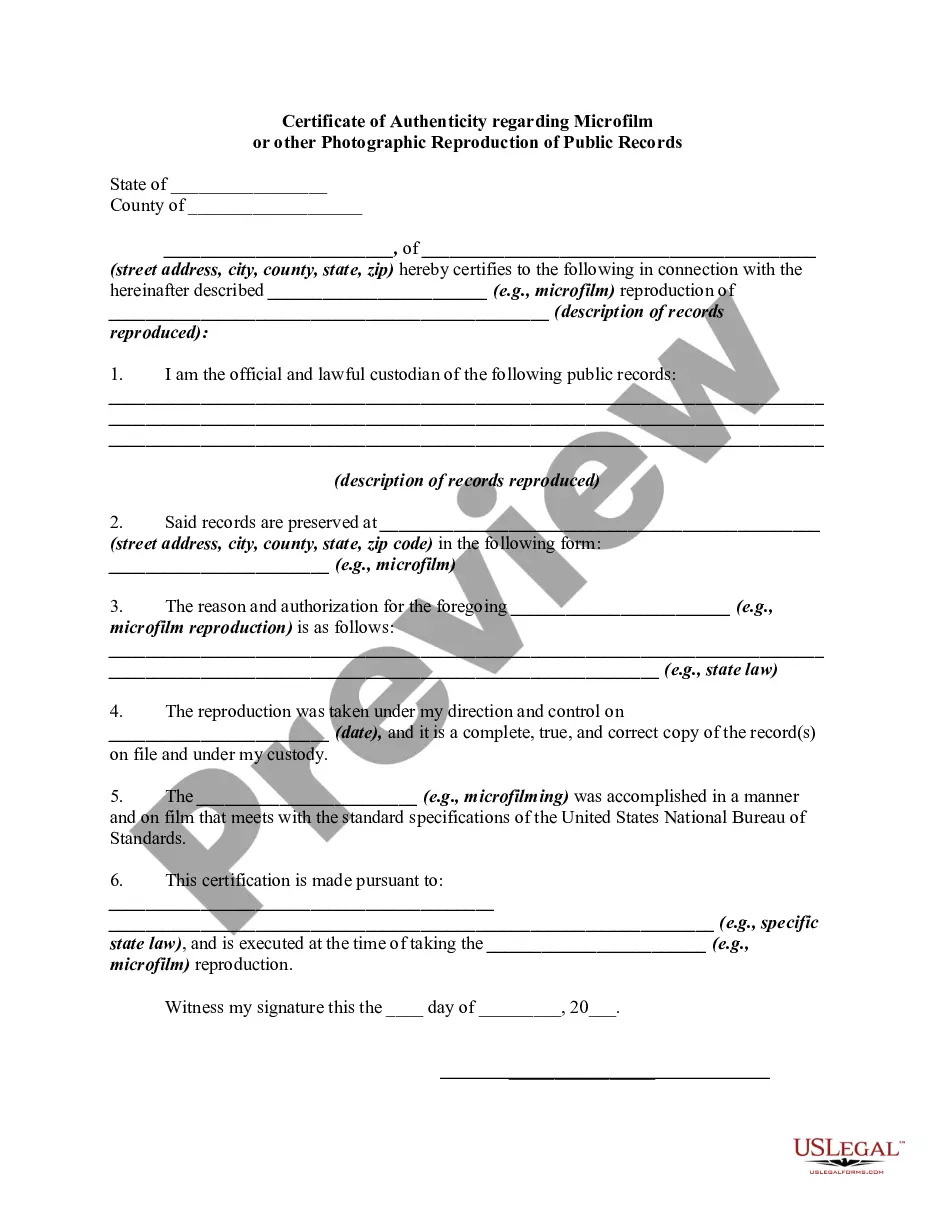
North Dakota Certificate of Authenticity regarding Microfilm or other Photographic Reproduction of Public Records
Description
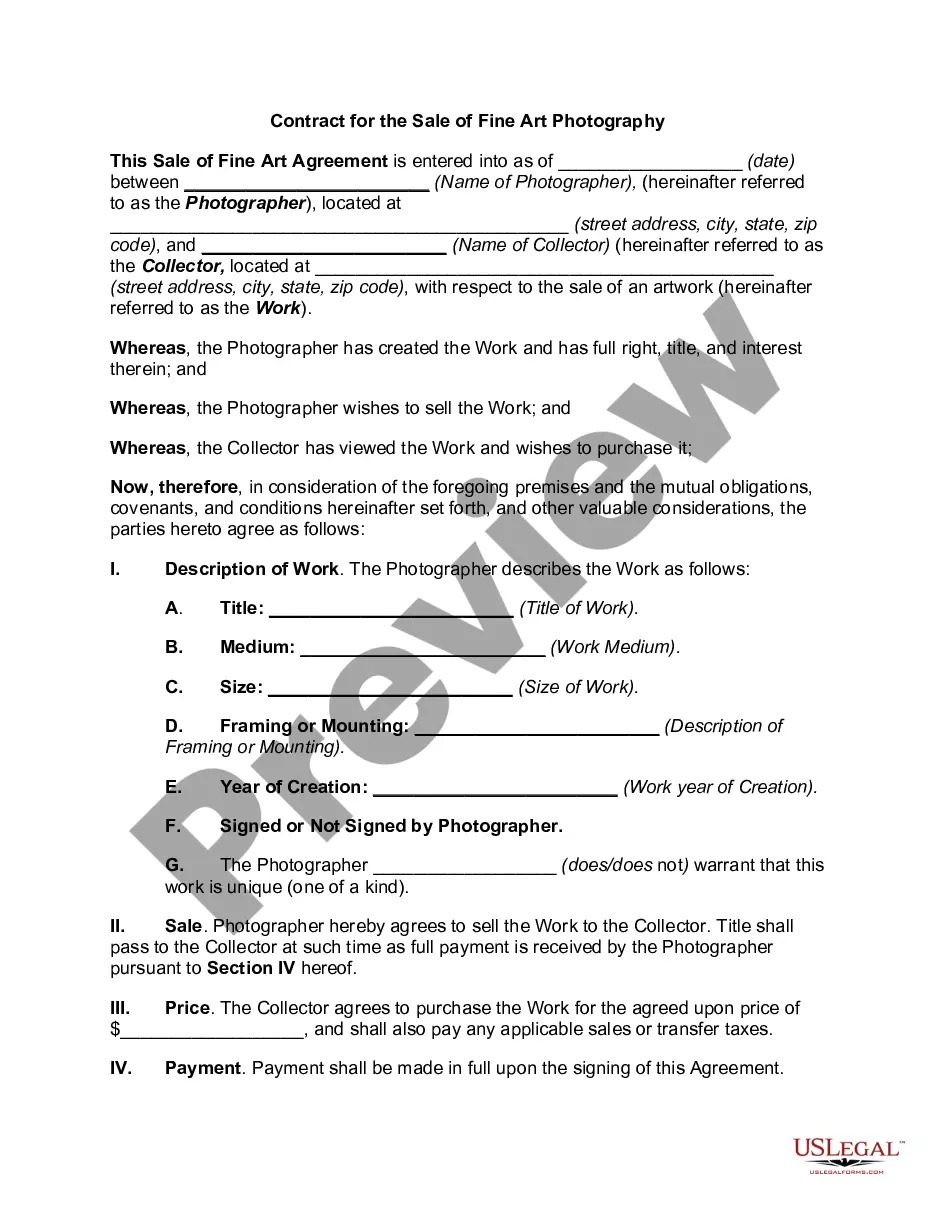
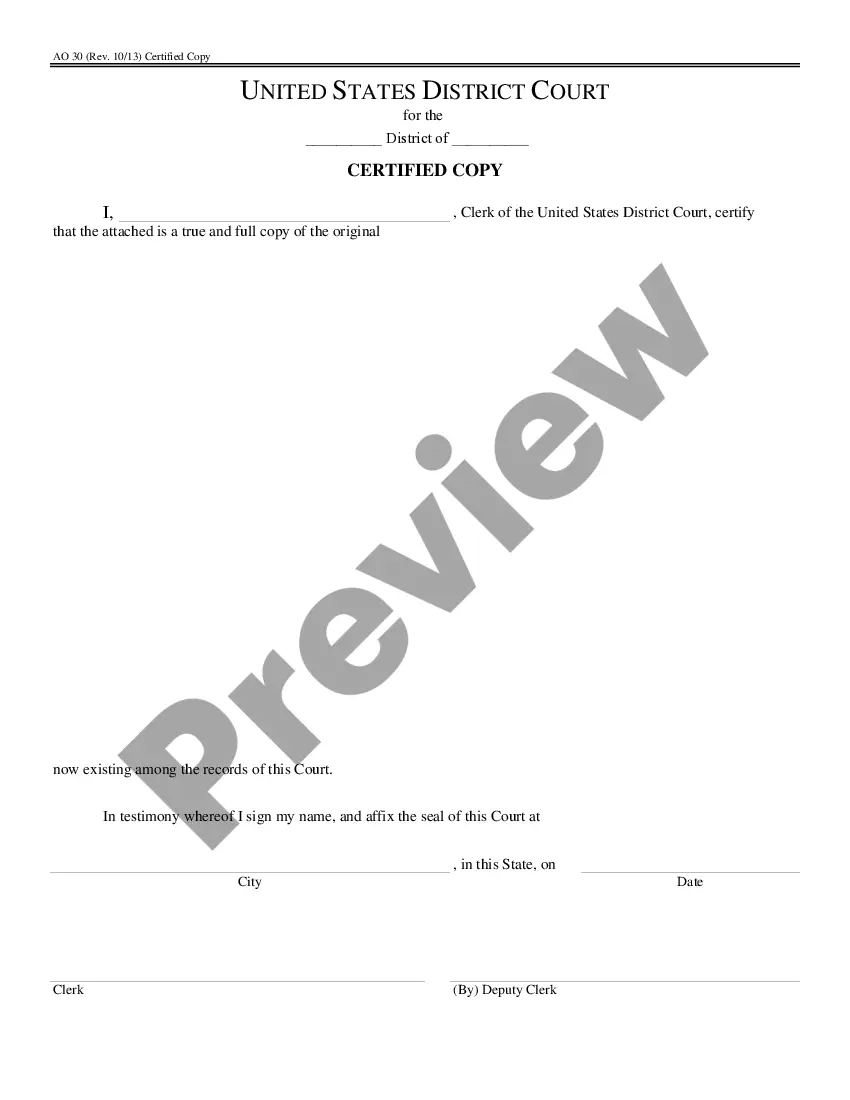
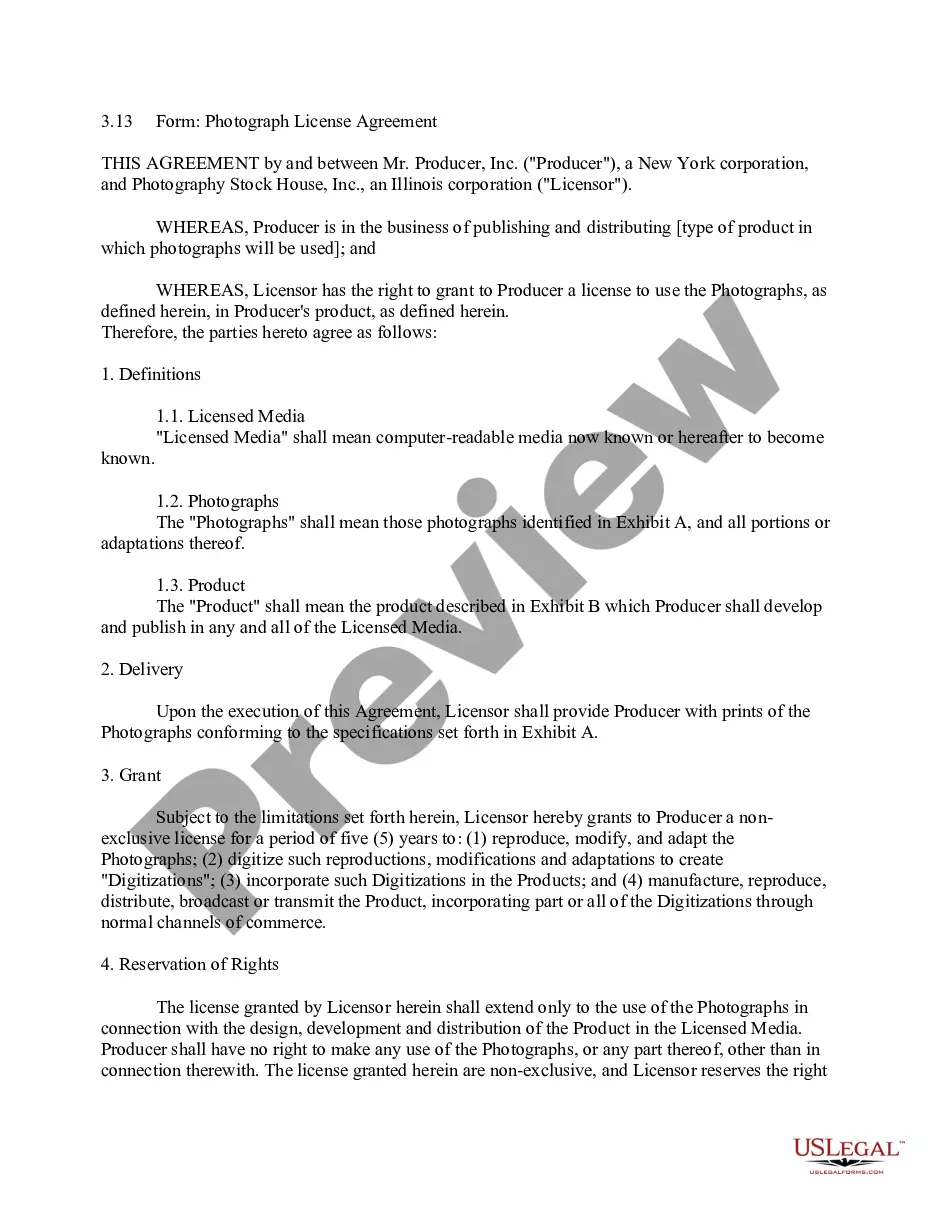
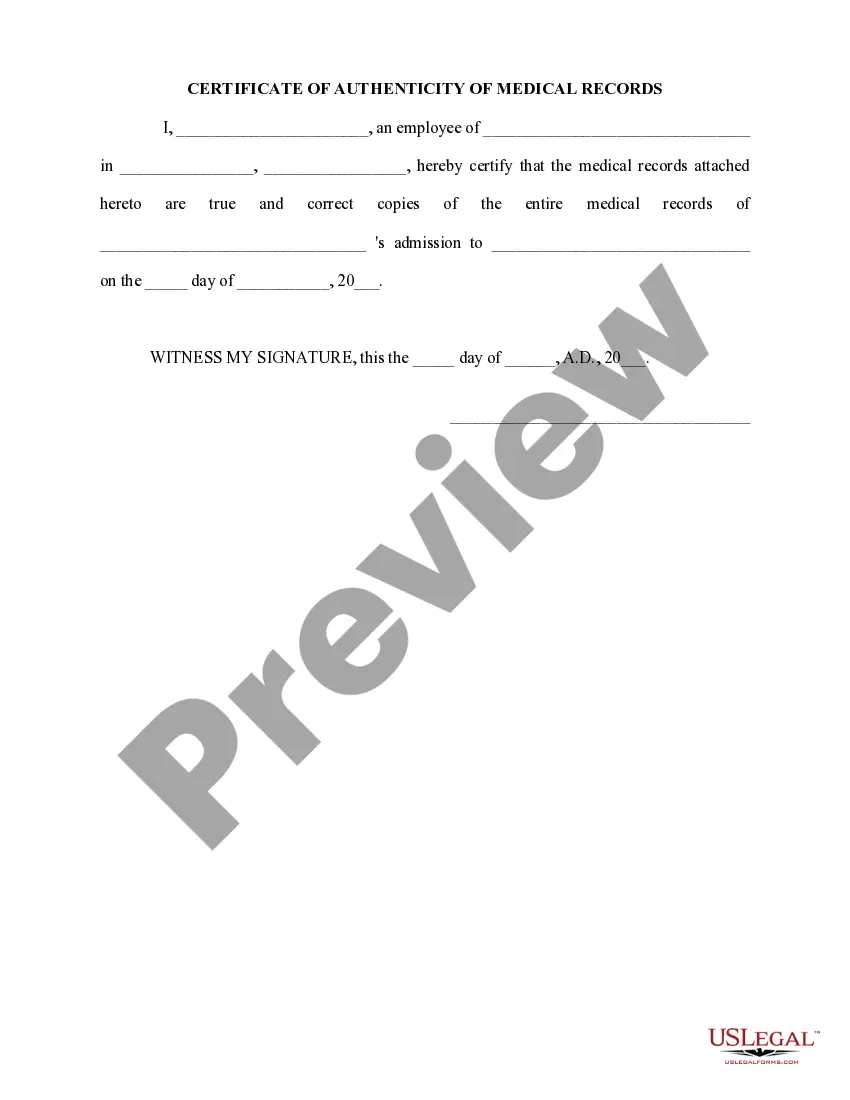
How to fill out Certificate Of Authenticity Regarding Microfilm Or Other Photographic Reproduction Of Public Records?
Are you situated in a location where you will require documents for both commercial or specific needs almost every occasion.
There are numerous legitimate document templates accessible online, but obtaining forms that you can rely on is not easy.
US Legal Forms offers a vast array of form templates, including the North Dakota Certificate of Authenticity for Microfilm or other Photographic Reproduction of Public Records, which are designed to comply with state and federal regulations.
If you find the correct form, click Buy now.
Select the pricing plan you want, complete the necessary information to create your account, and pay for your order using your PayPal or credit card.
- If you are already familiar with the US Legal Forms site and possess an account, simply Log In.
- After that, you can download the North Dakota Certificate of Authenticity for Microfilm or other Photographic Reproduction of Public Records template.
- If you do not have an account and wish to begin using US Legal Forms, follow these steps.
- Locate the form you need and ensure it is for the correct region/area.
- Utilize the Review button to inspect the form.
- Read the details to make sure that you have selected the appropriate form.
- If the form is not what you are looking for, use the Search field to find the form that suits your needs and requirements.
Form popularity
FAQ
North Dakota has ?sunshine laws,? which make all government records and meetings open to the public unless a specific law authorizes a record to be withheld or a meeting to be closed.
The South Dakota Sunshine Law is a series of laws designed to guarantee that public has access to public records of governmental bodies. Public records are defined as all records kept by public bodies in South Dakota, no matter the physical form.
North Dakota Criminal History Record Checks The Bureau of Criminal Investigation (BCI) is the state's central repository for criminal history information, a system that compiles records of arrests and prosecutions of individual offenders for use by law enforcement, the courts, and the public.
North Dakota's eavesdropping law provides that it is legal to record an oral or telephone communication with the consent of at least one party unless the recording is made with criminal or tortious intent. Illegal recording is a felony.
Anyone has the right to access and obtain copies of a public entity's records, regardless of where they live. A request must reasonably identify specific records. The request can be made by any available medium ? such as phone, email, mail ? or in person, and does not have to be in writing.
Anyone has the right to access and obtain copies of a public entity's records, regardless of where they live. A request must reasonably identify specific records. The request can be made by any available medium ? such as phone, email, mail ? or in person, and does not have to be in writing.