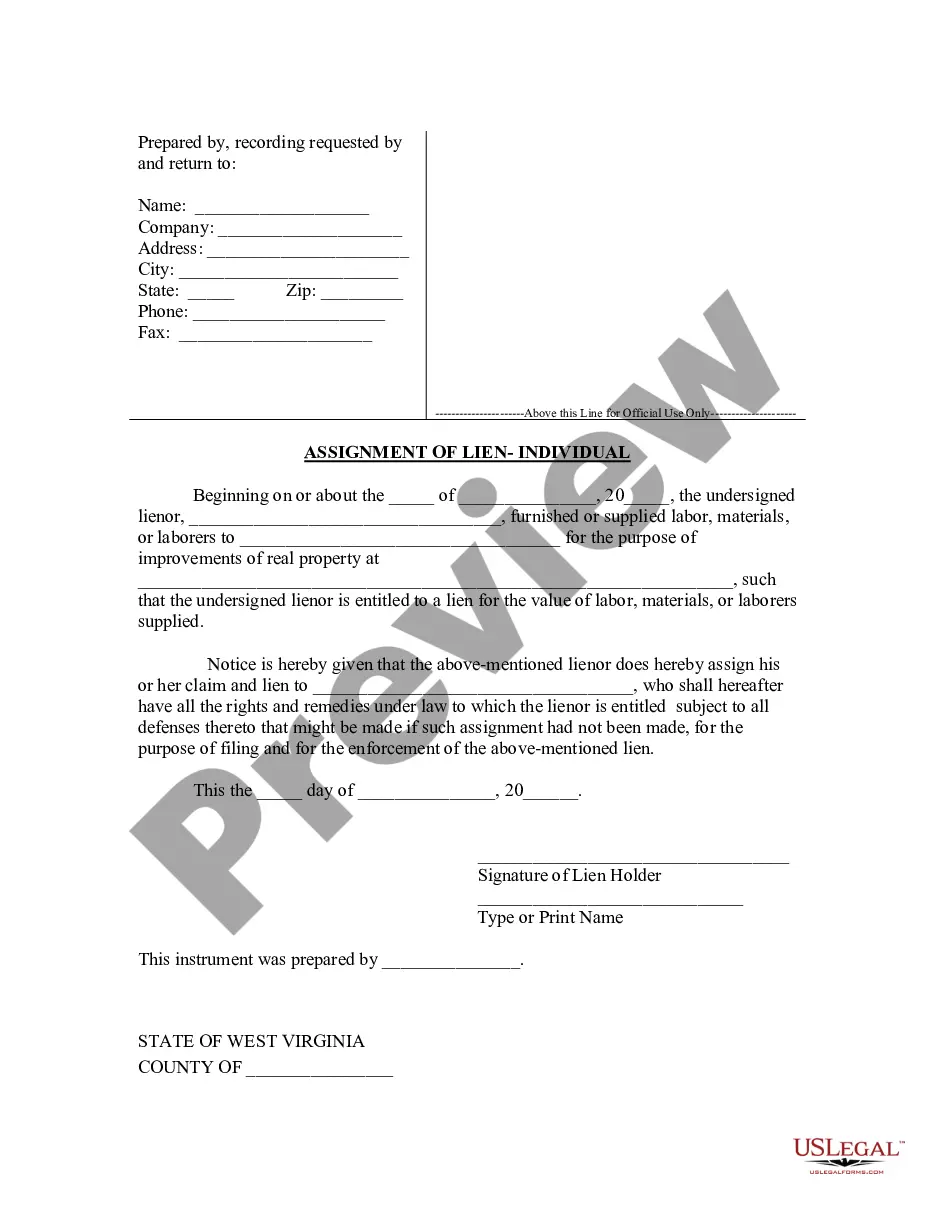
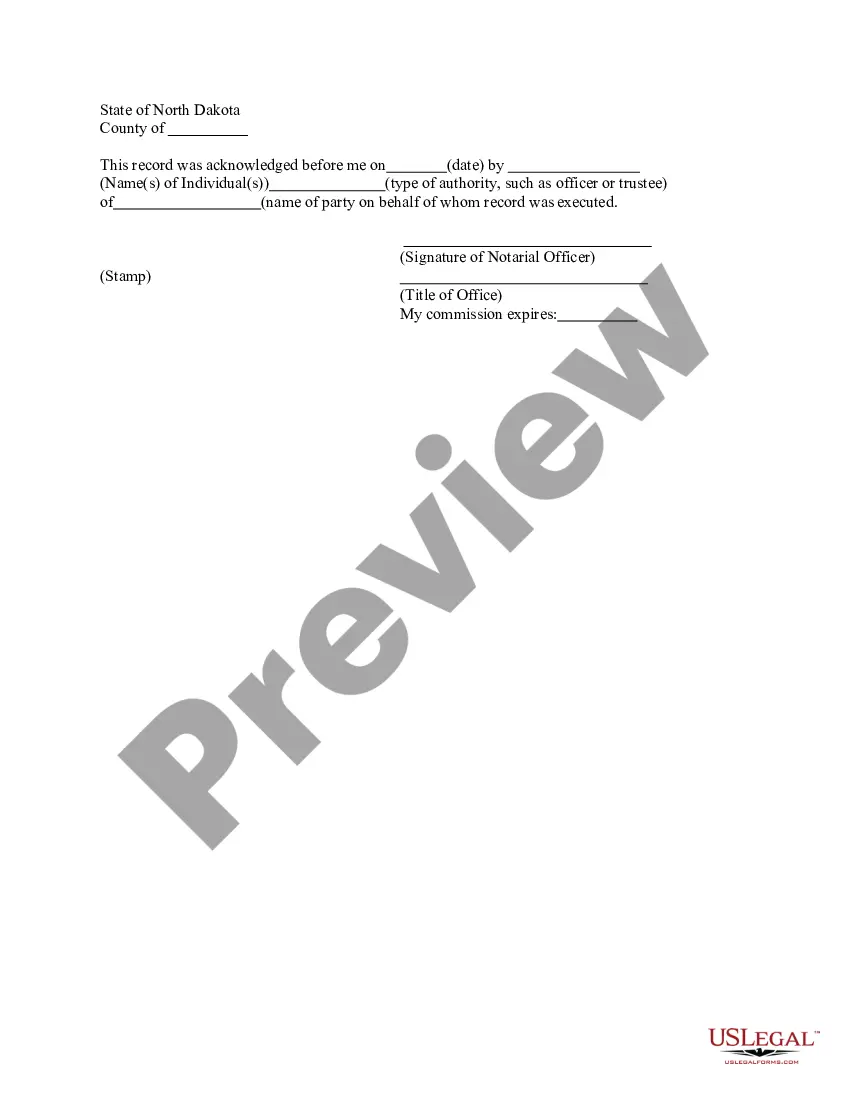
North Dakota Acknowledgment for Representative Capacity
What this document covers
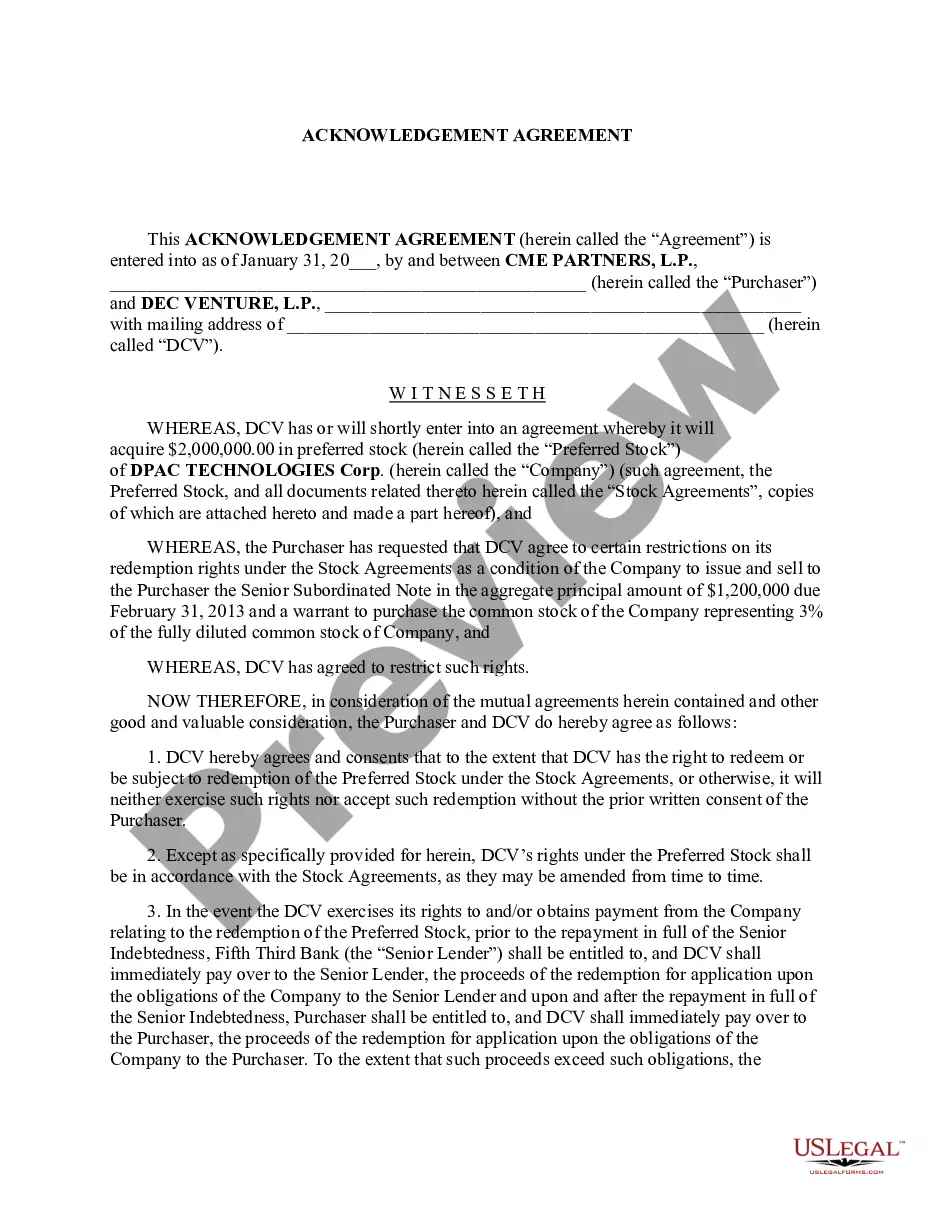
The Acknowledgment for Representative Capacity form is a legal document that validates the authority of an individual acting on behalf of another party. This form is essential when a representativeâsuch as an officer, trustee, or attorneyâis tasked with signing documents or making decisions for someone else. It differs from power of attorney documents by focusing specifically on acknowledgment rather than delegation of authority.
Key parts of this document
- Date of acknowledgment: Document the date when the acknowledgment takes place.
- Name of individual(s): Include the full names of representatives acknowledging their capacity.
- Type of authority: Specify the nature of the authority granted, like officer or trustee.
- Name of party represented: Indicate the party on whose behalf the acknowledgment is executed.
- Notarial section: A place for a notaryâs signature, validating the acknowledgment.

Situations where this form applies
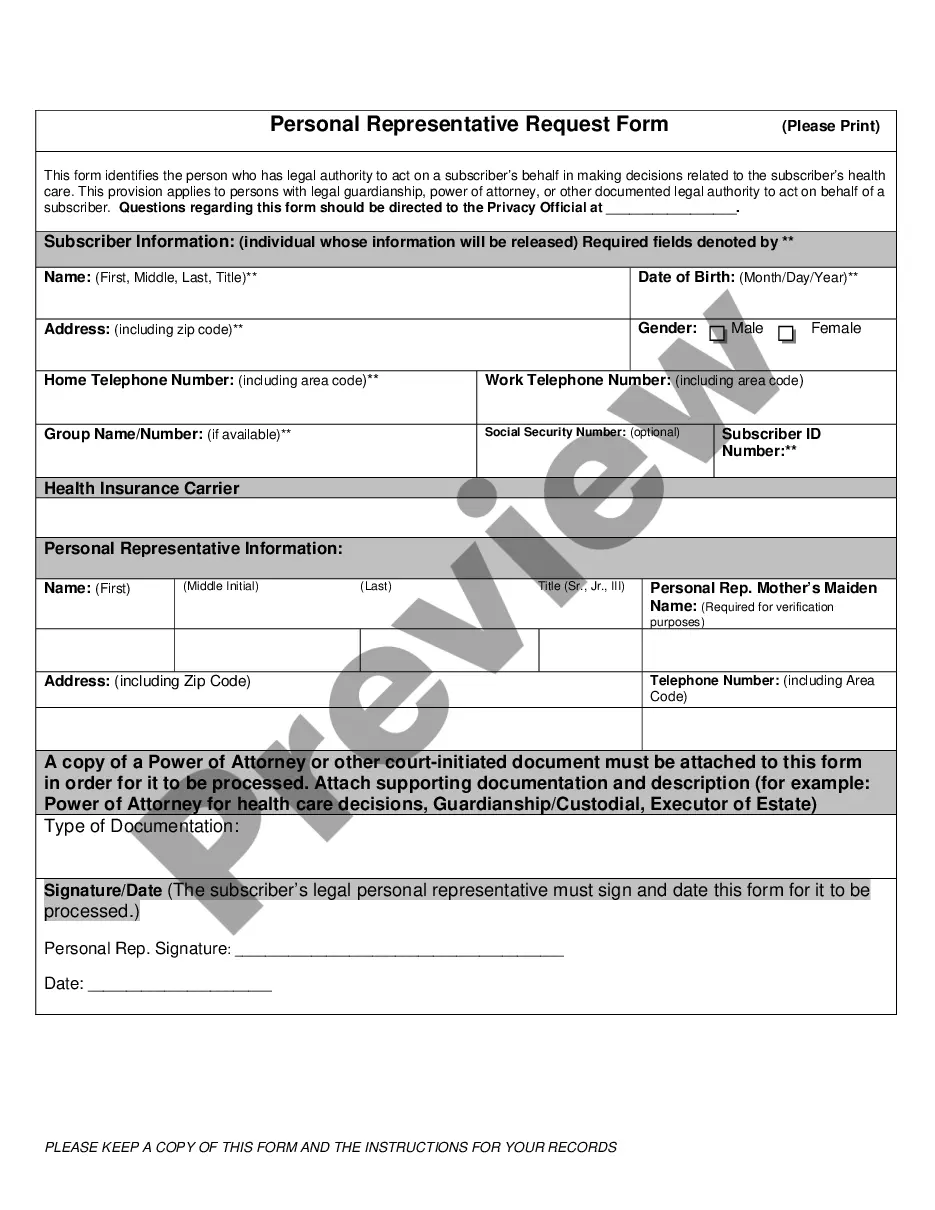
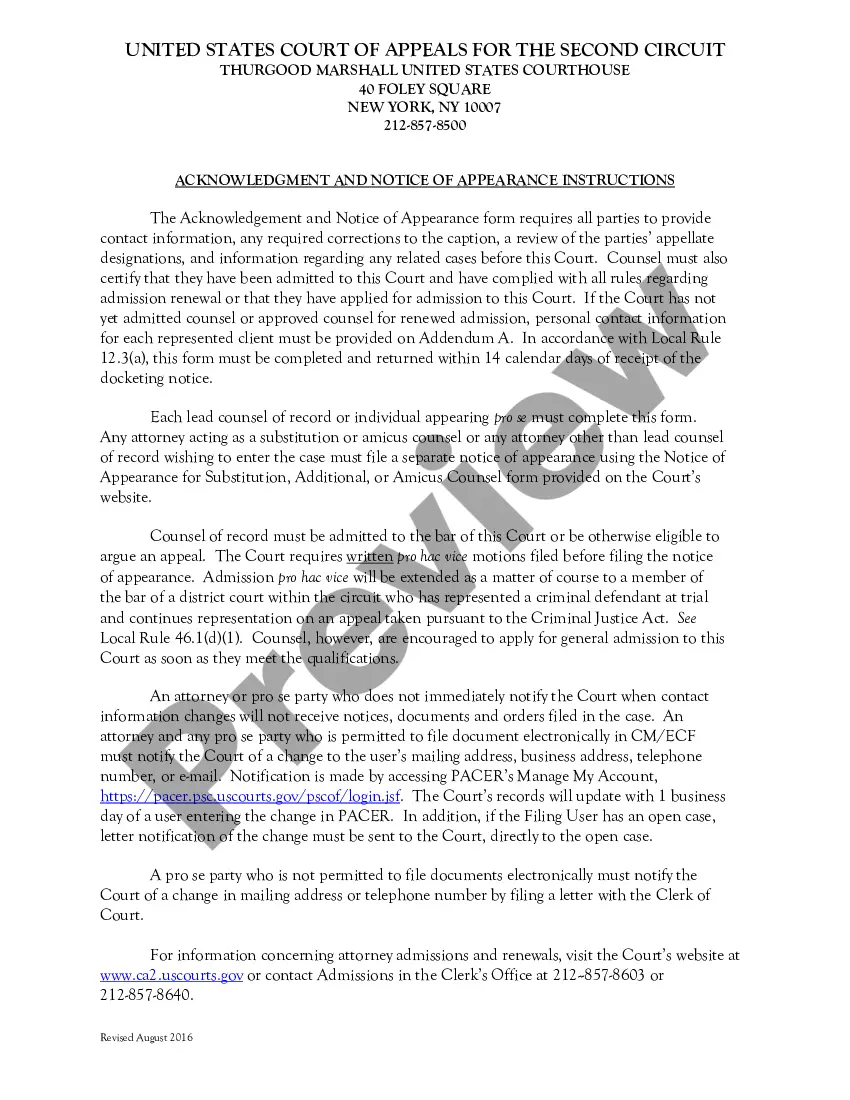
This form should be used in scenarios where an individual needs to demonstrate their authority to act on behalf of another person or entity. Common instances include corporate actions, trust management, or any situation where a representativeâs acknowledgment is required for legal documents or transactions.
Intended users of this form
Eligibility includes:
- Individuals acting as representatives, such as officers, trustees, or agents.
- Attorneys managing legal matters on behalf of clients.
- Organizations needing to confirm the authority of their representatives for specific transactions.
How to prepare this document
- Identify the parties involved: Collect the names of the representative(s) and the individual they represent.
- Specify the authority type: Clearly define the role of the representative, such as an officer or trustee.
- Enter the date of acknowledgment: Fill in the appropriate date when the acknowledgment takes place.
- Sign the document: The representative must sign acknowledging their capacity to act.
- Include notarization: Arrange for a notary to complete the form by signing and stamping the document as required.
Notarization guidance
Yes, this form must be notarized to be legally valid. Notarization ensures that the acknowledgment is authentic and protects against fraud. US Legal Forms offers integrated online notarization services available 24/7 through secure video calls, making the process simple and reliable.
Get your form ready online
Our built-in tools help you complete, sign, share, and store your documents in one place.
Make edits, fill in missing information, and update formatting in US Legal Forms—just like you would in MS Word.
Download a copy, print it, send it by email, or mail it via USPS—whatever works best for your next step.
Sign and collect signatures with our SignNow integration. Send to multiple recipients, set reminders, and more. Go Premium to unlock E-Sign.
If this form requires notarization, complete it online through a secure video call—no need to meet a notary in person or wait for an appointment.
We protect your documents and personal data by following strict security and privacy standards.

Make edits, fill in missing information, and update formatting in US Legal Forms—just like you would in MS Word.

Download a copy, print it, send it by email, or mail it via USPS—whatever works best for your next step.

Sign and collect signatures with our SignNow integration. Send to multiple recipients, set reminders, and more. Go Premium to unlock E-Sign.

If this form requires notarization, complete it online through a secure video call—no need to meet a notary in person or wait for an appointment.

We protect your documents and personal data by following strict security and privacy standards.
Typical mistakes to avoid
- Failing to indicate the correct type of authority can lead to confusion about the representative's powers.
- Omitting the date of acknowledgment delays the legal processes that rely on this form.
- Not obtaining a notary's signature, if required, will render the document invalid.
Benefits of using this form online
- Immediate access: Download and complete the form at your convenience.
- Editability: Personalize the form easily before finalizing it.
- Reliability: Templates are drafted by licensed attorneys to ensure legal compliance.
Looking for another form?
Form popularity
FAQ
N. the section at the end of a document where a notary public verifies that the signer of the document states he/she actually signed it. The acknowledgment or due proof of the instrument by witnesses, must be made before it can be put upon record.
Step 1: Require Personal Appearance. Step 2: Check Over The Document. Step 3: Carefully Identify The Signer. Step 4: Record Your Journal Entry. Step 5: Complete The Notarial Certificate. A Last Note: Never Give Advice.
This is a form that shows that a notary public has established the identity of the signer(s) and witnessed the signature of a document. It only demonstrates that the document has been signed and does not make any claims about the information in the document.
Require Personal Appearance. Review The Document. Screen The Signer And Verify The Facts. Record The Notarization. Complete The Notarization.
If the document has already been signed, the signer can sign his or her name again above or next to the first signature. You can then proceed with the notarization. You may want to notate in your journal that the signer was instructed to sign again in your presence.
The purpose of an acknowledgment is for a signer, whose identity has been verified, to declare to a Notary or notarial officer that he or she has willingly signed a document.
The preparer of the document adds both acknowledgment certificates for the notary public to decide and execute the acknowledgment certificate most appropriate to the situation. However, most documents that name two principal signers will generally include two notarial certificatesone for each signer.
The certificate of a notary public, justice of the peace, or other authorized officer, attached to a deed, mortgage, or other instrument, setting forth that the parties thereto personally appeared before him on such a date and acknowledged the instrument to be their free and voluntary act and deed. Read v.
The purpose of an acknowledgment is for a signer, whose identity has been verified, to declare to a Notary or notarial officer that he or she has willingly signed a document.The signer may either sign the document before appearing before you, or in your presence.