North Dakota Power of Attorney Forms Package

What is this form package?
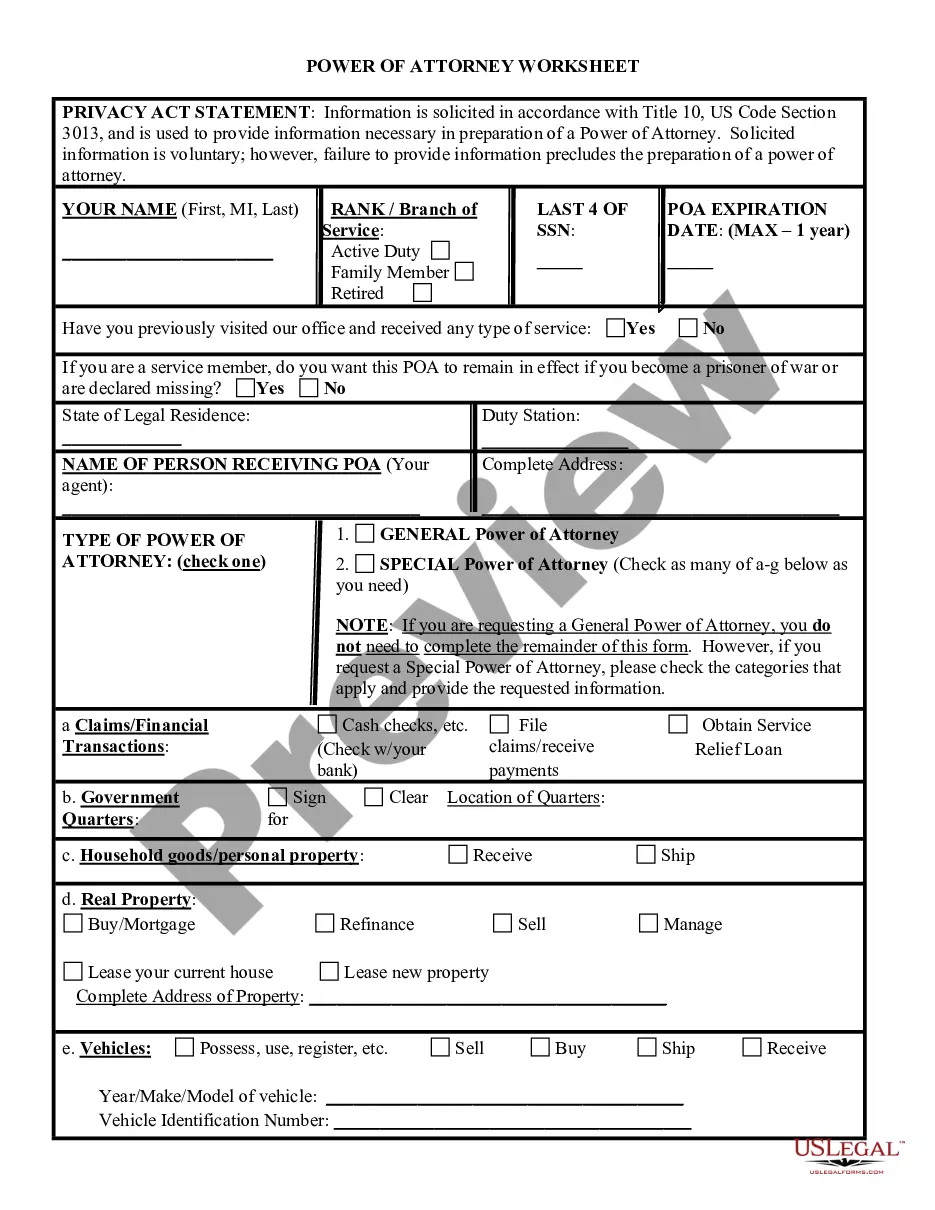
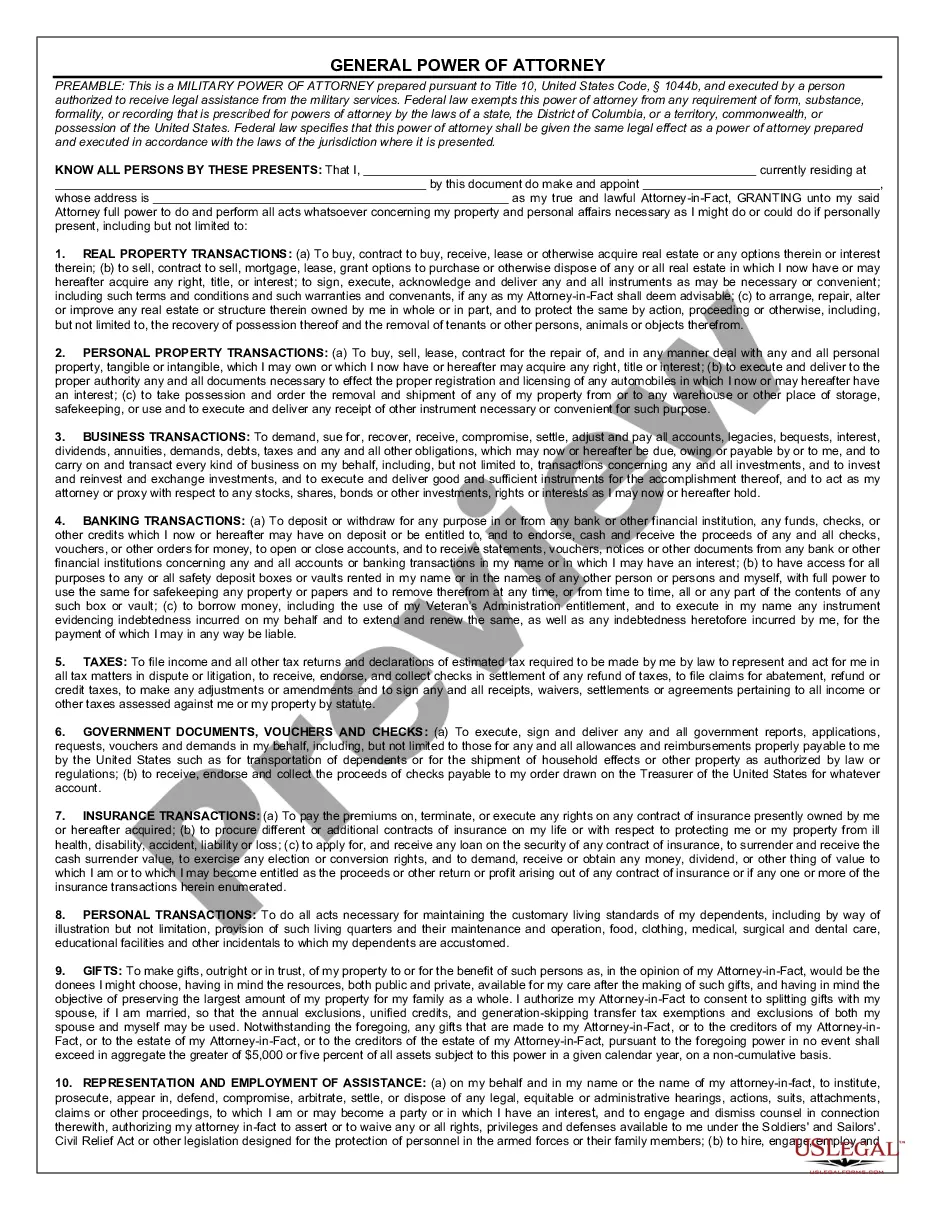
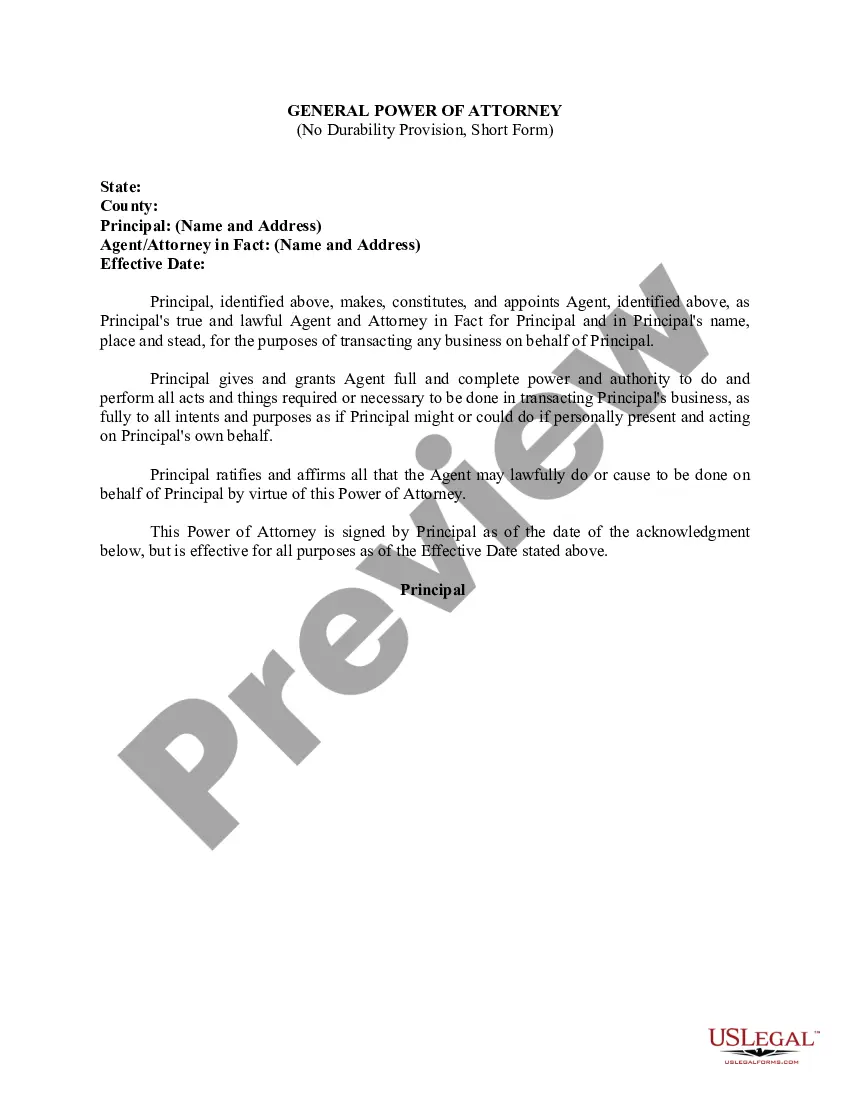
The North Dakota Power of Attorney Forms Package is designed to empower individuals with the legal tools needed to make informed decisions regarding their finances, healthcare, and the care of minor children. This package includes critical forms such as the General Durable Power of Attorney for Property and Finances, allowing immediate or future decision-making capabilities, and a specific Power of Attorney for the care and custody of children. Unlike other form packages, this one caters specifically to North Dakota's legal requirements, ensuring compliance and effectiveness.
Forms included in this package


When to use this form package
This form package is useful in several real-life scenarios, including:
- Planning for a time when you may become incapacitated and unable to manage your financial affairs.
- Designating someone to make healthcare decisions on your behalf if you are unable to do so.
- Appointing guardianship for your minor children in case of emergencies.
- Establishing immediate authority for someone to manage your property and financial matters.
Who should use this form package
- Residents of North Dakota who need to plan for future incapacity.
- Parents or guardians wanting to ensure the care of their minor children.
- Individuals responsible for managing the finances or healthcare of someone else.
- Anyone seeking a reliable, legally vetted means of appointing an agent for personal affairs.
Steps to complete these forms
- Review the included forms to determine which ones suit your needs.
- Identify the parties involved, including yourself and the designated agents.
- Carefully enter necessary information into the designated fields.
- Ensure to date and sign where required to validate the forms.
- If needed, arrange for notarization to comply with legal standards.
Do forms in this package need to be notarized?
Yes, forms in this package must be notarized to be legally valid. Notarization serves to verify the authenticity of the signatures and ensures compliance with North Dakota law. US Legal Forms offers integrated online notarization services that are available 24/7, securely conducted via video calls, ensuring that you can complete your documentation without the need to travel.
Get your form ready online
Our built-in tools help you complete, sign, share, and store your documents in one place.
Make edits, fill in missing information, and update formatting in US Legal Forms—just like you would in MS Word.
Download a copy, print it, send it by email, or mail it via USPS—whatever works best for your next step.
Sign and collect signatures with our SignNow integration. Send to multiple recipients, set reminders, and more. Go Premium to unlock E-Sign.
If this form requires notarization, complete it online through a secure video call—no need to meet a notary in person or wait for an appointment.
We protect your documents and personal data by following strict security and privacy standards.

Make edits, fill in missing information, and update formatting in US Legal Forms—just like you would in MS Word.

Download a copy, print it, send it by email, or mail it via USPS—whatever works best for your next step.

Sign and collect signatures with our SignNow integration. Send to multiple recipients, set reminders, and more. Go Premium to unlock E-Sign.

If this form requires notarization, complete it online through a secure video call—no need to meet a notary in person or wait for an appointment.

We protect your documents and personal data by following strict security and privacy standards.
Common mistakes to avoid
- Failing to fully complete all required fields in the forms.
- Not having the forms notarized when required by law.
- Choosing an agent without discussing their responsibilities beforehand.
- Neglecting to understand the powers being granted to the agent.
Why complete this package online
- Convenience of downloading forms instantly without the need for a visit to a lawyer.
- Editability allows customization based on personal circumstances.
- Assurance that forms are drafted based on current legal standards and state-specific requirements.
- Easy access and storage of your documents in a digital format.
Legal use & context
- These forms are intended for use in North Dakota and comply with the state's specific legal requirements.
- Power of Attorney documents grant significant authority; careful consideration should be given to both the agent chosen and the powers being delegated.
- All forms should be completed accurately to ensure that they are enforceable in legal situations.
Main things to remember
- The North Dakota Power of Attorney Forms Package is essential for managing important personal, financial, and health-related decisions.
- Complete and notarize forms to comply with state regulations and ensure their validity.
- Utilizing this package online offers convenience and peace of mind in legal planning.
Looking for another form?

Form popularity
FAQ
A general power of attorney ends on your death or incapacitation unless you rescind it before then. Durable. A durable power of attorney can be general or limited in scope, but it remains in effect after you become incapacitated.
A power of attorney is a legal document that allows a principal to appoint an agent to act for them should they become incapacitated. The agent is expected to place the principal's interests ahead of his or her own, which is why it is important for you and your loved one to pick a trusted individual.
A general power of attorney acts on behalf of the principal in any and all matters, as allowed by the state. The agent under a general POA agreement may be authorized to take care of issues such as handling bank accounts, signing checks, selling property and assets like stocks, filing taxes, etc.
Choose the limited power of attorney made for your state. Input personal information about both the principal and the agent or attorney-in-fact. Explain the powers of the agent. Include the date the limited power of attorney expires or will be revoked.
You can draft a durable power of attorney by writing out or typing the document, which should include the date, your full name, and speech that clearly identifies the document as a durable power of attorney that applies even in the case of your incapacitation.
A Power of Attorney might be used to allow another person to sign a contract for the Principal. It can be used to give another person the authority to make health care decisions, do financial transactions, or sign legal documents that the Principal cannot do for one reason or another.
Choose the limited power of attorney made for your state. Input personal information about both the principal and the agent or attorney-in-fact. Explain the powers of the agent. Include the date the limited power of attorney expires or will be revoked.
Duties of an Agent Through one or more powers of attorney, the principal can authorize an agent to manage numerous tasks, including entering into contracts, dealing with real and personal property, handling the principal's financial and tax affairs, and arranging for the principal's housing and health care.
Draft a list of special powers. Decide what powers are springing. Pick an agent and a successor agent. Note the expiration date. Compile the information into one document. Execute the power of attorney letter.