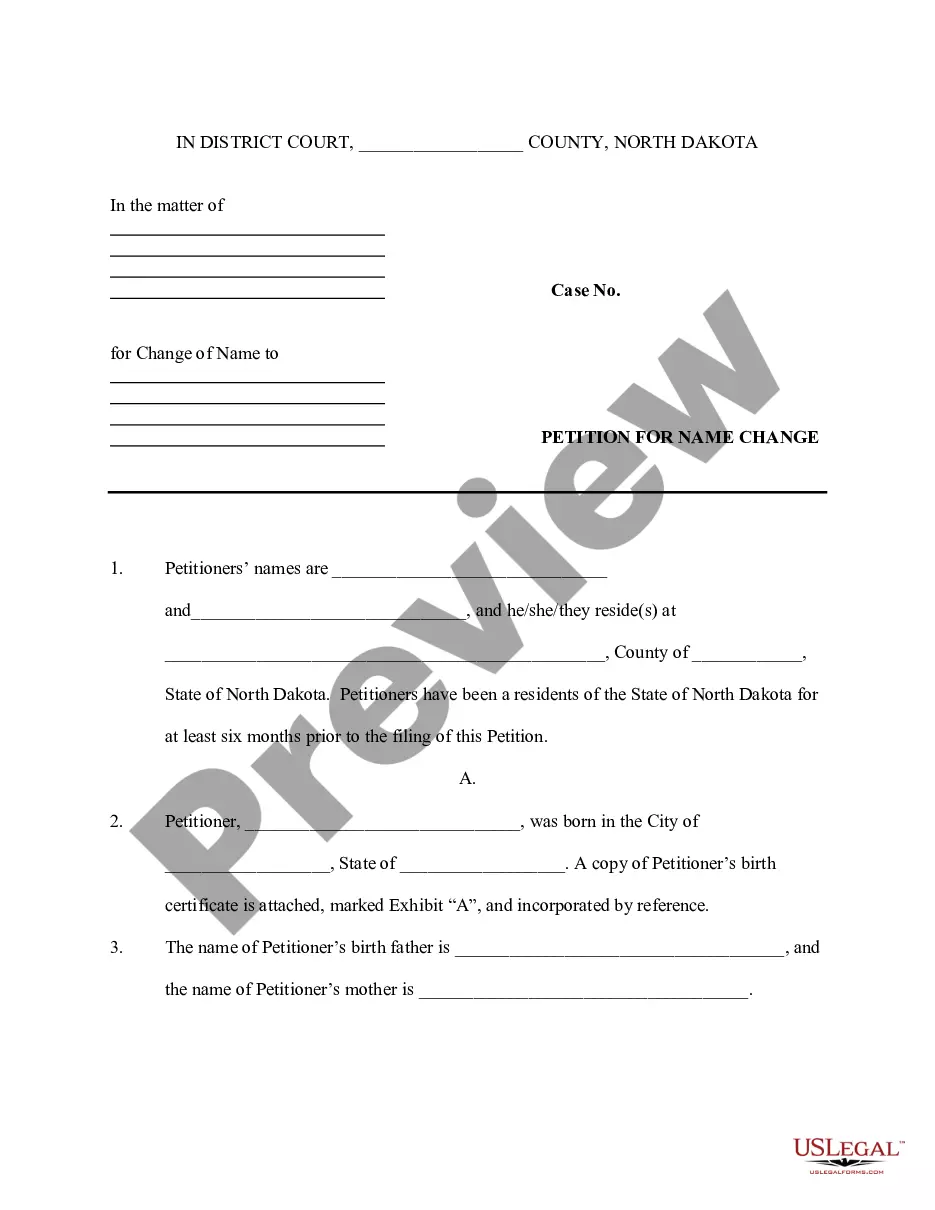
North Dakota Petition for Change of Name
Understanding this form
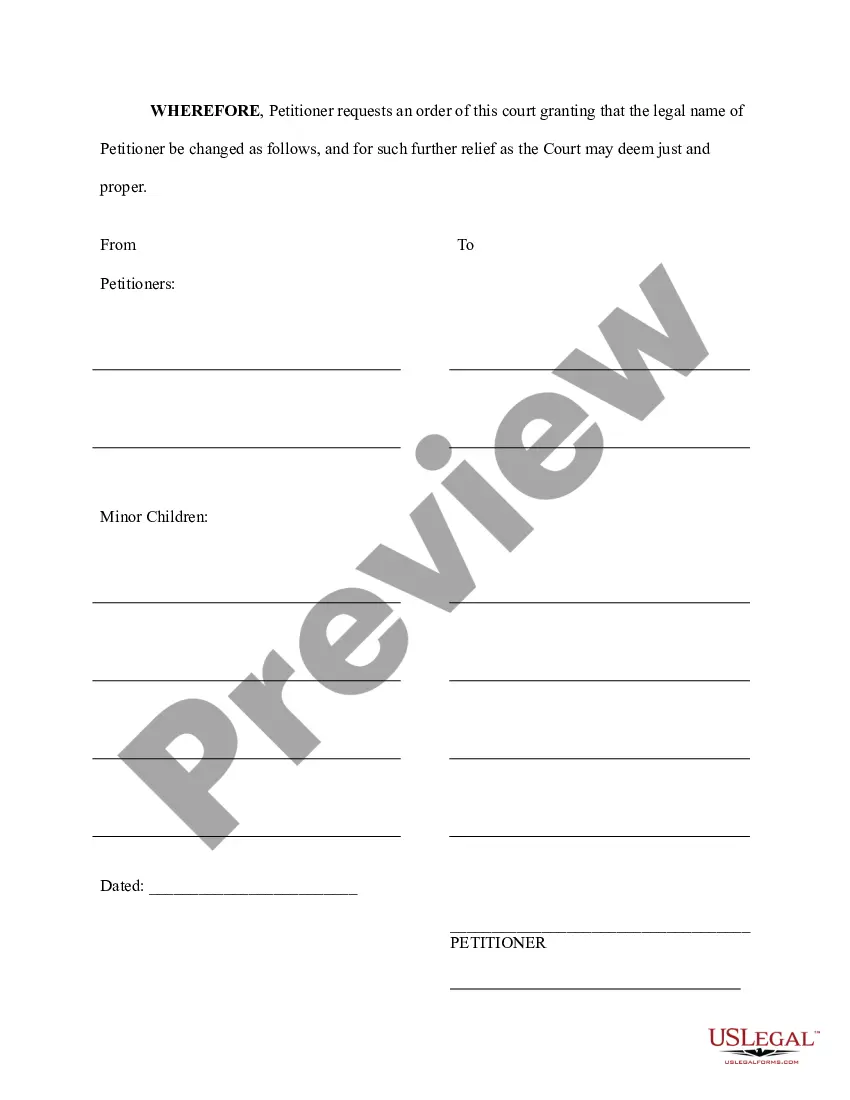
The Petition for Change of Name is a legal document used to formally request a change of name in a specific jurisdiction. This petition outlines the individual's current name, the desired new name, and the reason for this change. Unlike informal name changes, this form follows legal protocols and safeguards, ensuring that the name change is recognized by state authorities and the court system.
Key parts of this document
- Petitionerâs current name and location of birth.
- Details of petitionerâs parents, including their names.
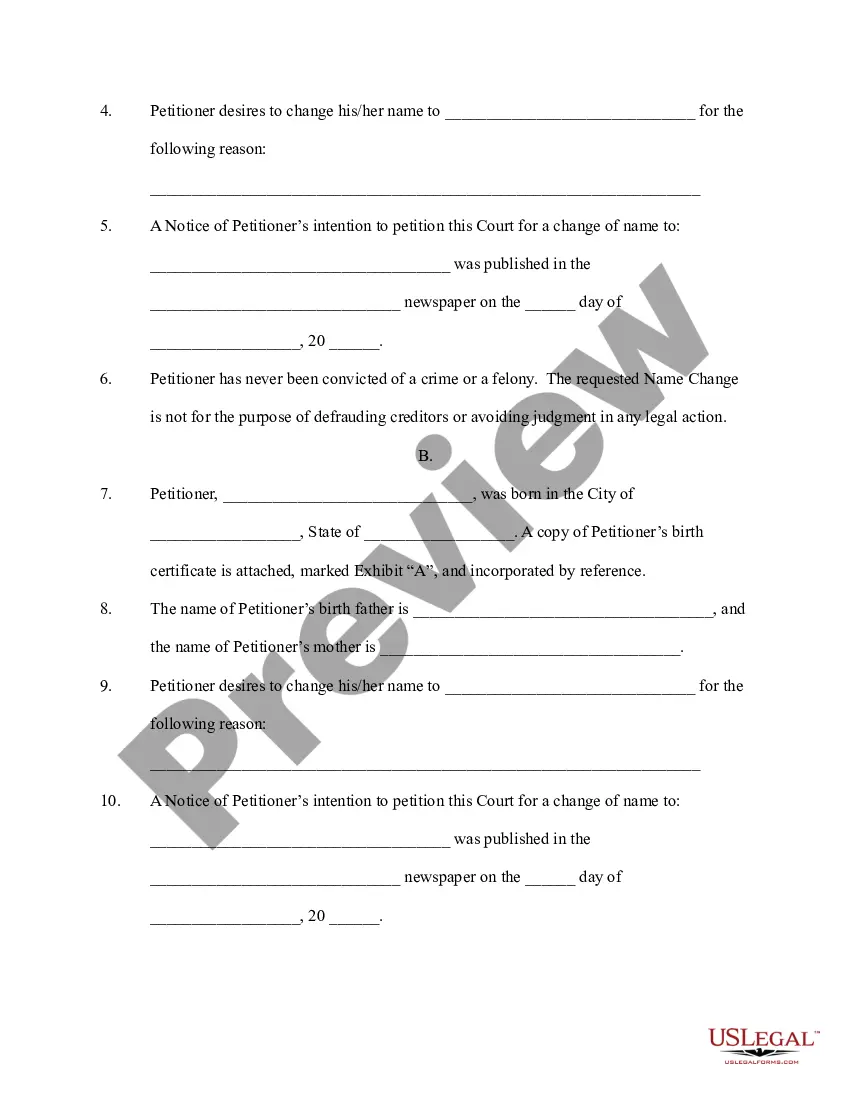
- Desired new name and the reason for the name change.
- Proof of publication regarding the intent to change name.
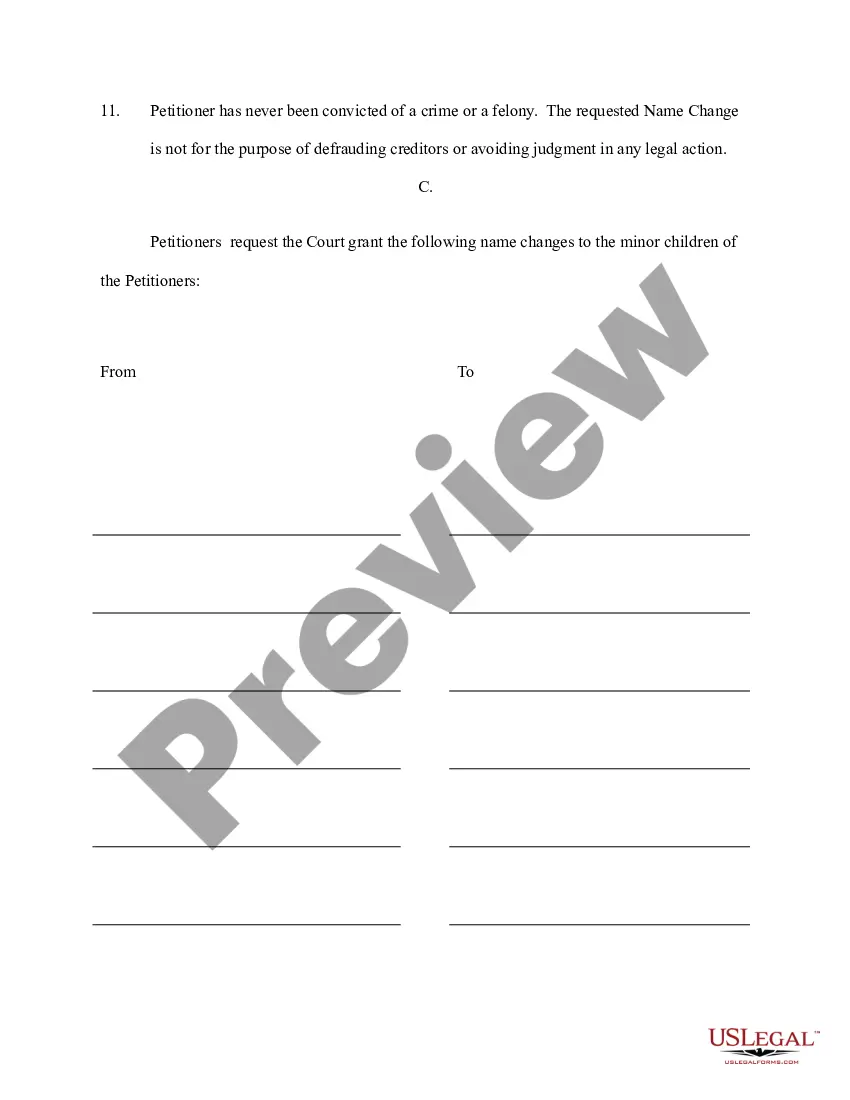
- Statement affirming no criminal convictions or intention to defraud creditors.
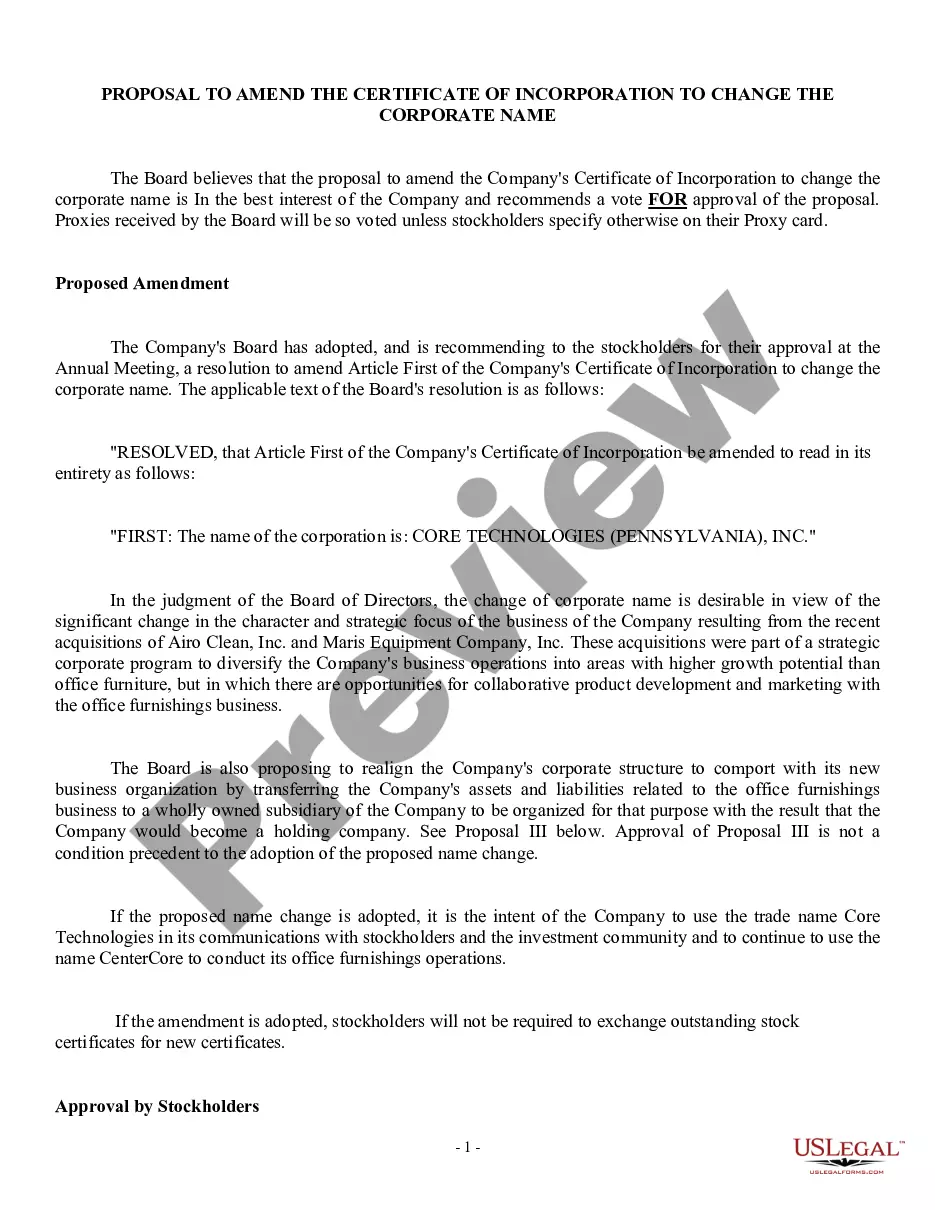
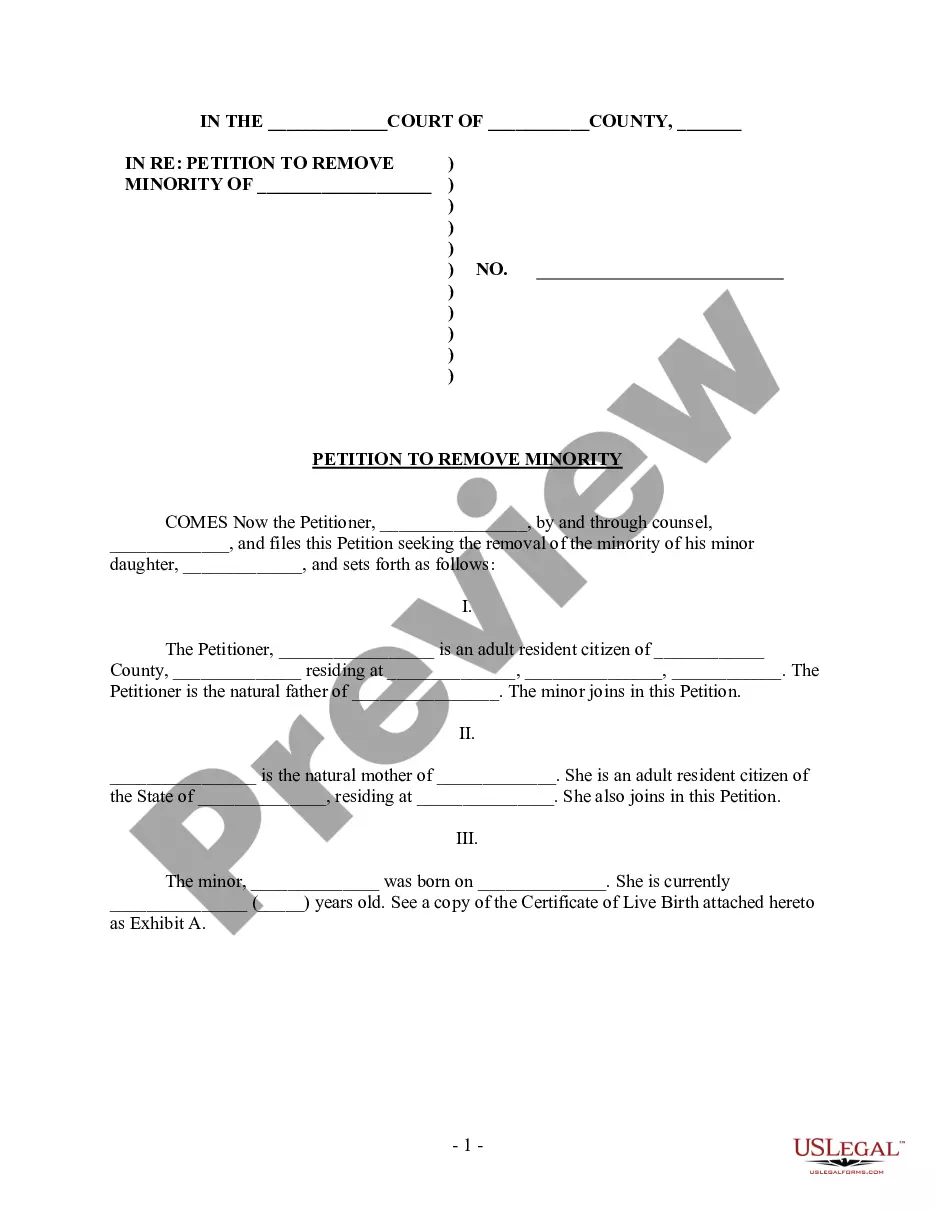
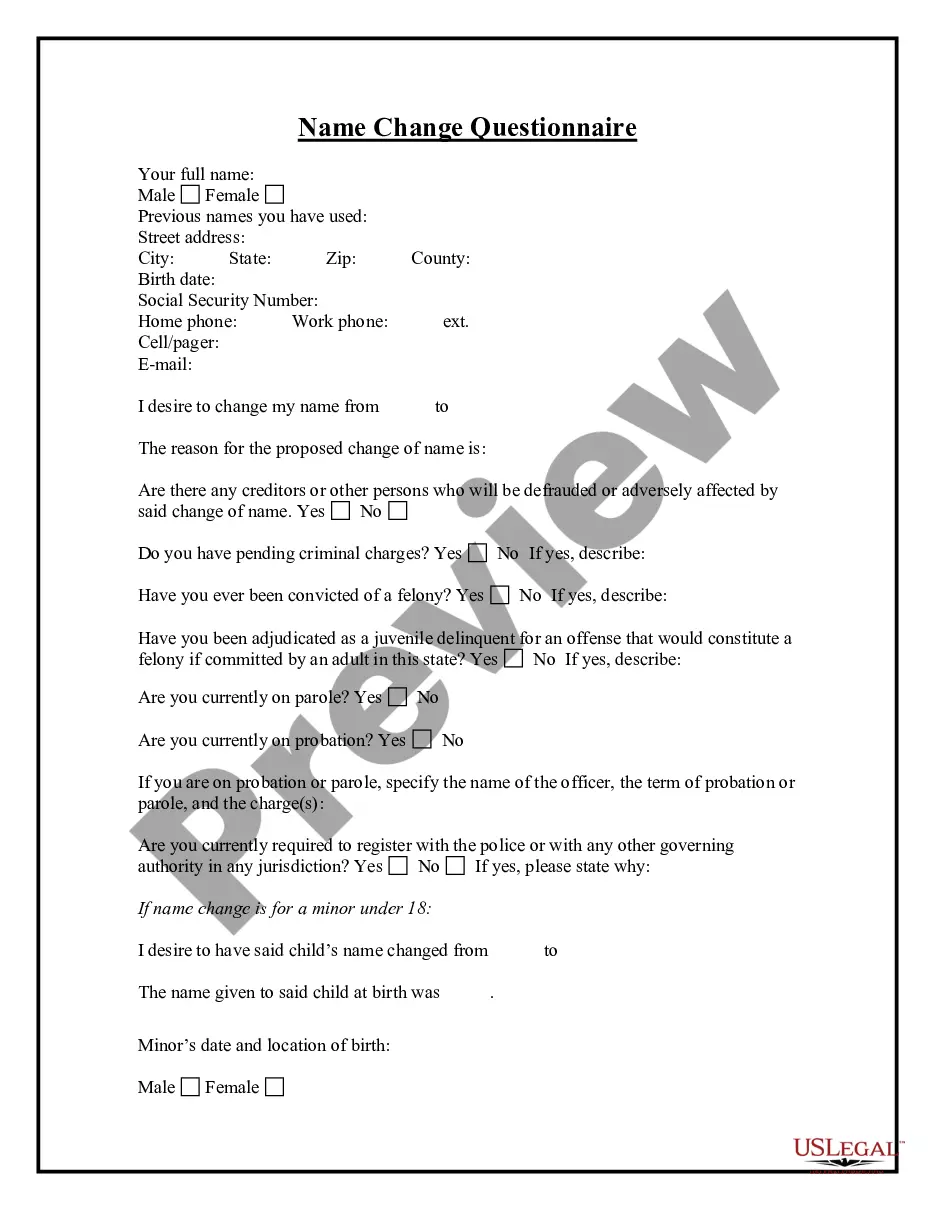
Situations where this form applies
This form is essential for individuals who wish to undertake a legal name change for various personal reasons, such as marriage, divorce, gender transition, or other personal preferences. It is typically used when an individual wants to ensure that their name change is recognized legally, allowing them to update identification documents and records without complications.
Intended users of this form
- Individuals seeking to change their first, middle, or last names.
- Persons going through a legal process such as marriage or divorce.
- Individuals who are transitioning gender and seeking to adopt a new name.
- Anyone who wants to correct a name spelled incorrectly on legal documents.
Completing this form step by step
- Enter the current name of the petitioner and details of their place of birth.
- Provide the names of the petitionerâs birth parents.
- Specify the desired new name and provide a clear reason for the change.
- Include proof of publication stating the intent to change the name, including the name of the newspaper and publication date.
- Affirm that the petitioner has no criminal convictions or intentions to defraud.
Notarization guidance
This form does not typically require notarization unless specified by local law. Always verify your state's specific requirements for notarization to ensure compliance.
Get your form ready online
Our built-in tools help you complete, sign, share, and store your documents in one place.
Make edits, fill in missing information, and update formatting in US Legal Forms—just like you would in MS Word.
Download a copy, print it, send it by email, or mail it via USPS—whatever works best for your next step.
Sign and collect signatures with our SignNow integration. Send to multiple recipients, set reminders, and more. Go Premium to unlock E-Sign.
If this form requires notarization, complete it online through a secure video call—no need to meet a notary in person or wait for an appointment.
We protect your documents and personal data by following strict security and privacy standards.

Make edits, fill in missing information, and update formatting in US Legal Forms—just like you would in MS Word.

Download a copy, print it, send it by email, or mail it via USPS—whatever works best for your next step.

Sign and collect signatures with our SignNow integration. Send to multiple recipients, set reminders, and more. Go Premium to unlock E-Sign.

If this form requires notarization, complete it online through a secure video call—no need to meet a notary in person or wait for an appointment.

We protect your documents and personal data by following strict security and privacy standards.
Avoid these common issues
- Failing to provide accurate publication details.
- Not attaching essential documents like the birth certificate.
- Misunderstanding state-specific filing procedures.
- Omitting required personal information, such as parentâs names.
Benefits of completing this form online
- Convenience of completing the form from home at your own pace.
- Immediate access to downloadable templates drafted by licensed attorneys.
- Editability to tailor the form based on individual needs.
- Reliability ensured by professionally drafted content, reducing the risk of errors.
Looking for another form?
Form popularity
FAQ
To legally change your name in North Dakota, you must file a petition with the District Court of the county in which you have been a bonafide resident during the past six (6) months. Furthermore, you must be at least eighteen (18) years old and a citizen or permanent resident alien of the United States.
File your completed name change documents with the Clerk of District Court in the North Dakota county where you have resided for at least 6 months before filing the Petition. NOTE: YOU'LL BE ASKED TO PAY AN $80.00 FILING FEE.
File your completed name change documents with the Clerk of District Court in the North Dakota county where you have resided for at least 6 months before filing the Petition. NOTE: YOU'LL BE ASKED TO PAY AN $80.00 FILING FEE.
Fill out Form SS-5, which is an application for a Social Security card. You'll also need to submit: Your legal name change document (the marriage certificate or court order) Proof of identity (a current driver's license or state ID)
Social Security Administration. Department of Motor Vehicles. Passport Office. Post Office. IRS. Voter Registration. Banks and other financial institutions. Credit Card companies (or issuers)
All you have to do is complete and file a petition for name change with the court. There are many reasons for officially changing your name. The most common are marriage and divorce. But if your birth name is Mergatroid or something like that, you might not need any other reason.
An affidavit duly signed by the applicant and attested by Judicial Magistrate/Notary. Original newspaper in which name change ad is given. Prescribed proforma (should be computer typed and not handwritten) with signatures of applicant and two witnesses.
1. You can name yourself anything, with a few exceptions. If you don't like your birth name, you can legally change it to whatever you want 2026 with a few exceptions.You also can't change your name to commit fraud, evade law enforcement, or avoid paying any debts you owe.