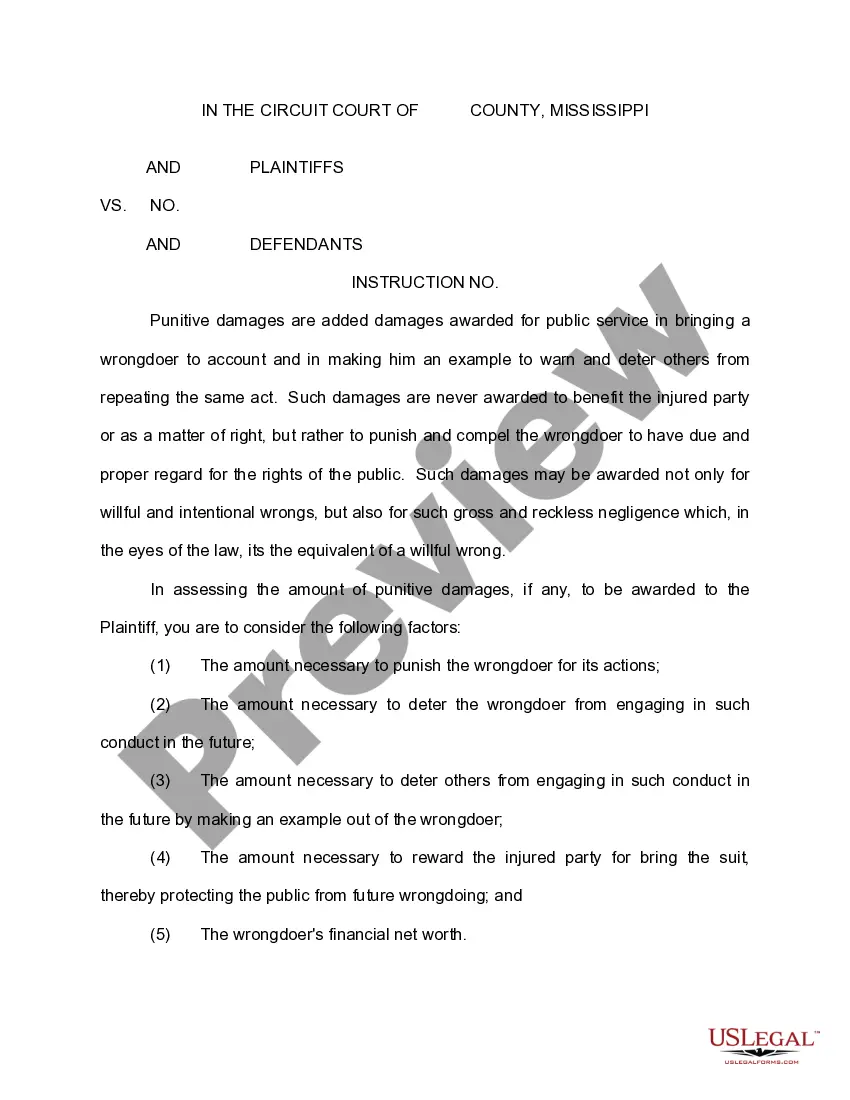
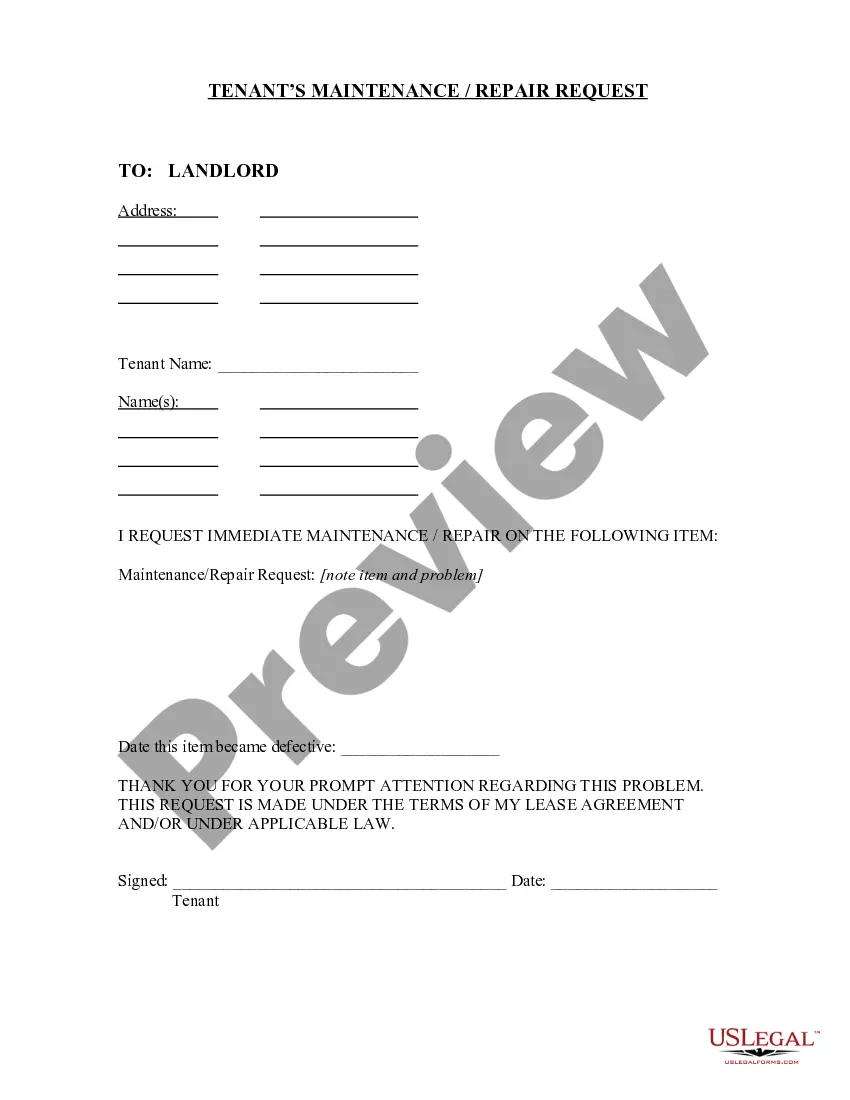
North Dakota Tenant's Maintenance Repair Request Form
Overview of this form
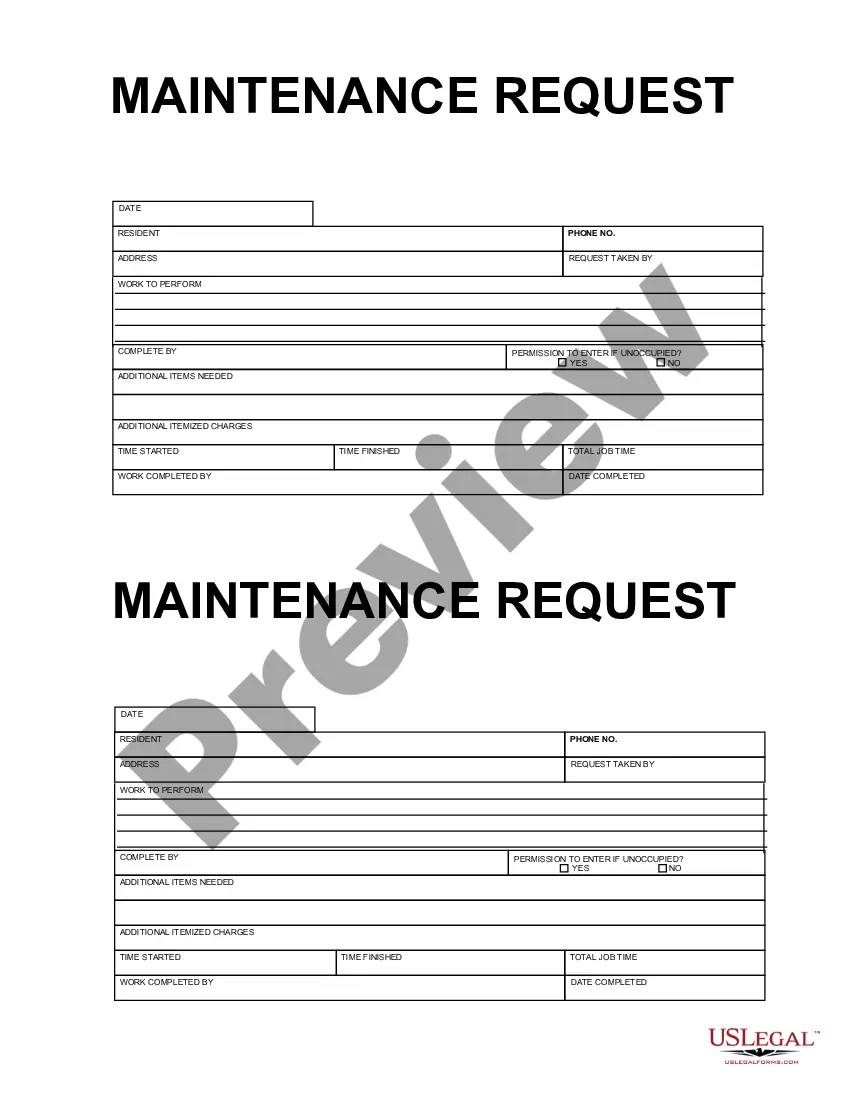
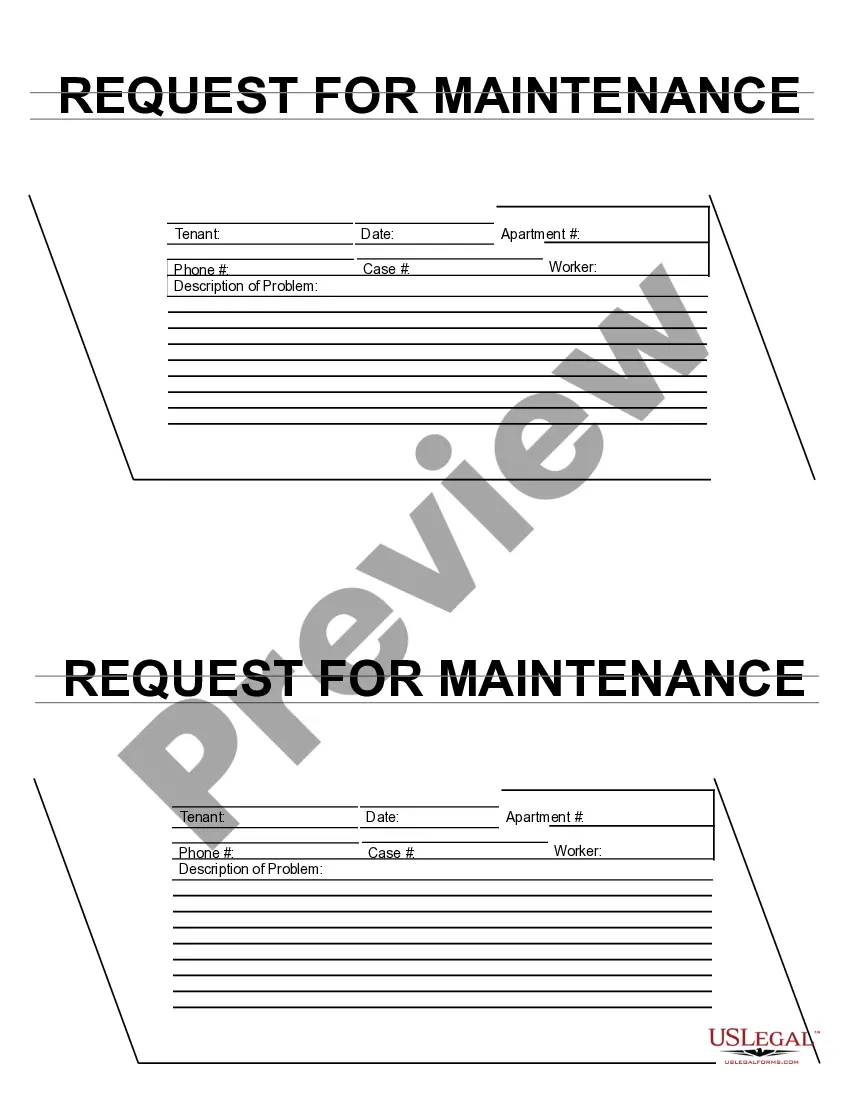
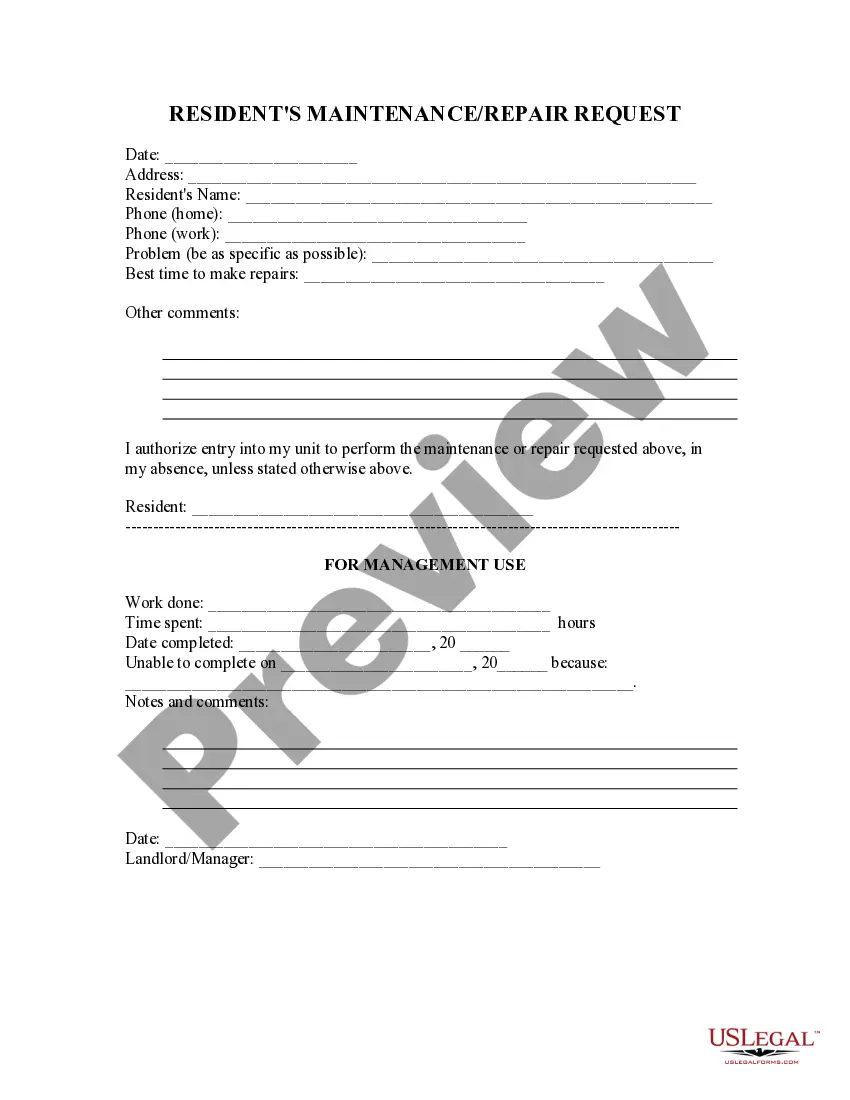
A Tenant's Maintenance Repair Request Form is a legal document used by tenants to formally notify their landlord about necessary maintenance or repairs in their rented property. This form serves to establish a record of the request, ensuring compliance with lease terms and relevant state laws. Unlike general maintenance requests, this form emphasizes the legal obligation of the landlord to address the reported issues, providing tenants with a structured way to communicate their needs.
What’s included in this form
- Tenant's statement of the maintenance issue
- Legal basis for the request referencing the lease agreement or applicable law
- Signature of the tenant for acknowledgment
- Date of submission to track the request
Situations where this form applies
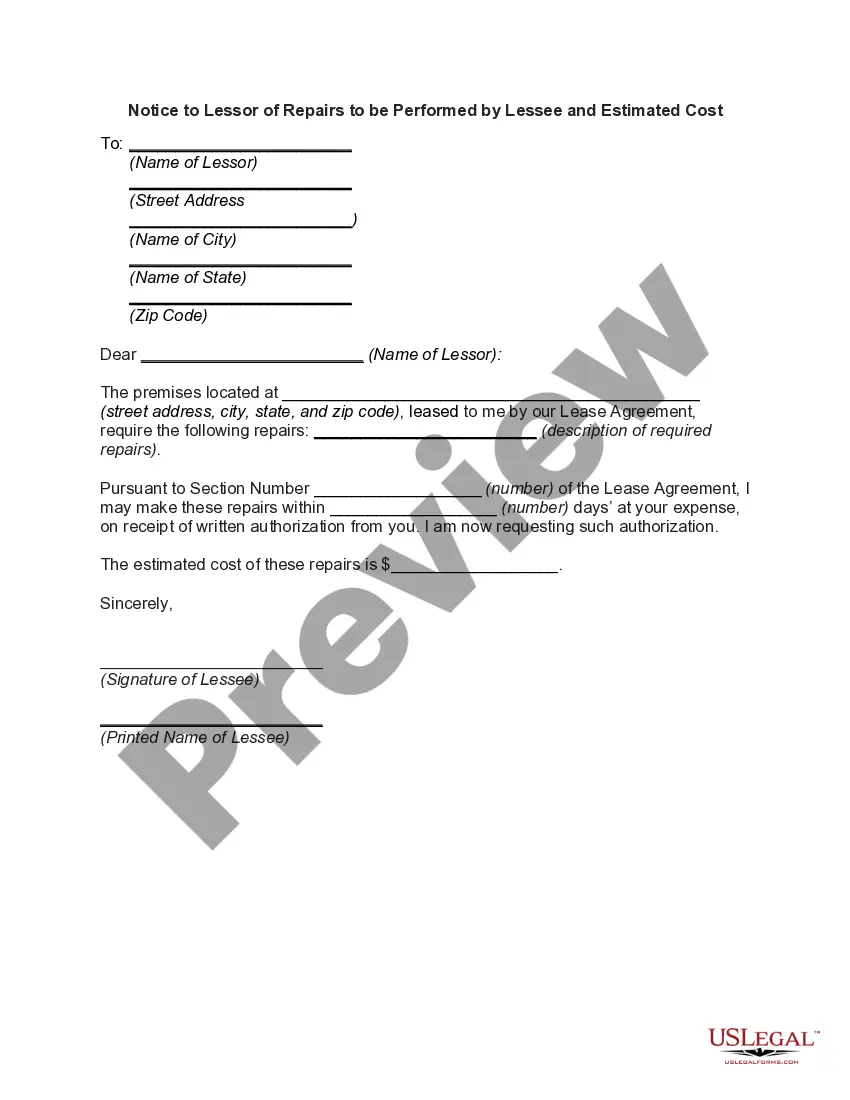
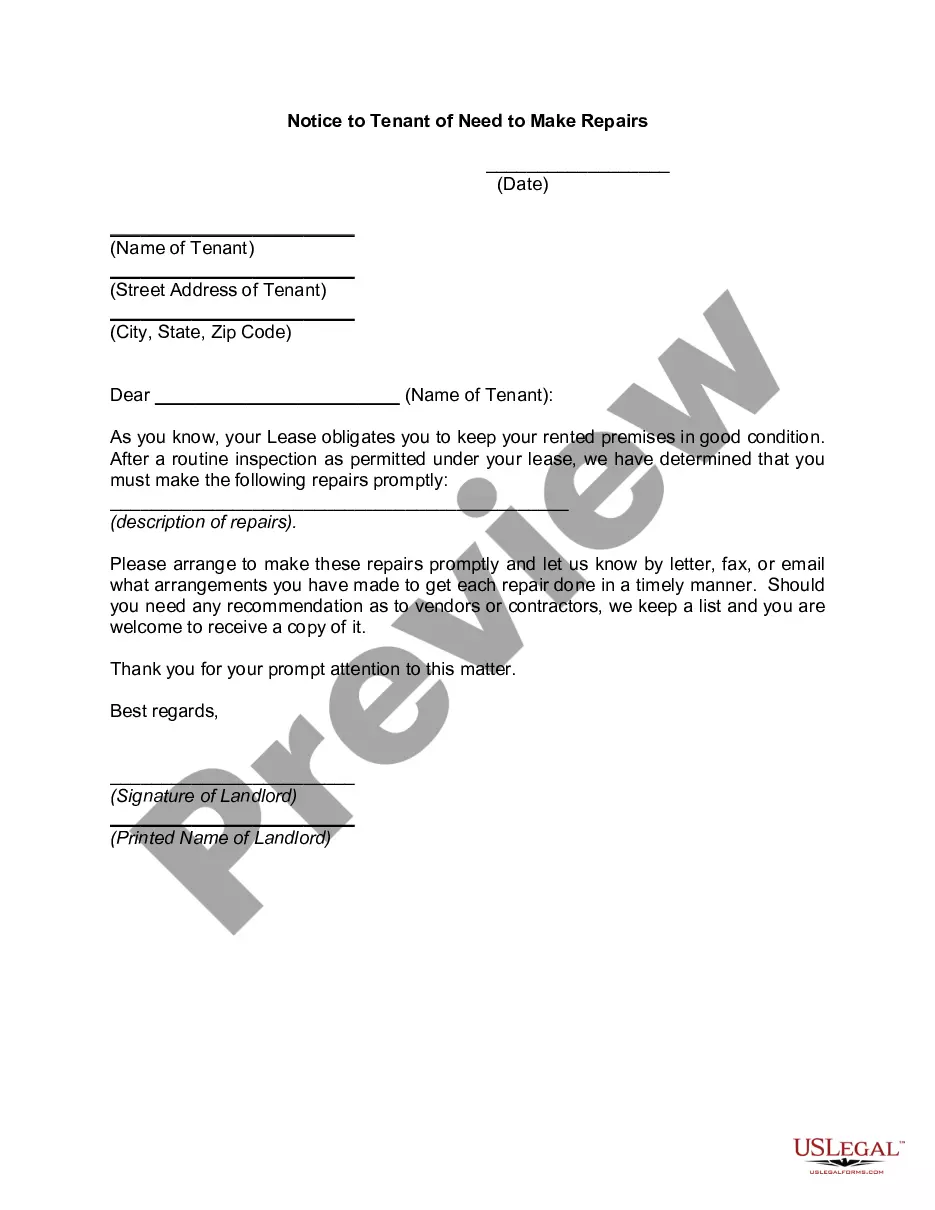
Use this Tenant's Maintenance Repair Request Form when you need to inform your landlord about urgent repair needs or maintenance issues affecting your rented space. Common situations include leaks, malfunctioning appliances, heating or cooling problems, or any other repairs that could impact your living conditions. This form helps protect your rights as a tenant by documenting your requests.
Who should use this form
- Any tenant residing in rental properties.
- Individuals who need to formally communicate maintenance requests to their landlords.
- Tenants who want to ensure their repair requests are legally documented.
Instructions for completing this form
- Identify the maintenance issue clearly and describe it in detail.
- Cite your lease agreement or mention any relevant state laws to support your request.
- Sign the document to confirm the authenticity of your request.
- Include the date of submission for record-keeping purposes.
Is notarization required?
Notarization is generally not required for this form. However, certain states or situations might demand it. You can complete notarization online through US Legal Forms, powered by Notarize, using a verified video call available anytime.
Get your form ready online
Our built-in tools help you complete, sign, share, and store your documents in one place.
Make edits, fill in missing information, and update formatting in US Legal Forms—just like you would in MS Word.
Download a copy, print it, send it by email, or mail it via USPS—whatever works best for your next step.
Sign and collect signatures with our SignNow integration. Send to multiple recipients, set reminders, and more. Go Premium to unlock E-Sign.
If this form requires notarization, complete it online through a secure video call—no need to meet a notary in person or wait for an appointment.
We protect your documents and personal data by following strict security and privacy standards.

Make edits, fill in missing information, and update formatting in US Legal Forms—just like you would in MS Word.

Download a copy, print it, send it by email, or mail it via USPS—whatever works best for your next step.

Sign and collect signatures with our SignNow integration. Send to multiple recipients, set reminders, and more. Go Premium to unlock E-Sign.

If this form requires notarization, complete it online through a secure video call—no need to meet a notary in person or wait for an appointment.

We protect your documents and personal data by following strict security and privacy standards.
Typical mistakes to avoid
- Failing to provide a clear description of the maintenance issue.
- Not citing the lease agreement or the relevant laws.
- Omitting the date or signature, which are essential for documentation.
Advantages of online completion
- Convenience of instant downloads, allowing for immediate use.
- Editable format that can be customized to fit specific situations.
- Reliability in compliance with legal standards, drafted by licensed attorneys.
Key takeaways
- The Tenant's Maintenance Repair Request Form is essential for formalizing repair requests to landlords.
- Completing the form accurately ensures legal compliance and helps expedite necessary repairs.
- Using this form can protect tenant rights under state law.
Looking for another form?

Form popularity
FAQ
Complying with all state and local health and building codes. Maintaining structural components and a reasonably weather-protected unit. Providing the necessary heat, electric, and hot and cold water facilities. Making any requested repairs promptly.
Keep your rental unit as clean and safe as the condition of the premises permits. Dispose of garbage, rubbish, and other waste in a clean and safe manner. Keep plumbing fixtures as clean as their condition permits.
Routine maintenance includes monthly costs associated with maintaining the exterior curb appeal and interior common areas of the property if it applies. The property owner should include landscaping, regular exterior and interior cleaning, garbage and recycling collection to his monthly maintenance costs as well.
The living space is safe and meets minimum housing, fire, building, and health standards; the heating, wiring, and plumbing work; the structure of the building is maintained including windows, doors, walls, roofs, ceilings, floors, and stairs; the fridge and stove work; and.
Let you landlord know the exact problem; also let him know what needs to be done about the situation. If you just tell your landlord that your apartment is feeling drafty, some landlords may not even recognize this as a repair request. Instead, give your landlord specifics.
Your landlord is always responsible for repairs to: the property's structure and exterior. basins, sinks, baths and other sanitary fittings including pipes and drains. heating and hot water.
Property Needs to Meet Local Health and Building Codes. Visible Mold. Pests. Changing Locks. Heat, Electric, Hot and Cold Water. Structural Integrity and Weather Protected. Regularly Discarding Trash. Damage Caused by the Tenant or Their Guests.
Following building and housing codes. Keeping the unit safe and sanitary. Disposing of garbage. Maintaining plumbing fixtures. Properly operating all plumbing and electric fixtures. Maintaining appliances supplied by the landlord. Not damaging the unit.