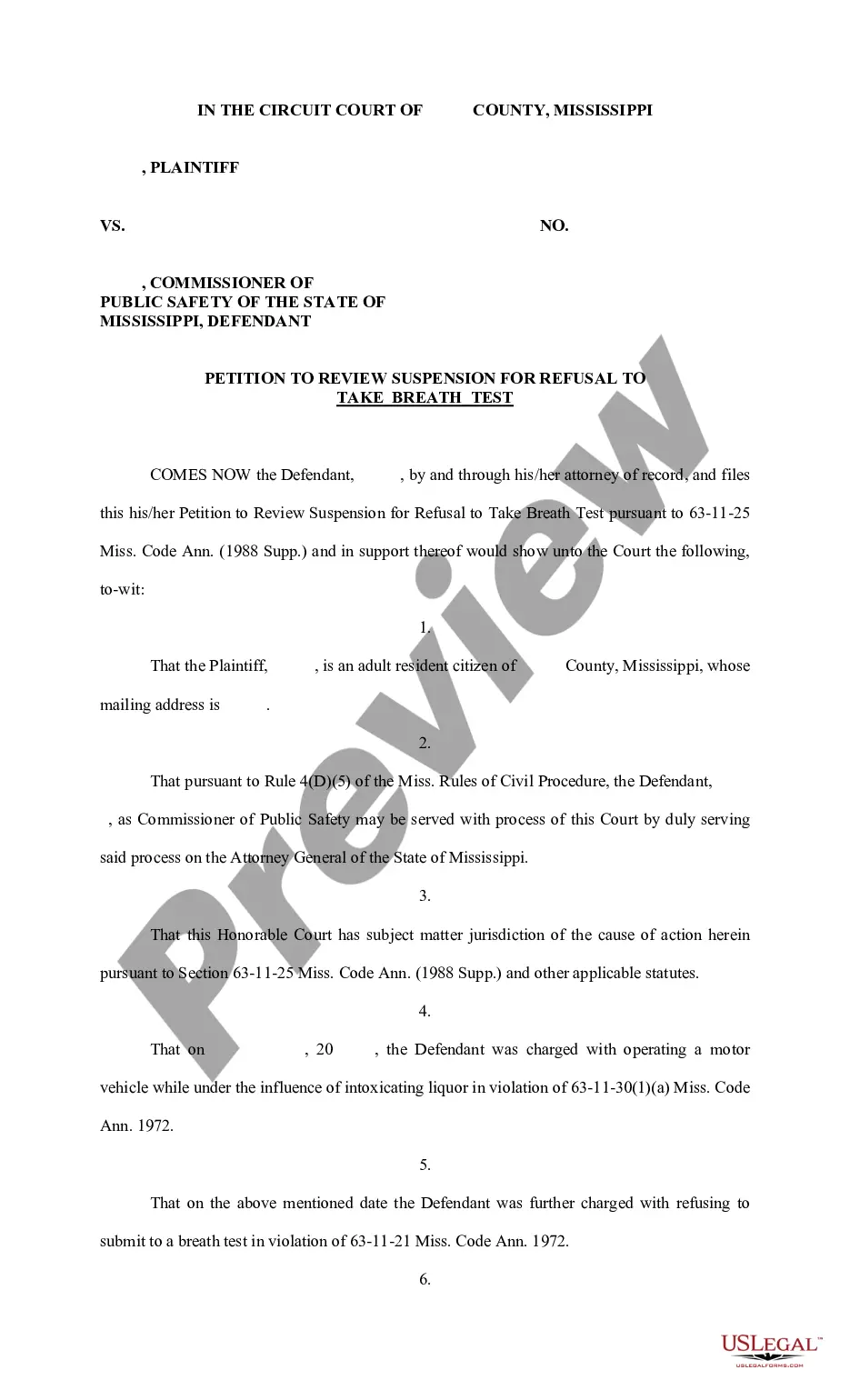
North Dakota Letter from Tenant to Landlord for Failure of Landlord to return all prepaid and unearned rent and security recoverable by Tenant
About this form
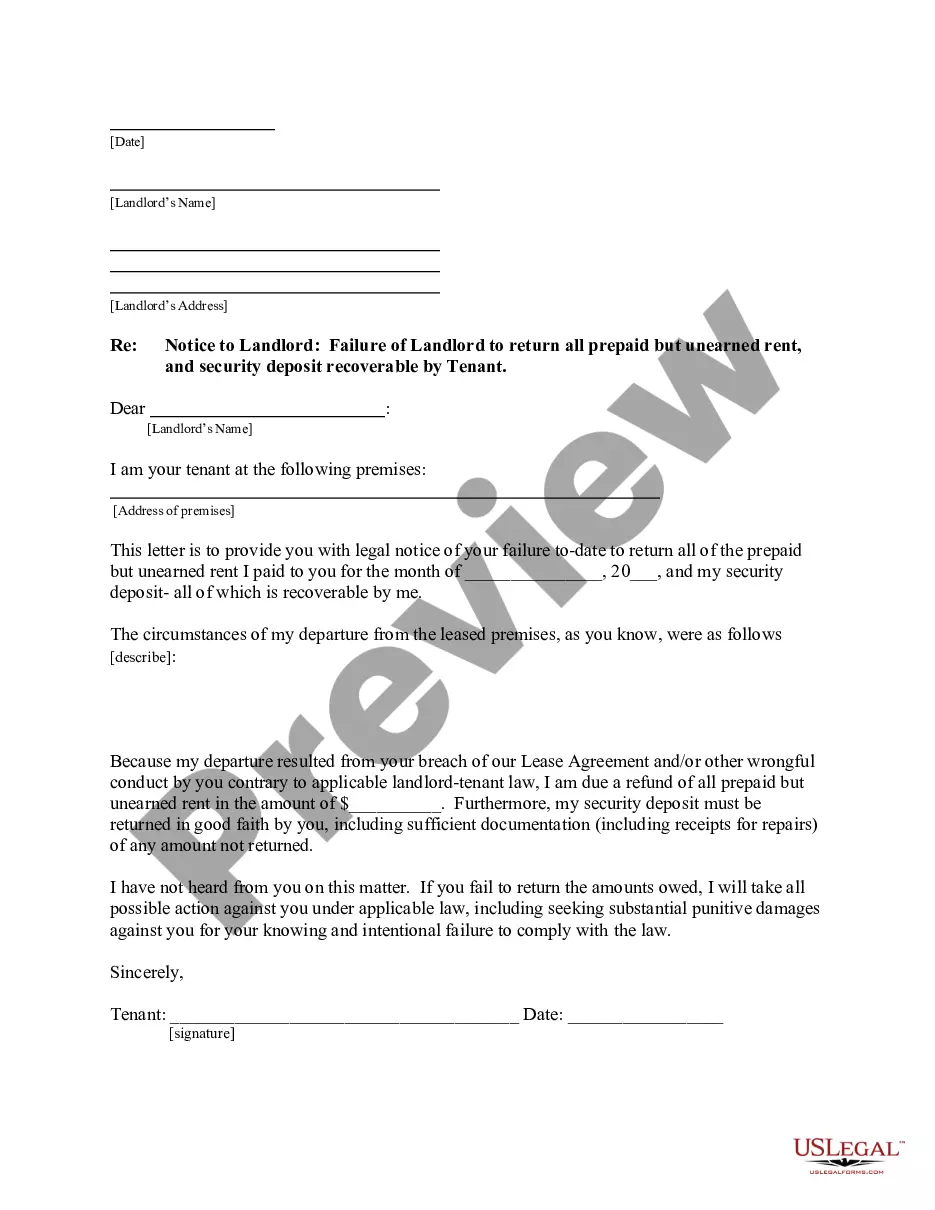
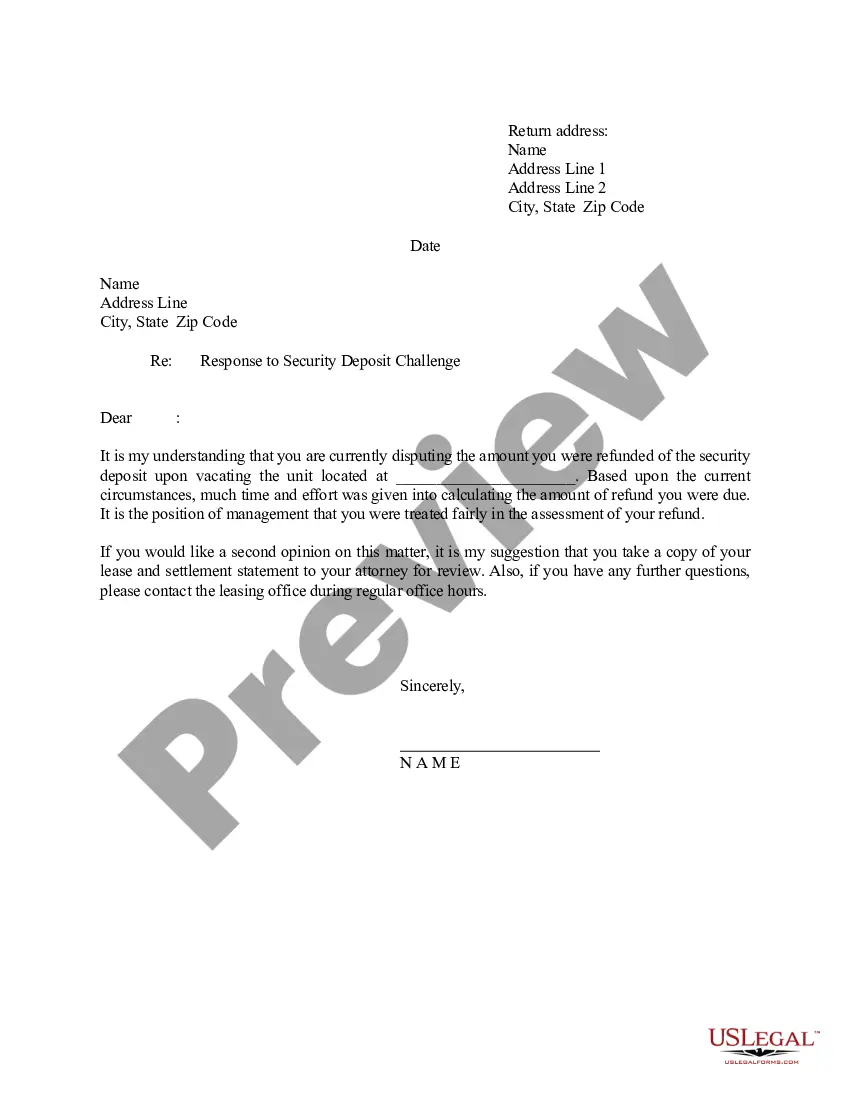
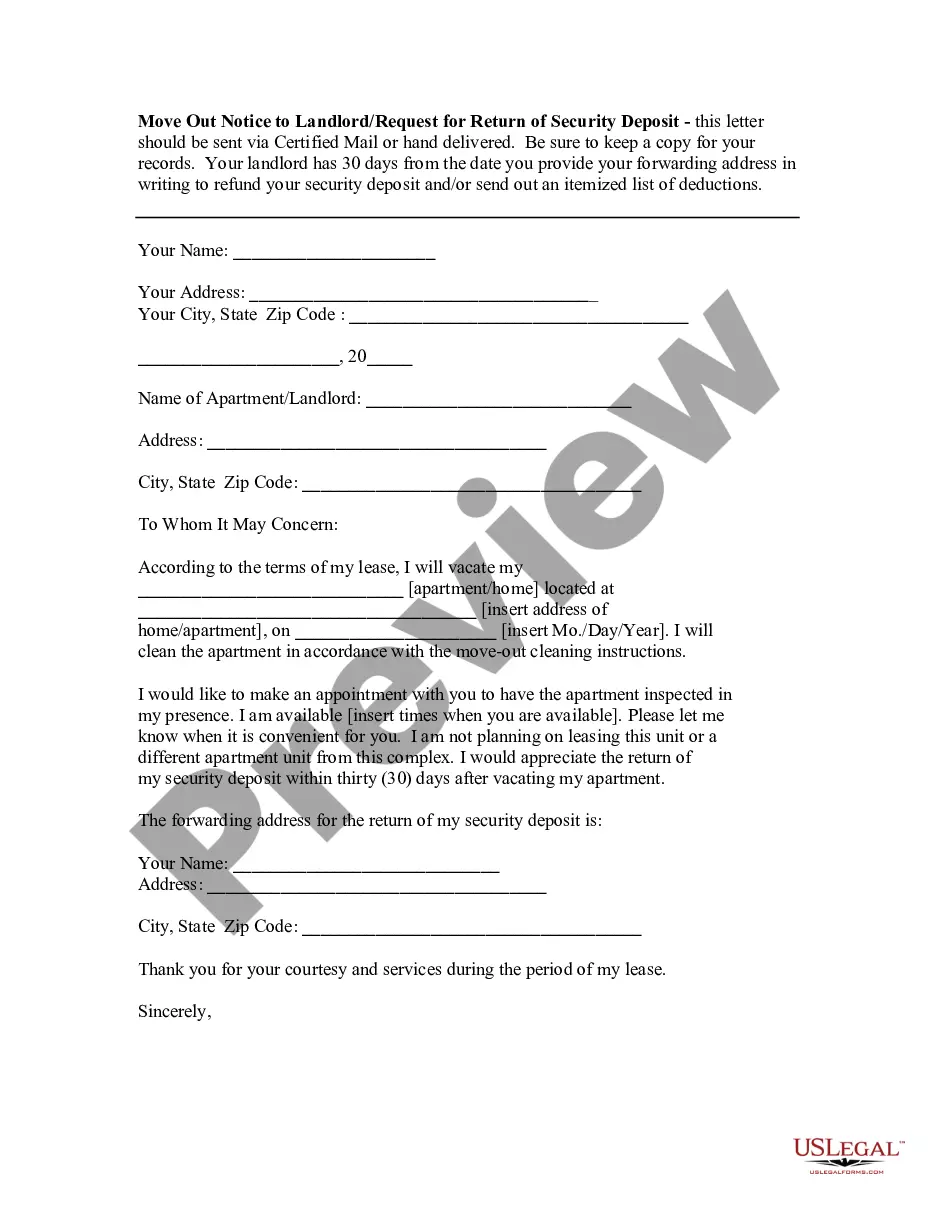
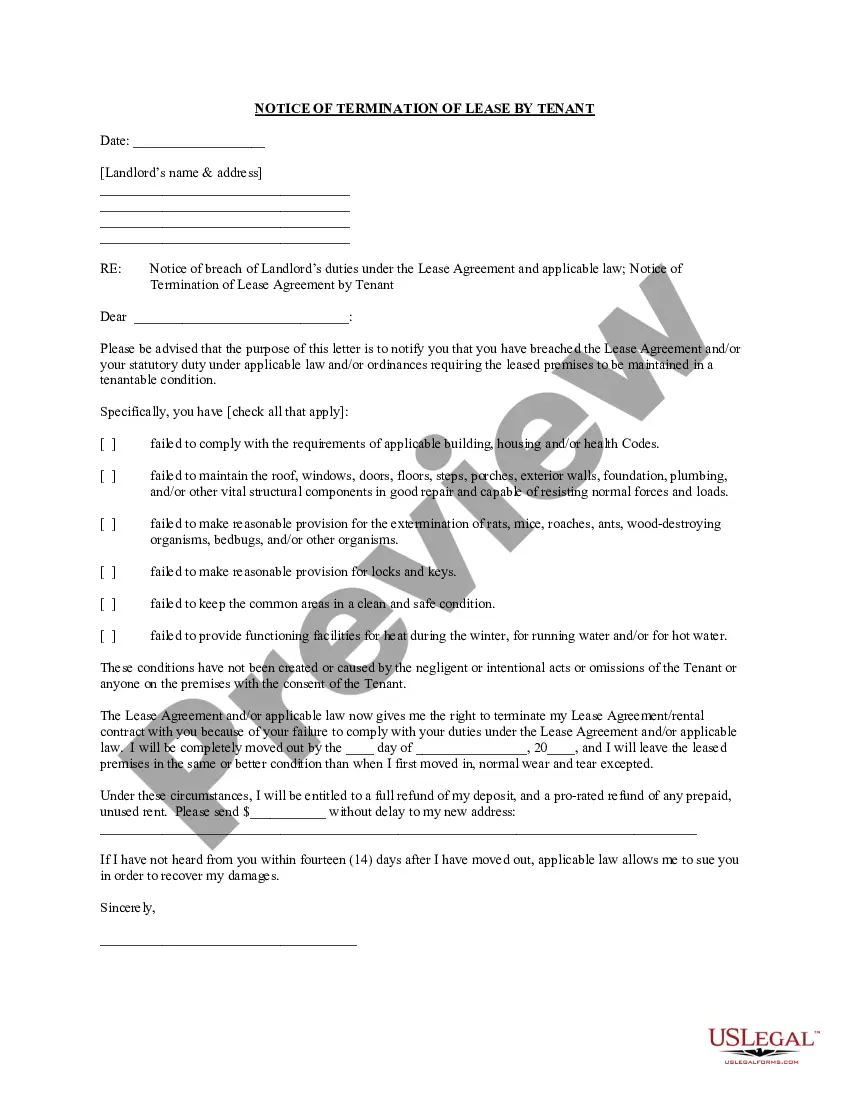
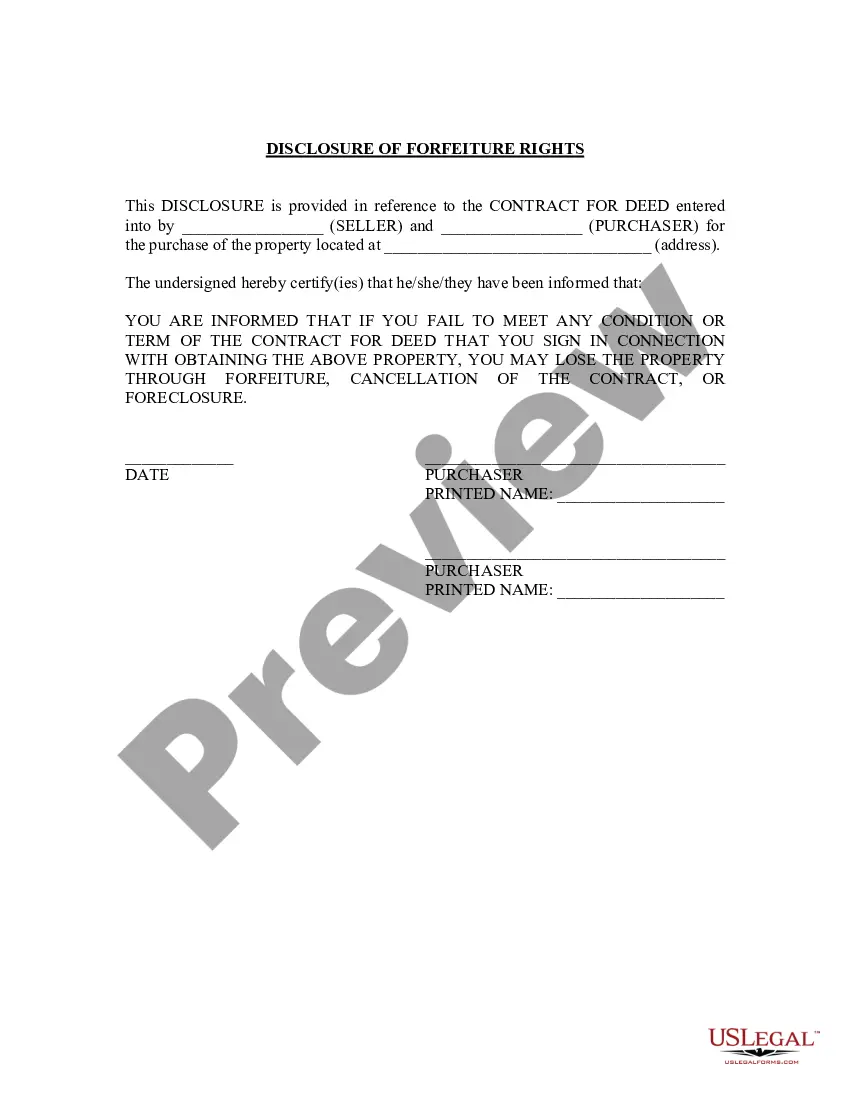
This Letter from Tenant to Landlord for Failure of Landlord to return all prepaid and unearned rent and security is a legal document that notifies your landlord of their obligation to return prepaid rent that was not earned. This form is crucial when a tenant vacates a property due to the landlord's breach of the lease agreement or for reasons allowed under landlord-tenant law. Unlike other forms that may address general disputes, this letter specifically demands the return of prepaid funds due to the landlord's failure to comply with legal requirements.
Main sections of this form
- Details of the tenant's departure from the leased premises.
- Statement of unpaid prepaid rent and security deposits.
- A demand for the return of the owed amounts.
- Warning of potential legal action for non-compliance.
- Proof of delivery method to the landlord or the landlord's authorized agent.

Situations where this form applies
This form should be used when a tenant has vacated a rental property but has not received a refund of all prepaid and unearned rent due to the landlord's illegal or negligent actions. It is appropriate to send this letter once the tenant has left the premises and attempts to resolve the financial matter amicably have failed. If a landlord does not return the funds owed, this letter serves as a formal demand for payment and a notification of the possible legal consequences of their inaction.
Who needs this form
- Tenants who have vacated their rental properties.
- Individuals seeking to recover prepaid rent or security deposits from their landlords.
- Anyone experiencing disputes with landlords regarding the return of funds after breaching a lease agreement.
- Tenants aware of their rights under their specific stateâs landlord-tenant law.
Steps to complete this form
- Identify the parties involved by including your name and the landlord's name.
- Clearly describe the reasons for your departure from the rented property.
- Specify the total amount of prepaid but unearned rent and security that you are requesting to be returned.
- State the consequences the landlord may face if they fail to comply with your demand.
- Include the date of the letter and your signature for validity.
- Choose and complete your preferred method for delivering the notice to your landlord.
Notarization guidance
This form does not typically require notarization unless specified by local law. However, ensuring that it is delivered properly and documented can enhance its effectiveness when seeking legal recourse.
Get your form ready online
Our built-in tools help you complete, sign, share, and store your documents in one place.
Make edits, fill in missing information, and update formatting in US Legal Forms—just like you would in MS Word.
Download a copy, print it, send it by email, or mail it via USPS—whatever works best for your next step.
Sign and collect signatures with our SignNow integration. Send to multiple recipients, set reminders, and more. Go Premium to unlock E-Sign.
If this form requires notarization, complete it online through a secure video call—no need to meet a notary in person or wait for an appointment.
We protect your documents and personal data by following strict security and privacy standards.

Make edits, fill in missing information, and update formatting in US Legal Forms—just like you would in MS Word.

Download a copy, print it, send it by email, or mail it via USPS—whatever works best for your next step.

Sign and collect signatures with our SignNow integration. Send to multiple recipients, set reminders, and more. Go Premium to unlock E-Sign.

If this form requires notarization, complete it online through a secure video call—no need to meet a notary in person or wait for an appointment.

We protect your documents and personal data by following strict security and privacy standards.
Common mistakes
- Not including specific details about the prepaid amounts owed.
- Failing to send the letter via a trackable delivery method.
- Omitting the consequences of non-compliance, which weakens the demand.
- Not retaining a copy of the correspondence for personal records.
- Using an informal tone that undermines the legal seriousness of the notice.
Benefits of completing this form online
- Immediate access to a professionally drafted form tailored to your state's laws.
- Edit and customize the form easily to fit your specific situation.
- A reliable format that assures legal validity and compliance with local regulations.
- Convenient downloading options for easy record-keeping and delivery.
Legal use & context
- This letter serves as a formal demand for the return of funds owed.
- Failure to comply may result in further legal action, including the pursuit of punitive damages.
- Always ensure compliance with local laws regarding tenant rights and notice requirements.
What to keep in mind
- Use this form to demand the return of prepaid rent and security deposits.
- Clearly document your communication with your landlord regarding the matter.
- Understand your rights as a tenant and the implications of the landlord's actions.
Looking for another form?

Form popularity
FAQ
Make sure the repair is actually your landlord's responsibility. Document the problem thoroughly. Ask your landlord in writing to make the repair. Send your landlord a letter with return receipt requested.
A burst water service or a serious water service leak. A blocked or broken toilet. A serious roof leak. A gas leak. A dangerous electrical fault. Flooding or serious flood damage. Serious storm or fire damage.
Landlord Rights When Tenant Destroys PropertyIf the tenant is evicted or already abandoned the property the landlord can deduct money from the security deposit. If the damages exceed the funds in the security deposit the landlord can sue the tenant in small claims court.
If your tenant damages your rental property, your landlord insurance may cover that damage, depending on your policy and the type and extent of the damage. There are three types of tenant damage: accidental, intentional and normal wear and tear. Accidental damage Sometimes covered by landlord insurance.
Damage to the Property: A landlord can sue a tenant if the tenant has caused damage to the property.To Recover Lost Rent From an Illegal Move Out: If the tenant moved out before their lease was actually up, you can take them to court to recover the rent they owed for the remaining time on their lease.
When damages or issues affect a rental unit's liveability, it is the landlord's responsibility to fix these damages at no cost to the tenant. Landlords are also responsible for repairing (and sometimes replacing) damaged items or appliances that are in the lease agreement.
The landlord verification form is a document used by a landlord when verifying the previous rental information of an applicant for tenancy. The requesting landlord must send the form to the applicant's current or past landlord in order to obtain all details related to the tenancy of the individual.
If the tenant refuses, you are permitted to send them a notice to agree or quit the property. The tenant refusing you access constitutes a breach in the lease agreement, so they could be evicted if they continue to deny access.
In most cases when a rental property is damaged, you have the right to keep all or part of the security deposit to offset the repair costs. But again, security deposits are heavily regulated by the landlord-tenant laws in your location.