North Carolina Toll Manufacturing Agreement
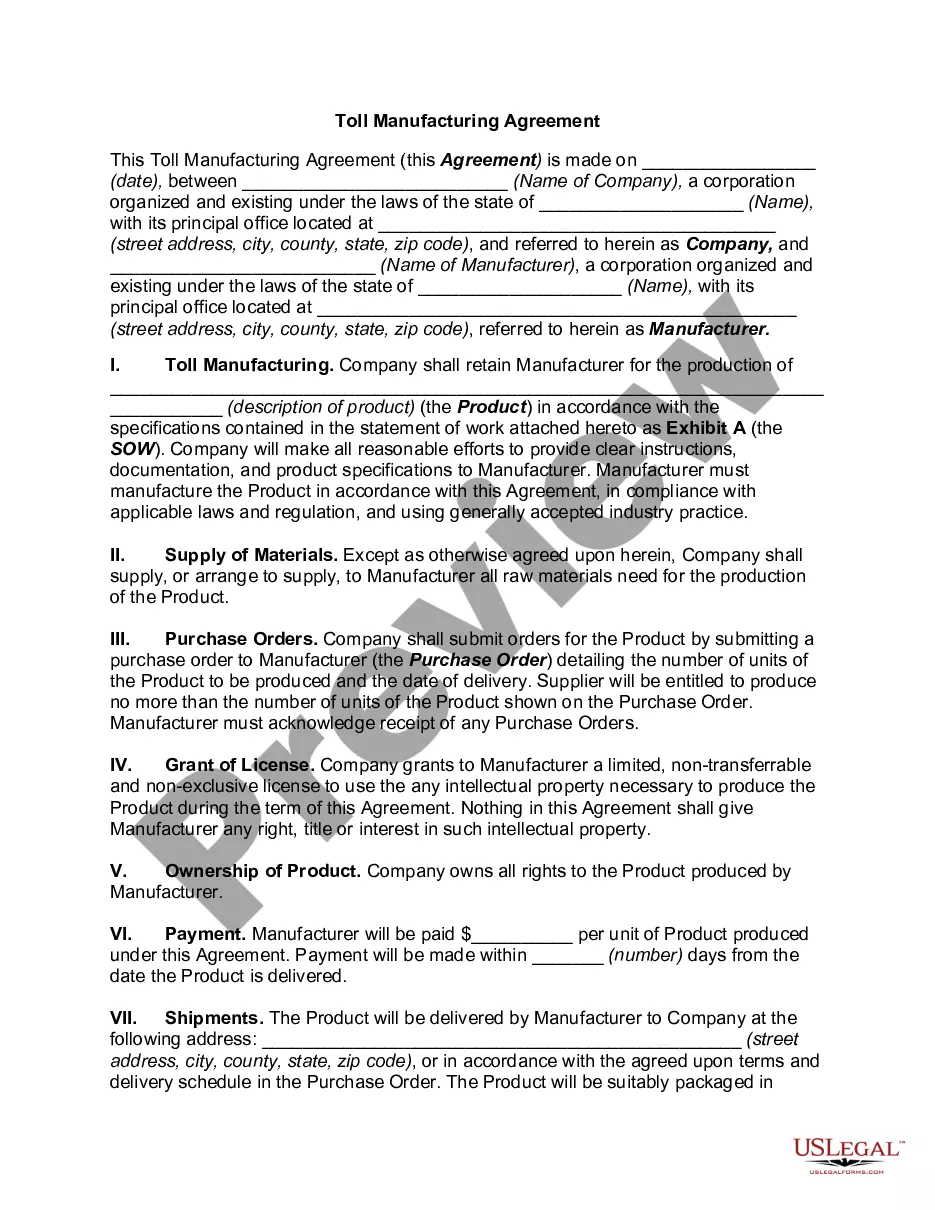
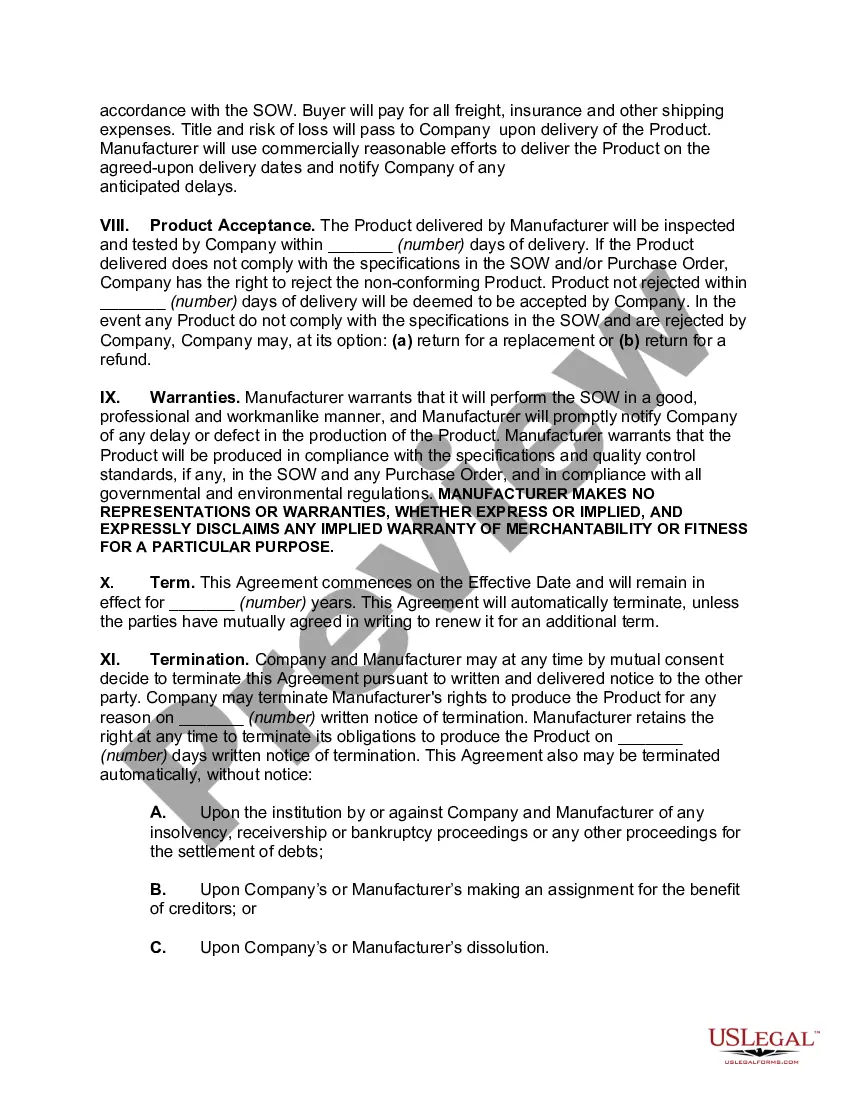
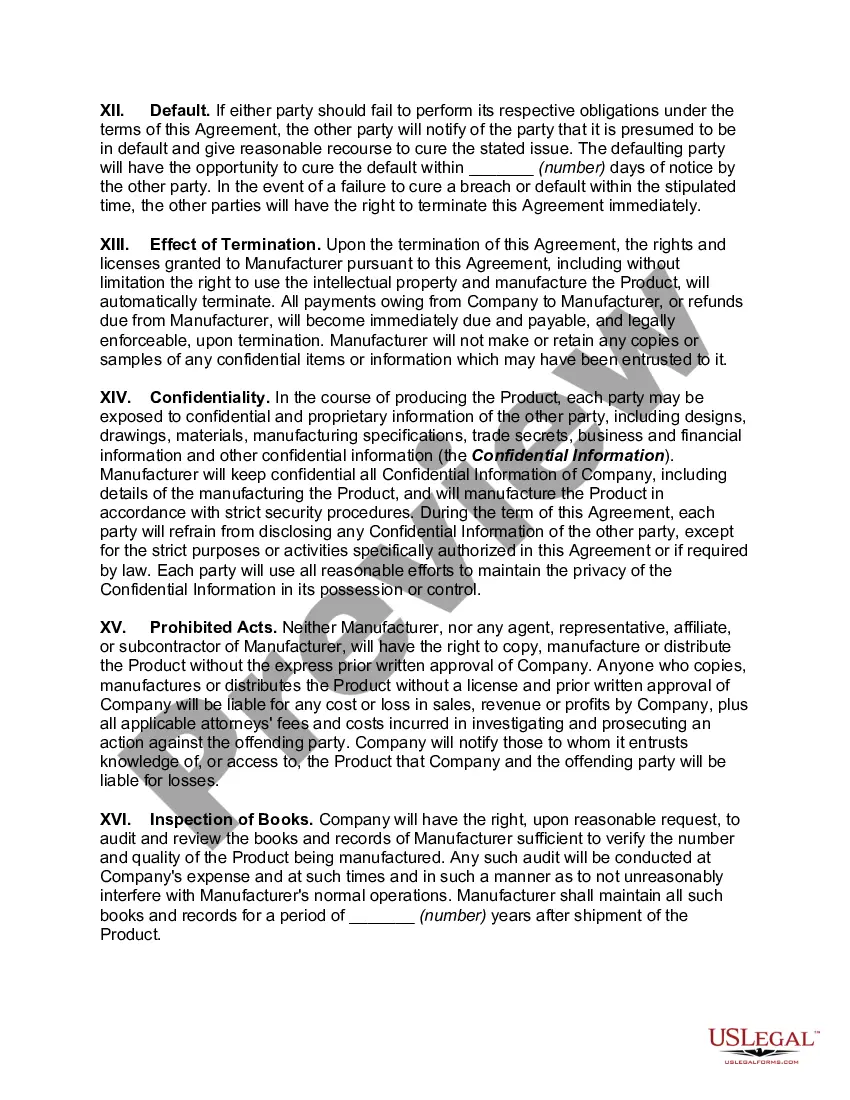
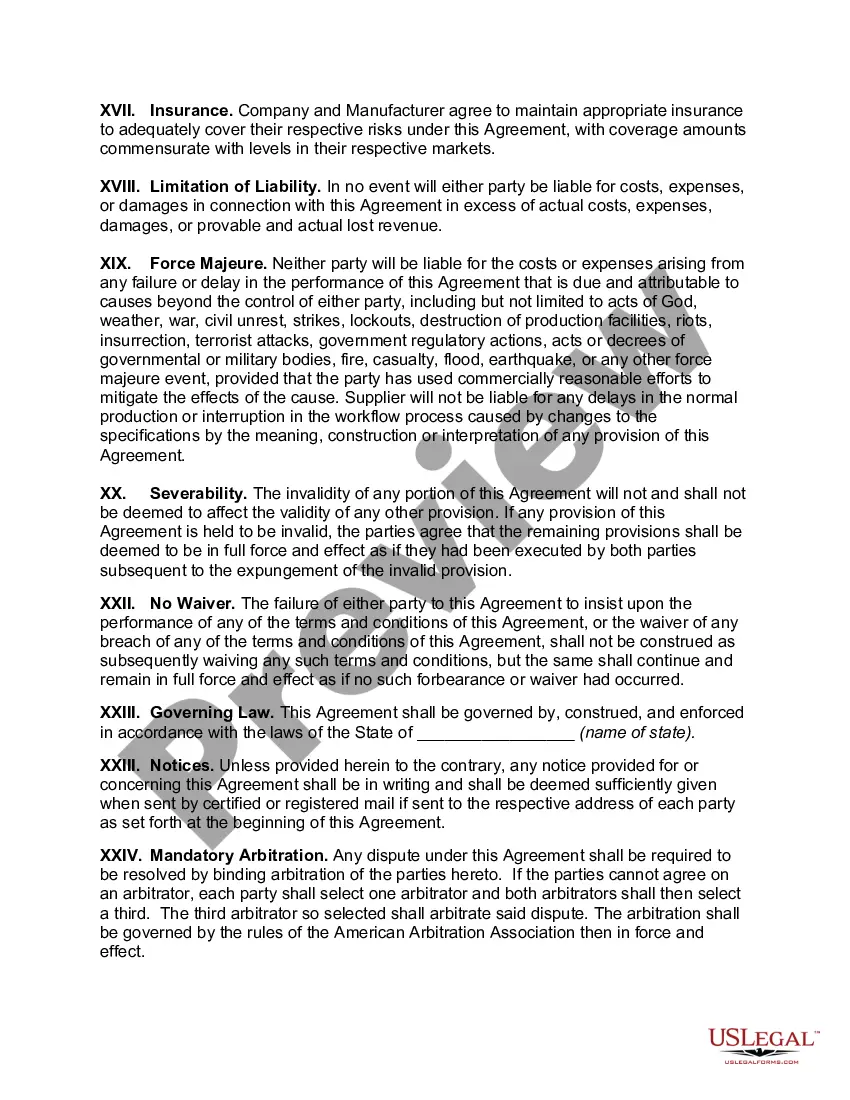
Description
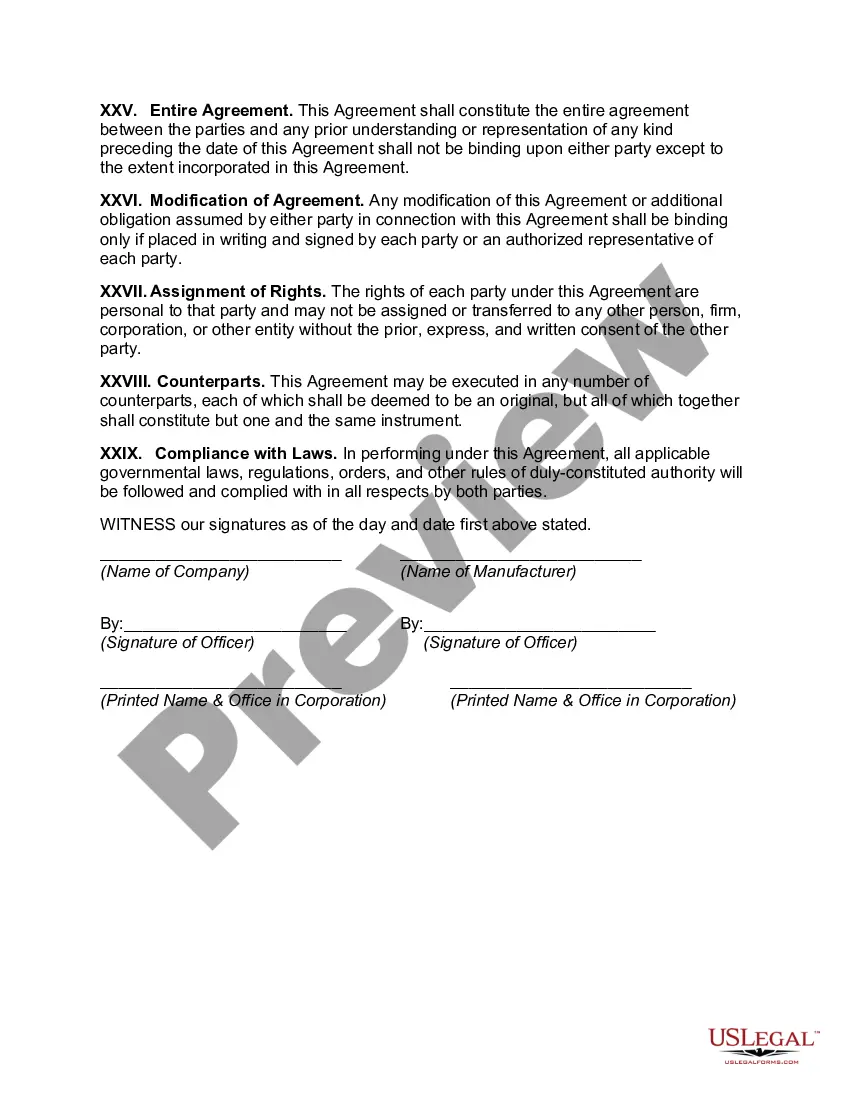
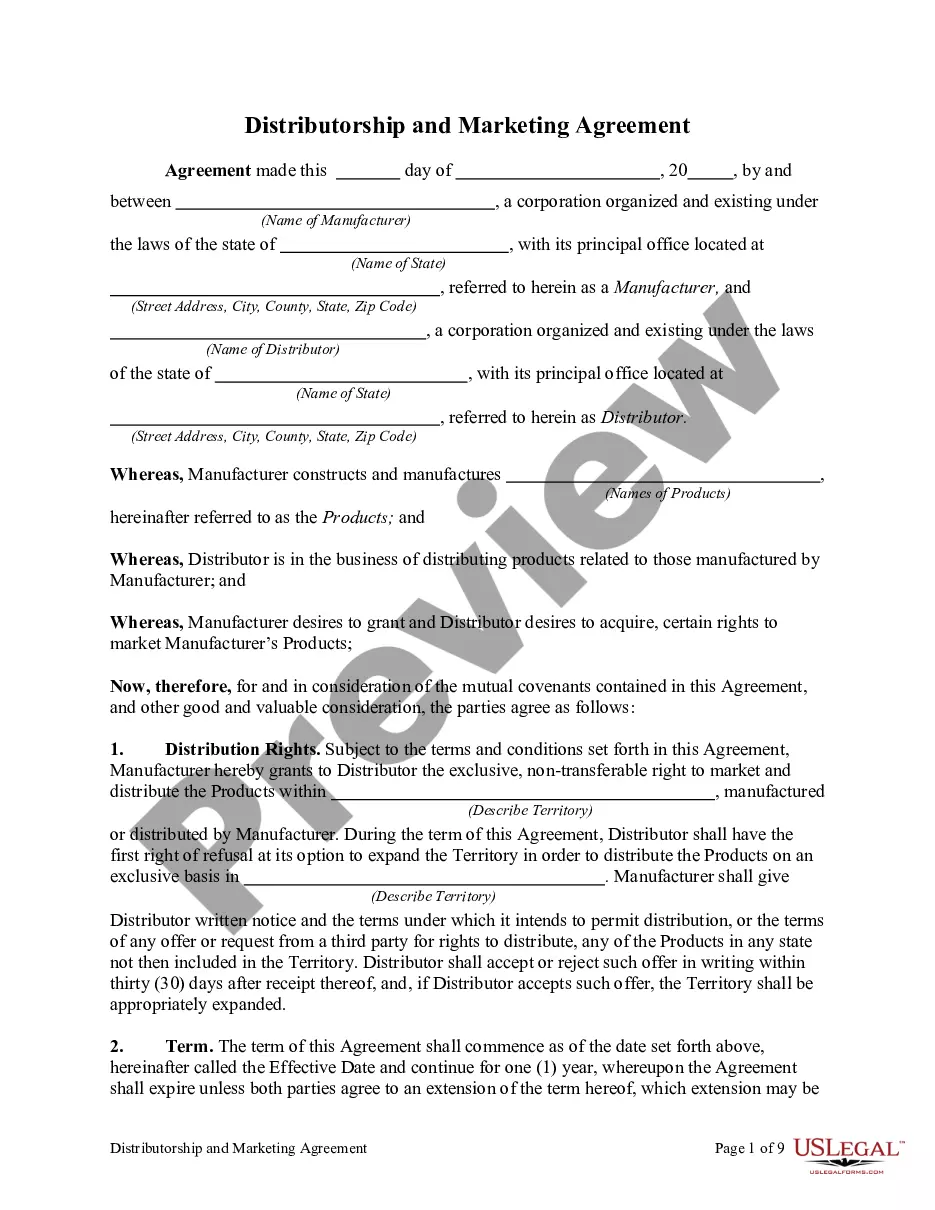
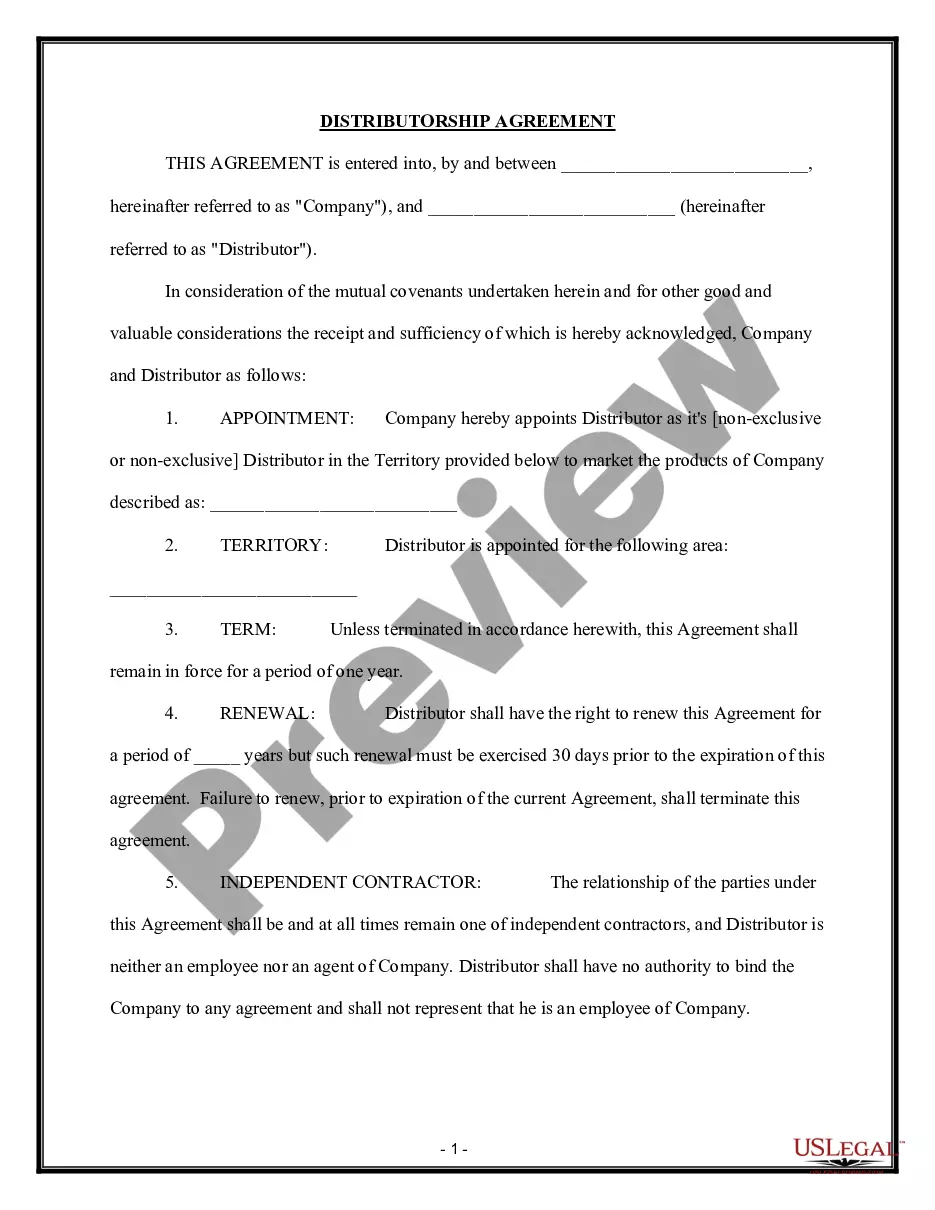
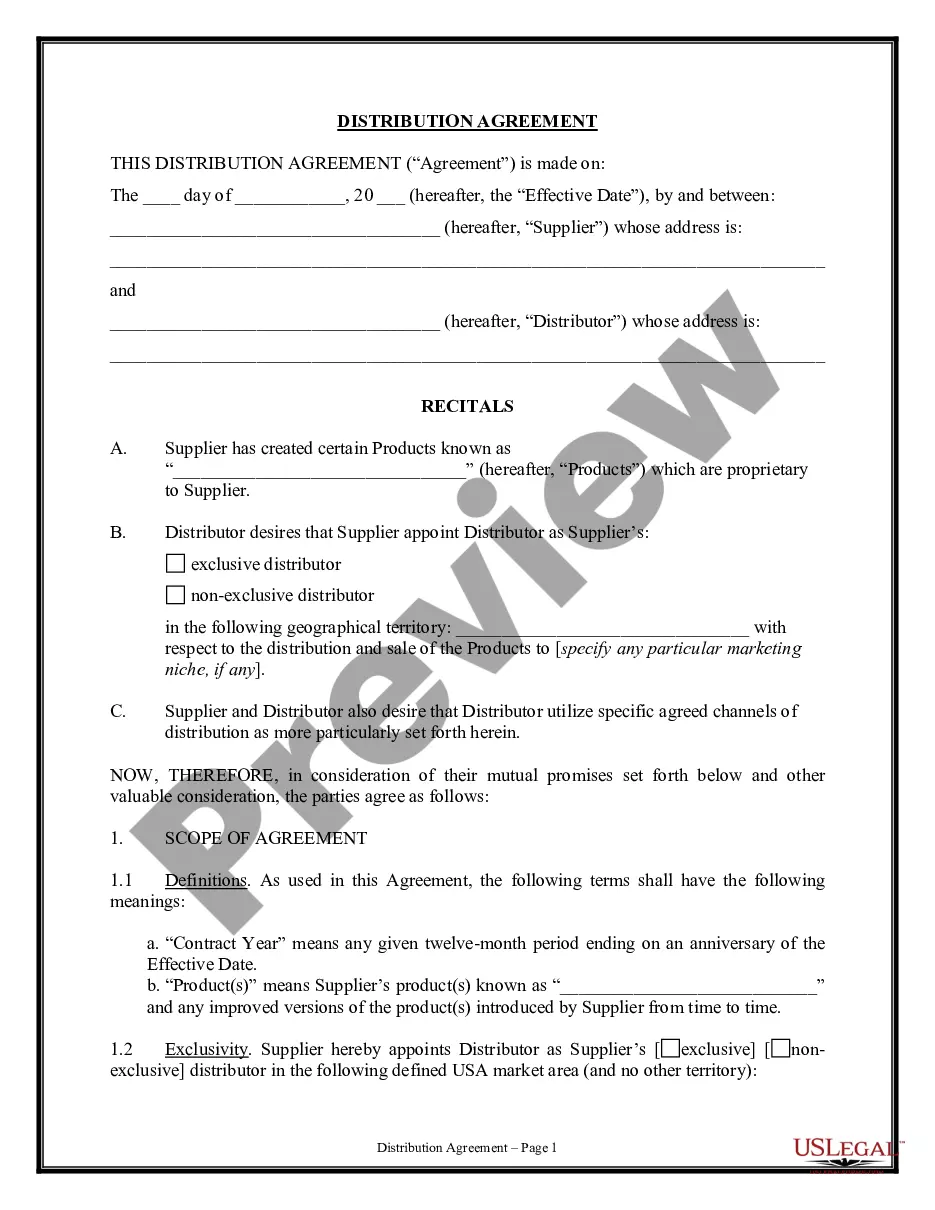
Get your form ready online
Our built-in tools help you complete, sign, share, and store your documents in one place.
Make edits, fill in missing information, and update formatting in US Legal Forms—just like you would in MS Word.
Download a copy, print it, send it by email, or mail it via USPS—whatever works best for your next step.
Sign and collect signatures with our SignNow integration. Send to multiple recipients, set reminders, and more. Go Premium to unlock E-Sign.
If this form requires notarization, complete it online through a secure video call—no need to meet a notary in person or wait for an appointment.
We protect your documents and personal data by following strict security and privacy standards.

Make edits, fill in missing information, and update formatting in US Legal Forms—just like you would in MS Word.

Download a copy, print it, send it by email, or mail it via USPS—whatever works best for your next step.

Sign and collect signatures with our SignNow integration. Send to multiple recipients, set reminders, and more. Go Premium to unlock E-Sign.

If this form requires notarization, complete it online through a secure video call—no need to meet a notary in person or wait for an appointment.

We protect your documents and personal data by following strict security and privacy standards.
Looking for another form?

How to fill out Toll Manufacturing Agreement?
If you intend to finalize, acquire, or generate valid document templates, utilize US Legal Forms, the largest collection of legal forms that are accessible online.
Take advantage of the website's straightforward and user-friendly search to locate the documents you need.
Different templates for business and personal needs are organized by categories and jurisdictions, or keywords.
Every legal document template you obtain is yours permanently.
You have access to every form you downloaded in your account. Visit the My documents section to select a form to print or download again.
- Use US Legal Forms to obtain the North Carolina Toll Manufacturing Agreement in just a few clicks.
- If you are already a US Legal Forms member, Log In to your account and click the Download button to access the North Carolina Toll Manufacturing Agreement.
- You can also view forms you have previously downloaded in the My documents section of your account.
- If you are using US Legal Forms for the first time, please follow the instructions below.
- Step 1. Ensure you have selected the form for the correct city/state.
- Step 2. Utilize the Review feature to examine the form's content. Remember to read the description.
- Step 3. If you are dissatisfied with the form, use the Search section at the top of the screen to find alternative versions of the legal form template.
- Step 4. Once you have found the form you need, click the Get now button. Select the pricing plan you prefer and enter your details to register for an account.
- Step 5. Process the transaction. You can use your credit card or PayPal account to complete the purchase.
- Step 6. Choose the format of the legal form and download it to your device.
- Step 7. Complete, modify, and print or sign the North Carolina Toll Manufacturing Agreement.
Form popularity
FAQ
The toll manufacturing process starts with a client providing raw materials to a manufacturer. The manufacturer then processes these materials into finished products according to the client's specifications. This arrangement allows businesses to optimize production without investing heavily in equipment or facilities, making a North Carolina Toll Manufacturing Agreement a strategic choice for many companies.
Contract manufacturing involves outsourcing the entire production process, including materials and labor, while toll manufacturing typically focuses on processing materials designated by the client. In a North Carolina Toll Manufacturing Agreement, the client retains ownership of the raw materials, and the manufacturer provides the processing services. This distinction allows businesses to tailor their production needs effectively.
An Original Equipment Manufacturer (OEM) produces parts or products that another company sells under its own brand. On the other hand, a contract manufacturer makes products according to another company's specifications. In a North Carolina Toll Manufacturing Agreement, businesses can utilize contract manufacturers to lower costs and focus on their core operations while maintaining control over product design.
Subcontract manufacturing occurs when a company outsources a part of its production process to another manufacturer. This allows businesses to focus on their core operations while leveraging the specialized capabilities of the subcontractor. In the context of a North Carolina Toll Manufacturing Agreement, companies can efficiently manage costs and production timelines by utilizing both in-house and subcontracted resources.
Subcontractors provide specialized services, often taking on specific tasks within a project. Manufacturers, on the other hand, create products from raw materials to finished goods. In a North Carolina Toll Manufacturing Agreement, manufacturers may contract subcontractors for certain processes while retaining control over production quality and timelines.
Toll manufacturing focuses specifically on the production of goods for a client using their raw materials, while subcontracting entails hiring another company to complete a part of a project or contract. In a toll manufacturing agreement, the original company maintains more control over the process and product ownership. Understanding these distinctions is vital when considering a North Carolina Toll Manufacturing Agreement, as each offers unique advantages tailored to various business needs. This clarity ensures better decision-making.
The main difference between a toll manufacturer and a contract manufacturer lies in ownership of the products during the manufacturing process. In a toll manufacturing setup, the client retains ownership of the raw materials and finished goods, whereas a contract manufacturer owns the entire production cycle. Understanding this difference is crucial, especially in a North Carolina Toll Manufacturing Agreement, as it impacts liability, control, and costs associated with production. Clients can choose based on their specific needs.
A toll arrangement is an agreement where one party provides manufacturing services to another party, typically with specific conditions regarding production. The party requesting the service supplies raw materials, while the manufacturer is responsible for processing these materials into finished products. In the case of a North Carolina Toll Manufacturing Agreement, this arrangement can enhance efficiency, reduce costs, and allow for scalability in production. Such agreements are common in various industries.
A toll manufacturing agreement is a contractual relationship where a manufacturer produces goods on behalf of another company. The company providing the raw materials pays for the manufacturing services, while retaining ownership of the finished product. This arrangement is beneficial in a North Carolina Toll Manufacturing Agreement, as it allows businesses to leverage external resources without incurring high overhead costs. Thus, it offers a flexible solution for production needs.
A manufacturing arrangement refers to an agreement between two parties in which one party produces goods for the other. This type of arrangement can streamline production processes, allowing companies to focus on design, marketing, and distribution. In the context of a North Carolina Toll Manufacturing Agreement, it typically involves specific terms regarding costs and quality control. This partnership can provide access to specialized facilities and expertise.