North Carolina Affidavit of Forgery
Description

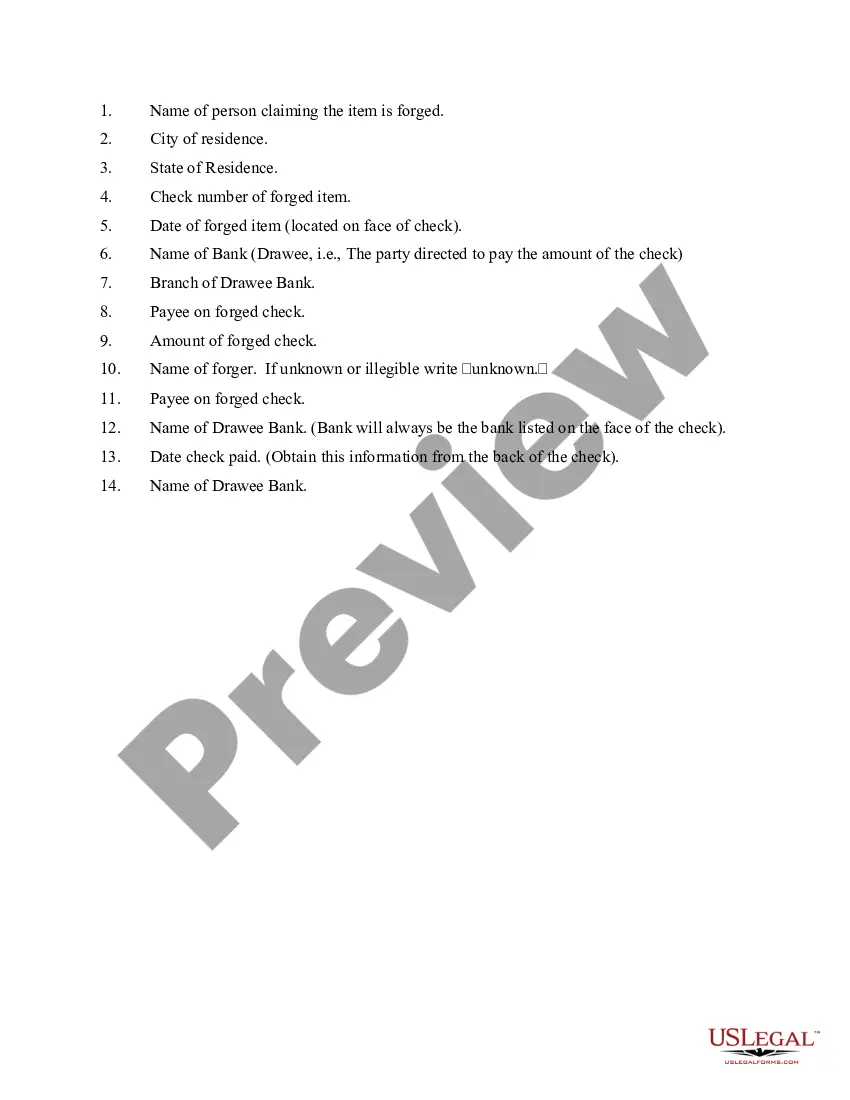
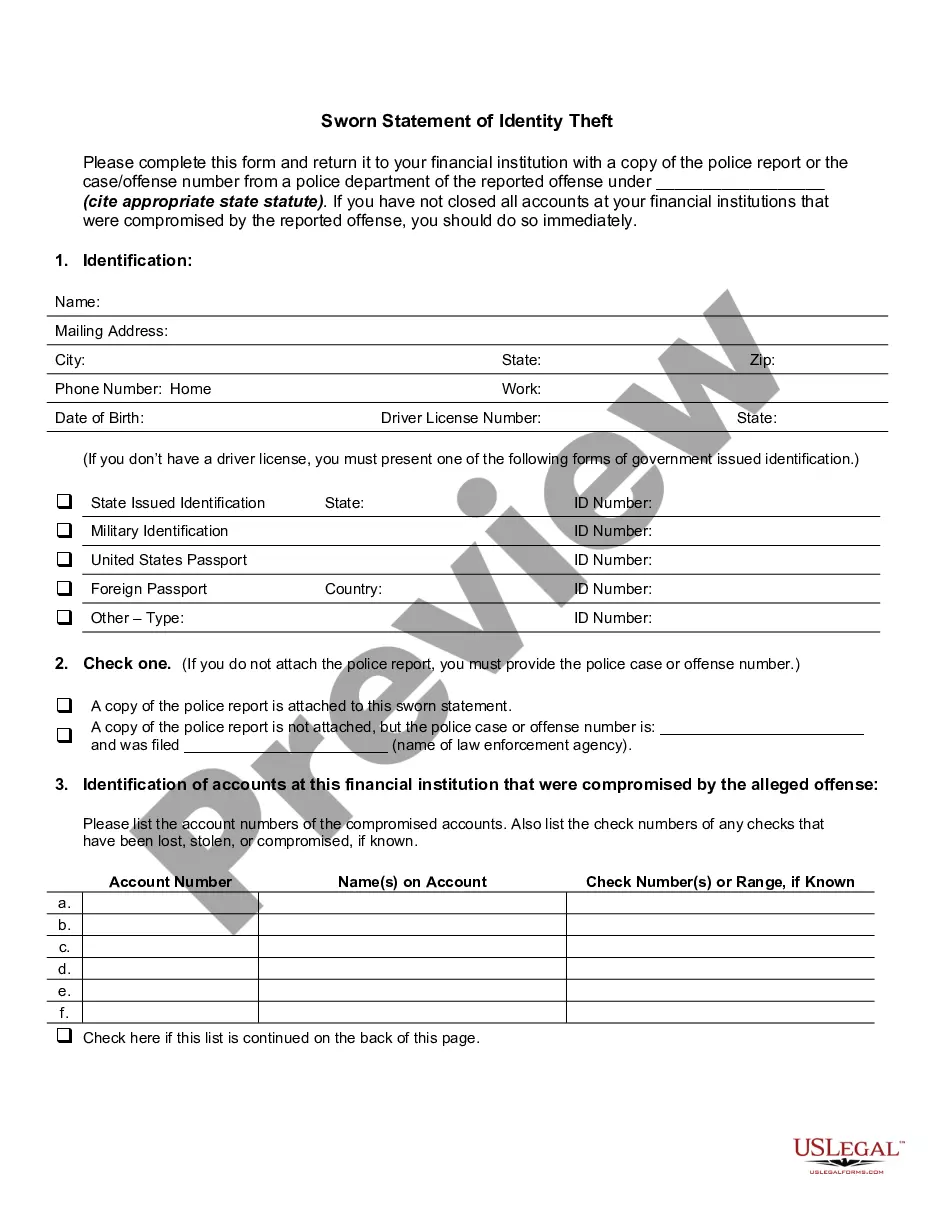
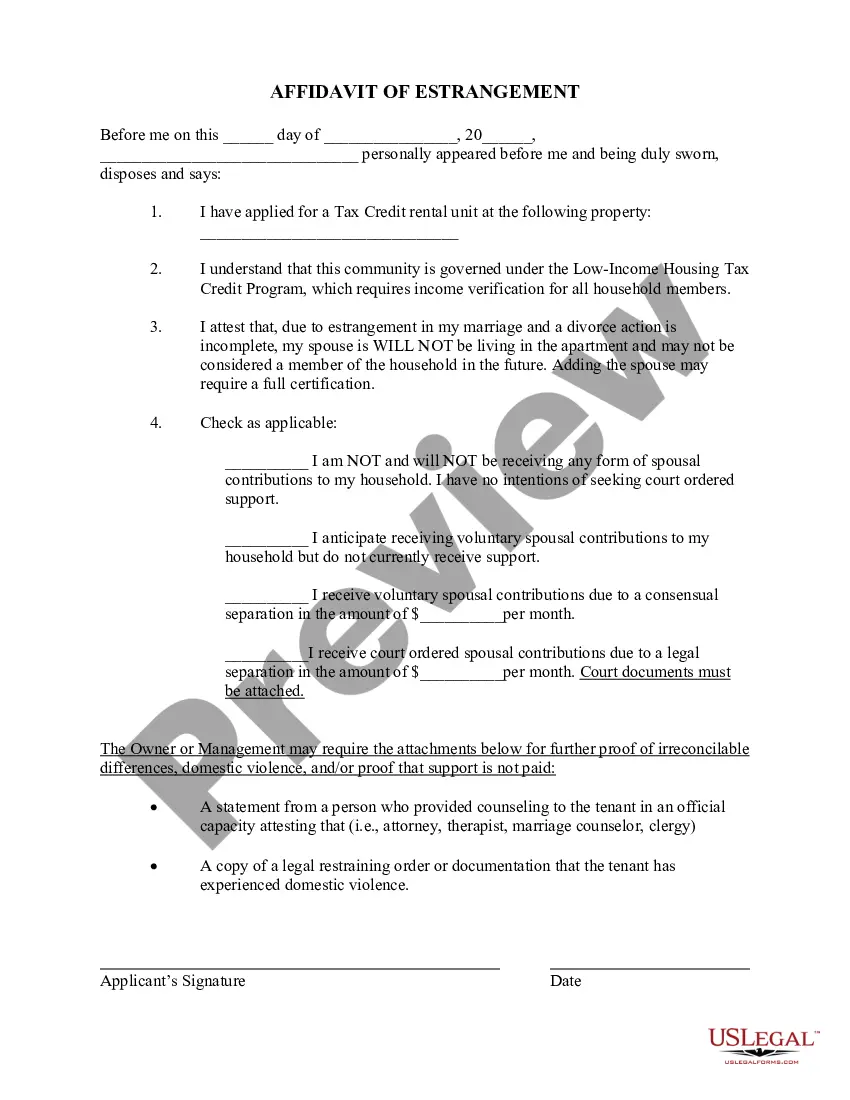
Get your form ready online
Our built-in tools help you complete, sign, share, and store your documents in one place.
Make edits, fill in missing information, and update formatting in US Legal Forms—just like you would in MS Word.
Download a copy, print it, send it by email, or mail it via USPS—whatever works best for your next step.
Sign and collect signatures with our SignNow integration. Send to multiple recipients, set reminders, and more. Go Premium to unlock E-Sign.
If this form requires notarization, complete it online through a secure video call—no need to meet a notary in person or wait for an appointment.
We protect your documents and personal data by following strict security and privacy standards.

Make edits, fill in missing information, and update formatting in US Legal Forms—just like you would in MS Word.

Download a copy, print it, send it by email, or mail it via USPS—whatever works best for your next step.

Sign and collect signatures with our SignNow integration. Send to multiple recipients, set reminders, and more. Go Premium to unlock E-Sign.

If this form requires notarization, complete it online through a secure video call—no need to meet a notary in person or wait for an appointment.

We protect your documents and personal data by following strict security and privacy standards.
Looking for another form?


How to fill out Affidavit Of Forgery?
US Legal Forms - one of the largest collections of legal documents in the country - provides a variety of legal document templates that you can download or print. Through the website, you can access thousands of forms for business and personal use, organized by categories, states, or keywords. You can find the latest versions of forms such as the North Carolina Affidavit of Forgery within moments.
If you already have a subscription, Log In and download the North Carolina Affidavit of Forgery from the US Legal Forms library. The Download button will be visible on each form you examine. You have access to all previously saved forms in the My documents section of your account.
If you are using US Legal Forms for the first time, here are simple steps to help you begin: Ensure you have selected the correct form for your city/county. Click the Preview button to review the form’s content. Check the form description to ensure you have chosen the correct document. If the form does not meet your requirements, use the Search box at the top of the page to find one that does. If you are satisfied with the form, confirm your choice by clicking the Download now button. Then, select your preferred pricing plan and provide your credentials to register for an account.
- Complete the transaction. Use your credit card or PayPal account to finalize the payment.
- Select the format and download the form onto your device.
- Make edits. Fill out, adjust, print, and sign the saved North Carolina Affidavit of Forgery.
- Every template you save in your account has no expiration date and is yours indefinitely. Therefore, if you wish to download or print another copy, simply navigate to the My documents section and click on the form you need.
- Access the North Carolina Affidavit of Forgery with US Legal Forms, one of the most extensive collections of legal document templates.
- Utilize a vast array of professional and state-specific templates that cater to your business or personal requirements.
Form popularity
FAQ
Yes, in North Carolina, affidavits must be notarized to be considered valid. This means that the person making the affidavit must sign it in front of a notary public, who will then confirm the identity of the signer. Notarization adds a layer of authenticity to your document, especially for a North Carolina Affidavit of Forgery. Utilizing services like US Legal Forms can simplify the process of notarization and ensure your affidavit meets all legal standards.
An affidavit of forgery is a legal document that declares a signature or document is fraudulent. This affidavit serves as a formal statement to assert that a person did not authorize the signing of a document, such as a contract or check. In North Carolina, this affidavit can be pivotal in legal disputes regarding forged documents. Understanding its significance can help you protect your rights effectively.
To obtain an affidavit for court, you can start by drafting the document that outlines the facts you wish to present. It is important to ensure that your affidavit meets the legal requirements specified by the court. You can also utilize platforms like US Legal Forms to access templates and guidance for creating a North Carolina Affidavit of Forgery. After drafting, you will need to have the affidavit signed in the presence of a notary.
§471. Obligations or securities of United States. Whoever, with intent to defraud, falsely makes, forges, counterfeits, or alters any obligation or other security of the United States, shall be fined under this title or imprisoned not more than 20 years, or both.
In North Carolina, ?common law forgery? is recognized as a crime and punished as a class 1 misdemeanor. To be guilty of this crime, one must: Make a false writing, or state that a false writing is true (knowing it to be false), when the writing is apparently capable of effecting a fraud, with the intent to defraud.
(a) It is unlawful for any person to forge or counterfeit any instrument, or possess any counterfeit instrument, with the intent to injure or defraud any person, financial institution, or governmental unit. Any person in violation of this subsection is guilty of a Class I felony.
Uttering is passing that document to someone with the intent to defraud. So, if you made a counterfeit $100 bill, that would be forgery. If you gave that counterfeit bill to a convenience store in exchange for groceries, that would be uttering.
If any person, directly or indirectly, whether for the sake of gain or with intent to defraud or injure any other person, shall utter or publish any such false, forged or counterfeited instrument as is mentioned in G.S. 14-119, or shall pass or deliver, or attempt to pass or deliver, any of them to another person ( ...
Under common law, uttering is when a person offers as genuine a forged instrument with the intent to defraud.
Uttering and forgery were originally common law offences, both misdemeanours. Forgery was the creation of a forged document, with the intent to defraud; whereas uttering was merely use ? the passing ? of a forged document, that someone else had made, with the intent to defraud.