North Carolina Acknowledgment for Short Term Power of Attorney
What this document covers
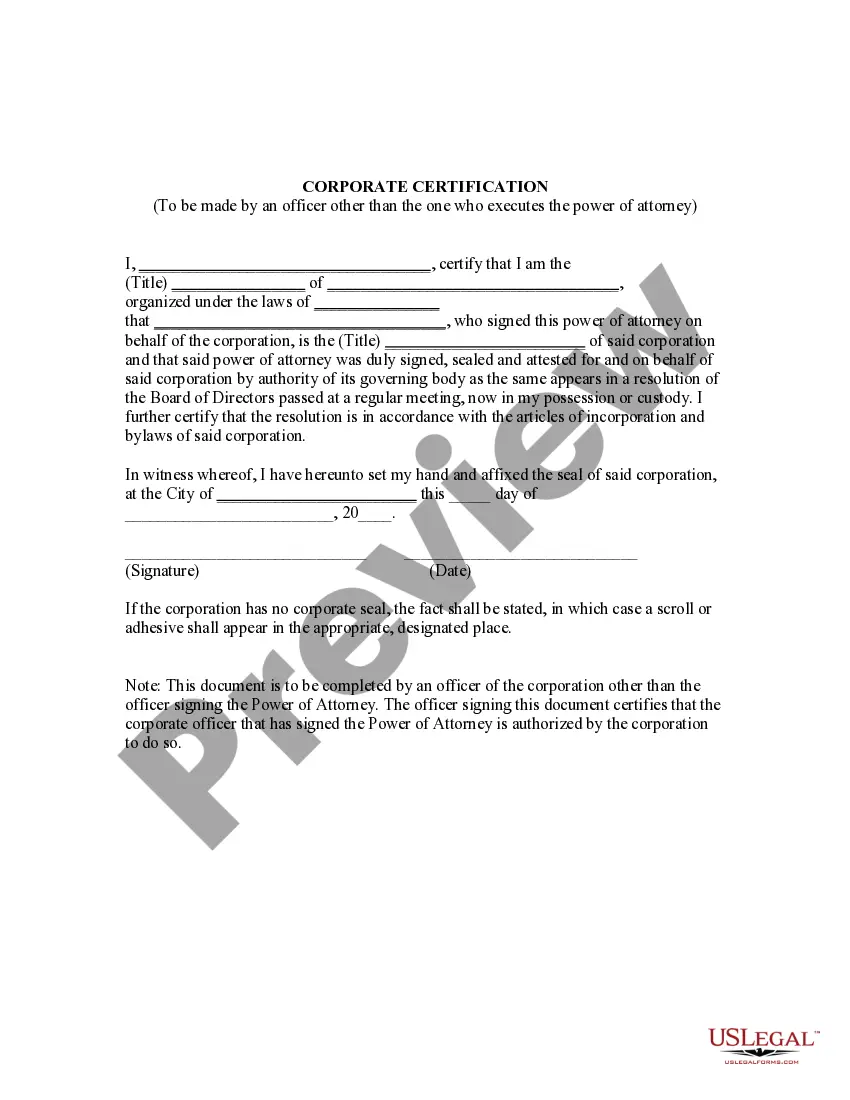
The Acknowledgment for Short Term Power of Attorney is a legal document that confirms an individual's delegation of authority to another person for a specified period. This form is crucial for individuals who need to grant temporary powers for decision-making, typically related to financial or healthcare matters, while they are unable to do so themselves. Unlike a general power of attorney, which grants broader authority indefinitely, this form limits the duration and scope of the authority granted, making it ideal for short-term arrangements.
Form components explained
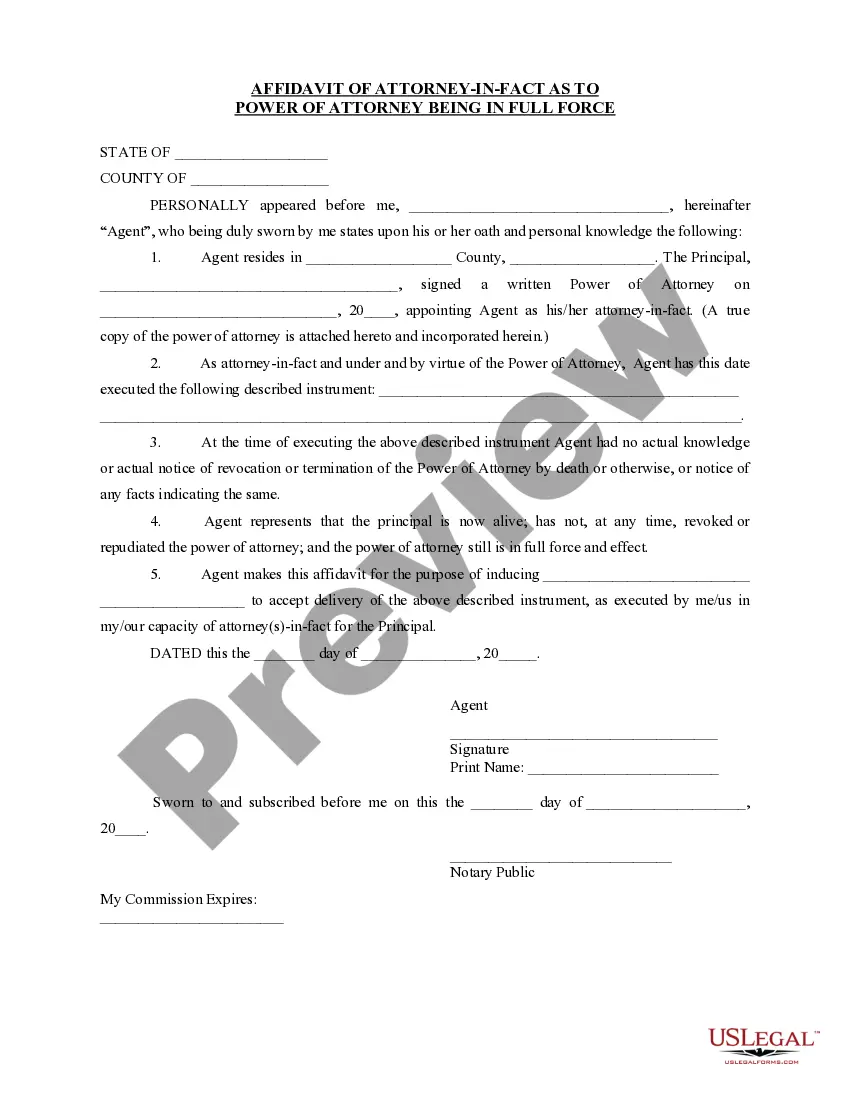
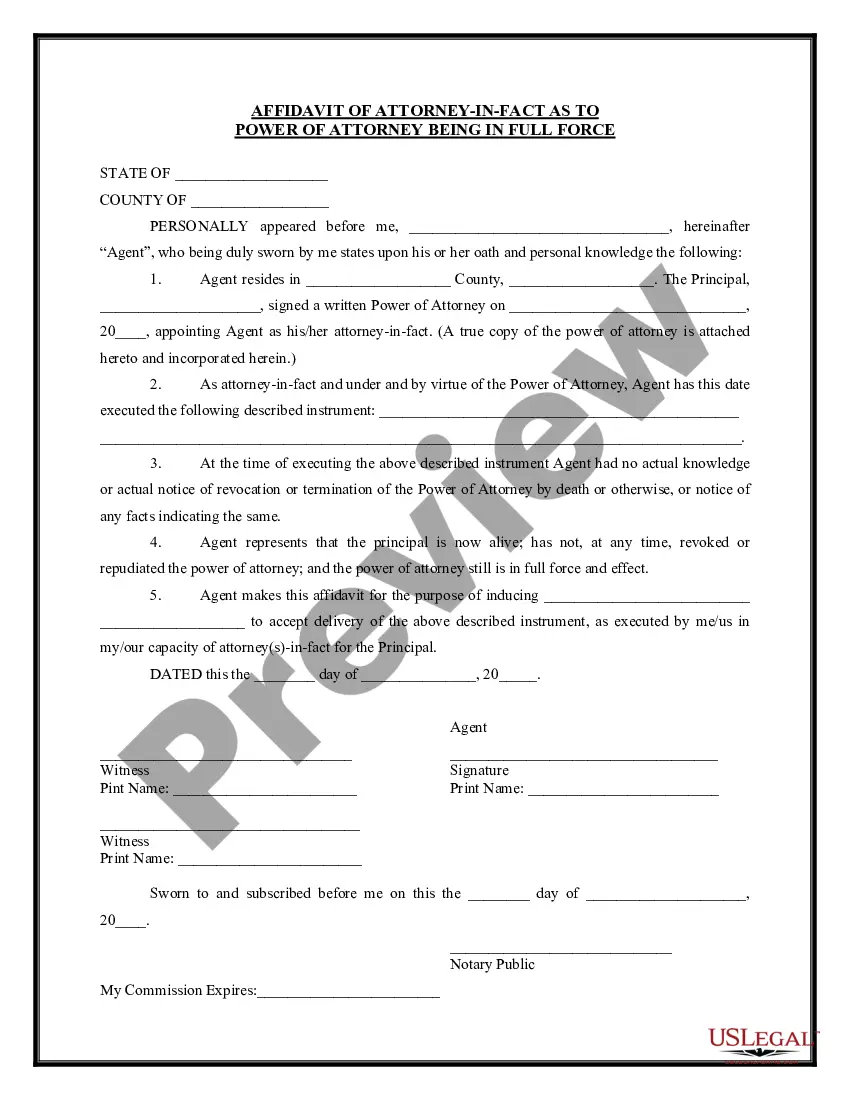
- Names and addresses of both the principal (the person granting authority) and the agent (the person receiving authority).
- The specific powers being granted, such as managing finances or making health care decisions.
- The effective dates of the power of attorney, detailing when the authority begins and ends.
- Signature of the principal to confirm their intent and acknowledgment of the document.
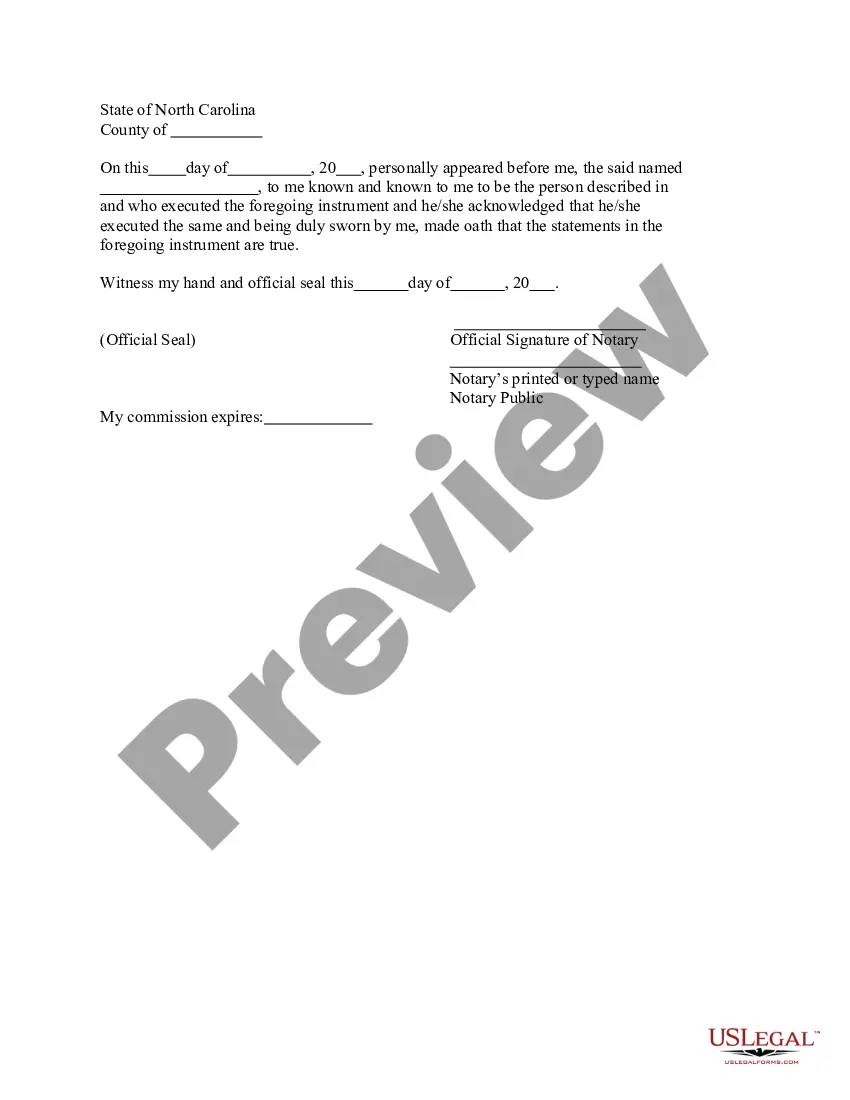
- Notary acknowledgment to validate the execution of the form.
When to use this document
This form is needed in situations where an individual cannot manage their affairs temporarily but wants to ensure that someone they trust can act on their behalf. Common scenarios include hospitalization, travel out of the country, or recovery from illness or surgery where decision-making ability is compromised.
Who can use this document
- Individuals who want to appoint a trusted person to manage specific tasks during a short absence.
- Parents who may need to assign temporary authority to guardianship for minors.
- Anyone requiring assistance with financial or healthcare decisions for a limited time.
Instructions for completing this form
- Identify the parties involved by entering the full names and addresses of both the principal and the agent.
- Clearly specify the tasks or decisions the agent is authorized to make on behalf of the principal.
- Enter the start and end dates for the authority being granted.
- Have the principal sign the document in the presence of a notary public.
- Ensure the notary public completes their section to validate the form.
Notarization guidance
Yes, this form must be notarized to be legally valid. Notarization verifies the identities of the parties involved and ensures that the document is executed without coercion. US Legal Forms offers integrated online notarization, available 24/7 via secure video call, ensuring a straightforward and compliant process.
Get your form ready online
Our built-in tools help you complete, sign, share, and store your documents in one place.
Make edits, fill in missing information, and update formatting in US Legal Forms—just like you would in MS Word.
Download a copy, print it, send it by email, or mail it via USPS—whatever works best for your next step.
Sign and collect signatures with our SignNow integration. Send to multiple recipients, set reminders, and more. Go Premium to unlock E-Sign.
If this form requires notarization, complete it online through a secure video call—no need to meet a notary in person or wait for an appointment.
We protect your documents and personal data by following strict security and privacy standards.

Make edits, fill in missing information, and update formatting in US Legal Forms—just like you would in MS Word.

Download a copy, print it, send it by email, or mail it via USPS—whatever works best for your next step.

Sign and collect signatures with our SignNow integration. Send to multiple recipients, set reminders, and more. Go Premium to unlock E-Sign.

If this form requires notarization, complete it online through a secure video call—no need to meet a notary in person or wait for an appointment.

We protect your documents and personal data by following strict security and privacy standards.
Mistakes to watch out for
- Failing to specify the expiration date, which could lead to unauthorized actions after the intended period.
- Not properly notarizing the document, making it invalid.
- Leaving out specific powers that the agent should have, leading to confusion about their authority.
Benefits of completing this form online
- Convenience of downloading the form instantly without the need for physical paperwork.
- Editability allows users to customize the document to fit their specific needs.
- Access to resources and customer support for guidance while completing the form.
Key takeaways
- The Acknowledgment for Short Term Power of Attorney is essential for delegating authority temporarily.
- Proper notarization is crucial for the form's validity.
- Identify specific powers and effective dates to avoid any confusion.
Looking for another form?
Form popularity
FAQ
In North Carolina. A power of attorney, sometimes referred to simply as a POA, is a legal instrument that can grant a designated person the power to make decisions on behalf of someone else.
A power of attorney needs to be signed in front of a licensed notary public in order to be legally binding.Notarizing a power of attorney document used to mean locating a local notary in person, going to meet them on their schedule, and then giving them full access to your private affairs.
Fill out the acknowledgement form, which should be attached to the POA. Affirm that the principal appeared before you voluntarily, that the terms of the POA are intended and that the signature on the document belongs to the principal. Ask the principal to sign the POA.
A. A power of attorney must always be signed in front of a notary public. If you wish, it can be recorded at the county register of deeds office in North Carolina where it is to be used.As a general rule, however, a power of attorney does not need to be recorded in North Carolina in order to be effective.
A power of attorney (or POA) is a legal document that grants a person or organization the legal authority to act on another's behalf and make certain decisions for them.A power of attorney needs to be signed in front of a licensed notary public in order to be legally binding.
In many states, notarization is required by law to make the durable power of attorney valid. But even where law doesn't require it, custom usually does. A durable power of attorney that isn't notarized may not be accepted by people with whom your attorney-in-fact tries to deal.
Most states offer simple forms to help you create a power of attorney for finances. Generally, the document must be signed, witnessed and notarized by an adult. If your agent will have to deal with real estate assets, some states require you to put the document on file in the local land records office.
After the principal's name, write by and then sign your own name. Under or after the signature line, indicate your status as POA by including any of the following identifiers: as POA, as Agent, as Attorney in Fact or as Power of Attorney.
Draft a list of special powers. Decide what powers are springing. Pick an agent and a successor agent. Note the expiration date. Compile the information into one document. Execute the power of attorney letter.