North Carolina Acknowledgment of Oath or Affirmation
What is this form?
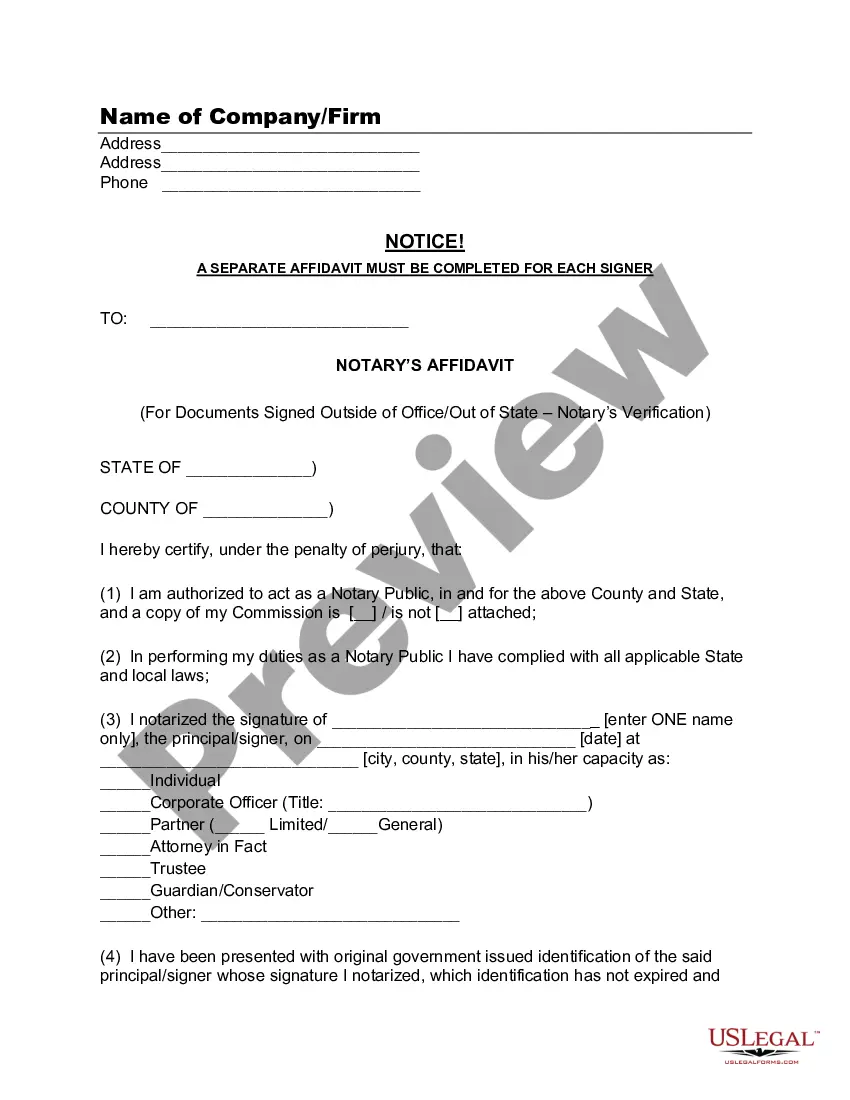
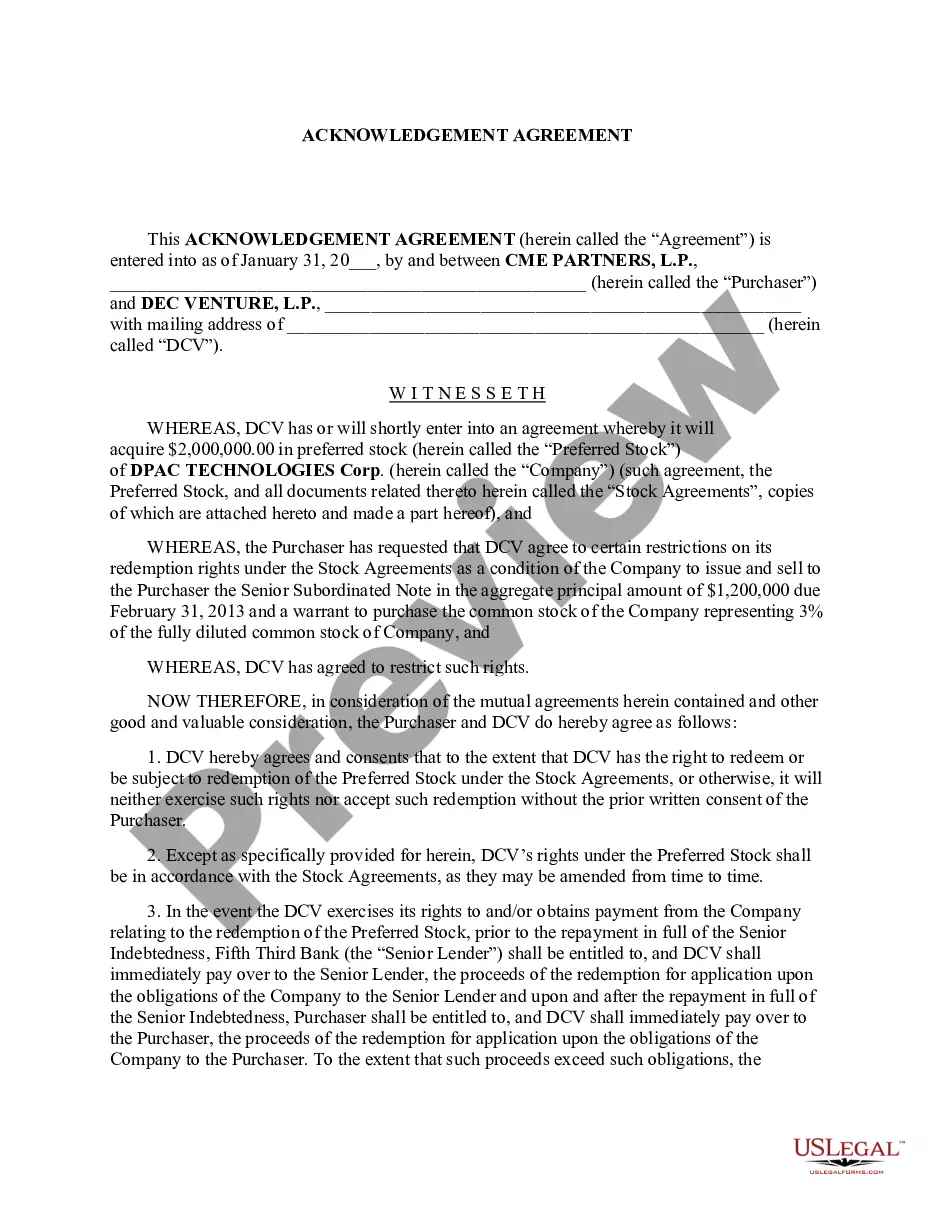
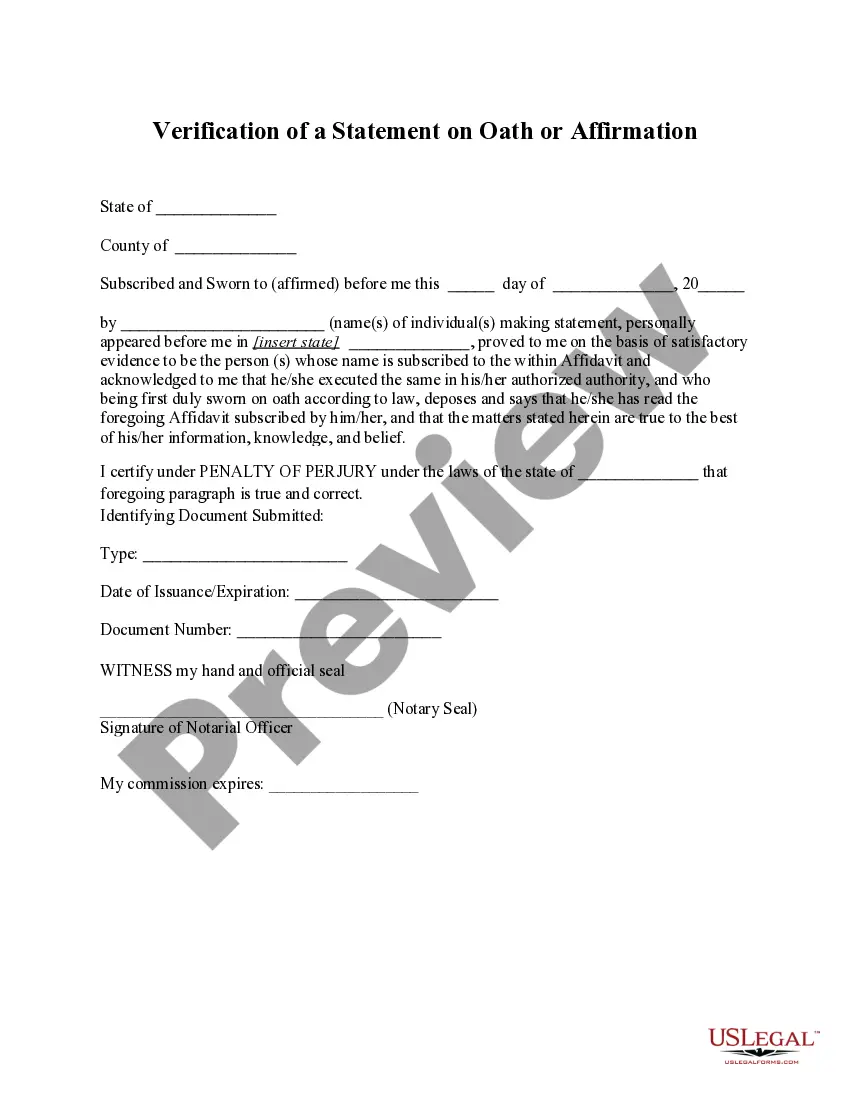
The Acknowledgment of Oath or Affirmation is a legal document used to formally certify that an individual has sworn or affirmed an oath before a notary public or other authorized official. This form is vital in legal proceedings and ensures that the statements made under oath are given the proper legal weight. It differs from other affirmation forms by specifically requiring the presence of a certifying official who validates the process of taking the oath.
What’s included in this form
- Names of the parties involved, including the individual taking the oath and the notary public.
- The specific date on which the oath or affirmation is made.
- Signature of the individual taking the oath.
- Official signature of the notary public.
- The official seal of the notary public, if applicable.


When this form is needed
This form is needed when an individual is required to affirm the truthfulness of statements made in legal documents or in legal proceedings. Common scenarios for using the Acknowledgment of Oath or Affirmation include court testimonies, affidavits, or other legal matters where a sworn statement is necessary. It is also used in various administrative processes that require confirmation of identities and assertions.
Who this form is for
This form is intended for:
- Individuals who need to take an official oath or affirmation for legal purposes.
- Notary publics who are responsible for overseeing the oath-taking process.
- Lawyers and legal professionals assisting clients with legal documentation.
Steps to complete this form
- Print the form and review it for completeness.
- Fill in the names of the individual taking the oath and the official certifying the oath.
- Enter the specific date on which the oath is taken.
- Have the individual sign the form in the presence of the notary public.
- The notary public should then sign the form and apply their official seal, if required.
Is notarization required?
Yes, this form must be notarized to be legally valid. The notarization process adds an additional layer of verification to the oath. US Legal Forms provides integrated online notarization services, making it easy to finalize this form through a secure video call with a licensed notary public, available 24/7. This eliminates the need for in-person visits, streamlining the process for users.
Get your form ready online
Our built-in tools help you complete, sign, share, and store your documents in one place.
Make edits, fill in missing information, and update formatting in US Legal Forms—just like you would in MS Word.
Download a copy, print it, send it by email, or mail it via USPS—whatever works best for your next step.
Sign and collect signatures with our SignNow integration. Send to multiple recipients, set reminders, and more. Go Premium to unlock E-Sign.
If this form requires notarization, complete it online through a secure video call—no need to meet a notary in person or wait for an appointment.
We protect your documents and personal data by following strict security and privacy standards.

Make edits, fill in missing information, and update formatting in US Legal Forms—just like you would in MS Word.

Download a copy, print it, send it by email, or mail it via USPS—whatever works best for your next step.

Sign and collect signatures with our SignNow integration. Send to multiple recipients, set reminders, and more. Go Premium to unlock E-Sign.

If this form requires notarization, complete it online through a secure video call—no need to meet a notary in person or wait for an appointment.

We protect your documents and personal data by following strict security and privacy standards.
Common mistakes
- Failing to sign the form in front of the notary public.
- Not providing the correct date of the oath.
- Neglecting to include the notary's seal or signature.
- Using outdated versions of the form that may not comply with current laws.
Why use this form online
- Convenient downloadable format allows immediate access to the form.
- Editable for individualized requirements before printing.
- Developed by licensed attorneys to ensure legal compliance and accuracy.
- Easy guidance for completion, minimizing errors in the process.
Key takeaways
- The Acknowledgment of Oath or Affirmation is essential for ensuring legal validity in sworn statements.
- Properly completing and notarizing the form is crucial for its enforceability.
- This form is specific to North Carolina and may need adjustments to meet local standards in other jurisdictions.
- Avoid common mistakes to ensure the form's acceptance in legal contexts.
Looking for another form?



Form popularity
FAQ
The certificate of a notary public, justice of the peace, or other authorized officer, attached to a deed, mortgage, or other instrument, setting forth that the parties thereto personally appeared before him on such a date and acknowledged the instrument to be their free and voluntary act and deed. Read v.
The purpose of an acknowledgment is for a signer, whose identity has been verified, to declare to a Notary or notarial officer that he or she has willingly signed a document.The signer may either sign the document before appearing before you, or in your presence.
When administering the oath or affirmation, make sure the person swears or affirms the truthfulness of their statement. The wording may vary depending upon your state. Speak clearly and take the notarial act seriously. Record the notarization in your journal.
Step 1: Require Personal Appearance. Step 2: Check Over The Document. Step 3: Carefully Identify The Signer. Step 4: Record Your Journal Entry. Step 5: Complete The Notarial Certificate. A Last Note: Never Give Advice.
A notary acknowledgement ensures that the signer of the document is indeed the person named in the document. The function of the notary in this case is to verify the identity of the signer. On the other hand, a notary is asked to perform a Jurat, when the signer takes an oath or makes an affirmation.
As nouns the difference between affidavit and acknowledgment is that affidavit is affidavit while acknowledgment is the act of acknowledging; admission; avowal; owning; confession.
For an acknowledgment, the signer must always: Be positively identified by the Notary. The Notary must always identify the signer for an acknowledgement; whether the signer personally knows the Notary, presents an ID document, or is identified by a credible witness depends on the circumstances.
When you see (here insert the name and character of the officer) next to a blank as shown below, it means you should insert Your name, Notary Public in the blank.