North Carolina 10 Day Notice to Pay Rent or Lease Terminates for Residential Property
Understanding this form
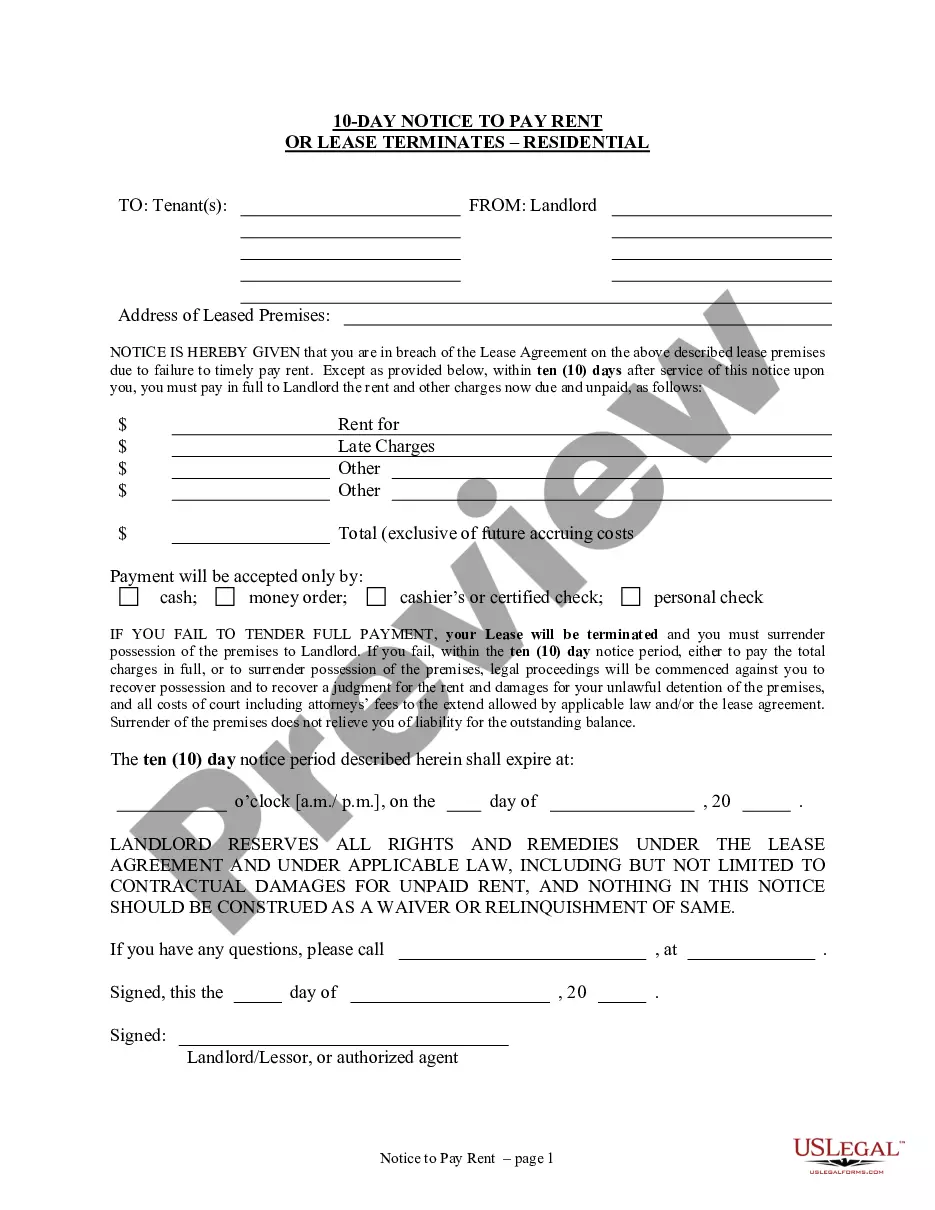
The 10 Day Notice to Pay Rent or Lease Terminates for Residential Property is a legal document that allows landlords to formally notify tenants of overdue rent. This form serves as a demand for payment within ten days, as required by law, and can lead to lease termination if the tenant fails to respond. It is specifically designed for residential properties such as houses, apartments, and condos, setting it apart from commercial lease notices.
Key parts of this document
- Identification of parties: Names and addresses of the landlord and tenant.
- Property description: Address of the leased premises.
- Notice details: Specification of overdue rent and any additional charges.
- Payment instructions: Accepted methods for making the payment.
- Consequences of non-payment: Explanation of lease termination and potential eviction.
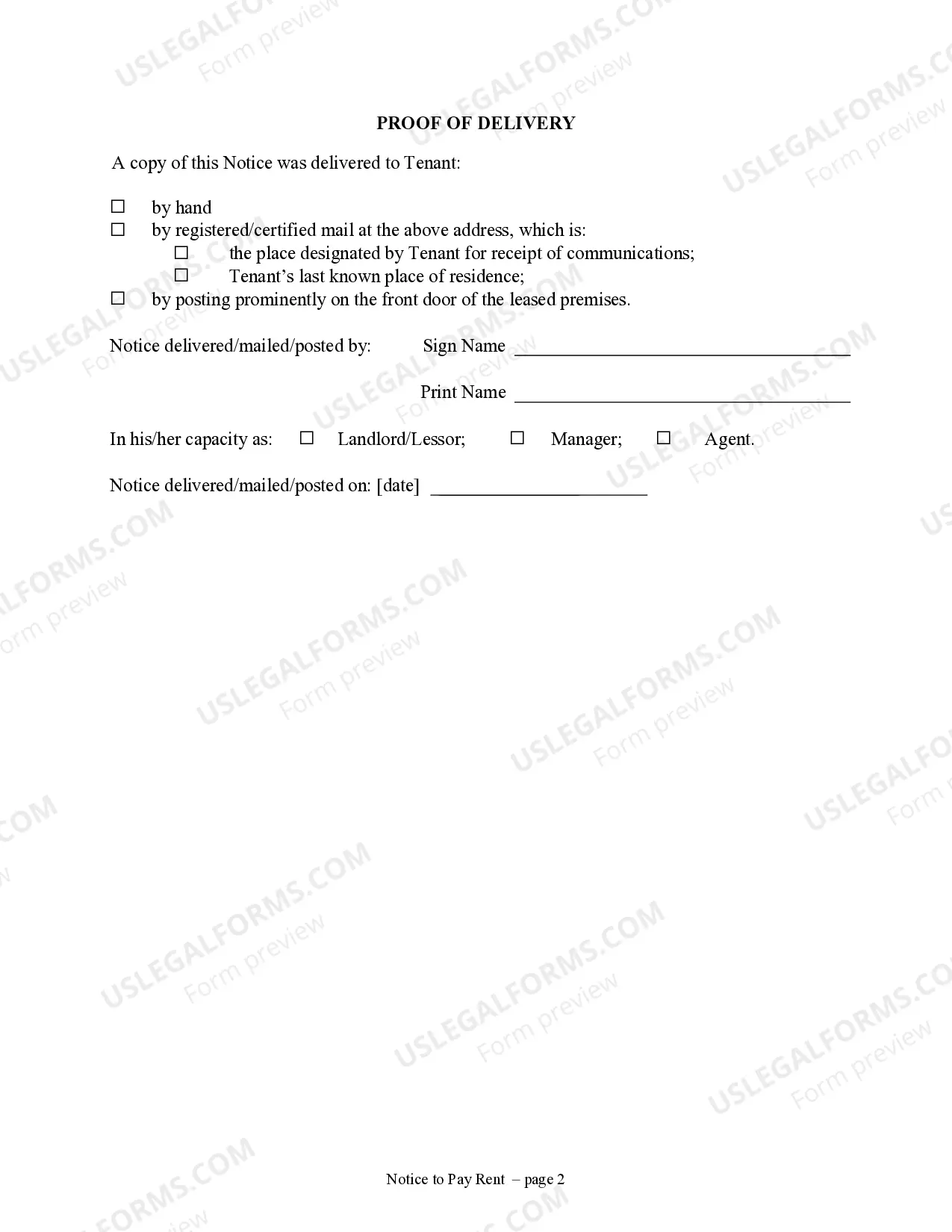
- Proof of delivery section: Method of how the notice was served to the tenant.
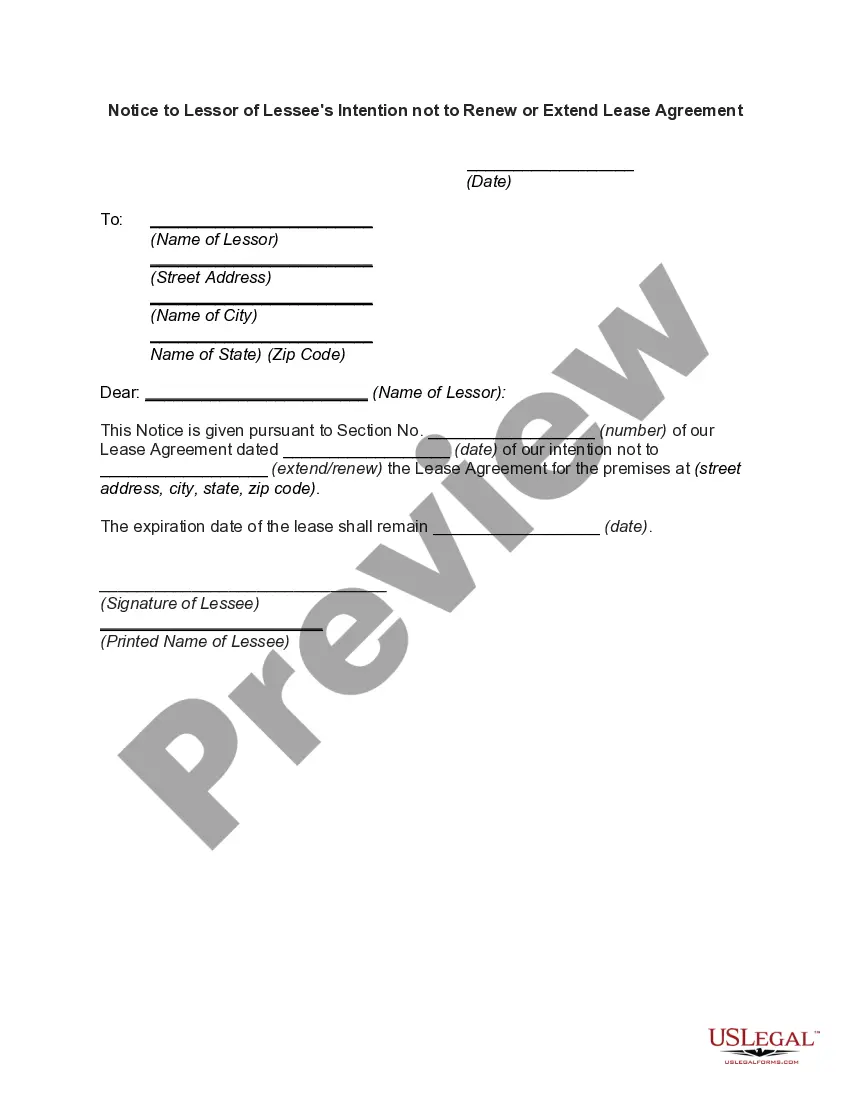
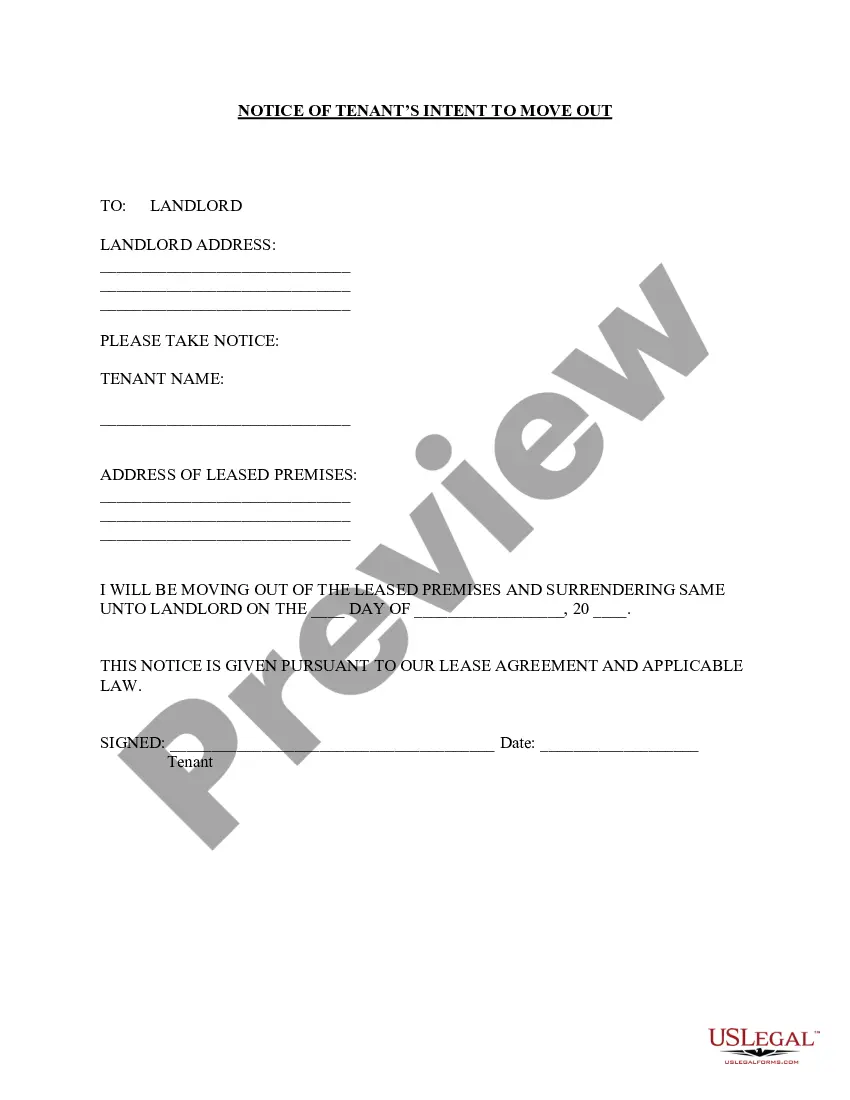
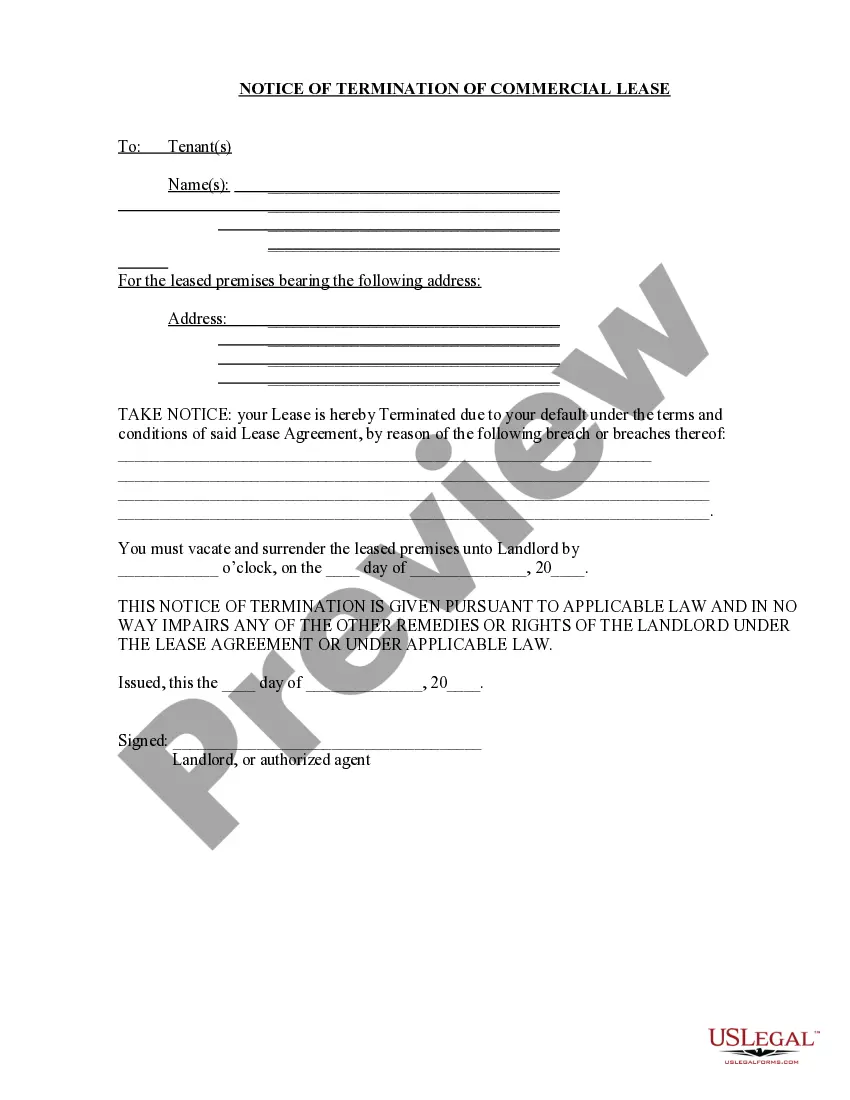

Situations where this form applies
This form should be used when a residential tenant has not paid rent by the due date, and the landlord wishes to formally demand payment within ten days. Using this notice is a critical step before initiating eviction proceedings and ensures compliance with state laws regarding tenant rights and lease agreements.
Who should use this form
- Landlords seeking to collect overdue rent from residential tenants.
- Property managers acting on behalf of property owners in rental agreements.
- Real estate investors managing multiple rental properties.
How to prepare this document
- Identify the landlord and tenant: Fill in the names and addresses clearly.
- Specify the property: Include the exact address of the leased premises.
- Detail the overdue payment: List the rent due and any additional charges.
- Include payment details: Specify accepted payment methods and deadlines.
- Add delivery proof: Indicate how the tenant will receive this notice.
Does this form need to be notarized?
In most cases, this form does not require notarization. However, some jurisdictions or signing circumstances might. US Legal Forms offers online notarization powered by Notarize, accessible 24/7 for a quick, remote process.
Typical mistakes to avoid
- Failing to provide the exact amount of overdue rent and charges.
- Not including the landlord's signature or contact information.
- Using a notice period shorter than required by state law.
- Neglecting to keep a copy of the notice for records.
Benefits of using this form online
- Convenient access: Download and fill out the form from anywhere, reducing time and hassle.
- Editability: Customize the form easily to fit your specific requirements.
- Reliability: Ensure you have a properly drafted document that meets legal standards.
State law considerations
This form follows general laws applicable to most states. However, it is important to check local regulations, as some states may have different notice periods or additional requirements regarding the evictions or tenant rights.


Form popularity
FAQ
Declare a Constructive Eviction. Point Out Landlord Breaches to Reduce Your Debt. Landlords Have a Duty to Mitigate Their Damages. Consequences for Breaking Your Lease. Look for These Clauses in Your Lease. Your Landlord May Have a Duty to Mitigate. Declare a Constructive Eviction.
North Carolina law says that your landlord must keep your housing fit and safe. It also says that you, the tenant, must pay your rent, keep your home clean, and not damage your home. To make the law work, both the tenant and the landlord must do their part.
Notice Requirements for North Carolina Landlords A landlord can simply give you a written notice to move, allowing you seven days as required by North Carolina law and specifying the date on which your tenancy will end.
Many landlords will be curious about the North Carolina eviction timeline as they start the process. Usually, the process takes about three to four weeks. You have to wait for the 10 day notice period, followed by the 7-day court summons period. Then, the tenant has up to 10 days to move out.
In North Carolina, nonpayment of rent is the most common ground for eviction. In this case, you are required to give the tenant a 10-day "notice to quit." The notice informs the tenant that they need to pay the rent due within 10 days. Otherwise, they will be evicted.
In short, nothing in the CARES Act or Governor Cooper's Order prohibits evictions for reasons other than late payment or nonpayment of rent, such as evictions related to health, safety, or criminal activity. These types of evictions by a landlord would not violate the Order.
A landlord can't force you to move out before the lease ends, unless you fail to pay the rent or violate another significant term, such as repeatedly throwing large and noisy parties. In these cases, landlords in North Carolina must follow specific procedures to end the tenancy.
Withhold rent. Move out. Sue the landlord for the difference between the value of the unit with defects and the monthly rent. File a complaint with state or local health or building inspectors. Repair the defect and deduct the cost from the rent.
In Colorado, evictions are sometimes referred to as forcible entry & detainer (FED). Before you can file for eviction, you must generally provide 10 days' notice (increased from 3 days prior) for tenants to correct a deficiency or leave the property, except in certain circumstances.