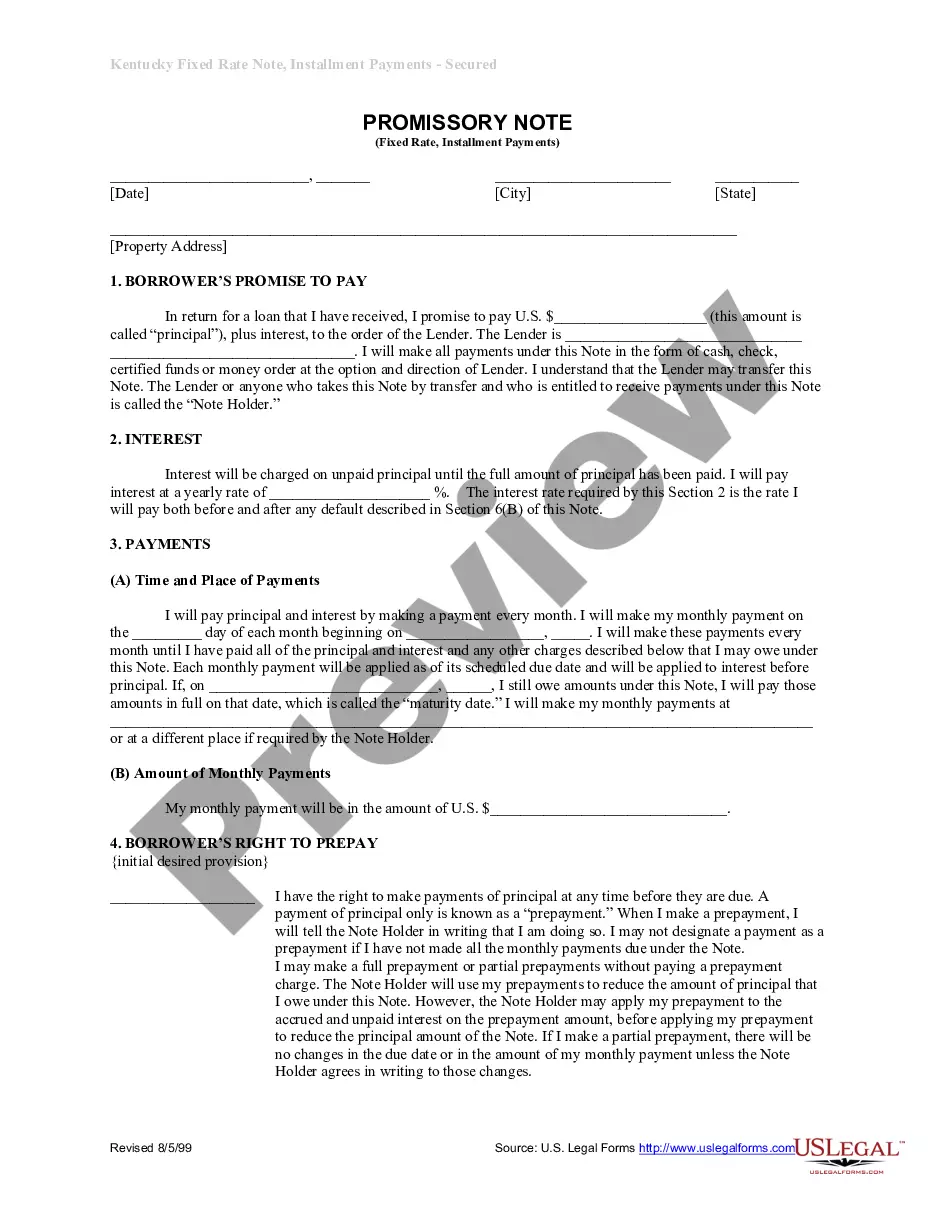
North Carolina Fencing Contract for Contractor
What is this form?
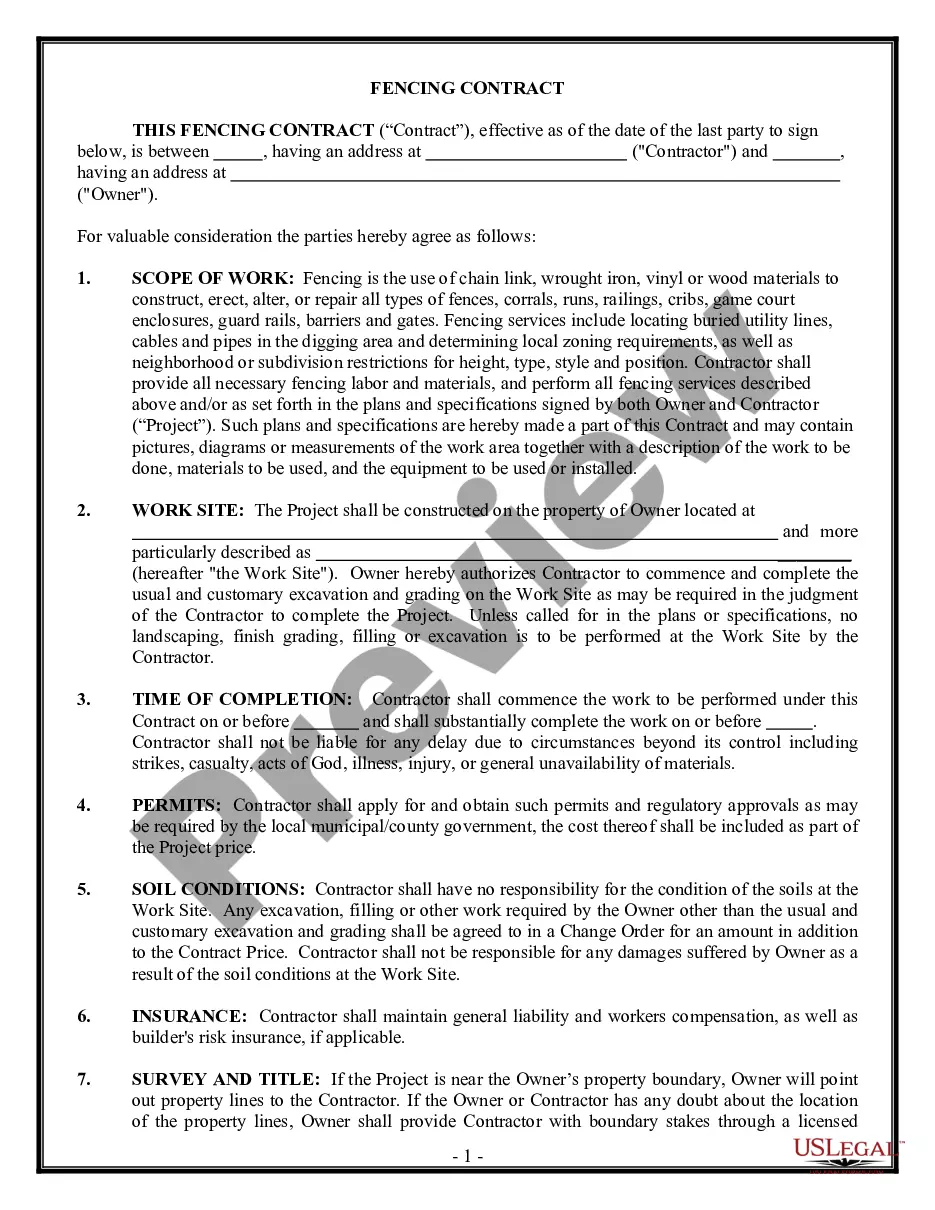
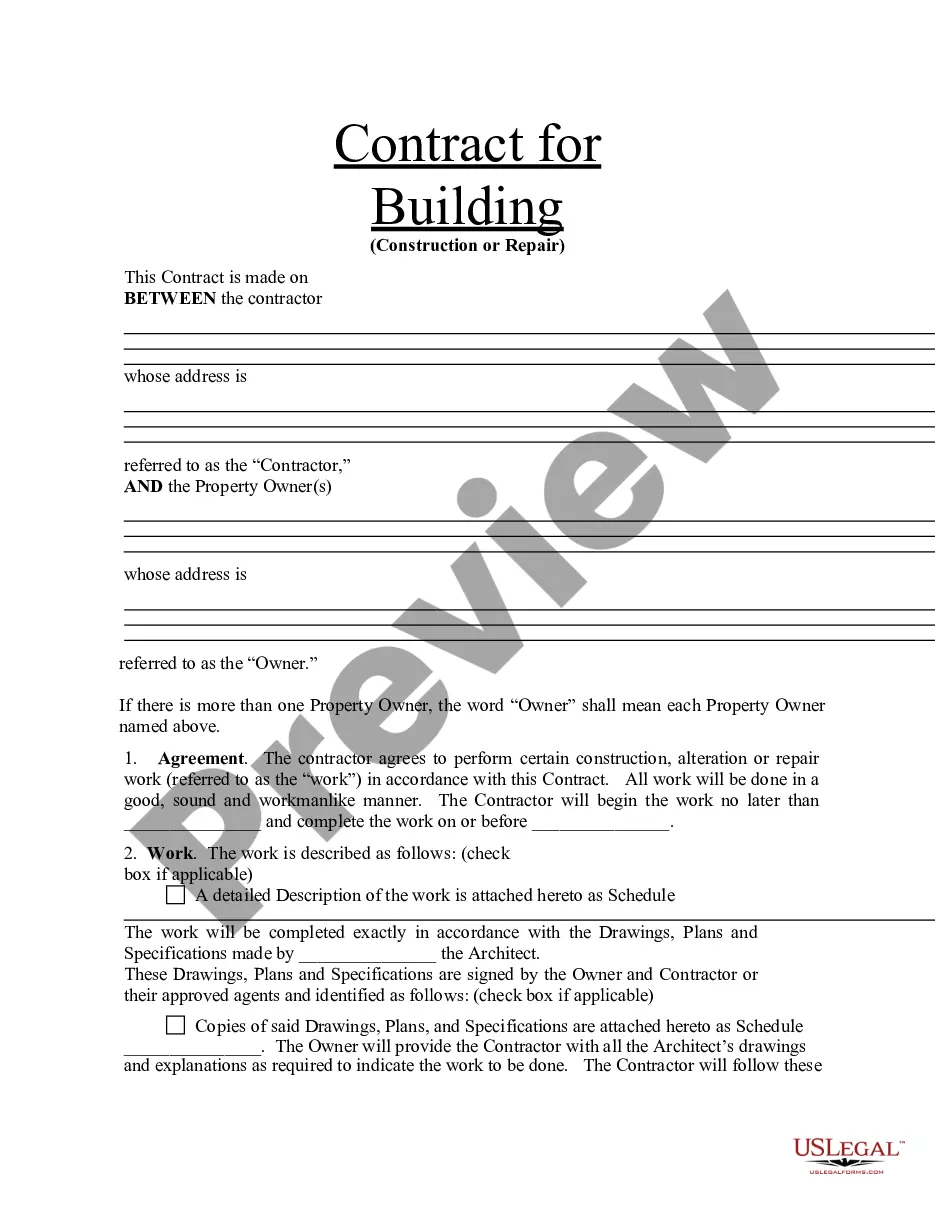
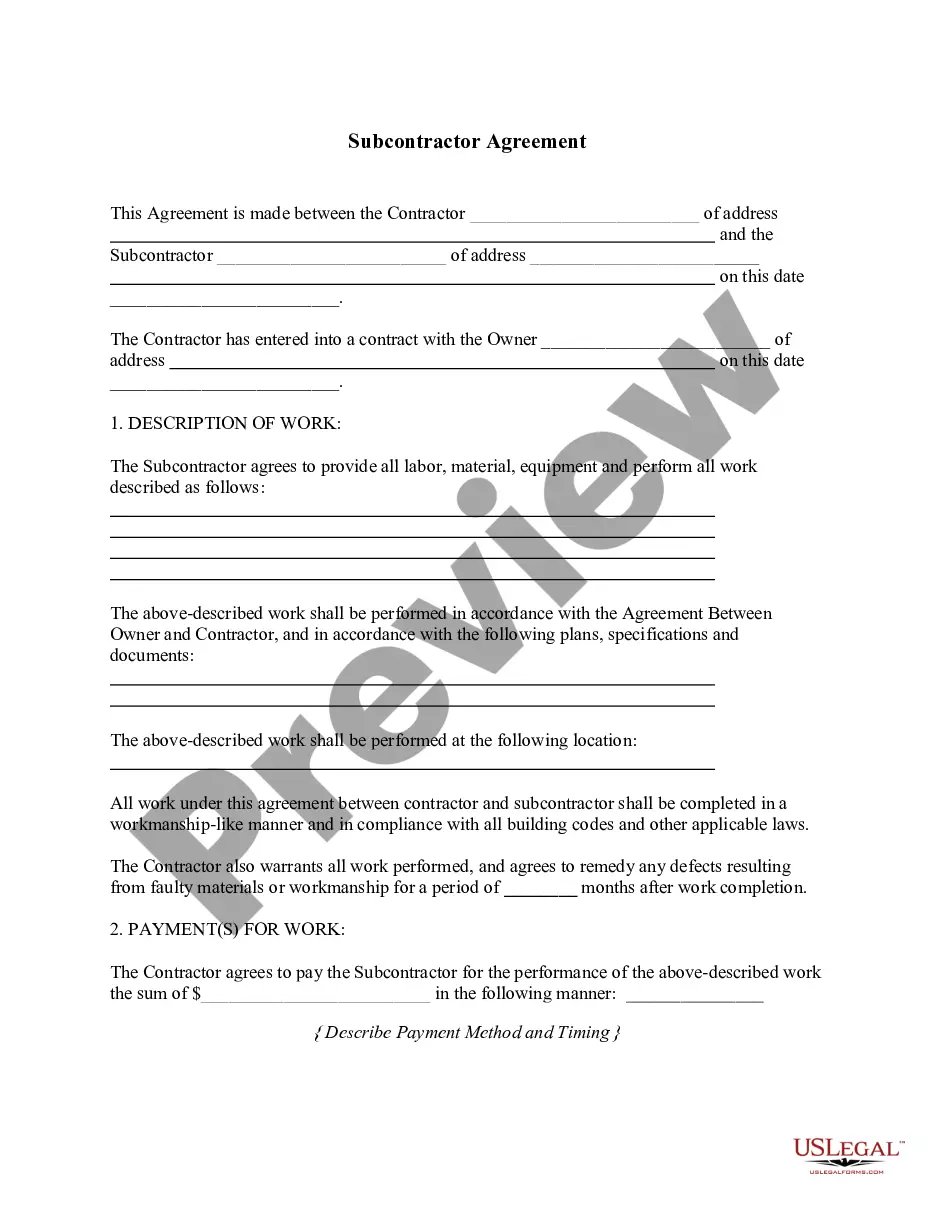
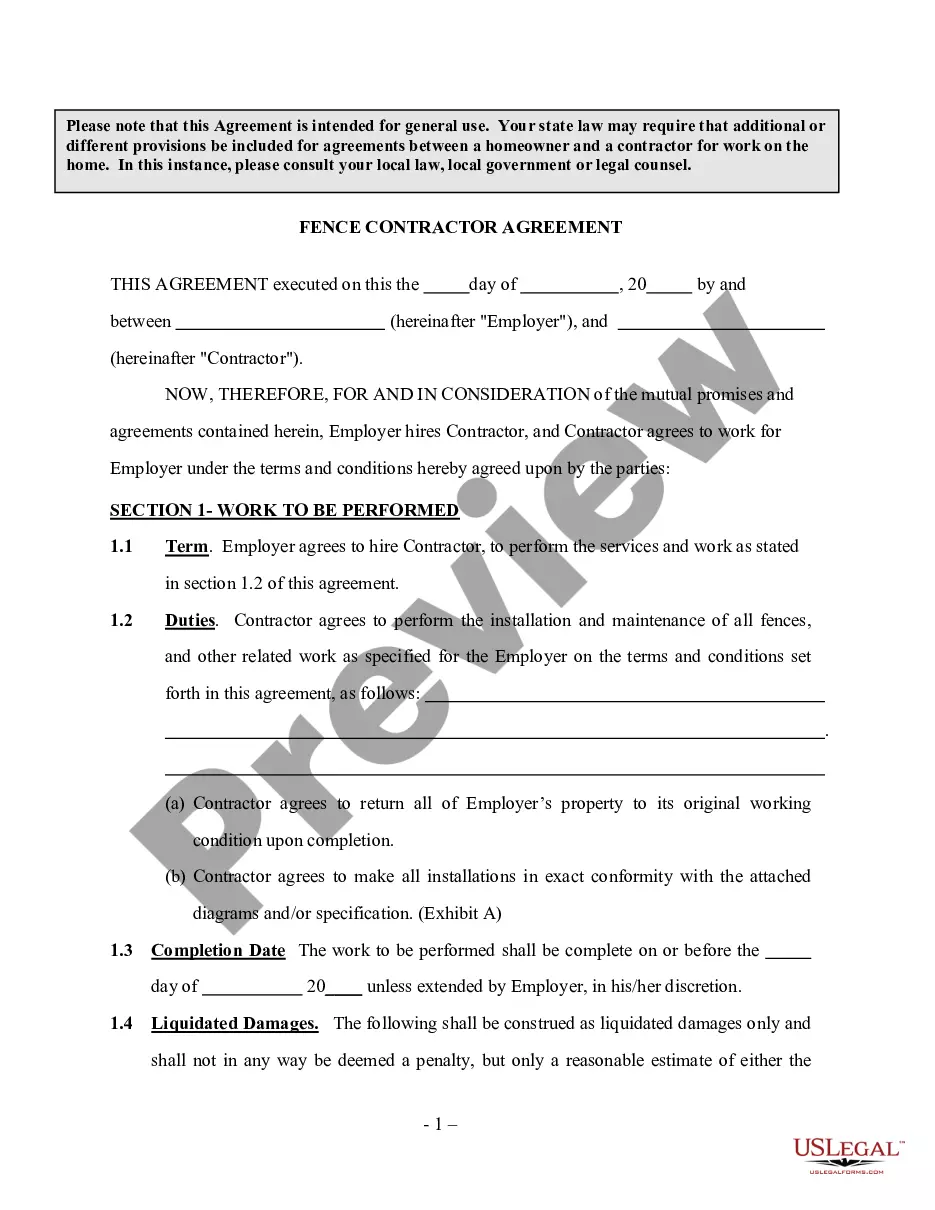
The Fencing Contract for Contractor is a legal document designed for use between fencing contractors and property owners. It sets forth the terms and conditions for the construction of a fencing project, including payment arrangements, change orders, and insurance requirements. This contract specifically complies with the laws of North Carolina, making it distinct from general construction contracts which may not address state-specific regulations or particulars related to fencing work.
Key components of this form
- Details about the work site location and property boundaries.
- Requirements for obtaining necessary permits and approvals.
- Responsibilities regarding soil conditions at the work site.
- Insurance coverage requirements for the contractor.
- Provisions for change orders and modifications to the scope of work.
- Payment terms and conditions, including late payment penalties.
- Warranty details for workmanship and materials used.
- Termination rights in case of project destruction or damage.




Situations where this form applies
This form should be utilized when a property owner hires a fencing contractor to build or modify a fence on their property. It is particularly important when both parties need a written agreement to clearly outline expectations, legal obligations, and payment terms. This form is ideal for new fencing projects or when changes to existing projects are necessary.
Who this form is for
- Property owners looking to have a fence constructed or modified.
- Fencing contractors who require a formal agreement with clients.
- Individuals involved in fencing projects in North Carolina who need to ensure legal compliance.
How to prepare this document
- Begin by identifying the contracting parties: the fencing contractor and the property owner.
- Specify the work site location and confirm property boundaries.
- Enter details regarding any required permits and approvals.
- Fill in the contract price and payment terms, including arrangements for change orders.
- Ensure signatures from both parties to finalize the agreement.
Does this document require notarization?
In most cases, this form does not require notarization. However, some jurisdictions or signing circumstances might. US Legal Forms offers online notarization powered by Notarize, accessible 24/7 for a quick, remote process.
Get your form ready online
Our built-in tools help you complete, sign, share, and store your documents in one place.
Make edits, fill in missing information, and update formatting in US Legal Forms—just like you would in MS Word.
Download a copy, print it, send it by email, or mail it via USPS—whatever works best for your next step.
Sign and collect signatures with our SignNow integration. Send to multiple recipients, set reminders, and more. Go Premium to unlock E-Sign.
If this form requires notarization, complete it online through a secure video call—no need to meet a notary in person or wait for an appointment.
We protect your documents and personal data by following strict security and privacy standards.

Make edits, fill in missing information, and update formatting in US Legal Forms—just like you would in MS Word.

Download a copy, print it, send it by email, or mail it via USPS—whatever works best for your next step.

Sign and collect signatures with our SignNow integration. Send to multiple recipients, set reminders, and more. Go Premium to unlock E-Sign.

If this form requires notarization, complete it online through a secure video call—no need to meet a notary in person or wait for an appointment.

We protect your documents and personal data by following strict security and privacy standards.
Common mistakes to avoid
- Failing to clearly specify the project location and property boundaries.
- Not obtaining required permits before beginning the project.
- Overlooking the inclusion of insurance requirements.
- Neglecting to document change orders in writing.
Benefits of using this form online
- Convenience of immediate access and downloading.
- Ability to customize the form to suit specific project needs.
- Reliable templates drafted by licensed attorneys for legal assurance.
- Time-saving option to complete forms online without the need for in-person consultations.
Legal use & context
- The contract outlines the responsibilities and expectations of both parties, making it enforceable in court.
- Change orders and payment terms are legally binding once agreed upon and signed.
- Warranties outlined provide protection for the property owner against defects in workmanship within specified timeframes.
Key takeaways
- The Fencing Contract for Contractor is essential for formalizing fencing projects.
- It outlines important aspects such as payment, insurance, and project scope changes.
- Ensure compliance with North Carolina laws for enforceability.
- Utilizing this form online makes the process easier and more efficient.
Looking for another form?

Form popularity
FAQ
Payment Schedule In Your Contract Before any work begins, a contractor will ask a homeowner to secure the job with a down payment. It shouldn't be more than 10-20 percent of the total cost of the job. Homeowners should never pay a contractor more than 10-20% before they've even stepped foot in their home.
The North Carolina Licensing Board does not have full reciprocity with any other state. We currently have examination waiver agreements with South Carolina, Tennessee, Louisiana, Georgia, and Mississippi (see details regarding exam waivers).
You need a general contractor license in North Carolina if you want to bid, construct, superintend or manage the construction of buildings, highways, public utilities and other types of projects over $30,000. To get licensed, you must apply to the North Carolina Licensing Board for General Contractors (NCLBGC).
You shouldn't pay more than 10 percent of the estimated contract price upfront, according to the Contractors State License Board.
7. Set a payment schedule in the contract. You never want to pay a contractor more than 50% up front. Depending on the size of the job, your initial payment is ideally going to be no more than roughly 30% of the total cost of the project.
North Carolina requires that anyone who contracts with another person or entity to construct or make improvements to any building, highway, or public utilities, including grading, or who undertakes to superintend or manage such activities, be licensed as a general contractor if the work costs $30,000 or more.
If the contractor requests a large sum of money before work has begun, Mozen says you should ask specifically what types of work or materials those payments are covering.Contractors sometimes have other motives, other than purchasing materials, when they ask for large amounts of money in advance, Fowler says.
The local building inspector is required to submit the affidavit to the North Carolina Licensing Board for General Contractors for verification that the property owner is eligible to act as his own general contractor under the exemption to G.S. 87-1.
A: It's not uncommon for contractors to ask for a down payment up front to secure your spot on their schedule or purchase some of the job materials in advance. Asking for more than half of the project cost up front, though, is a big red flag.I recommend tying payments to progress made during the job.