Montana Response to Petition for Dissolution of Marriage
Description
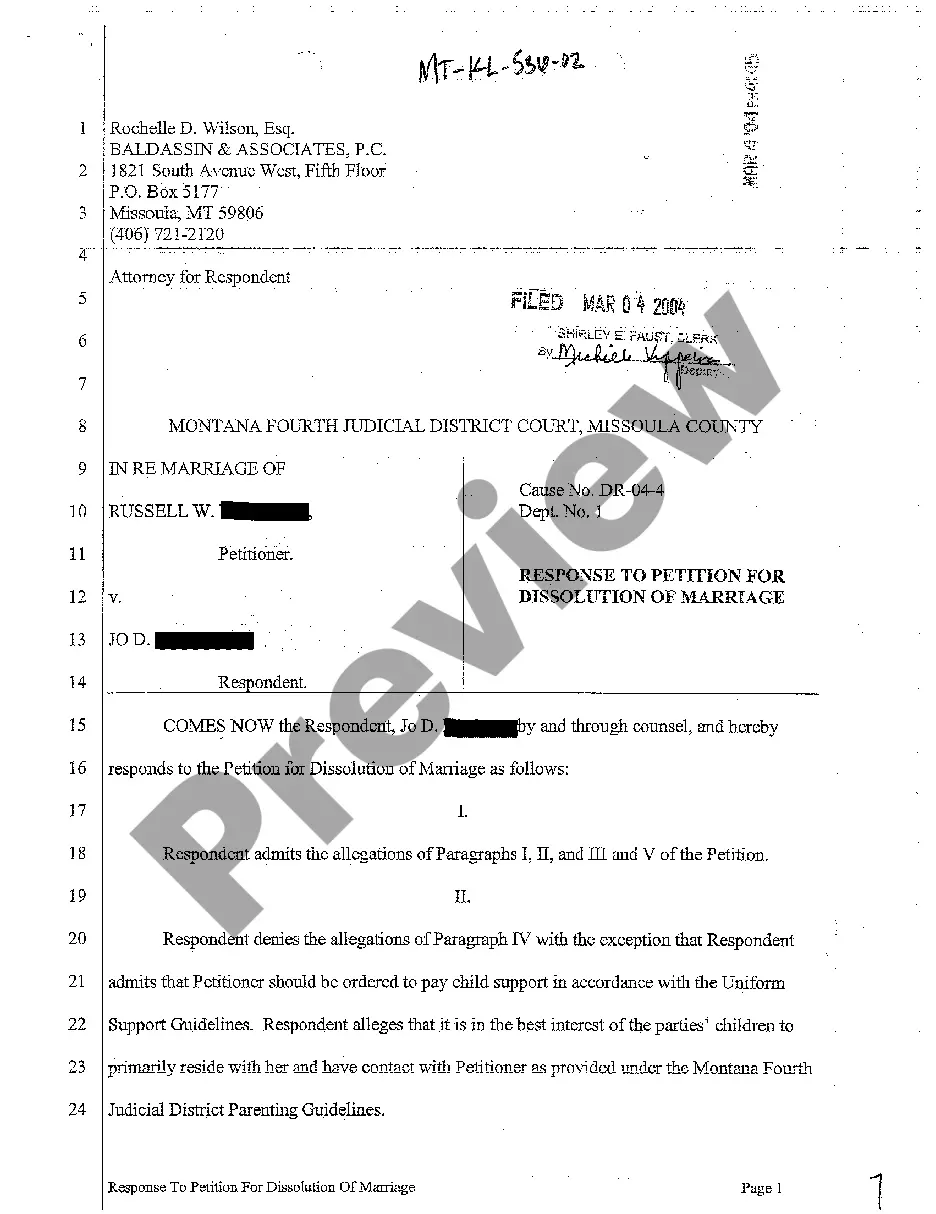
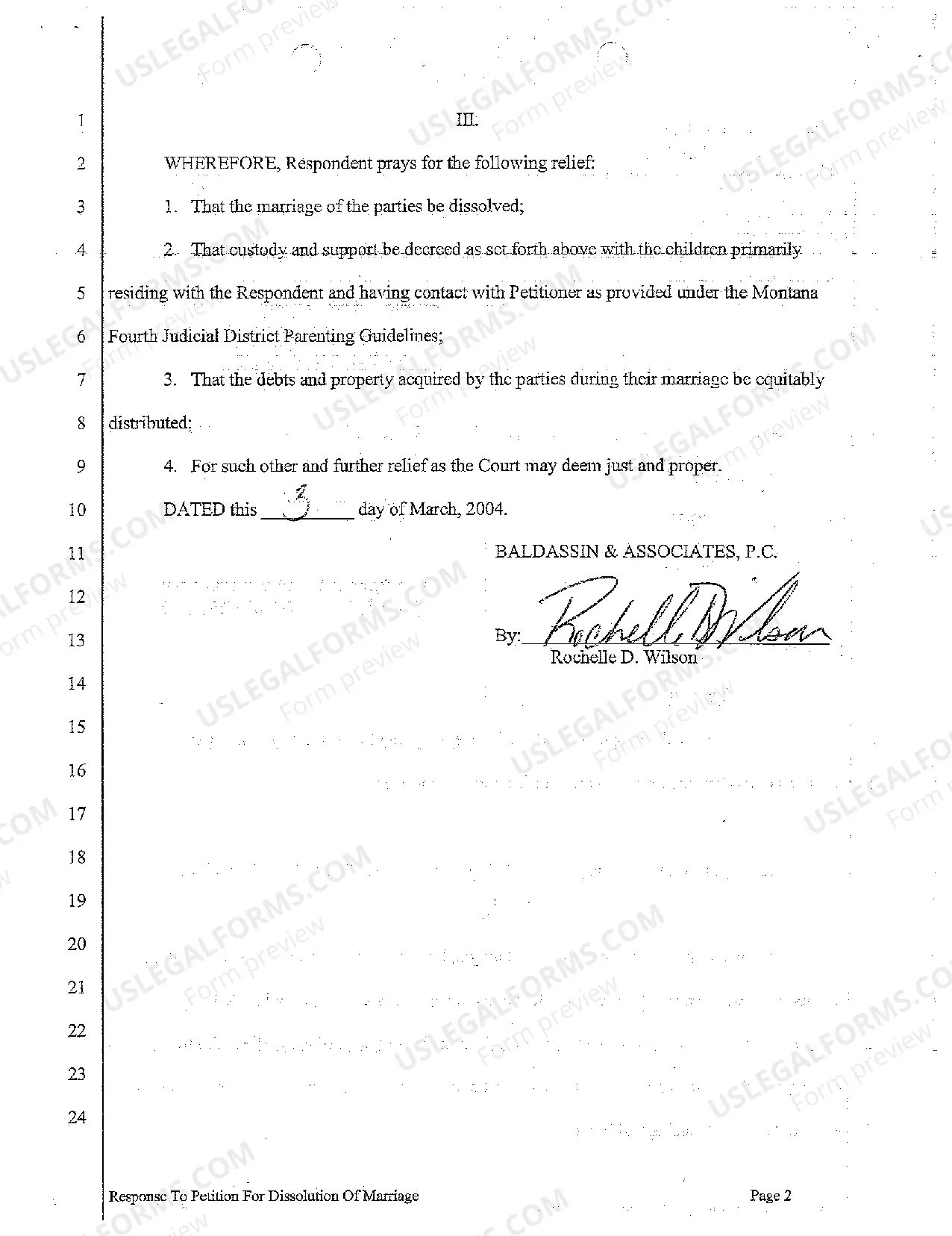
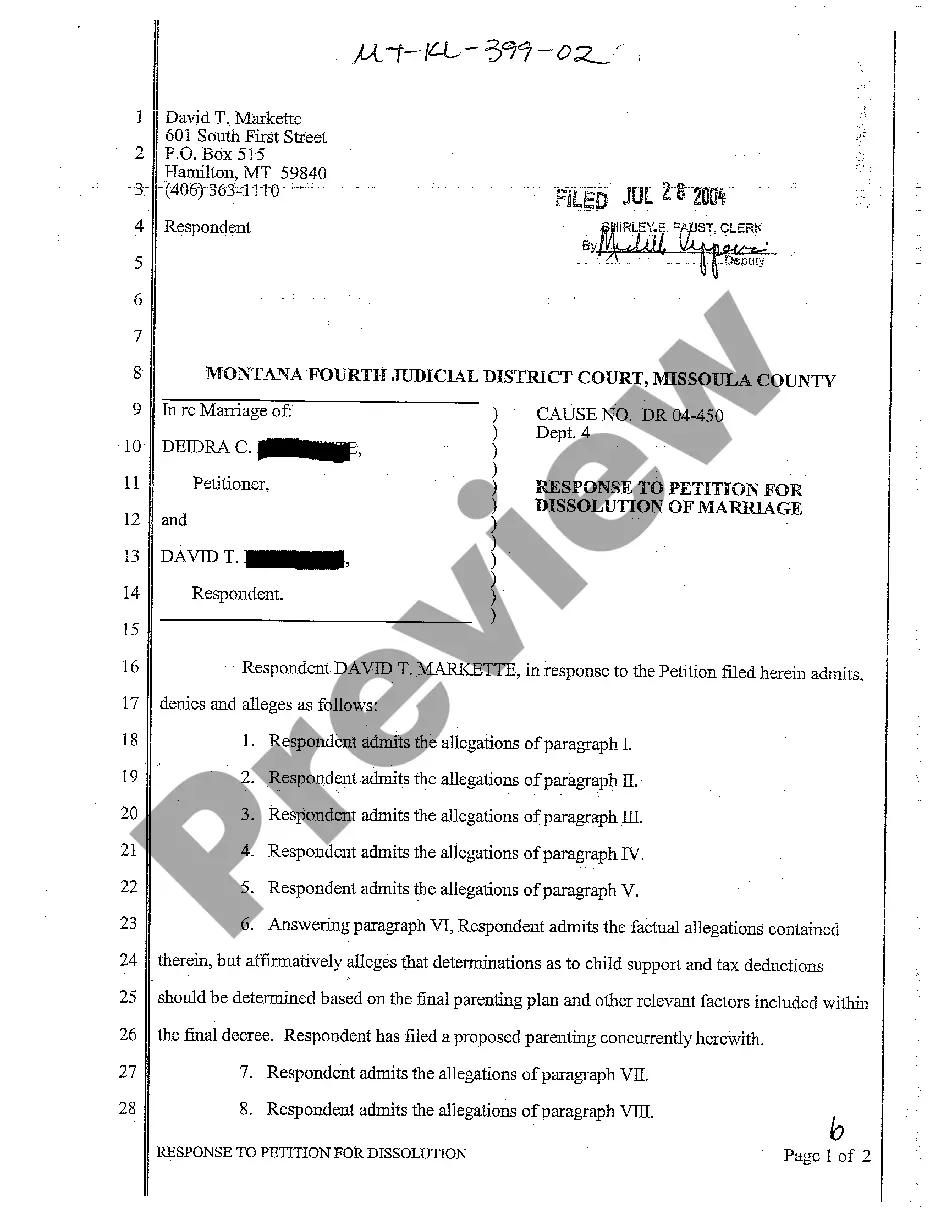
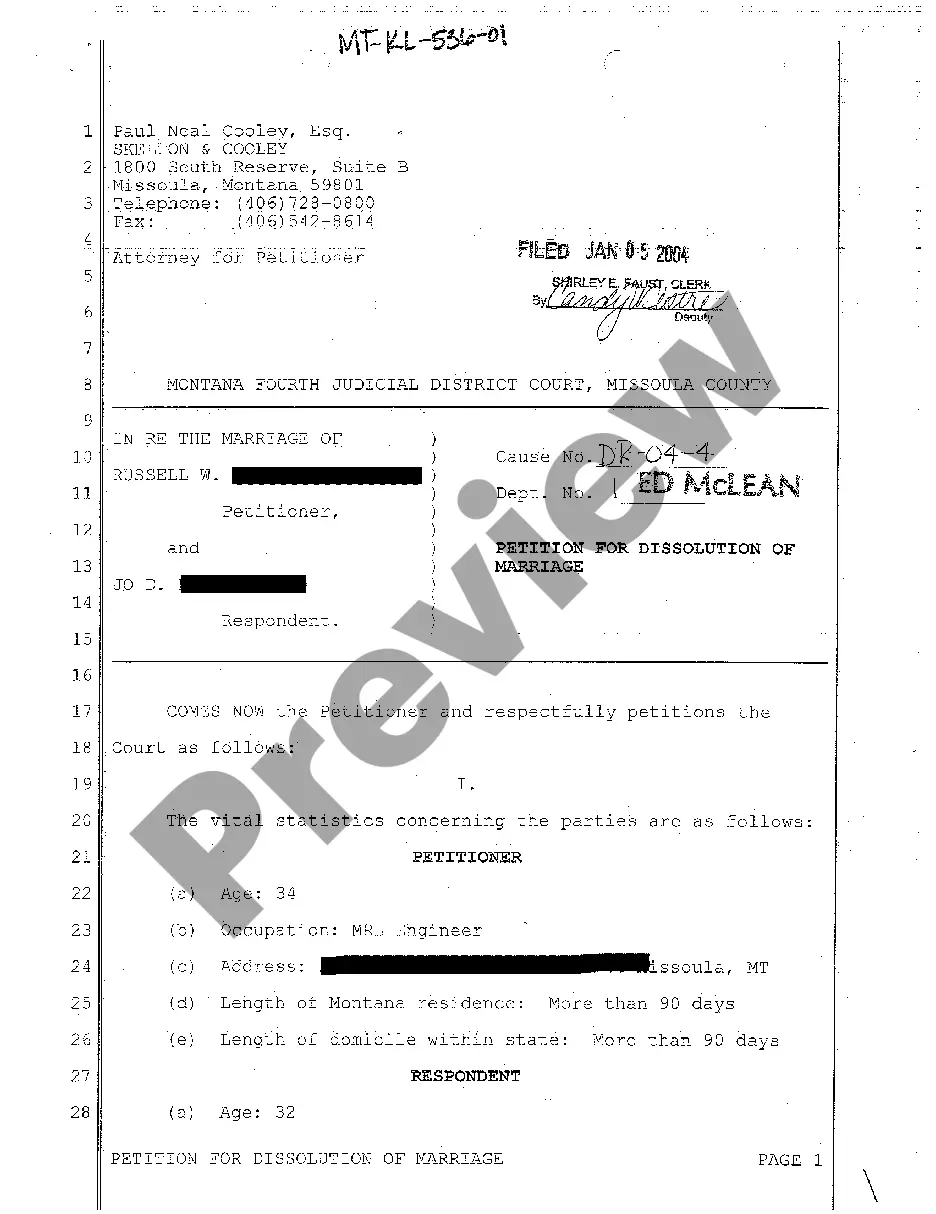
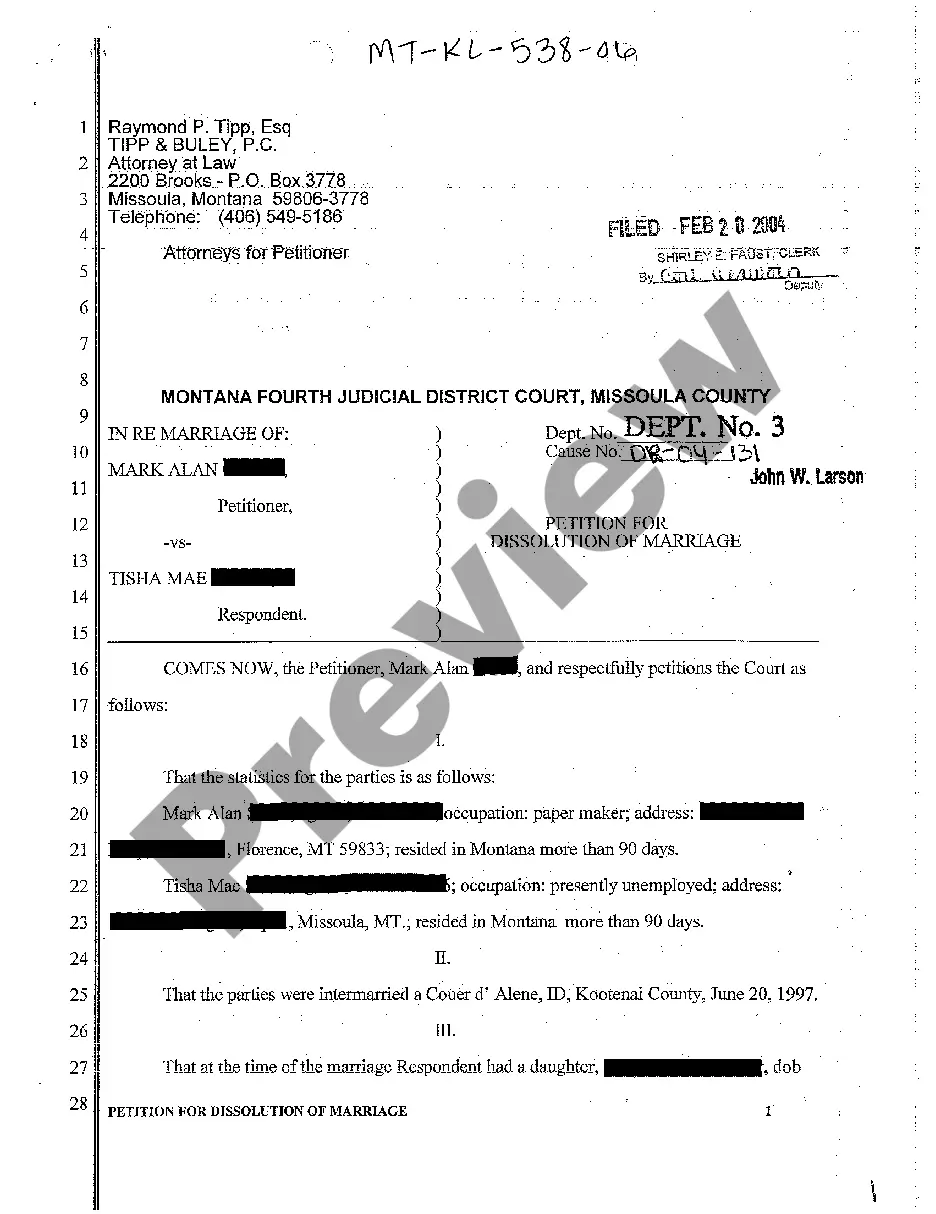
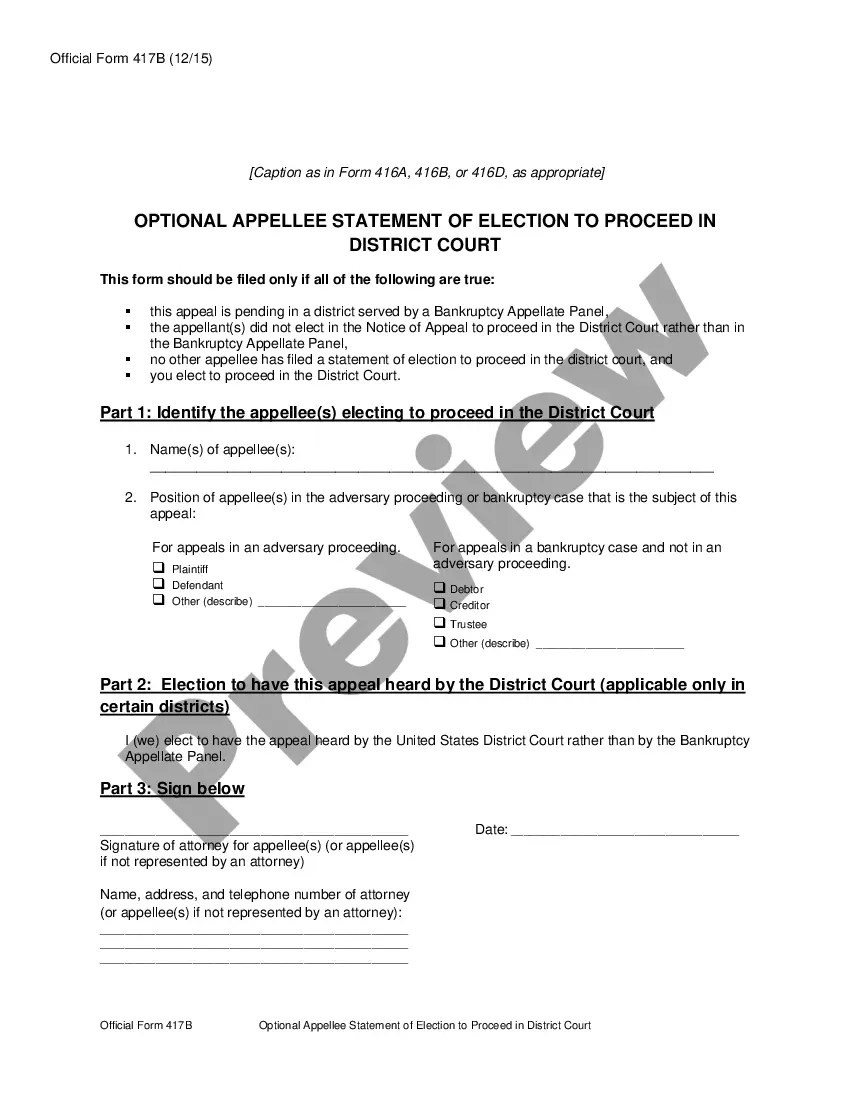
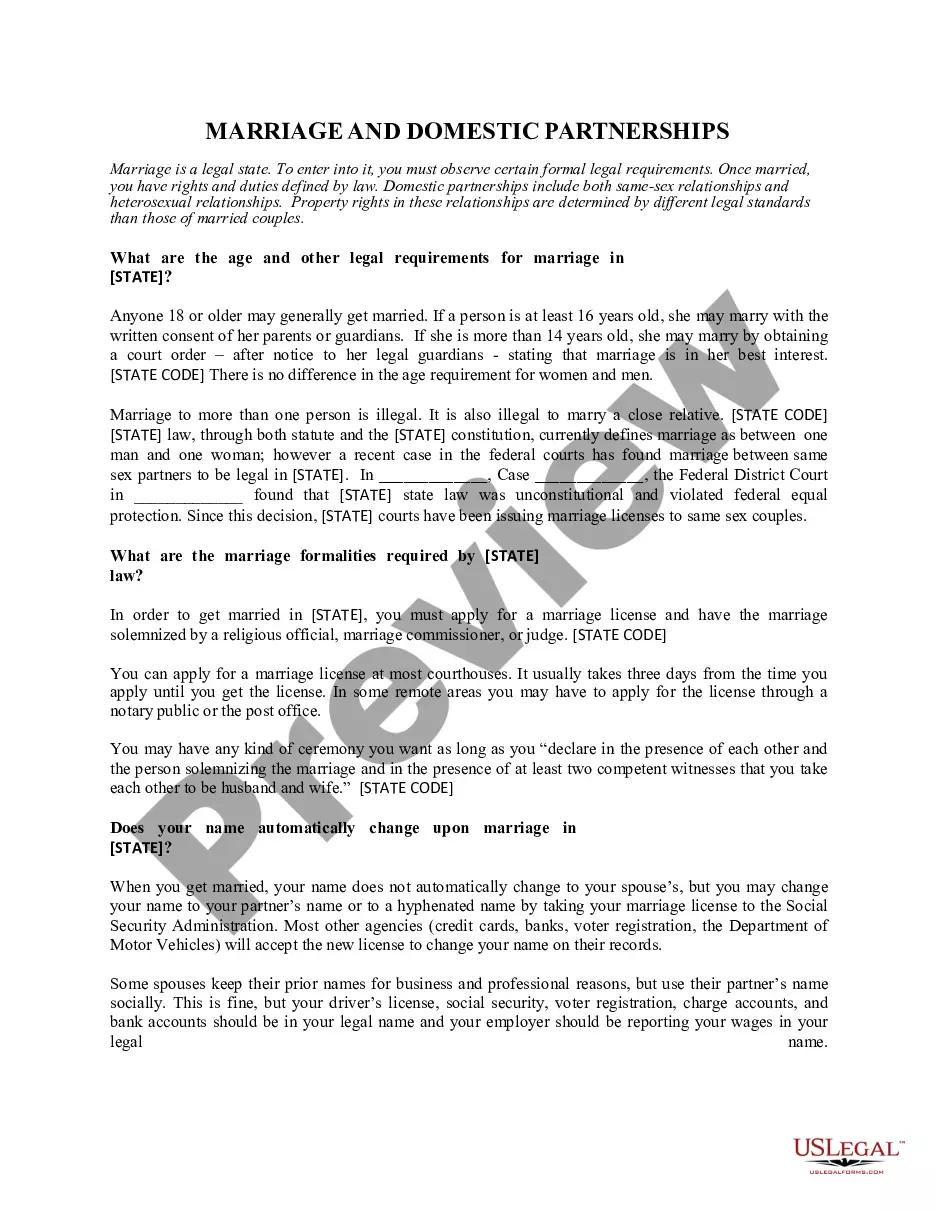
How to fill out Montana Response To Petition For Dissolution Of Marriage?
Obtain a printable Montana Response to Petition for Dissolution of Marriage with just a few clicks in the most comprehensive collection of legal electronic documents.
Discover, download, and print professionally created and validated samples on the US Legal Forms website. US Legal Forms has been the leading provider of affordable legal and tax templates for US citizens and residents online since 1997.
After downloading your Montana Response to Petition for Dissolution of Marriage, you can complete it using any online editor or print it out to fill it in manually. Utilize US Legal Forms to access 85,000 expertly drafted, state-specific forms.
- Users who already possess a subscription must Log In to their US Legal Forms account, retrieve the Montana Response to Petition for Dissolution of Marriage, and locate it saved in the My documents section.
- Clients who do not have a subscription need to adhere to the instructions listed below.
- Ensure your form complies with your state's regulations.
- If available, review the form's description for further information.
- If accessible, examine the form for additional details.
- Once you are confident the form meets your requirements, click on Buy Now.
- Establish a personal account.
- Select a plan.
- Process payment via PayPal or credit card.
Form popularity
FAQ
If an answer is filed, the case is contested. If the defendant does not file an answer, the case is uncontested. When a divorce is filed, mutual restraining orders are put into effect and remain until the case is finalized.These temporary orders remain in effect until the court modifies them or the case ends.
The spouse who has been served with the divorce/dissolution petition is called the "respondent" or "defendant" in the divorce/dissolution process. He or she must respond to ("answer") the petition within a certain time (usually about three weeks).
The five stages of divorce follow the common five stages of grief: denial, anger, bargaining, depression, and acceptance. When a couple is going through a divorce, both people involved experience these stages at different times, in different ways.
In Montana, a divorce can be completed on average in a minimum of 110 days, with court fees of $200.00. The state has divorce residency requirements that require the spouse filing for the divorce to have lived in Montana for a minimum of three months.
Answer only. An "Answer" tells the judge and your spouse what parts of the complaint you agree with and disagree with. Answer with a Counterclaim.
The divorce petition is a legal document filed in court by a spouse who seeks a divorce. Also called the "complaint" in some states, the petition informs the court of the filing spouse's (called the "petitioner") desire to end the marriage, and its filing with the court signifies the initiation of the divorce process.
After you file the petition for divorce and request for temporary orders, you need to provide a copy of the paperwork to your spouse and file proof of service with the court. Proof of service is a document that tells the court that you met the statutory requirements for giving a copy of the petition to your spouse.
You answer the divorce petition to let the court know your position in the divorce case.If you don't answer the divorce petition and you don't go to a hearing, it's still possible that the judge can grant the divorce. If that happens, the judge also can make other decisions in the divorce.
Montana has a "no fault" divorce law. To grant a divorce, the court must determine that: a) the couple has lived separately and apart for more than 180 consecutive days before the petition for divorce is filed; or b) there is serious marital discord between the parties and no reasonable prospect of reconciliation.