Montana Letter to Lienholder to Notify of Trust
Understanding this form
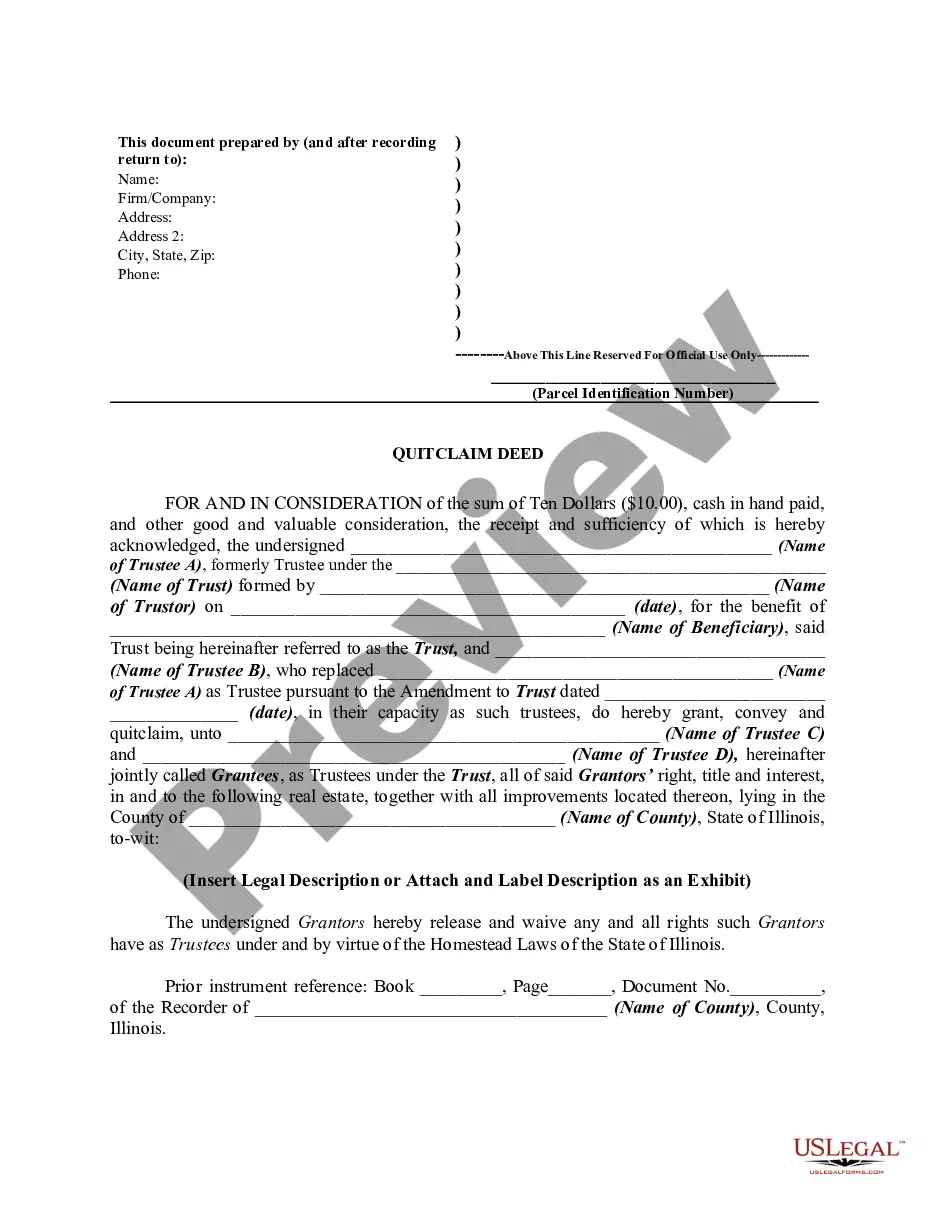
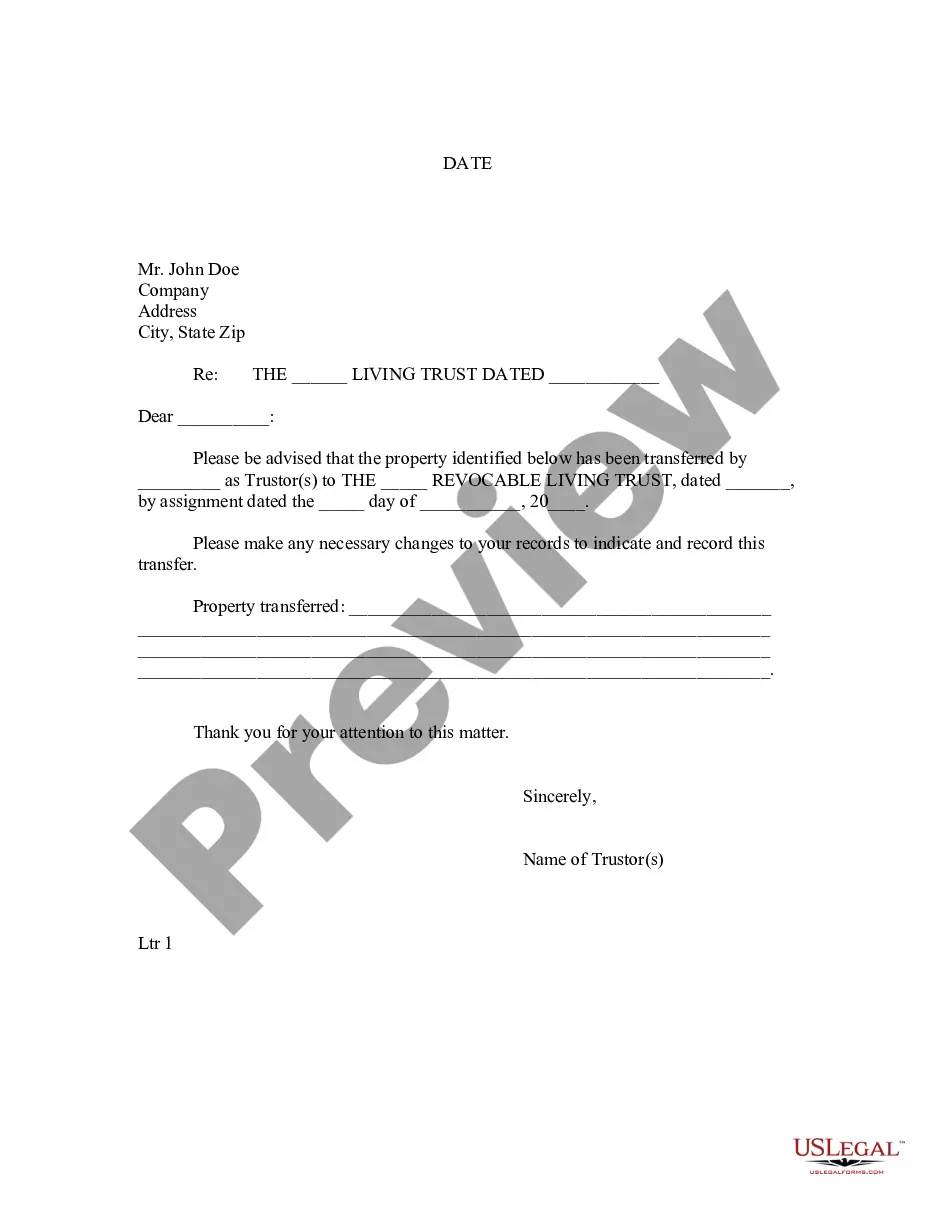
The Letter to Lienholder to Notify of Trust is a formal communication sent to a lienholder to inform them of the transfer of property into a living trust. Unlike other general notification letters, this form specifically serves to update lienholders about the creation of a living trust and the assets contained within it. This notification is critical for ensuring that lienholders maintain accurate records regarding ownership and the management of property held in trust.
Form components explained
- Date of the notice
- Sender's name and address
- Trust name and date of the trust agreement
- Trustor's name(s)
- Details of the property transferred
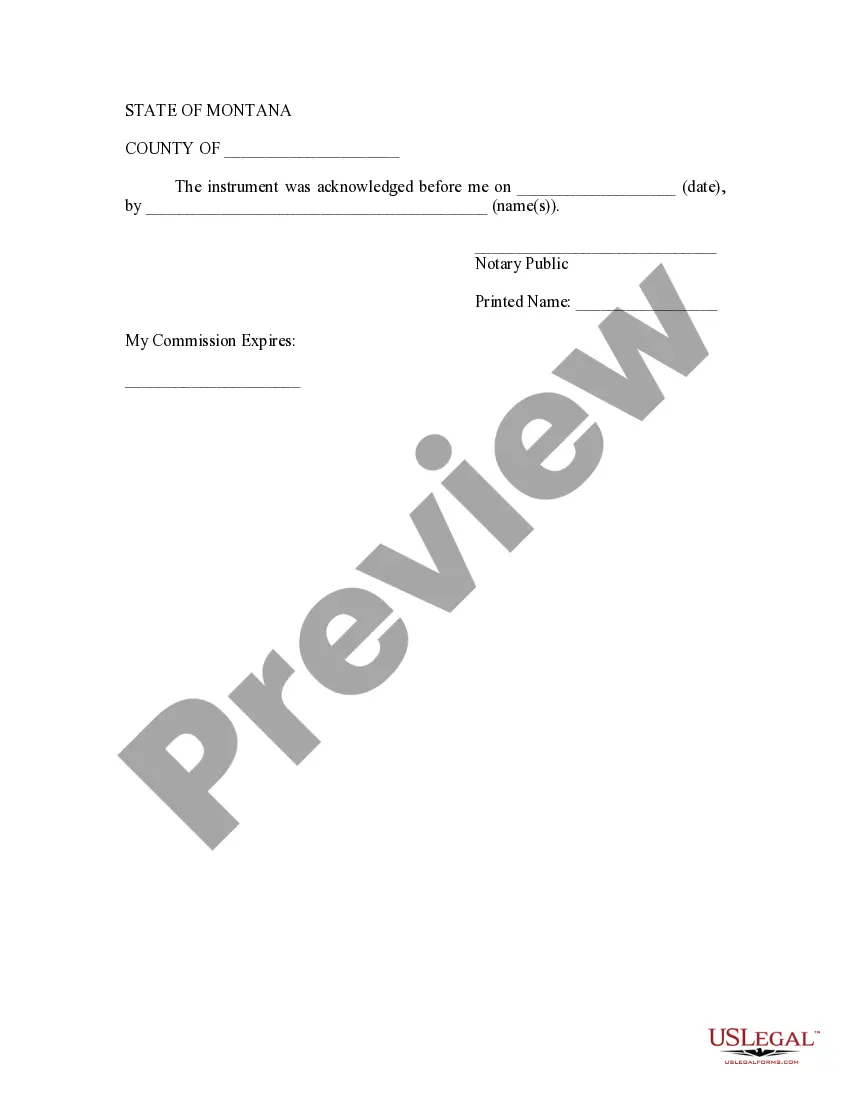
- Acknowledgment section for notarization
Common use cases
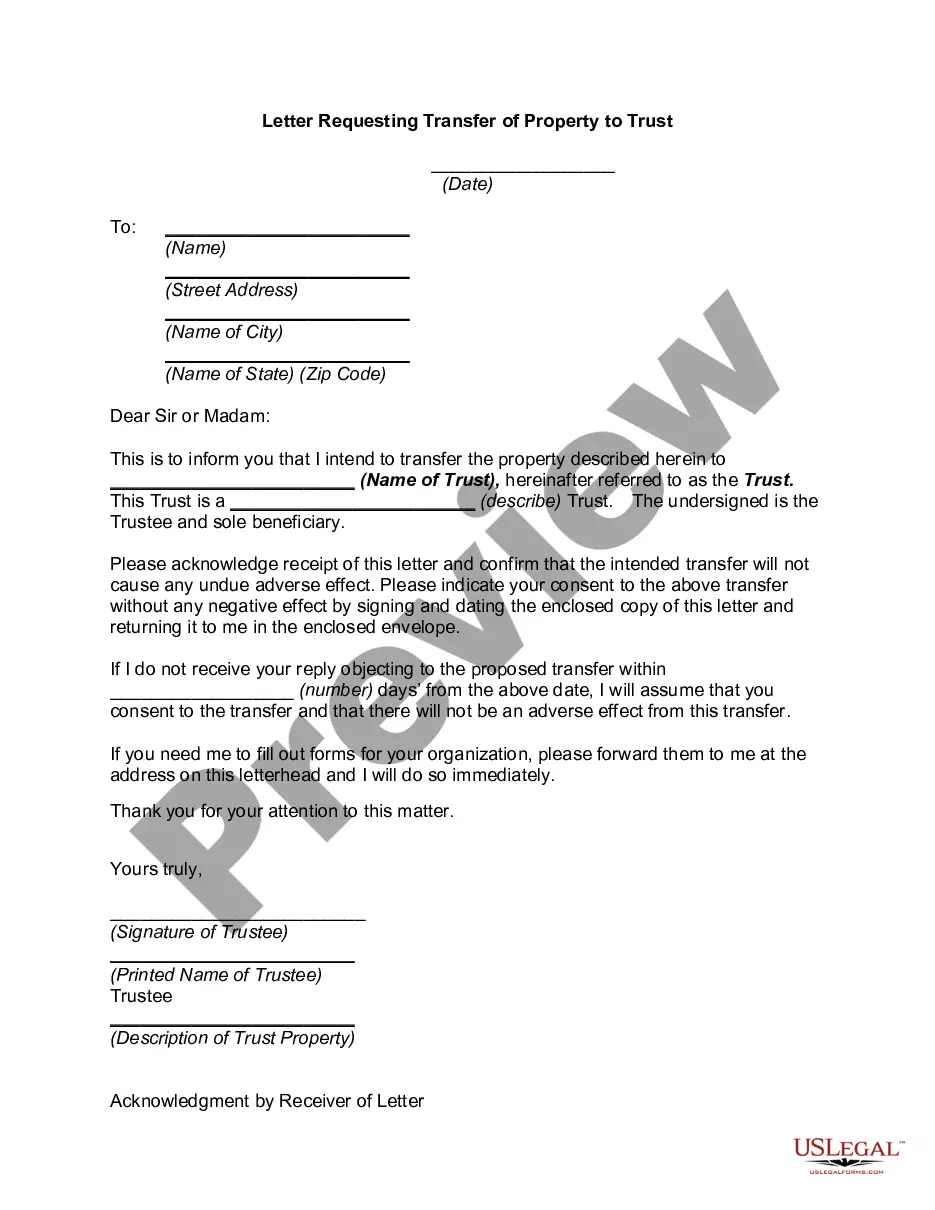
This form should be used when you have established a living trust and need to notify lienholders that property has been transferred into that trust. Situations may include transferring real estate or other assets into a trust for estate planning purposes, ensuring that the lienholders are aware of the change in ownership and can update their records accordingly.
Who this form is for
This form is intended for:
- Individuals who are establishing a living trust and transferring property into it
- Legal representatives or advisors managing the trust establishment
- Trustors seeking to inform lienholders of property changes associated with their trust
How to complete this form
- Enter the date of the letter at the top.
- Provide your name and address as the sender.
- Specify the name of the living trust and its creation date.
- List the property that has been transferred to the trust.
- Sign the letter and include any required notary acknowledgment.
Does this document require notarization?
To make this form legally binding, it must be notarized. Our online notarization service, powered by Notarize, lets you verify and sign documents remotely through an encrypted video session.
Get your form ready online
Our built-in tools help you complete, sign, share, and store your documents in one place.
Make edits, fill in missing information, and update formatting in US Legal Forms—just like you would in MS Word.
Download a copy, print it, send it by email, or mail it via USPS—whatever works best for your next step.
Sign and collect signatures with our SignNow integration. Send to multiple recipients, set reminders, and more. Go Premium to unlock E-Sign.
If this form requires notarization, complete it online through a secure video call—no need to meet a notary in person or wait for an appointment.
We protect your documents and personal data by following strict security and privacy standards.

Make edits, fill in missing information, and update formatting in US Legal Forms—just like you would in MS Word.

Download a copy, print it, send it by email, or mail it via USPS—whatever works best for your next step.

Sign and collect signatures with our SignNow integration. Send to multiple recipients, set reminders, and more. Go Premium to unlock E-Sign.

If this form requires notarization, complete it online through a secure video call—no need to meet a notary in person or wait for an appointment.

We protect your documents and personal data by following strict security and privacy standards.
Avoid these common issues
- Failing to include the correct name and date of the trust.
- Not listing all properties accurately or completely.
- Omitting the notary section if required by state law.
- Using outdated or incorrect forms that do not reflect recent legal changes.
Why complete this form online
- Easy to download and complete at your convenience.
- Edit and customize the form to fit your specific situation.
- Reliable templates reviewed by licensed attorneys for legal validity.
- Accessible guidance ensures that you fill out the form correctly.
Key takeaways
- The letter serves to inform a lienholder about property transfers to a living trust.
- Completing the form accurately is crucial for proper estate planning.
- Notarization is required to ensure the document's validity.
Looking for another form?
Form popularity
FAQ
Montana requires that the seller(s) signature(s) on a Montana Motor Vehicle Title be notarized.If there are two or more owners listed on a title, they do not have to have their signatures notarized at the same time or by the same notary, but they must both be notarized.
On the front of the title, near the middle, the seller must write in the current odometer reading on the vehicle. Near the bottom, the seller must fill in the following information on the appropriate lines: Date the vehicle was sold, and their printed name and signed name (which should be written on the same line).
There are only nine title-holding states: Kentucky, Maryland, Michigan, Minnesota, Missouri, Montana, New York, Oklahoma, Wisconsin. In the other 41 states, titles are issued to the lien holder of your vehicle until the loan is fully paid off.
Release ownership by signing on line one on the front of the title. If the vehicle is, or was financed, the lienholder's name appears in the legal owner section and their release with counter signature is required on line two. For step-by-step instructions see the California DMV instructional video here.
Montana requires that the seller(s) signature(s) on a Montana Motor Vehicle Title be notarized.If there are two or more owners listed on a title, they do not have to have their signatures notarized at the same time or by the same notary, but they must both be notarized.
The nine non-title holding states are: Michigan, Minnesota, New York, Arizona, Kentucky, Oklahoma, Wisconsin, Maryland, and South Dakota. In these states, even if you're financing, the title is sent to you after you take delivery of the vehicle (you typically get it within two to six weeks).
Yes, you are required to have a Montana bill of sale to register a motor vehicle. In fact, the State of Montana requires you to use their bill of sale. It must be notarized.
All fields must be completed in blue or black ink only. White-out or attempts to erase or scratch out entries void the title. The buyer's name and address must be written on the title, per Montana law.
Since Montana is not a title holding state, the Montana title is mailed to the registered owner, and the lending institution receives a Notice of Security Interest/Lien Filing/Lien Release/Repossession form with which it can either release a security interest or apply for a repossession title.