Montana Notice of Seizure
Overview of this form
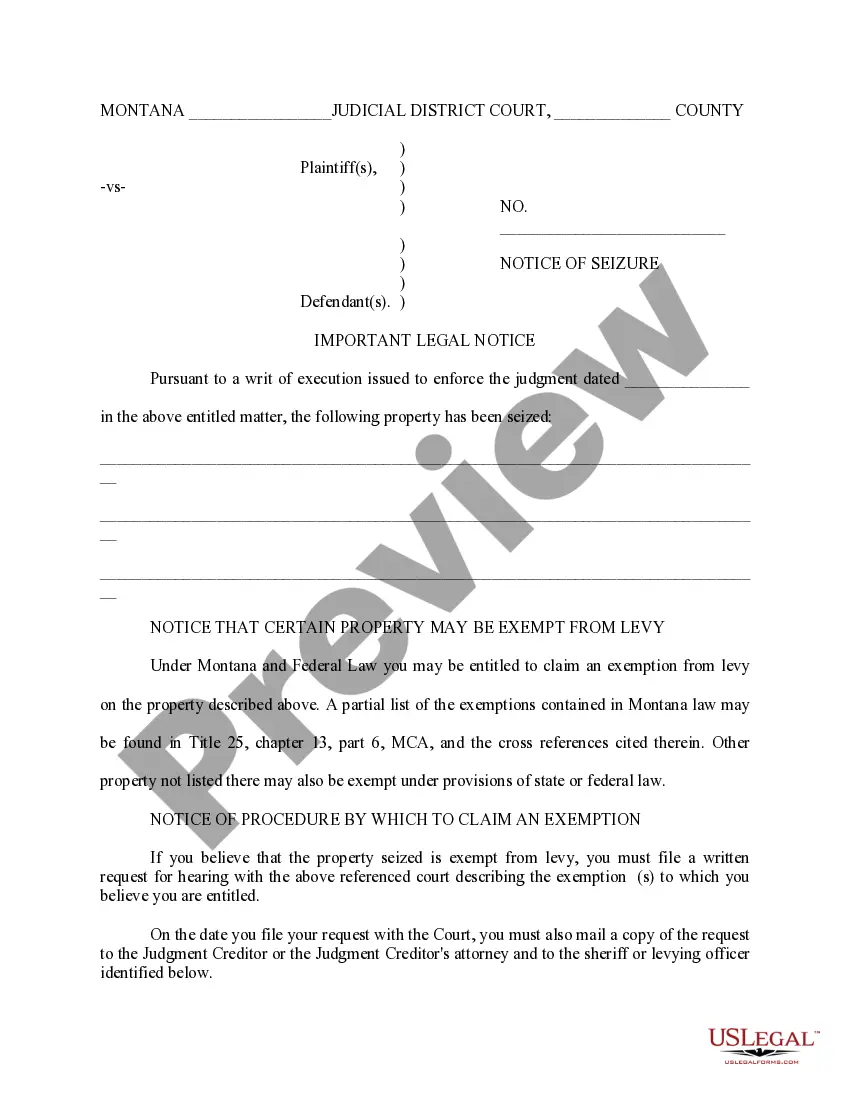
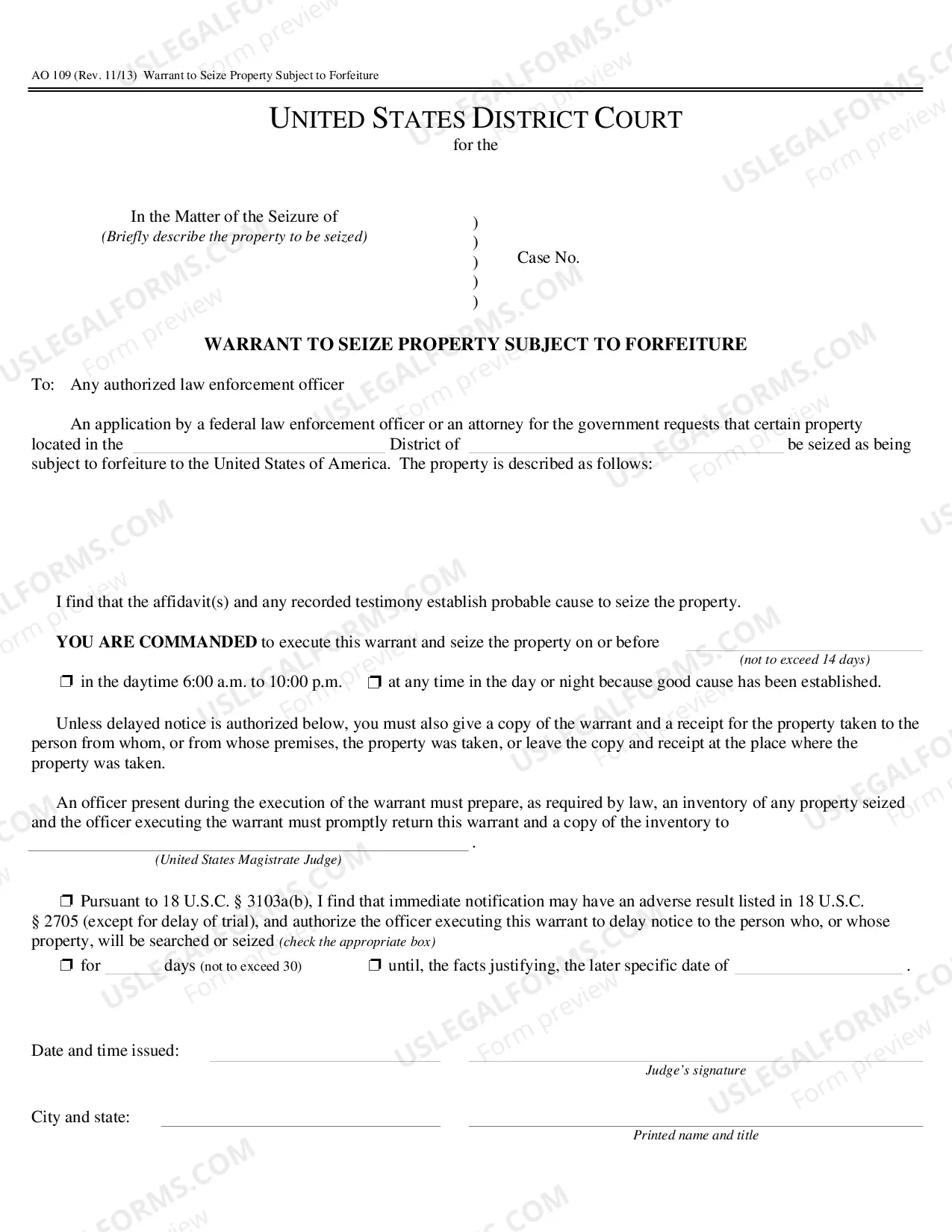
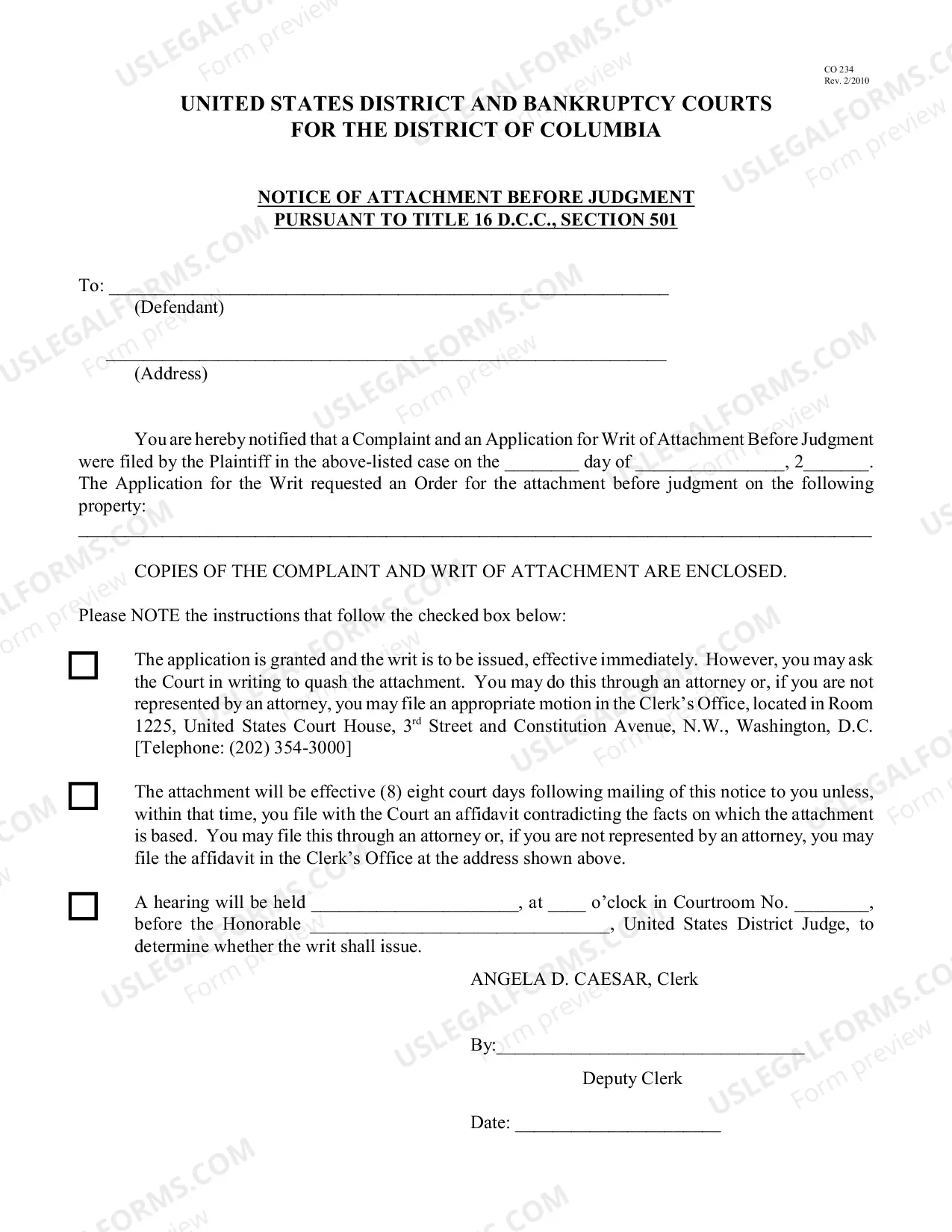
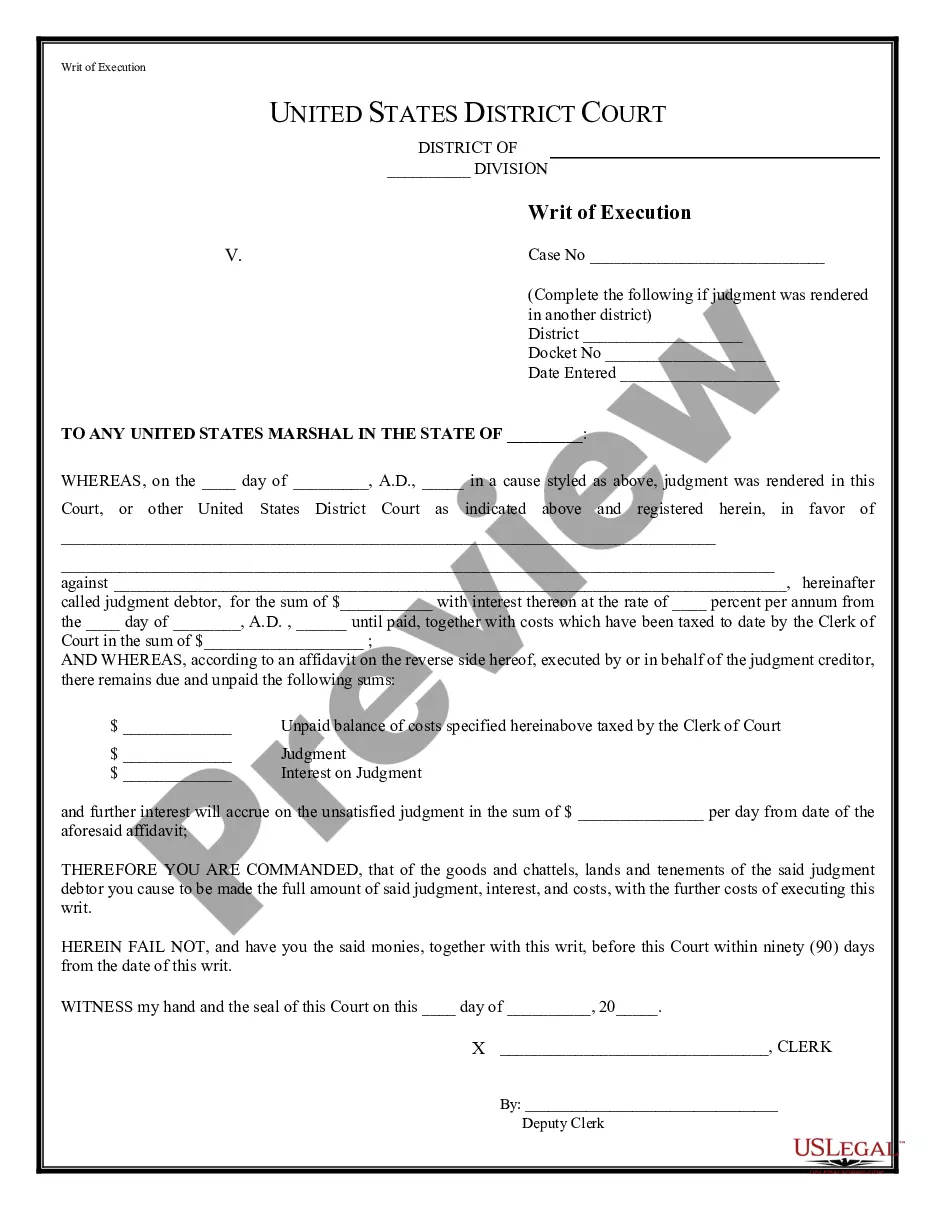
The Notice of Seizure is an official legal document used in Montana to inform a judgment debtor about the seizure of their property following a court's writ of execution. This form is important for ensuring that individuals understand their rights regarding the property taken and informs them of the process to claim any exemptions they may have. It differs from similar forms as it specifically addresses the notification of seized property and the associated rights under Montana law.
What’s included in this form
- Information about the plaintiff and defendant, including case number.
- Details of the property that has been seized.
- Notice regarding potential exemptions from the levy under Montana and Federal law.
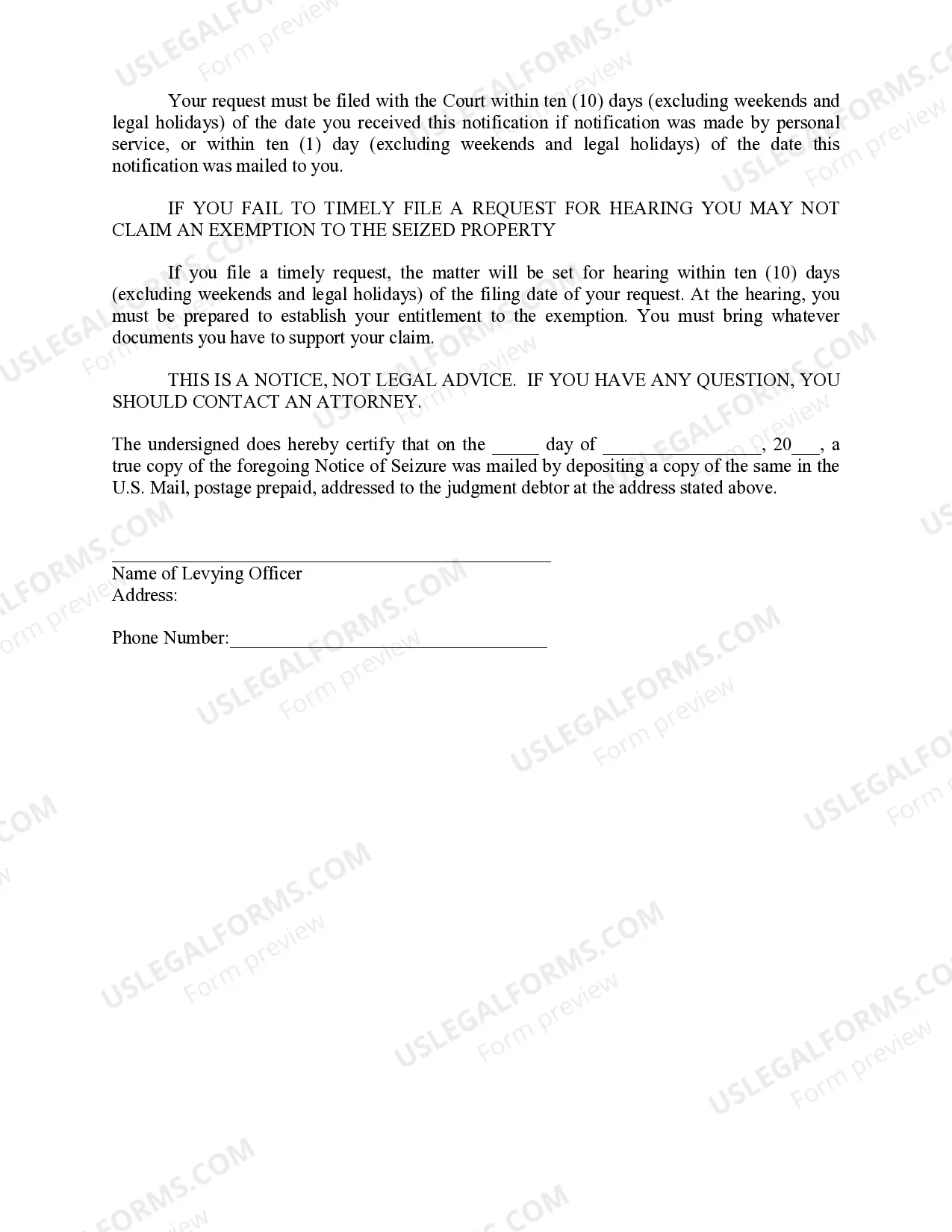
- Procedural instructions for claiming an exemption, including filing requests and deadlines.
- Certification of notification to the judgment debtor.
When to use this form
This form should be used when a creditor has successfully obtained a judgment against a debtor, and a court has issued a writ of execution resulting in the seizure of the debtor's property. It serves as an essential notification to the debtor about the actions taken against them and their rights to potentially exempt certain properties from being levied.
Who this form is for
- Judgment creditors seeking to notify debtors about property seizure.
- Debtors who have had their property seized and need to understand their rights.
- Legal representatives for either the creditor or debtor involved in such actions.
How to complete this form
- Identify the parties involved by filling in the names of the plaintiff(s) and defendant(s) along with the case number.
- Describe the property that has been seized in detail, including any relevant identifiers.
- Enter the date of the court's judgment that led to the seizure.
- Review Montana laws for any potential exemptions related to the seized property.
- Complete the certification section, ensuring the name of the levying officer and their contact details are included.
Notarization requirements for this form
This form does not typically require notarization to be legally valid. However, some jurisdictions or document types may still require it. US Legal Forms provides secure online notarization powered by Notarize, available 24/7 for added convenience.
Get your form ready online
Our built-in tools help you complete, sign, share, and store your documents in one place.
Make edits, fill in missing information, and update formatting in US Legal Forms—just like you would in MS Word.
Download a copy, print it, send it by email, or mail it via USPS—whatever works best for your next step.
Sign and collect signatures with our SignNow integration. Send to multiple recipients, set reminders, and more. Go Premium to unlock E-Sign.
If this form requires notarization, complete it online through a secure video call—no need to meet a notary in person or wait for an appointment.
We protect your documents and personal data by following strict security and privacy standards.

Make edits, fill in missing information, and update formatting in US Legal Forms—just like you would in MS Word.

Download a copy, print it, send it by email, or mail it via USPS—whatever works best for your next step.

Sign and collect signatures with our SignNow integration. Send to multiple recipients, set reminders, and more. Go Premium to unlock E-Sign.

If this form requires notarization, complete it online through a secure video call—no need to meet a notary in person or wait for an appointment.

We protect your documents and personal data by following strict security and privacy standards.
Common mistakes
- Failing to provide complete details of the seized property.
- Not adhering to the deadlines for filing requests for exemption.
- Omitting the certification of notification or not mailing it correctly.
Why use this form online
- Easy access to the latest version compliant with Montana state law.
- Convenient downloadable format that can be filled out at your own pace.
- Reliability from licensed attorneys ensuring that the form meets all necessary legal standards.
Legal use & context
- This Notice of Seizure is legally binding and must be filled out accurately to comply with court orders.
- Understanding the exemption process is vital for debtors to protect their assets under applicable laws.
- Failure to respond to a Notice of Seizure may result in forfeiture of rights to claim exemptions.
Quick recap
- The Notice of Seizure informs debtors about the seizure of property and their rights to exemption.
- Filing a timely request for exemption is crucial to preserve any potential rights.
- This form is specific to Montana and complies with state legal requirements.
Looking for another form?
Form popularity
FAQ
And generally, it will take around 3 to 5 days to get the package through customs. But, this time taken can differ from country to country due to which you need to send the package timely so that it can deliver timely.
Traits of a Seizure It may involve jerking movements or stiffening of the arms and legs. You may notice smacking of the lips, twitching of the face, or the child picking at their clothes. Sudden loss of muscle control or staring spells can also be a common seizure type.
The best way to find out why something is detained is to simply call the CBP office where the goods are being held and ask them. You usually will get a written notificaton from CBP telling you that your shipment is being held and why and what you can do about it. Former U.S. Customs officer and licensed customs broker.
Once a Seizure Notice is received, the violator is provided 30 days to file a Petition with Customs. The Petition is the means by which the owner of the cargo may seek to persuade U.S. Customs to release the seized shipment.The Petition should follow the guidelines set forth by U.S. Customs in 19 CFR Part 171.
DEA starts the administrative forfeiture process by mailing notice letters to interested parties and advertising the seized property on the Internet.
Seized property may be detained for an initial period of six hours, but a senior officer can authorise detention for a further forty-two hours. An officer can then make an application to a Magistrates court to extend the period of detention for up to six months.
How long does it take to get a seizure letter from customs? After the federal agent seizes the property, CBP has 60 days to send out a letter that acts as the notice of seizure. The notice of seizure letter also includes the CAFRA seized asset claim form that sets a 30-day deadline to file the verified claim.
Law enforcement agencies sell criminals' seized or forfeited property. The U.S. Treasury Department sells items forfeited for violations of Treasury laws, including failure to pay income taxes. Agencies sell items they no longer need.
Federal law allows law enforcement agencies and prosecutors to seize property, including money, from people convicted of certain federal crimes, such as drug trafficking, money laundering, and organized crime. The seizure is known as forfeiture, and it's done without compensation to the owner.