Montana Owner's or Seller's Affidavit of No Liens
What is this form?
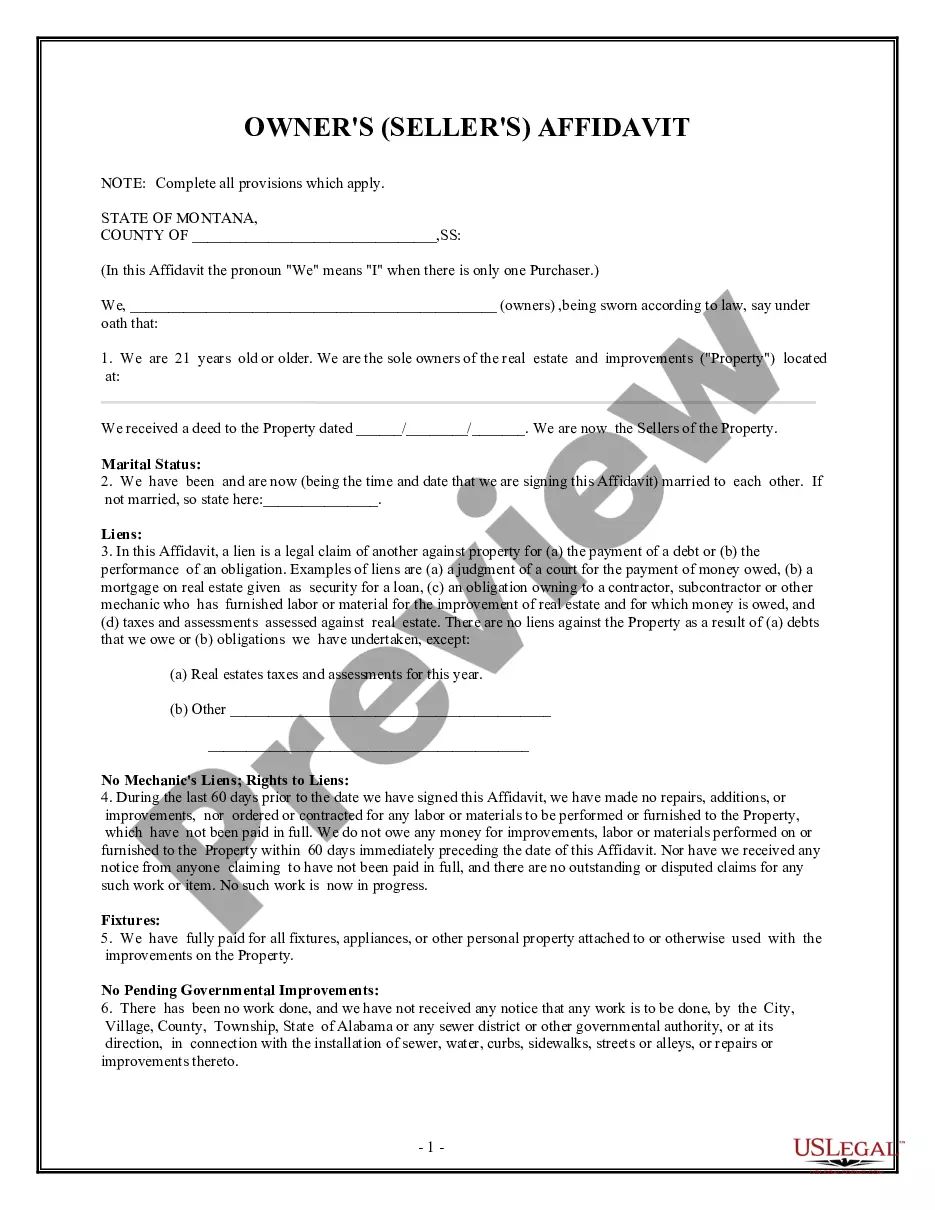
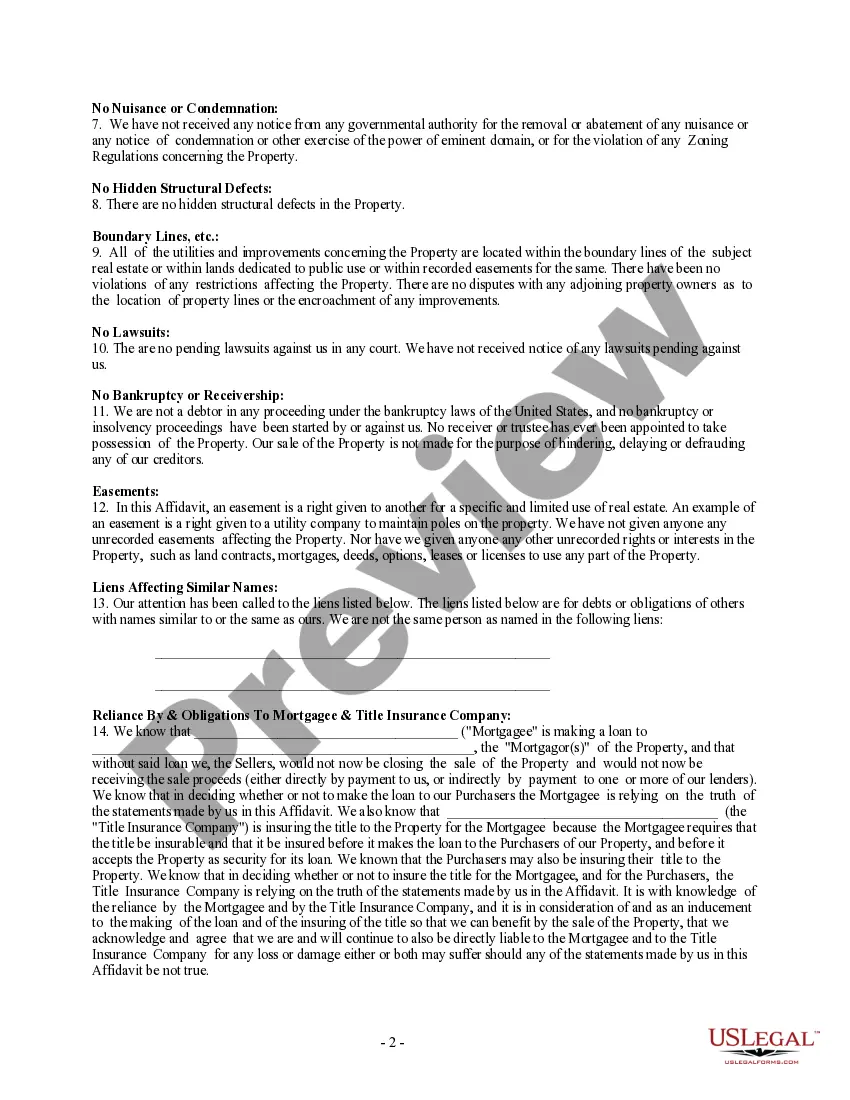
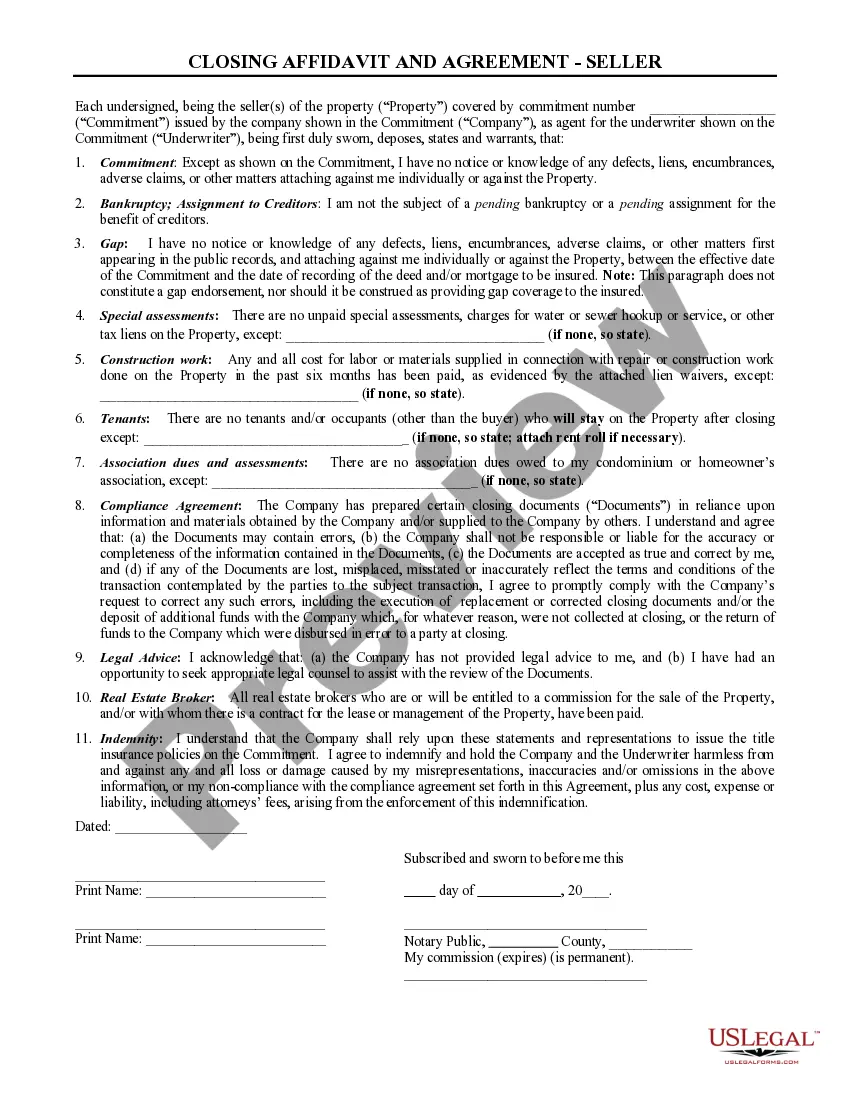
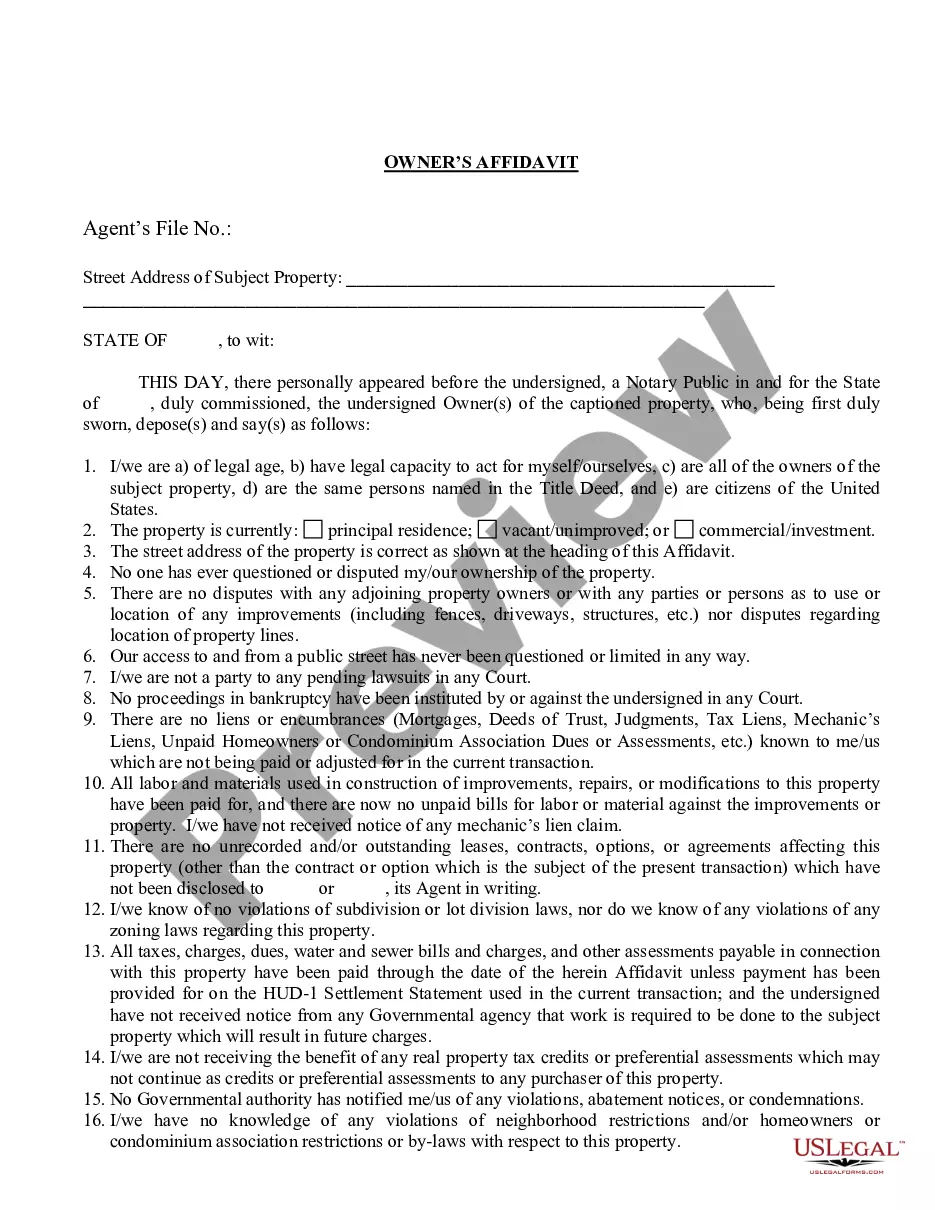
The Owner's or Seller's Affidavit of No Liens is a legal document that sellers sign at closing to certify that no liens exist against the property being sold. This form ensures that the sellers own the property free of any claims or debts, providing vital assurances to the buyer and the mortgage lender. Unlike other property-related documents, this affidavit specifically declares the absence of financial encumbrances on the property, making it a crucial step in the real estate transaction process.
Key components of this form
- Identification of the owners and property location.
- Confirmation of age and ownership status.
- Declaration of marital status of the owners.
- Affirmation that no liens or debts exist on the property.
- Certification that no mechanic liens are outstanding.
- Disclosure of any easements or claims affecting the property.
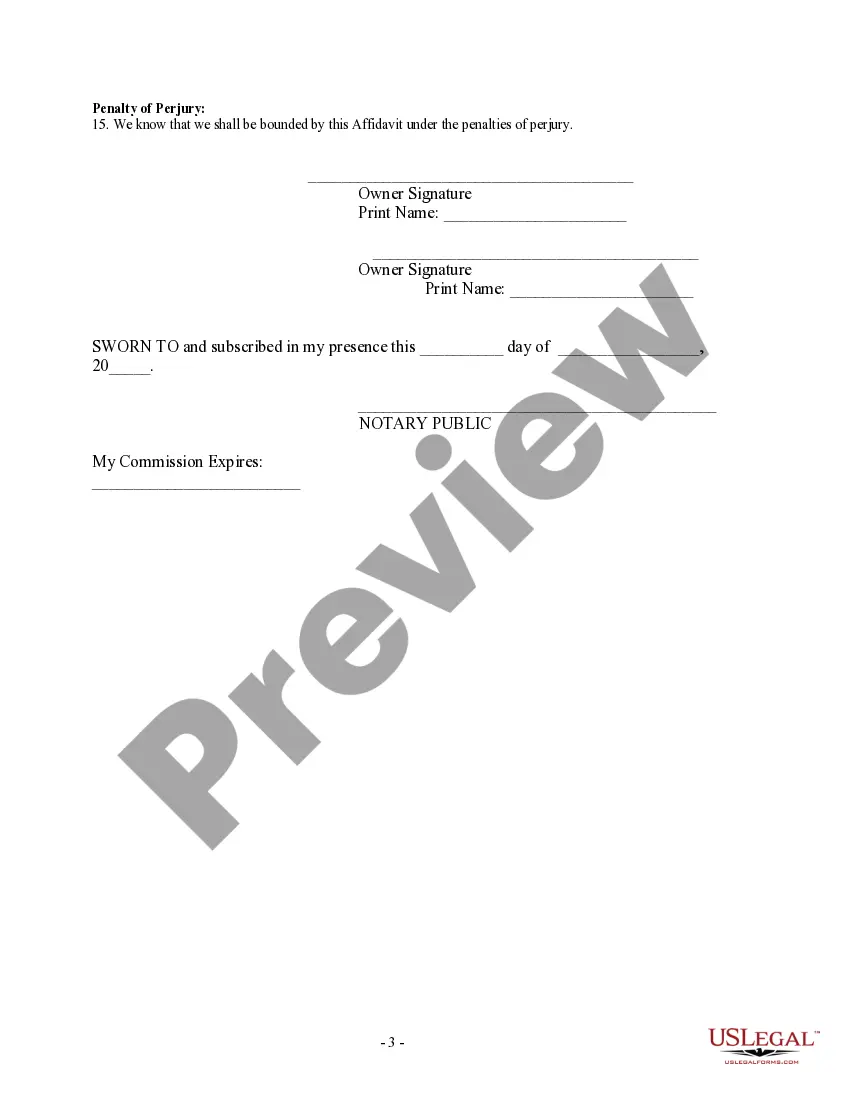
- Owner's signatures and notarization section.

When to use this form
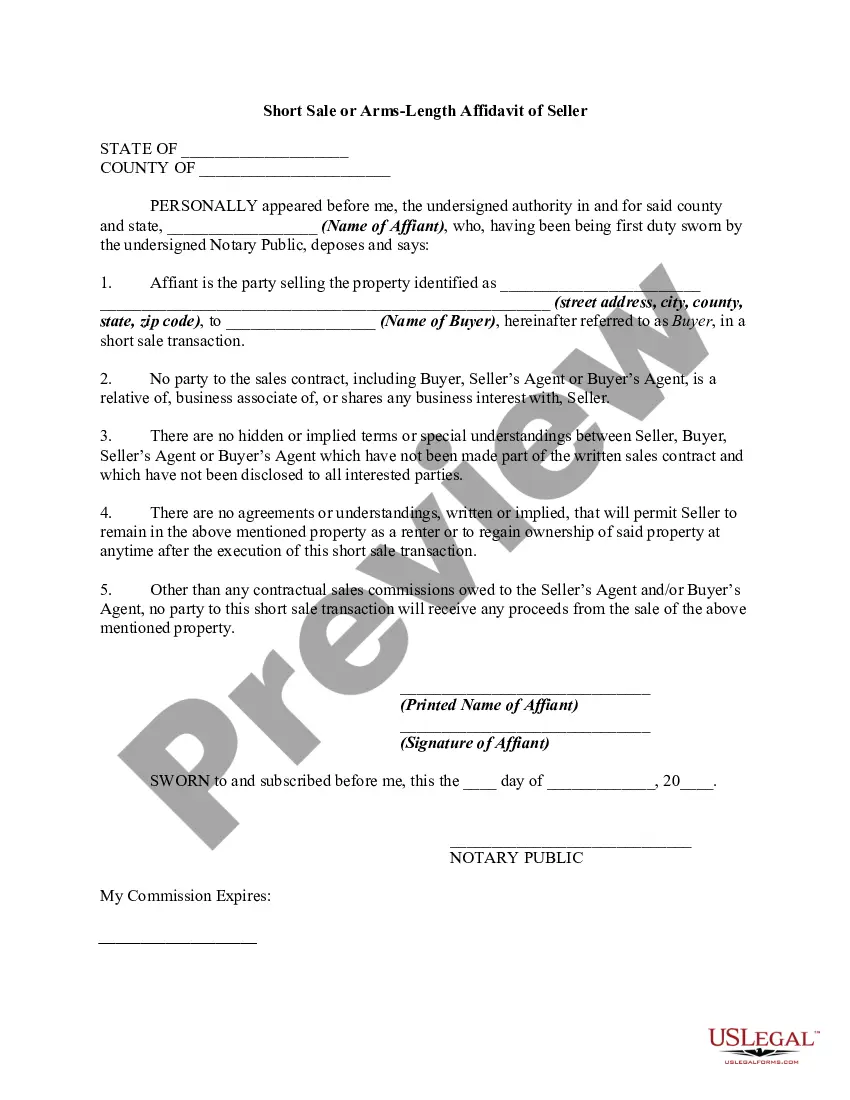
This affidavit should be used during the closing of a real estate transaction, particularly when selling a property. It safeguards the buyer by confirming that the seller has fully paid for the property and that no claims exist against it. This form is vital in instances where buyers are securing financing, as lenders will require assurance that the property is free from liens before approving a loan.
Intended users of this form
- Property owners who are selling their real estate.
- Married couples selling property together.
- Sellers in a real estate transaction where a title search is required.
- Individuals needing to assure buyers and lenders that the property is lien-free.
How to complete this form
- Identify yourself as the owner and specify the property location.
- State your age and confirm your ownership of the property.
- Declare your marital status if applicable.
- List any liens or debts against the property, if any exist.
- Sign the affidavit in the presence of a notary public.
Is notarization required?
This form needs to be notarized to ensure legal validity. US Legal Forms provides secure online notarization powered by Notarize, allowing you to complete the process through a verified video call, available anytime.
Typical mistakes to avoid
- Failing to accurately identify the property or owners.
- Omitting required information about liens or debts.
- Not having the document notarized, rendering it invalid.
- Inaccurate declarations about the status of repairs or improvements.
Benefits of using this form online
- Convenient access to legally vetted templates anytime.
- Edit and customize the form to fit specific transaction needs.
- Ensured compliance with legal standards in your state.
- Save time and reduce stress by preparing documents quickly.
State-specific requirements
This form is designed for use in Montana and complies with the state's legal requirements for property sales. Specific language and clauses have been tailored to meet Montana's regulations regarding real estate transactions and affidavits.


Form popularity
FAQ
The title search performed in the prelim title discovers whether or not there are any liens against the title, which would typically be placed by a lender on the property. They also may have you sign a document stating that there are no liens that are not recorded. If there are not, just sign it. Bingo.
A statement showing that your balance is paid in full. Your canceled promissory note. A certificate of satisfaction. Your canceled mortgage or deed of trust.
In most states, you can typically search by address with the county recorder, clerk, or assessor's office online. The search for liens is free, though you may have to pay a small fee for a copy of the report, which will vary by county.
Title insurance is an insurance policy that protects you, the home owner, against challenges to the ownership of your home or from problems related to the title to your home. The policy provides coverage against losses due to title defects, even if the defects existed before you purchased your home.
However, the title does not prove ownership.Title insurance protects the buyer of property or the lender for the property against unknown defects in the title.
Most states now have additional tools available for free property title searches. You can find these on your state government sites under "county assessor." You will have to select your county, and you can then search through the listed properties.
Things Not Covered in Your Title Policy Any defects created after the issuance of the policy, or defects that you create. Issues arising as the result of failing to pay your mortgage. Issues arising as the result of failing to obey the law or certain covenants. Specific taxes and assessments.
The general warranty deed is the standard instrument for home sales. Your notarized warranty deed is proof of ownership, and that the grantor transferred complete and clear title to you. A quitclaim deed also proves full land ownershipif the person who conveyed the interest to you had full ownership.
An Owner Affidavit is a document used by title and closing agencies to ensure that the current owner of a property is in ownership of the property free and clear of any encumbrances.The Owner Affidavit places the seller on the hook for any claims that may arise that are not covered by the title insurance policy.