Montana Owner's or Seller's Affidavit of No Liens
About this form
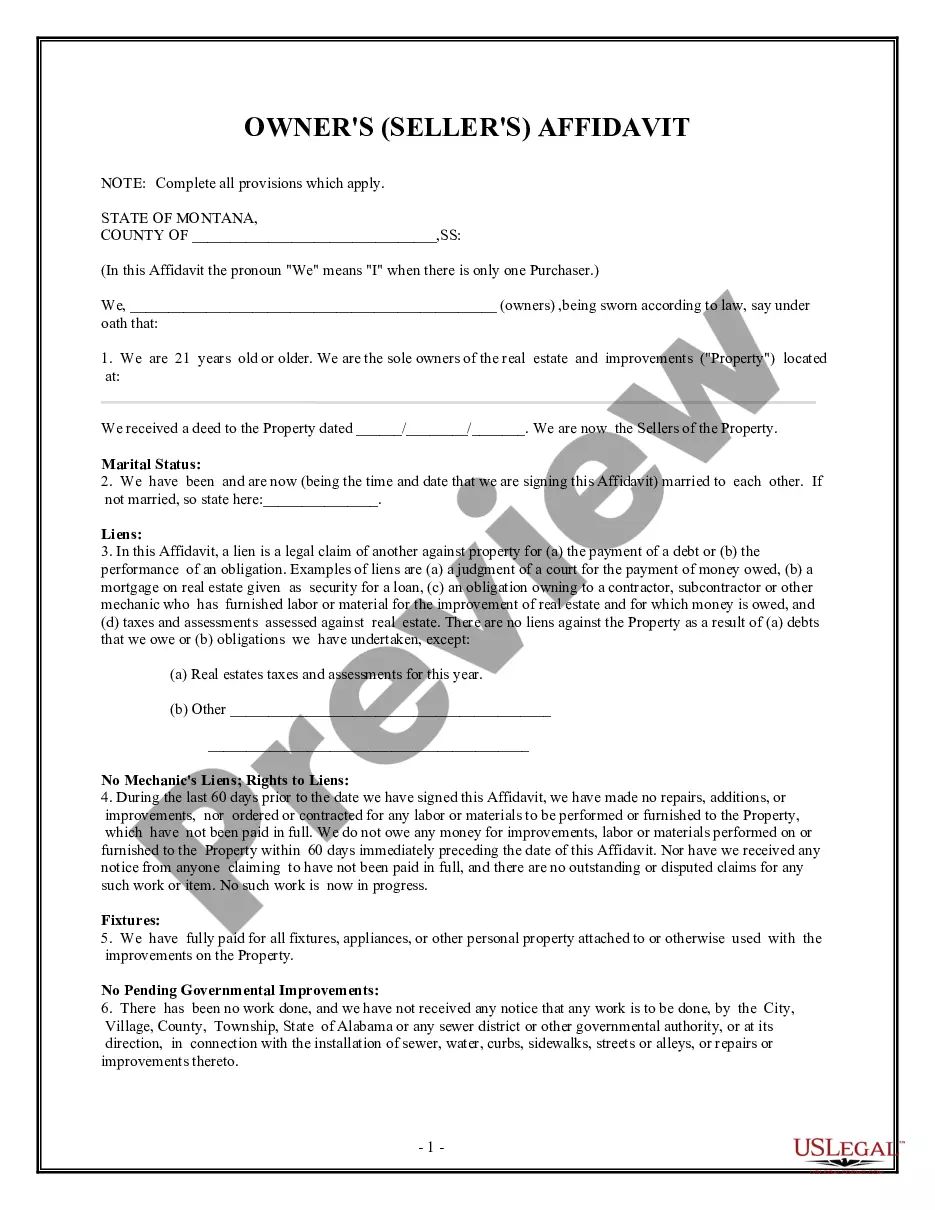
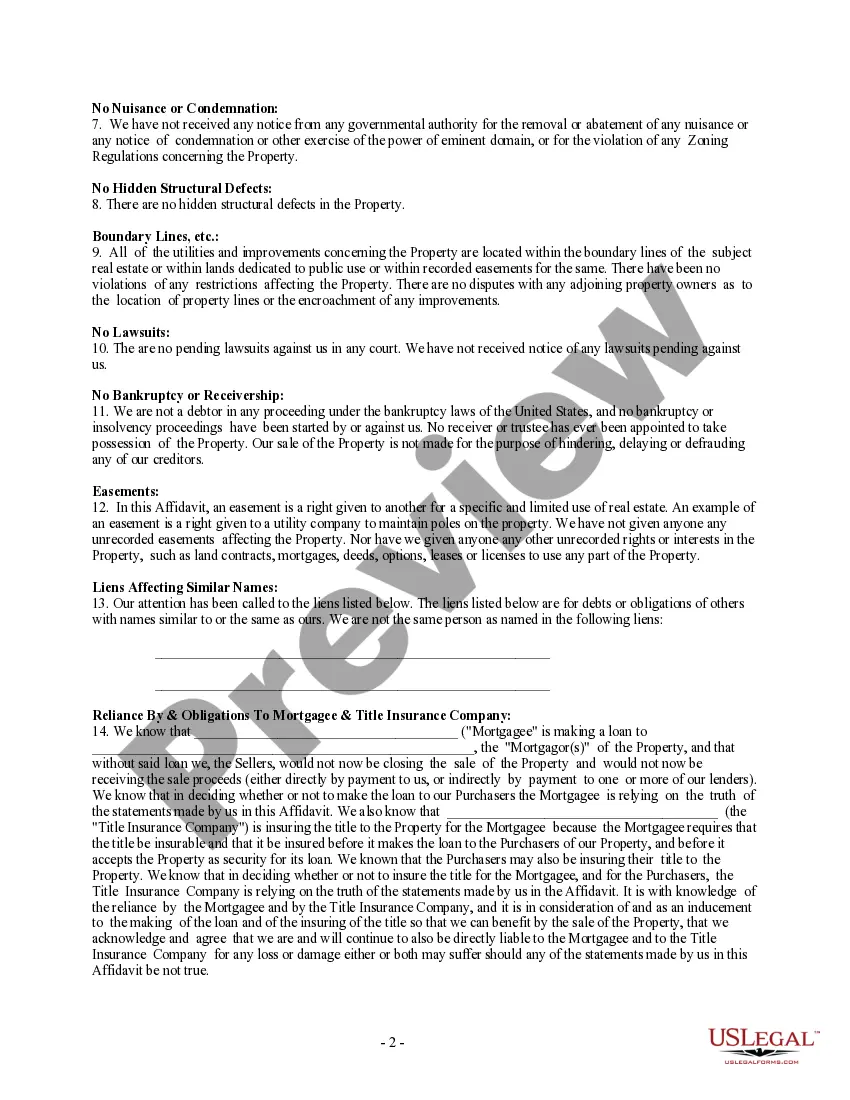
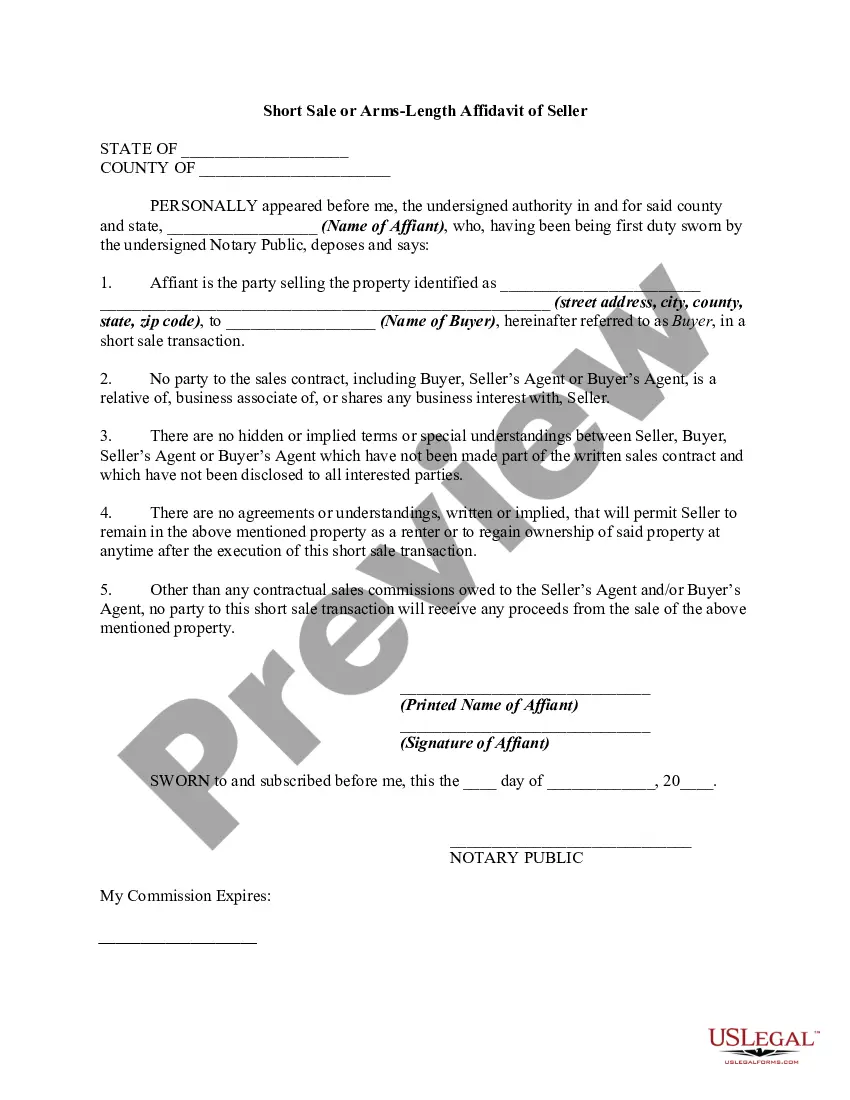
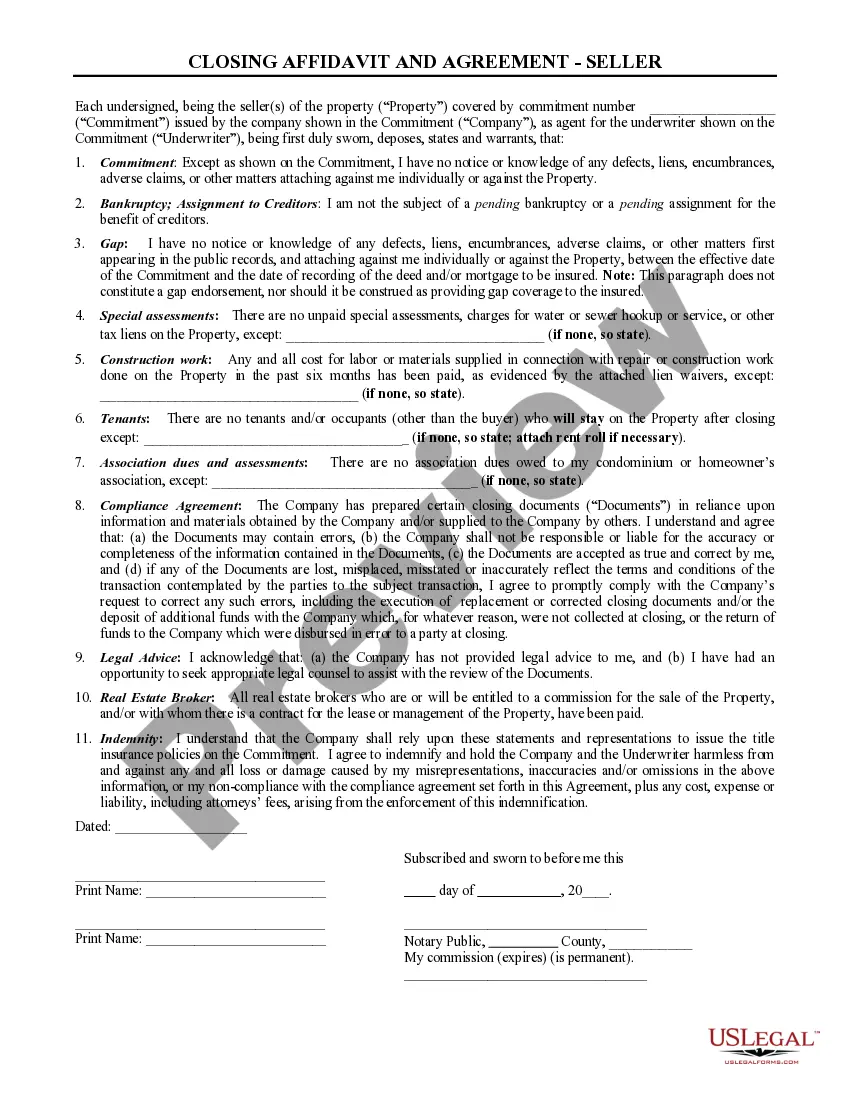
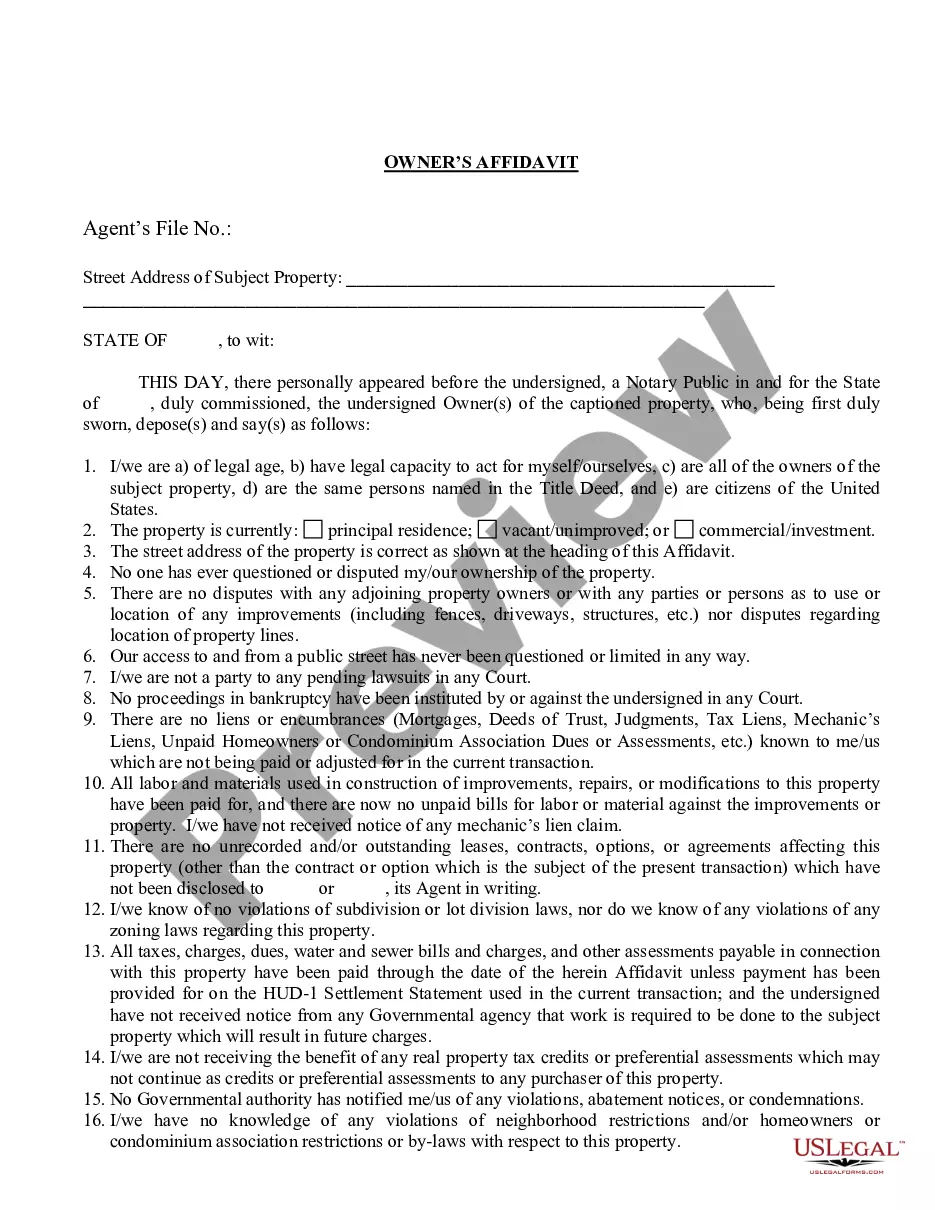
The Owner's or Seller's Affidavit of No Liens is a legal document used by sellers during a property closing to declare that there are no liens on the property being sold. This affidavit includes assurances regarding ownership, the absence of mechanicâs liens, and other certifications required by lenders and title companies. It is essential for ensuring that the property title is clear of any claims that could impede the sale.
Form components explained
- Seller's declarations about property ownership and age.
- Liens section outlining any existing claims or debts against the property.
- Confirmation of no mechanics liens or pending payments for repairs.
- Details on governmental notices concerning property improvements or nuisances.
- Acknowledgment of the reliance on the statements by lenders and title insurance companies.
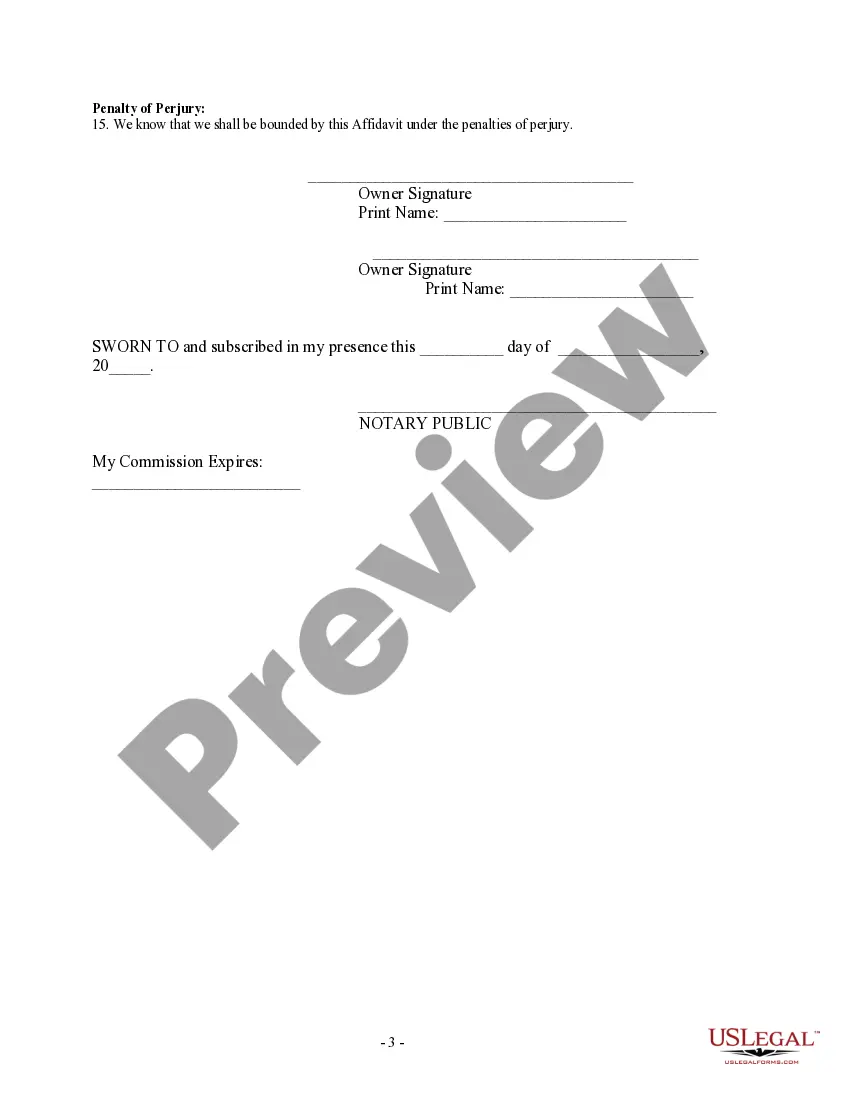
- Signatures of the sellers and notarization requirements.

When to use this form
This affidavit should be used when selling real estate to confirm that the property is free from any liens, claims, or outstanding debts that could affect the transaction. It is especially important during the closing process to ensure a smooth transfer of ownership and to satisfy the requirements of lenders or title insurance companies.
Who needs this form
- Property sellers who are completing the sale of their real estate.
- Individuals who have clear title to the property and wish to certify it to potential buyers or lenders.
- Homeowners who need to assure that no liens affect the property during the sale process.
Completing this form step by step
- Identify the sellers by entering their names and the propertyâs address.
- Complete sections on the current marital status and confirm ownership.
- Indicate any existing liens or debts against the property.
- Provide information about any work done on the property within the last 60 days.
- Include signatures and date the affidavit, and arrange for notarization.
Is notarization required?
Yes, this form must be notarized to be legally valid. The notarization process ensures that the identities of the signers are verified and that the signatures are authentic. US Legal Forms provides integrated online notarization services that allow you to efficiently complete this step via secure video calls, available 24/7, without the need to travel.
Get your form ready online
Our built-in tools help you complete, sign, share, and store your documents in one place.
Make edits, fill in missing information, and update formatting in US Legal Forms—just like you would in MS Word.
Download a copy, print it, send it by email, or mail it via USPS—whatever works best for your next step.
Sign and collect signatures with our SignNow integration. Send to multiple recipients, set reminders, and more. Go Premium to unlock E-Sign.
If this form requires notarization, complete it online through a secure video call—no need to meet a notary in person or wait for an appointment.
We protect your documents and personal data by following strict security and privacy standards.

Make edits, fill in missing information, and update formatting in US Legal Forms—just like you would in MS Word.

Download a copy, print it, send it by email, or mail it via USPS—whatever works best for your next step.

Sign and collect signatures with our SignNow integration. Send to multiple recipients, set reminders, and more. Go Premium to unlock E-Sign.

If this form requires notarization, complete it online through a secure video call—no need to meet a notary in person or wait for an appointment.

We protect your documents and personal data by following strict security and privacy standards.
Common mistakes to avoid
- Failing to accurately disclose existing liens or obligations.
- Not notarizing the affidavit when required.
- Missing signatures of all sellers involved in the transaction.
Why complete this form online
- Convenience of downloading and printing from home or office.
- Editability to fit your specific transaction needs.
- Access to forms drafted by licensed attorneys, ensuring legal compliance.
Legal use & context
- This affidavit confirms that the property is free from liens, protecting buyers and lenders.
- Ensuring compliance with local laws enhances the enforceability of the property sale.
- A properly completed and notarized affidavit provides legal protection against future claims.
What to keep in mind
Key points to remember about the Owner's or Seller's Affidavit of No Liens:
- This affidavit is crucial for affirming that the property has no outstanding debts, ensuring a clear title at sale.
- It is required during the closing process of a property transaction.
- Proper completion and notarization are essential for legal validity.
- Familiarity with state requirements, particularly for Montana, is important for compliance.
Looking for another form?

Form popularity
FAQ
The title search performed in the prelim title discovers whether or not there are any liens against the title, which would typically be placed by a lender on the property. They also may have you sign a document stating that there are no liens that are not recorded. If there are not, just sign it. Bingo.
A statement showing that your balance is paid in full. Your canceled promissory note. A certificate of satisfaction. Your canceled mortgage or deed of trust.
In most states, you can typically search by address with the county recorder, clerk, or assessor's office online. The search for liens is free, though you may have to pay a small fee for a copy of the report, which will vary by county.
Title insurance is an insurance policy that protects you, the home owner, against challenges to the ownership of your home or from problems related to the title to your home. The policy provides coverage against losses due to title defects, even if the defects existed before you purchased your home.
However, the title does not prove ownership.Title insurance protects the buyer of property or the lender for the property against unknown defects in the title.
Most states now have additional tools available for free property title searches. You can find these on your state government sites under "county assessor." You will have to select your county, and you can then search through the listed properties.
Things Not Covered in Your Title Policy Any defects created after the issuance of the policy, or defects that you create. Issues arising as the result of failing to pay your mortgage. Issues arising as the result of failing to obey the law or certain covenants. Specific taxes and assessments.
The general warranty deed is the standard instrument for home sales. Your notarized warranty deed is proof of ownership, and that the grantor transferred complete and clear title to you. A quitclaim deed also proves full land ownershipif the person who conveyed the interest to you had full ownership.
An Owner Affidavit is a document used by title and closing agencies to ensure that the current owner of a property is in ownership of the property free and clear of any encumbrances.The Owner Affidavit places the seller on the hook for any claims that may arise that are not covered by the title insurance policy.