Montana Landlord Agreement to allow Tenant Alterations to Premises
Overview of this form
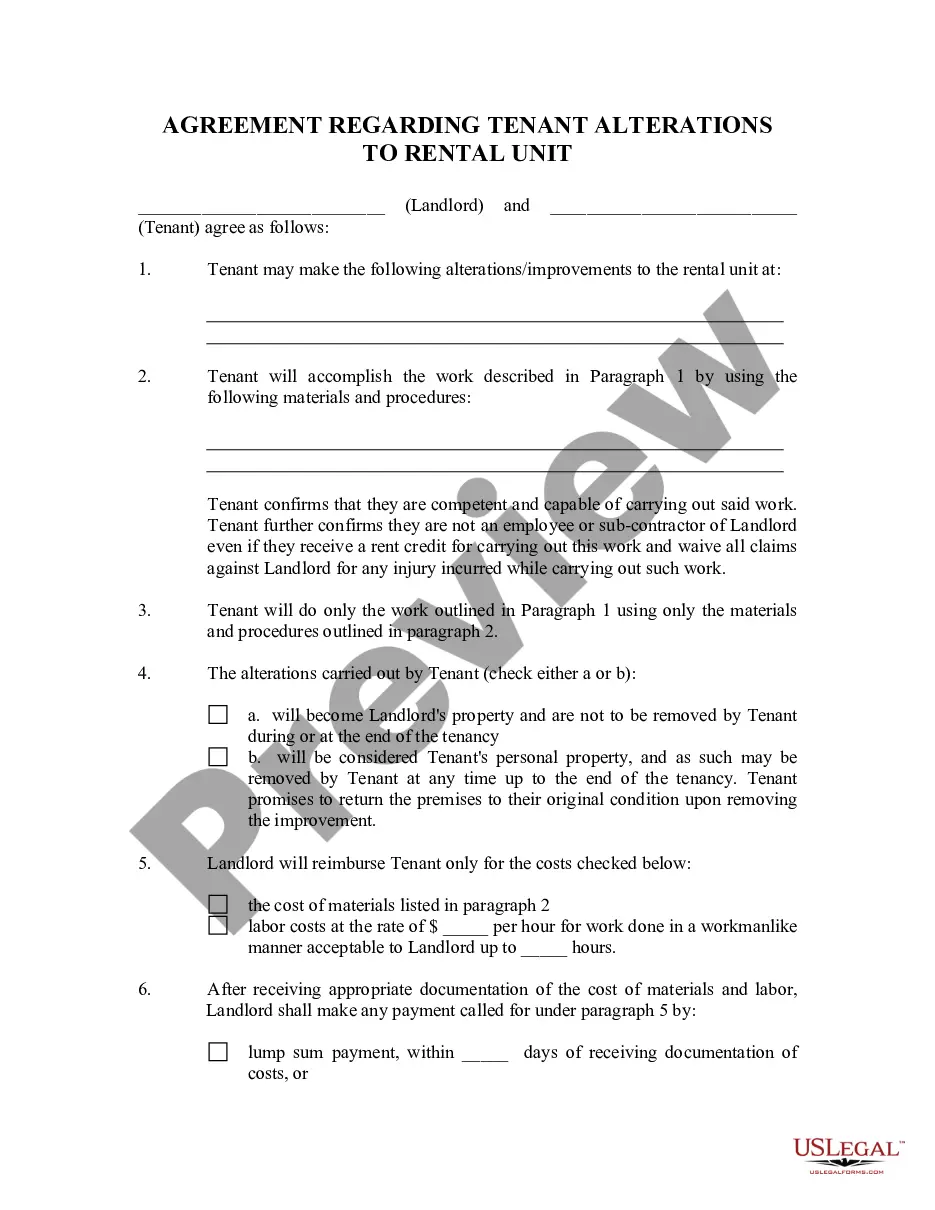
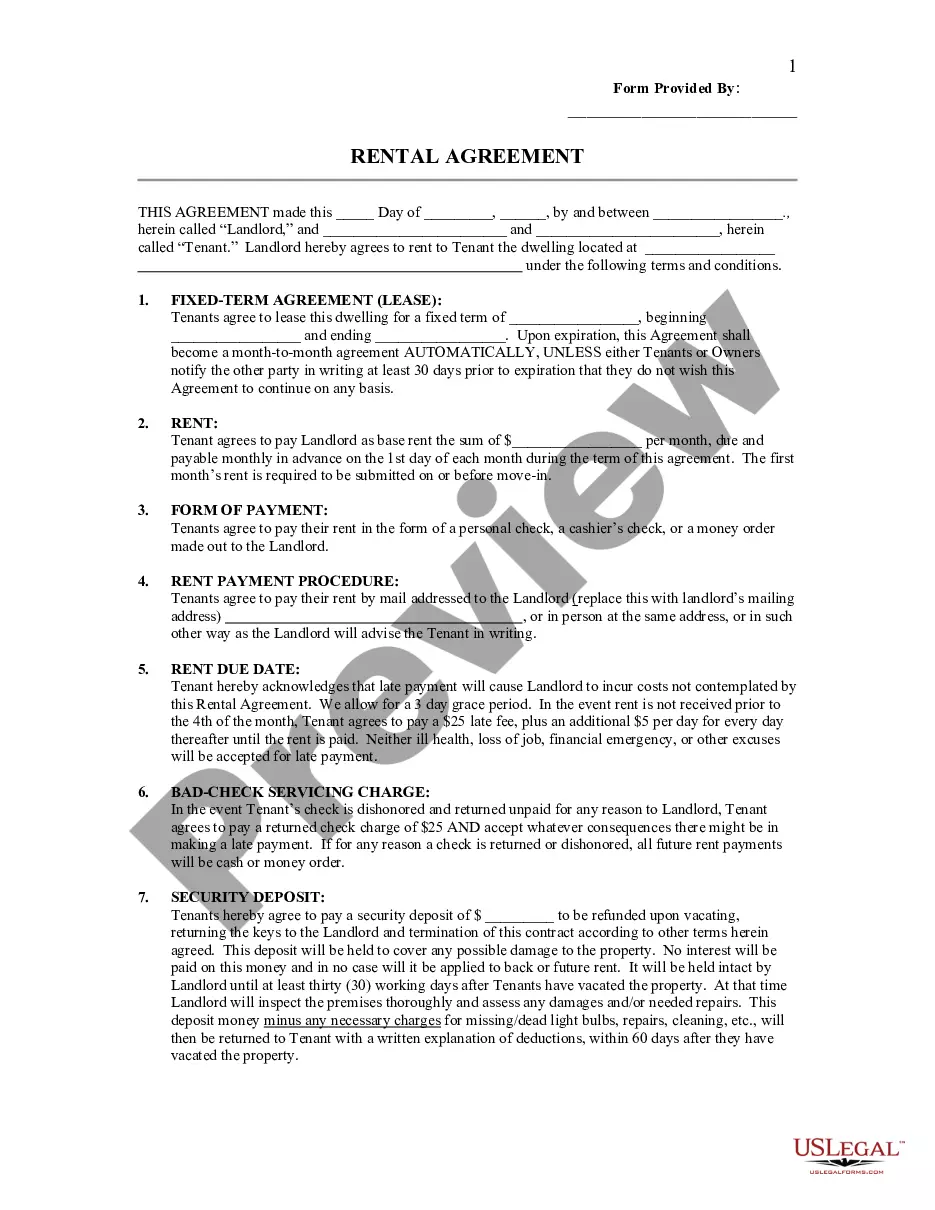
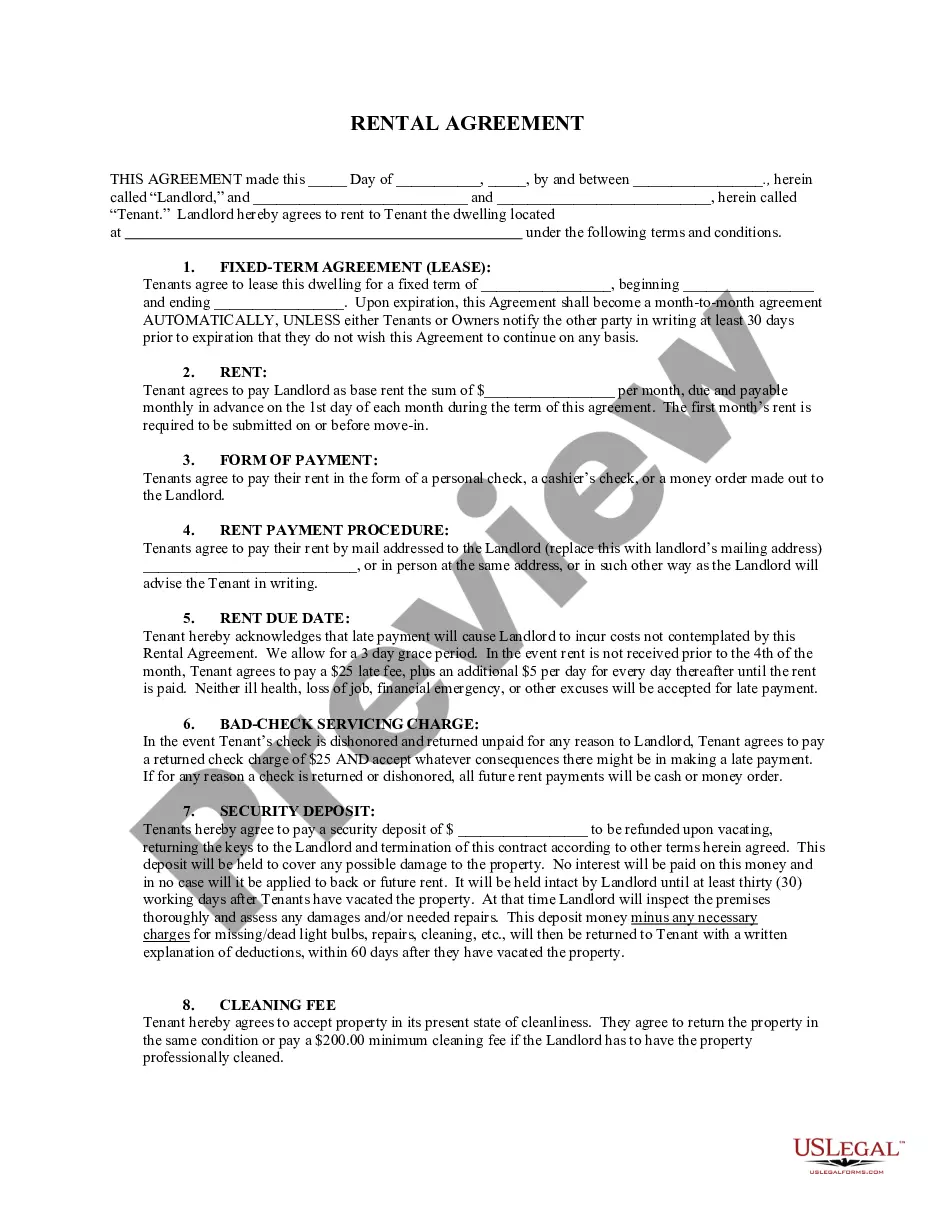
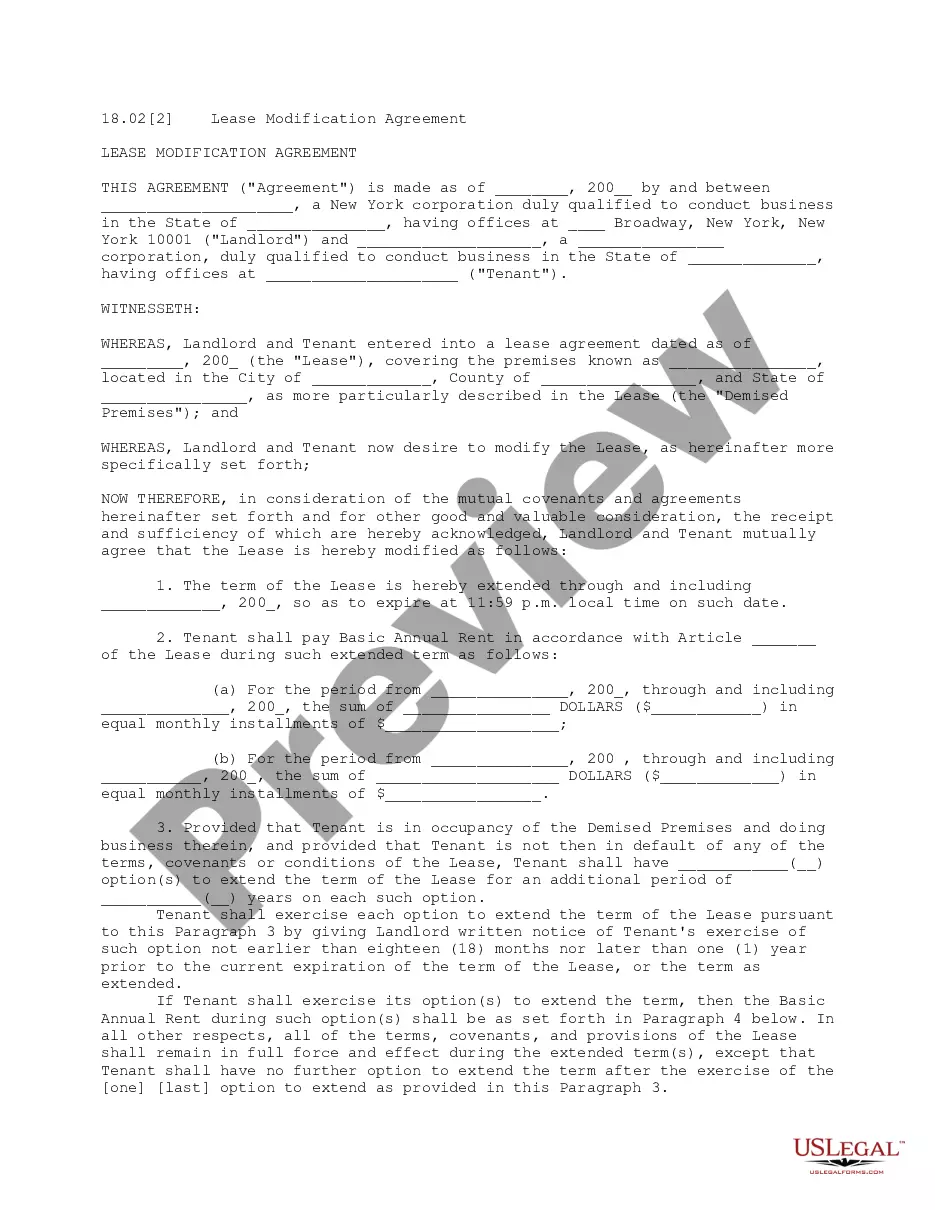
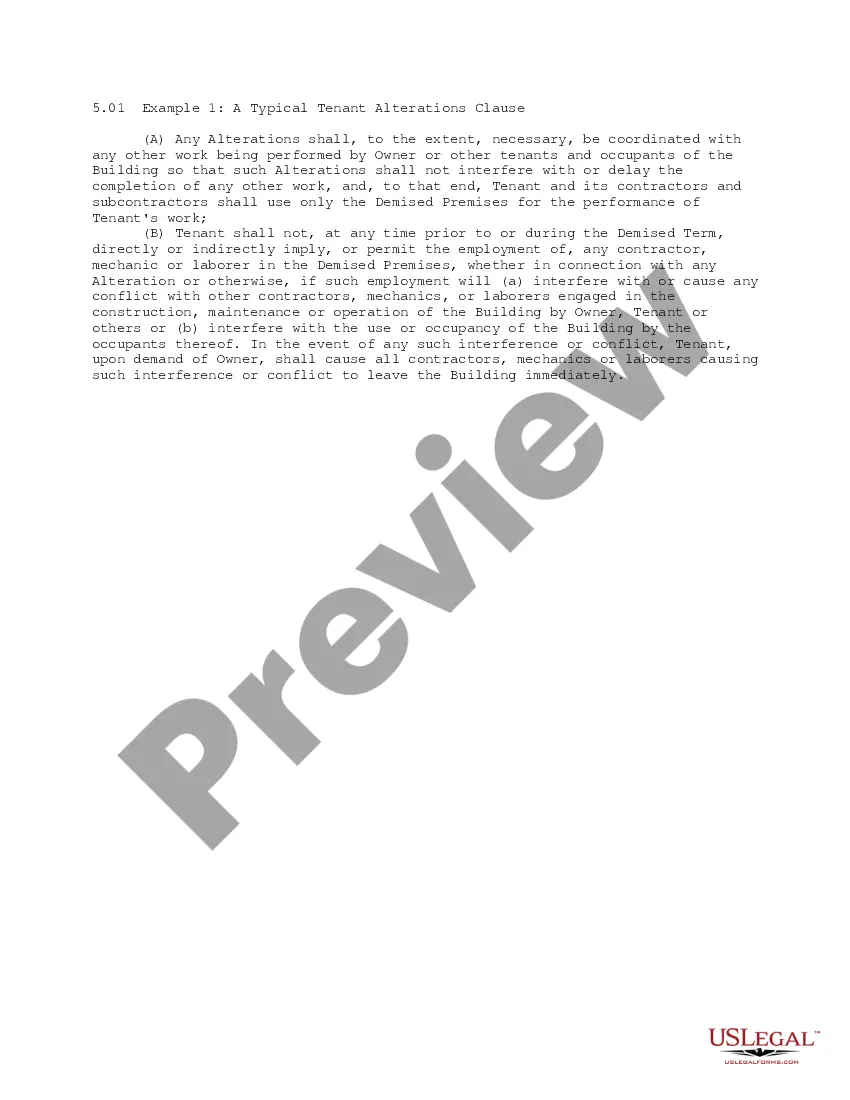
The Landlord Agreement to allow Tenant Alterations to Premises is a legal document that facilitates an understanding between landlords and tenants regarding modifications that tenants wish to make to rental properties. Unlike standard rental agreements, this document specifically addresses what alterations are permissible, who bears the cost, and whether the improvement remains with the property or can be removed later. It is essential for clarifying responsibilities and ensuring that both parties have clear expectations before alterations are made.
Key parts of this document
- Identification of parties involved: names of the landlord and tenant.
- Description of the specific alterations or improvements the tenant may make.
- Terms regarding ownership of the alterations: whether they remain with the landlord or can be removed by the tenant.
- Details on reimbursement: stipulations for costs related to materials and labor for the improvements.
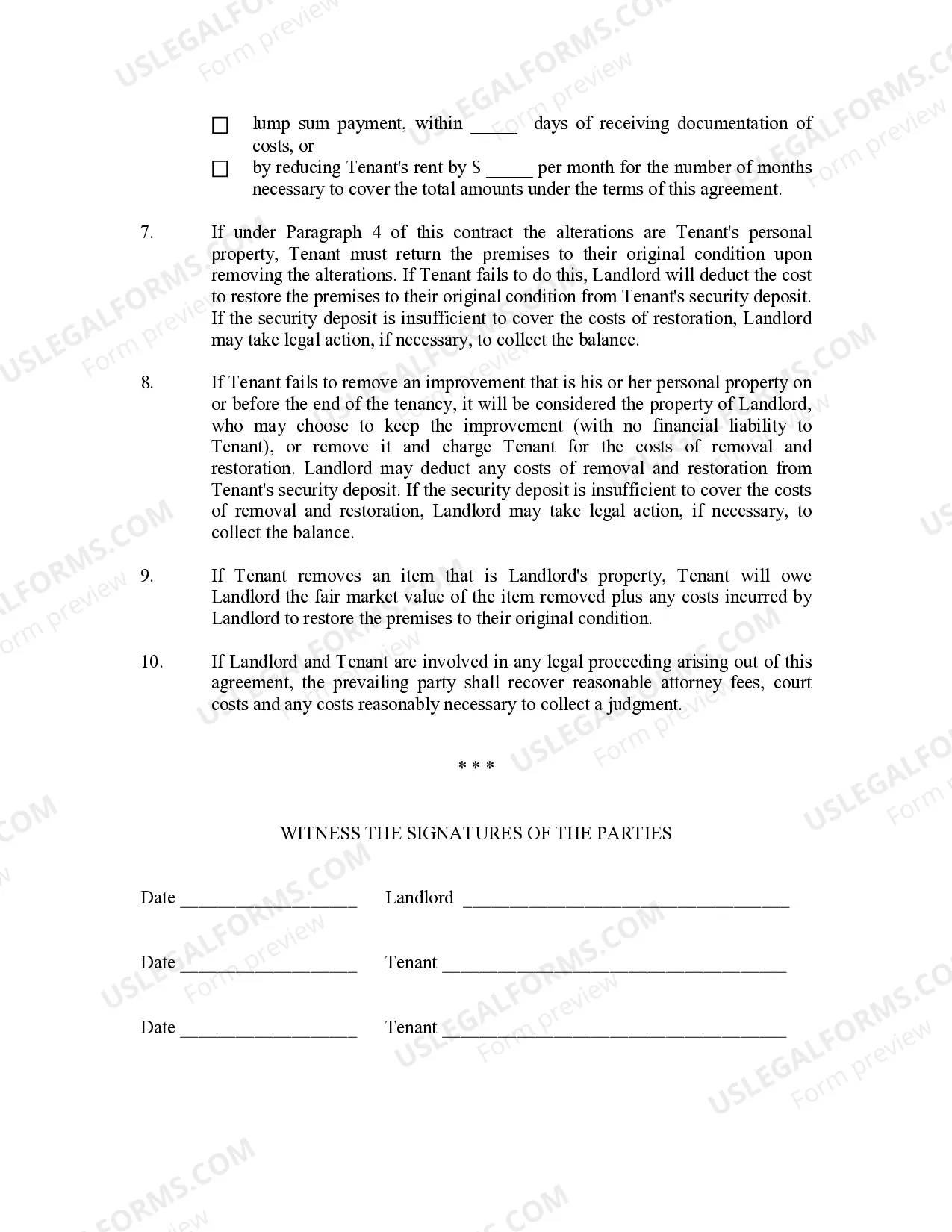
- Conditions for restoring the premises to their original state upon the tenant's departure.
- Provisions regarding deductions from the security deposit for restoration costs or removal of alterations.
Situations where this form applies
This form should be used when a tenant wishes to make alterations to a rental property and the landlord agrees to such changes. It provides a framework for discussing and documenting these alterations, ensuring both parties understand their rights and responsibilities. Scenarios may include renovations, painting, installation of fixtures, or any significant changes to the rental unit.
Intended users of this form
This form is suitable for:
- Landlords who want to permit tenant alterations with clear guidelines.
- Tenants planning to make changes to their rented space and seeking landlord approval.
- Property managers involved in overseeing rental agreements and tenant modifications.
Completing this form step by step
Steps to complete this form:
- Identify the parties by entering the names of the landlord and tenant.
- Clearly outline the specific alterations the tenant wishes to perform in the designated section.
- Decide and indicate whether the improvements will belong to the landlord or the tenant.
- Fill in reimbursement details regarding material and labor costs, as applicable.
- Sign and date the agreement to acknowledge acceptance of the terms by both parties.
Does this form need to be notarized?
This form does not typically require notarization unless specified by local law. It is advisable to check with your stateâs regulations to confirm if any additional formalities are needed.
Get your form ready online
Our built-in tools help you complete, sign, share, and store your documents in one place.
Make edits, fill in missing information, and update formatting in US Legal Forms—just like you would in MS Word.
Download a copy, print it, send it by email, or mail it via USPS—whatever works best for your next step.
Sign and collect signatures with our SignNow integration. Send to multiple recipients, set reminders, and more. Go Premium to unlock E-Sign.
If this form requires notarization, complete it online through a secure video call—no need to meet a notary in person or wait for an appointment.
We protect your documents and personal data by following strict security and privacy standards.

Make edits, fill in missing information, and update formatting in US Legal Forms—just like you would in MS Word.

Download a copy, print it, send it by email, or mail it via USPS—whatever works best for your next step.

Sign and collect signatures with our SignNow integration. Send to multiple recipients, set reminders, and more. Go Premium to unlock E-Sign.

If this form requires notarization, complete it online through a secure video call—no need to meet a notary in person or wait for an appointment.

We protect your documents and personal data by following strict security and privacy standards.
Mistakes to watch out for
Common mistakes to avoid
- Not providing a detailed description of the alterations to avoid misunderstandings.
- Failing to specify who pays for the alterations and how reimbursement will occur.
- Omitting to clarify the ownership of the alterations and conditions for their removal.
Benefits of using this form online
Benefits of using this form online
- Instant access to a template that complies with legal standards, ensuring reliability.
- Editability allows you to customize the document based on specific needs.
- Convenient download options make it easy to save and print for later use.
Legal use & context
Using this agreement helps ensure that both landlords and tenants have a clear understanding of their rights and obligations regarding property alterations. This clarity can prevent disputes and provide legal protection if necessary actions need to be taken to enforce the terms of the agreement.
Main things to remember
- This form provides structure and clarity for tenant alterations to rental properties.
- Clear identification of roles and responsibilities can prevent conflicts.
- Utilizing this agreement protects the legal rights of both landlords and tenants.
Looking for another form?

Form popularity
FAQ
This question is about Montana Landlord Tenant RightsMontana is fairly landlord-friendly as there is not state-wide rent control and landlords have relatively few regulations as far as evictions proceedings are concerned.
Injury at Rental Property: You could have a case for a lawsuit against your landlord if you are injured at the rental property due to a landlord's neglect. Filing an Illegal Eviction: You can countersue your landlord if you feel your landlord is trying to evict you illegally.
Review Your Lease Before You Sign. Research Local Laws. Keep Records. Pay Your Rent. Maintain Respectful Communication. Seek an Agreeable Solution. Request Repairs in Writing. What Do You Think?
Every tenant has a right to enjoy peaceful possession of the property without any disturbance or encumbrance from anyone including the owner. At no point of time under your tenancy can your landlord ask you to evict or leave the premises without assigning a valid reason.
Indiana. Indiana laws allow landlords to hold on to security deposits for 45 days to give them time to determine any damages caused by tenants. Colorado. Colorado is one of few states that allow landlords to access the rental property without an advance notice requirement. Georgia.
A landlord cannot evict a tenant without an adequately obtained eviction notice and sufficient time. A landlord cannot retaliate against a tenant for a complaint. A landlord cannot forego completing necessary repairs or force a tenant to do their own repairs.A landlord cannot remove a tenant's personal belongings.
If you think your landlord is violating the Fair Housing Act, you can get that landlord in trouble by filing a complaint at HUD.gov. Your remedy for breach of quiet enjoyment is to terminate the lease and move or sue in small claims court.
Your landlord discriminates against you. Your landlord takes your security deposit illegally. Your rental unit is inhabitable. The property owner interferes with your right to quiet enjoyment. Your landlord fails to make the necessary repairs.
Tenants can all agree to withhold rent until the landlord makes repairs. A group of tenants can ask a judge to order the landlord to make repairs. If the landlord absolutely refuses to fix the bad conditions, tenants can ask a court to appoint a temporary landlord called a receiver in order to make repairs.