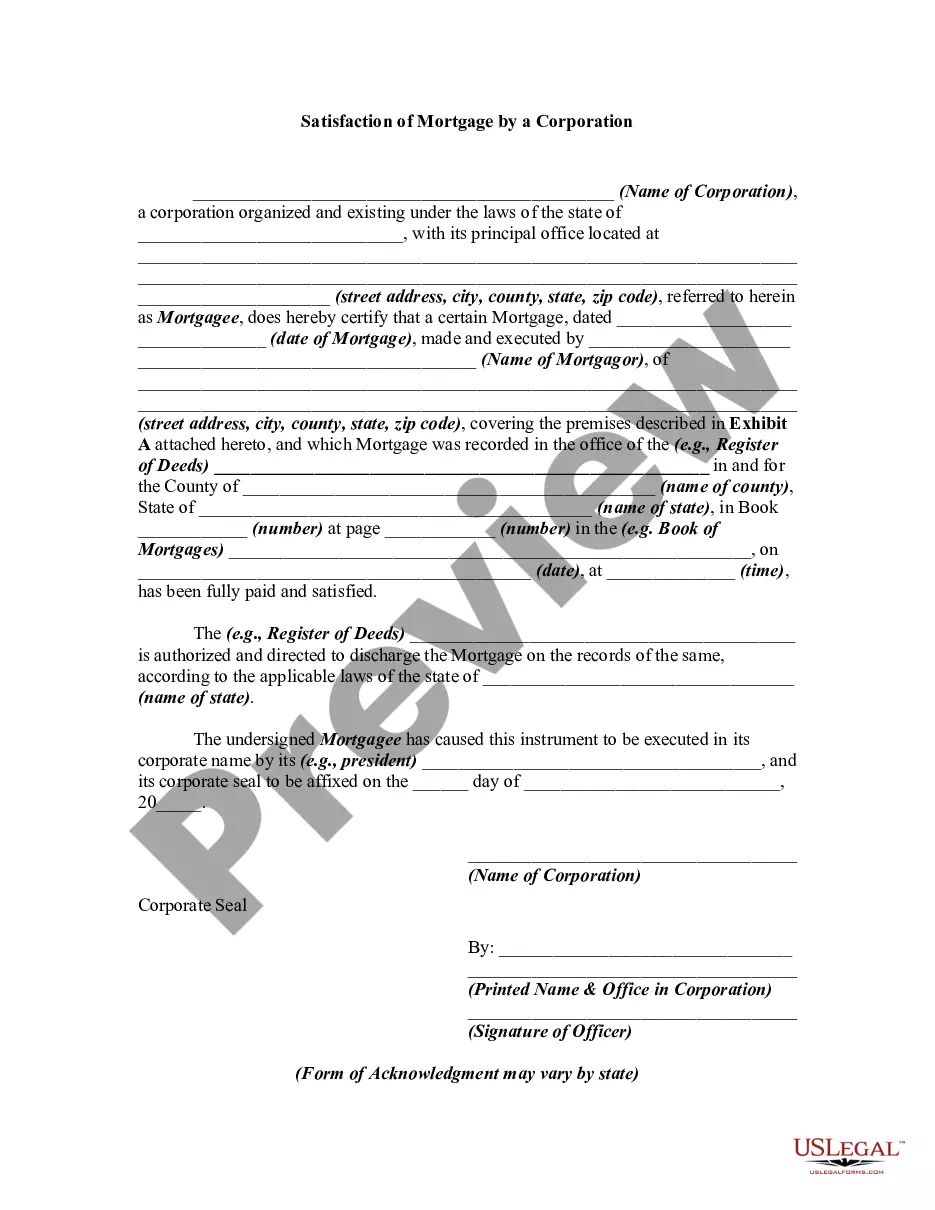
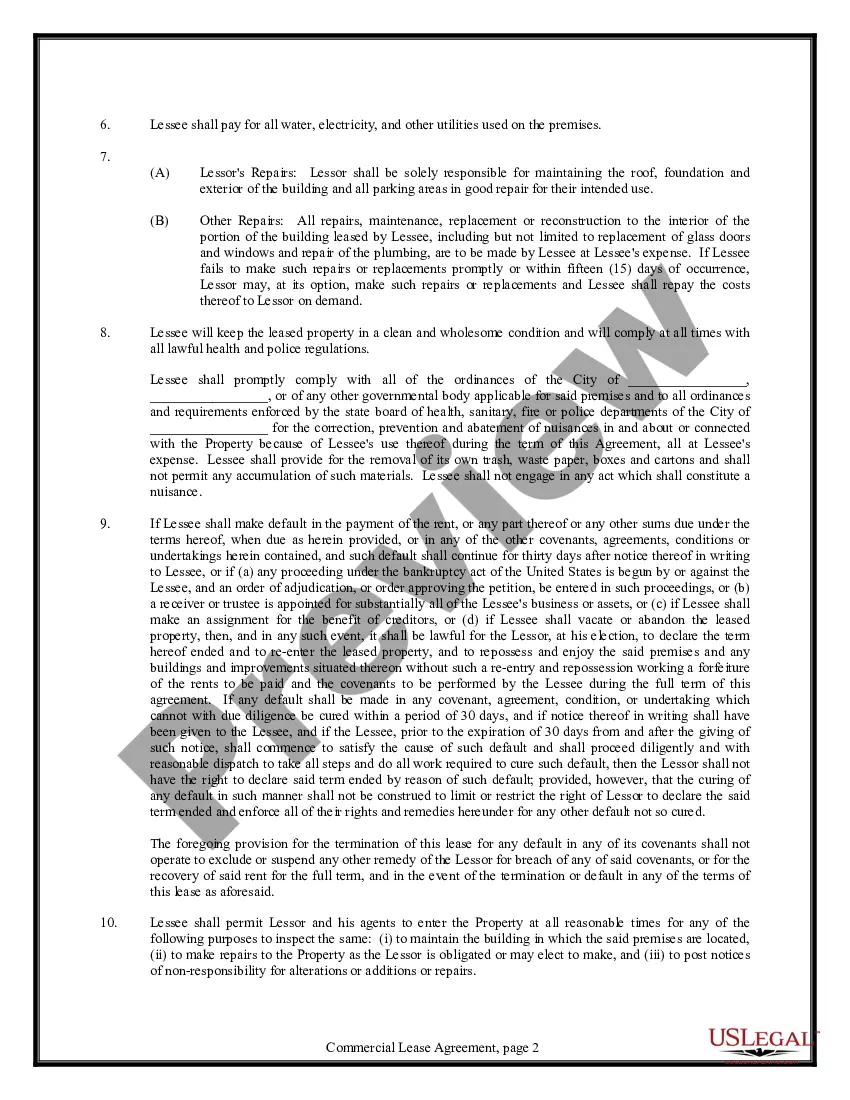
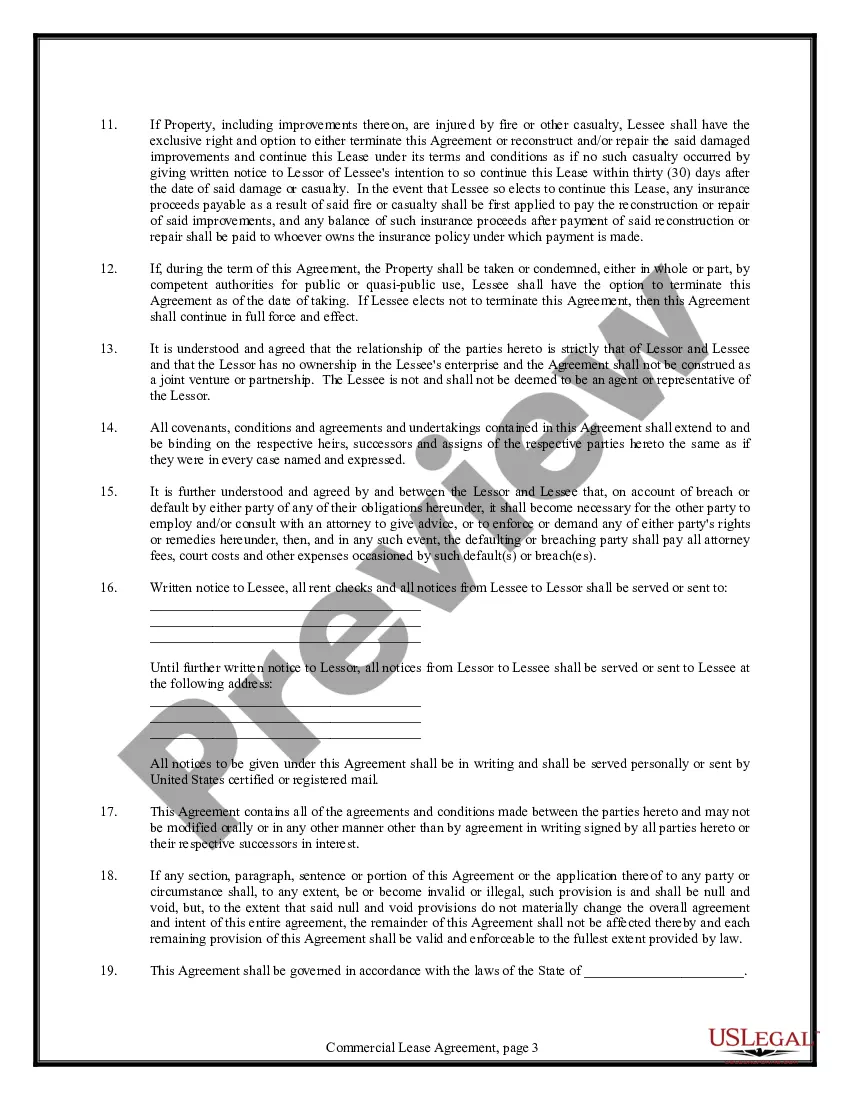
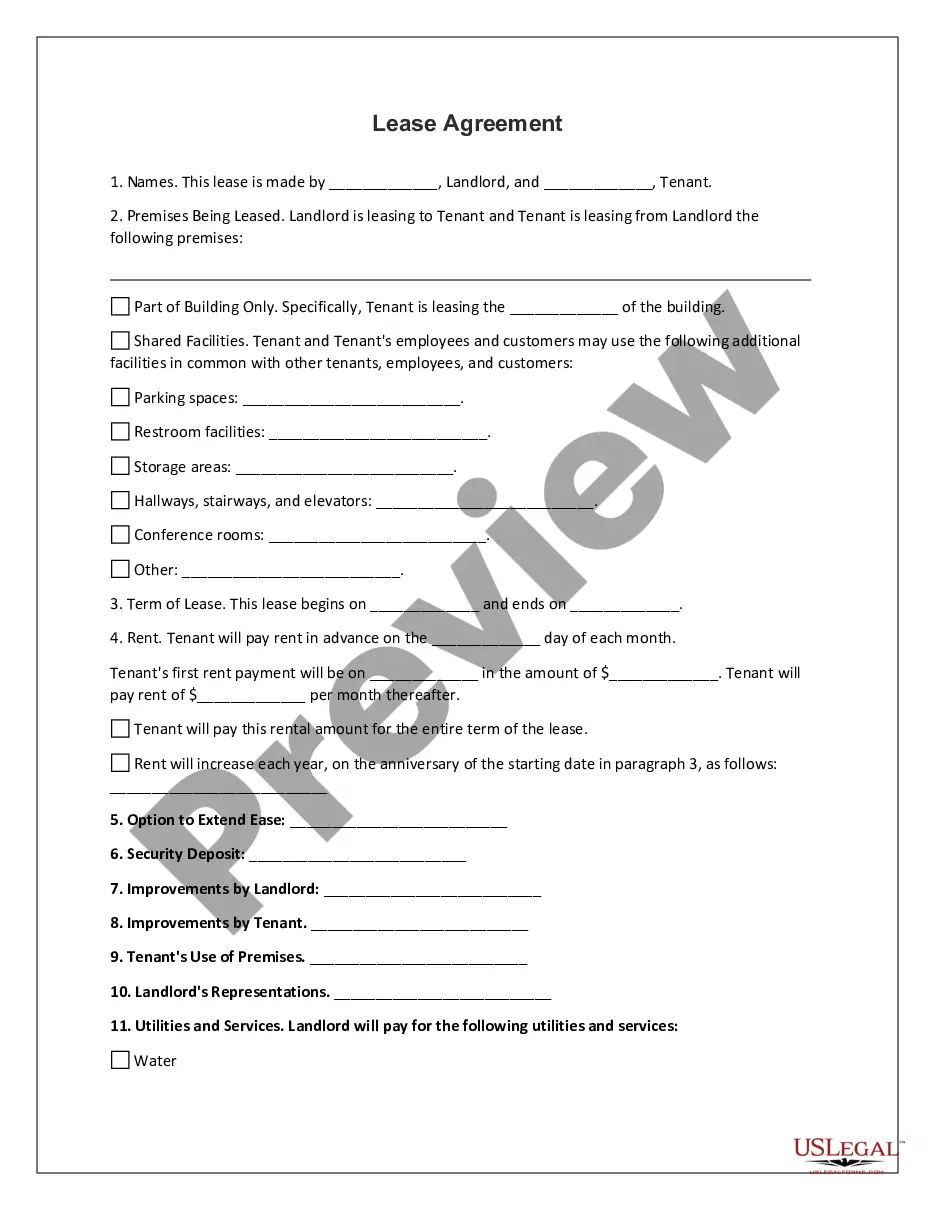
Mississippi Commercial Lease Agreement
Description
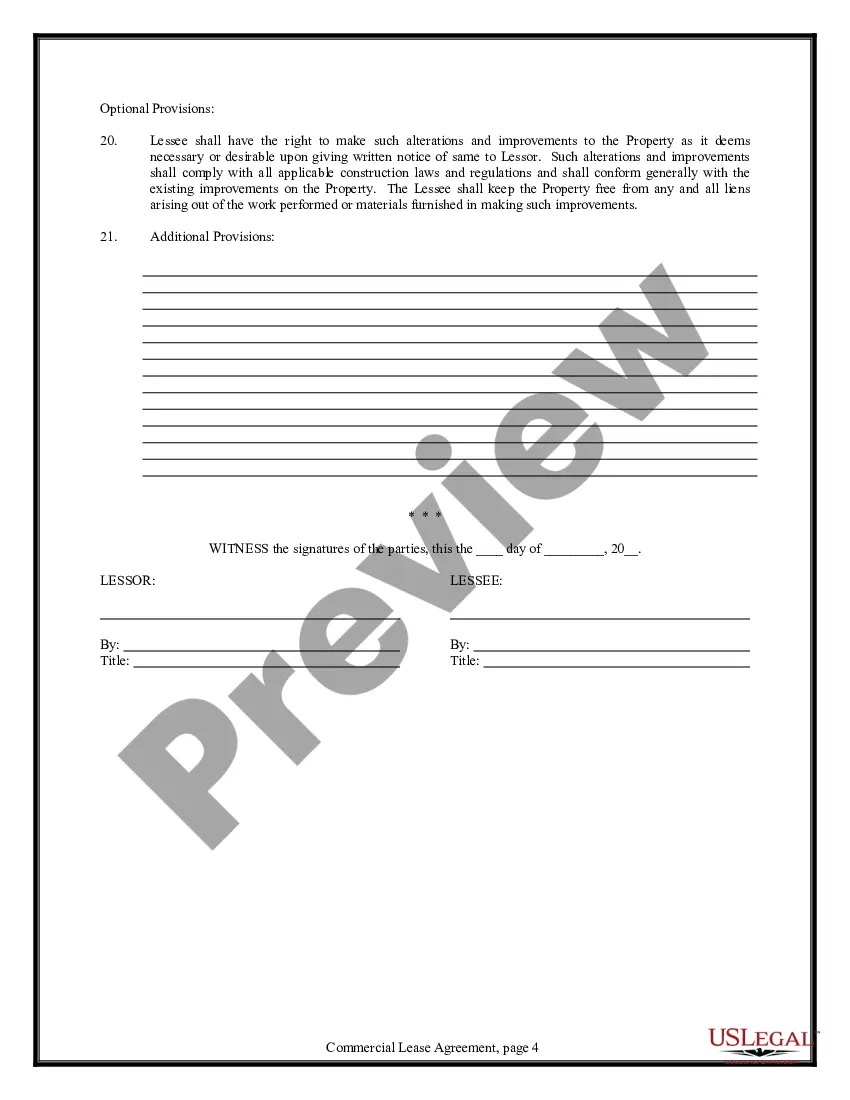
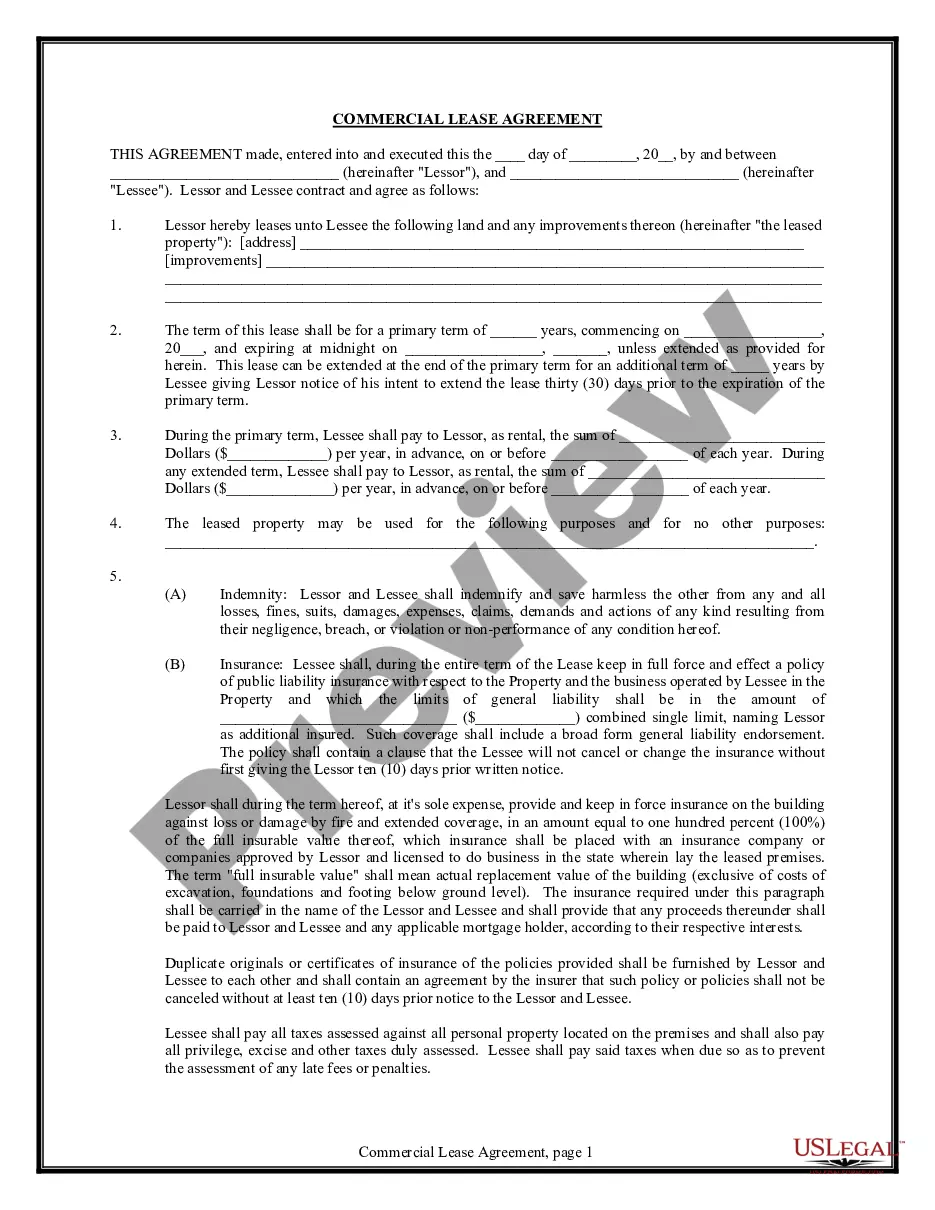
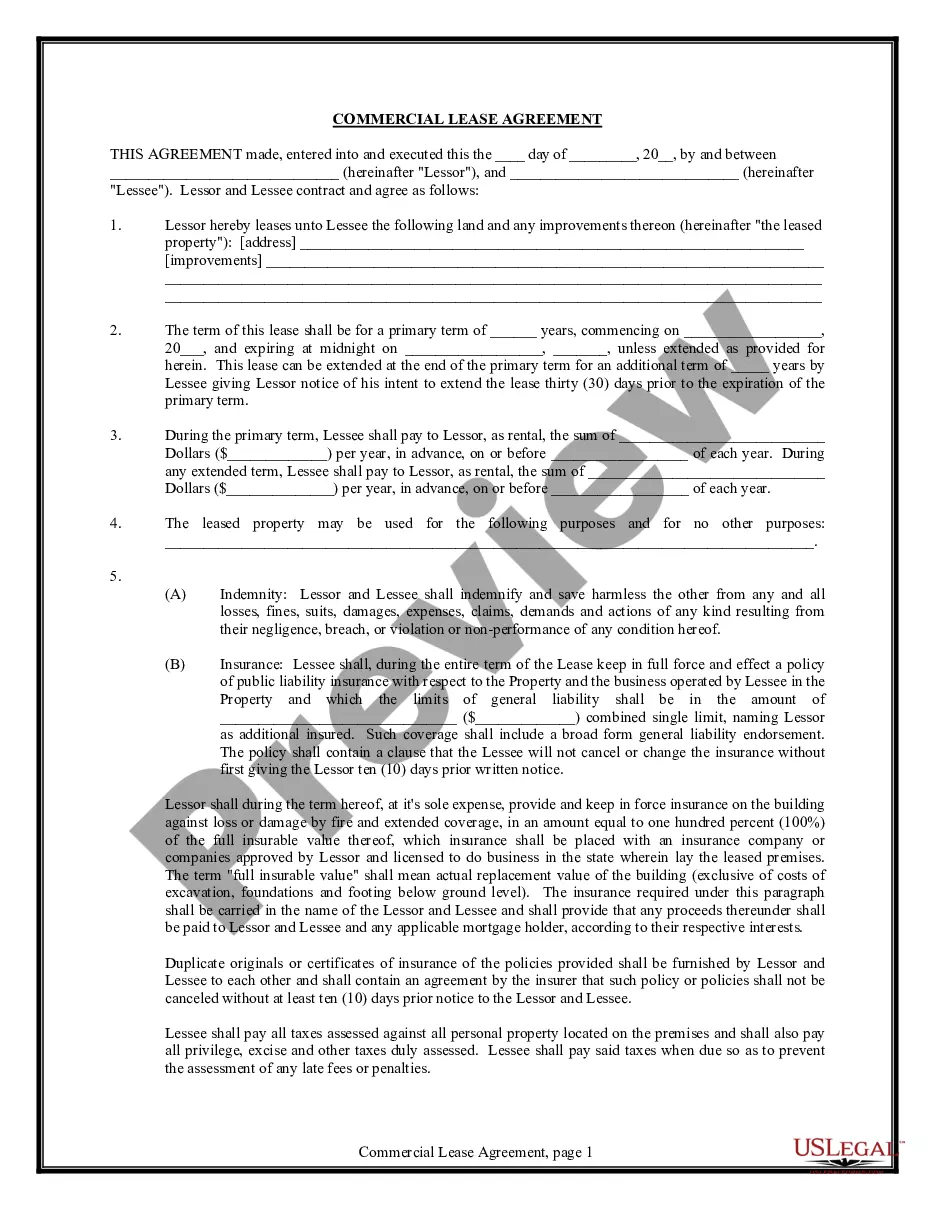
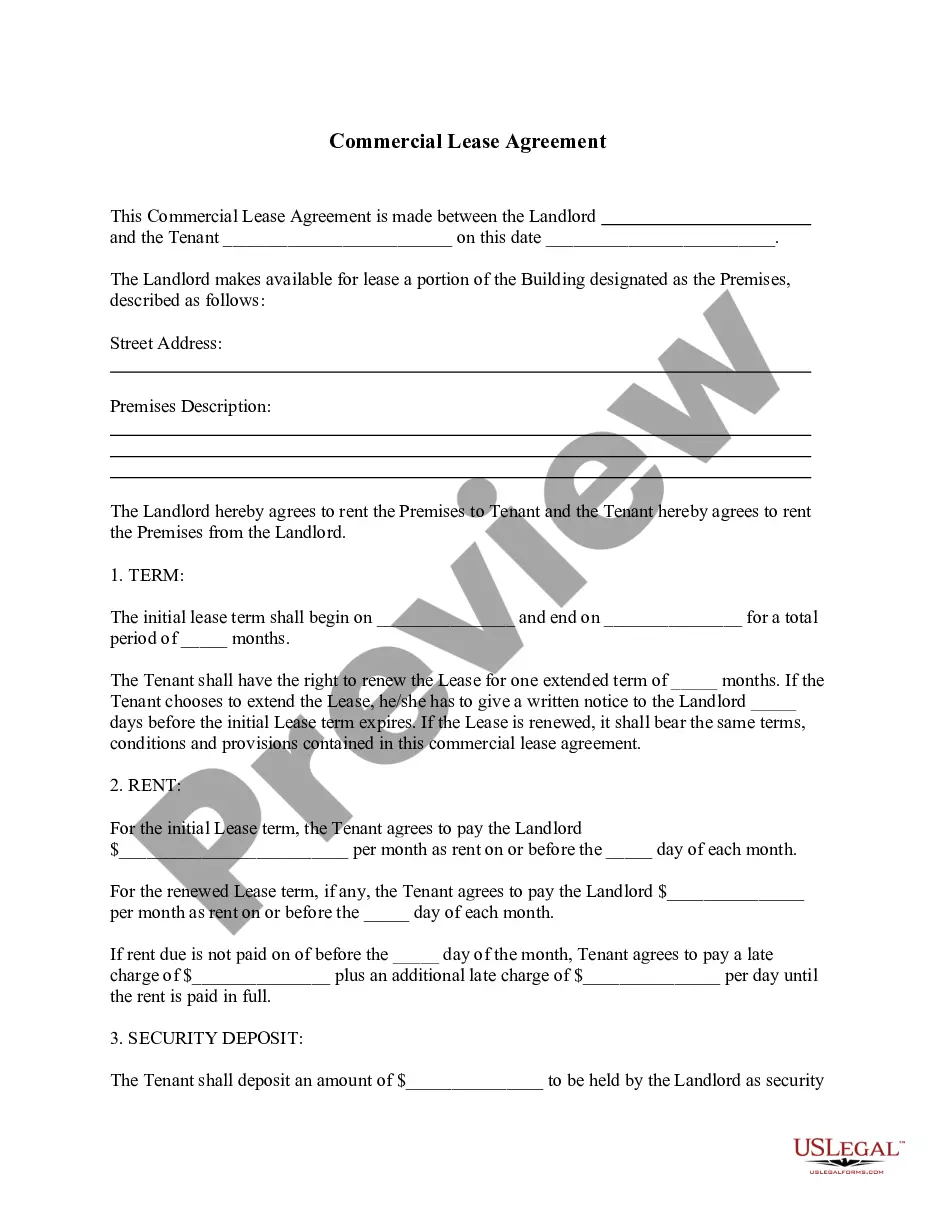
Get your form ready online
Our built-in tools help you complete, sign, share, and store your documents in one place.
Make edits, fill in missing information, and update formatting in US Legal Forms—just like you would in MS Word.
Download a copy, print it, send it by email, or mail it via USPS—whatever works best for your next step.
Sign and collect signatures with our SignNow integration. Send to multiple recipients, set reminders, and more. Go Premium to unlock E-Sign.
If this form requires notarization, complete it online through a secure video call—no need to meet a notary in person or wait for an appointment.
We protect your documents and personal data by following strict security and privacy standards.

Make edits, fill in missing information, and update formatting in US Legal Forms—just like you would in MS Word.

Download a copy, print it, send it by email, or mail it via USPS—whatever works best for your next step.

Sign and collect signatures with our SignNow integration. Send to multiple recipients, set reminders, and more. Go Premium to unlock E-Sign.

If this form requires notarization, complete it online through a secure video call—no need to meet a notary in person or wait for an appointment.

We protect your documents and personal data by following strict security and privacy standards.
Looking for another form?


How to fill out Commercial Lease Agreement?
Are you presently situated in a location where you frequently require documents for either business or personal use almost daily.
There are numerous authorized document templates accessible online, but finding reliable versions isn't straightforward.
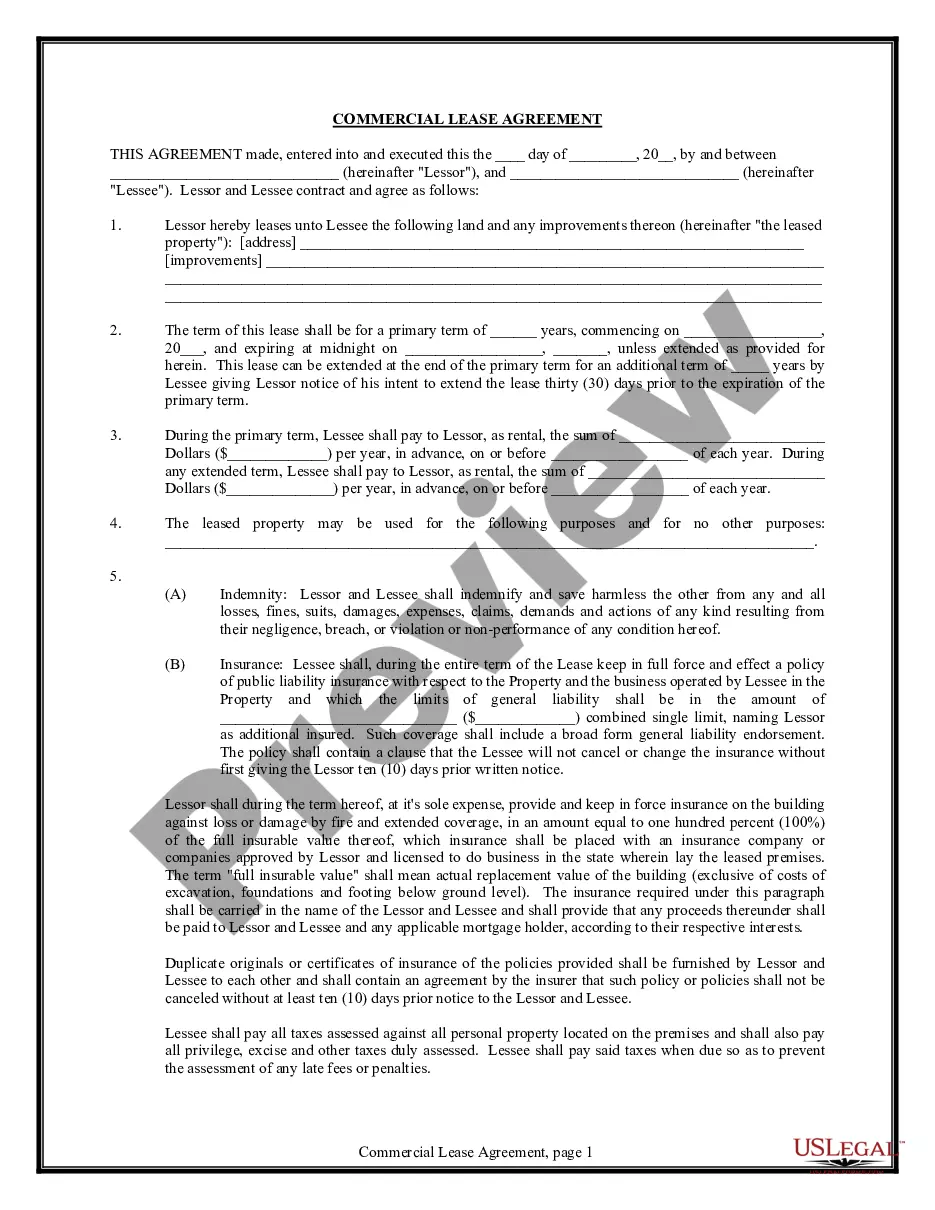
US Legal Forms provides thousands of form templates, similar to the Mississippi Commercial Lease Agreement, which can be customized to fulfill federal and state requirements.
If you locate the correct form, click on Buy now.
Select the pricing plan you want, provide the necessary information to create your account, and pay for the transaction using your PayPal or Visa or Mastercard. Choose a convenient file format and download your copy.
- If you are already familiar with the US Legal Forms website and have an account, simply Log In.
- After that, you can download the Mississippi Commercial Lease Agreement template.
- If you do not have an account and wish to start using US Legal Forms, follow these instructions.
- Find the form you need and ensure it is for the appropriate city/state.
- Use the Review button to evaluate the form.
- Check the details to verify that you have chosen the correct form.
- If the form isn't what you're looking for, use the Search field to find the form that meets your needs and requirements.
Form popularity
FAQ
The responsibilities of landlord and tenant will be clearly set out in the lease. Normally commercial landlords are responsible for any structural repairs such as foundations, flooring, roof and exterior walls, and tenants are responsible for non-structural repairs such as air conditioning or plumbing.
A landlord should give a tenant advance notice of intent to enter the unit to conduct an inspection, make repairs or supply services. Only in an emergency can a landlord enter the residence without consent. Consent to enter may be granted within the terms of the lease.
No, lease agreements do not need to be notarized in Mississippi. As long as the lease meets the requirements to be legally binding, it does not need to be notarized in order to be enforceable.
The short answer is No a witness does not need to sign But, there are some exceptions and things to consider. Most agreements do not need witnesses to sign them. Most agreements do not even need to be signed by the parties entering into the agreement. Most agreements do not even need to be in writing.
Commercial leases are legally binding contracts between landlords and commercial tenants. They give tenants the right to use the premises in a particular way for a set period for an agreed rent. Your lease will establish your rights and responsibilities as a tenant, as well as those of your landlord.
Your landlord is responsible for any aspects of health and safety written in the lease (eg in communal areas). You must take reasonable steps to make sure your landlord fulfils these responsibilities. If you get into a dispute with your landlord, you need to keep paying rent - otherwise you may be evicted.
Landlords are normally responsible for any structural repairs needed to maintain commercial properties. This includes exterior walls, foundations, flooring structure and the roof.
Commercial tenants may have the protection of the Landlord and Tenant Act 1954. The Act grants Security of Tenure to tenants who occupy premises for business purposes. The tenancy will continue after the contractual termination date until it is ended in one of the ways specified by the Act.
A lease is automatically void when it is against the law, such as a lease for an illegal purpose. In other circumstances, like fraud or duress, a lease can be declared void at the request of one party but not the other.