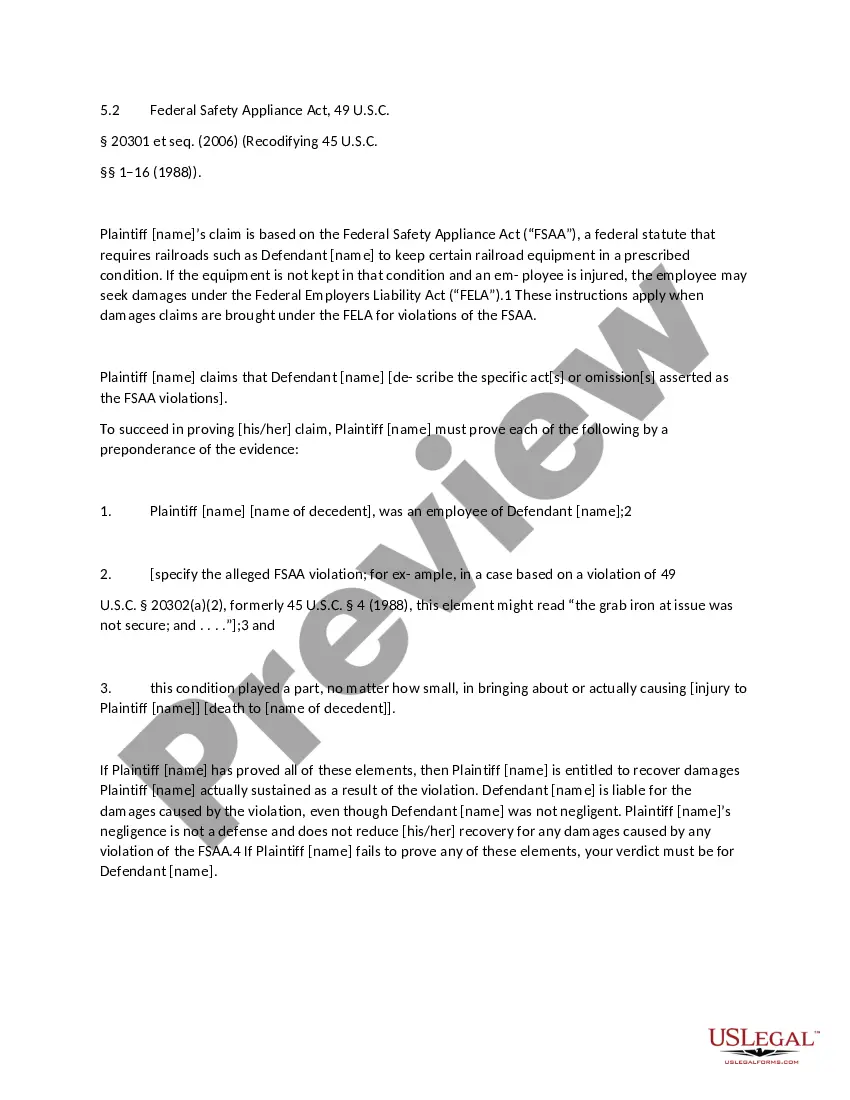
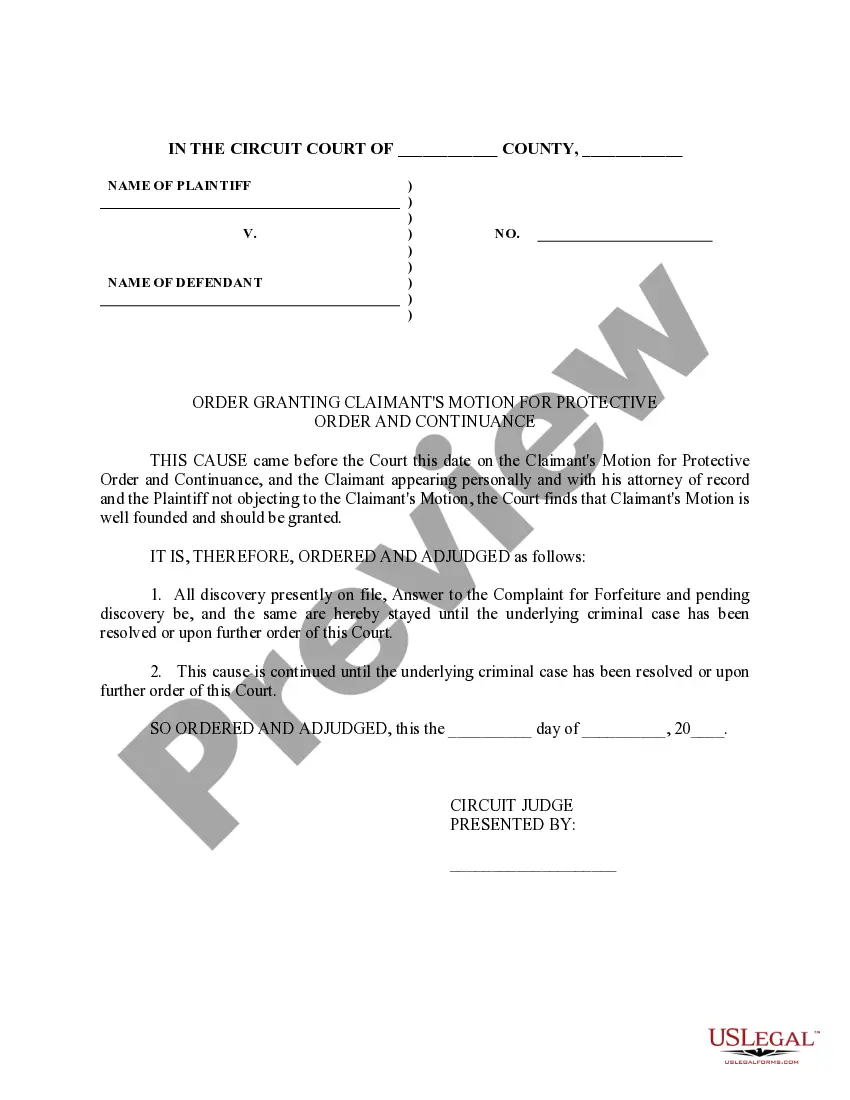
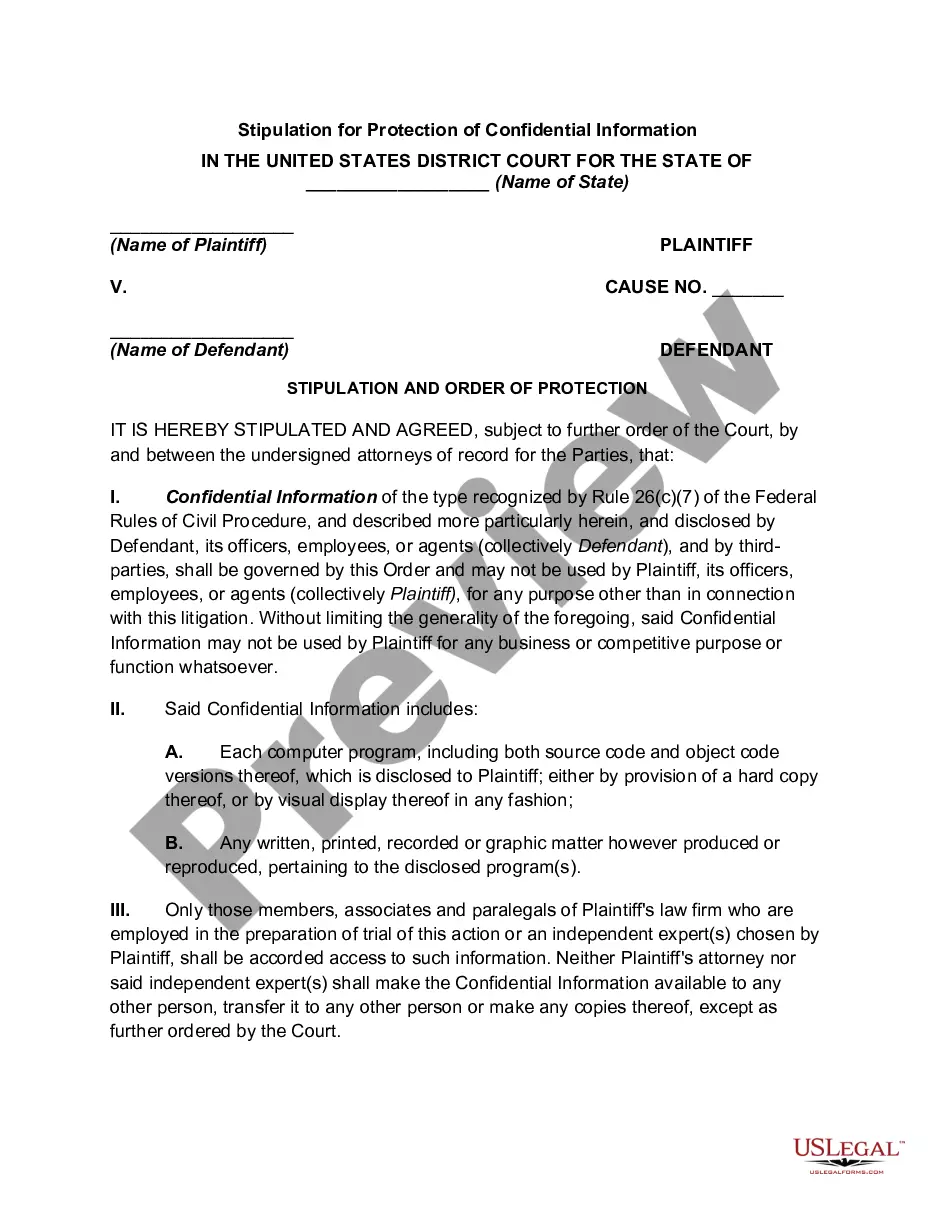
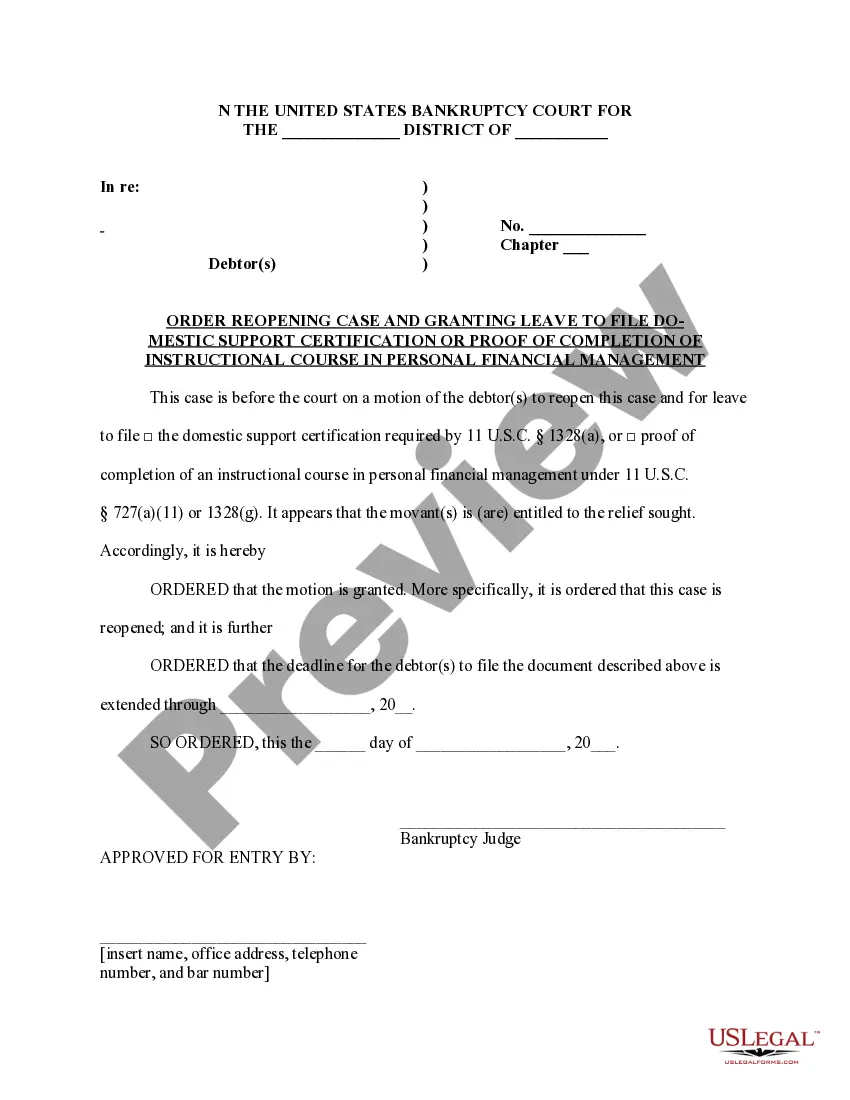
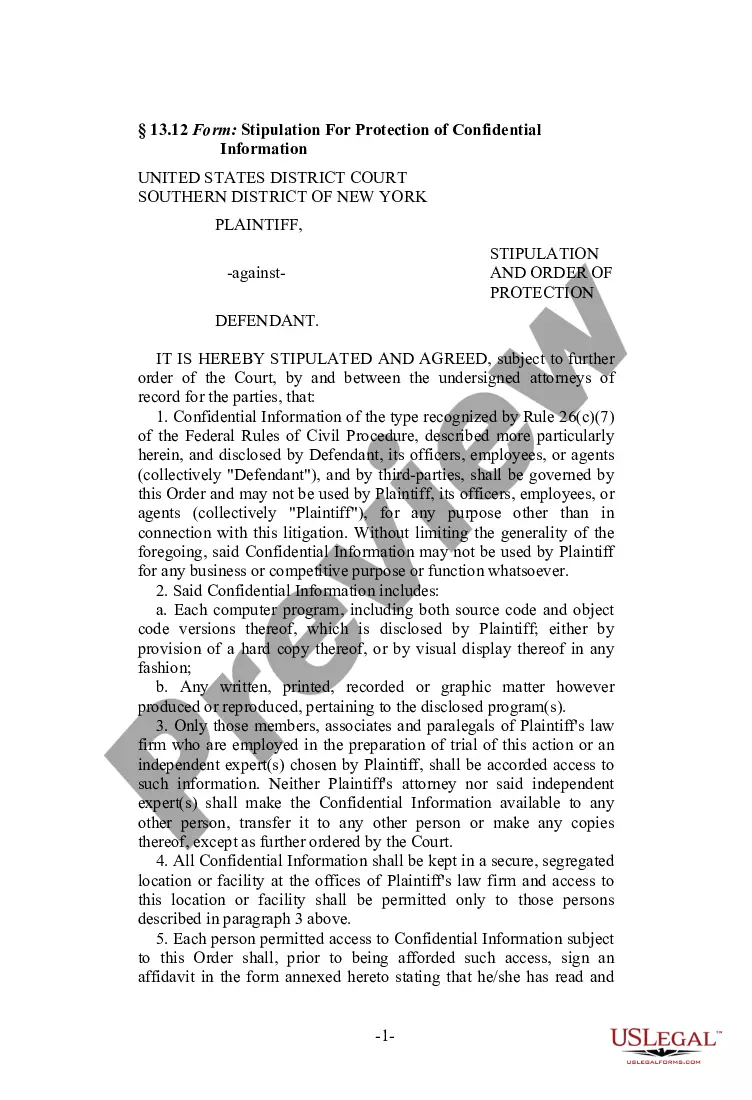
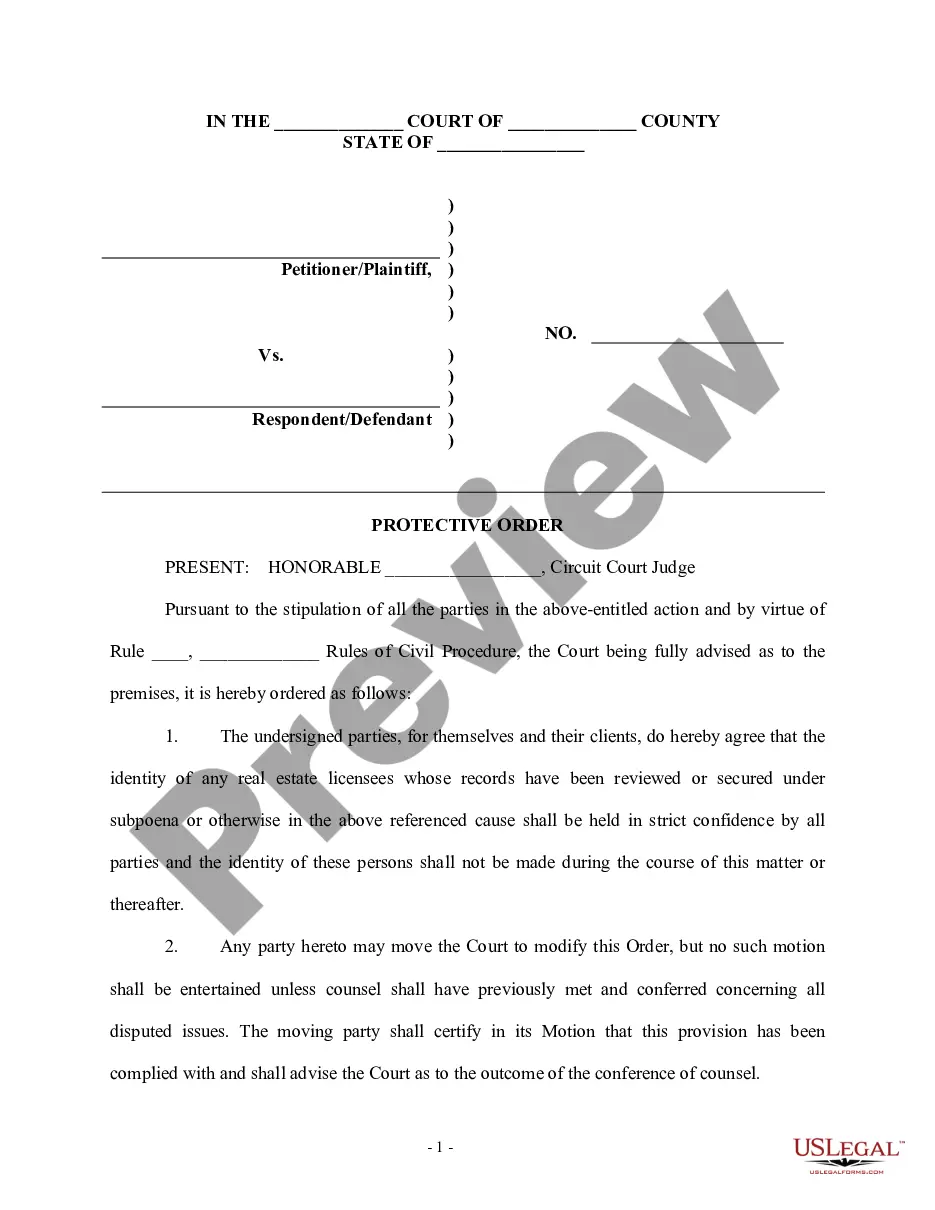
Mississippi Order Granting Protective Order
Description
Get your form ready online
Our built-in tools help you complete, sign, share, and store your documents in one place.
Make edits, fill in missing information, and update formatting in US Legal Forms—just like you would in MS Word.
Download a copy, print it, send it by email, or mail it via USPS—whatever works best for your next step.
Sign and collect signatures with our SignNow integration. Send to multiple recipients, set reminders, and more. Go Premium to unlock E-Sign.
If this form requires notarization, complete it online through a secure video call—no need to meet a notary in person or wait for an appointment.
We protect your documents and personal data by following strict security and privacy standards.

Make edits, fill in missing information, and update formatting in US Legal Forms—just like you would in MS Word.

Download a copy, print it, send it by email, or mail it via USPS—whatever works best for your next step.

Sign and collect signatures with our SignNow integration. Send to multiple recipients, set reminders, and more. Go Premium to unlock E-Sign.

If this form requires notarization, complete it online through a secure video call—no need to meet a notary in person or wait for an appointment.

We protect your documents and personal data by following strict security and privacy standards.
Looking for another form?




How to fill out Order Granting Protective Order?
US Legal Forms - one of the largest repositories of legal documents in the USA - provides a variety of legal document templates that you can download or create. By using the site, you can access thousands of forms for business and personal purposes, organized by categories, states, or keywords. You can find the most recent versions of forms like the Mississippi Order Granting Protective Order in no time.
If you have a subscription, sign in and download the Mississippi Order Granting Protective Order from the US Legal Forms library. The Download button will be visible on each form you view. You can access all previously downloaded forms from the My documents section of your account.
If you are using US Legal Forms for the first time, here are simple steps to help you get started: Make sure you have selected the correct form for your locality/state. Click the Review button to examine the content of the form. Check the form description to ensure that you have selected the right form. If the form does not meet your needs, utilize the Search field at the top of the screen to find one that does. If you are satisfied with the form, confirm your choice by clicking the Get now button. Then, select the pricing plan you prefer and provide your information to create an account. Process the transaction. Use your Visa or Mastercard or PayPal account to finalize the payment. Choose the file format and download the form to your device. Make modifications. Complete, edit, print, and sign the downloaded Mississippi Order Granting Protective Order. Every format you add to your account has no expiration date and belongs to you forever. Therefore, if you wish to download or print another copy, simply visit the My documents section and click on the form you need.
US Legal Forms is a reliable resource for accessing a wide array of legal documents tailored to various needs.
Make the most of your legal documentation process by leveraging the extensive library offered by US Legal Forms.
- Access the Mississippi Order Granting Protective Order with US Legal Forms, one of the most extensive collections of legal document templates.
- Utilize thousands of professional and state-specific templates that cater to your business or personal requirements and needs.
- Ensure that you have chosen the correct form for your local area.
- Review the content of the form before proceeding.
- Confirm your choice and process the transaction using your preferred payment method.
- Download and make necessary edits to the form.
Form popularity
FAQ
If the courts find you guilty, you could face up to a year in county jail and/or a fine of up to $5,000, in addition to probation. The courts could elevate the crime to a Level 6 felony if you have prior convictions for similar offenses, extending jail time to one and a half years.
Expunging a protective order filing entails having the court seal or remove the record of the protective order, effectively erasing its presence from public view. Expungement laws in Indiana have evolved over the years, allowing individuals to seek relief from the lasting impact of unjust protective order filings.
The family law protection order doesn't give you a criminal record. But you can be charged with a criminal offence and get a criminal record if you don't obey the conditions. A family law protection order lasts until the date noted on the order.
The Impacts of a Civil Protection Order And while being the subject of an Indiana protective order is not a criminal offense, it may be used as a reflection of your character in deep background checks. Deep background checks may be used in many situations, revealing a protective order entered against you.
No contact orders are not the same as protective orders. These come about during criminal cases whereas protective orders are civil matters. No contact orders arise when a prosecutor asks a judge to rule that a defendant cannot contact a victim during a domestic battery or another domestic violence case.
In general, a protective order requires the offender to not directly or indirectly contact you and to refrain from threatening, abusing, or harassing you or any member of your household. Yet, the order can and should be based on your specific circumstances.
RESTRAINING ORDER. In Indiana, there is no such thing as a "restraining order." They are called Protective Orders in Indiana. If you have been harmed, have experienced abuse from a family member, household member, or romantic partner, or if you are the target of stalking, then you file for an Indiana Protective Order.
Any person who violates such a protective order by furtively entering the home of any protected party while the party is present, or by entering and remaining in the home of the protected party until the party arrives, is guilty of a Class 6 felony, in addition to any other penalty provided by law.