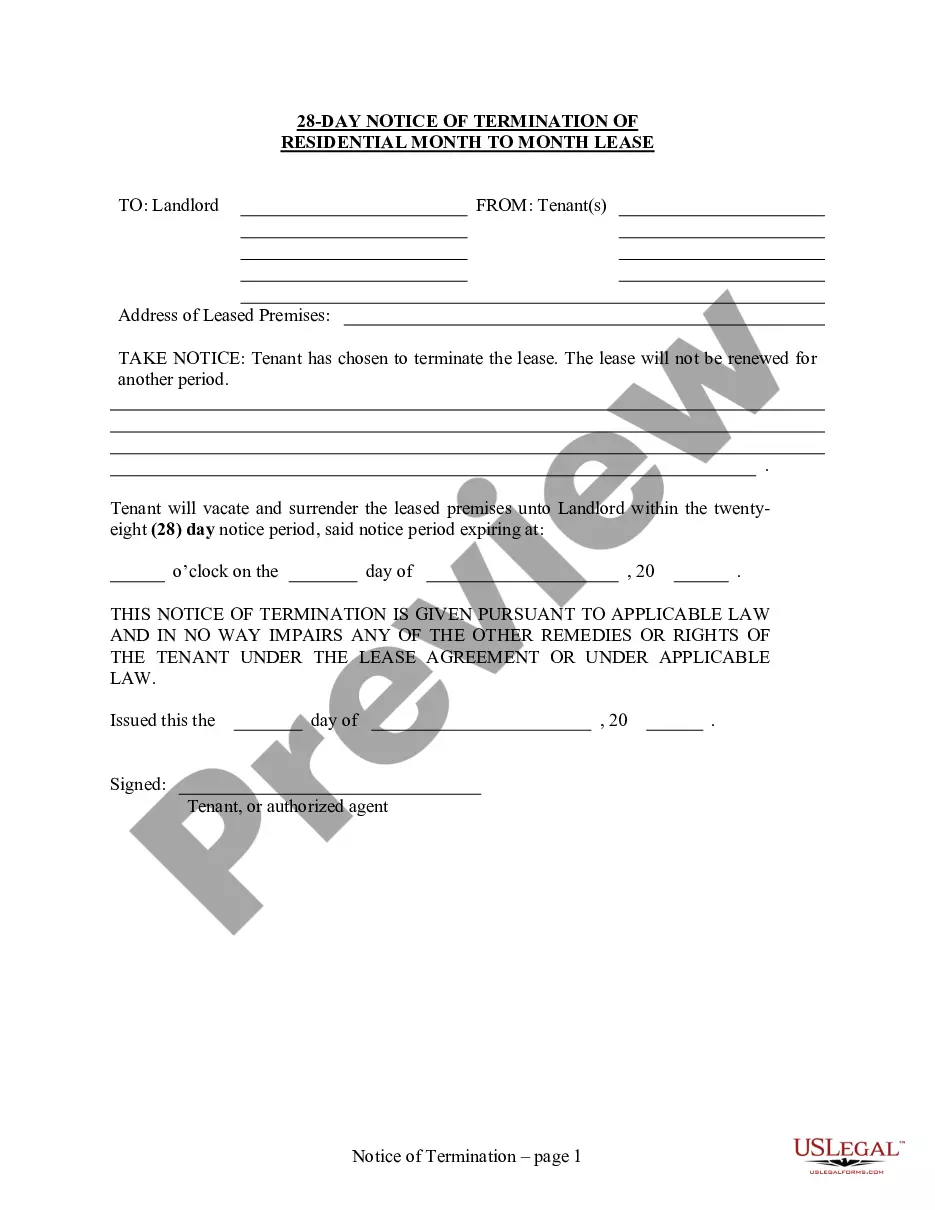
Mississippi Certificate of Authorization for Postmortem Study and Examination or Removal of Tissues or Organs
Understanding this form
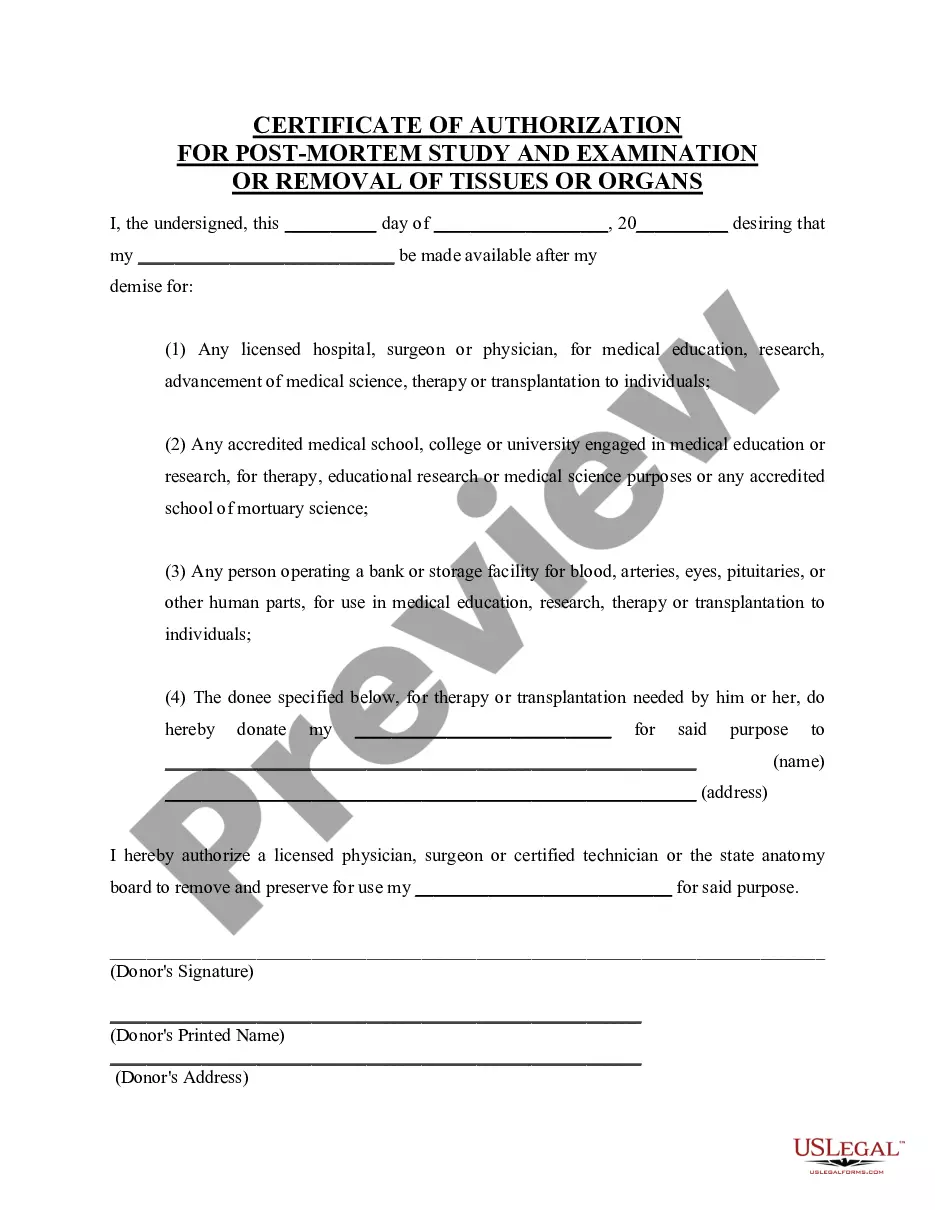
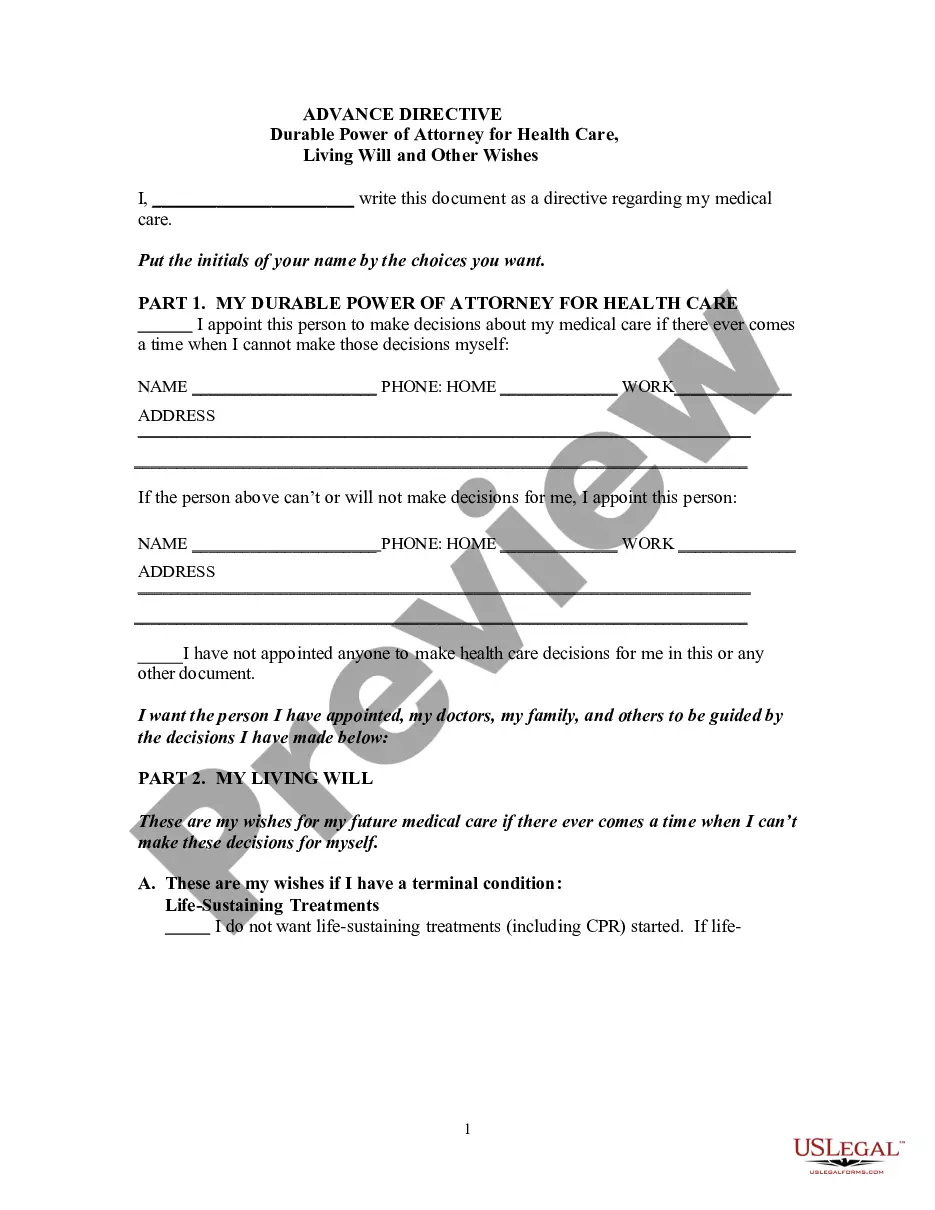
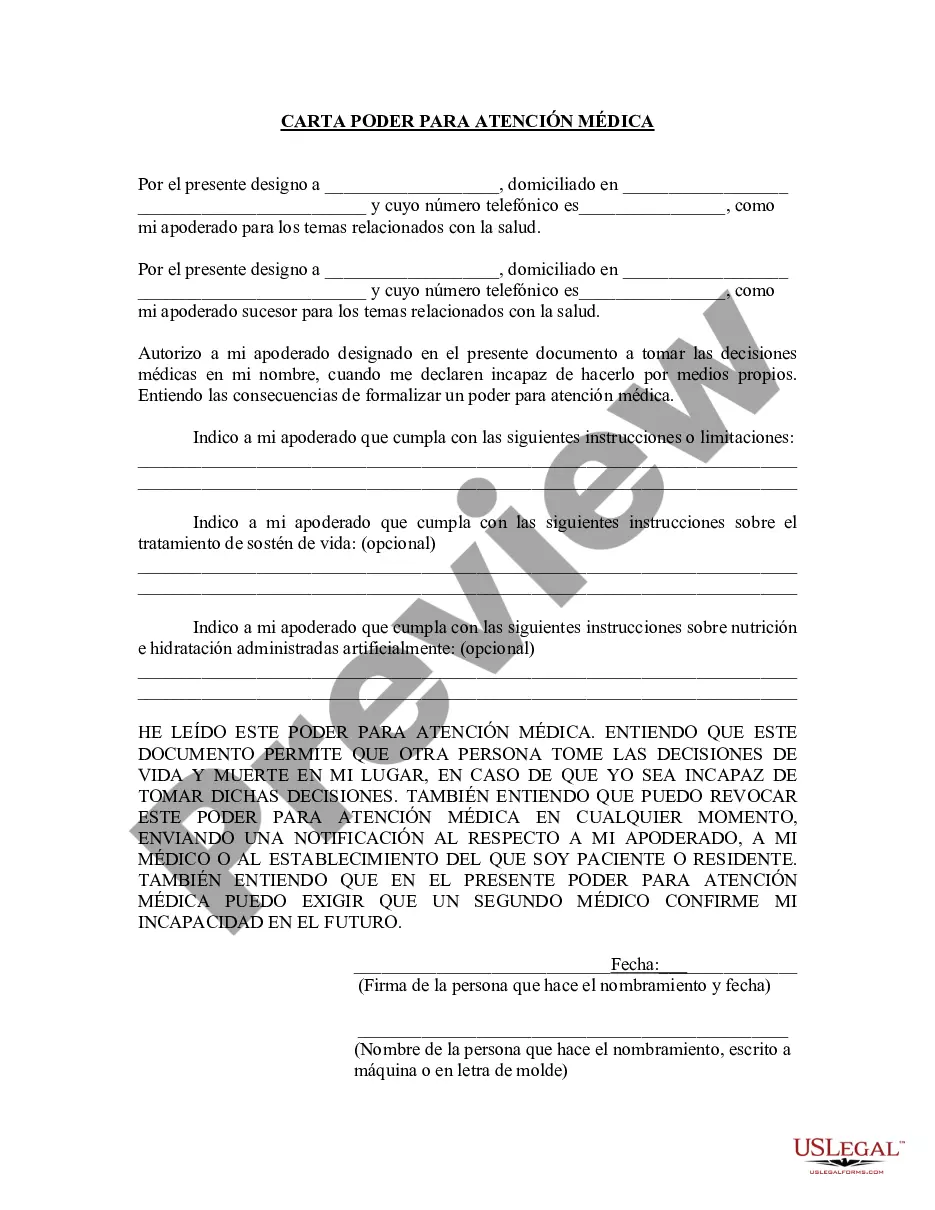
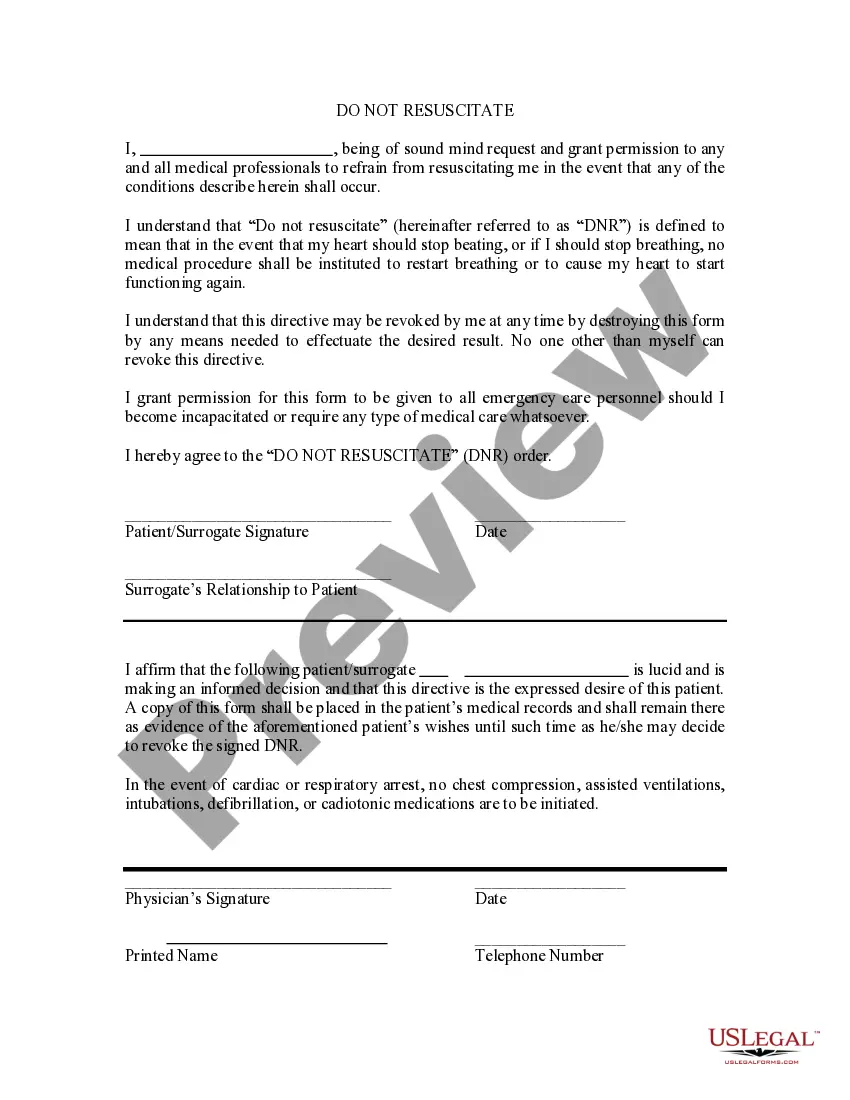
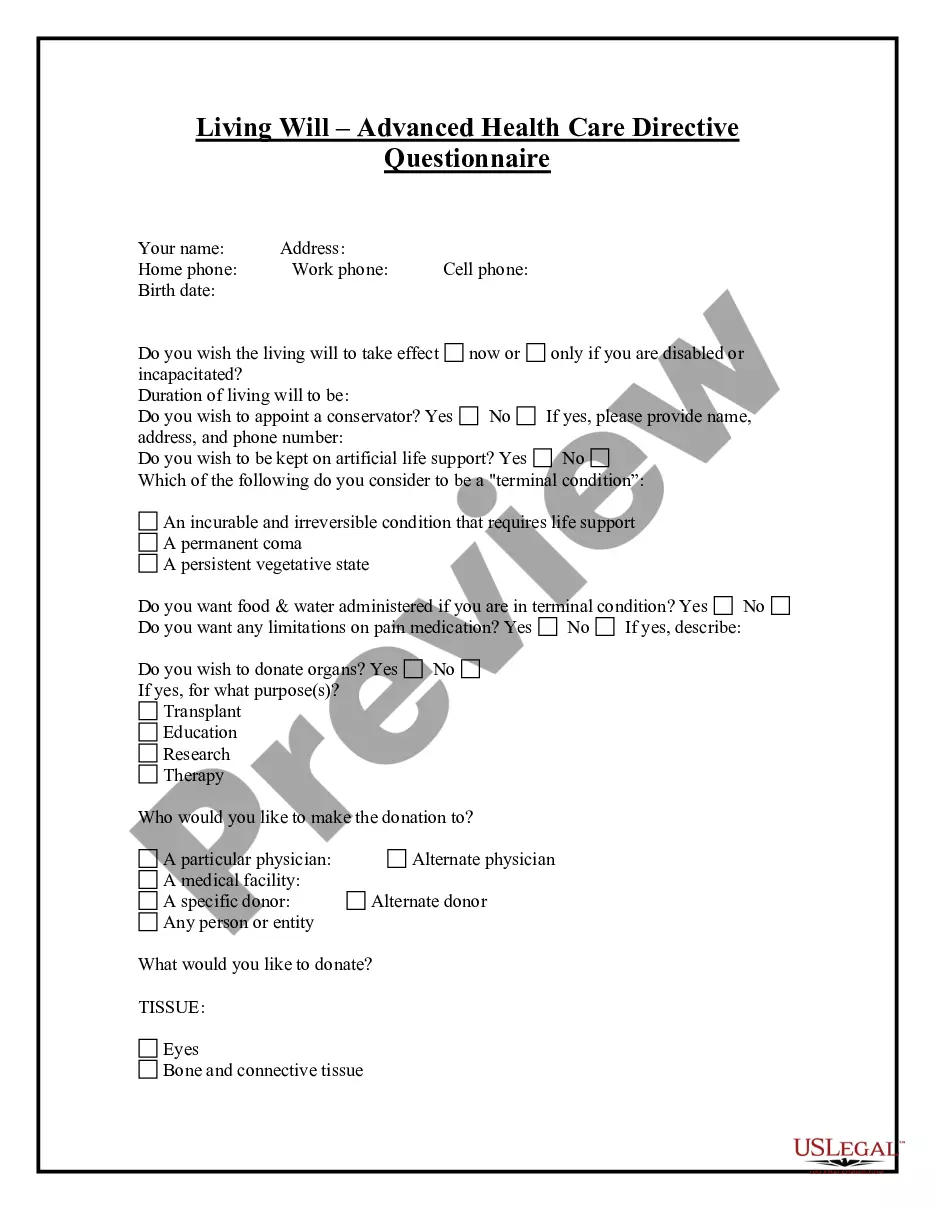
The Certificate of Authorization for Postmortem Study and Examination or Removal of Tissues or Organs is a legal document that allows individuals to designate their anatomical gifts for medical purposes after death. This form enables a donor to authorize the donation of their body parts to hospitals, medical schools, or specific recipients for research, education, therapy, or transplantation. This form is distinct in its focus on postmortem anatomical gifts compared to general wills or other donation forms.
Key parts of this document
- Donor's personal information, including name, address, and contact details.
- Date of authorization by the donor.
- Specification of body parts or organs to be donated.
- Designation of hospitals, medical schools, or individuals authorized to utilize the donations.
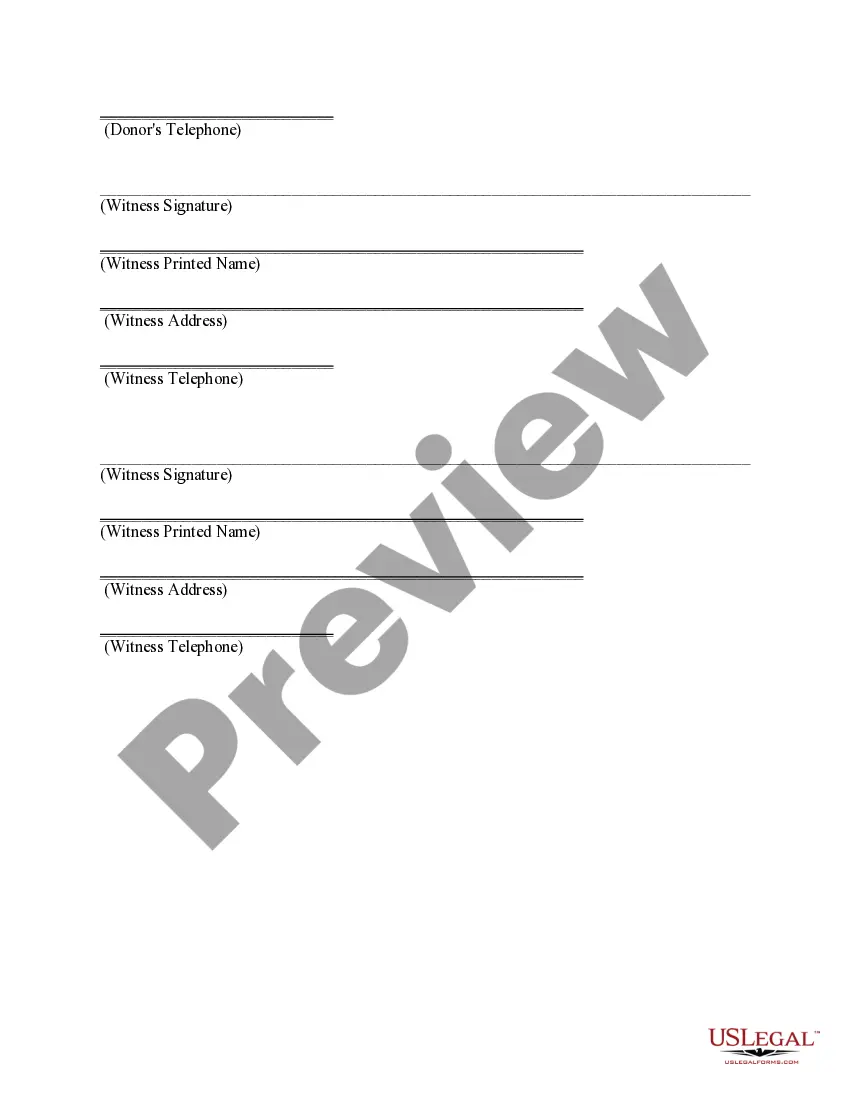
- Signatures of the donor and witnesses, ensuring legal compliance.
When to use this document
This form should be used when an individual wishes to consent to the donation of their tissues or organs after death for medical education, research, therapy, or transplantation. It is particularly important for those who want to ensure their anatomical gifts are utilized effectively in furthering medical science or helping others in need of transplants.
Intended users of this form
- Individuals who want to make an anatomical donation after their death.
- Family members looking to clarify their loved one's wishes regarding body donations.
- Patients undergoing medical procedures who wish to plan for postmortem contributions.
Instructions for completing this form
- Enter the date of completion at the beginning of the form.
- Fill in your full name and the address to establish your identity as the donor.
- Clearly specify which body parts you wish to donate in the appropriate section.
- Designate to whom your donation will be made, including their name and address.
- Sign the document in the presence of witnesses, ensuring they also provide their signatures and contact information.
Notarization requirements for this form
Notarization is generally not required for this form. However, certain states or situations might demand it. You can complete notarization online through US Legal Forms, powered by Notarize, using a verified video call available anytime.
Get your form ready online
Our built-in tools help you complete, sign, share, and store your documents in one place.
Make edits, fill in missing information, and update formatting in US Legal Forms—just like you would in MS Word.
Download a copy, print it, send it by email, or mail it via USPS—whatever works best for your next step.
Sign and collect signatures with our SignNow integration. Send to multiple recipients, set reminders, and more. Go Premium to unlock E-Sign.
If this form requires notarization, complete it online through a secure video call—no need to meet a notary in person or wait for an appointment.
We protect your documents and personal data by following strict security and privacy standards.

Make edits, fill in missing information, and update formatting in US Legal Forms—just like you would in MS Word.

Download a copy, print it, send it by email, or mail it via USPS—whatever works best for your next step.

Sign and collect signatures with our SignNow integration. Send to multiple recipients, set reminders, and more. Go Premium to unlock E-Sign.

If this form requires notarization, complete it online through a secure video call—no need to meet a notary in person or wait for an appointment.

We protect your documents and personal data by following strict security and privacy standards.
Common mistakes
- Failing to sign the form, which renders it invalid.
- Not having the required witnesses present at the time of signing.
- Omitting specific details about the body parts to be donated.
Why use this form online
- Immediate access to a legally valid template tailored to your needs.
- Easy editing capabilities to fill in personal information securely.
- Convenience of completing the form at your own time without visiting legal offices.
Looking for another form?
Form popularity
FAQ
If you submit your own I-751 form, it will take 6-8 months to process; however, if your spouse submits the waiver application, it can take up to 12 months. A waiver application undergoes a more stringent screening process and often requires an interview.
Learn How to Write an I-751 Affidavit. 10-20 photographs of married couple together. Examples could include wedding photos, traveling, special events with family and friends, etc. (You should also hand write the place, names and dates on the back of photos.)
If you submit your own I-751 form, it will take 6-8 months to process; however, if your spouse submits the waiver application, it can take up to 12 months. A waiver application undergoes a more stringent screening process and often requires an interview.
The documents may include, but aren't limited to, the following examples: Birth certificate(s) of child(ren) born to the marriage. Lease or mortgage contracts showing joint occupancy and/or ownership of your communal residence. Financial records showing joint ownership of assets and joint responsibility for liabilities.
The filing fee for Form I-751 is $595. A biometric services fee of $85 is also required for petitioners.
If you are filing your I-751 by yourself You can file your I-751 at any time after you receive conditional residence. This could be the case if your marriage ended due to divorce, annulment, or your sponsoring spouse's death or if you or your children were abused by your spouse.
Information About Your Children of the petition, must submit the following items with Form I-751: 1. Two passport-style photos for each petitioner and dependent, regardless of age. The passport photos must be color photographs.
This change was made because current processing times for Form I-751 have increased over the past year. USCIS is now taking an average of 12 months to adjudicate the removal of conditions application, irrespective of whether the petition was filed jointly or as a waiver of the joint filing requirement.
To remove conditional status, the green card holder and his or her spouse, must file Form I-751, Petition to Remove Conditions on Residence, within 90 days of the expiration of permanent residence, i.e., within 90 days before the second anniversary of when the green card was issued.