Mississippi Attorney's Charging Lien
About this form
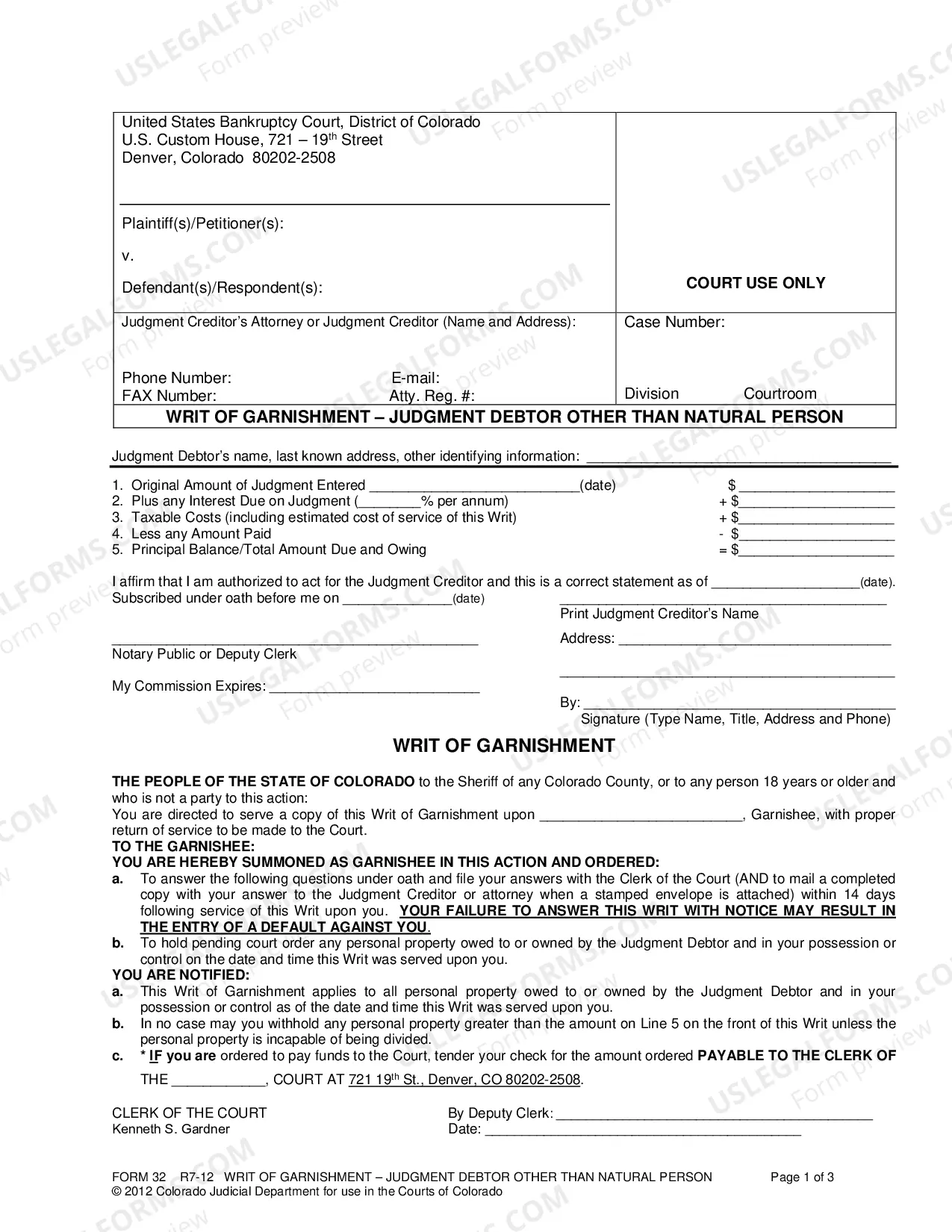
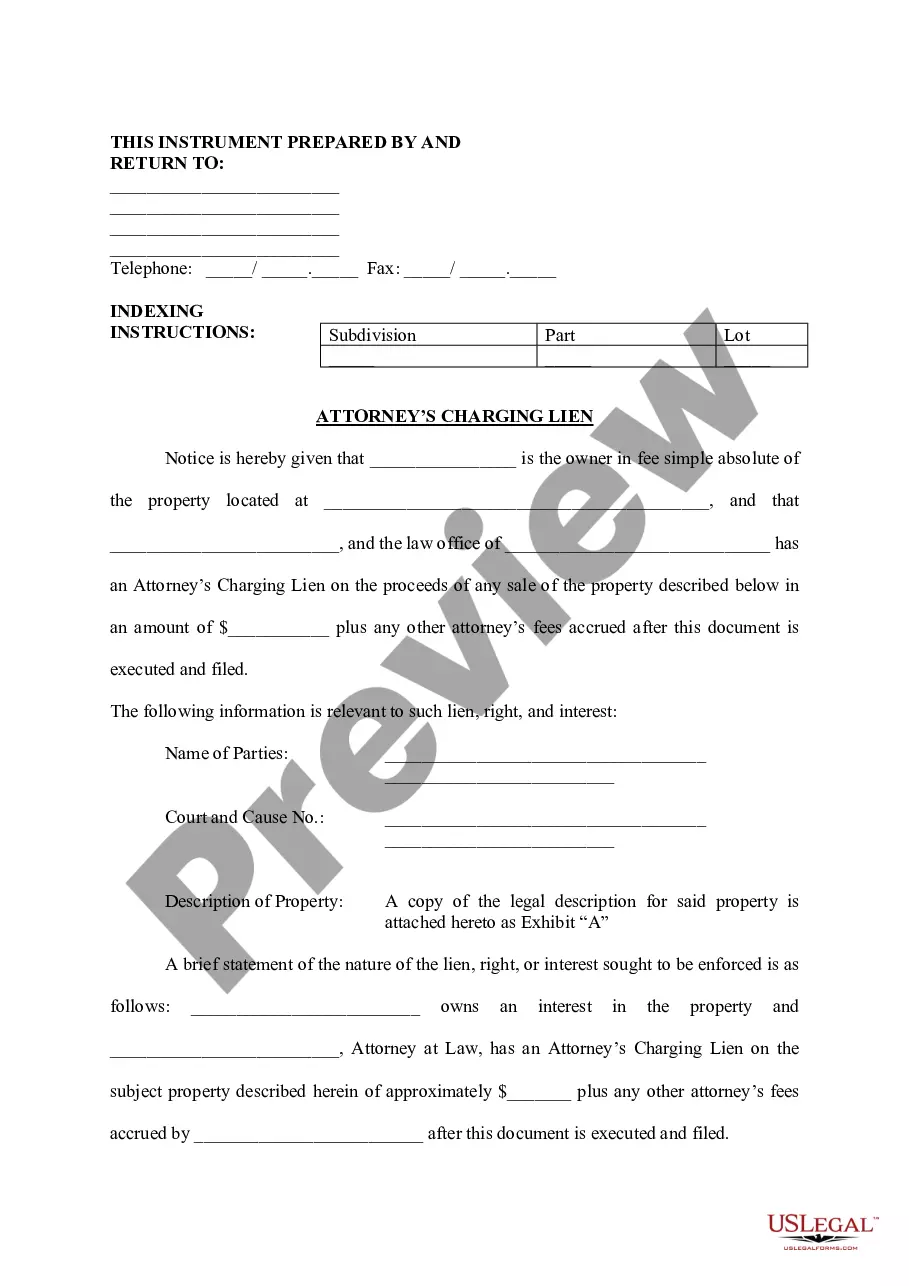
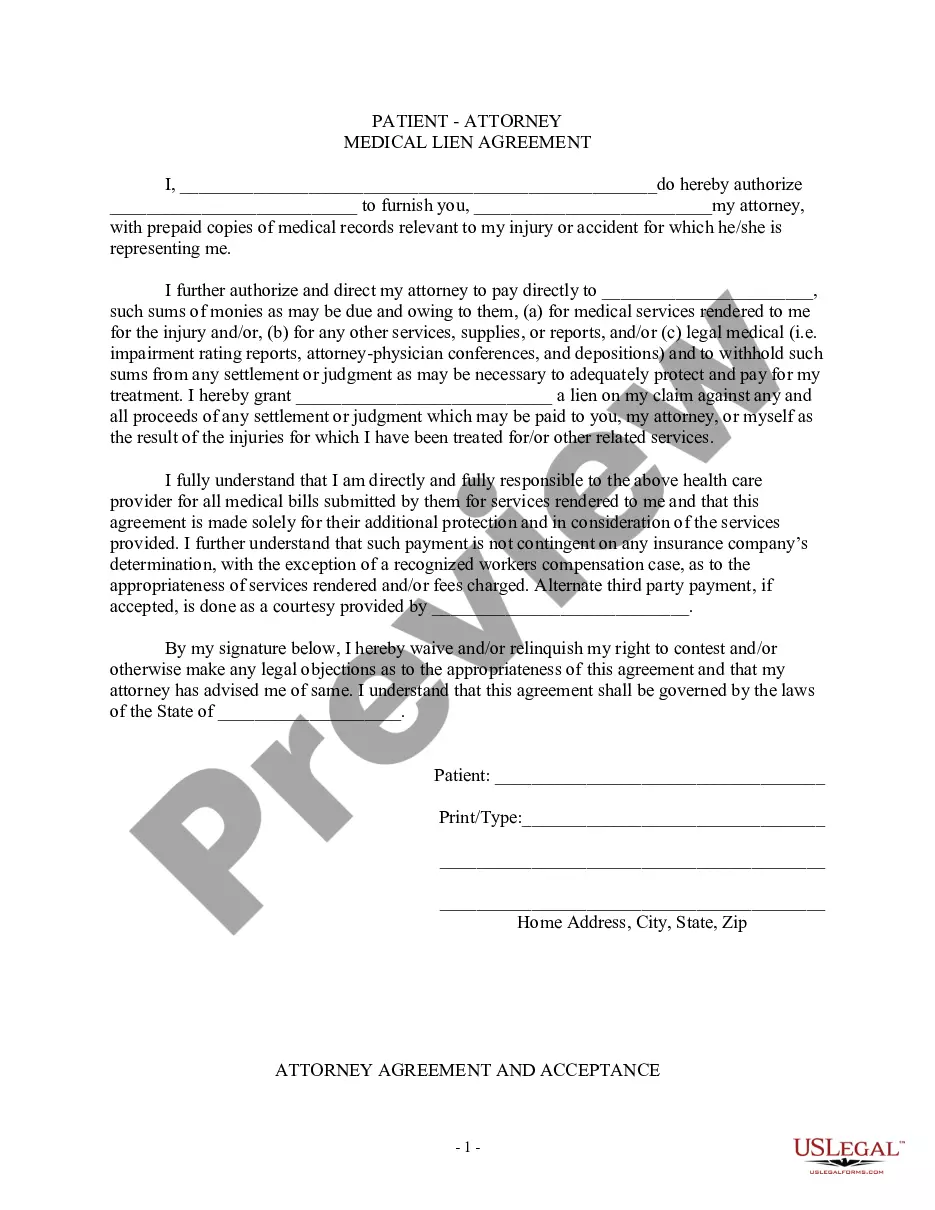
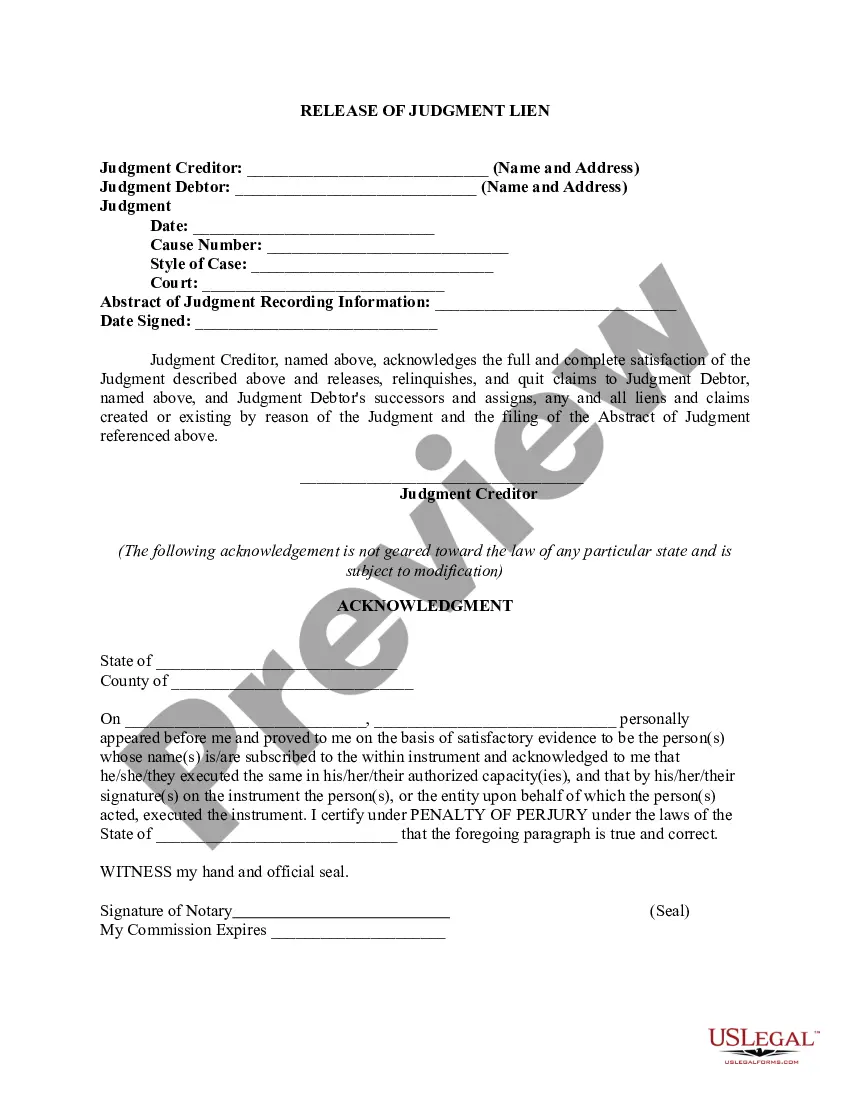
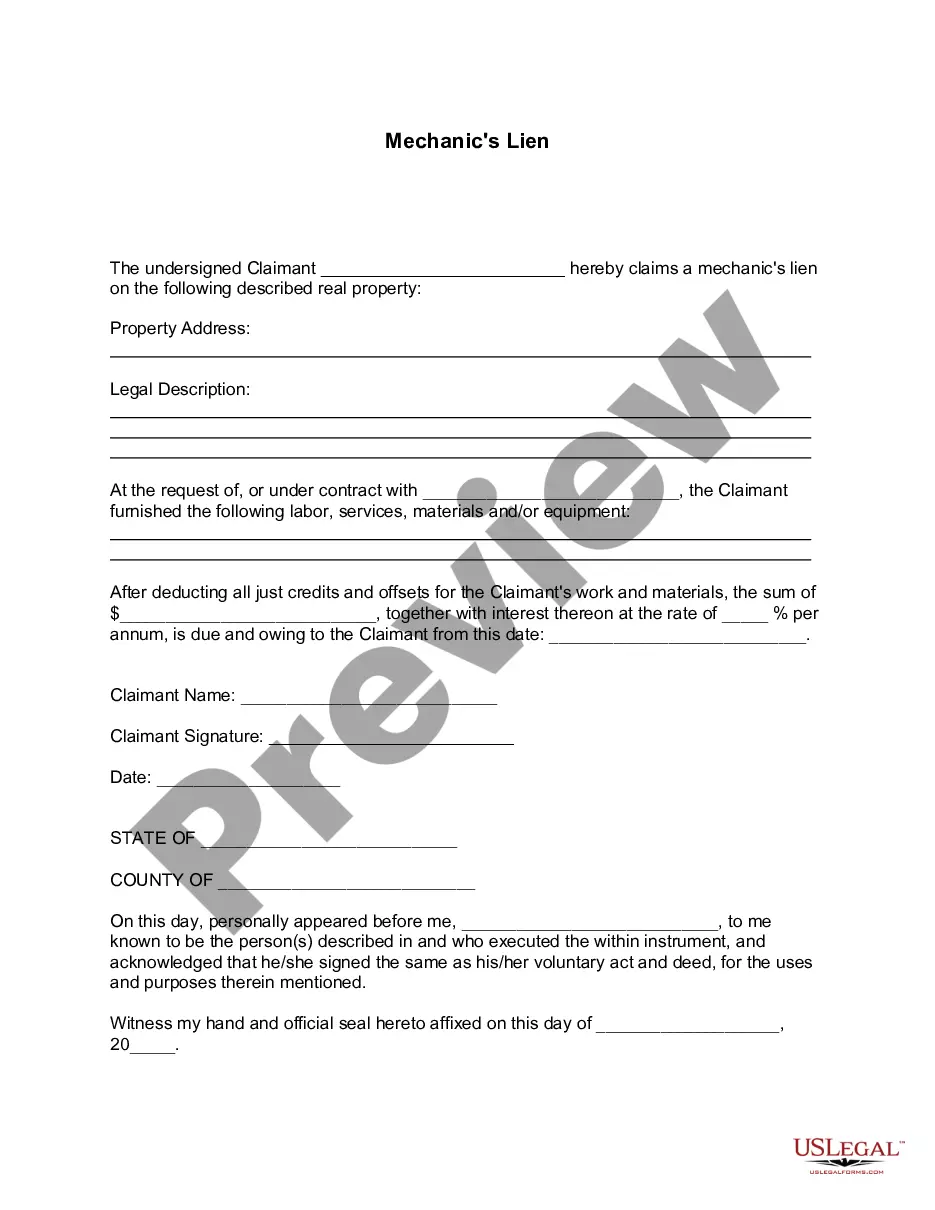
The Attorney's Charging Lien form is a legal document that allows an attorney to place a lien on real property. This lien ensures that the attorney's fees will be paid from the proceeds of any sale of the property. Unlike other liens, this specific form confirms an attorney's right to receive payment for services rendered in connection to the property, making it a vital tool in real estate and legal transactions.
Main sections of this form
- Identification of the property owner and their property details.
- Information about the attorney and their law office.
- Amount owed to the attorney for services, including any additional fees.
- Legal description of the property attached as Exhibit âAâ.
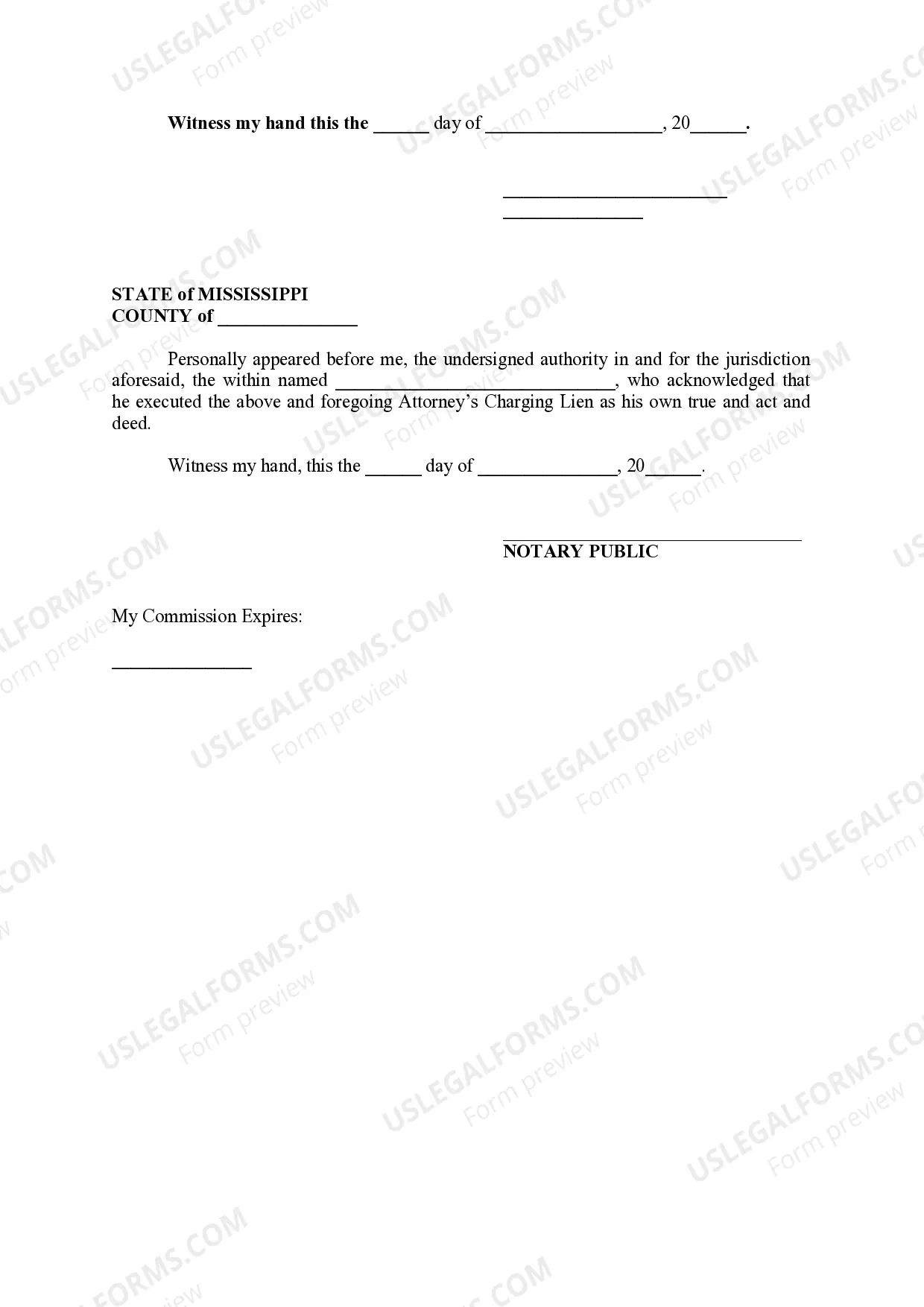
- Witness and notary sections for legal verification.
When to use this document
This form should be used when an attorney has provided services related to a real estate transaction and wishes to secure payment through a lien on the property. It is commonly utilized in situations where an attorney anticipates that the sale of the property will occur and wants to ensure that their fees are paid from the sale proceeds before any funds are distributed to the property owner.
Who can use this document
This form is intended for:
- Attorneys who have represented clients in real estate matters.
- Property owners who have agreed to pay attorney fees from the sale of their property.
- Legal firms that need to document and enforce payment for services related to real estate transactions.
Steps to complete this form
- Identify the property owner and provide their name and contact details.
- Fill in the property description, ensuring to attach the legal description as Exhibit âA.â
- Specify the attorney's name and the law office details.
- Enter the amount owed for attorney's fees along with any additional anticipated charges.
- Sign and date the form in the presence of a notary public.
Does this document require notarization?
Yes, this form must be notarized to be legally valid. The notary public serves to verify the identity of the signers and the authenticity of the document, ensuring it meets legal standards. US Legal Forms offers integrated online notarization services that are available 24/7, making it easy to have your document notarized securely and without the need to travel.
Get your form ready online
Our built-in tools help you complete, sign, share, and store your documents in one place.
Make edits, fill in missing information, and update formatting in US Legal Forms—just like you would in MS Word.
Download a copy, print it, send it by email, or mail it via USPS—whatever works best for your next step.
Sign and collect signatures with our SignNow integration. Send to multiple recipients, set reminders, and more. Go Premium to unlock E-Sign.
If this form requires notarization, complete it online through a secure video call—no need to meet a notary in person or wait for an appointment.
We protect your documents and personal data by following strict security and privacy standards.

Make edits, fill in missing information, and update formatting in US Legal Forms—just like you would in MS Word.

Download a copy, print it, send it by email, or mail it via USPS—whatever works best for your next step.

Sign and collect signatures with our SignNow integration. Send to multiple recipients, set reminders, and more. Go Premium to unlock E-Sign.

If this form requires notarization, complete it online through a secure video call—no need to meet a notary in person or wait for an appointment.

We protect your documents and personal data by following strict security and privacy standards.
Avoid these common issues
- Failing to include the complete legal description of the property.
- Neglecting to have the form notarized when required.
- Leaving out the amount of attorney's fees or not specifying additional charges.
- Inaccurate identification of parties involved in the transaction.
Benefits of completing this form online
- Convenience of downloading and completing the form anytime, anywhere.
- Editable documents that allow users to customize fields easily.
- Access to legal forms that are reviewed and drafted by licensed attorneys.
- Speedy distribution to all necessary parties after completion.
Looking for another form?

Form popularity
FAQ
Voluntary and Involuntary Liens. Creditors, such as a mortgage or car lender, can ask borrowers to put up the purchased property as collateral as part of the condition of the loan. Creditors With Involuntary Liens. Judgment Liens. Other Types of Involuntary Liens.
The lien gives the creditor an interest in your property so that it can get paid for the debt you owe. If you sell the property, the creditor will be paid first before you receive any proceeds from the sale. And in some cases, the lien gives the creditor the right to force a sale of your property in order to get paid.
Lien. n. any official claim or charge against property or funds for payment of a debt or an amount owed for services rendered. A lien is usually a formal document signed by the party to whom money is owed and sometimes by the debtor who agrees to the amount due.
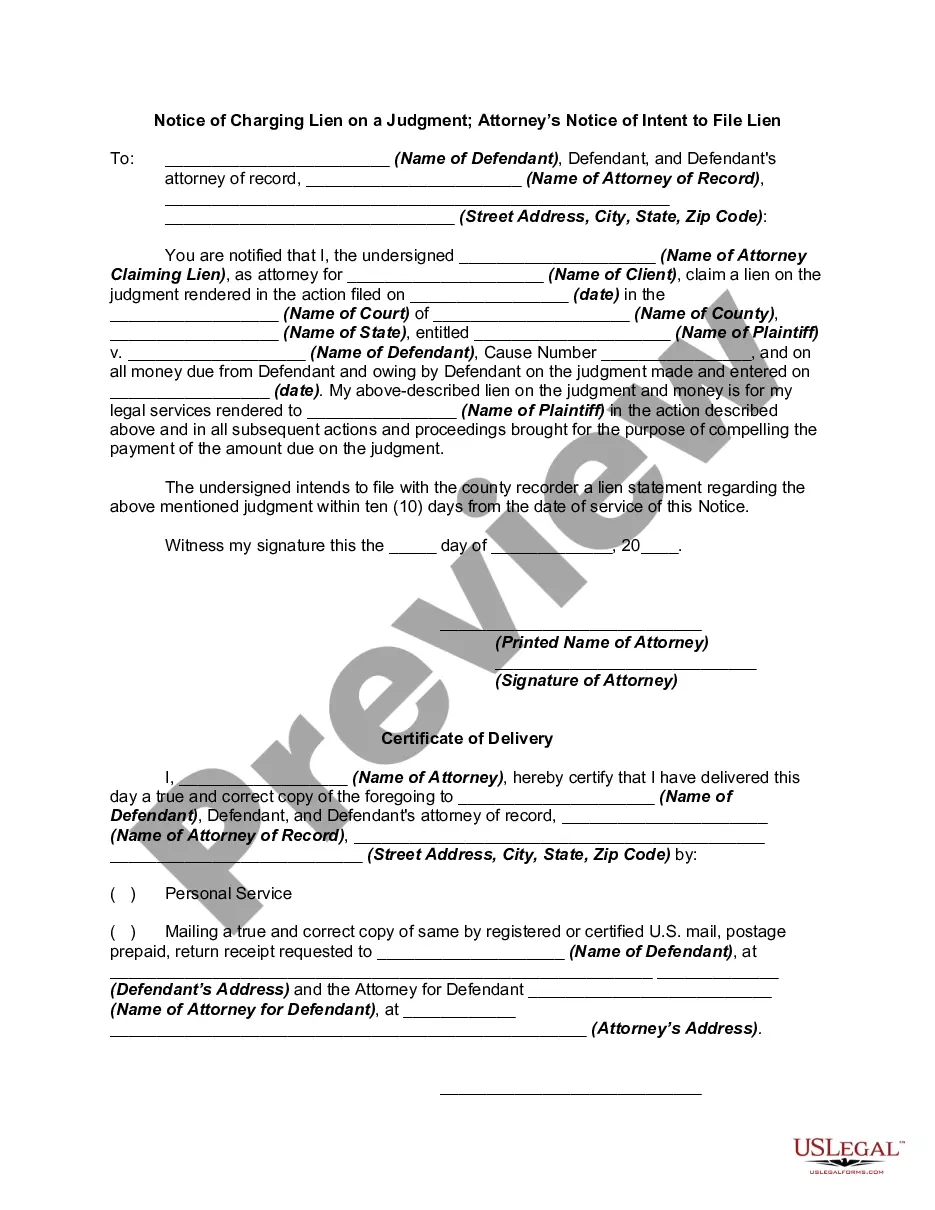
A type of attorney's lien under which a lawyer acquires an interest in a judgment awarded to the client. This may mean that the lawyer can eventually claim a portion of any money paid to the client due to the judgment. The lien arises because the client's failure to pay for legal services. See Retaining lien (compare).
An involuntary lien is a lien arising without the owner of the property's consent. Whether it's a judgment lien (when the homeowner loses a court case and cannot afford to pay the settlement), a tax lien (when they couldn't afford their taxes), or a mechanic's lien (when they didn't pay for work on the house)2026.
The right of a lawyer to hold a client's property until the client pays for legal services provided. The property may include business files, official documents, and money awarded by a court.
The attorney may retain the papers until the claims are satisfied and may apply the money to the satisfaction of the claims." An attorney's potential lien on property is set forth by a later subsection, but limits the lien on real property to instances in which there was an action "for the recovery of real or
Can a lien be placed on your property without you knowing? Yes, it happens. Sometimes a court decision or settlement results in a lien being placed on a property, and for some reason the owner doesn't know about it initially.
How Liens Work. A lien provides a creditor with the legal right to seize and sell the collateral property or asset of a borrower who fails to meet the obligations of a loan or contract. The property that is the subject of a lien cannot be sold by the owner without the consent of the lien holder.