Colorado Codicil to Will Form for Amending Your Will - Will Changes or Amendments
What this document covers
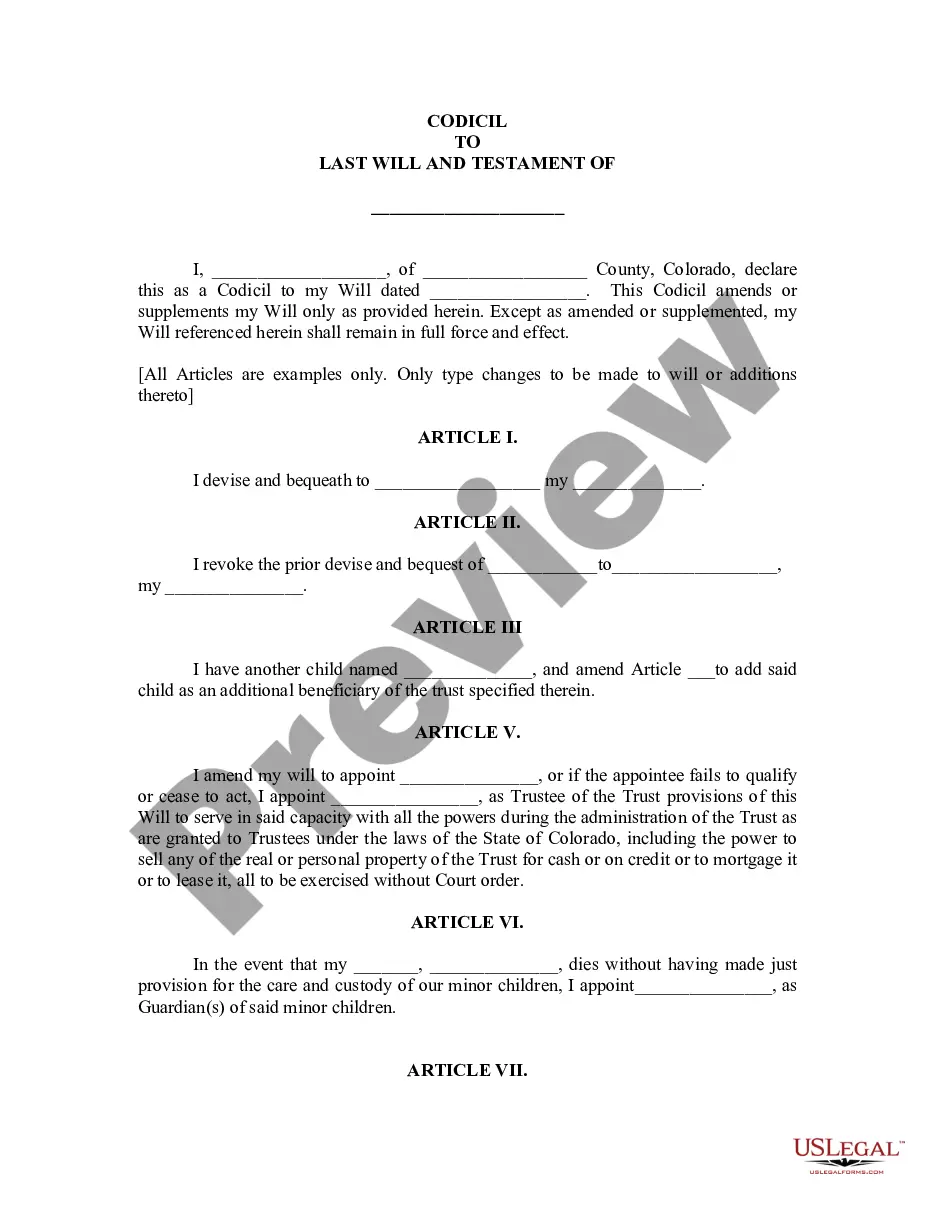
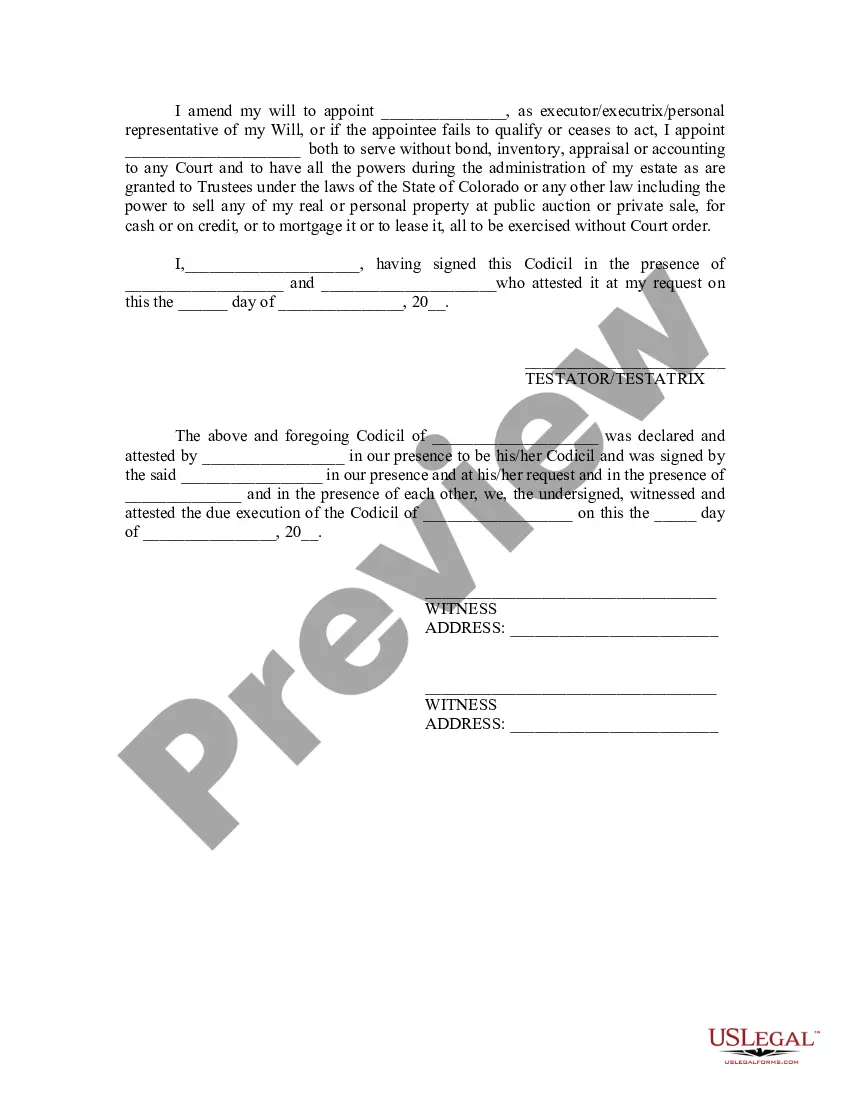
The Colorado Codicil to Will form is a legal document that allows you to amend your existing will without creating a new one. This codicil alters the provisions of your will while ensuring that the original document remains valid, except for the changes made. It includes the necessary execution and attestation clauses mandated by Colorado law, making it a straightforward solution for updating your testamentary wishes.
What’s included in this form
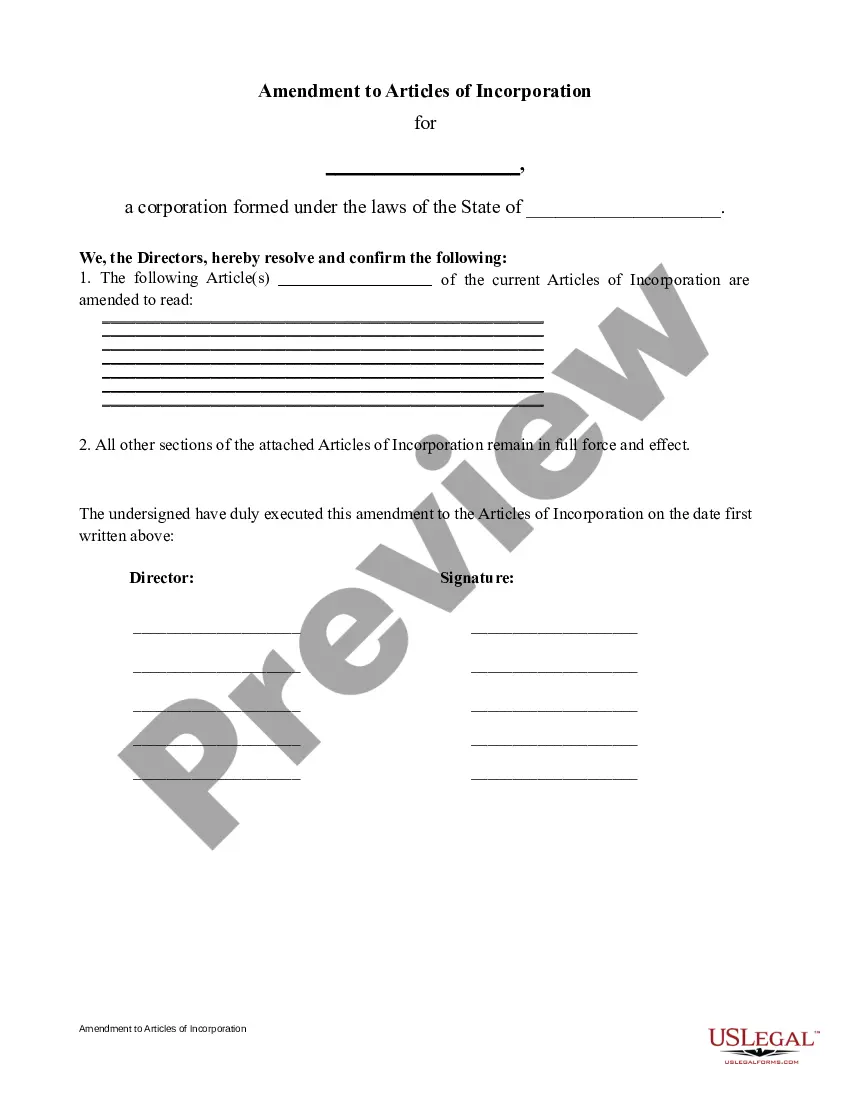
- Identification of the testator and original will date.
- Provisions for amending specific bequests and devises.
- Appointment of trustees, guardians, and personal representatives.
- Signature lines for the testator and witnesses.
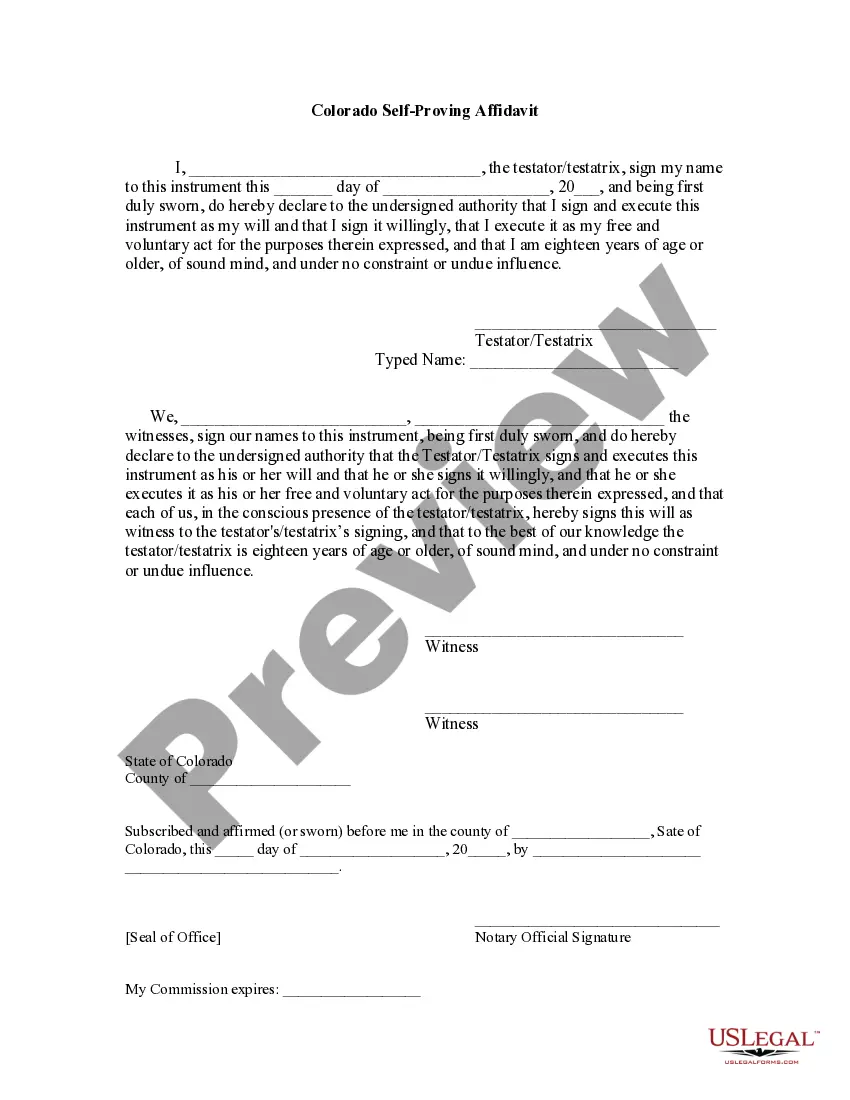
- Self-proving affidavit section for added validity.
Common use cases
This form is particularly useful when you need to make minor adjustments to your will, such as adding or removing beneficiaries, changing executors, or updating guardianship provisions for minor children. If your situation changes, such as getting married, having a child, or modifying your estate significantly, it is advisable to use this codicil to ensure your will reflects your current intentions.
Who needs this form
This form is intended for individuals who have a previously created will and want to make amendments without starting over. It is suitable for:
- People who have experienced changes in their personal or financial situation.
- Individuals who wish to add new beneficiaries or alter existing bequests.
- Testators seeking to adjust their estate plans efficiently.
Steps to complete this form
- Enter your name and the date of your original will at the start of the codicil.
- Identify specific articles you wish to amend, including any new bequests.
- Add names for trustees and guardians as necessary.
- Sign the document in the presence of at least two witnesses.
- Complete the self-proving affidavit to enhance the enforceability of your will in court.
Does this document require notarization?
Notarization is required for this form to take effect. Our online notarization service, powered by Notarize, lets you verify and sign documents remotely through an encrypted video session, available 24/7.
Get your form ready online
Our built-in tools help you complete, sign, share, and store your documents in one place.
Make edits, fill in missing information, and update formatting in US Legal Forms—just like you would in MS Word.
Download a copy, print it, send it by email, or mail it via USPS—whatever works best for your next step.
Sign and collect signatures with our SignNow integration. Send to multiple recipients, set reminders, and more. Go Premium to unlock E-Sign.
If this form requires notarization, complete it online through a secure video call—no need to meet a notary in person or wait for an appointment.
We protect your documents and personal data by following strict security and privacy standards.

Make edits, fill in missing information, and update formatting in US Legal Forms—just like you would in MS Word.

Download a copy, print it, send it by email, or mail it via USPS—whatever works best for your next step.

Sign and collect signatures with our SignNow integration. Send to multiple recipients, set reminders, and more. Go Premium to unlock E-Sign.

If this form requires notarization, complete it online through a secure video call—no need to meet a notary in person or wait for an appointment.

We protect your documents and personal data by following strict security and privacy standards.
Common mistakes
- Failing to properly witness the signing of the codicil.
- Not including the date of the original will.
- Neglecting to clarify specific changes made to the will.
- Using ambiguous language that may lead to misinterpretation.
Advantages of online completion
- Convenience of accessing and downloading the form at your own pace.
- Editability allows you to customize the document to fit your needs.
- Reliability of templates drafted by licensed attorneys.
- Quick reference for state-specific legal requirements.
Looking for another form?
Form popularity
FAQ
The Colorado Codicil to Will Form is a legal template you use to amend an existing will without drafting a new one. It adjusts specific bequests, devise provisions, and related appointments while keeping the rest of the original will intact. It includes the required execution, attestation clauses, and a self-proving affidavit to support validity under Colorado law.
Yes, you can download the Colorado Codicil to Will Form for Amending Your Will online. It’s a fill-in template you complete, then print and sign with witnesses in Colorado. The form may also include a self-proving affidavit to streamline validity and ensure changes are attached to the original will.
Yes. A codicil amends a will by modifying specific provisions without replacing the entire document. The Colorado Codicil to Will Form lets you adjust bequests, devise terms, and appointments while leaving the rest of the will intact. It includes testator and witness signatures and a self-proving affidavit to support validity under Colorado law.
Colorado requires a codicil to be properly signed by the testator and witnessed, with an attestation clause. This form includes those execution provisions and a self-proving affidavit to streamline validity. It also requires identifying the testator and the original will date to link the codicil to the correct will.
Yes, you can use this fill-in Colorado Codicil to Will Form to amend your will without a lawyer, provided you follow Colorado execution requirements—signing with witnesses and, optionally, using the self-proving affidavit. For complex changes or questions about your total estate, consulting a licensed attorney is advisable.
This form is designed to amend an existing will, not replace it. It identifies the testator and the original will date and focuses on changing only specific bequests, devises, or appointments, while the rest of the will stays in effect. It includes Colorado-mandated execution and attestation clauses and a self-proving affidavit to validate the codicil.