Mississippi Motion to Dismiss Fault Grounds
What is this form?
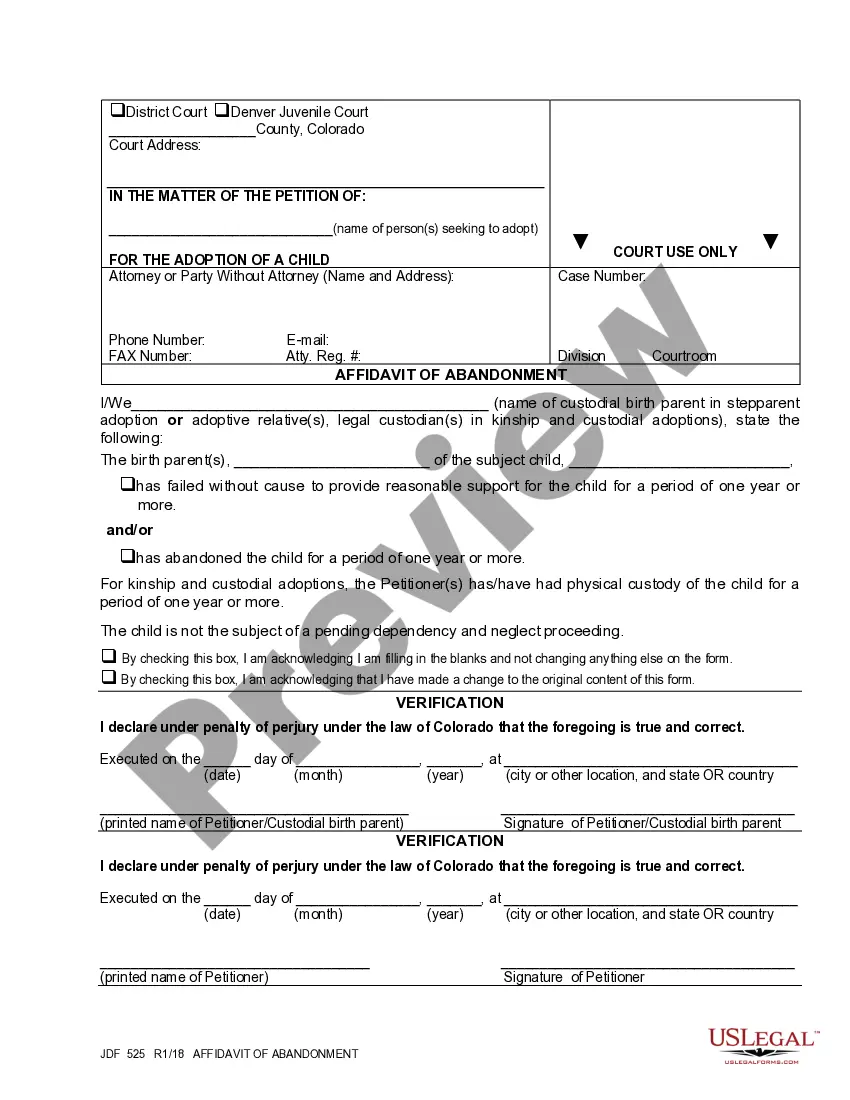
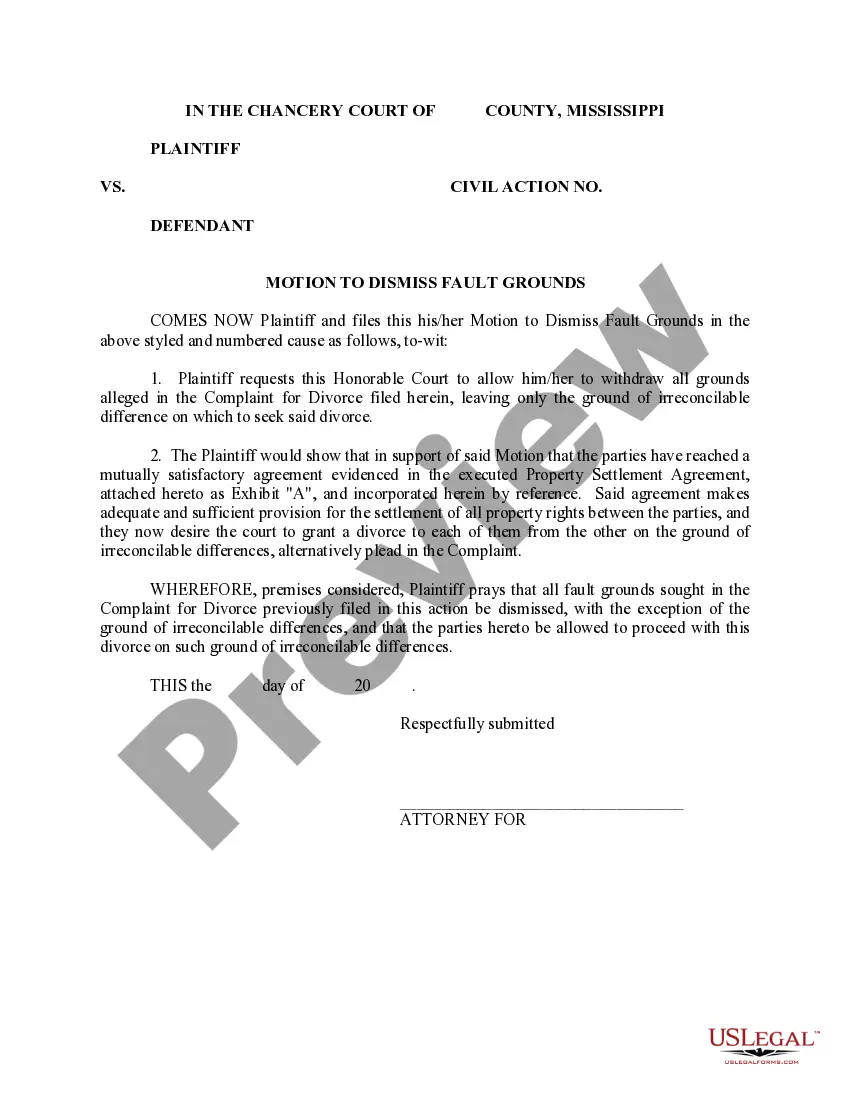
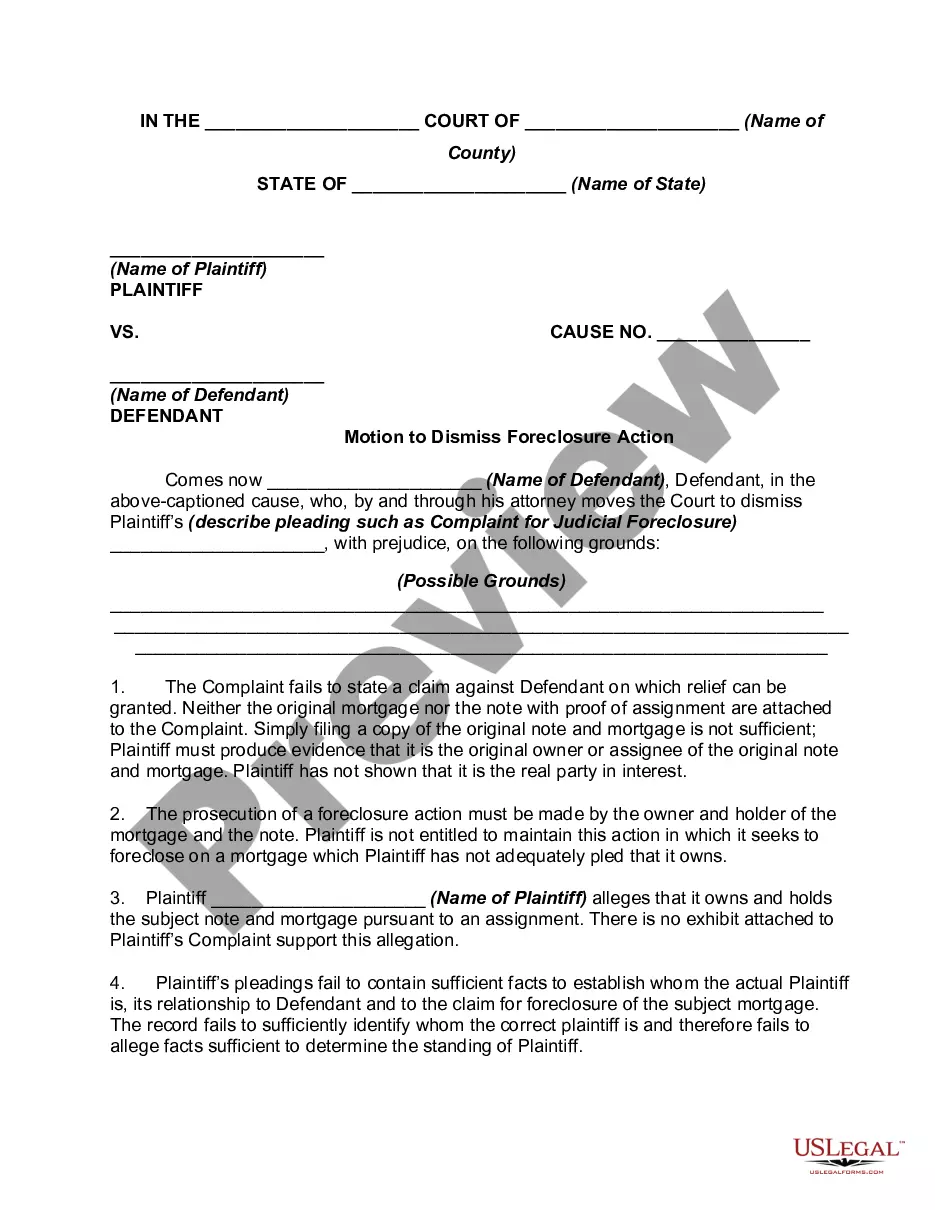
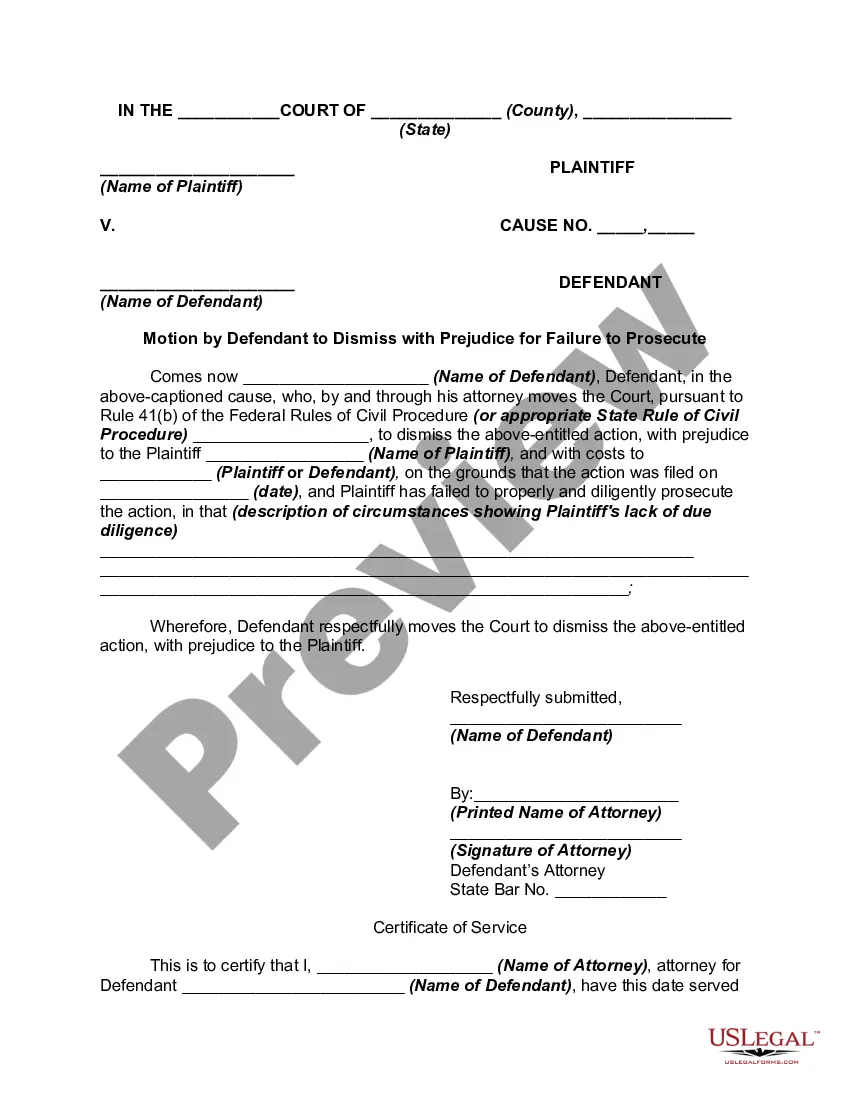
The Motion to Dismiss Fault Grounds is a legal document used to formally request the court to dismiss specific grounds for divorce that are cited in a complaint. By submitting this motion, the plaintiff seeks to withdraw fault-based allegations, leaving only the ground of irreconcilable differences. This form is vital for individuals who wish to simplify their divorce process by eliminating unnecessary fault claims and focusing on mutually agreed terms.
Form components explained
- Request to withdraw fault grounds from divorce complaint.
- Reference to a mutually satisfactory Property Settlement Agreement.
- Identification of irreconcilable differences as the sole ground for divorce.
- Incorporation of the Property Settlement Agreement as an exhibit.
When to use this document
This form is typically used when parties in a divorce have reached an agreement on their property and wish to proceed with a divorce based solely on irreconcilable differences. If you have filed for divorce but wish to simplify the proceedings by removing fault-based allegations, this motion will be appropriate to file with the court.
Intended users of this form
- Divorcing individuals seeking to retract fault grounds for divorce.
- Parties who have mutually agreed on terms of their property settlement.
- Anyone looking to expedite their divorce by focusing solely on irreconcilable differences.
How to complete this form
- Identify the plaintiff and defendant in the case.
- Clearly state the request to withdraw existing fault grounds from the divorce complaint.
- Attach the Property Settlement Agreement as an exhibit.
- Specify that irreconcilable differences will remain as the basis for the divorce.
- Review and sign the motion before submitting it to the court.
Does this document require notarization?
In most cases, this form does not require notarization. However, some jurisdictions or signing circumstances might. US Legal Forms offers online notarization powered by Notarize, accessible 24/7 for a quick, remote process.
Get your form ready online
Our built-in tools help you complete, sign, share, and store your documents in one place.
Make edits, fill in missing information, and update formatting in US Legal Forms—just like you would in MS Word.
Download a copy, print it, send it by email, or mail it via USPS—whatever works best for your next step.
Sign and collect signatures with our SignNow integration. Send to multiple recipients, set reminders, and more. Go Premium to unlock E-Sign.
If this form requires notarization, complete it online through a secure video call—no need to meet a notary in person or wait for an appointment.
We protect your documents and personal data by following strict security and privacy standards.

Make edits, fill in missing information, and update formatting in US Legal Forms—just like you would in MS Word.

Download a copy, print it, send it by email, or mail it via USPS—whatever works best for your next step.

Sign and collect signatures with our SignNow integration. Send to multiple recipients, set reminders, and more. Go Premium to unlock E-Sign.

If this form requires notarization, complete it online through a secure video call—no need to meet a notary in person or wait for an appointment.

We protect your documents and personal data by following strict security and privacy standards.
Typical mistakes to avoid
- Failing to attach the Property Settlement Agreement as an exhibit.
- Not clearly stating the request to withdraw specific fault grounds.
- Neglecting to review the form for accuracy before submission.
Advantages of online completion
- Convenient access to professionally drafted legal forms.
- Editable templates that allow for customization to fit your situation.
- Reliable and legally compliant forms at your fingertips.
Looking for another form?
Form popularity
FAQ
The "innocent" spouse was then granted the divorce from the "guilty" spouse. The traditional fault grounds for divorce are adultery, cruelty, desertion, confinement in prison, physical incapacity, and incurable insanity.
The difference between a fault and a no fault divorce is the grounds for the divorce. In the first case, the spouse filing the divorce claims the other spouse is responsible for ruining the marriage, while in the other case no blame is placed on either party. State laws vary greatly.
It is not necessary for both spouses or domestic partners to agree to end the marriage.California is a no fault divorce state, which means that the spouse or domestic partner that is asking for the divorce does not have to prove that the other spouse or domestic partner did something wrong.
Several grounds for fault divorce include adultery, cruelty, abandonment, mental illness, and criminal conviction. There are, however, additional grounds that are acceptable in some states such as drug abuse, impotency, and religious reasons.
Under Section 13 of the Act, the grounds for divorce include: voluntary sexual intercourse with any person other than his or her spouse; cruelty; desertion for a continuous period of not less than two years immediately preceding the presentation of the petition; ceas(ing) to be a Hindu by conversion to another
Fault Theory. Under this theory, marriage can be ended when one party to the marriage is responsible or liable for the offence under matrimonial offences done against another spouse. Mutual Consent. Irretrievable Breakdown. Adultery. Cruelty. Desertion. Conversion. Insanity.
Adultery, Abuse, Abandonment are Biblical Grounds for Divorce.
Sexual harassment. Attendant circumstance. Adultery. Alcoholism. Disability. Desertion. Imprisonment. Domestic violence (Including physical, sexual, or mental abuse of the other spouse and/or the child/children of the couple.)