Mississippi Motion for New Trial to Set Aside Order
What this document covers
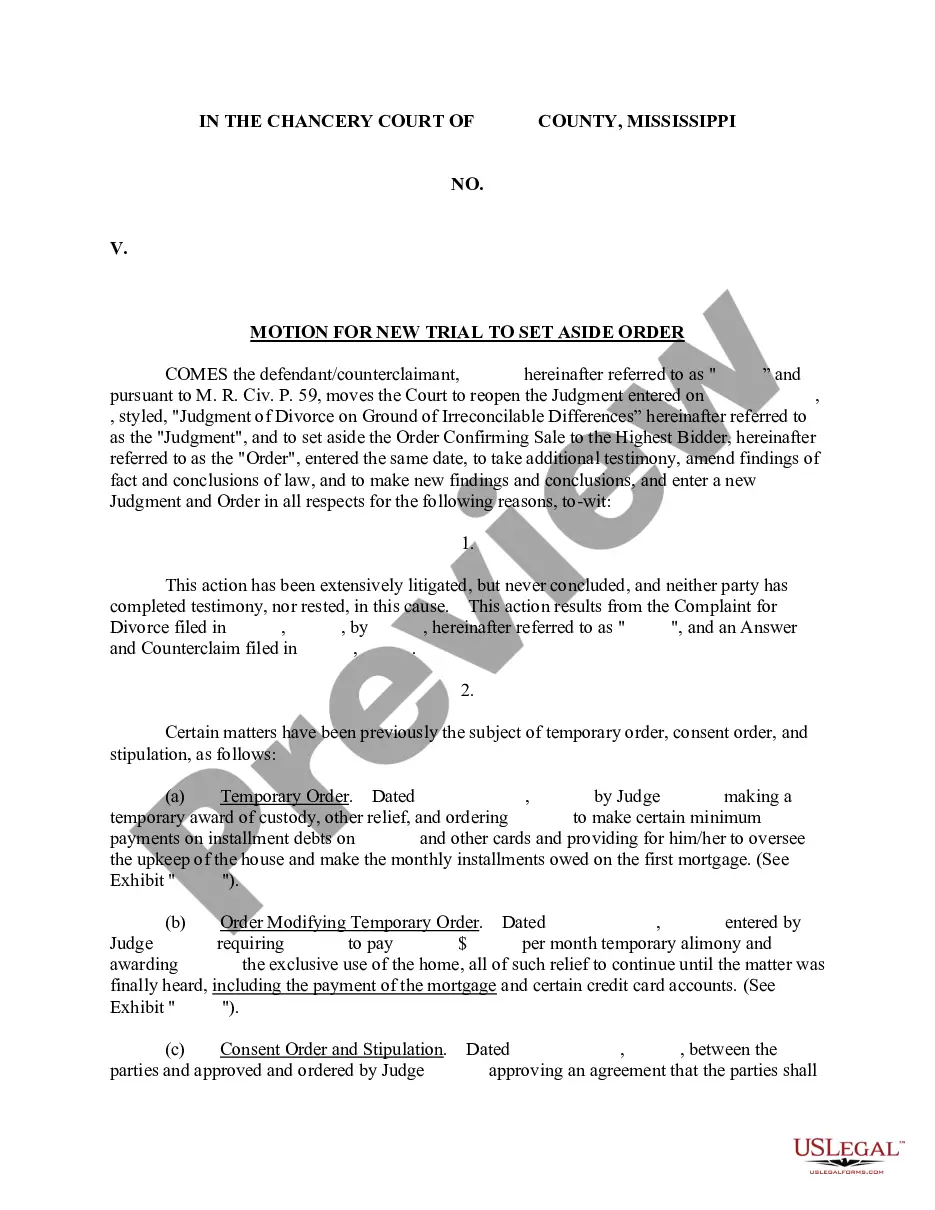
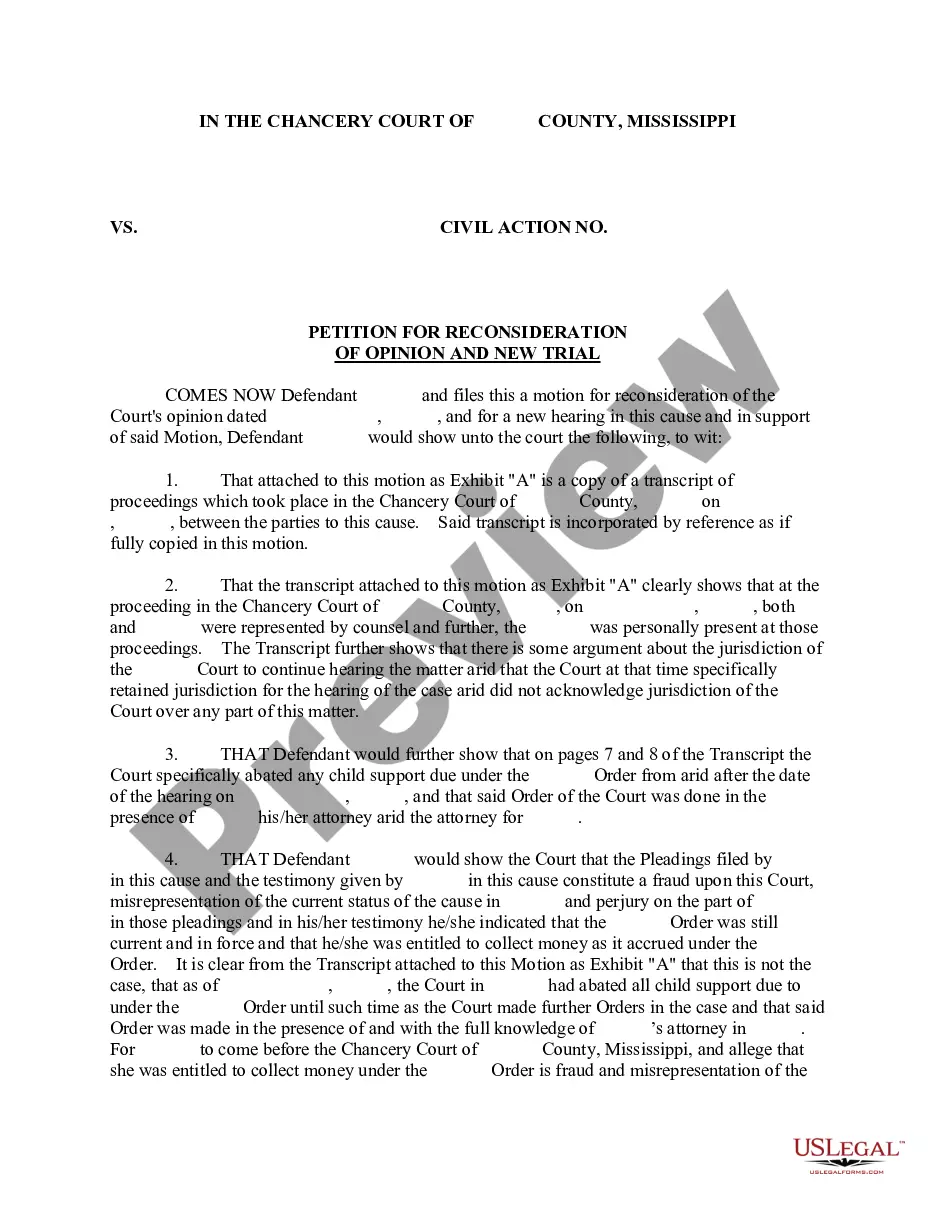
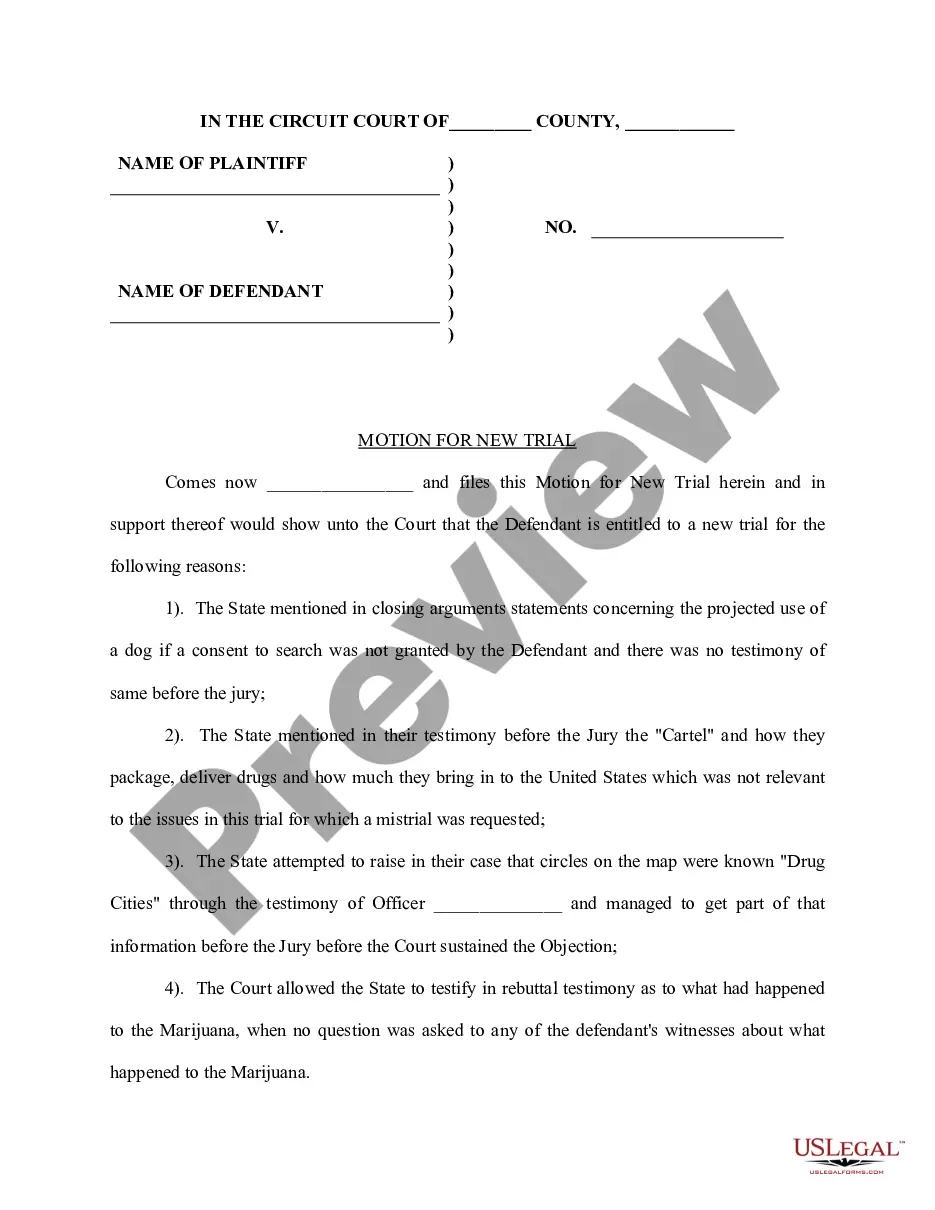
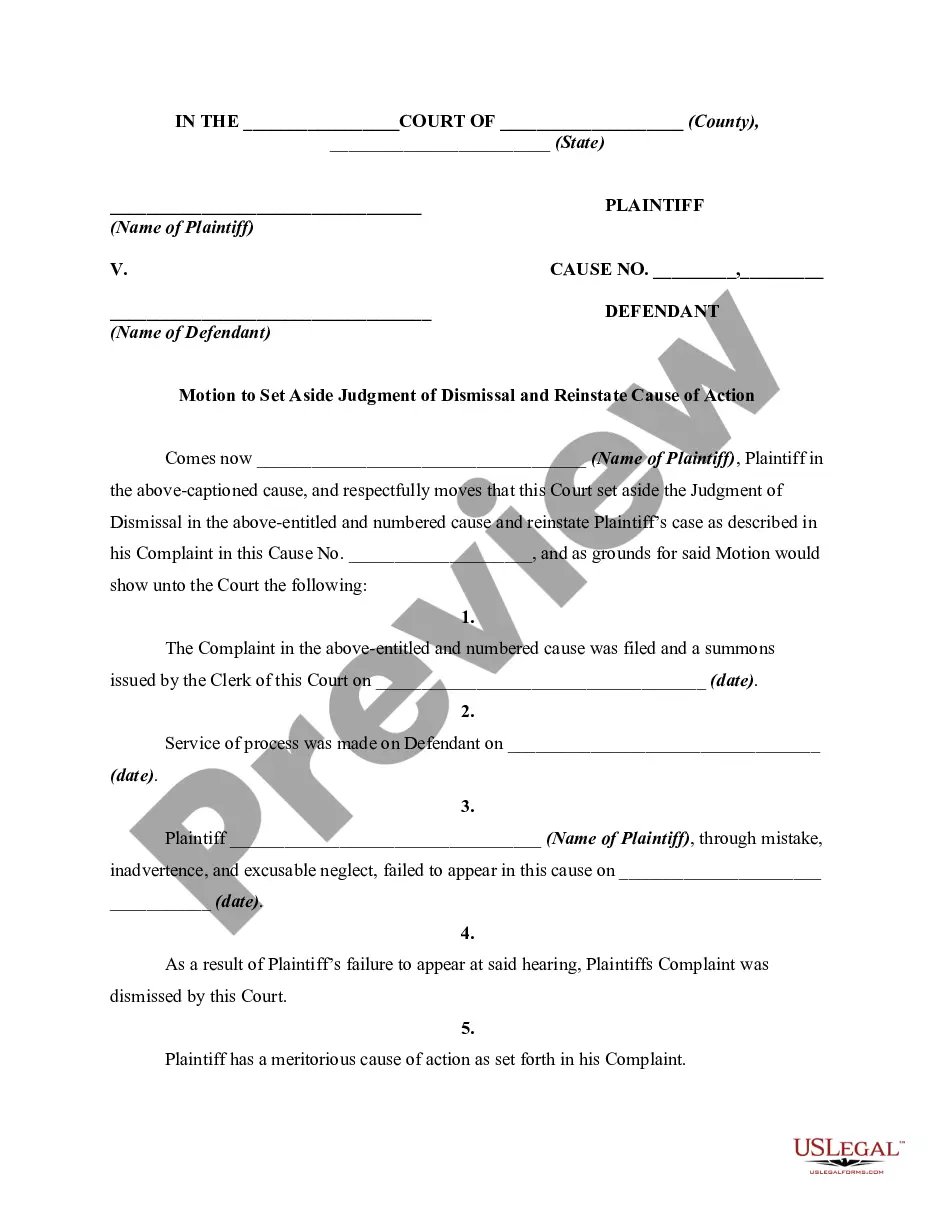
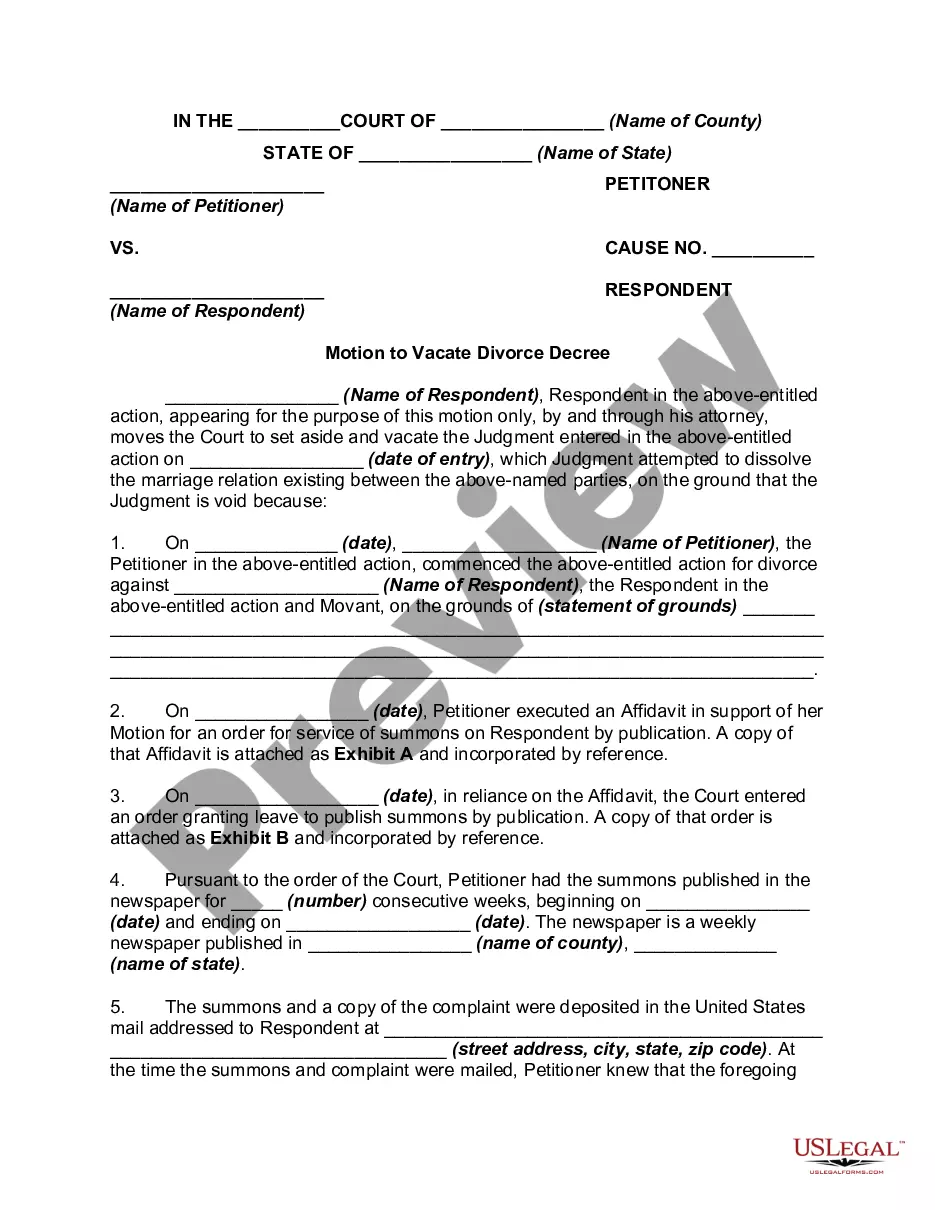
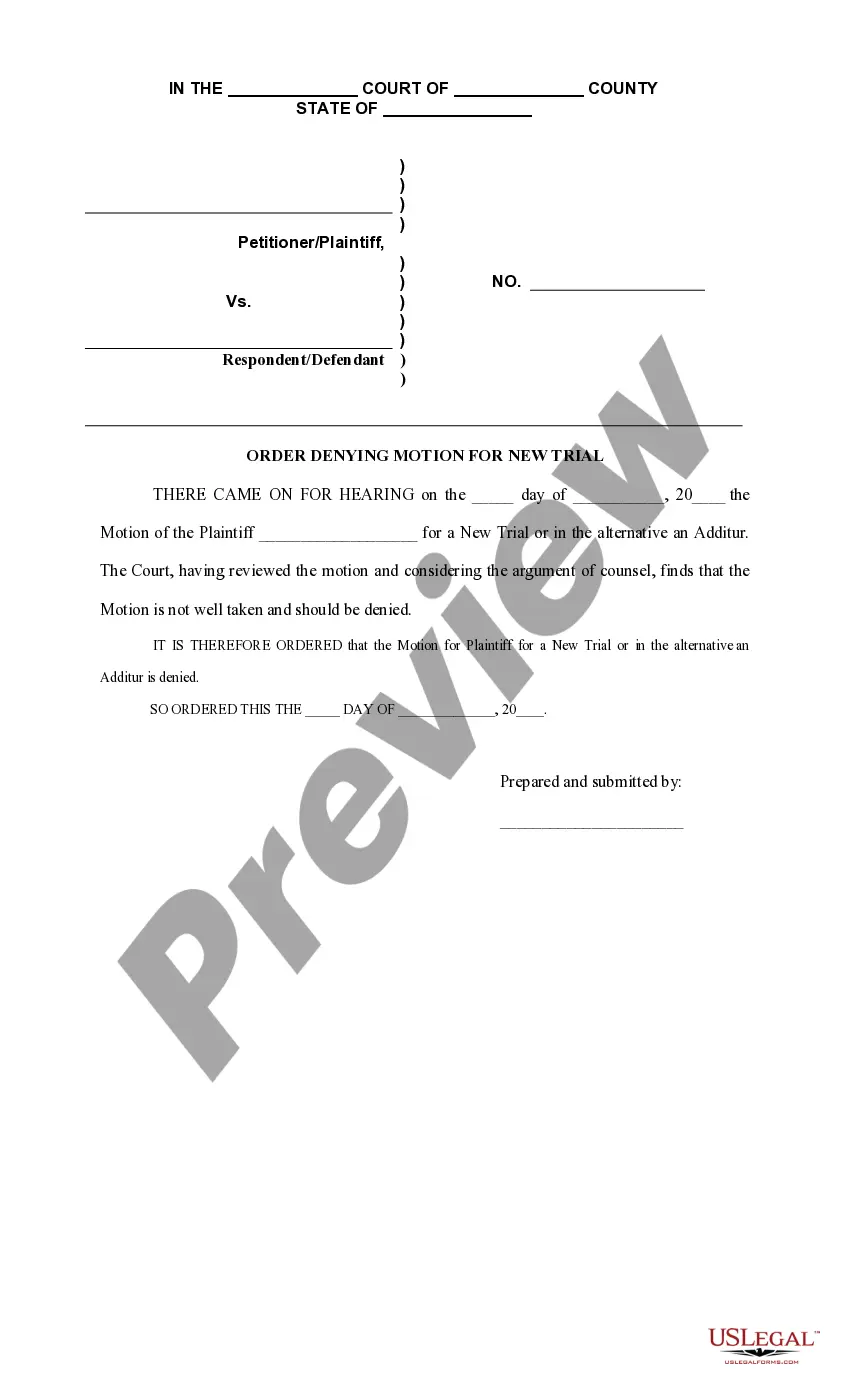
The Motion for New Trial to Set Aside Order is a formal request to the court seeking to reopen a judgment and invalidate an earlier order. This form is essential for individuals who believe that an error occurred during a legal proceeding, affecting the final decision. Unlike other motions, this particular form is specifically designed for reopening divorce judgments or similar orders, allowing for further testimony and reconsideration of prior findings.
Key components of this form
- Case caption: Identifies the parties involved and the court.
- Motion statement: Clearly articulates the request to the court.
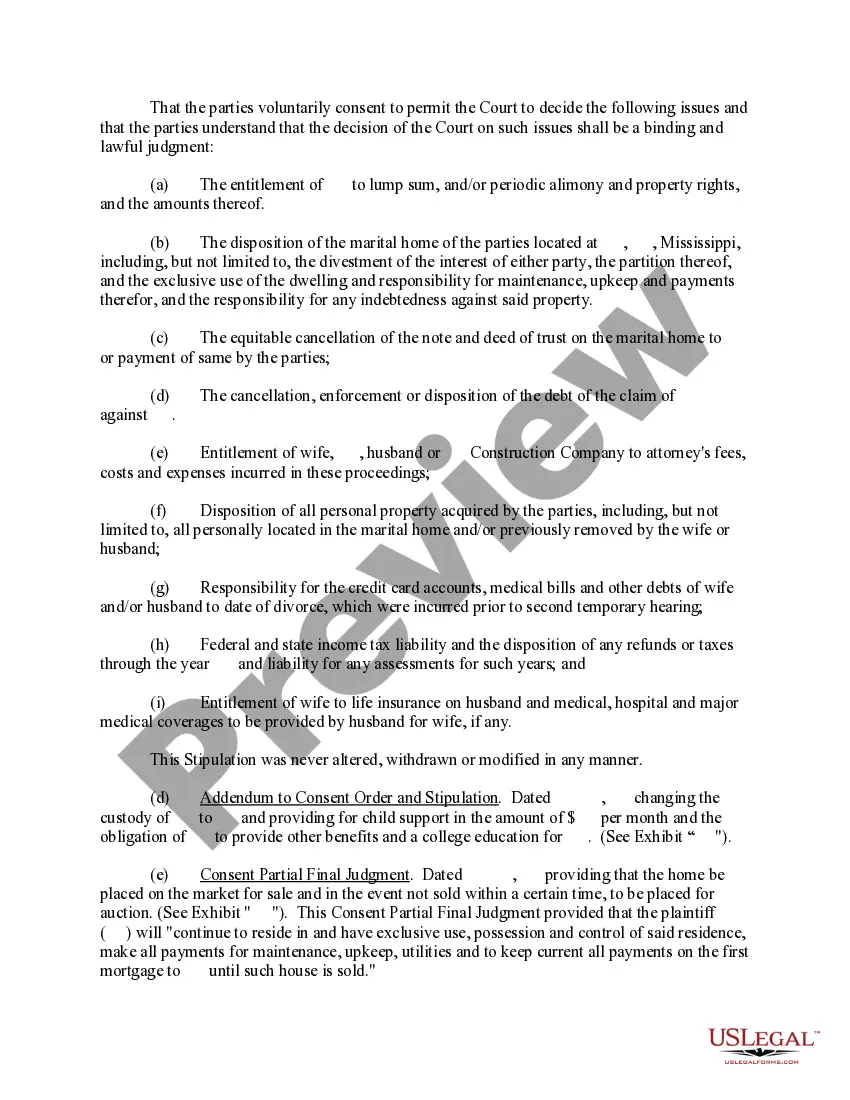
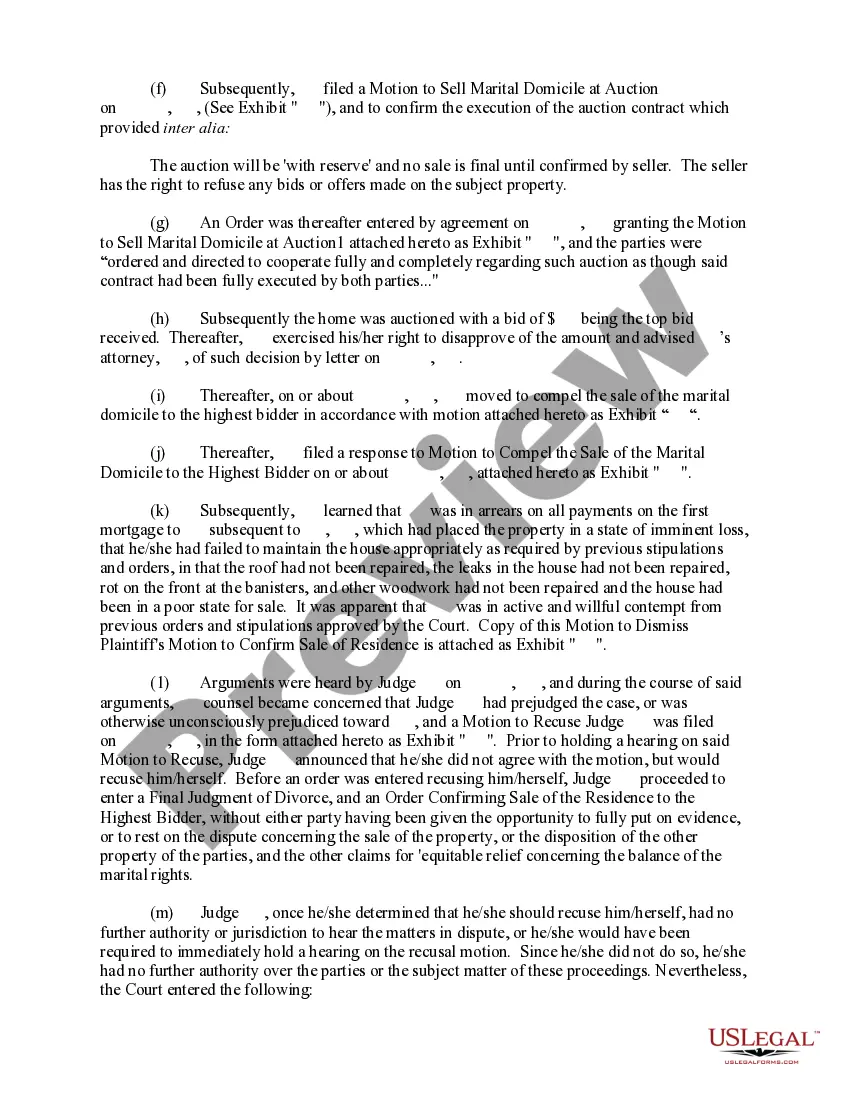
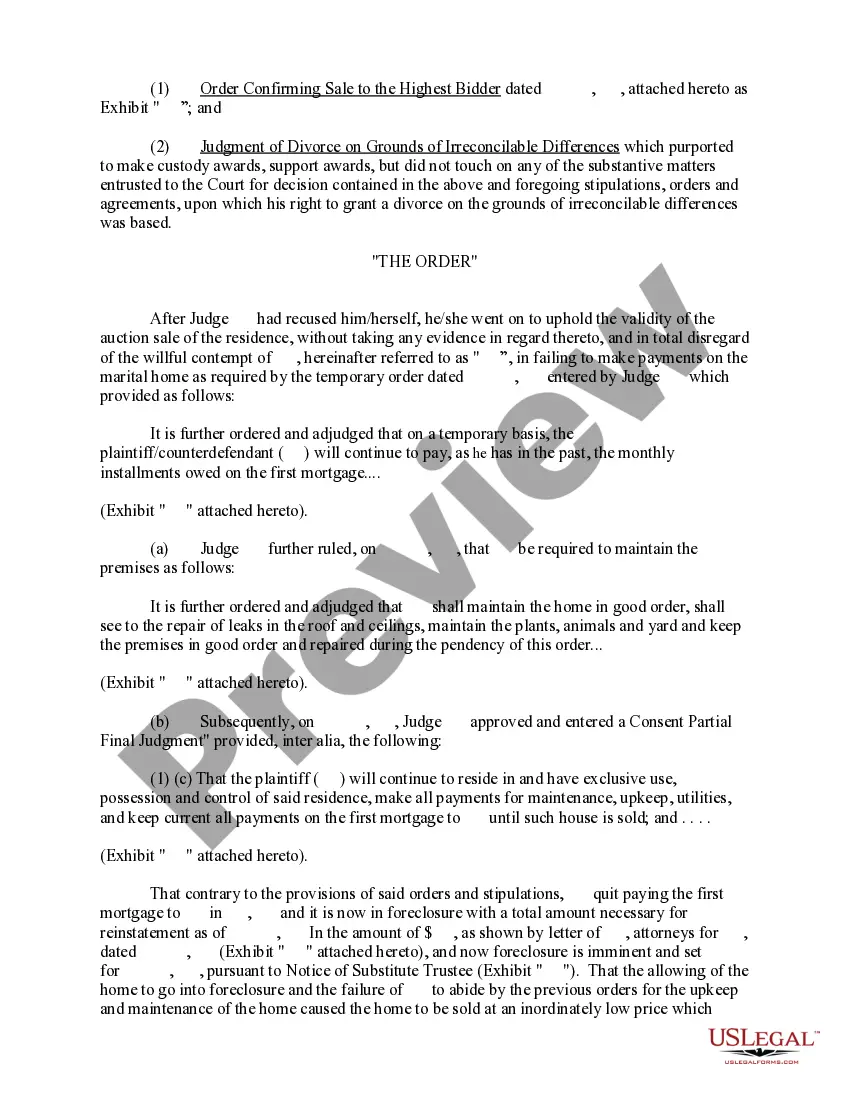
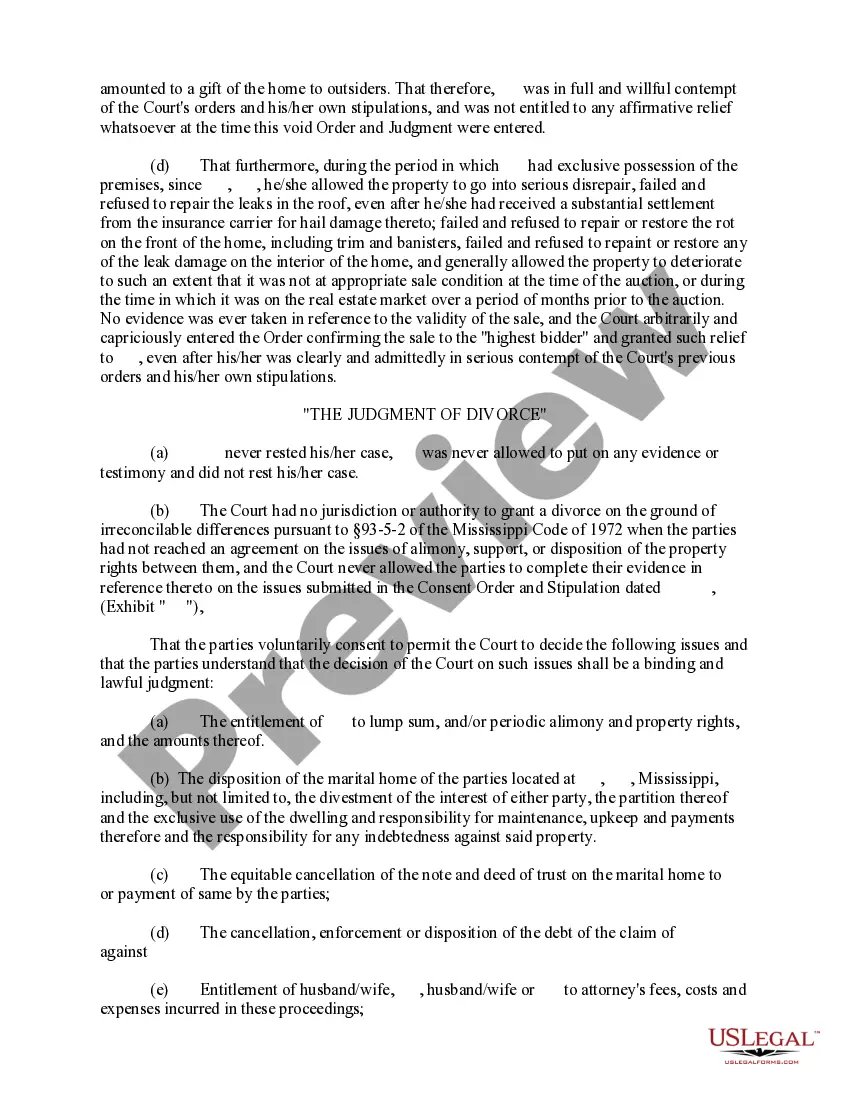
- Summary of previous orders: Provides details about relevant past judgments and orders.
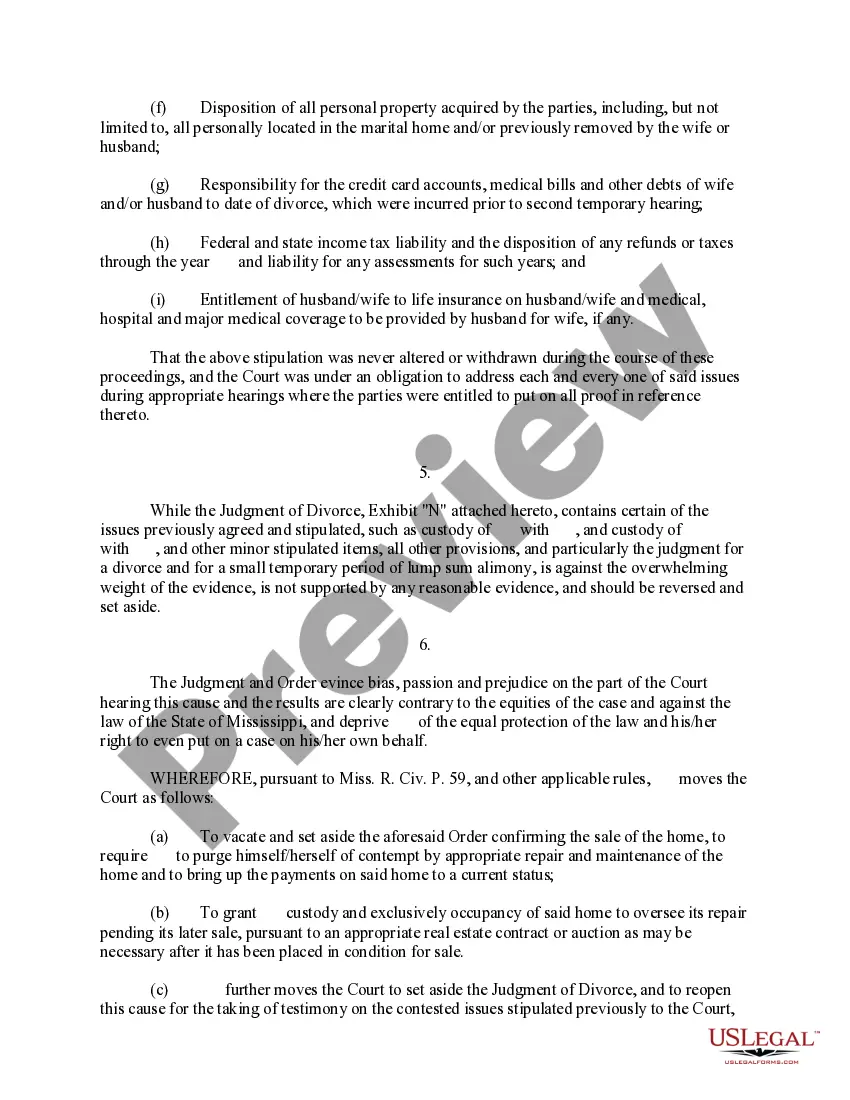
- Arguments for reopening the case: Lists reasons justifying the motion.
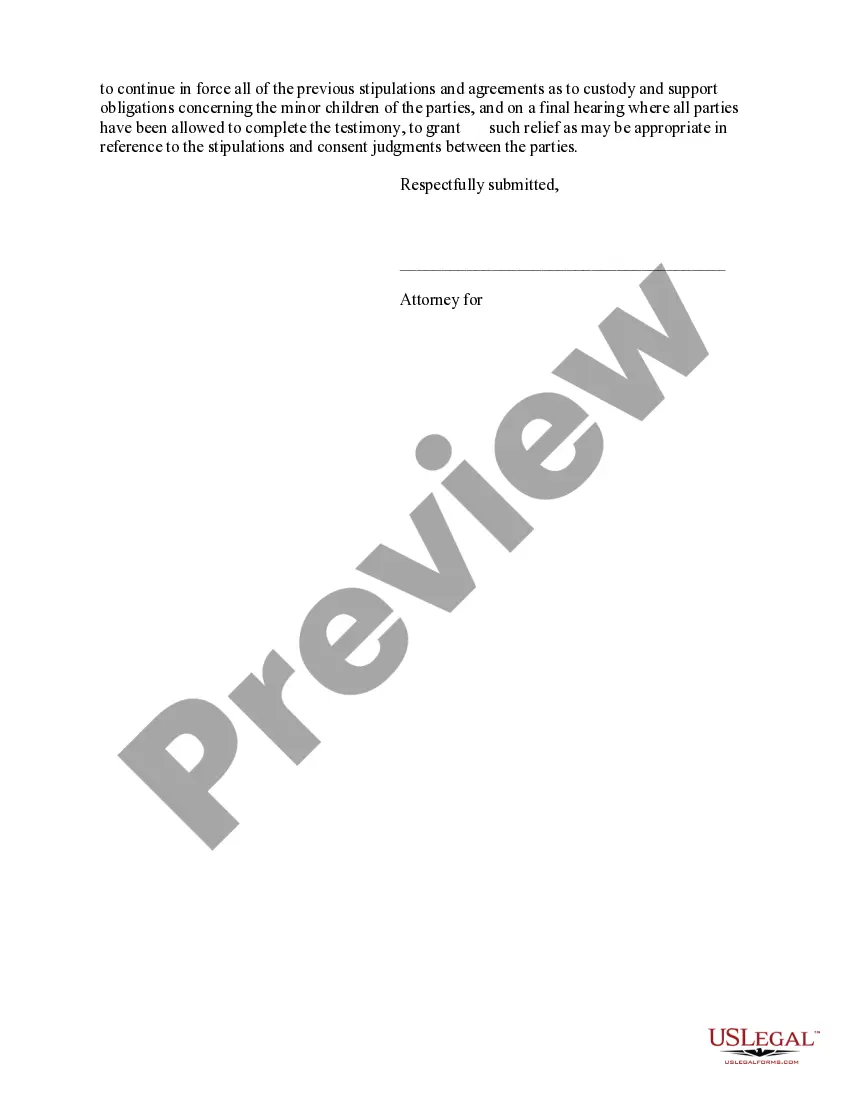
- Relief sought: Specifies what the moving party wants the court to do.
- Signature block: Includes the attorney's signature and their information.
When this form is needed
This form is used when a party needs to formally challenge a court's decision due to perceived errors or lack of proper process in a divorce or other family law proceedings. Common scenarios include situations where one party did not have the opportunity to present evidence, or when there is new evidence that could significantly alter the outcome of the case.
Who should use this form
- Individuals who are parties to a divorce proceeding.
- Defendants or counterclaimants seeking to contest a judgment.
- Anyone who believes a court order was entered in error or without full consideration of available evidence.
- Individuals needing to request additional hearings or testimony from either party.
Completing this form step by step
- Enter the case caption with the names of the parties and the relevant court.
- Provide a clear motion statement detailing your request.
- Summarize all previous judgments and orders relevant to your case.
- List the specific reasons why you believe the judgment should be reopened.
- Detail the relief or actions you are asking the court to take.
- Sign and date the document, ensuring that your attorney's information is included if applicable.
Does this form need to be notarized?
This form does not typically require notarization unless specified by local law. Always check your jurisdictionâs specific requirements to confirm.
Get your form ready online
Our built-in tools help you complete, sign, share, and store your documents in one place.
Make edits, fill in missing information, and update formatting in US Legal Forms—just like you would in MS Word.
Download a copy, print it, send it by email, or mail it via USPS—whatever works best for your next step.
Sign and collect signatures with our SignNow integration. Send to multiple recipients, set reminders, and more. Go Premium to unlock E-Sign.
If this form requires notarization, complete it online through a secure video call—no need to meet a notary in person or wait for an appointment.
We protect your documents and personal data by following strict security and privacy standards.

Make edits, fill in missing information, and update formatting in US Legal Forms—just like you would in MS Word.

Download a copy, print it, send it by email, or mail it via USPS—whatever works best for your next step.

Sign and collect signatures with our SignNow integration. Send to multiple recipients, set reminders, and more. Go Premium to unlock E-Sign.

If this form requires notarization, complete it online through a secure video call—no need to meet a notary in person or wait for an appointment.

We protect your documents and personal data by following strict security and privacy standards.
Avoid these common issues
- Failing to provide a clear and concise statement of reasons for the motion.
- Not including all relevant previous orders or exhibits.
- Omitting necessary party signatures or dates.
- Submitting the motion after the allowable timeframe set by court rules.
Why complete this form online
- Convenient access to the form at any time from your device.
- Editable templates allow for easy customization to fit your needs.
- Reliability of using forms drafted by licensed attorneys to ensure compliance with legal standards.
Legal use & context
- This motion serves as a legal avenue for addressing perceived judicial errors.
- It allows individuals to request a new trial or reconsideration of specific issues previously decided.
- Effective motions can impact custody arrangements, financial obligations, and property distributions in divorce cases.
What to keep in mind
- The Motion for New Trial to Set Aside Order is crucial for challenging erroneous legal processes.
- Clear documentation and adherence to procedural rules are essential for success.
- Utilizing online forms can streamline the process and ensure accurate submissions.
- Understanding state-specific requirements is vital for effective legal actions.
Looking for another form?



Form popularity
FAQ
When a court sets aside a conviction it dismisses the conviction, the penalties are dismissed and disabilities are vacated. The record of the prior conviction remains but the court record will also note that the conviction has been set aside.
Defendants typically make motions for new trials after guilty verdicts. In some jurisdictions, the trial judge can order a new trial without a defendant asking.But in some instances the prosecution can appeal a trial judge's grant of a new trial, and it can usually appeal a new trial order by an appellate court.
A: A setting is typically an appointment for an attorney to call the court and set a future court date.
Fraud, accident, mistake or excusable negligence.Newly discovered evidence.Damages awarded were excessive.Insufficient evidence to support.
In law, a motion to set aside judgment is an application to overturn or set aside a court's judgment, verdict or other final ruling in a case.Motions may be made at any time after entry of judgment, and in some circumstances years after the case has been closed by the courts.
After you complete your motion, you must file it with the court.You must then serve (mail) a copy of your filed motion (including all exhibits and the date, time, and place of hearing) to all other parties in the case. If a party is represented by an attorney, mail the motion directly to the attorney's office.
To ask a court to set aside (cancel) a court order or judgment, you have to file a request for order to set aside, sometimes called a motion to set aside or motion to vacate. The terms set aside or vacate a court order basically mean to cancel or undo that order to start over on a particular issue.
MEMORANDUM/ORDER Rule 60(b) provides six bases for relief from a judgment. It also provides that motions for relief shall be made within a reasonable time, and for reasons (1), (2), and (3) not more than one year after the judgment, order, or proceeding was entered or taken. Fed. R. Civ. Pro.
To be set to (do something): to be ready to, to be prepared to (do something); to be on the point of (doing something) We're set to go.